
Nightingale
Plain feathers, legendary night song

Plain feathers, legendary night song

Humps of fat, miles of grit
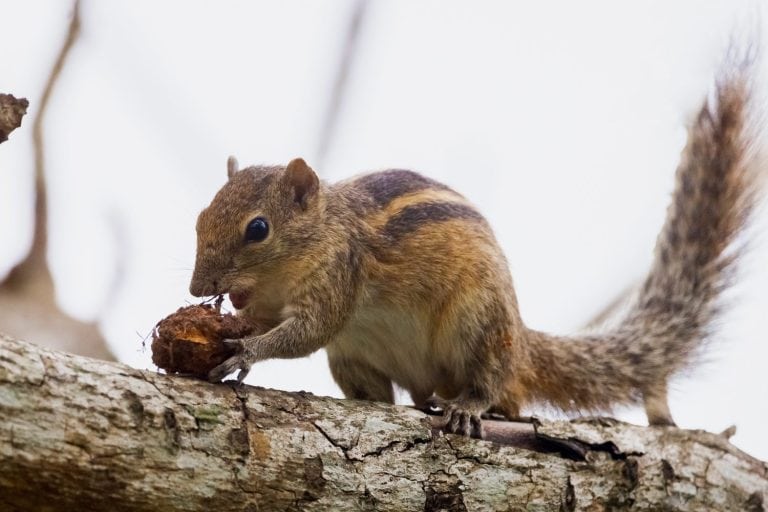
Three stripes. Big city attitude.
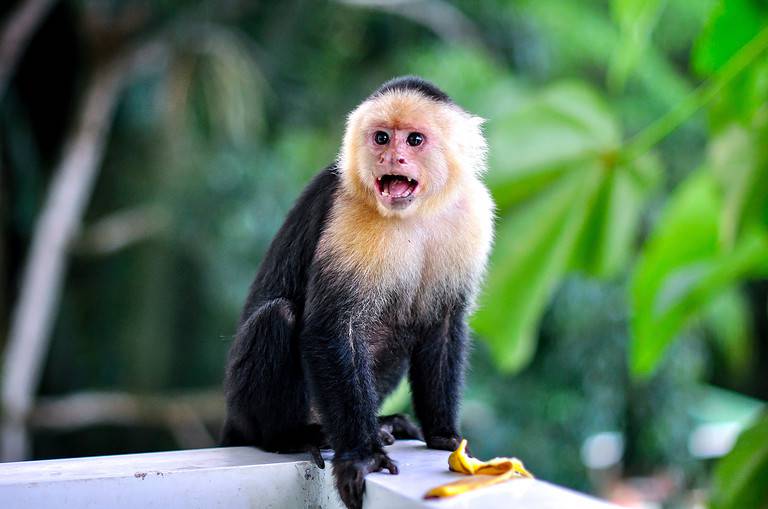
Hands, minds, and social lives
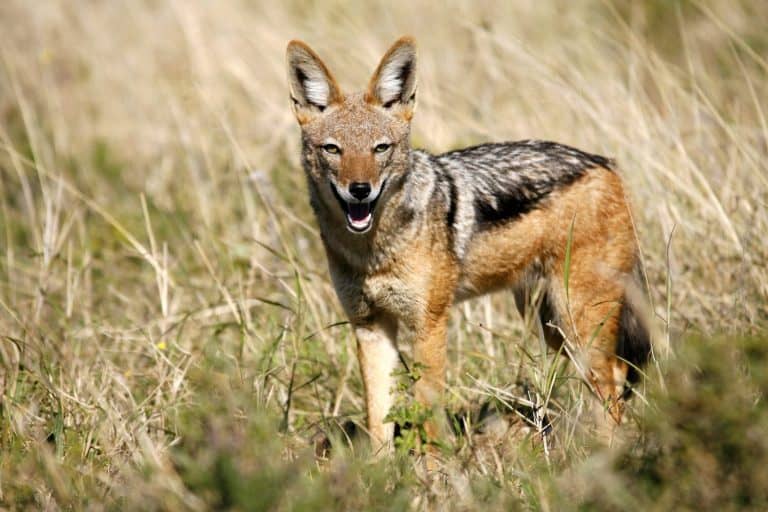
Small canids, big survival skills
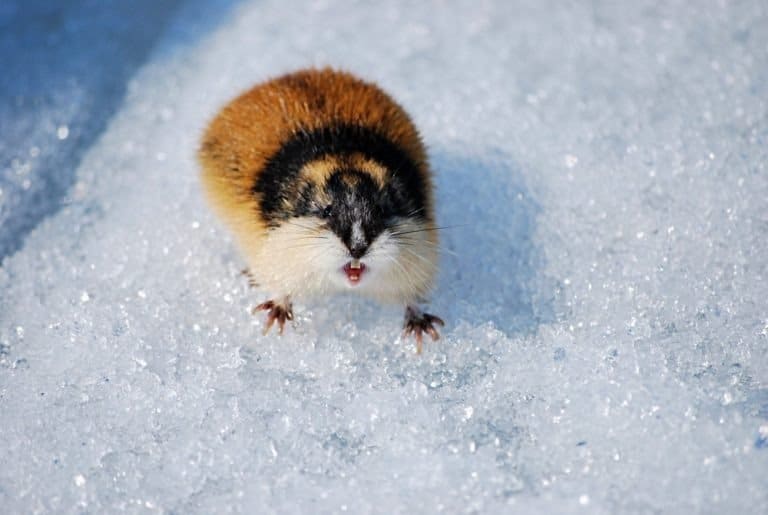
Small rodents, huge tundra impact
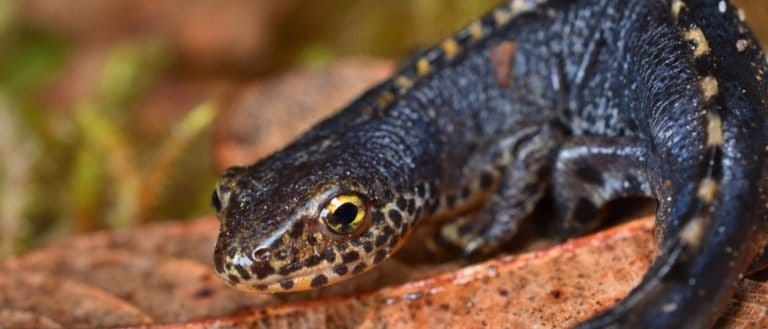
Crests, ponds, and potent defenses
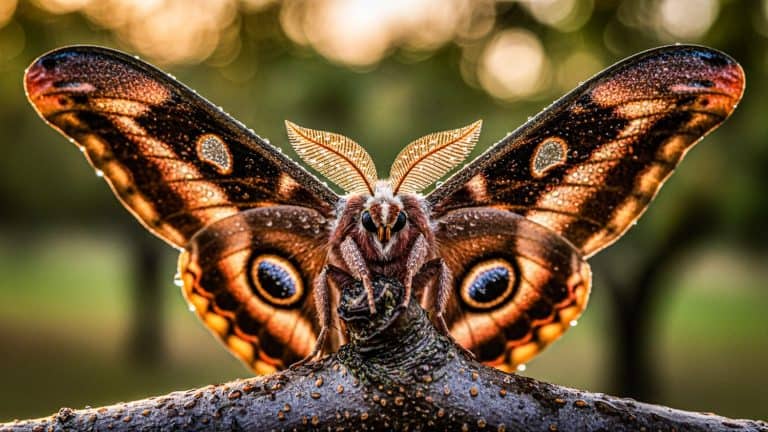
More than night flyers

Webbed feet, world travelers.
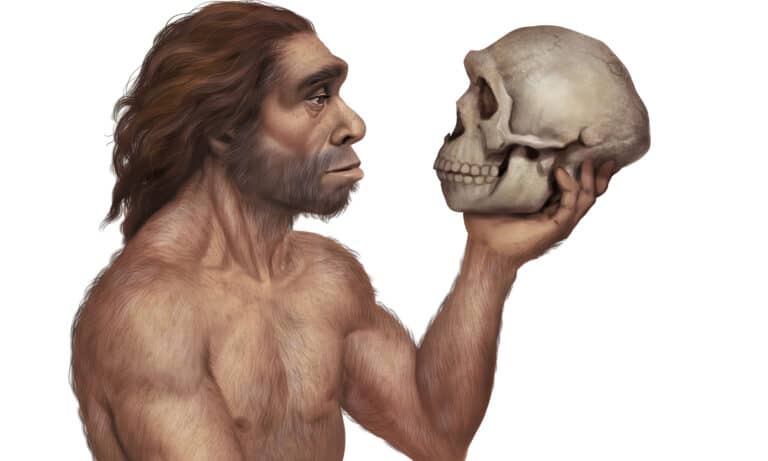
Not cavemen-Ice Age people
Diurnal describes organisms whose primary period of activity occurs during daylight, with inactivity (resting or sleeping) predominating during nighttime hours. This activity pattern is governed by endogenous circadian rhythms that are synchronized (entrained) to the daily light-dark cycle.
Diurnal animals are active mostly in daylight. They do most of their looking for food, moving, and socializing while it is light. Their daily routines match sunrise and sunset, with peaks at times like early morning or late afternoon. This pattern comes from both inside and outside factors. An animal's circadian clock sets hormones, body heat, alertness, and sleep, and daylight keeps these rhythms set to the local day length. Seasons can change when and how long diurnal animals are active, especially at higher latitudes where daylight changes a lot. Being diurnal can help animals see better to hunt or find food and communicate, but it also raises risks from daytime predators, heat, and competition. Many rest at midday, use shade, or act in cooler parts of the day.
Etymology: From a Latin adjective meaning "of the day, daily," ultimately from a Latin noun meaning "day."
Diurnal means active continuously all day (many diurnal species have distinct rest periods, including midday inactivity).
All diurnal animals have better vision or are strictly visual hunters (many use mixed sensory strategies, and vision varies widely).
Diurnal animals are never active at night (some show occasional nocturnal activity due to food availability, disturbance, or moonlight).
From shortly after sunrise to shortly before sunset (daylight hours).
At sunrise to ~1 hour after sunrise (often after warming up and beginning foraging).
Commonly bimodal: mid-morning (~2-4 hours after sunrise) and late afternoon (~2-4 hours before sunset); many species reduce activity near solar noon in hot/dry conditions.
~1 hour before sunset to at sunset (often returning to shelter/roost before dark).
Timing tracks day length: in summer, activity typically starts earlier and ends later; in winter, starts later and ends earlier. In hot summers, many species shift to stronger morning/evening peaks with a pronounced mid-day lull; in cold seasons, activity may concentrate around the warmest mid-day period.
At high latitudes, the light cycle can break the usual day/night schedule. During polar summer (continuous daylight), some species remain diurnal but may show extended activity windows or reduced 24-hour rhythmicity (more flexible/rest-while-possible patterns). During polar winter (very short days or polar night), diurnal activity may compress into the brief twilight/daylight period, shift toward crepuscular timing, or be greatly reduced with increased resting/torpor where possible.
Diurnality can evolve when prey gain a detection advantage in daylight (spotting predators earlier, coordinating group vigilance) and when key predators are more active at night, reducing encounter rates. Conversely, visually oriented diurnal predators benefit from daylight to detect, stalk, and capture prey, selecting for daytime hunting in systems where prey are also accessible and visibility is critical. These feedbacks can create day-active predator-prey communities, or day-active prey that shift to daylight specifically to avoid nocturnal predators.
Diurnality is favored when nights are too cold for movement or digestion, especially for ectotherms that need sun to warm up. In cool places or seasons, daylight gives reliable time to bask and work. In very hot places, midday heat can push diurnal animals to become crepuscular, but day activity suits a workable thermal window.
Being active in daylight helps diurnal animals avoid direct competition with night- or dawn/dusk-active species by using the same food or space at different times. Daytime activity reduces fights at crowded water, fruit, or hunting sites and lets species use safer, more open microhabitats, helping them coexist.
Many resources are easier to find in daylight: plants can be checked for quality, nectar, pollen, and fruit cues are more noticeable, and many prey (insects and small vertebrates) are active by day. Plant growth and daytime animal activity create regular times with more food. Daylight improves searching and travel, so daytime feeding uses less energy than night searching.
Optimized for bright-light conditions and high visual detail during daylight. Diurnal species tend to prioritize acuity, color discrimination, and glare control over extreme low-light sensitivity.
Typically balanced rather than extreme-adequate for communication, predator detection, and locating prey, but not as specialized for low-light navigation as in many nocturnal species.
Even though diurnal animals are active when humans are awake, people may still rarely encounter them because many are wary of humans and avoid busy areas, shift activity to quieter windows (early morning/late afternoon) when foot traffic is lower, or stay in habitats people don't frequent (canopy, wetlands, farm edges). Many also use camouflage and keep still when threatened, making them easy to overlook. In hot climates or seasons, they may reduce midday activity (seeking shade) so they're less visible during the hours people are most outdoors.
Go during daylight, especially the "shoulder" periods: shortly after sunrise and a few hours before sunset. These times often combine good light for viewing with peak movement as animals forage, travel, and socialize. Midday can work for species that bask or soar (e.g., some reptiles and raptors), but in warm weather many animals lie low then-focus on water sources, feeding areas, or open edges between habitats.
In cities, diurnal animals often adjust by using parks, green corridors, riverbanks, and tree-lined streets as daytime travel routes, and by timing activity to avoid peak human presence (more active on weekdays vs. weekends, or earlier in the morning). Many become more tolerant ("habituated") to predictable human movement and noise, exploit human-provided foods (trash, bird feeders, ornamental fruit trees), and use buildings/bridges for nesting or perching. Some may become more crepuscular (active at dawn/dusk) in heavily used urban spaces to reduce conflict.
Artificial light has a smaller direct effect on diurnal activity than on nocturnal species, but it can still disrupt sleep/rest cycles, shift dawn/dusk behavior, and alter daily timing ("earlier dawn" cues near bright lights). It can change food availability by affecting insects and plant cycles, influence predator-prey dynamics (e.g., better visibility at twilight near lit areas), and increase stress or reduce nighttime recovery. Over time, persistent light at night can lead to behavioral shifts (more twilight activity), changed breeding timing, and altered movement patterns around illuminated corridors.
Found across: Birds (many raptors, songbirds, seabirds), Mammals (many ungulates, primates, some carnivores and rodents), Reptiles (many lizards and tortoises; some snakes seasonally), Amphibians (some day-active frogs/toads, especially in cooler/wetter habitats), Insects (bees, butterflies, many dragonflies and wasps), Fish (many reef fish and visually hunting species), Marine mammals (some dolphins and seals with strong daytime activity patterns depending on prey and location)
Diurnality concentrates feeding, movement, and social interactions into daylight hours, aligning many species' ecological functions with solar-driven primary productivity. Diurnal animals often act as key daytime herbivores, predators, pollinators, and seed dispersers, shaping plant community dynamics and regulating prey populations during periods of high visibility. This activity pattern also structures temporal niche partitioning (reducing competition with nocturnal/crepuscular species), influences predator-prey risk landscapes, and links trophic levels through daytime pulses of foraging, pollination, and scavenging.
"Diurnal" doesn't mean "awake all day." Many diurnal animals take a midday rest to avoid heat stress-being active in daylight often means timing activity to the best daylight, not all of it.
Diurnal species often have vision tuned for bright light: cone-rich retinas and strong color vision are common, which can make daytime a "color information advantage" for finding ripe fruit, young leaves, or social signals.
Light is such a powerful cue that some diurnal animals can shift their schedules when conditions change-urban lighting, food availability, or human activity can nudge normally day-active species toward crepuscular (dawn/dusk) or even night activity.
Because daytime is busy and visible, many diurnal animals rely heavily on social and visual communication-think bright plumage, facial markings, or body postures that would be much less effective in the dark.
Diurnality can reduce encounters with some nocturnal predators, but it can increase exposure to daytime hunters (like many raptors), shaping behaviors such as flocking, alarm calls, and using open sightlines to spot danger early.
Diurnal vs. nocturnal is like "day shift vs. night shift": same job (eat, avoid predators, raise young), but different timing changes which tools work best-color vision and visual signals by day, stealth and sound/smell by night.
A diurnal animal's senses are often like a camera in bright mode: sharper detail and richer color in daylight, while nocturnal species are more like low-light cameras optimized for sensitivity over color.
Being diurnal is like running errands when stores are open: resources (light, visible food cues, social partners) are easier to access, but competition and crowds can be higher.
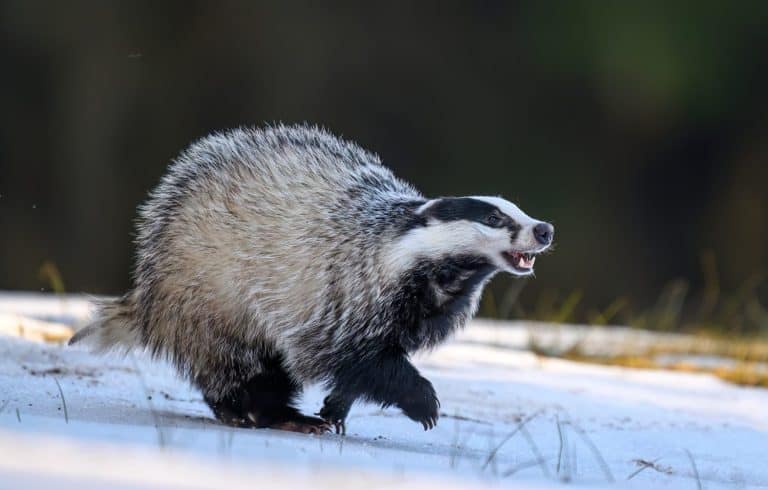
Built to dig. Born to endure.
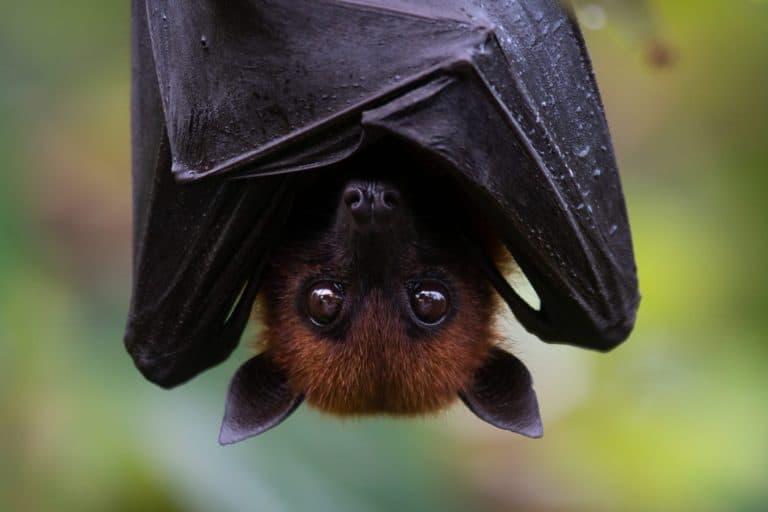
Night pilots of the mammal world
Humps of fat, miles of grit
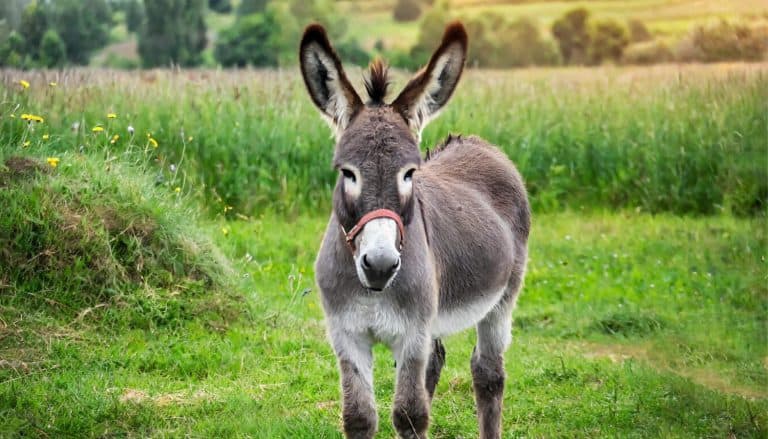
Sure-footed partner of people
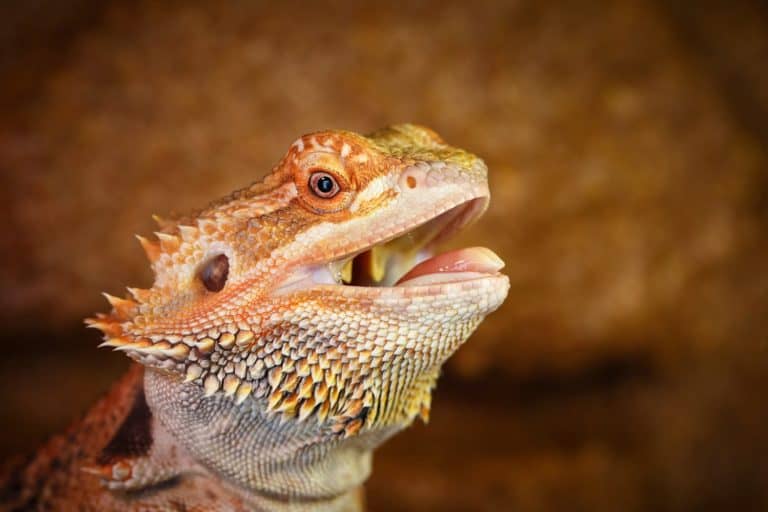
Big beard, bright sun, bold attitude.
Webbed feet, world travelers.
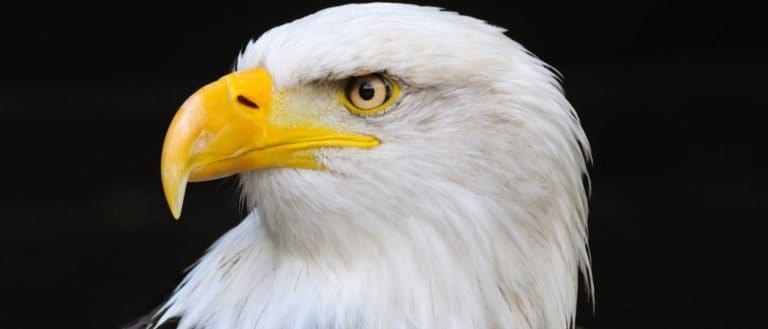
Built to soar, born to strike
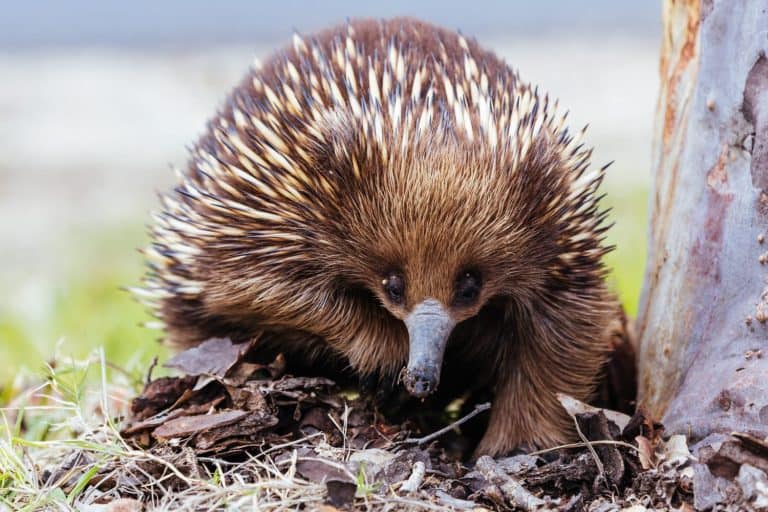
Spines, eggs, and ant-eating mastery
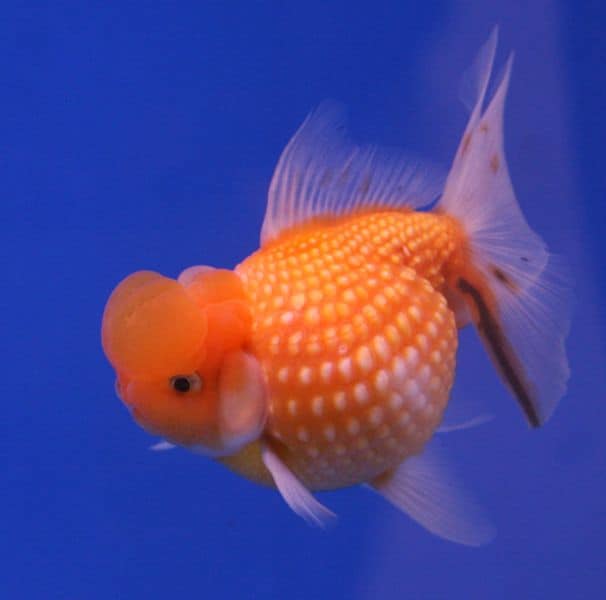
Bony rays, endless ways.
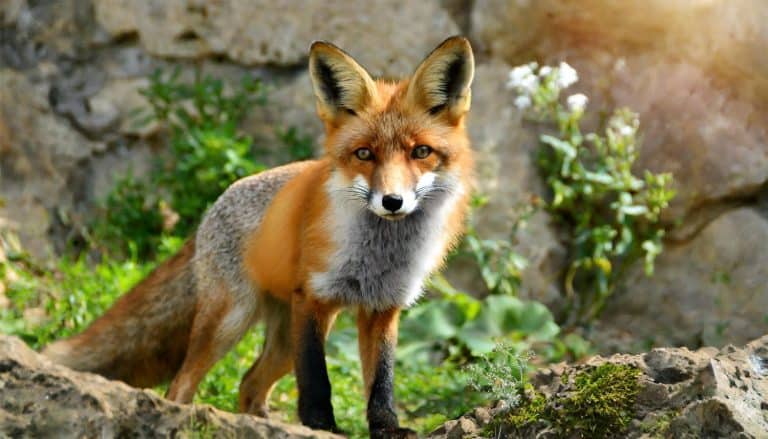
From dunes to tundra-fox smart.
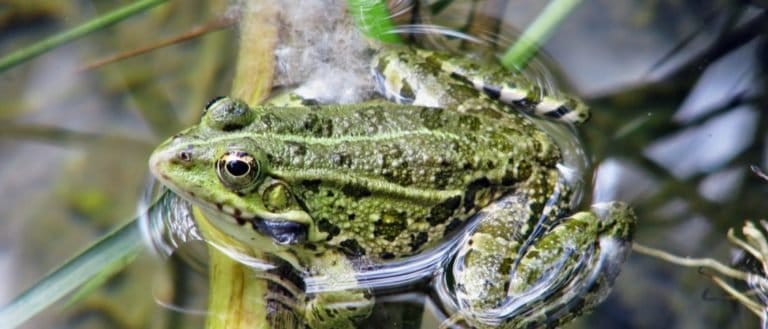
Tailless jumpers, masters of change
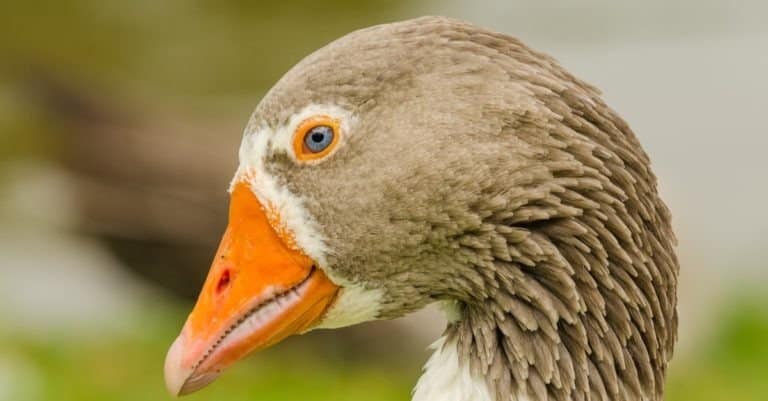
Webbed feet, sky roads, wetland lives
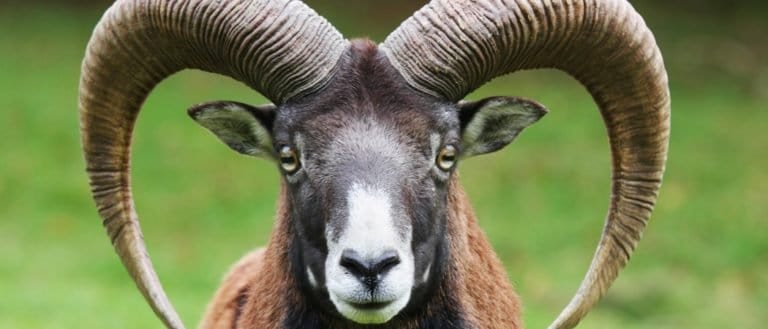
Sure-footed masters of rock and range
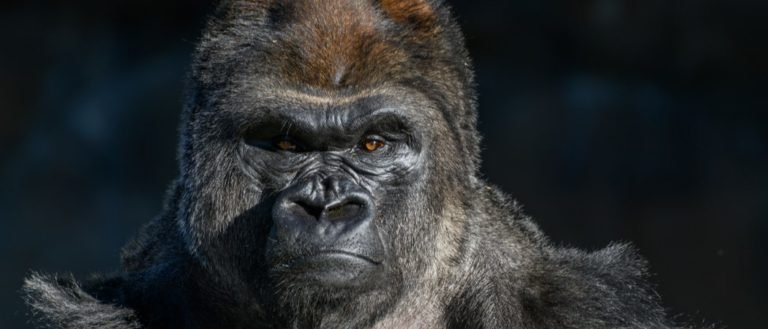
Gentle giants of the African forests
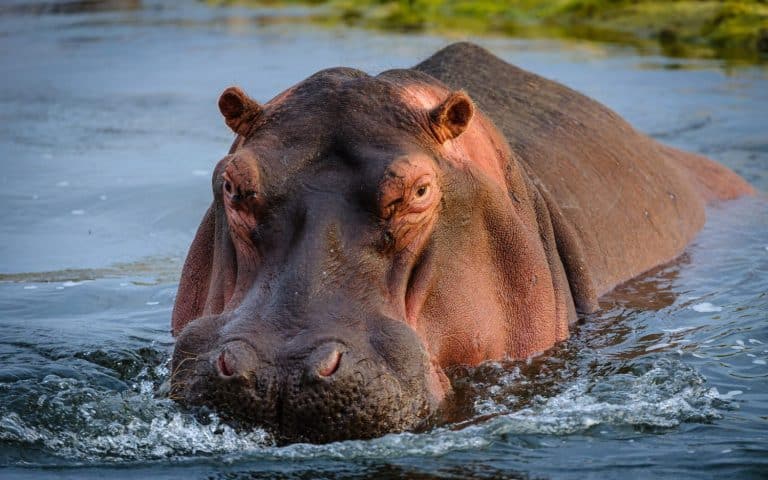
Big river grazer, bigger attitude
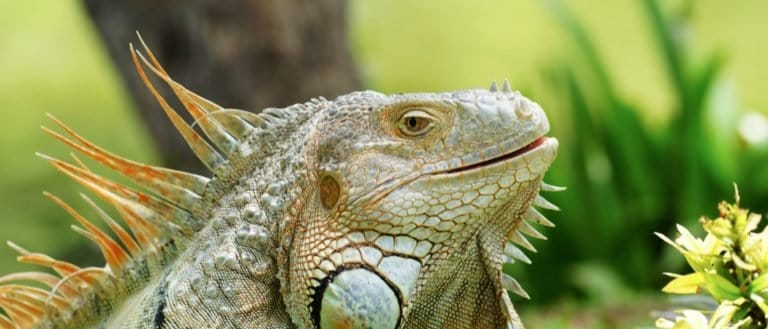
Sun-powered lizards of the Americas
Three stripes. Big city attitude.
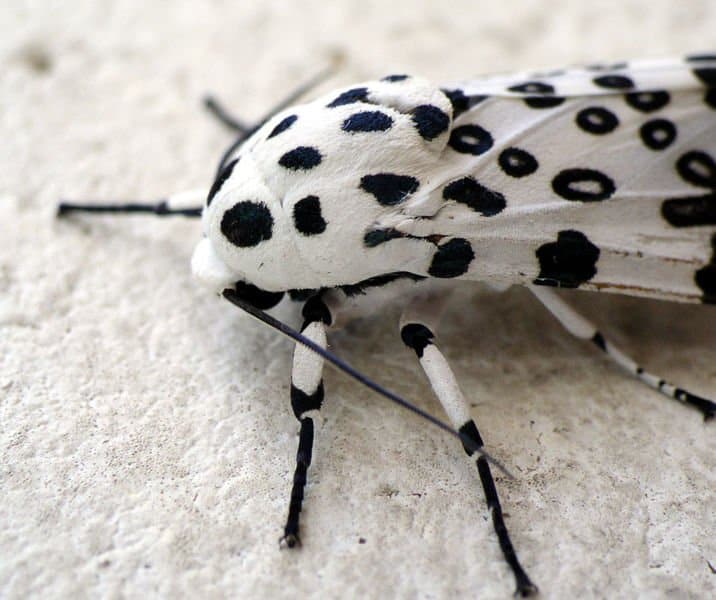
Six legs, endless lives.
Small canids, big survival skills
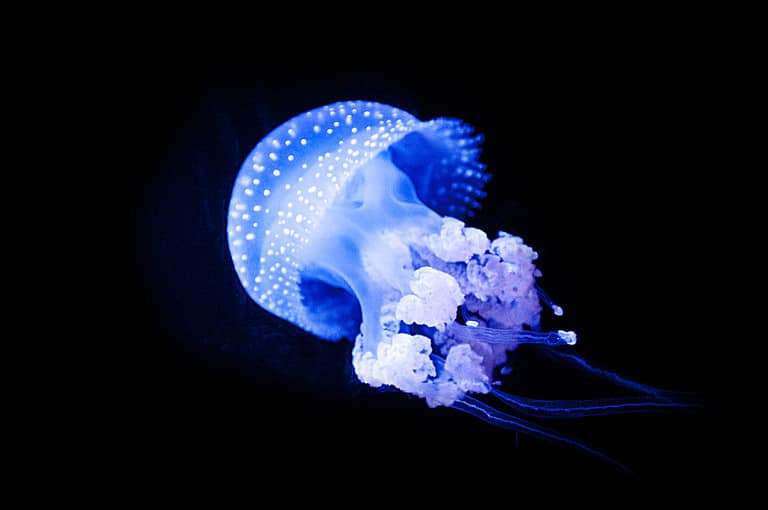
Sting-powered drifters of the sea

Big hops, big pouches, big variety
Small rodents, huge tundra impact
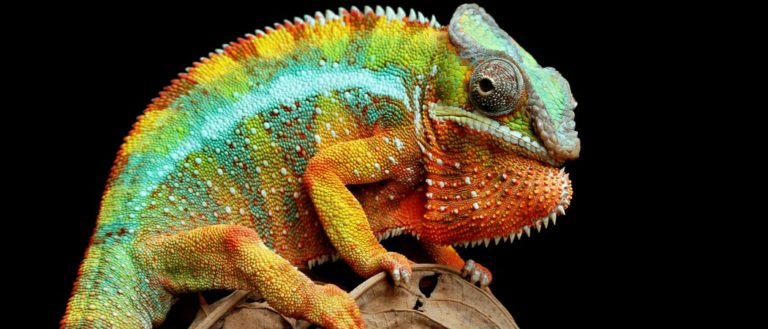
From geckos to dragons-lizard power
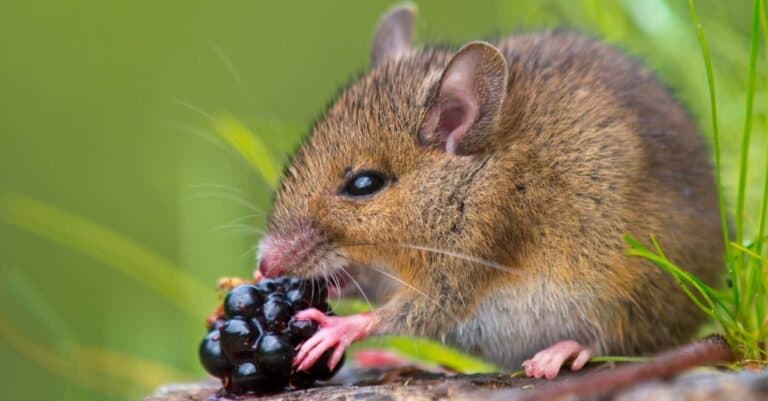
Small gnawers, huge impact.
Thank you for reading! Have some feedback for us?
We appreciate your help in improving our content.
Our editorial team will review your suggestions and make any necessary updates.
There was an error submitting your feedback. Please try again.