VU
Conservation Status

Vulnerable
Species

Facing a high risk of extinction in the wild.
101 Species
3/5 Page
Overview

Understanding This Status

Vulnerable (VU) is an IUCN Red List category for species assessed as facing a high risk of extinction in the wild. A taxon is listed as Vulnerable when it meets at least one IUCN criterion indicating significant population decline, restricted range, small population size, or other factors elevating extinction risk.

Vulnerable is one of the three IUCN "threatened" categories (Vulnerable, Endangered, Critically Endangered) and indicates that a species is not yet at the highest levels of risk but is already experiencing pressures strong enough to make extinction in the wild a realistic possibility. The IUCN assessment is evidence-based and criteria-driven, drawing on data such as population trends, geographic distribution, habitat quality, and known or projected threats (e.g., habitat loss, overexploitation, invasive species, pollution, disease, and climate change). A species can qualify as Vulnerable through different pathways-rapid declines, very limited or fragmented ranges, or small and declining populations-depending on which criterion is met.

This status applies to wild taxa (species, and sometimes subspecies or distinct populations) across all groups-animals, plants, fungi, and others-when sufficient information exists to assess them against the IUCN criteria. It does not automatically describe the condition of individuals or captive populations, nor does it guarantee legal protection in any particular country; rather, it is a global assessment of extinction risk. The category can change over time as new data emerge or as threats intensify or are successfully reduced.

Vulnerable matters because it signals a need for timely conservation action before a species' situation deteriorates to Endangered or Critically Endangered. It helps prioritize monitoring, habitat protection and restoration, threat mitigation, and policy responses, and it guides funders and decision-makers toward proactive measures that are often more effective and less costly than emergency interventions at later stages. In short, VU is an early warning that a species is on a risky trajectory, but still has meaningful opportunities for recovery if action is taken.

Common Misconceptions

IUCN Standards

Assessment Criteria

A species is listed as Vulnerable (VU) when the best available evidence shows it faces a high risk of extinction in the wild in the medium term. This is typically because it has undergone a substantial population decline, has a restricted or fragmented range with ongoing threats, has a small and declining population, has a very small or restricted population that could rapidly become threatened, or quantitative analyses show a meaningful probability of extinction.

How species are assessed: Assessors compile and evaluate the best available evidence on population trends, geographic range, habitat status, threats, and life history, then test the species against the IUCN Red List Criteria (A-E). The species is listed as Vulnerable if it meets at least one VU threshold under any criterion, using standardized definitions (e.g., "mature individuals," "locations," AOO/EOO) and documented assumptions, uncertainty handling, and supporting references, typically with expert review and Red List quality control.

~17,000-18,000 species globally listed as Vulnerable (VU) Species Globally
~10-11% of IUCN-assessed species Of Assessed Species
↑ Increasing

The number of species classified as Vulnerable has generally risen over time due to a combination of (1) genuine deterioration in status for many species driven by ongoing habitat loss and fragmentation (agricultural expansion, logging, infrastructure), overexploitation (fishing, hunting, trade), invasive species, pollution, and climate-change impacts (including ocean warming/acidification and extreme events), and (2) expanding Red List coverage and reassessments that bring more species into formal evaluation or update them into threatened categories. These factors together tend to push more species into VU, even when some conservation successes prevent escalation to Endangered.

Geographic Patterns: Vulnerable species are disproportionately concentrated in biodiverse tropical regions and on islands, where high endemism and small ranges increase extinction risk. Major concentrations occur in Southeast Asia (Sundaland/Indo-Burma/Philippines), Madagascar, the Tropical Andes and other Neotropical mountain systems, Mesoamerica and the Caribbean, and island archipelagos in the Pacific and Indian Oceans. Marine VU species cluster around heavily fished regions and coral-reef systems, while freshwater VU species are common in large river basins and wetland complexes facing damming, water extraction, and pollution.

Implications

What This Means

For the Species

  • Faces a high risk of extinction in the wild if current threats (e.g., habitat loss, overexploitation, disease, invasive species, climate impacts) continue or intensify
  • Populations are often declining, fragmented, or restricted in range, making them more susceptible to local extinctions and reduced genetic diversity
  • Recovery is still feasible with timely intervention; preventative conservation can avert escalation to Endangered or Critically Endangered
  • Typically triggers closer monitoring and management needs (e.g., population surveys, threat mitigation, habitat protection) to stabilize or increase numbers
  • Greater sensitivity to stochastic events (fires, storms, droughts) because remaining populations may be small or concentrated
  • May face increasing human-wildlife conflict or exploitation pressure as habitats shrink, requiring targeted mitigation and enforcement

Conservation Priority

High priority within threatened taxa, often targeted for proactive, cost-effective interventions to prevent further decline. Conservationists commonly prioritize Vulnerable species when: (1) trends show rapid deterioration that could soon meet Endangered criteria, (2) threats are clear and tractable (habitat protection, enforcement, invasive control), (3) the species is ecologically important (keystone/umbrella), endemic, or evolutionarily distinct, and (4) actions can yield measurable recovery within a moderate timeframe. VU species may compete for attention with Endangered/CR species, but are frequently emphasized for prevention-focused strategies that reduce future crisis costs.

Legal Protections

  • CITES: May be listed in Appendix II (regulated international trade) or, if threats are severe, Appendix I (trade generally prohibited); status does not automatically determine listing but can support proposals
  • U.S. ESA (Endangered Species Act): Vulnerable is not a U.S. legal category; the species may still be listed as Threatened or Endangered through the ESA assessment process, enabling federal protections and recovery planning
  • EU Nature Directives (Habitats/Birds Directives): Species may be listed on Annexes requiring strict protection and habitat designation; IUCN status can inform but does not automatically confer legal protection
  • CMS (Convention on Migratory Species/Bonn Convention): Migratory Vulnerable species may be listed on Appendices I/II, promoting range-state cooperation and coordinated conservation actions
  • National/regional endangered species laws: Many countries use IUCN assessments to guide legal listings, protected-area planning, hunting/trade restrictions, and permitting
  • Protected area and land-use regulations: VU status can be used in environmental impact assessments (EIAs), biodiversity offset policies, and development permitting to require avoidance/mitigation measures
  • Fisheries and wildlife trade regulations: May lead to quotas, seasonal bans, bycatch mitigation requirements, or stricter licensing/traceability depending on jurisdiction

Funding Implications

VU status generally improves eligibility and competitiveness for conservation funding compared with Near Threatened/Least Concern, because it signals recognized high extinction risk and clear justification for action. Many grantmakers and government programs prioritize threatened categories (VU/EN/CR) for habitat protection, research/monitoring, and threat-reduction projects; however, VU species may receive less emergency funding than Endangered/Critically Endangered species when budgets are limited. Funding proposals often focus on prevention (stopping decline before EN), scalable interventions, and co-benefits (ecosystem services, community livelihoods). VU listing can also help unlock compliance or mitigation funding tied to EIAs, biodiversity offsets, and corporate "no net loss" commitments, though amounts and access depend on national policy and project context.

Stories of Change

Status Transitions

Success Stories

Giant panda

endangered vulnerable

Expanded protected areas, habitat restoration, and stronger anti-poaching enforcement helped stabilize and increase populations in parts of its range; improved surveys also refined population estimates, supporting downlisting.

2016

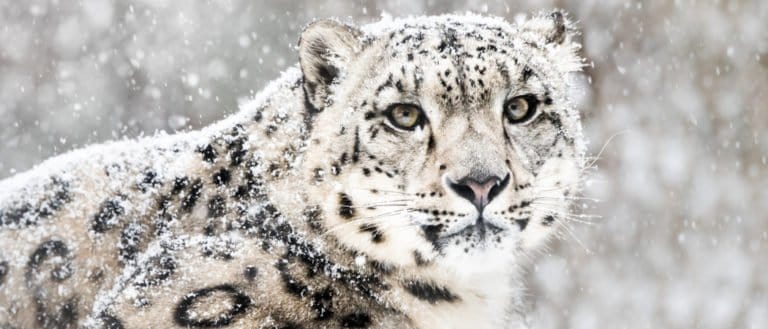
Snow leopard

endangered vulnerable

Better anti-poaching measures, protected-area coverage, and community-based conflict mitigation improved prospects in some regions; reassessment indicated extinction risk was lower than previously estimated, though major threats remain.

2017

Fin whale

endangered vulnerable

Recovery from historical commercial whaling, alongside protections in many regions, led to population increases sufficient for downlisting, despite ongoing risks from ship strikes, entanglement, and noise.

2018

Tragic Losses

Tasmanian devil

A contagious cancer (devil facial tumour disease) drove rapid population declines; despite intensive management and insurance populations, the species' risk category worsened due to the scale and persistence of losses.

2008

African penguin

Long-term declines driven by reduced prey availability, ecosystem change, and other human pressures led to worsening conservation status as colonies shrank and breeding success fell.

2010
How You Can Help

Take Action

Conservation Strategies

  • Protect and manage remaining habitat before further fragmentation occurs (expand protected areas, conservation easements, and enforce land-use zoning in key range areas).
  • Targeted threat reduction at landscape scale (reduce bycatch, regulate harvest, control invasive species, mitigate disease spread, reduce pesticide/poison use).
  • Maintain and restore connectivity (create wildlife corridors, remove/retrofit barriers like fences and culverts, protect migratory stopover sites).
  • Prevent population declines through proactive management (regular population monitoring, early-warning indicators, and rapid response when declines are detected).
  • Community-based conservation and conflict mitigation (livestock guarding, compensation/insurance schemes, non-lethal deterrents, co-management agreements).
  • Sustainable-use frameworks where relevant (science-based quotas, seasonal closures, certification schemes, traceability, and enforcement against illegal trade).
  • Climate adaptation planning (protect climate refugia, diversify habitat types, restore wetlands/forests for resilience, integrate fire and drought management).
  • Species-specific action plans (identify critical habitat, protect breeding/nesting sites, manage key resources, and reduce mortality hotspots like roads/powerlines).
  • Genetic and demographic safeguarding (manage small or isolated subpopulations, consider translocations to bolster genetic diversity and reduce inbreeding).
  • Ex situ support when needed (captive breeding/seed banking as a backup, with clear criteria and plans for reintroduction; not a substitute for habitat protection).
  • Strengthen policy and enforcement capacity (improve compliance, patrols, prosecutions, and cross-border cooperation for wide-ranging species).
  • Long-term funding mechanisms (conservation trust funds, payments for ecosystem services, biodiversity offsets only with strict safeguards and additionality).

How You Can Help

  • Support prevention-focused conservation (donate or become a sustaining member of reputable habitat-protection groups working in the species' range).
  • Choose products that reduce habitat loss: buy deforestation-free or certified goods (e.g., FSC wood/paper; RSPO palm oil where applicable; shade-grown coffee; MSC/ASC seafood).
  • Reduce wildlife exploitation pressure: never buy wildlife products; verify legality and traceability for pets, plants, timber, and seafood; report suspected illegal trade to authorities or hotlines.
  • Cut bycatch and overfishing impacts through purchasing: prefer pole-and-line or well-managed fisheries; avoid high-bycatch products where guidance exists; ask retailers for traceable sourcing.
  • Make your property safer for wildlife (context-dependent): keep cats indoors; use bird-safe window treatments; avoid rodenticides/second-generation anticoagulants; modify fences to be wildlife-friendly.
  • Lower collision and electrocution risks: advocate for powerline marking/insulation in local projects; drive slower in wildlife-crossing zones; support wildlife overpasses/underpasses and corridor planning.
  • Participate in monitoring and data collection (join citizen science programs like eBird/iNaturalist; report sightings to local conservation projects to improve trend data for VU species).
  • Volunteer for habitat restoration (native planting, invasive removal, wetland/reef cleanups) in areas linked to at-risk species' habitats.
  • Advocate for proactive protections: contact decision-makers to support protected-area expansion, corridor protection, and strong environmental impact assessments before development proceeds.
  • Reduce climate pressures: cut personal emissions (transport, home energy), and support local climate-resilience projects (riparian restoration, mangrove/wetland protection, fire-wise community programs).
  • Support coexistence initiatives if the species is conflict-prone (fund livestock-guarding programs, community rangers, compensation schemes, or purchase from predator-friendly/wildlife-friendly producers).
  • Prefer tourism operators with verified conservation benefits (local community revenue sharing, no wildlife harassment, adherence to codes of conduct) and avoid venues that exploit wildlife.

Vulnerable species are at risk of becoming extinct in the wild or extinct. The IUCN currently identifies over 10,000 species as vulnerable. For a species to be considered vulnerable it must meet any of the following criteria:

Population Reduction

  • A taxon’s population size is reduced by 50 percent or more over 10 years or three generations, whichever is longer, and scientists understand that the reduction causes are reversible and have stopped. For example, let’s pretend there is a bird species that traditionally had a population of 2000. Over 10 years, it drops to 1000 because a logging company demolished its habitat. If lawmakers establish regulations that bar the logging company from continuing to fell trees in the area, then the IUCN will list the bird species as “endangered” because they understand the reason for the decline, and it is stopped.
  • A taxon’s population size is reduced by 30 percent or more over 10 years or three generations, whichever is longer. However, conservationists don’t understand the reduction cause or know if it is reversible. For example, let’s say there is a bird species that traditionally had a population size of 2000. Over 10 years, it drops to 1400. Scientists, however, can’t figure out why they’re dying off. In this case, the IUCN would list it as “endangered” because the decimation is evident, but it can’t figure out why.
  • A taxon’s population size is reduced by 30 percent or more over 10 years or three generations, whichever is longer, and the animal is also battling habitat shrinkage or another threat.

Geographic Reduction

The area where a species can live is reduced to 20,000 square kilometers or less, or the area where it currently and actually occupies is reduced to 2,000 square kilometers, and at least two of the following criteria are also true:

  • The population is not known to exist at more than 10 locations.
  • Scientists observe or predict that the habitat in question will continue to shrink or be degraded, and there’s also a decline in subpopulations or the number of reproducing adults.
  • Scientists observe extreme fluctuations in the number of locations, subpopulations, or the number of reproducing adults.

Dangerously Low Number of Adults

  • A taxon’s population only has 10,000 or fewer adults left, and a 10 percent decline is anticipated within 10 years or three generations, whichever is longer. If none of the taxon’s subpopulations contain more than 1,000 adults, or all the adults live in one subpopulation.
  • Scientists observe extreme fluctuations in the number of mature adults in a taxon’s population.

Dangerously Low Overall Population Size

Only 1,000 or fewer individuals of a taxon remain.

A population with a viable but restricted habitat area is vulnerable to human activities within a very short period and thus may become critically endangered or extinct in the near future.

Expected Rapid Decline

Research indicates that there’s a 10 percent or greater chance that the taxon will be extinct in the wild within 100 years
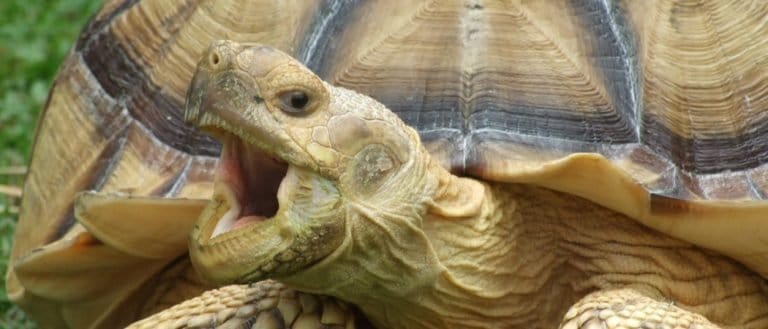
All Vulnerable Species

101 species documented in our encyclopedia

Thank you for reading! Have some feedback for us?