

N
Species Profile

Newfypoo

Canis lupus familiaris

Big heart, brain, and beach-day vibes.
iStock.com/PABimages

Newfypoo Distribution

Click a location to explore more animals from that region

Origin Location

This map shows the native origin of the Newfypoo. As a domesticated species, they are now found worldwide.

Loading map...

Size Comparison

Human 5'8"
Newfypoo 2 ft 1 in

Newfypoo stands at 37% of average human height.

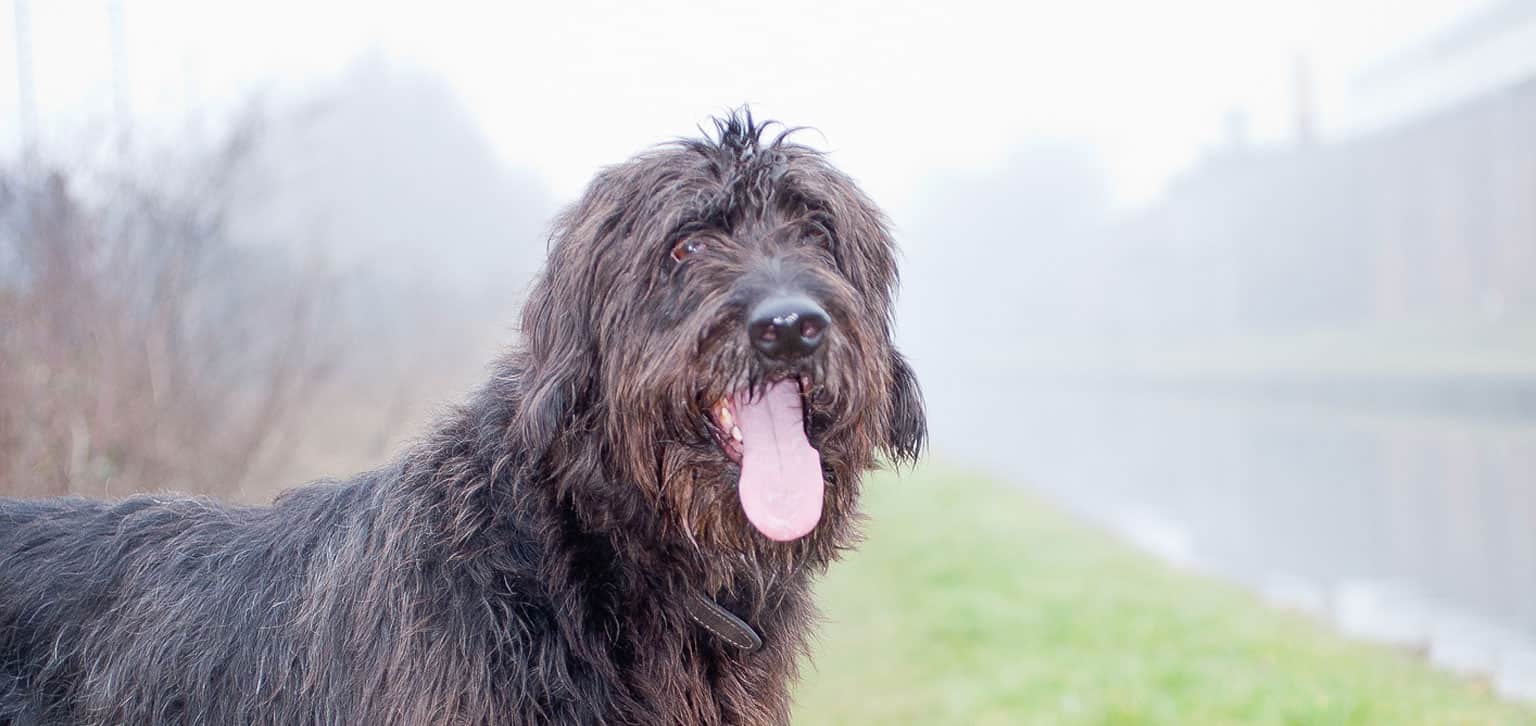
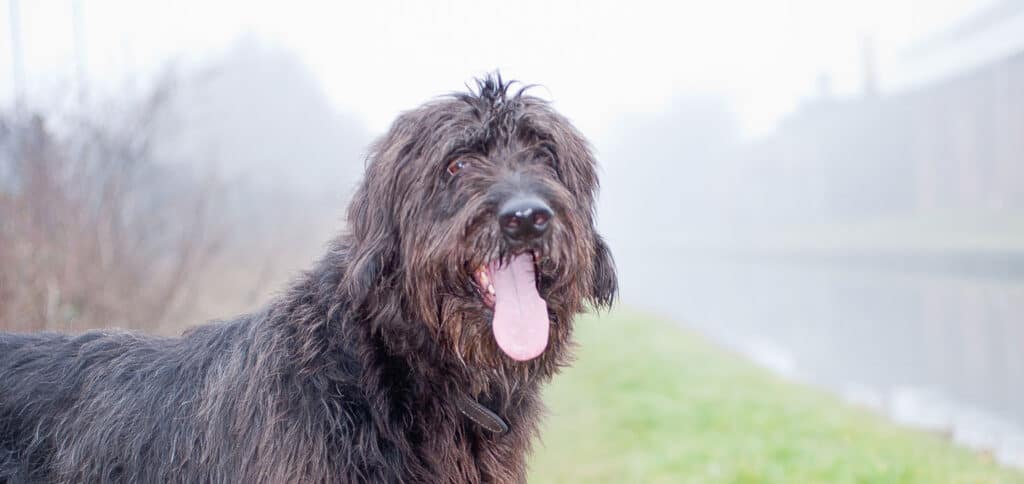
Large dog by the canal

At a Glance

Domesticated
Also Known As Newfiepoo, Newfie-Poo, Newfiedoodle, Newfie Doodle
Diet Omnivore
Activity Diurnal+
Lifespan 10 years
Weight 68 lbs
Status Not Evaluated
Did You Know?

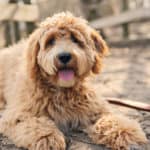
Newfypoo coats can range from wavy "fleece" to tighter curls-or even a flatter, shedding coat-depending on which parent traits dominate.

Scientific Classification

A large companion dog type produced by crossing a Newfoundland with a Poodle (typically Standard). Often bred for a combination of Newfoundland size/temperament and Poodle coat traits, though appearance and coat can vary widely between individuals.

Kingdom
Animalia
Phylum
Chordata
Class
Mammalia
Order
Carnivora
Family
Canidae
Genus
Canis
Species
Canis lupus

Distinguishing Features

  • Hybrid/designer dog: Newfoundland × Poodle parentage
  • Typically large to very large body size
  • Coat often wavy/curly to shaggy; shedding and allergen levels vary (not guaranteed hypoallergenic)
  • Often webbed feet and affinity for water may occur (from Newfoundland lineage), but variable
  • Temperament often described as gentle, sociable, trainable; variability common in crosses

Physical Measurements

Males and females differ in size

Height
♂ 2 ft 3 in (2 ft – 2 ft 6 in)
♀ 2 ft 1 in (1 ft 10 in – 2 ft 4 in)
Length
♂ 4 ft 2 in (3 ft 7 in – 4 ft 9 in)
♀ 4 ft 3 in (3 ft 7 in – 4 ft 11 in)
Weight
♂ 99 lbs (71 lbs – 130 lbs)
♀ 88 lbs (60 lbs – 119 lbs)
Tail Length
♂ 1 ft 3 in (12 in – 1 ft 6 in)
♀ 1 ft 3 in (12 in – 1 ft 6 in)
Top Speed
22 mph
running

Appearance

Primary Colors
Secondary Colors
Skin Type Domestic dog skin with moderate pigmentation; can be sensitive to moisture, mats, and allergens, especially under dense coats.
Distinctive Features
  • Domestic dog (Canis lupus familiaris) designer crossbreed: Newfoundland × (usually Standard) Poodle; not a separate wild species.
  • Large, sturdy companion-dog build with broad chest; size and proportions vary widely by generation.
  • Coat ranges from loose-wavy to tight-curly; density often high, with variable shedding (not guaranteed non-shedding).
  • Water-oriented traits may appear: strong rear drive, webbed feet, and love of swimming in some individuals.
  • Drop ears with heavy coat can trap moisture; regular ear drying/cleaning helps reduce otitis risk.
  • High grooming needs: frequent brushing to prevent matting; professional trims often required for curly or long coats.
  • Common health risks (breed-mix dependent): hip/elbow dysplasia, cruciate injury, bloat/GDV, and obesity if under-exercised.
  • Possible inherited issues from parent lines: cardiac disease (e.g., SAS), eye disease (PRA), endocrine/skin conditions (e.g., Addison's, sebaceous adenitis).
  • Temperament often people-focused and biddable; benefits from early socialization, reward-based training, and mental enrichment.
  • Exercise needs moderate to high; avoid excessive jumping/forced running during growth in large puppies.

Sexual Dimorphism

Males are typically larger with a broader head, heavier bone, and thicker neck ruff, while females tend to be slightly lighter and more refined. Coat length/texture differences are minor and vary more by individual than sex.

♂
  • Often taller and heavier; more pronounced chest depth and forequarter mass.
  • Broader skull and stronger muzzle; thicker neck and shoulder muscling.
  • May carry a fuller mane/ruff when coat is long or dense.
♀
  • Slightly smaller frame; narrower head and lighter overall build.
  • Often appears more streamlined through waist and limbs.
  • May mature earlier physically, with similar coat variability as males.

Did You Know?

Newfypoo coats can range from wavy "fleece" to tighter curls-or even a flatter, shedding coat-depending on which parent traits dominate.

Many inherit the Newfoundland's webbed feet and love of swimming, but not every Newfypoo is a natural water dog.

Size is variable: most are "large," but adult weight can differ widely with genetics and breeding goals (often 27-54+ kg).

They're often chosen for a "lower-shedding" home, yet no Newfypoo is truly hypoallergenic-dander and saliva proteins still trigger allergies.

A Newfypoo's temperament commonly blends Newfoundland steadiness with Poodle biddability, making them popular candidates for therapy/assistance work (when individually suited).

Because this is a crossbreed, predictability is lower than in established pure breeds-littermates can look and behave surprisingly different.

Unique Adaptations

  • Domestic-dog flexibility (species context): as Canis lupus familiaris, Newfypoos are shaped by human selection for companionship and cooperation-high social attunement and trainability are key "adaptations."
  • Potential water-work toolkit (variable): if Newfoundland traits are strong, you may see water-friendly feet shape, powerful rear drive, and confidence in waves and currents.
  • Coat variability as climate management (variable): curlier, denser coats can insulate and shed less; flatter coats may dry slower and shed more-either way, grooming prevents matting and skin issues.
  • Cognitive "working style": Poodle lineage often contributes fast learning and task persistence, useful for obedience, scent games, and assistance foundations.

Interesting Behaviors

  • Water magnet: many will wade, swim, and "lifeguard" family members, sometimes circling or gently herding swimmers toward shore.
  • Soft-mouth carrying: some show the Newfoundland-style gentle grip, happily transporting toys-or your shoes-without chewing.
  • The "Newf lean": a calm, full-body lean against people is common, especially during greetings or when seeking reassurance.
  • Poodle playfulness: quick bursts of zoomies, toy games, and clever "problem-solving" to reach treats or open doors.
  • Velcro companion: tends to shadow family members room-to-room, thriving on inclusion and routine.
  • Social sensitivity: often responds best to upbeat, reward-based training; harsh corrections can make them shut down or avoidant.

Cultural Significance

The Newfypoo is a designer mix people make to get size, gentleness, and dogs that are easy to train and often shed less. It borrows the Newfoundland's water‑rescue fame and the Poodle's smart, royal history. Many are family pets or therapy/support dogs.

Myths & Legends

Coastal stories from Newfoundland and other coastal towns call Newfoundlands natural lifesavers. They are said to dive into rough water to rescue people, and this shapes how people picture Newfypoo "lifeguard" instincts.

Seaman, a Newfoundland dog, traveled with Meriwether Lewis on the Lewis and Clark Expedition (1804-1806); his story is told as a sign of the breed's strength and loyalty on the North American frontier.

Nana in Peter Pan (literary tradition): J. M. Barrie's nursemaid dog Nana is commonly portrayed as a Newfoundland-type nanny dog, reinforcing the cultural idea of giant, gentle canine guardians in the home.

The Poodle's 'lion cut' story says the haircut began as a practical trim for swimming: it protected joints and organs while reducing drag. Over time it became a show style and breed lore.

Sailors' good-luck dog associations (maritime superstition): large water dogs from the North Atlantic world were sometimes treated as lucky shipmates-kept for hauling lines, guarding, and as reassuring companions amid dangerous crossings.

Conservation Status

NE Not Evaluated

Has not yet been evaluated against the criteria.

Population Stable

Life Cycle

Birth 6 pups
Lifespan 10 years

Lifespan

In the Wild
8–12 years
In Captivity
8–12 years

Reproduction

Mating System Polygyny
Social Structure Managed Domestic
Breeding Pattern Transient
Fertilization Managed Selective
Birth Type Managed_selective

In Newfypoos, mating is usually arranged by humans, often using selected stud males across multiple females. Pair bonds are not maintained, and care of pups is primarily maternal with extensive human support in a domestic setting.

Behavior & Ecology

Social Pack Group: 3
Activity Diurnal, Crepuscular, Cathemeral
Diet Omnivore Fish-forward diets (e.g., salmon-based kibble or cooked fish in moderation), reflecting Newfoundland ancestry and typical palatability for many large dogs.

Temperament

Species context (dog vs. wolf): less territorial/hunt-driven, more people-oriented, responsive to human cues.
Newfypoo distinguishing mix: often combines Newfoundland gentleness with Poodle trainability; traits vary widely.
Generally friendly, affiliative, and soft-mouthed; many show strong caregiving/nurturing tendencies.
Biddable and food/social motivated; responds best to positive reinforcement and consistent routines.
Moderate energy: enjoys long walks, play, and often swimming; not typically endurance-intense.
Can be sensitive to harsh handling; may develop anxiety or reactivity if under-socialized.
Often patient with children and other pets, but large size can cause accidental bumps; manners training matters.
Common behavior risks: jumping/leaning, counter-surfing, mouthy play in adolescence, mild guarding if insecure.
Care requirement: regular grooming and coat management (matting risk), plus ear care after water exposure.
Care requirement: mental enrichment to prevent boredom (puzzles, scent games, training games).
Health concerns to monitor: hip/elbow dysplasia, cruciate injury risk, bloat/GDV, obesity if under-exercised.
Health concerns to monitor: cardiac issues (e.g., SAS), eye disease/PRA, endocrine/immune issues (e.g., Addison's), allergies/skin problems.

Communication

Bark Often moderate; alert barking when someone approaches
Whine/whimper for attention, discomfort, or excitement
Low grumble or "talking" sounds during play or greeting
Sighs/huffs to signal relaxation or mild frustration
Leaning/pressing against people for contact and reassurance Common in large companion breeds
Pawing, nudging, or presenting toys/objects to initiate interaction
Soft mouth and gentle carrying May inherit Newfoundland-style retrieving
Play bows, bouncy gait, and exaggerated facial expressions to invite play
Eye contact and following/"shadowing" caregivers to coordinate activities
Tail carriage and whole-body wiggles; may use stillness/freezing when uncertain

Habitat

Biomes:
Temperate Forest Temperate Grassland Boreal Forest (Taiga) Tundra Alpine Temperate Rainforest Wetland Desert Hot Desert Cold Mediterranean Savanna Tropical Dry Forest Tropical Rainforest Freshwater Marine +9
Elevation: Up to 14763 ft 9 in

Ecological Role

Domesticated omnivorous canid functioning primarily as a companion animal rather than a wild predator; ecologically it is a human-associated opportunist that may occasionally engage in small-prey chasing and scavenging but is typically fed formulated diets.

companionship and therapy/service work support (human wellbeing) deterrence/alerting and property protection via barking/guard presence occasional local pest (rodent) deterrence through presence and chasing behavior participation in human-managed activities (e.g., water work/retrieval tendencies in some individuals), reinforcing working-dog roles in built environments

Diet Details

Main Prey:
Dog Meat-based foods or treats Training treats and chews Table scraps
Other Foods:
Fruits Vegetables Grains and starches Grasses and other plant matter

Human Interaction

Domestication Status

Domesticated

Newfypoo (Newfoundland × Poodle mix; Canis lupus familiaris) is a designer mix of domestic dogs shaped by human breeding. It mixes Newfoundland size, water instincts and gentle nature with Poodle coat and easy to train. Traits vary. Often large, friendly, and needing regular grooming. Common as family, therapy, or service dogs; require firm training and careful management due to size.

Danger Level

Low
  • Size/strength-related injury risk (knocking over children/elderly, door-darting, rough play)
  • Leash pulling can cause falls or shoulder/hand injuries without training
  • Normal canine bite risk exists, typically linked to fear, pain, resource guarding, poor socialization, or mishandling-risk increases with inadequate training due to large jaw strength
  • Zoonotic risks common to dogs (e.g., parasites) mitigated by routine veterinary prevention and hygiene
  • Allergen exposure: some individuals shed less, but no dog is truly hypoallergenic; dander/saliva can still trigger allergies

As a Pet

Suitable as Pet

Legality: Newfypoo (Newfoundland × Poodle mix, Canis lupus familiaris) is usually legal where pet dogs are allowed. Local rules may limit large dogs, require a license, shots, or a microchip, insurance, fenced yards, or landlord or HOA limits.

Care Level: Experienced

Purchase Cost: $800 - $3,500
Lifetime Cost: $25,000 - $80,000

Economic Value

Uses:
Companion animal Breeding and sales (designer cross market) Professional grooming and coat care Training/behavior services Pet health and veterinary services Boarding/daycare and pet sitting Therapy/visitation and community programs (occasionally)
Products:
  • puppies from planned crosses (Newfoundland × Standard Poodle)
  • grooming services (clipping, dematting, bathing, blow-dry, ear care)
  • high-capacity crates, beds, harnesses, and leashes sized for large dogs
  • high-quality large-breed diets and joint-support supplements (as advised by vets)
  • training classes (puppy socialization, manners, leash skills)
  • preventive veterinary care (vaccines, parasite control) and elective sterilization
  • management tools (baby gates, car restraints/ramps for large dogs)

Quick Take

  • Reaching a 150-pound weight requires strict adherence to a specialized large-breed nutritional schedule.
  • Diagnosing subvalvular aortic stenosis between 6 and 12 months is critical to managing this asymptomatic condition.
  • Despite their gentle reputation, Newfypoos possess a hunting instinct that makes containment unexpectedly difficult.
  • Mandatory daily grooming at the 6-month mark is essential for successful adult coat development.

The Newfypoo is a designer dog achieved by crossing a Newfoundland with a standard poodle. It can weigh up to 150 pounds and stands 20 to 28 inches tall. Most likely originating in Canada, this breed did not begin until the early 2000s. The International Designer Canine Association began recording Newfypoos in 2009, but the breed is not officially recognized by major kennel clubs.

They love to work and would love to go swimming after a full day of guarding your children and your property. While this is a big animal, it is challenging to find a gentler or more loving option.

Not only is the Newfypoo an excellent guard dog and a big, loving animal, but it is also brilliant. They love being around people and are anxious to please. If you talk to breeders or rescues who know about different breeds, they often love this choice.

Infographic about the Newfypoo dog breed featuring a fluffy black dog illustration and sections on health, size, and care essentials.
A 150-pound powerhouse with a hidden hunting drive—owning this designer giant requires more than just a big backyard. © A-Z Animals

The 3 Different Types Of Newfypoos

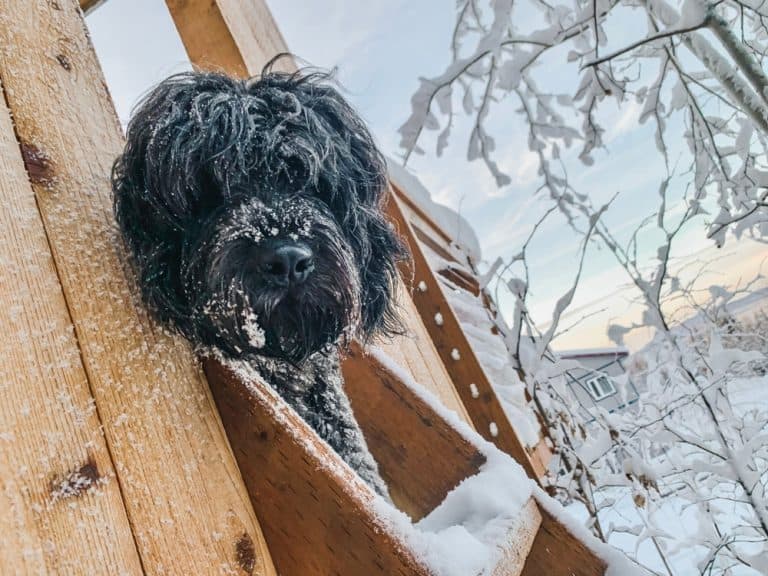
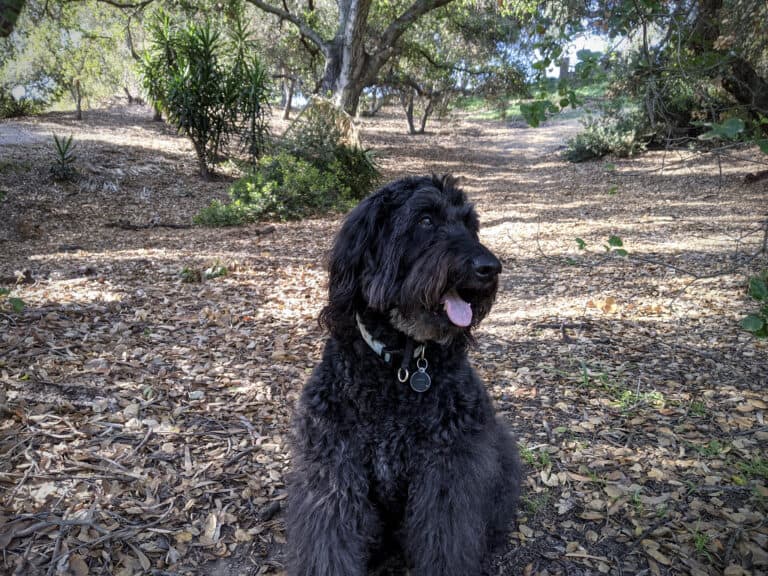
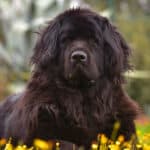
The Newfypoo has a thick, curly coat that tends to be oily. While this breed comes in many different colors depending on its parents’ genes, three colors are the most common. Newfypoos can be a combination of different colors. The three most common are:

  • Grays: These animals may have a gray coat when they are born. Their coat may also look silver when they are born and turn gray by the time the animal is about five. Usually, the face and paws will turn gray before other areas on the animal’s body.
  • Browns: Many different brown shades are found in Newfypoos, ranging from deep browns to more of a tan color.
  • Black: Some Newfypoos have a deep, solid black all over their bodies. Others are black only in patches. Some have a reddish or blueish tint to their black coats.

3 Pros And Cons Of Owning Newfypoos

ProsCons
Family dogs
Newfypoos are social animals who love to explore with their families.
Grooming takes a long time
Newfypoos weigh about 100 pounds and can stand up to 28 inches tall, so grooming can take a long time.
Eager to please
Most Newfypoos are very eager to please their owners
Hunting instinct
Newfypoos can be hard to contain because they have a natural hunting instinct.
Great watchdogs
Newfypoos take their job of protecting people and property seriously.
Need space
Newfypoos are giants, so they do not do well in many apartments.

Size And Weight

Newfypoos can stand up to 22 to 30 inches tall at the shoulders. They often weigh between 70 and 150 pounds. While females tend to be smaller than males, they are also more prone to packing on extra pounds when overfed.

Common Health Issues
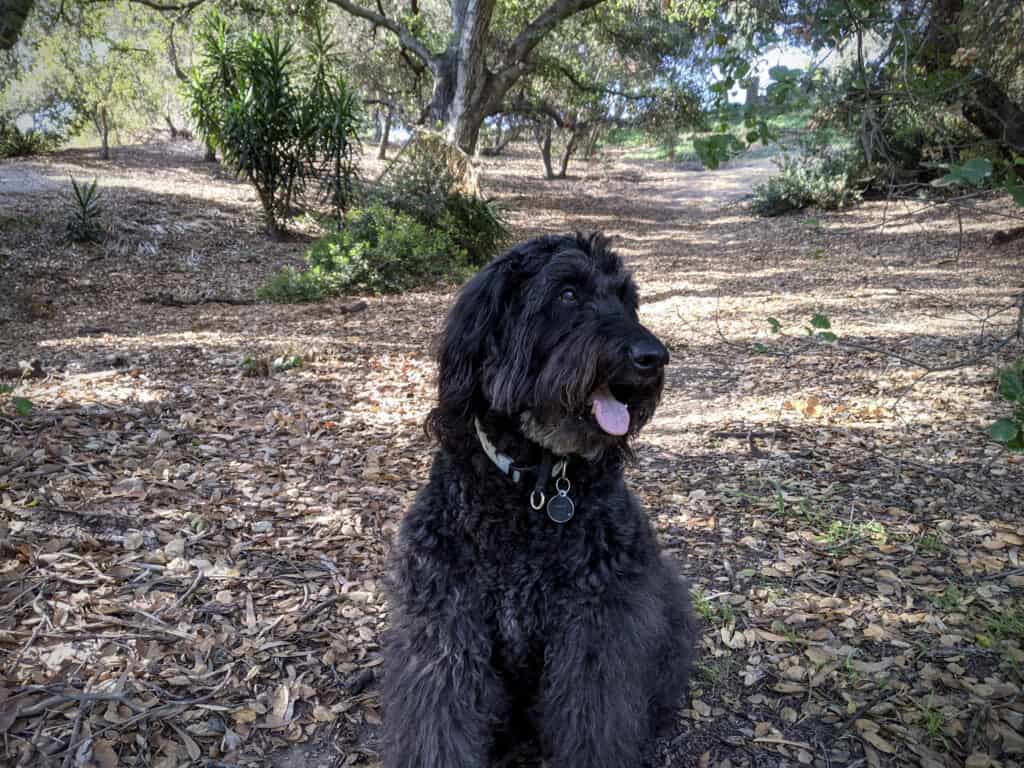
Benni took a break from running on this interesting hillsid

To ensure you are aware of common Newfypoo health issues, take your dog in for regular vet check-ups.

Like all breeds, Newfypoos have some common health concerns. While the vast majority of Newfypoos will not get these diseases, it is crucial to learn about them and spot them early.

Subvalvular aortic stenosis is a narrowing of the aortic valve of the heart. Since there are usually no signs, you must get your Newfypoo checked out regularly. This disease is seen in many large breeds, including Newfoundland, boxer dog, Rottweiler, golden retriever, and Dogue de Bordeaux. The veterinarian commonly diagnoses this hereditary problem when the animal is between 6 and 12 months old.

Hip dysplasia occurs when the hip joint does not fit properly into its socket. While many giant breeds, including the Great Dane, Saint Bernard, Labrador retriever, and German shepherd, can have this condition that is often caused by genetics, there are several things that you can do to help prevent it. When your Newfypoo is a puppy, make sure that you are feeding high-quality food so that the animal grows at a steady pace. Full-grown dogs who are overweight are more prone to this issue, so keep your Newfypoo at an ideal weight. Frequent exercise can also help to prevent it from occurring.

If you notice your Newfypoo losing patches of hair, make sure that the vet checks it for sebaceous adenitis. Along with Newfypoos, this disease is often seen in Standard poodles, Akitas, and Samoyeds. In this disease, something causes the sebaceous glands to become inflamed. Usually, the vet will tell you to use a topical cream and bathe your Newfypoo often.

Gastric dilation volvulus is a condition where the stomach fills with gas, and it may twist. This disease causes severe pain in the dog along with breathing problems. A vet may need to perform emergency surgery to stop the gas and return the stomach to its typical position.

Temperament

Generally, Newfypoos are open to loving everybody and everything. This trait is especially true if you spend the time and energy socializing your animal when it is young. If you choose to get an older dog from a breeder or a rescue, make sure that someone has properly socialized it.

Newfypoos are very loyal. They love their job of looking over you and your family. Usually, you can trust them with family members of all ages. At the same time, you should take the time to introduce your children to how to love this dog and treat it appropriately.

Both the standard poodle and the Newfoundland are hunters. You can expect your Newfypoo to have hunting skills, too. Therefore, give it toys and games that use this instinct. If you fail, some Newfypoos will try to escape and hunt on their own.

How To Take Care Of Newfypoos

If you are a new pet Newfypoo owner looking for advice on how to take care of your dog, especially Newfypoo puppies, think in terms of three key factors. Control its diet, be sure that it gets enough exercise, and socialize it properly. If you need help at any point, reach out to your breeder or rescue because most are very willing to help you and have a vast amount of experience.

The Best Dog Food

The nutritional needs of your Newfypoo change throughout its life. More active dogs generally need more food than those who are less active. Feeding your dog at least twice a day helps prevent many health issues.

Newfypoo puppy food: You should feed your Newfypoo a combination of wet and dry food until it is four months old. Until it is 10 months old, provide it with dry puppy food intended for large breed dogs. After that, you can begin mixing puppy and adult dry dog food as you slowly trade over to high-quality, large-breed dog food.

Newfypoo adult food: You should feed adult Newfypoos at least two meals a day. Choose a high-quality dog food that is high in calcium to help prevent bone health issues. Do not feed them table scraps.

There are multiple ways to prevent ‘bloat’ or gastric dilation-volvulus (GDV). Monitor portion sizes, delay post-meal exercise, and consider elevating the food and water bowls. Many professionals believe that wet food and food high in calcium can both help prevent bloat, and a diet low in sodium may stave off heart problems like subvalvular aortic stenosis.

Maintenance And Grooming

Newfypoos can have three types of coats, and all of them are very low shedding. The wool coat is the densest, and you need to commit to combing through it once or twice a week. Give dogs with a wool coat a good bath once a month and have their hair trimmed about every 12 to 16 weeks.

These dogs may also have a fleece coat. This coat is softer than other options. Commit to combing through it daily. Dogs with this coat type need to bathe more often, and they need their hair cut more frequently.

The final type of coat is the hair coat, and it sheds the most. If you are worried about allergies, usually avoiding this option will help. The great news is that you need to comb this type of coat every other week and take it to the groomer about every 16 weeks. Use a soft brush on the dog regularly so that it does not shed all over your house.

Training

The first secret to training the dog is to let it know that you are the pack leader. Both the Newfoundland and the standard poodle are intelligent dogs, so it is usually easy to train your Newfypoo. Rely on positive praise and small treats to get the dog to do what you want after you have allowed it to burn off excess energy.

To obtain optimal results, it is best to begin training your pooch as early as possible.

Tracking

What else will you be able to teach your pet besides high-fives and other cool tricks? It is worth remembering that your newfypoo comes from breeds that have hard work and hunting instincts in their genes — qualities it shares as well.

You could enroll your pooch in a tracking class and bond with it when you take it tracking, or even have it volunteer on search and rescue operations.

Exercise

These dogs need regular daily exercise. Consider taking your dog on a brisk walk twice a day for 30 minutes. They also love to go hiking, especially in areas where they can be off their leashes. This designer breed also loves to go swimming.

Puppies

Puppies need good-quality dog food three times a day. Choose high-quality food because your puppy needs to grow at a steady rate, as bone problems sometimes occur in dogs that grow too quickly. Puppies need to be groomed daily, especially near the six-month mark when their adult coat is developing. Since this dog tends to be shy, socialize it often as a pup. Always use positive reinforcement while training your dog. They are very intelligent and want to please you.

Newfypoos And Children

These dogs make great family dogs because of their quiet demeanor. They will fiercely protect your family and your property. Newfypoos want to be involved in everything, which makes them an ideal choice for the active family. They do suffer from separation anxiety, so take your dog with you whenever possible.

Dogs Similar To Newfypoos

Several dog breeds are about the same size as the Newfypoo, including:

  • Afghan hound: This dog is much faster than a Newfypoo and is usually harder to train.
  • Akita: While this dog loves to go hiking like most Newfypoos, it prefers cooler weather.
  • Alaskan malamute: This stocky dog is usually much harder to train than a Newfypoo.
  • American bulldog: While this dog is friendly to most people, like the Newfypoo, it is often hostile to other animals.
  • Bernese Mountain Dog: This dog is usually easy to train, but the Newfypoo is a better watchdog.
View all 98 animals that start with N

Sources

  1. My Brown Newfies / Accessed March 8, 2021
  2. The Happy Puppy Site / Accessed March 8, 2021
  3. Newfypoo Breed / Accessed March 8, 2021
  4. Puppy Toob / Accessed March 8, 2021
  5. Doggie Designer / Accessed March 8, 2021
  6. VCA Hospitals / Accessed March 8, 2021
Melissa Bauernfeind

About the Author

Melissa Bauernfeind

Melissa Bauernfeind was born in NYC and got her degree in Journalism from Boston University. She lived in San Diego for 10 years and is now back in NYC. She loves adventure and traveling the world with her husband but always misses her favorite little man, "P", half Chihuahua/half Jack Russell, all trouble. She got dive-certified so she could dive with the Great White Sharks someday and is hoping to swim with the Orcas as well.
Connect:

Thank you for reading! Have some feedback for us?


Newfypoo FAQs (Frequently Asked Questions)

A Newfypoo is a cross between a standard poodle and a Newfoundland dog.