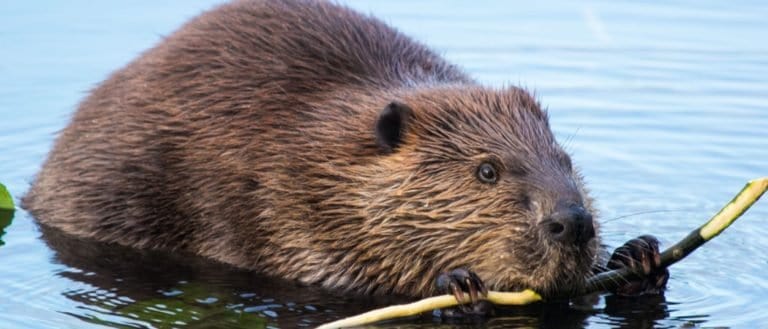
Beaver
Build wetlands, shape worlds.

Build wetlands, shape worlds.

Pouches, burrows, and big impacts

Built to dig. Born to endure.
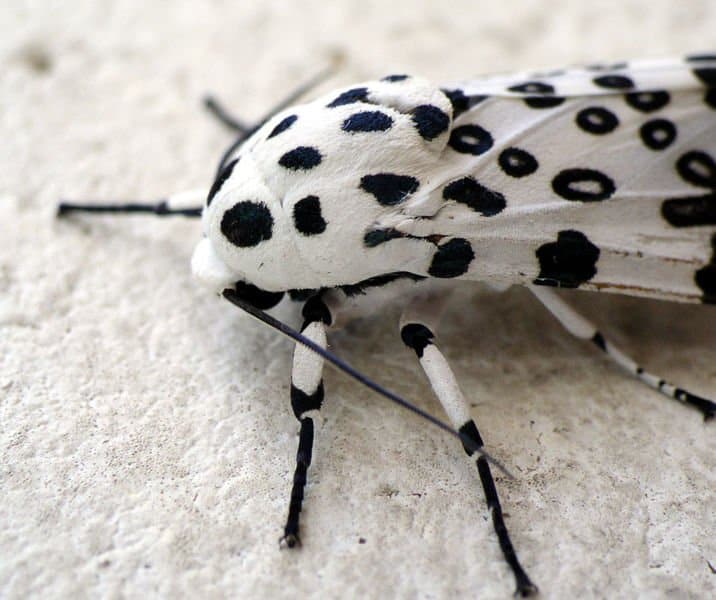
Six legs, endless lives.

Built to soar, born to strike

From dunes to tundra-fox smart.
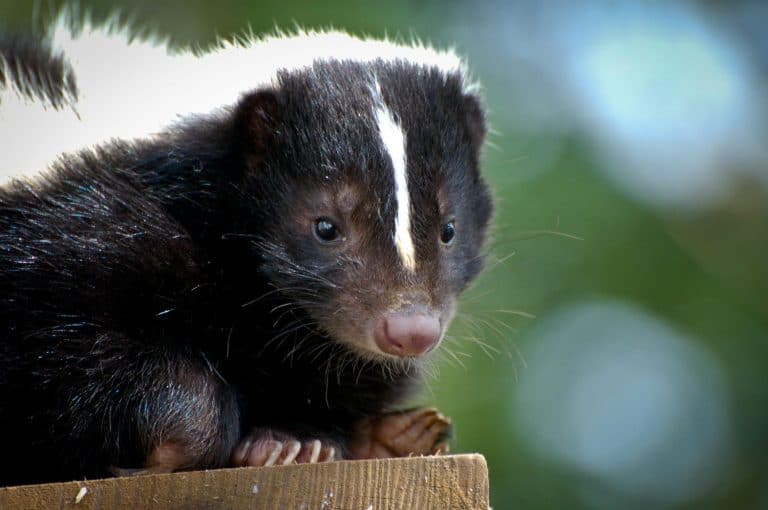
Bold stripes, bigger attitude.

Sun-powered lizards of the Americas

Power of the Americas' apex cat

Small hunter, big household legend
A marsh is a wetland with shallow, frequently or continuously inundated water and dominated by herbaceous (non-woody) plants such as grasses, sedges, rushes, and reeds. It can be freshwater, brackish, or (in coastal settings) saline, and is typically characterized by emergent vegetation rooted in waterlogged soils.
Marshes form where water meets low land—along lake margins, river floodplains, deltas, and protected coasts—and stay wet or flood often. Shallow, sunny water and rich nutrients make marshes very productive. Dense emergent plants (cattails, bulrushes, reeds, sedges) provide habitat for invertebrates, fish, amphibians, reptiles, and birds, and help slow floods, trap sediment, and clean water.
Generally high light/open canopy (full sun) in emergent herbaceous zones; light can be reduced locally by dense reed/sedge stands and turbidity/algal blooms. Photoperiod follows latitude; water clarity often limits submerged plant light penetration.
Shallow, frequently/continuously inundated wetland waters. Typically freshwater; can be brackish in coastal settings. Hydrology driven by river overbank flooding, lake/pond margins, groundwater seepage, and tidal exchange in coastal marshes. Currents are generally low/slow, with localized flow in channels and during flood/tidal pulses. Salinity: freshwater marshes ~0-0.5 PSU; brackish marshes ~0.5-18 PSU (often variable seasonally and with tides/storms). Water level fluctuates from saturated soils to shallow standing water; oxygen can be low in sediments with anoxic conditions common.
High - Marshes typically support high species richness and abundance because they are highly productive, structurally complex (open water, emergent vegetation, mudflats, edge habitats), and provide abundant detritus-based energy pathways that sustain diverse invertebrates, fish, amphibians, reptiles, and bird communities. Diversity can vary with salinity, hydroperiod, connectivity to other waters, and disturbance, but marshes are generally biodiversity hotspots within wetland landscapes.
Globally degraded and fragmented; many marsh complexes have been drained, converted, diked, or hydrologically altered. Remaining marshes often show reduced water quality, altered plant communities, and diminished capacity for flood storage and biodiversity support, though well-managed protected marshes can remain highly productive.
High where land is available and hydrology can be restored (re-wetting, reconnecting floodplains, improving water quality). Recovery can be rapid for vegetation and some fauna, but full function (peat/soil development, complex food webs, resilience to extremes) may take decades and depends strongly on catchment-scale water management and limiting nutrient/contaminant inputs.
High. Marshes are sensitive to changes in hydroperiod, temperature, and salinity; coastal/brackish marshes face sea-level rise and storm surge, while inland marshes face increased drought and altered runoff. Vulnerability is moderated by sediment supply, available migration space (room to move upslope), and intact hydrological connectivity.
Marshes can be extremely oxygen-poor just a few centimeters below the surface, even while life is booming above-plants and microbes have special tricks to cope with "suffocating" mud.
Some marsh plants act like snorkels: many have air-filled tissues (aerenchyma) that move oxygen from leaves down to roots in waterlogged soils.
"Brackish" marshes aren't simply a midpoint between fresh and salt-salinity can swing daily with tides and seasonally with rainfall, forcing organisms to be unusually adaptable.
Marshes are not always "mosquito factories." Many healthy marshes support abundant mosquito predators (dragonfly larvae, fish, amphibians, bats), and good water flow can limit stagnant pools where mosquitoes thrive.
Marsh mud is a chemical workshop: microbes can transform nutrients and pollutants-sometimes cleaning water by locking nutrients into biomass, sometimes releasing greenhouse gases depending on conditions.
A marsh can look quiet, but it's often acoustically busy: frogs, insects, and birds use dense vegetation and shallow water to broadcast calls and hide from predators.
Fire can be part of marsh ecology. In some systems, periodic burning (natural or managed) helps maintain open, herbaceous plant communities by suppressing woody growth.
Think of a marsh as a living water filter: slow-moving water plus dense stems act like a sieve, trapping sediment and helping keep downstream water clearer.
A marsh is like a biological "apartment complex": grasses and reeds create layers of habitat-stems for insects, shallow water for fish and tadpoles, and open airspace for hunting birds.
Marsh vegetation functions like a speed bump for water: it slows floodwaters, spreads them out, and reduces erosion-similar to how a thick carpet slows a rolling ball.
Nutrient cycling in a marsh is like a busy recycling center: dead plant material becomes food for microbes and invertebrates, which then feed fish, amphibians, and birds.
If forests are "green engines" powered by sunlight, marshes are "green engines with plumbing"-productivity is shaped as much by water depth and timing as by temperature and light.
The Florida Everglades is often described as the largest subtropical wilderness in the United States-an enormous landscape of sawgrass marsh sometimes described as a "river of grass."
The Pantanal (Brazil/Bolivia/Paraguay) is widely cited as the world's largest tropical wetland, with vast seasonal marshes that expand and shrink dramatically between wet and dry seasons.
North America's Prairie Pothole Region is nicknamed the "Duck Factory" because its marshy pothole wetlands produce a huge share of the continent's breeding waterfowl in good years.
Coastal salt/brackish marshes can keep pace with moderate sea-level rise by trapping sediment and building soil upward-essentially "growing" vertically when conditions are right.
Marsh soils can accumulate deep, carbon-rich organic layers over time; in the right conditions, they become long-term carbon stores while still remaining biologically very productive.

The rainforest's master gardener

Built for blizzards, born for tundra
Built to dig. Born to endure.

Night pilots of the mammal world
Build wetlands, shape worlds.
Small hunter, big household legend

One cat. Two continents.
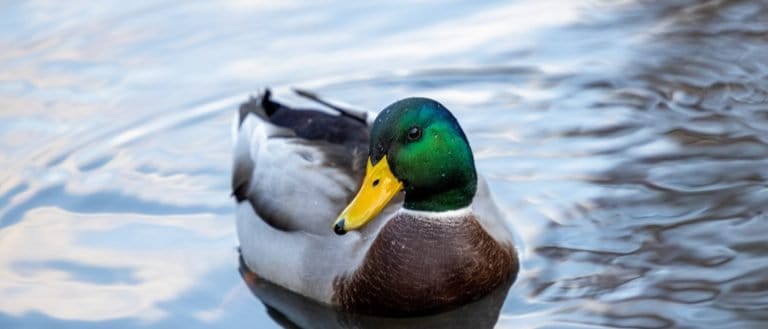
Webbed feet, world travelers.
Built to soar, born to strike
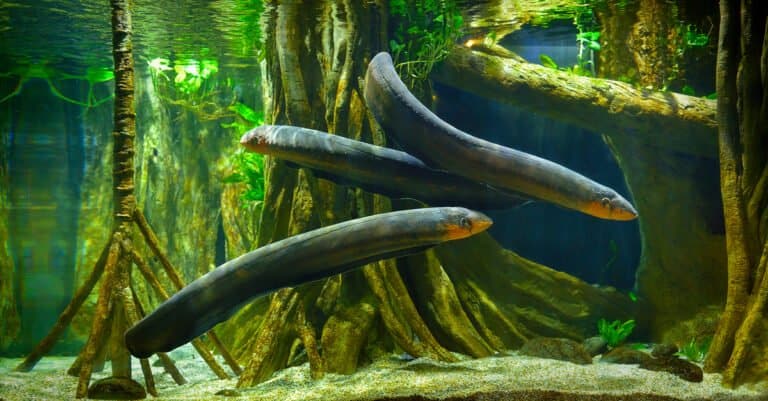
Lightning hunter of the Amazon
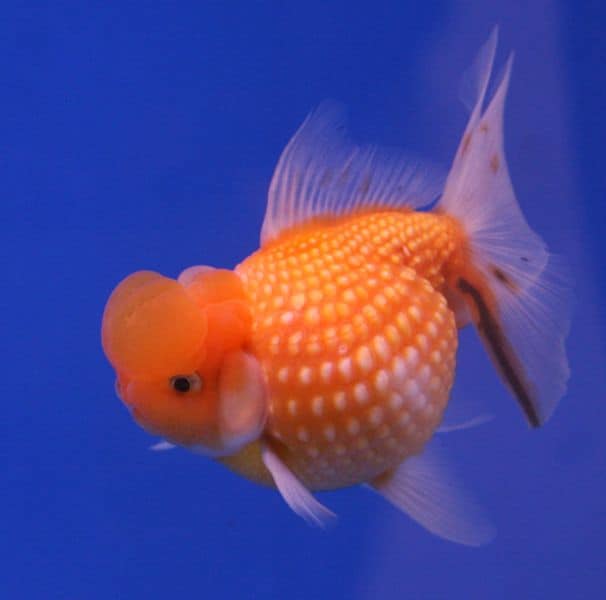
Bony rays, endless ways.
From dunes to tundra-fox smart.
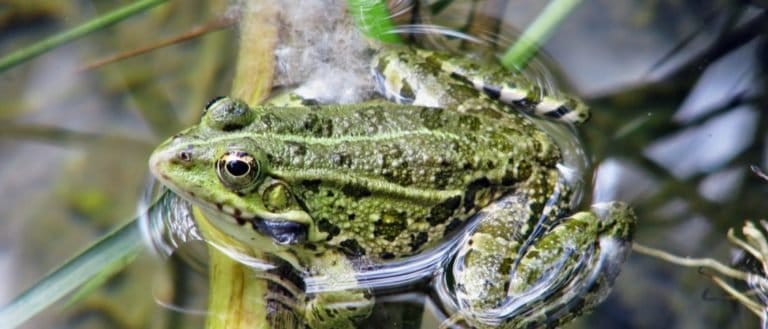
Tailless jumpers, masters of change
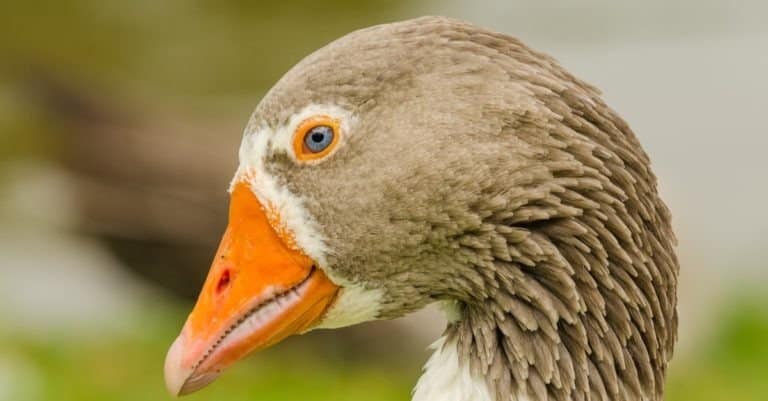
Webbed feet, sky roads, wetland lives

Gentle giants of the African forests
Pouches, burrows, and big impacts
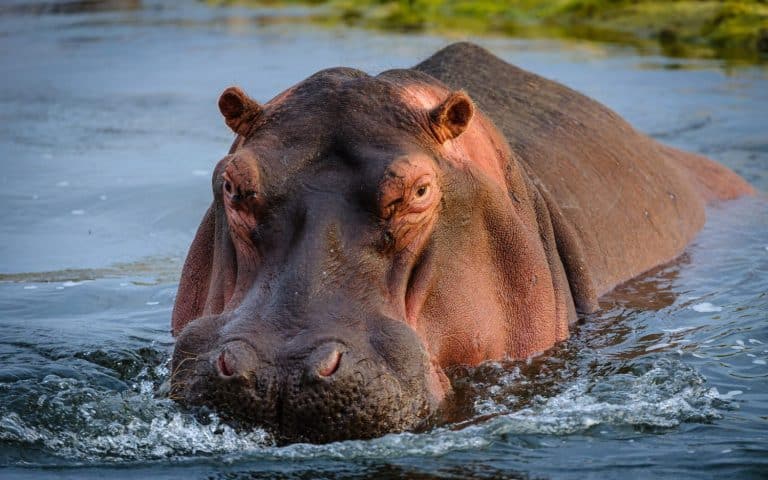
Big river grazer, bigger attitude
Sun-powered lizards of the Americas
Six legs, endless lives.
Power of the Americas' apex cat

Sting-powered drifters of the sea

Small rodents, huge tundra impact

From geckos to dragons-lizard power
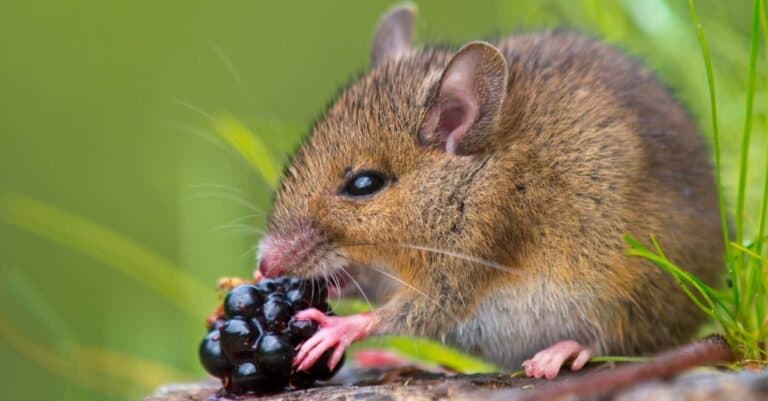
Small gnawers, huge impact.
Thank you for reading! Have some feedback for us?
We appreciate your help in improving our content.
Our editorial team will review your suggestions and make any necessary updates.
There was an error submitting your feedback. Please try again.