



D
Species Profile

Dormouse

Gliridae

Tiny tree sleepers, big hibernators
Alexeames / Creative Commons

Dormouse Distribution

Click a location to explore more animals from that region

Loading map...

Found in 98 countries

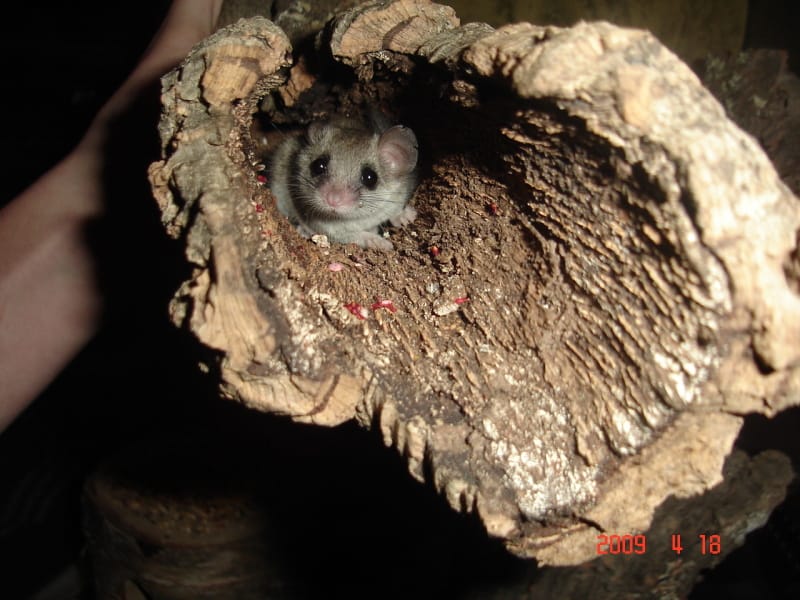
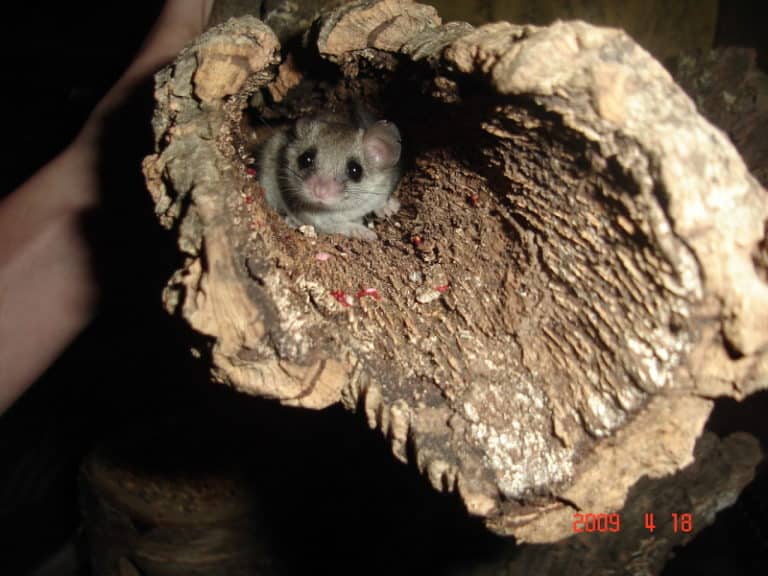
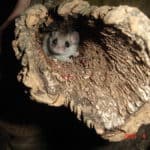
Dormouse in a log

At a Glance

Family Overview This page covers the Dormouse family as a group. Stats below are general traits shared across the family.
Also Known As Doormouse, Glirid, Glis, Edible dormouse, Fat dormouse
Diet Omnivore
Activity Nocturnal+
Lifespan 4 years
Weight 0.3 lbs
Status Not Evaluated
Did You Know?

Across the family, some species can spend well over half the year in torpor/hibernation when food is scarce or winters are long.

Scientific Classification

Family Overview "Dormouse" is not a single species but represents an entire family containing multiple species.

Dormice are small to medium-sized rodents in the family Gliridae, typically nocturnal and often arboreal. Many species are notable for long periods of torpor or hibernation and for nesting in tree cavities or dense vegetation.

Kingdom
Animalia
Phylum
Chordata
Class
Mammalia
Order
Rodentia
Family
Gliridae

Distinguishing Features

  • Small rodent body with soft dense fur
  • Often large eyes and rounded ears (nocturnal adaptation)
  • Long tail (often bushy in many species)
  • Strong climbing ability; many are arboreal
  • Frequent use of torpor/hibernation compared with many other rodents

Physical Measurements

Males and females differ in size

Length
8 in (4 in – 1 ft 1 in)
9 in (4 in – 1 ft 1 in)
Weight
0 lbs (0 lbs – 1 lbs)
Tail Length
4 in (2 in – 6 in)
4 in (2 in – 6 in)
Top Speed
12 mph
Brief ground sprints (~10–20 km/h)

Appearance

Primary Colors
Secondary Colors
Skin Type Dormice have dense fur over their skin, often soft and plush. Many species have bushy, squirrel-like tails; coats change with seasons and they gain fat before torpor/hibernation.
Distinctive Features
  • Dormice (Gliridae) are small to medium rodents, 6–20 cm body, tails 4–17 cm (often as long as body), weight about 0.01–0.2+ kg, often get fat before hibernation.
  • Lifespan range across species: commonly ~2-6 years in the wild for many species; some can reach ~8-13 years in captivity/under favorable conditions (varies substantially by species and predation risk).
  • Large, dark eyes and a short-to-moderate snout; nocturnal vision emphasis is typical, though activity schedules can vary by species and locality.
  • Tail often bushy or tufted and used for balance in climbing; distinguishes many dormice from typical mice/voles (which usually have sparsely haired tails).
  • Arboreal adaptations common: strong grasping feet, curved claws, and agility in shrubs/trees; however, degree of arboreality varies (some are more scansorial or ground-using).
  • Behavior/ecology generalization: many species are primarily nocturnal and nest in tree cavities, dense vegetation, or built nests; nesting materials commonly include leaves, bark strips, grasses, and moss, with substantial variation by habitat.
  • Torpor/hibernation: prolonged torpor or true hibernation is notable in many temperate dormice, but duration and reliance vary widely across the family (some populations/species use shorter torpor bouts or may remain active in milder climates).
  • Diet breadth: often omnivorous with strong seasonal shifts-fruit, seeds, nuts, flowers, buds, and insects are common; relative dependence on animal prey vs. plant foods varies among genera and habitats.
  • Compared with squirrels: generally smaller-bodied with shorter limbs and a more compact skull; compared with murid mice: typically more arboreal and often with a fuller tail and more pronounced seasonal torpor in many species.

Did You Know?

Across the family, some species can spend well over half the year in torpor/hibernation when food is scarce or winters are long.

They're rodents, but not "mice": dormice are in their own family, with many squirrel-like, bushy tails and tree-climbing habits.

Several species build woven nests in shrubs, tree cavities, or nest boxes-often lined with shredded bark, leaves, moss, or grass.

Some dormice can shed the skin of the tail if grabbed (a defense that can leave a shortened tail afterward).

Diet varies by species and season: many switch between flowers/fruit/nuts and animal prey like insects, depending on availability.

The largest dormice (e.g., edible dormice) were famously fattened in ancient Rome as a delicacy.

"Dormouse" comes from an old word root meaning "to sleep," reflecting their extreme sleepiness and torpor.

Unique Adaptations

  • Metabolic flexibility for long dormancy: physiology tuned for prolonged fasting, with controlled cooling and rewarming cycles during hibernation (length and depth vary widely across species).
  • Climbing specializations: strong grasping feet and curved claws for bark/branch climbing; in some species, pronounced foot pads improve grip on smooth surfaces.
  • Tail functions and defenses: tails aid balance in arboreal movement; in several dormice, tail-skin "slippage" can let them escape predators' grasp.
  • Keen nocturnal senses: large eyes, sensitive whiskers, and acute hearing support night navigation in dense vegetation.
  • Food-tracking strategies: many cache or focus on energy-dense foods (nuts/seeds) when available, aligning reproduction and fattening with seasonal peaks.

Interesting Behaviors

  • Deep hibernation and torpor: many dormice lower body temperature and metabolism for extended periods; some also use short daily torpor in cool or food-poor weather (degree varies by species and climate).
  • Seasonal fattening: many species rapidly gain weight before winter, relying on stored fat to survive months without feeding.
  • Nocturnal arboreal foraging: commonly active at night in trees/shrubs, moving with quick, careful climbing; some species are more terrestrial or rock-dwelling depending on habitat.
  • Nest craftsmanship: frequent use of tree holes, dense ivy, shrubs, or burrows; some maintain multiple nests (day nests vs. breeding nests) and may shift sites through the season.
  • Variable sociality: many are largely solitary while active, but some may share hibernation sites or nest in loose groups, especially in cold conditions.
  • Opportunistic omnivory: while many are plant-leaning (flowers, berries, nuts), insects and other animal foods can become important-particularly for breeding females or growing young.

Cultural Significance

Dormice are linked with sleep and hibernation. The edible dormouse was raised for food in ancient Rome. Lewis Carroll's Dormouse shows drowsiness. The hazel dormouse helps protect woodlands and hedgerows, often monitored with nest boxes.

Myths & Legends

Ancient Roman tradition (recorded by classical authors) describes elite households keeping edible dormice in special jars or enclosures to fatten them for feasts-an enduring story of luxury cuisine tied specifically to dormice.

In Lewis Carroll's *Alice's Adventures in Wonderland* (1865), the perpetually sleepy Dormouse at the Mad Tea-Party became a lasting cultural image of drowsiness and odd, dreamlike storytelling.

The name "dormouse" is traditionally linked to the idea of sleeping, a folk association reflecting how strongly hibernation shaped people's perceptions of these animals.

A modern story says edible dormice were brought to southern England in the early 1900s, often linked to Lionel Walter Rothschild's estate, and lived there, called a 'Roman delicacy'.

Conservation Status

NE Not Evaluated (family-level; IUCN assessments are primarily at the species level and conservation status varies widely among Gliridae species, from Least Concern to threatened categories, with some Data Deficient taxa)

Has not yet been evaluated against the criteria.

Population Unknown

Protected Under

  • Protection is mostly implemented at the species and national/regional level rather than for the family as a whole.
  • In parts of Europe, some dormouse species receive strict protection under the EU Habitats Directive (e.g., Annex IV for certain species), and/or are covered by the Bern Convention; many countries also have national wildlife laws protecting specific dormouse species and their habitats.
  • Protected areas (national parks, Natura 2000 sites, reserves) can be important where they retain connected woodland/scrub mosaics and cavity-bearing trees.

You might be looking for:

Edible dormouse

32%

Glis glis

Largest European dormouse; arboreal, nocturnal; known for long hibernation.

View Profile

Hazel dormouse

24%

Muscardinus avellanarius

Small European dormouse with golden-brown fur; strong arboreal lifestyle; conservation concern in parts of its range.

Garden dormouse

16%

Eliomys quercinus

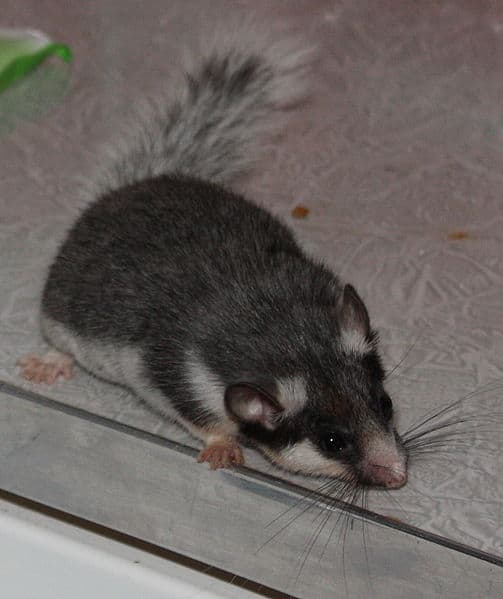
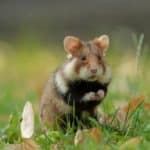
European dormouse with distinctive black facial mask; more omnivorous than some dormice.

African dormice

14%

Graphiurus spp.

A diverse genus of dormice found across sub-Saharan Africa; small, nocturnal, often rocky- or tree-associated.

Forest dormouse

14%

Dryomys nitedula

Widespread in parts of Europe and Asia; arboreal; notable dark eye mask.

Life Cycle

Birth 4 pups
Lifespan 4 years

Lifespan

In the Wild
2–12 years
In Captivity
4–15 years

Reproduction

Mating System Polygynandry
Social Structure Solitary
Breeding Pattern Seasonal
Fertilization Internal Fertilization
Birth Type Internal_fertilization

Behavior & Ecology

Social Nest group Group: 2
Activity Nocturnal, Crepuscular, Cathemeral
Diet Omnivore Hard mast and energy-rich fruits (often hazelnuts/beechnuts/acorns and ripe berries), though preferences vary widely among species and seasons.
Seasonal Hibernates

Temperament

Generally cautious, cryptic, and nest-centered; many species reduce exposure by moving under cover and relying on arboreal pathways where available.
Tolerance of conspecifics is highly context-dependent: often intolerant at prime nest sites or concentrated food resources, but more tolerant during communal huddling/hibernation in some species or dense populations.
Strong seasonal shifts in behavior/energy: many species exhibit prolonged torpor/hibernation, leading to markedly reduced social interaction for extended periods; timing and duration vary by species, climate, and food supply.
Measurements (family-wide range, smallest to largest members): small to medium rodents; adult head-body length roughly ~6-19 cm, tail ~5-17 cm, and body mass roughly ~0.015-0.20 kg (mass can vary with seasonal fattening).
Lifespan (family-wide range): commonly ~2-6 years in the wild for smaller species; larger/longer-lived species may reach ~9-13+ years, and in captivity some can approach ~15 years (species and conditions vary).

Communication

Soft contact squeaks/chirps used at close range Variation among genera and contexts
Alarm or distress calls (sharper squeals) during threat or handling; intensity and call structure vary across species.
Courtship/mating-associated vocalizations Often higher-pitched; sometimes subtle/brief
Juvenile begging calls in nests.
Chemical communication via scent marking (urine, glandular secretions) for reproductive state, individual identity, and space use; reliance on scent appears common across the family.
Tactile communication in nests (huddling for thermoregulation, grooming, mother-young contact), especially where communal nesting occurs.
Postural/behavioral signals (freezing, rapid retreat to cover, threat postures in close encounters); frequency varies with species, density, and habituation to humans.

Habitat

Biomes:
Temperate Forest Mediterranean Boreal Forest (Taiga) Temperate Grassland Tropical Dry Forest Tropical Rainforest Alpine +1
Terrain:
Mountainous Hilly Plateau Plains Valley Coastal Island Rocky +2
Elevation: Up to 10498 ft 8 in

Ecological Role

Omnivorous forest/woodland (and sometimes shrubland/rocky) consumer linking plant production and invertebrate biomass to higher trophic levels.

seed dispersal (especially via fruit consumption and movement between feeding/nesting sites) seed predation and selective pressure on mast-producing plants regulation of insect populations through predation on larvae and adult insects serving as prey for owls, mustelids, foxes, and other predators, supporting forest food webs nutrient cycling via discarded food remains and feces around nests and feeding areas

Diet Details

Main Prey:
Insects Other arthropods Snails and small invertebrates Bird eggs and nestlings
Other Foods:
Fruits and berries Nuts and hard mast Seeds and grains Buds, flowers and young leaves Bark and cambium Fungi

Human Interaction

Domestication Status

Wild

Gliridae (dormice) have no true domesticated forms. Human contact varies: some are protected (especially in parts of Europe), some are pests near buildings, and a few small African and Asian species appear in the exotic-pet trade. They range 6–20 cm body, 15–250 g, are mostly nocturnal, often arboreal, hibernate seasonally, and eat fruit, seeds, nuts, flowers, and insects.

Danger Level

Low
  • bites/scratches when handled or cornered (generally minor but can become infected)
  • potential zoonotic and hygiene risks typical of small wild rodents (e.g., bacterial contamination, ectoparasites); risk level depends on local pathogens and contact intensity
  • allergens from dander/urine in indoor infestations
  • property damage in localized cases (gnawing, nesting in roofs/walls; contamination of stored foods)

As a Pet

Not Suitable as Pet

Legality: Laws vary by species and place. Many native European dormice (Gliridae) are protected and usually illegal to capture or keep without a permit. Some non-native dormice may be legal; import or export often needs permits. Check local laws.

Care Level: Experienced

Purchase Cost: $50 - $300
Lifetime Cost: $800 - $4,000

Economic Value

Uses:
Pet/exotic animal trade (limited, species-dependent) Pest/damage costs (localized) Research/education (sleep/hibernation ecology, physiology) Cultural/historical use (localized)
Products:
  • limited sale of live animals in the exotic pet market (where legal)
  • pest control/exclusion services and building repairs in areas with commensal intrusion
  • scientific data/biomedical-relevant research models for torpor/hibernation and metabolism (non-commercial value)
  • historically/localized: consumption/harvest in some regions (not typical across the family today)

Relationships

Ecological Equivalents 4

Animals that fill a similar ecological role in their ecosystem

Tree squirrels Sciurus spp. Convergent arboreal lifestyle: climbing, nesting in tree cavities or dreys, and heavy use of mast (nuts and seeds), although dormice are typically more nocturnal and many hibernate for longer.
Flying squirrels
Flying squirrels Glaucomys spp. Nocturnal, tree-cavity-nesting rodents occupying a similar forest-canopy niche. Both often rely on seasonal foods and use insulated nests during cold periods, although flying squirrels do not show the same family-wide hibernation tendency as dormice.
Woodrats Neotoma spp. Small-to-medium nocturnal rodents that build and occupy complex nests and exploit diverse plant foods. The overlap is ecological (nesting and omnivory) rather than close ancestry.
Pygmy possum Cercartetus spp. Small arboreal nocturnal mammals that use torpor and feed on nectar, fruit, and insects; occupy a similar niche and use similar energy-saving strategies, but are marsupials rather than rodents.

Types of Dormouse

26

Explore 26 recognized types of dormouse

Edible dormouse
Edible dormouse Glis glis
Japanese dormouse Glirulus japonicus
Hazel dormouse Muscardinus avellanarius
Garden dormouse Eliomys quercinus
Desert dormouse Eliomys melanurus
Maghreb garden dormouse Eliomys munbyanus
Corsican dormouse Eliomys corsicanus
Sardinian dormouse Eliomys sardus
Forest dormouse Dryomys nitedula
Woolly dormouse Dryomys laniger
Desert dormouse (Selevinia) Selevinia betpakdalaensis
Chinese dormouse Chaetocauda sichuanensis
Roach's mouse-tailed dormouse Myomimus roachi
Setzer's mouse-tailed dormouse Myomimus setzeri
Persian mouse-tailed dormouse Myomimus personatus
Woodland dormouse (African woodland dormouse) Graphiurus murinus
Spectacled dormouse Graphiurus ocularis
Lesser African dormouse Graphiurus parvus
Small-eared dormouse Graphiurus microtis
Flat-faced dormouse Graphiurus platyops
Rock dormouse Graphiurus rupicola
Kellen's dormouse Graphiurus kelleni
Lorrain dormouse Graphiurus lorraineus
Thick-tailed dormouse Graphiurus crassicaudatus
Johnston's dormouse Graphiurus johnstoni
Christy's dormouse Graphiurus christyi

The dormouse spends much of the year isolated in hibernation.
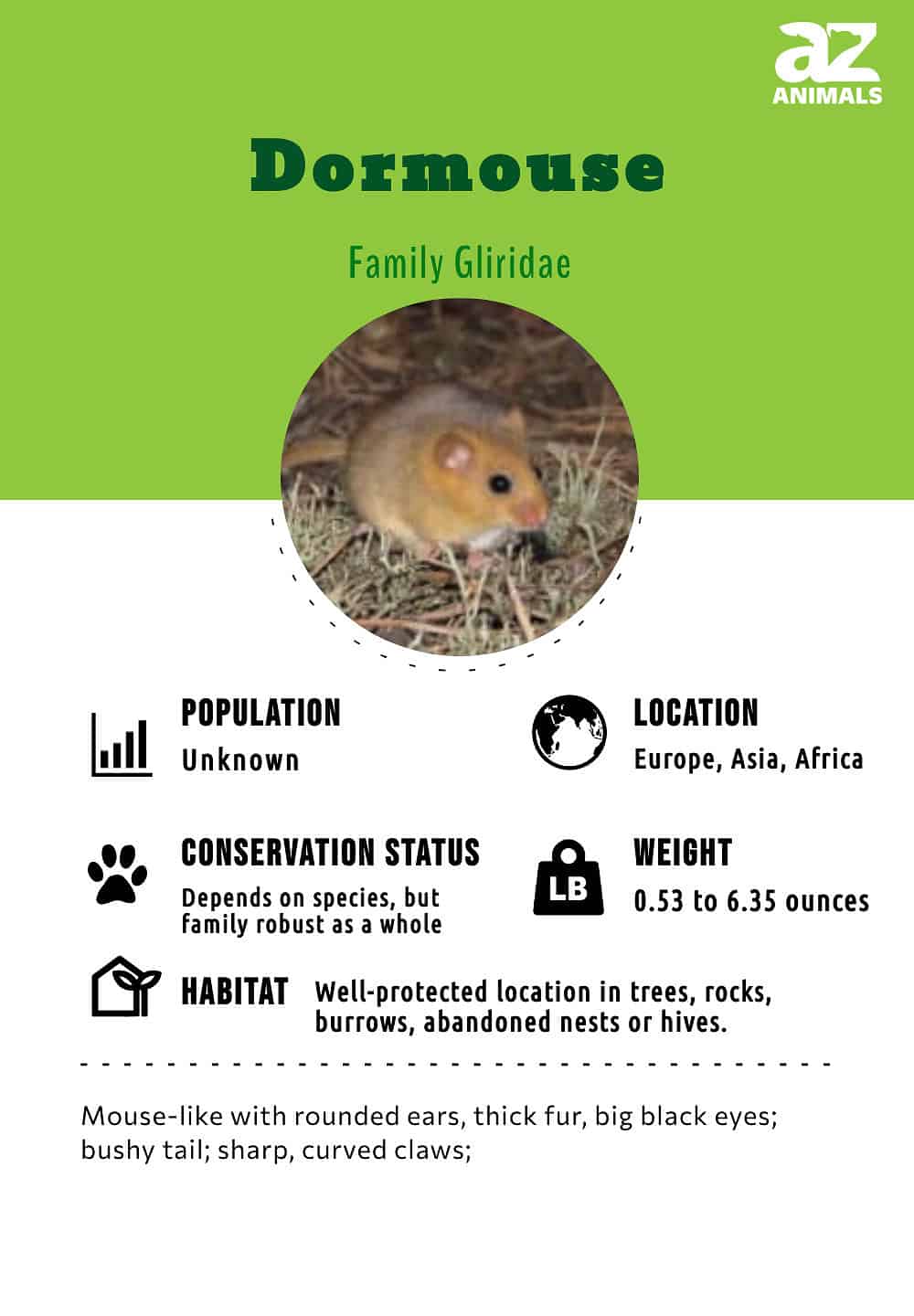
A lifestyle of hibernation has become this creature’s most well-known trait. In fact, throughout the world, the animal is practically synonymous with sleepiness and indolence. But the opposite is also true. After emerging from its hibernation for the winter, the dormouse is an active and incredibly athletic creature. Physical adaptations for speed and acrobatics help the dormouse avoid predators and find food.

4 Incredible Facts:

  • The dormouse is considered to be an exotic pet, somewhat uncommon in the pet trade. But it is not impossible to purchase one.
  • The name “dormouse” likely comes the French word for sleep, which in the feminine tense is dormeuse. This name is a reference to the rodent’s very long habitation time.
  • The Dormouse was a minor character in the 1865 novel Alice’s Adventures in Wonderland by Lewis Carroll. At the Mad Hatter’s tea party, it sleeps among much of the commotion, sometimes waking to tell stories. This character was also mentioned in the 1967 song “White Rabbit,” sung by the rock band Jefferson Airplane.
  • The edible dormouse was considered to be a delicacy for the upper classes in many ancient cultures, including Gaul (modern-day France) and Rome — hence the origin of the name. The Romans would keep the dormice in large pits and raise them for food. As the largest member of the taxonomical family, this particular species is still considered a traditional delicacy in some parts of Slovenia and Croatia.

Scientific Name
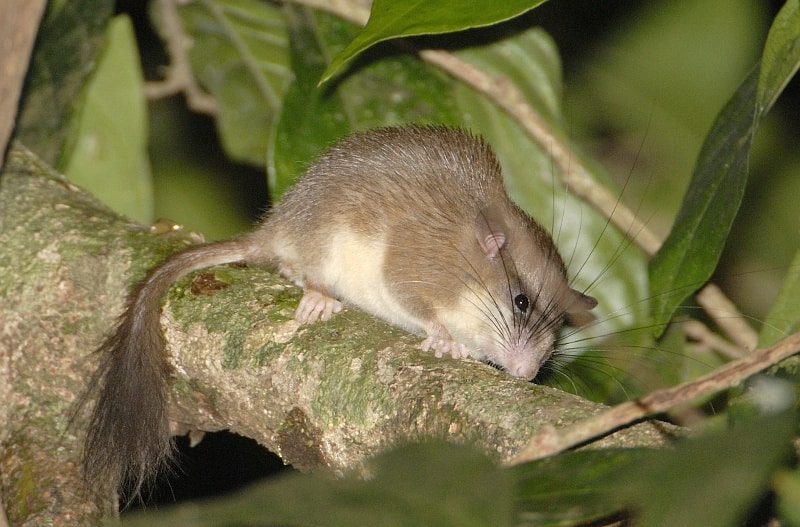
The dormouse is classified as a family of rodents that goes by the name of either Gliridae or Myoxidae or Muscardinidae, depending on the taxonomist. They are not actually “mice,” which are in the family Muridae, but they are the only members of Gliridae.

They are members of the Order Rodentia, and they are in the same suborder, Sciuromorpha, with squirrels and beavers. After the family Gliridae, there are 3 subfamilies, 8 or 9 genera (still being debated), and about 30 species of dormice (also 4 extinct species). Examples of these species are the Baluchistan forest (Pakistan), mouse-tailed (Turkey, Bulgaria), garden (throughout Europe), hazel (UK), edible, Malabar spiny, and desert dormouse.

Dating back to around 50 million years ago, the dormice are one of the oldest recorded groups of rodents currently known and documented. Fossil evidence shows: they lived in Europe and Asia approximately 30 million years before they found their way to Africa; a large number of species in 36 genera are extinct; and there was once a giant dormouse, the size of a rat, that lived during the Ice Age, or about 2.4 million to 11,700 years ago.

Appearance

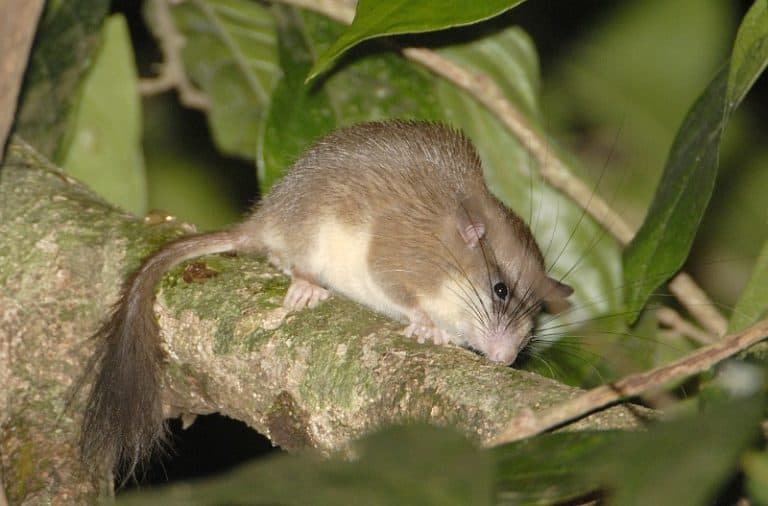
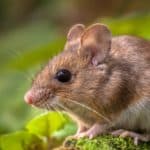
With its rounded ears, thick fur, and big black eyes, this creature has a small, mouse-like appearance. The one feature that really distinguishes it from the true mouse (with only a few species excepted) is the presence of the big, bushy, almost squirrel-like tail. Its proper coloration is usually some variant of gray, brown, or white, sometimes mixed with dark stripes or facial markings. It also has pink-colored skin showing around the nose and feet.

Like other rodents, the dormouse’s skull arrangement is well-adapted for gnawing and chewing. This is combined with sharp and curved claws for digging and foraging. It has four digits on the forefeet and five on the hind feet with soft toe pads adapted specifically for climbing.
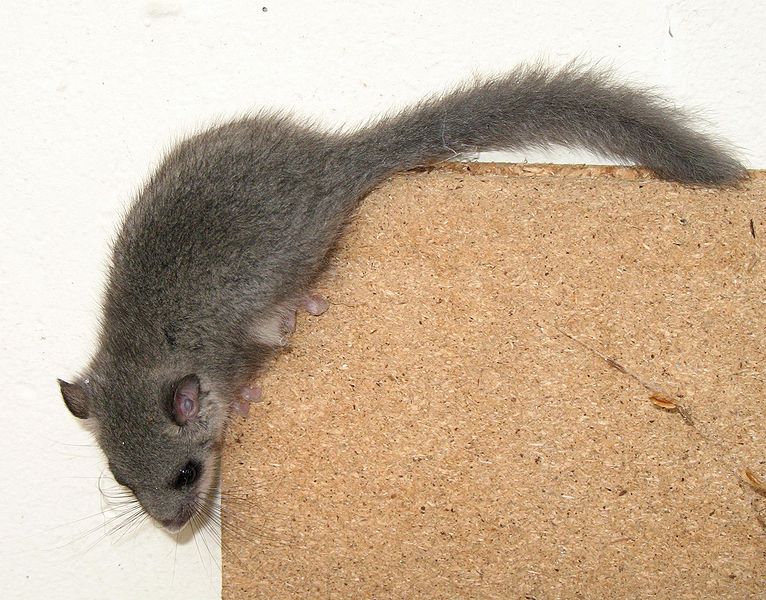
An edible dormouse on a white background

The Edible Dormouse (Glis glis) is the largest species of dormouse at 7.5 inches with a 6-inch tail.

This animal’s family varies widely in size. The smallest species is the Japanese dormouse with a 3-inch body and a 2-inch tail. The largest species is the edible dormouse with a 7.5-inch body, a 6-inch tail, and a weight of approximately 6 ounces. For comparison, this is nearly the size of a squirrel. The very common hazel dormouse resides somewhere in between the two extremes.

Behavior

This animal is known most of all for its epic ability to sleep long periods of time. For species living in temperate climates, it accumulates huge stores of fat during the warm months and then hibernates for the entire fall and winter, occasionally waking to eat the food it has stored in its home. This behavior is not unique to this creature, but the sheer length of its hibernation is truly prolific and noteworthy. The species that live in hotter, southern climates tend to have long periods of low activity instead of outright hibernation.

Despite its rather lethargic behavior, the dormouse is actually a fast and agile creature with an excellent ability to climb up obstacles such as trees and rocks to escape predators or hunt for food. Most species have adaptations for an arboreal lifestyle, while others live along the ground in open areas and ecosystems. As a nocturnal animal, it primarily comes out at night to hunt. Its remarkable sense of hearing is its main means of sussing out sources of food and potential danger.

The dormouse is a bit of a loner, but it will gather together with other members of its species for breeding and family rearing. It also has the tendency to hibernate with several other dormice in the same burrow. It has various vocalizations to communicate with others, including whistles, shrieks, and chirps. It may also communicate through body language and scent.

Habitat
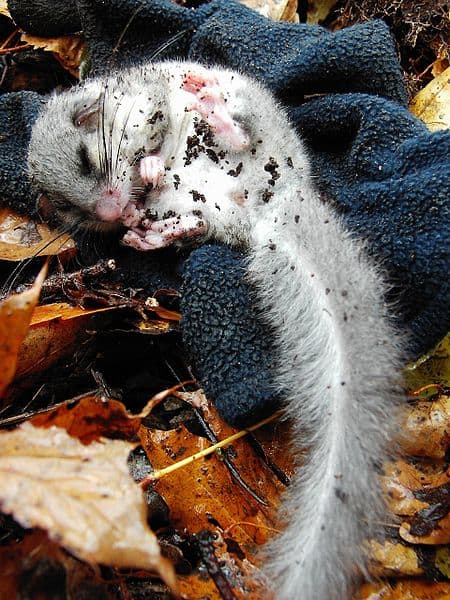
The dormouse will construct a suitable nest in whatever well-protected location it can find: trees, rocks, burrows, abandoned nests, and even beehives. It is not picky about its living quarters. It can build a nest out of moss, bark, vegetation, and whatever else it finds. The male dormouse has a natural territory and will fiercely defend it from incursions by other dormice. The female too has a territory, though it’s far less aggressive about who shows up. The dormice use secretions to mark their territory from outsiders.

The dormouse has a large distribution across Europe, Asia, and Africa, stretching between Spain in the west and Japan in the east, from Sweden in the north to sub-Saharan Africa in the south. Some of the most common species can be found across the heart of Europe.

The family inhabits an impressive number of habitats, including rainforests, deciduous forests, deserts, savannahs, and shrub lands. The animal prefers to live near river banks and rocky outcrops and hide from predators in dense vegetation. The sheer adaptability to a wide range of habitats makes the dormouse common across much of the Eastern Hemisphere (though it never radiated out to the Western Hemisphere). The dormouse has even thrived in the presence of human populations such as homes, buildings, gardens, and even some agricultural areas.

Diet
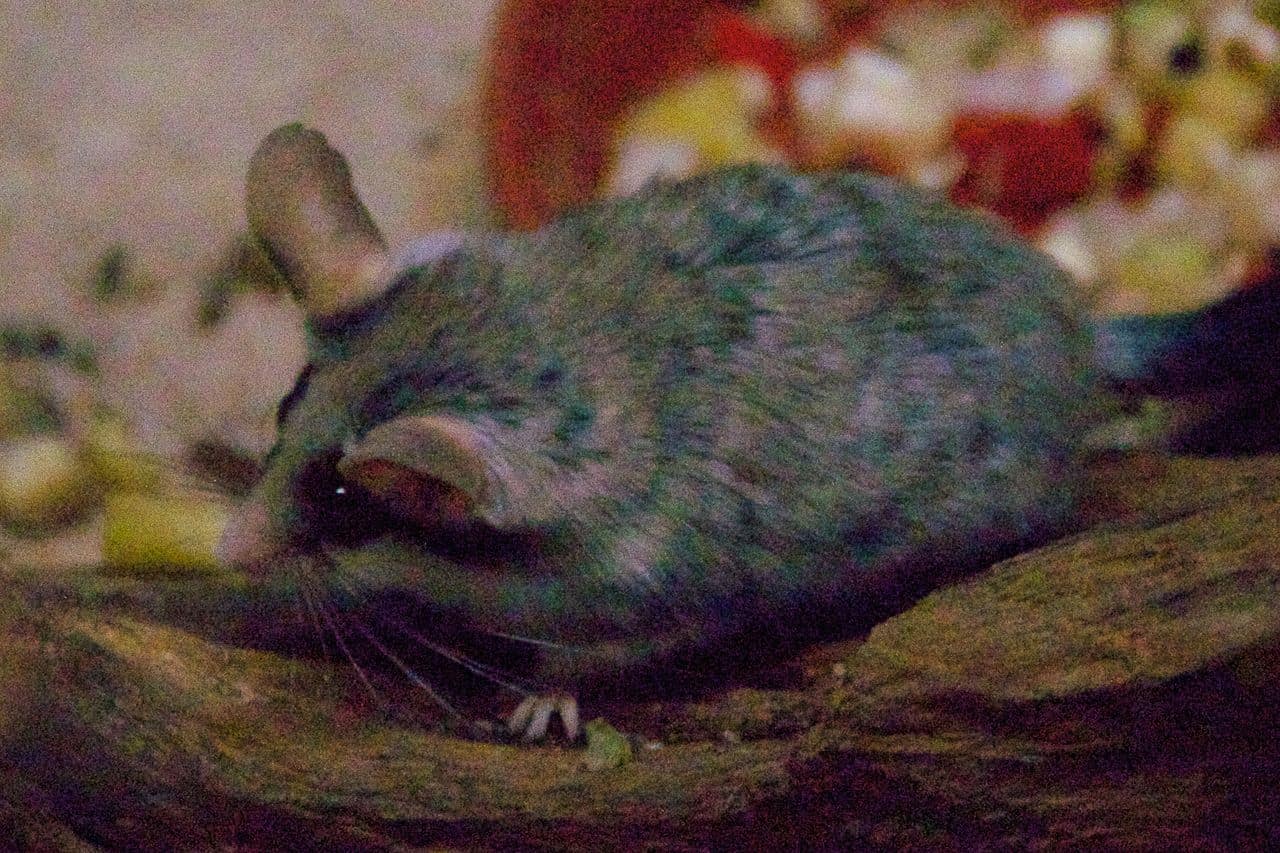
The dormouse is an omnivorous animal. Its diet primarily consists of insects, fruits, nuts, flowers, and even some small bird eggs. If the animal is particularly hungry, then it is not entirely uncommon for a dormouse to eat one of its own, particularly a male rival. Its climbing and digging ability enable the dormouse to find food wherever it may reside. Because of its diverse palate, the dormouse diet will vary based on species and local food selection.

Predators and Threats

Because of its small size and relative lack of defenses, the dormouse is vulnerable to many different predators. One of the most common threats is large birds such as hawks, owls, and falcons, which can swoop down from above at any time and quickly kill the dormouse. It is also vulnerable to carnivorous mammals, including foxes, weasels, and less frequently wild boars, which can dig directly into holes and burrows in which the dormouse may be residing.

The dormouse’s main means of defense is, of course, its speed and agility. Its powerful bite and sharp hissing sounds serve as a last line of deterrence for a cornered dormouse. The creature also has the ability to regenerate a tail caught and detached by a predator. Though active during spring and summer, the dormouse is quite vulnerable while hibernating for the winter.

Like other rodents, the dormouse is often considered by humans to be a pest and a carrier of diseases. Many of them are killed in traps by wary people trying to get rid of them. The dormouse is also facing risk from the destruction of forested habitats, which eliminates much of its natural home.

Reproduction, Babies, and Lifespan
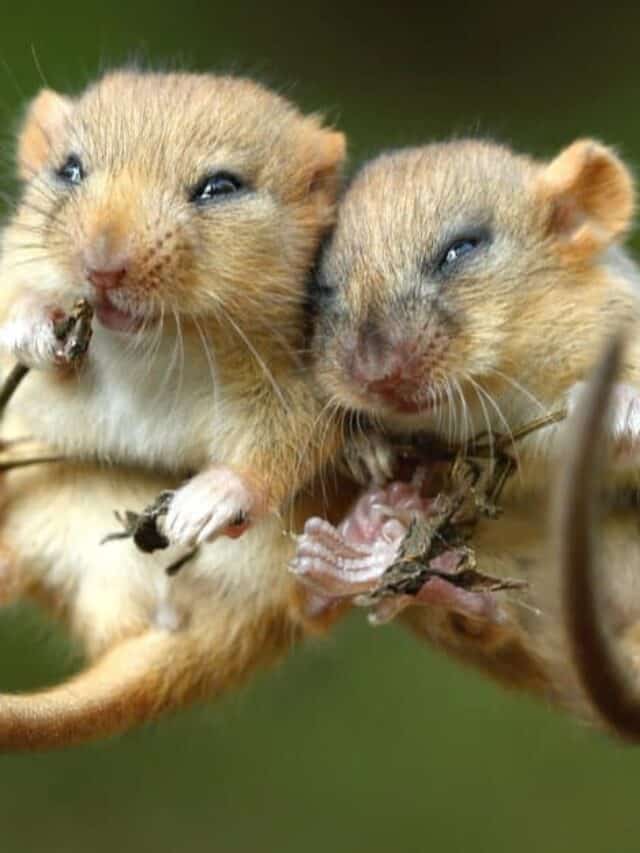
After emerging from hibernation, the dormouse will breed once or twice a year at various intervals. This usually takes place during the spring and summer months, depending on the species. Not too much is known about dormouse mating behavior, but it is believed that the creature is polygynous, meaning that a single male will mate with multiple females, but the females will mate with only a single male. This conclusion comes from the observation of males fighting with each other for potential mates. This aggressive behavior may indicate fierce competition for access to mates since males hoard females.

Once a pair copulates, the female dormouse typically produces up to 10 offspring per litter once or twice a year. The young pups are born after three to four weeks of gestation, typically with their eyes shut and no hair present. The mother provides both sustenance and protection during this first critical stage of life, and she will construct much of the nest herself. The males probably leave shortly after copulation to seek out more mates and do not participate in child-rearing duties.

The young dormouse develops relatively quickly before winter sets in. It takes about three weeks before the young mice open their eyes for the first time. Four to six weeks will pass before they are fully weaned and ready for full independence. A dormouse will become sexually mature after about a year. The typical dormouse species lives three to five years in the wild, though longer in captivity. The edible dormouse has been known to live up to 12 years, perhaps because they’re more focused on survival than breeding. However, many individuals fall prey to carnivorous animals before they can die of natural causes.

Population

Although precise population numbers are unknown, the dormouse, as a family, is in relatively robust health, facing very few significant threats. However, several other species, including the Baluchistan forest dormouse in Pakistan, the mouse-tailed dormouse in Turkey and Bulgaria, and the garden dormouse endemic throughout Europe, are all near threatened or vulnerable to extinction with populations decreasing. The population of the hazel dormouse numbers is also dwindling in the United Kingdom. What’s needed to bolster population numbers is better management of forests and regions of denser vegetation in which they thrive.

View all 451 animals that start with D
How to say Dormouse in ...
Bulgarian
Сънливци
Danish
Syvsovere
German
Bilche
English
Dormouse
Esperanto
Gliro
Spanish
Gliridae
French
Myoxidae
Japanese
ヤマネ科
Dutch
Slaapmuizen
Polish
Popielicowate
Finnish
Unikeot
Swedish
Hasselmöss
Turkish
Yediuyuklayangiller

Sources

  1. Encyclopedia Britannica
  2. Allison Poor and Phil Myers for Animal Diversity Web
  3. IUCN Red List

Thank you for reading! Have some feedback for us?


Dormouse FAQs (Frequently Asked Questions)

The dormouse is a type of rodent that resembles a mouse. However, it is actually part of an entirely different taxonomical family from the mouse. The dormouse and the common mouse last shared a common ancestor more than 50 million years ago. This means their different lineages split off around this time and evolved on their separate ways, probably never exchanging genetic material since. That is a long time to remain separated. For comparison, many early primate lineages probably split off some 50 to 70 million years ago.