
N S W E
Wildlife Expeditions

Wildlife of
Croatia

Croatia stands out for the rare chance to pair Adriatic marine life and island seabirds with Europe's iconic large carnivores-brown bears, wolves, and lynx-within a compact, park-rich landscape.
172 Species
56,594 km² Land Area
Overview

About Croatia

Croatia's wildlife character is shaped by dramatic contrasts: sunbaked Mediterranean karst and thousands of islands along the Adriatic, rising inland into the rugged forests and high meadows of the Dinaric Alps. This meeting of climates and landforms creates a mosaic of habitats where orchids and reptiles thrive on limestone slopes, dense beech-fir forests shelter elusive predators, and clear rivers and lakes support otters, amphibians, and rich freshwater communities. A strong protected-areas tradition-spanning national parks, nature parks, and extensive Natura 2000 sites-helps safeguard this diversity and makes wildlife viewing surprisingly accessible for a European destination.

Key ecosystems include the Dinaric mountain forests (one of Europe's most important strongholds for large carnivores), the karst river systems and travertine lakes famous at Plitvice, and major wetlands such as Kopački Rit at the Danube-Drava confluence-an essential stopover and breeding area for herons, eagles, storks, and other waterbirds. Offshore, the Adriatic's seagrass meadows and island archipelagos support a distinct marine web, with dolphins regularly sighted and seabird colonies nesting on cliffs and remote islets.

In global conservation terms, Croatia's value lies in connectivity: it forms a crucial link in the wider Dinaric-Balkan corridor that allows wide-ranging species like wolves and lynx to persist and potentially recolonize parts of Central Europe. Croatian research and management efforts-especially around coexistence with large carnivores, habitat protection through EU frameworks, and safeguarding key wetlands and marine habitats-contribute to continental-scale biodiversity goals. The wildlife experience here is uniquely "two-worlds-in-one": you can watch griffon vultures glide over island cliffs, listen for wolves in mountain forests, and end the day by the sea, all within short travel distances.

Physical Features

Geography

Croatia's wildlife is shaped by a sharp environmental gradient from the Mediterranean Adriatic coast (dry, rocky karst, islands, coastal wetlands) to the forested Dinaric Alps (cooler, wetter, rugged terrain) and the riverine Pannonian lowlands in the east (floodplains, marshes, agricultural mosaics). This north-south and coast-inland contrast creates high habitat diversity in a small area, supporting Mediterranean reptiles and seabirds along the coast, large carnivores (brown bear, wolf, Eurasian lynx) and forest species in the Dinaric interior, and exceptional waterbird communities in Danube-Drava-Sava wetlands.

56,594 km² Land Area
~126th largest country by total area; about the size of West Virginia (USA) Size Rank

Key Landscapes

  • Adriatic Sea coastline with >1,000 islands and islets (major seabird, bat roost, and marine habitats; strong coastal-island fragmentation)
  • Mediterranean karst (limestone plateaus, caves, sinkholes, intermittent rivers) influencing groundwater-dependent habitats and endemic cave fauna
  • Dinaric Alps / Dinarides (e.g., Velebit, Gorski Kotar, Lika) with extensive beech-fir and mixed montane forests that serve as core habitat and corridors for large carnivores
  • Large river systems and corridors: Danube, Drava, Sava, Kupa, Neretva (riparian forests, gravel bars, floodplain dynamics)
  • Major wetlands and floodplains: Kopacki Rit Nature Park (Danube-Drava confluence), Lonjsko Polje Nature Park (Sava floodplain) supporting breeding, migration, and wintering waterbirds
  • Karst rivers and travertine lake systems (e.g., Plitvice Lakes) creating aquatic-riparian mosaics with high freshwater biodiversity
  • Pannonian/Slavonian lowlands (eastern Croatia) with agricultural landscapes interspersed with riverine forests and marshes-key for steppe-edge and farmland-associated species
  • Coastal lagoons, estuaries, and salt-influenced wetlands (especially along the Adriatic) important for migratory birds and fish nurseries

Ecoregions

  • Illyrian deciduous forests (temperate broadleaf and mixed forests across much of coastal and western Croatia)
  • Dinaric Mountains mixed forests (montane conifer-broadleaf mosaics in the Dinarides; key large-carnivore stronghold)
  • Pannonian mixed forests (lowland temperate forests and forest-steppe mosaics in eastern Croatia, heavily transformed but important along rivers)
  • Adriatic Sea / Mediterranean marine realm (coastal and island marine ecosystems; important for seabirds, marine mammals, and coastal fisheries food webs)
Parks & Reserves

Protected Areas

Croatia's protected-area system is built around a national network of **National Parks** (strictly protected core areas for ecosystems/landscapes and low-impact visitation) and **Nature Parks** (large multi-use landscapes/seascapes managed for conservation with sustainable use). Additional categories include **Strict Reserves** (highest protection, minimal human impact), **Special Reserves** (botanical, zoological, forest, geomorphological, etc.), **Regional Parks**, **Significant Landscapes**, **Park Forests**, and **Natural Monuments**. Beyond national designations, Croatia's conservation framework is strongly reinforced by the EU **Natura 2000** network, which covers many key habitats for large carnivores, karst rivers, island ecosystems, and major wetlands on the Danube-Drava floodplains.

Protected Coverage

Approximate land under formal national protection: **~9% of Croatia's land area** (national categories such as national parks, nature parks, reserves). For comparison, the EU **Natura 2000** network covers **~37% of land** and **~16% of marine area** in Croatia (overlapping in places with nationally protected areas).

Notable Parks & Reserves

Plitvice Lakes National Park

National Park; UNESCO World Heritage (natural)

A globally significant karst lake-and-waterfall system with exceptionally clear waters, tufa-forming barriers, and surrounding beech-fir forests. It supports forest wildlife (including large carnivores in the wider region) and rich freshwater biodiversity.

Northern Velebit National Park

National Park; component areas included in UNESCO World Heritage (Ancient and Primeval Beech Forests)

One of Croatia's premier wilderness areas where Dinaric karst, alpine grasslands, and old-growth beech-fir forests meet. It is important for the conservation of large carnivores and high-altitude/karst specialist species.

Paklenica National Park

National Park; component areas included in UNESCO World Heritage (Ancient and Primeval Beech Forests)

A dramatic canyon-and-mountain landscape on the Velebit range that provides key habitat connectivity for Dinaric large carnivores and raptors. The combination of cliffs, forests, and karst springs supports high species diversity in a compact area.

Kopački Rit Nature Park

Nature Park; Ramsar Wetland of International Importance

One of Europe's most important Danube floodplain wetlands, famous for huge seasonal bird concentrations and intact marsh-forest mosaics. It is a flagship site for waterbirds, raptors, and wetland mammals in the Danube-Drava region.

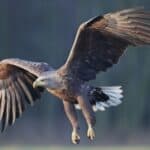
White-tailed eagle
White-tailed eagle
Black stork
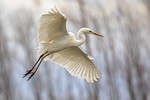
Great egret
Great egret
Eurasian spoonbill
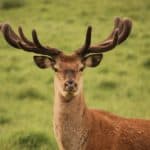
Red deer
Red deer
Eurasian otter

Lonjsko Polje Nature Park

Nature Park; Ramsar Wetland of International Importance

A vast, dynamic Sava River floodplain with traditionally managed pastures, wetlands, and riparian forests that sustain exceptional breeding birdlife. It is especially notable for storks and other wetland-dependent species in a semi-natural cultural landscape.

White stork
Black stork
White-tailed eagle
White-tailed eagle
Common crane
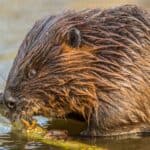
Eurasian beaver
Eurasian beaver
Eurasian otter

Kornati National Park

National Park

An iconic Adriatic archipelago with clear waters, reefs, and seagrass habitats that support diverse marine life. It is notable for seabirds and foraging habitat for dolphins and marine turtles across the wider Adriatic seascape.

Common bottlenose dolphin
Loggerhead sea turtle
Scopoli's shearwater
European shag
Dusky grouper
Mediterranean moray

Mljet National Park

National Park

A largely forested island with enclosed saltwater lakes and surrounding marine habitats, offering important coastal woodland and seagrass ecosystems. It's a strong site for seabirds and marine megafauna in the southern Adriatic.

Common bottlenose dolphin
Loggerhead sea turtle
Eleonora's falcon
Mediterranean shag
European green lizard
Common cuttlefish

Krka National Park

National Park

A karst river system with travertine cascades, riparian habitats, and deep canyons that provide refuges for fish, bats, and birds of prey. It is particularly notable for riverine biodiversity in Mediterranean-influenced karst landscapes.

Eurasian otter
Softmouth trout
European pond turtle
Peregrine falcon
Peregrine falcon
Little egret
Mediterranean horseshoe bat

UNESCO World Heritage Sites

  • Plitvice Lakes National Park (natural World Heritage site)
  • Ancient and Primeval Beech Forests of the Carpathians and Other Regions of Europe (serial natural World Heritage site; includes Croatian components)
Animals

Wildlife

Croatia packs exceptional biodiversity into a relatively small country because it spans multiple major habitat zones: Mediterranean coasts and hundreds of Adriatic islands, karst caves and springs, large Dinaric Alps forests, and internationally important floodplain wetlands (e.g., Kopački Rit, Lonjsko Polje). This mix supports a classic "Dinaric wilderness" fauna (brown bear, wolf, lynx), strong wetland birdlife, and distinctive Adriatic/coastal reptiles and marine species such as dolphins and sea turtles.

~95-105 species (including bats and marine mammals) Mammals
~380-400 species recorded (large share migratory) Birds
~35-40 species Reptiles
~15-20 species Amphibians

Iconic Species

Brown Bear
Brown Bear Croatia is part of the Dinaric core area for European brown bears, with some of the best chances in the EU to encounter sign and (with guides) observe bears in forested mountain regions such as Gorski kotar and Lika, and around Plitvice-area hinterlands.
Grey Wolf
Grey Wolf A flagship of the Dinaric Alps; wolves persist across Croatia's large forest blocks and rugged karst landscapes. Best experienced via tracking, howling surveys, and camera-trap tourism in areas like Velebit, Lika, and Gorski kotar.
Eurasian Lynx
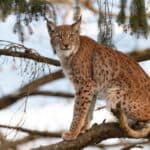
Eurasian Lynx Rare and highly sought-after; Croatia holds an important portion of the Dinaric lynx population. Occurs mainly in remote forested mountains (Velebit-Gorski kotar-Lika), with sightings uncommon but strong conservation interest.
Griffon Vulture
Griffon Vulture One of Croatia's signature coastal wildlife spectacles-breeding on cliffs of Kvarner islands (notably Cres). Boat-based viewing and cliff lookouts can reveal soaring adults and fledglings in summer.
White Stork A classic wetland-and-village species in lowland Croatia. Lonjsko Polje and surrounding Posavina floodplain landscapes are especially known for traditional villages with many nesting pairs on roofs and poles.
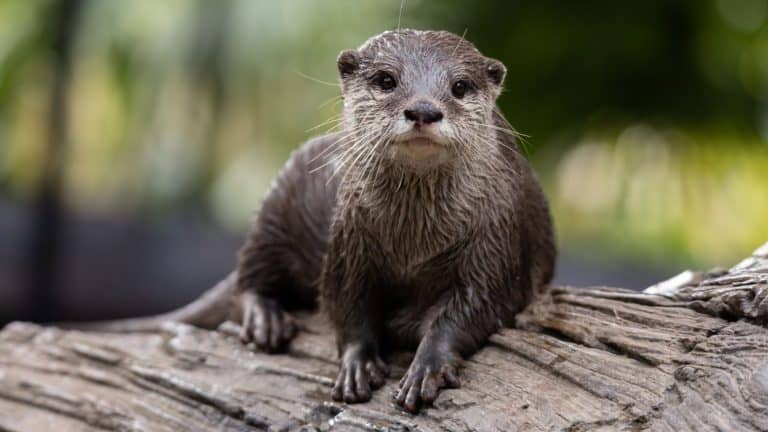
European Otter Present in cleaner river systems and wetland mosaics; a highlight species for nature-focused visitors in places like Kopački Rit and Lonjsko Polje, where quiet dawn/dusk watching can pay off.
Common Bottlenose Dolphin
Common Bottlenose Dolphin Resident and regularly observed along parts of the Adriatic; the Lošinj-Cres area is particularly well-known for dolphin research and responsible wildlife-watching trips.
Loggerhead Sea Turtle The Adriatic is an important feeding area for loggerheads; individuals are seasonally encountered offshore and occasionally near coasts and islands, with conservation attention due to bycatch risk.
Alpine Chamois A standout mountain ungulate in rugged karst ranges; visible in steep terrain in parks such as Paklenica and Biokovo (and other Dinaric massifs), especially in early morning/evening.
Hermann's Tortoise A representative Mediterranean reptile of coastal scrub, woodland edges, and some islands; most often encountered in warmer months in suitable Adriatic karst habitats (where protected from collection).

Endemic Species

Dinaric (Balkan) Snow Vole A near-endemic mammal of the Dinaric karst and rocky scree habitats; patchily distributed and seldom seen, but biogeographically distinctive to the western Balkans including Croatia. Endemic
Olm (Proteus) A famous cave-adapted amphibian of the Dinaric karst groundwater system; near-endemic to the western Balkans. Croatia's caves and springs are part of its stronghold, making it emblematic of the country's subterranean biodiversity. Endemic
Dalmatian Rock Lizard A near-endemic reptile of Adriatic coastal karst (cliffs, stone walls, rocky scrub), strongly associated with Dalmatia and neighboring coastal areas; a characteristic "Mediterranean karst" species in Croatia. Endemic
Dalmatian Wall Lizard A near-endemic lizard centered on the eastern Adriatic region; very typical of Croatia's islands and coastal habitats, often the most frequently encountered small reptile in suitable rocky areas. Endemic
Horvath's Rock Lizard A localized, near-endemic lizard of cool, rocky montane habitats in parts of the northwestern Balkans, including Croatia; notable for its restricted range and specialization to rocky outcrops. Endemic

Notable Populations

  • Key stronghold in the Dinaric Alps for Europe's large carnivore guild (brown bear, grey wolf, and Eurasian lynx) within a connected transboundary landscape.
  • Kvarner islands (especially Cres) support one of the Adriatic's most important breeding areas for Griffon Vultures, a major regional conservation priority.
  • Lonjsko Polje-Posavina floodplain villages are renowned for high densities of nesting White Storks tied to traditional land use and extensive wetlands.
  • Kopački Rit (Danube-Drava confluence floodplain) is a globally important wetland stopover and breeding area for large numbers of migratory waterbirds.
  • The Lošinj-Cres sea area is a well-studied Adriatic hotspot for resident Bottlenose Dolphins, supporting long-term monitoring and wildlife-watching tourism.
Protection

Conservation

Primary Threats

  • Coastal and island construction linked to tourism (new apartments, marinas, second homes) consumes and fragments Mediterranean habitats, intensifies water demand and wastewater loads in summer, and increases disturbance on beaches, dunes, and coastal scrub-especially around high-demand Adriatic zones and near protected areas.
  • Roads, motorways, rail, and energy infrastructure (including wind farms on ridgelines and grid expansion) fragment habitats and create wildlife mortality hotspots. Large carnivores and ungulates are particularly affected by barrier effects and vehicle collisions in mountainous and forested regions.
  • Beyond direct coastal build-out, habitat loss occurs through conversion and degradation of wetlands, riparian zones, and traditional low-intensity mosaics (meadows, pastures) that are important for birds, pollinators, and amphibians; abandonment can also shift open habitats to shrub/forest, reducing species tied to grasslands.
  • Hydropower operations, water regulation, and river engineering alter flow regimes and sediment transport in river systems (e.g., Drava and other Sava/Danube tributaries), affecting floodplain forests, spawning grounds, and wetland dynamics; coastal engineering can simplify shorelines and degrade nearshore habitats.
  • Hotter, drier summers increase wildfire risk in Mediterranean karst landscapes and stress freshwater availability on islands and the coast; warming waters and changing precipitation affect river and wetland hydrology, while sea-level rise and stronger storms threaten low-lying coastal wetlands and beaches.
  • Seasonal tourism peaks strain wastewater systems, contributing to coastal nutrient and pathogen loading in some areas; agricultural runoff affects rivers and wetlands; plastic and marine litter accumulate along the Adriatic coastline and islands, impacting seabirds and marine life.
  • Freshwaters are vulnerable to non-native fish and crayfish introductions that alter food webs and compete with native fauna; invasive plants can spread along rivers and disturbed coastal sites, complicating habitat restoration in floodplains and wetlands.
  • Legal hunting is widespread for some game species, but conservation concerns arise from illegal killing/poisoning and misidentification affecting protected raptors and large carnivores; enforcement and social tolerance issues can undermine recovery and connectivity goals.
  • Wolves and bears occasionally depredate livestock and damage property (e.g., apiaries), creating local opposition to carnivore conservation; conflict is intensified where husbandry practices lack guarding dogs, fencing, or compensation uptake.
  • In the Adriatic, fishing pressure can reduce local abundance of key stocks and disrupt food webs; small-scale coastal fisheries and recreational fishing can cumulatively impact vulnerable species and sensitive habitats, especially in nearshore areas and around islands.
  • High visitation to national parks, coastal sites, and caves can disturb breeding birds, bats, and sensitive karst habitats; boating and anchoring can damage seafloor habitats, while off-trail hiking and uncontrolled access erode soils in fragile karst landscapes.
  • Commercial forestry and road building in forested Dinaric regions can reduce old-growth attributes, deadwood availability, and connectivity needed by forest specialists (including some raptors, bats, saproxylic insects) if not managed with strong biodiversity safeguards.
Visit

Wildlife Tourism

Croatia's wildlife tourism is built around a compact but diverse set of habitats-Adriatic islands and reefs, Mediterranean karst, Dinaric Alps forests, and major wetlands-making it easy to combine wildlife viewing with coastal travel and cultural stops. Economically, nature-based travel is a strong add-on to Croatia's dominant seaside tourism: birding, bear watching, dolphin trips, and national-park hiking extend the season into spring and autumn, support local guiding, rural stays, boat operators, and protected-area fees. Conservation and protected-area management have a long history through national parks and nature parks, with flagship species (brown bear, wolf, lynx, griffon vulture, dolphins, migratory birds) helping drive responsible tourism. Accessibility is generally excellent: coastal hubs (Zadar, Split, Dubrovnik, Rijeka) connect quickly to islands and marine trips; Zagreb provides easy access to wetlands and forested regions. Many headline wildlife experiences are day-trippable, but large-carnivore viewing is best done with specialist guides and multi-night stays in quieter mountain regions.

Best Time to Visit
  • January-March: Winter tracking in mountain forests (sign of wolves/lynx/bears in snow in the Dinaric region), plus wintering waterfowl in wetlands (geese, ducks, raptors).
  • April-May: Peak spring migration and breeding displays-best all-around birding in wetlands and coastal lagoons; amphibians active in karst fields; pleasant hiking for chamois/ibex-like mountain ungulates and raptors.
  • June-August: Best for marine wildlife and boat-based viewing (common bottlenose dolphins most reliable; sea turtles possible), plus cliff-nesting seabirds and early-morning forest wildlife. Midday heat and crowds can reduce terrestrial sightings.
  • September-October: Excellent shoulder-season wildlife-autumn bird migration, raptor passage, and calmer seas for dolphin trips; prime time for bear viewing as animals forage heavily before winter.
  • November-December: Quiet parks and wetlands with winter birds; opportunities for expert-led tracking and photography in forests (short days but fewer visitors).

Top Wildlife Experiences

  • Join a guided brown bear hide session at dusk in the Gorski Kotar/Lika region (ethical feeding-free options where available), with a photographer-friendly setup and chances to see other forest wildlife.
  • Take a small-group dolphin-watching trip in the northern Adriatic (Kvarner/Cres-Lošinj area) focused on responsible viewing: slow approaches, distance rules, and naturalist interpretation.
  • Kayak or take a silent electric boat/low-wake vessel through wetland channels at sunrise to photograph herons, egrets, spoonbills (seasonal), and raptors-best during spring and autumn migration.
  • Book an early-morning birding walk with a local ornithologist in a major wetland to target breeding songs and displays in late April-May, then return at dusk for owls and nightjars (seasonal).
  • Hike with a guide to a griffon vulture viewpoint and learn rehabilitation/conservation work; combine with coastal cliff walks to spot soaring raptors and seabirds on thermals.
  • Snorkel over seagrass meadows and rocky reefs with a marine guide to look for octopus, cuttlefish, seahorses (where present), and reef fish-timed for calm summer seas and good visibility.
  • Track large carnivore signs (pawprints, scat, scratch marks) on a winter or shoulder-season interpretive trek in mountain forests; a realistic, ethical alternative when direct sightings are unlikely.
  • Take a night wildlife walk (headlamps/red light) in a protected area to look for amphibians, bats (with detectors), and nocturnal birds; best in warm months and during spring amphibian activity.
  • Go on a dawn-to-midday 'raptor watch' session during migration (spring or autumn) at a coastal ridge or wetland edge to spot eagles, falcons, and harriers moving through.
  • Combine island hiking with seabird and coastal biodiversity watching-early starts to catch feeding activity and avoid heat, with stops at quiet coves for shorebird scanning.

Safari Types Available

  • Boat safaris (dolphin and seabird watching; wetland boat rides; low-wake/electric options in some areas)
  • Sea-kayak and canoe safaris (coastline and wetland channels)
  • Guided hide/stand wildlife watching (especially for bears; also bird photography hides in wetlands where available)
  • Walking safaris / guided nature hikes (birding walks, tracking-focused hikes, botanical and karst ecology walks)
  • Night safaris (nocturnal wildlife walks; bat detector walks; amphibian nights in spring/summer)
  • Self-drive wildlife itineraries with guided day excursions (useful for combining mountains, wetlands, and islands)
  • Snorkel/diving wildlife experiences (reef and seagrass biodiversity tours with marine naturalists)
  • Citizen-science style outings (bird counts/migration watches with local groups, seasonal)
Fun Facts

Did You Know?

Croatia's griffon vultures on Cres nest on sea cliffs just above the Adriatic-an unusual, counter-intuitive nesting choice for a bird many people associate with high mountains. Chicks that tumble into the sea are sometimes retrieved and rehabilitated by local conservation teams.

"The village of Cigoc (within Lonjsko Polje) was named the first "European Stork Village" (by EuroNatur), because white storks commonly nest directly on roofs, chimneys, and poles inside the settlement-wildlife living literally overhead in a functioning village."

The olm (found in Croatia's karst groundwater) is an extreme cave specialist: it can survive for years with very little food, spends its life in darkness, and keeps larval traits (like external gills) into adulthood-traits that make it feel more like a myth than a European animal.

The Cres-Losinj archipelago is a bottlenose-dolphin hotspot, and it has supported decades of photo-identification research (individual dolphins are recognized by their dorsal fins), creating one of the best-documented local dolphin communities in the Adriatic.

Despite its relatively small size, Croatia records at least 35 bat species-meaning a large share of Europe's bat diversity occurs within one country, helped by the abundance of caves, tunnels, and old buildings used as maternity and hibernation sites.

Croatia is one of the few EU countries where all three of Europe's large carnivores-brown bear, grey wolf, and Eurasian lynx-still occur and reproduce naturally, largely in the forested Dinaric Alps and karst hinterland.

Kopacki Rit (at the Danube-Drava confluence) is one of the largest remaining intact floodplain wetlands in the Danube Basin and a major bird stronghold, with 260+ recorded bird species and large mixed colonies of herons, cormorants, and spoonbills.

Lonjsko Polje Nature Park protects one of Europe's largest preserved floodplains along the Sava River-an exceptional breeding and feeding area for wetland birds, including dense, village-centered nesting of white storks.

The islands of Cres and Krk host Croatia's only breeding colonies of Eurasian griffon vultures-making the Kvarner archipelago a national stronghold for a species that has disappeared from many parts of the Balkans.

The Dinaric karst in Croatia is a European hotspot for subterranean biodiversity; notably, Croatia is part of the natural range of the olm (Proteus anguinus), famed as Europe's only cave-dwelling vertebrate species.

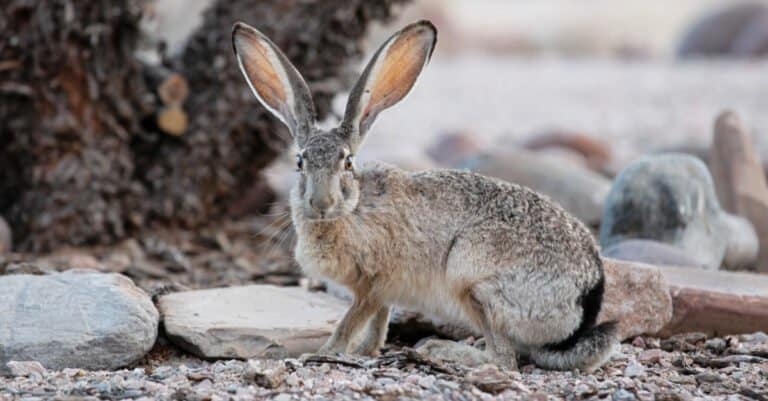
Croatia is a small U-shaped country that sits at the crossroads of central and southeastern Europe. It shares a border with Slovenia, Hungary, Serbia, Montenegro, and Bosnia and Herzegovina. Croatia also sits directly adjacent to Italy across the Adriatic Sea. Most of the country is comprised of lowland territory, including the Pannonian plains in the north and the Adriatic Basin in the south along the coast. These two regions are cut in half by the central mountain range, the Dinaric Alps, which include the highest point in the entire country, Dinara, at 6,000 feet. Croatia contains some 50,000 to 100,000 species of both plants and animals, some of them completely unique to the country. Wolves, bears, foxes, wild boars, weasels, and wild cats inhabit the inland forests and plains. Reptiles and marine life live near the coast. Wild goats live at higher elevations as well.

The Official National (State) Animal of Croatia
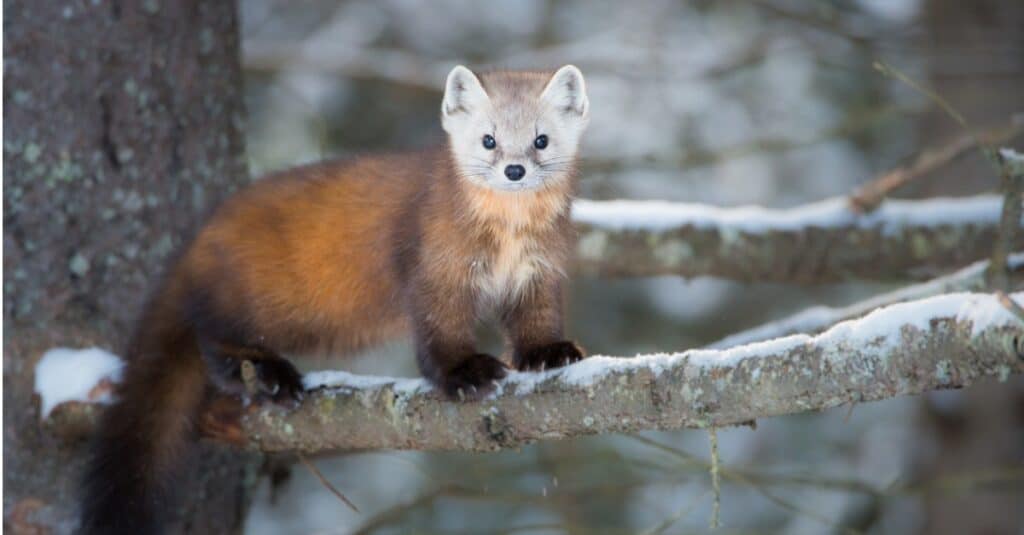
Pine marten standing in a tree, Canada.

The pine marten has played a key role in Croatia’s economic history

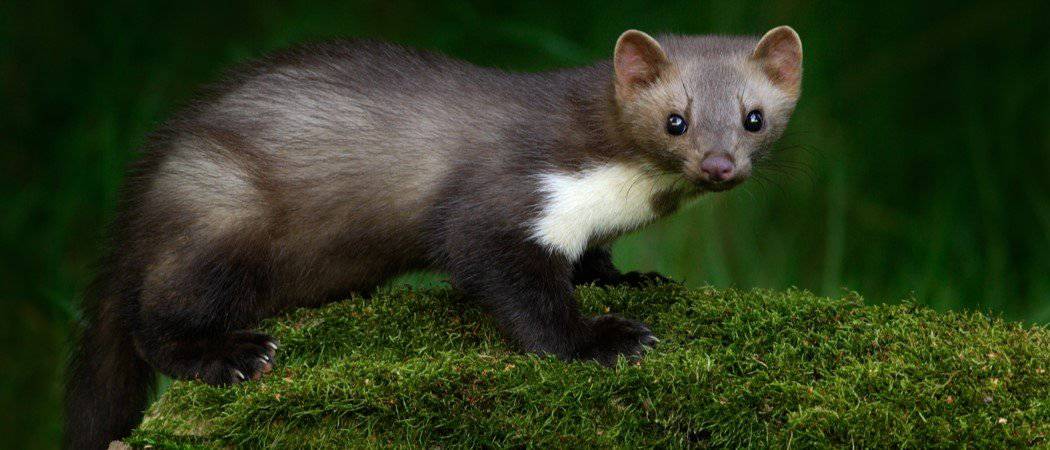
The European pine marten is Croatia’s national animal. Known as kuna zlatica in Croatian, it has also lent its name to the nation’s currency, the kuna. The mustelid which is known for the splash of cream or white fur at its throat, its brown fur, and a bushy tail, also played a key role in Croatia’s economic history. Its pelt which takes on a silky quality in winter was used to pay a tax known as kunovina.

At present, this highly prized mammal and source of national pride can be found stalking mice by night in national parks such as Papuk Nature and Plitvice Lakes. The mustelid and cousin to the weasel which is also referred to as the “golden one”, also serves as a natural pest control agent as well.
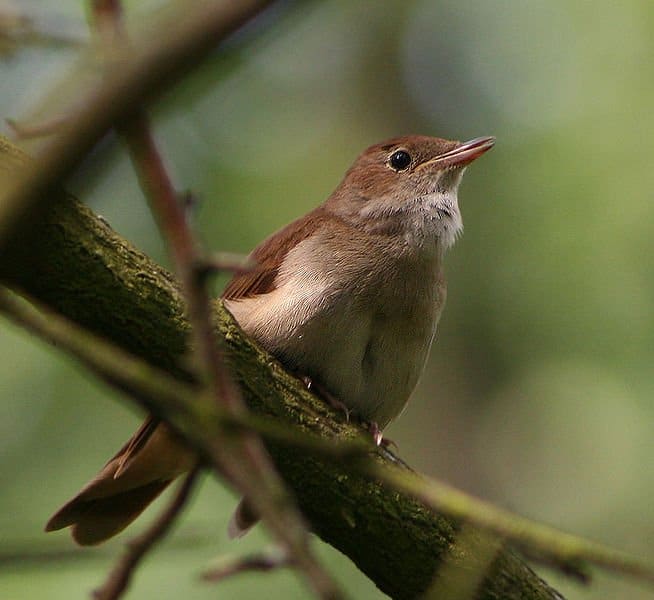
The Common Nightingale (Luscinia megarhynchos), is widely admired for its beautiful song

Croatia’s national bird is the common nightingale (Luscinia megarhynchos). At a first glance, this bird which is only slightly over half a foot in size, does not seem particularly striking. Especially since it is covered in a dull brown plumage with the sole exception of its tail which is reddish. Until it opens its beak that is and releases what is considered one of the most beautiful sounds in nature. The bird which is migratory in nature spends the winter in West Africa, before returning to Europe in time for spring and summer.

Where to Find the Top Wild Animals in Croatia
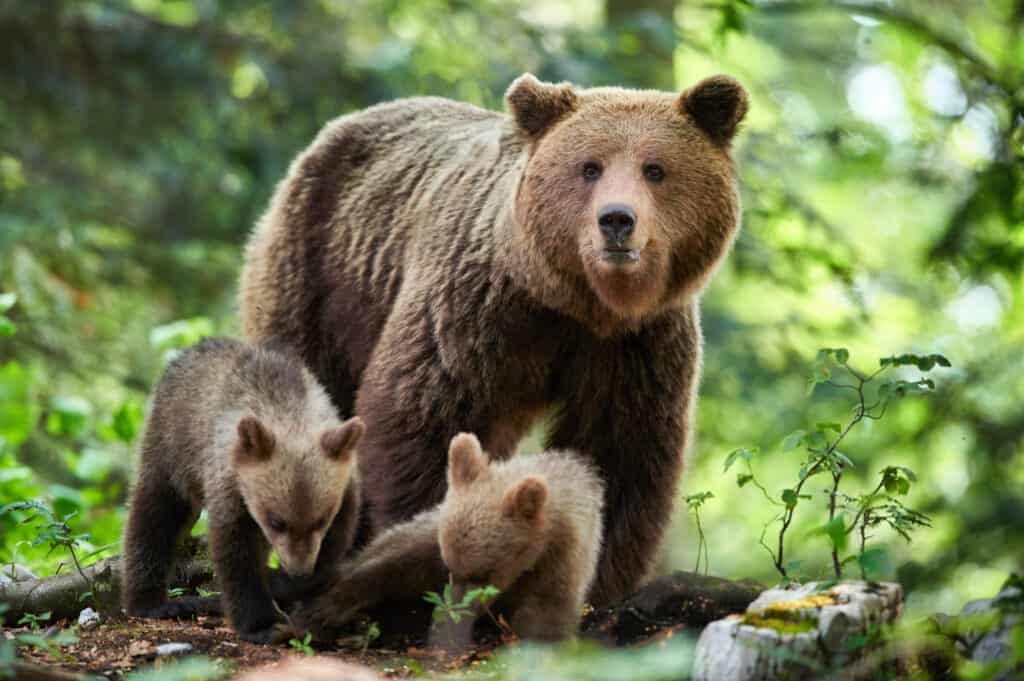
Brown Bear Close Up

Nine percent of Croatia’s surface consists of natural refuges where its wildlife can be found

Croatia is home to more than 400 protected areas, including eight national parks, two reserves, and 11 nature parks. They encompass around 9% of all Croatian land.

  • Plitvice Lakes National Park, located near the center of the country near the Bosnian border, is extraordinarily beautiful and a UNESCO World Heritage Site. Viewers can sometimes catch glimpses of European brown bears, lynxes, wild cats, wolves, eagles, owls, the capercaillie, and many other types of wildlife. Croatian butterflies and birds are particularly common here.
  • The Paklenica National Park is a river canyon near the Adriatic coast. It contains more than 200 species of birds, including the golden eagle, short-toed eagle, peregrine falcon, and goshawk. Butterflies and other insects are also plentiful.
  • Risnjak National Park is located in Gorski Kotar and surrounded by heavy mountains and forests. The lynx appears to be the main attraction. Although once exterminated, this cat was later reintroduced into Slovenia and later spread here. Visitors can also find deer, bears, wild boar, martens, badgers, weasels, chamois, woodpeckers, and many birds of prey.
  • Located on a small island chain right off the coast, the Brijuni Islands National Park is a good place to find deer, hares, nesting birds, and marine wildlife. There is also a safari park nearby that contains some exotic animals from Asia and Africa.

The Most Dangerous Animals in Croatia Today
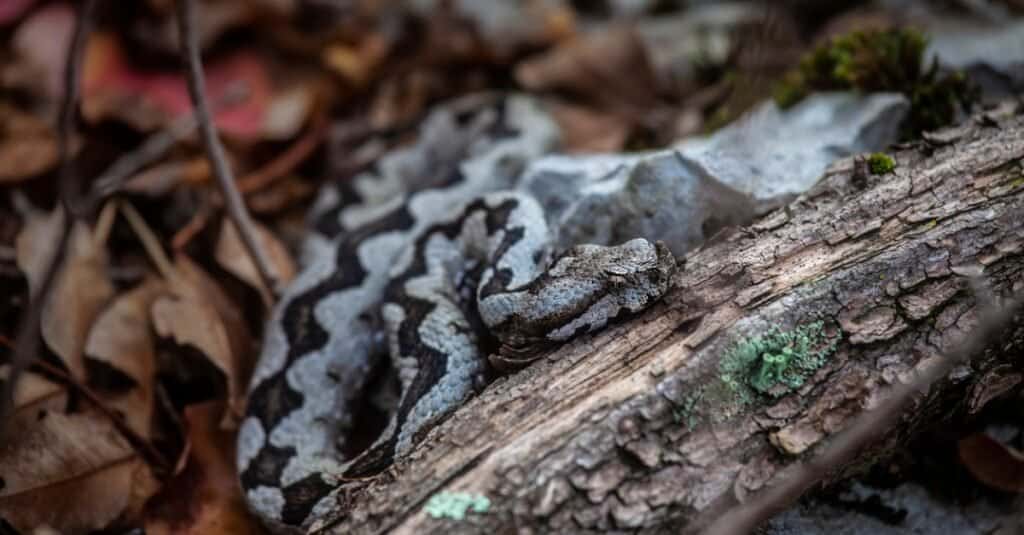
horned viper camouflaged on ground

The horned viper which is one of the most dangerous snakes on the continent can be found in Croatia

Croatia contains several species of venomous snakes and spiders.

  • Horned Viper – This species lives in rocky hillsides all across the country. As one of the most dangerous snakes in all of Europe, the horned viper can deliver a powerful toxin that may lead to pain, swelling, and discoloration.
  • Common European Viper – Although it does not have the most potent poison, this viper is quite common all over Europe and so it’s responsible for the most bites. In Croatia, it lives in river lowlands, plains, and mountains. Symptoms of its bite can include pain, swelling, tingling, and blisters. Cardiovascular failure may occur in a very small number of cases.
  • Meadow Viper – This species inhabits grasslands and meadows at higher elevations. Because of its rarity and the relatively low potency of its toxin, the meadow viper doesn’t pose as much of a danger as other species of vipers, but bite victims should always seek immediate medical attention.
  • Black Widow Spider – The bite of the European black widow can be quite painful and annoying. In uncommon cases, it can cause muscle spasms, cramping, and an increased heart rate, but death from its bite is exceptionally rare.

Endangered Animals in Croatia
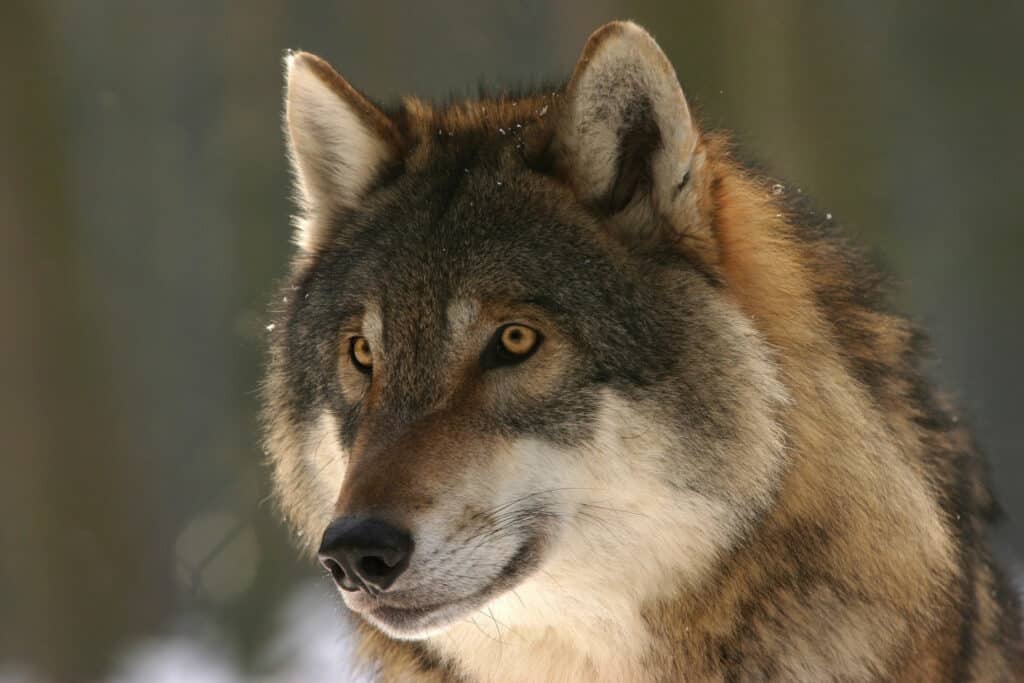
wolf

The Eurasian wolf which is a subspecies of gray wolf, is making a comeback in the Croatian wild

While Croatia has a long list of protected species, several animals are currently endangered or at some risk of becoming extinct.

  • Mediterranean Monk Seal – This seal was once a fairly common sight around the Croatian coast, but overhunting, pollution, and coastal development have made it endangered. Less than 600 or 700 individuals inhabit the entire Mediterranean Sea.
  • Olm – This unique snake-like aquatic salamander dwells exclusively in the caves of the Dinaric Alps. Unlike many other amphibians, the olm spends nearly its entire life underwater. As a result of its very particular environmental requirements, this salamander is highly sensitive to pollution. As numbers fall, it is in danger of becoming extinct in Croatia.
  • Eurasian Lynx – A unique subspecies of the common Eurasian lynx that became extinct from Croatia in the early 20th century due to habitat destruction and illegal poaching. In the 1970s, it was reintroduced to Slovenia and then spread to Croatia from there. A few hundred now remain in the entire Dinaric Alps region.
  • Eurasian Wolf – This subspecies of the gray wolf almost completely disappeared from the region in the 19th and early 20th centuries. But after being reintroduced in the 1990s, the wolf has rebounded slightly in the north of the country.
  • Dalmatian Turtle – This subspecies of Hermann’s tortoise is native to the Adriatic coast on the Balkan side. Habitat loss, pollution, and poaching endanger it.
  • Eurasian Beaver – By the turn of the 20th century, the beaver was nearly extinct due to fur and oil trading. As numbers rebound, it’s becoming more common across Croatia and the rest of Europe.

The Largest Animal in Croatia
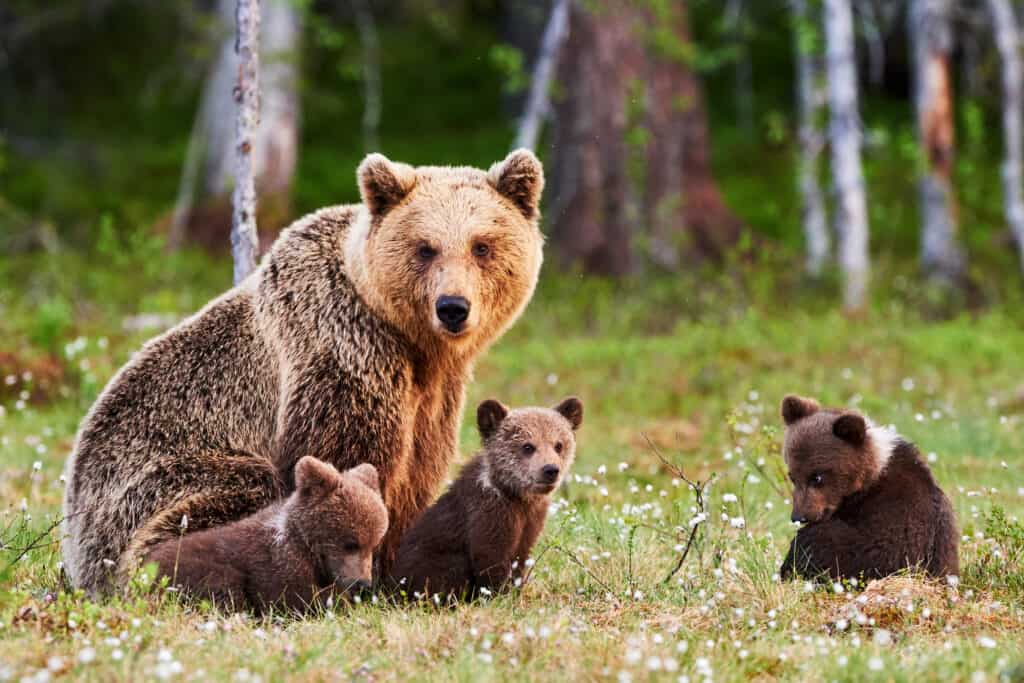
bear with cubs

The Eurasian brown bear is Croatia’s largest animal.

The largest animal in Croatia is the Eurasian brown bear (Ursus arctos). Capable of growing to about 550 – 600 lbs, it is known for its rather broad diet consisting of grass, nuts, berries, carrion, and fish. About 900 members of this species call this coastal nation home with the majority of them being found in the Dinaric-Pindos region.

In the Dinarides or Dinaric Alps, these bruins are particularly fond of the groves of beech and fir which are a favorite wintering spot and in which females bring their young into the world. Gorski Kotar, a verdant highland region is also another favorite haunt of these ursines, some of which have elected to settle down in its lush, hilly environs.

The Rarest Animal in Croatia

The rarest animal in Croatia is the Eurasian Lynx (lynx lynx). This wildcat which is the largest of the lynx family, can be recognized by fur which is reddish-brown with dark spots on its upper body and pale cream on its chest, belly, and throat, ears with black tufts, and a short thick tail which darkens towards the tip. The lynx’s’ upper body fur turns silvery gray in winter, all the better to help it blend into the winter wonderland around it and survive the frost into spring.

Capable of standing at over 2 feet at the shoulder and measuring over four feet in length, it is the size of a medium-sized dog. At present, it also shares the verdant beauty of Gorski Kotar with the brown bear. However, its population is threatened since Croatia’s population of lynxes only numbers between 40 – 60.

A key contributor to the issue is the lack of genetic variation available for Nature to work with to produce healthy, robust offspring. Poaching and possible collisions with vehicles are also other risks it has to contend with.

Flag of Croatia
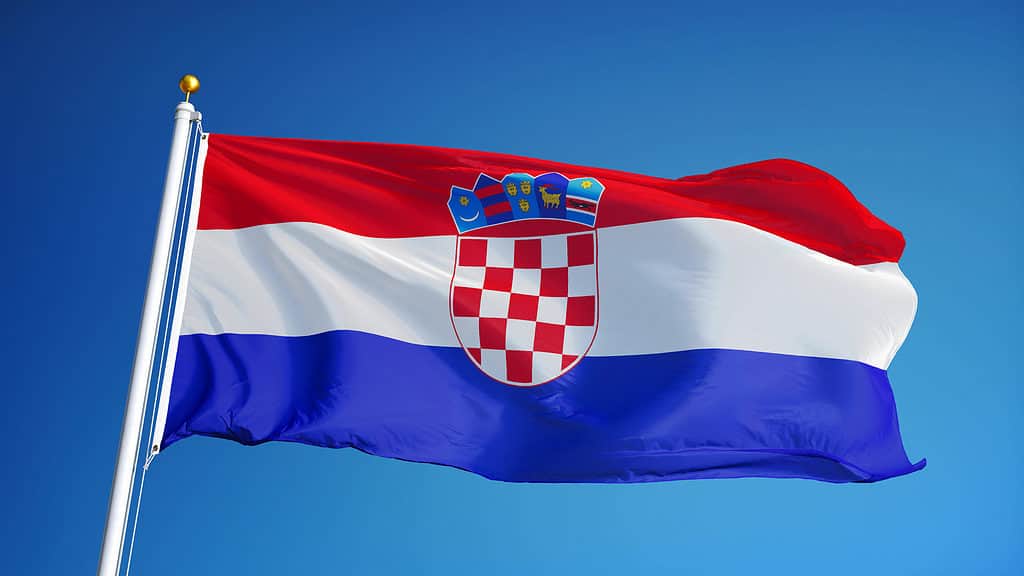
Croatia's flag

The flag of Croatia represents the colors of the kingdoms of Croatia, Dalmatia, and Slavonia

Throughout Croatia’s war-torn history, it has had many different flags. Croatia’s current flag is referred to as the tricolor and features horizontal red, white, and blue stripes, with a shield in the center. The stripes themselves are a combination of the colors of the kingdoms of Croatia, Dalmatia, and Slavonia.

The shield, which references the original flag of the Kingdom of Croatia, is checkered with a red and white pattern. Above this image, sits a crown made up of five small shields, each representing the areas of Dubrovnik, Dalmatia, Slavonia, Istria, and Croatia.

National Parks in Croatia
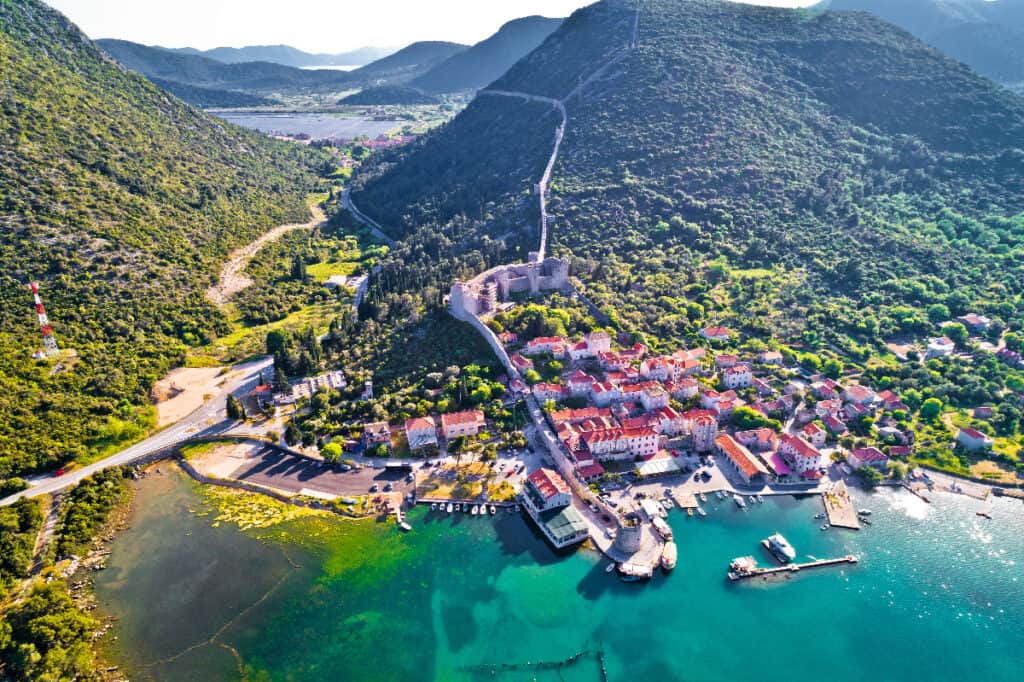
Croatia is home to stunning natural beauty and several national parks

Croatia features charming historic towns, stunning beaches, lush forests, waterfalls, and secluded limestone caves. And what better way to learn about the country’s landscape than to visit one of its national parks?

That’s right, the land of a thousand islands is home to eight national parks and eleven nature parks at which you will be able to discover the fauna which are its pride and joy — and its flora too. And you can start right here with the former: these eight beautiful national parks in Croatia!

Animals Found in Croatia

172 species documented in our encyclopedia

Thank you for reading! Have some feedback for us?