N S W E
Wildlife Expeditions

Wildlife of
Pakistan

Pakistan stands out for dramatic "mountains-to-mangroves" wildlife watching-where snow leopards and markhor roam high Karakoram valleys, and the rare Indus river dolphin surfaces in the great Indus River below.
232 Species
881,913 km² Land Area
Overview

About Pakistan

Pakistan's wildlife character is defined by extreme elevation and habitat contrasts packed into one country: from the arid Indus plains and the Thar/Cholistan desert margins to the glaciated ramparts of the Karakoram, Himalaya, and Hindu Kush. This natural heritage supports a mix of Palearctic and South Asian species, including iconic mountain ungulates and big cats, alongside globally significant riverine and coastal fauna. For visitors, the appeal is both the chance to track flagship species like the snow leopard and markhor and to experience vast, rugged landscapes where wildlife feels truly wild and remote.

Key ecosystems include the alpine and subalpine zones of Gilgit-Baltistan and Khyber Pakhtunkhwa (prime habitat for markhor, ibex, blue sheep, and their predator guild), the high-altitude plateaus and valleys around Khunjerab and Deosai (noted for mountain biodiversity and unique cold-desert grasslands), the Indus River and its floodplains (critical for the endangered Indus river dolphin and a suite of waterbirds), and the Arabian Sea coast with mangrove forests in the Indus Delta (vital nurseries for fish and crustaceans and important for migratory shorebirds). Pakistan also lies under major migratory flyways, making wetlands and reservoirs seasonally spectacular for birding.

In global conservation terms, Pakistan is a key range state for several threatened species and a strategic link in transboundary mountain conservation across Central and South Asia-particularly for snow leopard landscapes that span borders and for migratory birds moving between Eurasia and the Indian Ocean. The wildlife experience is uniquely shaped by the country's vertical geography and cultural mosaic: you can pair high-altitude tracking and community-led conservation stories in northern valleys with river safaris for dolphins and coastal birding in a single itinerary, often far from mass tourism.

Physical Features

Geography

Pakistan's wildlife is strongly structured by its steep north-south environmental gradients: the high Karakoram-Himalaya-Hindu Kush ranges create cold alpine and subalpine habitats for mountain specialists (e.g., snow leopard, ibex, markhor), while the vast Indus River system forms riparian forests, wetlands, and floodplains that support riverine fauna (notably the Indus river dolphin) and major migratory bird stopovers. Moving south and west, increasing aridity produces deserts and dry shrublands that favor arid-adapted mammals and reptiles, and the Arabian Sea coastline adds mangroves and coastal wetlands critical for fish nurseries and waterbirds. Elevation, monsoon influence, and the distribution of perennial vs. seasonal water sources largely determine species ranges and connectivity between habitats.

881,913 km² Land Area
33rd largest country (about the size of Texas and Oklahoma combined) Size Rank

Key Landscapes

  • Karakoram, Himalaya, and Hindu Kush high mountains (glaciers, alpine meadows, steep valleys)
  • Northern conifer and broadleaf forests and subalpine zones (important for forest-dwelling birds and mammals)
  • Indus River mainstem and tributary network (Jhelum, Chenab, Ravi, Sutlej, Kabul) with riparian corridors and floodplains
  • Indus Delta and Arabian Sea coast (mangrove forests, mudflats, coastal lagoons)
  • Punjab alluvial plains and agricultural mosaic (remaining wetlands and riverine habitat fragments)
  • Thar Desert and Cholistan Desert (sand dunes, interdunal depressions, seasonal wetlands)
  • Balochistan Plateau and Kirthar-Sulaiman ranges (dry mountains, juniper and shrub habitats, rugged ungulate range)
  • Western dry basins and ephemeral rivers (wadis, seasonal streams) shaping desert wildlife distribution
  • Major wetland complexes and reservoirs along the Indus flyway (critical migratory bird staging and wintering sites)

Ecoregions

  • Karakoram-West Tibetan Plateau alpine steppe
  • Northwestern Himalayan alpine shrub and meadows
  • Western Himalayan subalpine conifer forests
  • Himalayan subtropical pine forests
  • Himalayan subtropical broadleaf forests
  • Indus River Delta mangroves
  • Indus Valley desert
  • Thar Desert
  • Rann of Kutch seasonal salt marsh (fringe in the south)
  • Sulaiman Range alpine meadows
  • Balochistan xeric woodlands
  • Registan-North Pakistan sandy desert (arid zone of the southwest)
Parks & Reserves

Protected Areas

Pakistan's protected area system is managed largely at the provincial/territorial level (Punjab, Sindh, Khyber Pakhtunkhwa, Balochistan, Gilgit-Baltistan, AJK) and includes National Parks, Wildlife Sanctuaries, Game Reserves, and a growing set of community-managed conservancies (notably in the northern mountains where community trophy-hunting programs and conservancies have helped recover key ungulates). Wetlands are additionally recognized through a national network of Ramsar sites supporting the Indus flyway, and there are a few coastal/marine protected areas aimed at mangroves, sea turtles, and seabirds. Flagship conservation priorities span high-altitude carnivores (snow leopard), mountain ungulates (markhor, ibex, Marco Polo sheep), river endemics (Indus river dolphin), and large migratory bird concentrations.

Protected Coverage

Approx. ~12% of Pakistan's land area is under some form of formal protection (estimate; figures vary by source and by whether game reserves/community conservancies are counted and by IUCN category).

Notable Parks & Reserves

Khunjerab National Park (Gilgit-Baltistan)

National Park

Pakistan's highest national park on the China border, protecting key alpine and cold-desert habitats of the Karakoram and Pamirs. It is a core stronghold for high-altitude ungulates and associated predators, with relatively good chances of observing ibex and other mountain wildlife.

Snow leopard
Snow leopard
Himalayan ibex
Marco Polo sheep (argali)
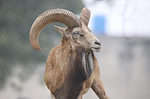
Ladakh urial
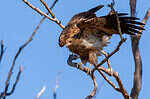
Golden eagle
Golden eagle
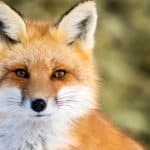
Red fox
Red fox

Central Karakoram National Park (Gilgit-Baltistan)

National Park (on UNESCO Tentative List; not an inscribed World Heritage site)

One of the world's great mountain landscapes (including the K2 region), safeguarding glaciers, high alpine meadows, and rugged valleys crucial for snow leopard ecology. Its remoteness and intact habitats make it a centerpiece for large-carnivore and mountain-ungulate conservation.

Snow leopard
Snow leopard
Himalayan brown bear
Himalayan ibex
Blue sheep
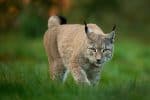
Lynx
Lynx
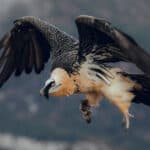
Bearded vulture
Bearded vulture

Deosai National Park (Gilgit-Baltistan)

National Park

The Deosai Plateau is a vast high-altitude grassland system famous for one of Pakistan's most important Himalayan brown bear populations. Summer brings rich wildflower meadows and strong wildlife-viewing opportunities for plateau-adapted mammals and raptors.

Himalayan brown bear
Golden marmot
Tibetan wolf
Red fox
Red fox
Golden eagle
Golden eagle
Lammergeier (bearded vulture)

Chitral Gol National Park (Khyber Pakhtunkhwa)

National Park

A steep-sided valley system created to protect the emblematic Kashmir markhor, with excellent habitat for mountain ungulates and their predators. It is among Pakistan's best-known protected areas for markhor conservation and viewing.

Kashmir markhor
Himalayan ibex
Snow leopard
Snow leopard
Himalayan musk deer
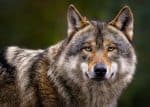
Wolf
Wolf
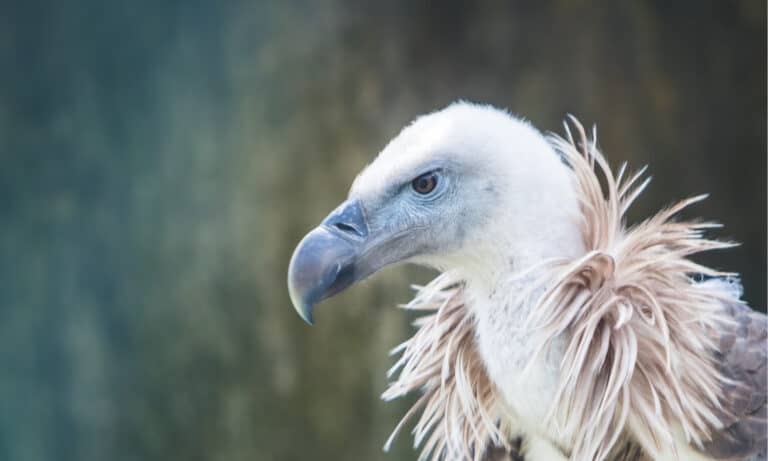
Himalayan griffon vulture

Hingol National Park (Balochistan)

National Park

Pakistan's largest national park, spanning arid mountains, riverine corridors, and a coastal edge that supports desert-adapted mammals and important birdlife. It is a key protected landscape in the underrepresented Makran region.

Sindh ibex
Urial
Urial
Chinkara (Indian gazelle)
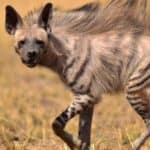
Striped hyena
Striped hyena
Indian crested porcupine
Mugger crocodile

Indus River Dolphin Reserve (Sindh; Sukkur-Guddu stretch)

Wildlife Sanctuary / Dolphin Reserve (provincial protected area)

A globally important freshwater protected area centered on the endemic Indus river dolphin, one of the world's most threatened river dolphins. Management focus includes reducing bycatch/entanglement, safeguarding flows and habitat connectivity, and protecting key deep-water pools.

Indus river dolphin
Smooth-coated otter
Mugger crocodile
Indian softshell turtle
Black kite
Black kite
Various wintering waterfowl

Astola Island Marine Protected Area (Balochistan)

Marine Protected Area / Protected Island (often referenced as Pakistan's first MPA)

Pakistan's best-known offshore island refuge, important for nesting sea turtles, seabirds, and nearshore marine biodiversity. The surrounding waters support dolphins and diverse reef-associated fish, making it a flagship site for marine conservation.

Green sea turtle
Hawksbill turtle
Indo-Pacific humpback dolphin
Spinner dolphin
Sooty gull
Reef fish (groupers, snappers)

UNESCO World Heritage Sites

  • None - Pakistan currently has no inscribed UNESCO World Heritage natural sites (its listed World Heritage properties are cultural).
Animals

Wildlife

Pakistan's wildlife is defined by extreme ecological gradients: the Indus River and its wetlands, the deserts and thorn-scrub plains of Sindh and Punjab, the mangrove-lined Arabian Sea coast, and the high mountains of the Hindu Kush-Karakoram-Himalaya with alpine meadows and cold deserts. This mix supports charismatic mountain mammals (snow leopard, markhor, ibex), rare riverine endemics (Indus river dolphin), significant crocodile and sea turtle populations, and major migratory bird movements along the Indus flyway. Flagship viewing areas include Khunjerab National Park and the Karakoram valleys (high-altitude fauna), Deosai National Park (alpine plateau), Kirthar and Hingol (arid-land megafauna and reptiles), and the Indus Delta mangroves (coastal wildlife and seabirds).

≈190-200 species Mammals
≈650-700 species Birds
≈190-210 species Reptiles
≈20-25 species Amphibians

Iconic Species

Snow Leopard
Snow Leopard Pakistan is an important range country for snow leopards in the Karakoram, Hindu Kush and western Himalaya. Best chances are via high-altitude landscapes and community conservancies around Khunjerab National Park, Gilgit-Baltistan valleys, and parts of Chitral (often via sign, camera-trap tourism, or very patient field tracking).
Markhor
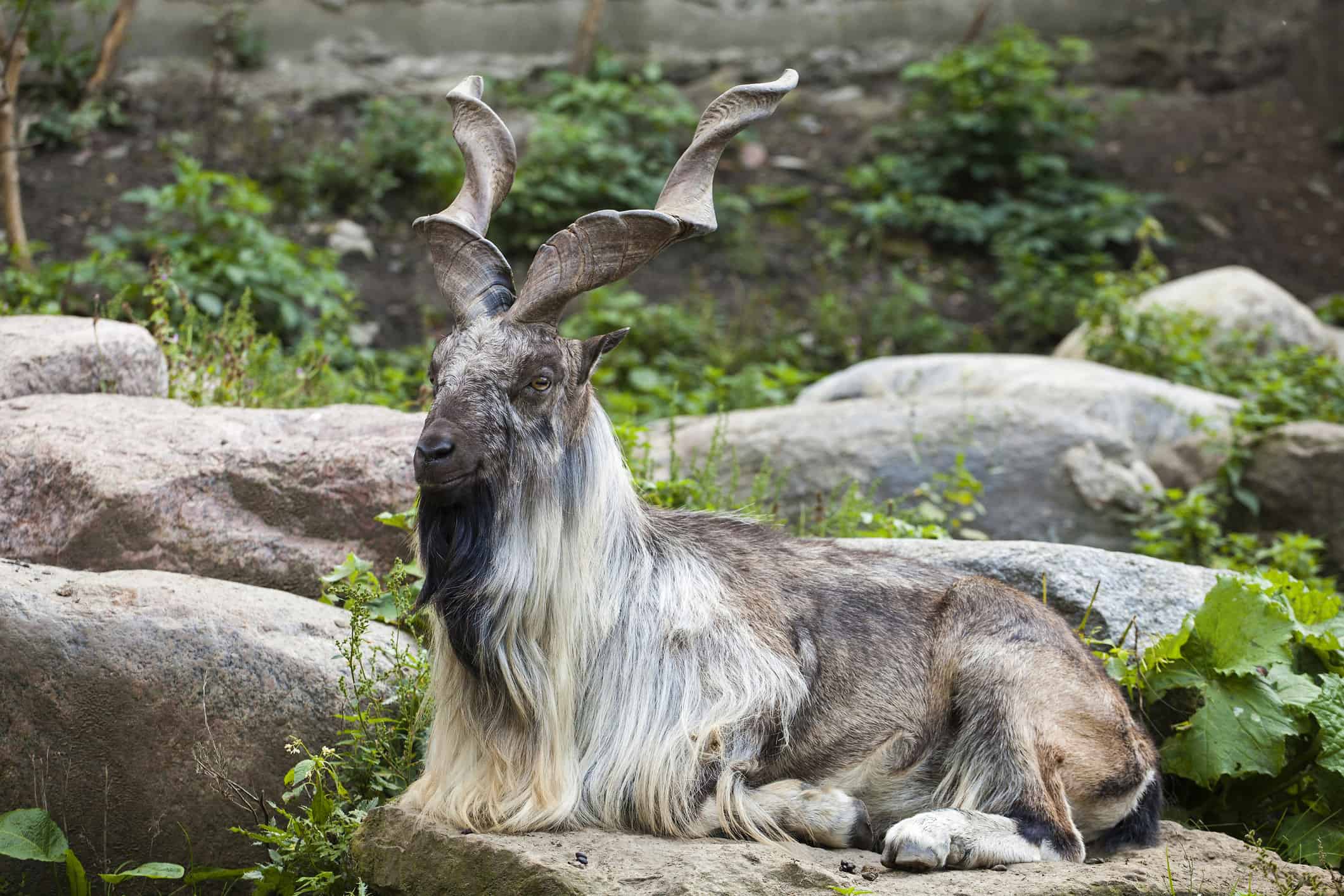
Markhor Pakistan's national animal and a prime "mountain trophy" species for wildlife travelers and photographers. Strongholds include northern mountains and parts of Balochistan/Khyber Pakhtunkhwa; community-based protection and controlled trophy programs in some areas have helped recover local populations, making sightings increasingly realistic in select valleys.
Indus River Dolphin A signature freshwater cetacean of the Indus system and one of Pakistan's most distinctive wildlife experiences. The best-known viewing area is the Indus Dolphin Reserve around the Sukkur-Guddu barrage reaches, where the species is most consistently encountered.
Himalayan Brown Bear Rare and highly sought-after in Pakistan; Deosai National Park is the best-known place to look for brown bears in summer when bears forage across the alpine plateau.
Siberian Ibex
Siberian Ibex A classic high-mountain ungulate of the Karakoram and associated ranges; often seen on steep, rocky slopes (notably in and around Khunjerab and adjoining valleys). It is also key prey in snow leopard landscapes, adding to the 'predator-prey' mountain story many visitors come to see.
Mugger Crocodile Pakistan's most notable crocodilian in freshwater wetlands, canals, and reservoirs of the Indus plain. Sightings are associated with protected wetlands and riverine habitats in Sindh and southern Punjab where suitable basking and nesting sites remain.
Green Sea Turtle A flagship species of Pakistan's Arabian Sea coast. Nesting and nearshore aggregations occur along the Sindh and Makran coasts; well-known monitoring and protection beaches include sites near Karachi (e.g., Sandspit/Hawkesbay) and parts of the Balochistan coastline.
Houbara Bustard A culturally and conservation-significant winter visitor to Pakistan's arid zones. The species is strongly associated with desert and semi-desert landscapes of Balochistan, Sindh and southern Punjab and is a focal bird for winter wildlife interest and management debates.
Indian Gazelle (Chinkara) An emblematic desert antelope of Pakistan's dry plains and dunes, particularly in Sindh and parts of Balochistan/Punjab. Best encountered in protected desert reserves and remote scrub-desert landscapes.

Endemic Species

Indus River Dolphin (Indus subspecies) Endemic to the Indus River system; Pakistan holds essentially the entire remaining wild range of this subspecies, making it the country's most globally distinctive endemic vertebrate. Endemic
Chiltan wild goat A localized wild goat subspecies centered in Balochistan (notably the Chiltan/Quetta region, including Hazarganji-Chiltan National Park). It represents a uniquely Pakistani mountain ungulate lineage with a very restricted distribution. Endemic
Punjab Urial (Punjab subspecies) Near-endemic wild sheep of the Salt Range and adjoining low hills; its core populations are in Pakistan, with any occurrence beyond Pakistan limited and localized. Endemic
Sulaiman Markhor (Sulaiman subspecies) A markhor form centered on Pakistan's Sulaiman Range (with any extension, if present, limited to adjacent border mountains). It is a defining flagship for Pakistan's rugged southwestern highlands. Endemic

Notable Populations

  • Pakistan holds essentially the entire surviving wild range of the Indus river dolphin (Indus subspecies), making it globally critical for the taxon's persistence.
  • Key strongholds for markhor occur in Pakistan; in several community-managed areas, protection and tightly controlled use have enabled notable local recoveries.
  • Deosai National Park is one of South Asia's most important and reliable landscapes for observing Himalayan brown bears in the wild.
  • The Indus Basin and associated wetlands form a major migratory bird corridor (Indus flyway), seasonally concentrating large numbers and diversity of waterbirds and raptors.
  • Pakistan's Arabian Sea beaches and nearshore waters support regionally important sea turtle nesting (especially green turtles) and coastal megafauna viewing opportunities.
Protection

Conservation

Primary Threats

  • Intensive conversion of natural habitats in the Indus plains to irrigated agriculture and expanding settlements fragments riverine forests, wetlands, and scrub habitats. In the Indus Delta, reduced freshwater and sediment flows plus land conversion degrade mangroves and coastal wetlands critical for fisheries and migratory birds.
  • Warming temperatures, glacier retreat/instability, and more extreme monsoon variability increase risks of glacial lake outburst floods (GLOFs), flash floods, and drought-affecting alpine meadows, rangelands, and downstream river ecosystems. Sea-level rise and storm surges exacerbate salinity intrusion and mangrove stress in Sindh's Indus Delta.
  • Untreated municipal sewage, industrial effluent, and agricultural runoff enter the Indus River system, harming freshwater biodiversity (including Indus river dolphin habitat quality) and causing eutrophication in lakes and wetlands. Plastic and solid waste pollution is acute around cities and along waterways; coastal pollution affects nearshore fisheries and mangroves.
  • Illegal hunting and trapping of ungulates and game birds persists in some regions, driven by demand for meat and sport. In mountain areas, retaliatory killing can occur after livestock depredation by large carnivores; enforcement is uneven across remote valleys and border regions.
  • Pakistan is a transit and source country for illegal trade in falcons and other birds, reptiles (including turtles), and big cat parts; seizures and prosecutions occur but trafficking networks exploit porous borders and limited capacity. Demand for exotic pets and traditional products contributes to localized population declines.
  • Along the Arabian Sea coast, high fishing pressure and bycatch affect marine fish stocks and threatened megafauna (e.g., sea turtles, sharks and rays). In freshwater systems, unsustainable fishing and destructive gears in some stretches reduce native fish diversity and degrade food webs that support river dolphins and waterbirds.
  • In the northern mountains, snow leopards, wolves, and bears prey on livestock, leading to retaliatory killings and reduced tolerance. In lower elevations, crop raiding by wild boar and other species creates conflict; expanding agriculture and infrastructure increase encounters.
  • Hydropower dams, barrages, and irrigation infrastructure on the Indus and tributaries alter flow regimes, fragment river habitats, and can strand aquatic fauna (a major issue for the Indus river dolphin within canal/barrage-separated subpopulations). Roads and development in mountain valleys increase fragmentation, disturbance, and access for poaching.
  • Large-scale water regulation (barrages, canals, embankments) and floodplain engineering simplify river dynamics, reduce seasonal flooding that sustains riverine forests/wetlands, and diminish sediment delivery to the delta. River channelization and wetland drainage reduce habitat for migratory birds along the Indus flyway.
  • Continued expansion/intensification of irrigated agriculture in Punjab and Sindh increases water withdrawals, pesticide/fertilizer use, and encroachment on remaining natural grasslands, scrub, and wetlands. Rangeland conversion and overgrazing in arid zones reduce plant cover and wildlife forage.
  • Rapid growth of major cities (e.g., Karachi, Lahore, Islamabad-Rawalpindi) drives land take, wetland infilling, quarrying/borrow pits, and increased wastewater loads; peri-urban sprawl fragments remaining natural habitats and migratory bird stopover sites.
  • Illegal or unsustainable timber extraction and fuelwood collection pressure forests in parts of Khyber Pakhtunkhwa, Gilgit-Baltistan, and Azad Jammu & Kashmir, contributing to slope instability, biodiversity loss, and reduced ecosystem services. In arid and coastal areas, mangrove cutting for fuel/charcoal occurs where alternatives are limited.
  • Mining and quarrying (including for gemstones, marble, limestone, coal, and construction materials) can degrade mountain and arid ecosystems through habitat removal, road building, and water contamination, with localized impacts in northern valleys and Balochistan.
Visit

Wildlife Tourism

Best Time to Visit

Key wildlife seasons by month (what to see and where it tends to work best):

- Nov-Feb (winter peak for birds + big mammals at lower elevations): Best for migratory waterfowl and raptors on the Indus flyway-large congregations at lakes and wetlands in Punjab/Sindh (e.g., Uchhali Wetland Complex, Taunsa-Chashma region, Haleji/Keenjhar). Clear, cool weather also suits Indus river dolphin boat trips (water levels and visibility often favorable).

- Mar-Apr (spring migration + pleasant temperatures): Excellent birding as migrants move north; good mixed-species days at wetlands and riverine forests. Wildflowers begin in some northern valleys; increasing chances of Himalayan mammals at mid elevations.

- May-Jun (high mountains open; early alpine season): Roads and passes to the north open up; prime for mountain ungulates (ibex, markhor in some areas) and high-altitude birdlife. Great for trekking-based wildlife viewing before the heaviest monsoon impacts.

- Jul-Aug (monsoon varies by region; high altitude can still be productive): Some northern areas remain very good for alpine birds and mammals, but weather can be unstable and some routes are affected by rain/landslides. Coastal/mangrove birding around Karachi can be rewarding between storms.

- Sep-Oct (post-monsoon clarity; strong for mountains): One of the best windows for northern Pakistan-crisper skies, stable trekking conditions, and active wildlife. Good for ibex/urial/markhor viewing and landscape-focused wildlife photography.

- Dec-Mar (specialty season: snow leopard-focused expeditions): The highest-chance months for snow leopard tracking in select northern valleys when prey descends and snow makes signs easier to read. These are demanding trips (cold, long scanning hours) but iconic.

Top Wildlife Experiences

  • Track the Indus River Dolphin by small boat with a local naturalist (best in the cool season), learning to spot surfacing behavior and listening for conservation stories along the river.
  • Join a winter birding circuit on the Indus flyway: dawn-to-midday hides/shoreline walks for thousands of waterfowl, waders, and raptors, with an afternoon session for harriers and owls in adjacent scrub.
  • Take a guided high-altitude 'scan-and-spot' day for ibex and (with luck) snow leopard sign-using spotting scopes from ridge viewpoints in a northern valley, then returning to a village homestay.
  • Plan a markhor-focused hike at first light in rugged foothill or mountain habitats, pairing slow, quiet walking with long-distance glassing from cliffs and scree slopes.
  • Do a riverine forest wildlife walk (with a trained guide) to look for hog deer, jackal, jungle cat tracks, and rich birdlife-best in cooler months when animals are more active.
  • Photograph desert-adapted wildlife on a 4x4 day in the Cholistan/Thar fringes: early-morning search for chinkara, desert fox, and sandgrouse, plus night sky + nocturnal spotlighting where permitted.
  • Explore coastal mangroves by boat/kayak near Karachi for egrets, kingfishers, shorebirds, and (seasonally) marine life; combine with a mudflat walk timed to tides for maximum bird density.
  • Join a community-led conservation visit in a mountain village: learn how local patrols monitor wildlife, visit viewpoint stations, and contribute to a small community fund via guiding/homestays.
  • Do a multi-day trekking wildlife itinerary in the Karakoram/Himalaya foothills focused on Himalayan monal, lammergeier, and blue sheep/ibex-built around dawn/dusk watchpoints.
  • Spend an evening raptor watch on open plains/wetland edges in winter-counting eagles, kites, and harriers returning to roost, with opportunities for flight photography.

Safari Types Available

  • 4x4 wildlife drives (desert tracks, steppe/foothills access routes, and park roads where available)
  • Guided walking safaris / nature walks (riverine forests, wetland edges, mountain villages and trails)
  • Trekking-based wildlife expeditions (multi-day hikes with wildlife scanning, especially in northern ranges)
  • Boat safaris (Indus River dolphin viewing; wetland lakes/river channels where boating is permitted)
  • Mangrove/coastal excursions by boat or kayak (tide-timed birding and shoreline ecology)
  • Birdwatching hides and stakeouts (wetlands, lake edges, agricultural mosaics)
  • Night safaris / nocturnal spotlighting (limited and permission-dependent; best in desert margins)
  • Community-based wildlife viewing trips (homestays, local guides, conservation briefings and viewpoint sessions)
  • Photography-focused safaris (scoping sessions, hides, and timed dawn/dusk outings for mammals and birds)
Fun Facts

Did You Know?

The Indus river dolphin is effectively blind (it has tiny eyes and poor vision) and "sees" by echolocation in silty water-an unusual adaptation for a large mammal living in a major river used by people.

Sea turtles nest on the doorstep of a megacity: green turtles regularly come ashore at Karachi's Sandspit and Hawksbay beaches, creating a rare case of significant marine wildlife breeding activity right next to dense urban development.

Deosai doesn't look like typical "barren high mountains" in summer-its alpine meadows can burst into wildflowers, and brown bears use the plateau as seasonal feeding habitat at an altitude where many places have little large-wildlife activity.

Pakistan's mangroves are often dominated by a single super-tough species (Avicennia marina) that tolerates high salinity-so parts of the Indus Delta can look like a near "monoculture" forest shaped by extreme conditions.

You can go from Arabian Sea island seabird colonies to snow-leopard country within one nation: Astola Island (off Balochistan) is known for marine/coastal wildlife, while the far north hosts some of the planet's most iconic high-altitude predators-an unusually sharp habitat contrast over one country's span.

Indus Delta mangroves (Sindh) form one of the world's largest mangrove forests in an arid climate-an ecosystem usually associated with high rainfall, yet here it thrives on sparse precipitation and tidal seawater.

Khunjerab National Park (Gilgit-Baltistan) is among the highest-elevation national parks on Earth (around 4,000 m and above), protecting flagship high-mountain wildlife like snow leopards and Marco Polo sheep near the Khunjerab Pass.

The Deosai Plains (~4,100 m / ~13,500 ft) are often cited as the world's second-highest plateau after Tibet-an extreme-altitude landscape that still supports large mammals such as the Himalayan brown bear.

Pakistan's national animal, the markhor (Capra falconeri), is famous for its dramatic corkscrew horns-among the longest and most distinctive horn shapes of any wild goat, with mature males' horns commonly reaching around 1.5 m or more.

Pakistan is the global stronghold for the Indus river dolphin (Platanista gangetica minor): the species' natural range is essentially confined to the Indus river system, making conservation outcomes in Pakistan disproportionately important for the dolphin's survival.

Located on the Indian subcontinent, Pakistan is a Muslim-majority state that formed from the partition of British India in 1947. The country shares a land border with Iran and Afghanistan to the west, China to the northeast, and India to the east. Pakistan is a country of extremes, both in terms of geography and wildlife. The north and west of Pakistan are dominated by the mountains of the Himalayas, the Karakoram, and the Hindu Kush. The southwest contains the Balochistan Plateau, while the southeast encompasses the Indus River plain. It is also bordered to the south by the coastline of the Arabian Sea.

The Official National (State) Animal of Pakistan
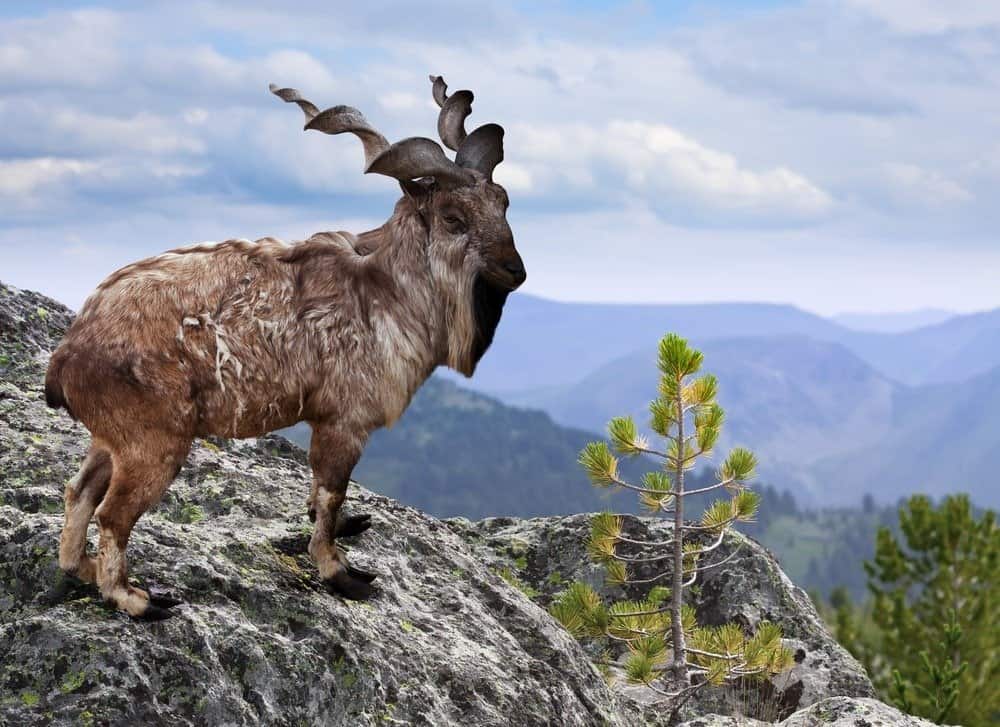
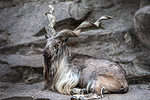
Markhor on rock in wildness area

Markhor is the national animal of Pakistan.

The markhor, a large species of wild goat with screw-shaped horns that can grow up to five feet in length, is considered to be the national animal of Pakistan. With an impressive spiraling shape, these horns are used for defense against predators and other male markhors. Markhors inhabit mountainous regions and feed on grasses, leaves, and bark from bushes. They live in small family groups consisting of four or five individuals. The males lead the group while the females take care of their young.

The chukar is a member of the partridge family and serves as a local symbol of love in Pakistan. These birds have reddish-brown plumage across their body with white markings along their wings and tail feathers that resemble spots or bars. They also possess a distinctive black collar around their neck which contrasts nicely with their overall coloring. Chukars prefer rocky terrain where they can hide from predators. Their habitat includes mountainsides, cliffs, gorges, and even dry riverbeds where vegetation is sparsely distributed. They mostly eat seeds but will occasionally consume insects as well as berries when available during certain times of the year.

Where to Find the Top Wild Animals in Pakistan
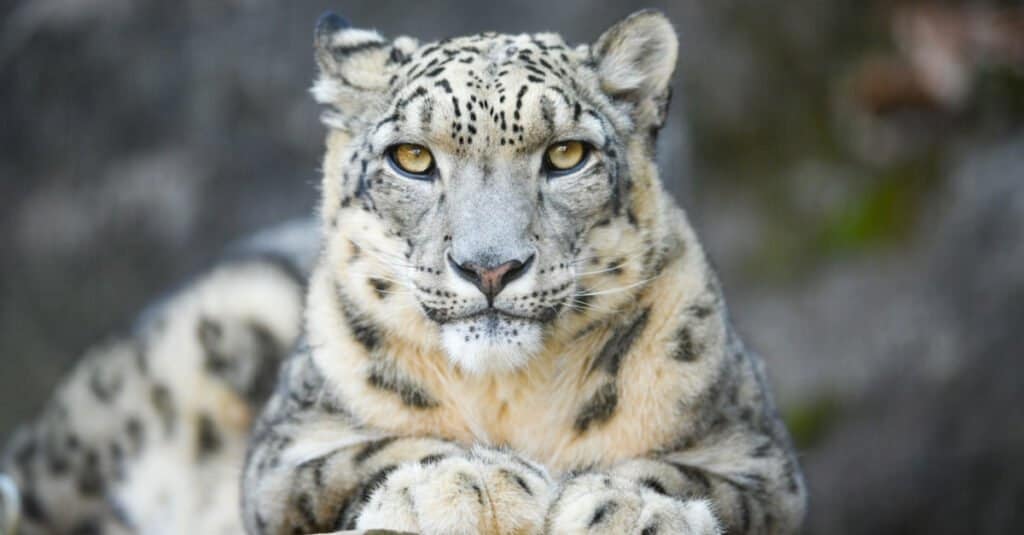
close up of a snow leopard

Although the snow leopard is considered an endangered species globally, this big cat still thrives in some parts of northern Pakistan, like Kashmir and Swat Valley, where there are plenty of rocky mountains for them to hide from predators.

Pakistan is home to a wide variety of animals, including the endangered snow leopard, which can be found in the northern regions. Additionally, wild goats and ibex roam the mountains of Pakistan, while Bengal tigers inhabit areas of the south such as Chitral and Hazara. For bird watchers, there are over 600 species of birds that make their homes in Pakistan’s diverse habitats. Keen observers may spot vultures soaring above or kingfishers diving for fish near rivers and lakes.

For those looking to observe marine life off the coast of Pakistan, dolphins can often be seen playing offshore from Karachi and Gwadar. The Indus River Dolphin is an especially interesting sight. It has adapted to living exclusively in freshwater river systems like those found throughout Pakistan. Visitors should also look out for migratory whales during winter months when they visit Pakistani waters to feed on schools of krill close to shorelines before heading back north again come springtime.

If you aren’t up for a wilderness trek, Pakistan has set aside some 35 protected areas where visitors can find the greatest diversity of natural fauna.

The Most Dangerous Animals in Pakistan Today
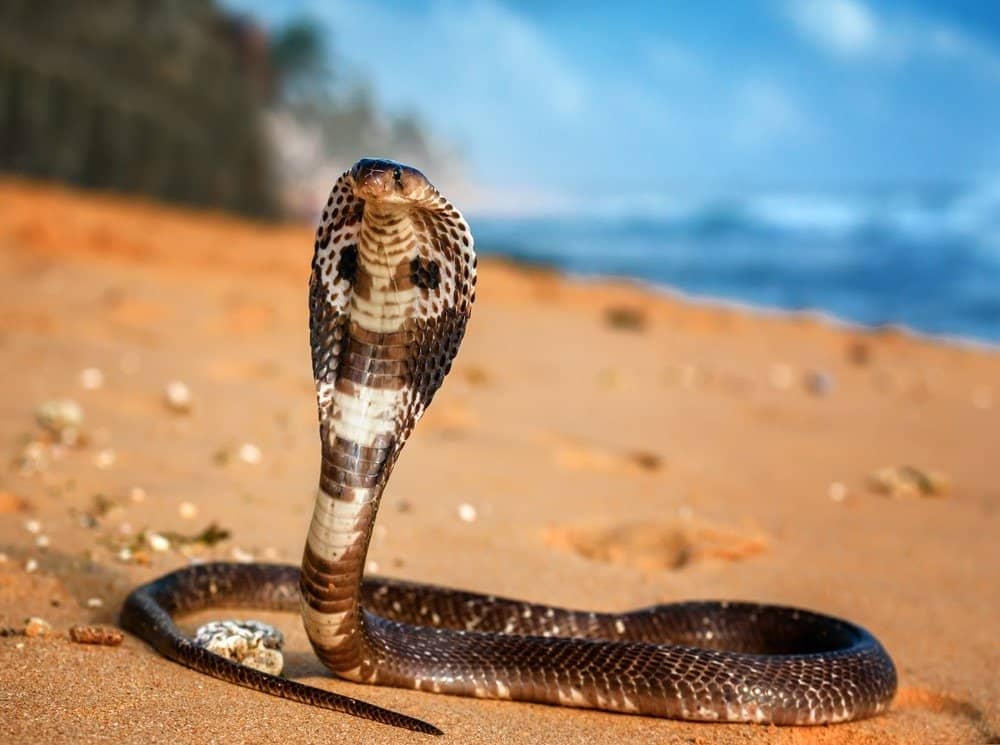
Indian Cobra on the beach sand

Indian cobras are one of the most dangerous animals in Pakistan.

Pakistan is home to some dangerous animals. One of the most feared predators in Pakistan is the leopard, which can be found in forests, scrublands, and other areas with dense vegetation. The leopard’s danger comes from its stealthy hunting habits. It is an ambush predator that relies on stealth and surprise to capture its prey. Lucky for us, leopard attacks against humans are exceedingly rare.

The wolf is another animal native to Pakistan that poses a threat to humans. Wolves are highly territorial creatures who will attack anything that invades their space or threatens their pack mates – this includes people! They live throughout much of the country, but especially in alpine meadows and mountainous regions where there may be fewer human settlements nearby.

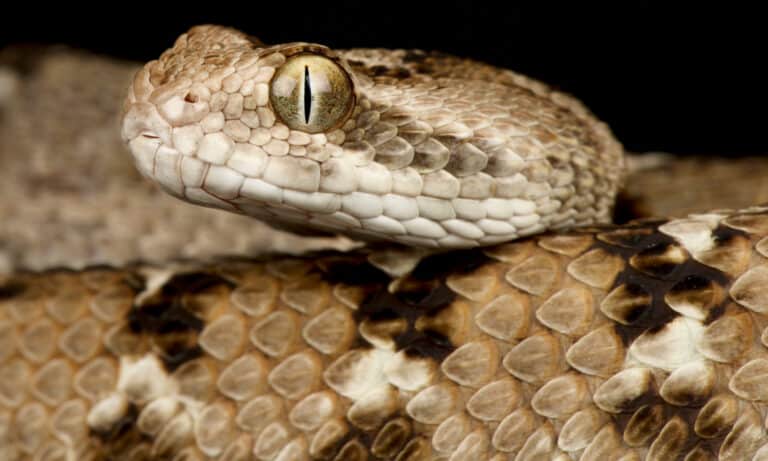
Finally, snakes pose a serious threat as well due to their venomous bite. Cobras, vipers, kraits, and saw-scaled vipers are all found in Pakistan’s wilderness areas, including forests and grasslands. Fortunately, most snakes avoid humans, so you should always take precautions when entering snake habitats, such as wearing thick boots or checking your clothes for any unwelcome passengers!

Pakistan is home to several venomous snakes that pose a danger to people. Visitors should be particularly wary of the big four snakes. These are responsible for more bites than any other snakes in the region.

  • Indian Cobra – Easily identified by the two unique false eyes on the back of its hood, the Indian cobra has become famous around the world for its use in snake charming. The venom itself is deadly only if it’s left untreated.
  • Russell’s Viper – Native to the border region with India, this viper has a deep yellow or tan body covered with dark brown spots. It will sometimes strike without provocation and deliver a potentially fatal amount of venom if left untreated. Extensive tissue damage is also quite common.
  • Indian Saw-Scaled Viper – This species might be responsible for the most deaths in the country because of its frequent occurrence, its excitable nature, and its highly toxic venom. Two distinct subspecies can be found in Pakistan, one only endemic to Astola Island, the other common across much of the mainland.
  • Common Krait – This species is identified by the black or bluish color and the white bands. The powerful neurotoxin they produce can induce muscle paralysis and abdominal cramps. The cause of death is usually respiratory failure.
  • Deathstalker – This exotic yellow-colored scorpion lives up to its name. One or two doses of its dangerous venom can potentially kill a person. The old, young, and sick are most vulnerable.

Rarest Animals in Pakistan
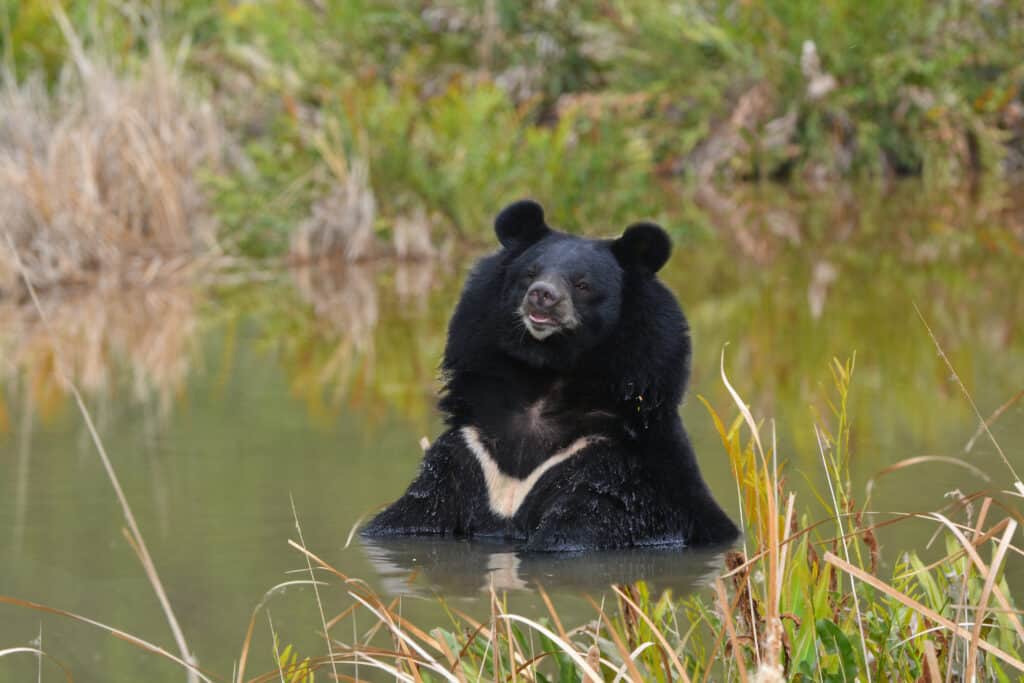
black bear relaxing

The Asian Black Bear is a rare site in Pakistan because it is critically endangered. There are less than 1,000 left in the wild.

Pakistan is home to some of the rarest animals in the world, many of which are not endangered species. One such animal is the wild goat known as Markhor, which can be found in Gilgit-Baltistan and Chitral districts. It is one of the most sought-after trophy species by foreign hunters due to its majestic horns that spiral up to five feet high! The Himalayan Tahr can also be seen in certain parts of Pakistan, particularly in the Abbottabad district. This mountain goat has a thick brown coat with white patches around their neck and legs and can weigh up to 175 pounds!

Another interesting creature native to Pakistan is the snow leopard. Although it’s considered an endangered species globally, this big cat still thrives in some parts of northern Pakistan, like Kashmir and Swat Valley, where there are plenty of rocky mountains for them to hide from predators. They have an incredibly thick fur coat that helps them stay warm during cold weather, and they feed on smaller mammals like marmots or hares when food gets scarce during winter months.

The last wildlife gem worth mentioning here is the Asian black bear, which lives mainly within dense forests across Pakistan but rarely comes out into open areas due to human activity. As its name suggests, these bears have shiny black fur coats with a distinctive pale V-shaped marking on their chests and weigh about 330 pounds when fully grown! They mostly feed on fruits, nuts, insects, or honeycombs, depending on what’s available.

Largest Animals in Pakistan
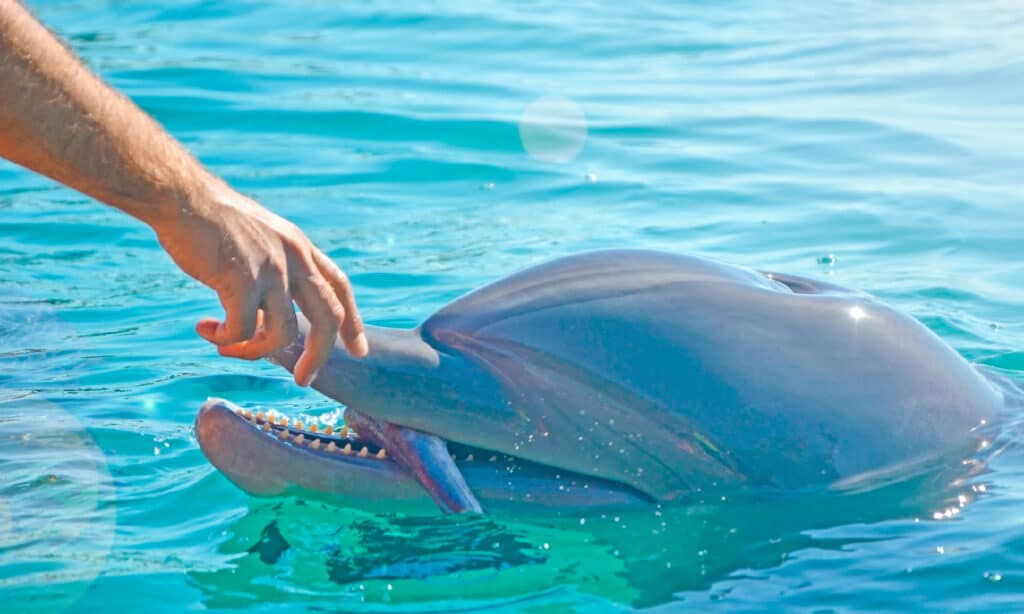
Dolphin, Eating, Adult, Animal, Atlantic Ocean

The Indus River Dolphin is one of the largest animals in Pakistan, reaching up to eight feet long!

The Asiatic Black Bear is one of the world’s most endangered species and can reach up to 6ft tall when standing on two legs. These animals inhabit a variety of habitats, such as forests, rivers, grasslands, and mountains. The black bear has an omnivorous diet which includes fruits, nuts, insects, small rodents, and even fish, if available. They are solitary animals that prefer to remain hidden from predators by staying in dens during the day or foraging during twilight hours.

The Indus River Dolphin is another endangered species found in Pakistan that can grow up to 8ft long and weigh as much as 200 pounds. This species lives exclusively in freshwater areas along the Indus river system, where they feed mainly on small fishes like carp or catfish with their sensitive sonar-like capabilities, which enables them to detect prey through echolocation even in murky waters. Due to their slow reproduction rates, these dolphins are threatened by habitat loss due to agricultural activities and pollution caused by industrial runoff into their natural environment.

Lastly, the Markhor is a wild goat native to Pakistan known for its distinctive corkscrew-like horns, which can be over 4 feet long! These goats live mainly at elevations between 7,200-13,000 feet above sea level within scrubby savanna woodlands. They have also been observed inhabiting alpine meadows near snowline levels throughout northern Pakistan regions, including Kashmir, Chitral, and Baltistan districts. These mountain-dwelling creatures tend toward a vegetarian diet.

Endangered Animals in Pakistan
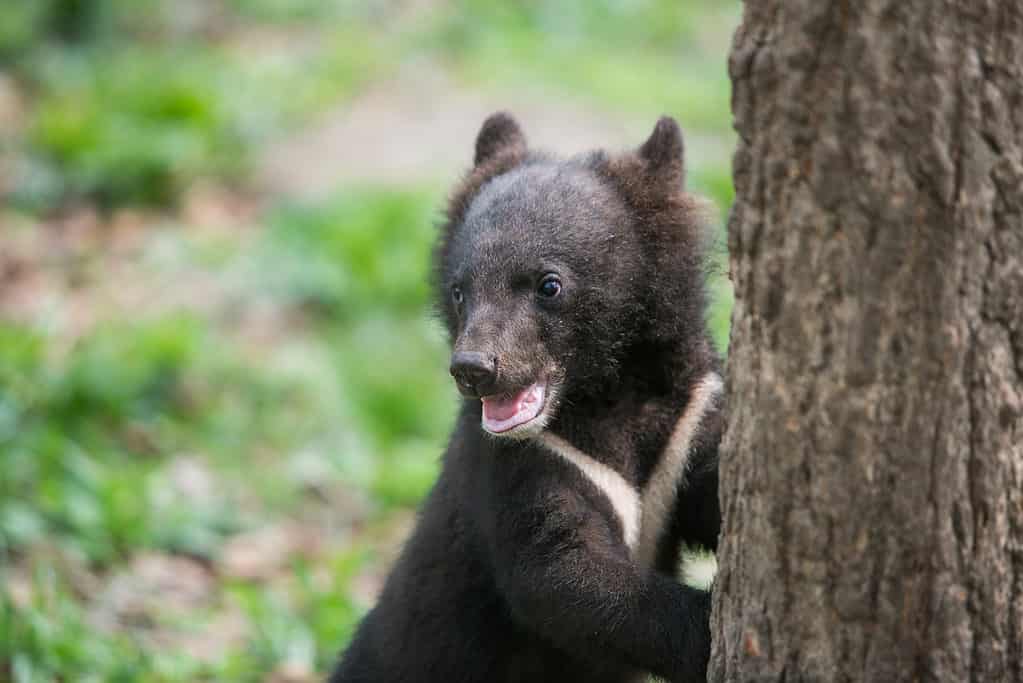
Asiatic Black Bear Cub

Himalayan bears are nearly extinct in Pakistan.

Animals in Pakistan are becoming endangered for a variety of reasons, including habitat destruction, poaching, and climate change. According to the Food and Agriculture Organization (FAO), approximately 78% of the water resources in Pakistan are used for irrigation purposes. This includes irrigating hay and agricultural grasses as well as crops such as wheat, rice, maize, and vegetables.

As the demand for livestock food production increases, so too does the need to draw more water from rivers and other sources, which has led to a decrease in available freshwater habitats that many species depend on. Deforestation also leads to the loss of wildlife habitats, which further contributes to endangered animal populations in Pakistan.

Human activity has put some of Pakistan’s unique fauna in danger. Several species, like the Pakistan sand cat, the snow leopard, and the markhor, are in decline across the region but not yet at risk. The following species of wildlife are currently classified as endangered by the IUCN Red List.

  • Kashmir Gray Langur – This exotic Old World arboreal monkey is largely confined to the Kashmir region of India and the Machiara National Park in Pakistan.
  • Woolly Flying Squirrel – This elusive species is among the largest squirrels in the world. Not much is known about it since sightings are rare.
  • Indian Pangolin – These armored mammals inhabit the dry and hilly lands of India and southeastern Pakistan. It is currently endangered because of poaching for its meat and scales.
  • South Asian River Dolphin – This unique subspecies of the river dolphin is only found in the Indus River. Populations have declined rapidly from the combined impact of hunting, pollution, accidental entanglement in fishnets, and other alterations to its natural river habitat. With only about 1,500 remaining, this particular subspecies is in danger of becoming extinct.
  • Himalayan Brown Bear – This subspecies of the brown bear is also in danger of becoming extinct. They are sometimes killed for their fur or to protect livestock. They are also at the mercy of habitat destruction.
  • Kashmir Musk Deer –The musk deer has long saber-like teeth emerging from its mouth. It’s now in danger of becoming extinct from habitat loss and hunting.

The Flag of Pakistan

The flag of Pakistan

The flag of Pakistan is rich in symbolism.

The flag of Pakistan is a representation of the country’s national identity. It consists of a green field with a white crescent moon and a five-pointed star in the middle, as well as a vertical white stripe located at the hoist end.

The symbolism reflects the predominantly Muslim population in Pakistan, with green being one of Islam’s most prominent colors. The crescent moon and star are also traditional symbols associated with Islamic flags, having been adopted by many nations since the Ottoman Empire and signifying peace between Muslims and non-Muslims alike.

Additionally, it is believed that the white represents minority religions living within Pakistan, such as Christians and Hindus – signifying religious equality among its citizens regardless of creed or ethnicity. Ultimately, this combination creates an eye-catching display to proudly represent Pakistan on any occasion through its vibrant hues that define its cultural history.

National Flower of Pakistan
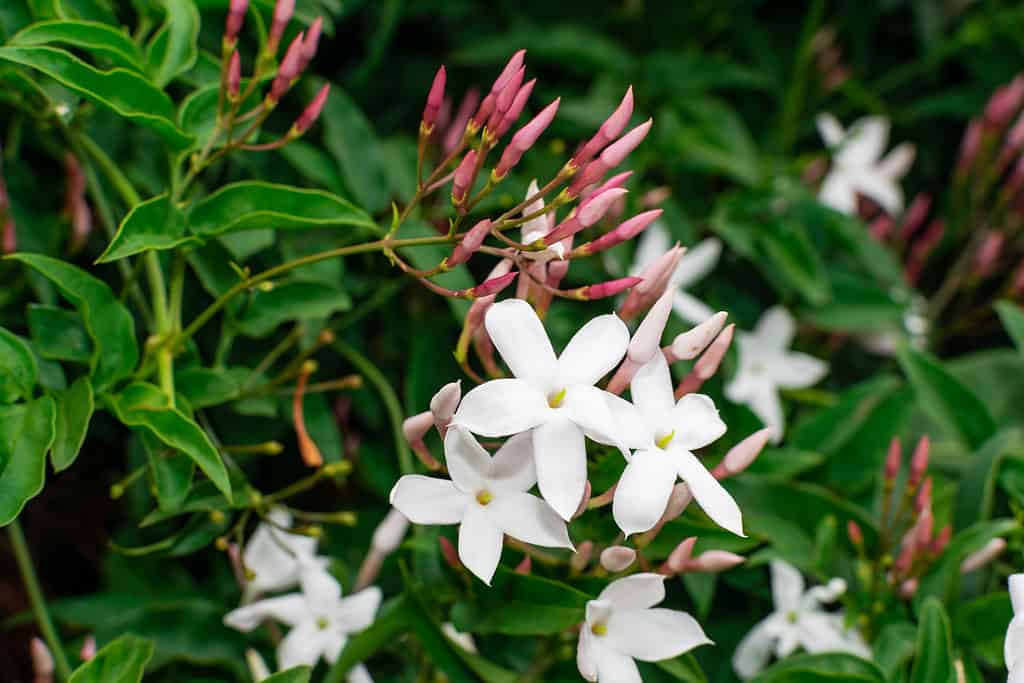
Jasmine flowers blooming

Jasmine flowers blooming is a common sight in Pakistan. It is no wonder they choose this as their national flower.

The national flower of Pakistan is jasmine, a beautiful and highly scented flower common across the country. Jasmine is called Chambeli in Pakistan and officially became the national flower in 1991, representing the country’s values of friendliness, connection, and humility. Jasmine is considered a night flower because it releases its fragrance at night when the temperature drops.

Pakistan is home to a wide variety of wildflowers, including poppies, daisies, lilies, and irises. Other popular wildflower species found in Pakistan include chamomile, heliotrope, marigolds, and violets. Many beautiful varieties of roses also grow natively in this region. Wildflowers are an important part of the local ecology and provide food for pollinators as well as adding vibrant splashes of color to landscapes all year round!

Animals Found in Pakistan

232 species documented in our encyclopedia

Thank you for reading! Have some feedback for us?