











Quick Take
- Most people assume a mixed-breed dog is healthier than its purebred parents, but the Yorkiepoo tells a different story. See inherited health issues →
- This dog barely sheds, yet skipping one part of its care routine can quickly become a costly problem. See the grooming details →
- Yorkiepoos are famously gentle with children, but there's a specific household situation where that can go wrong fast. Check the children fit →
- Two puppies from the same Yorkiepoo litter can turn out almost nothing alike, which has real consequences for how you choose one. How to choose a puppy →
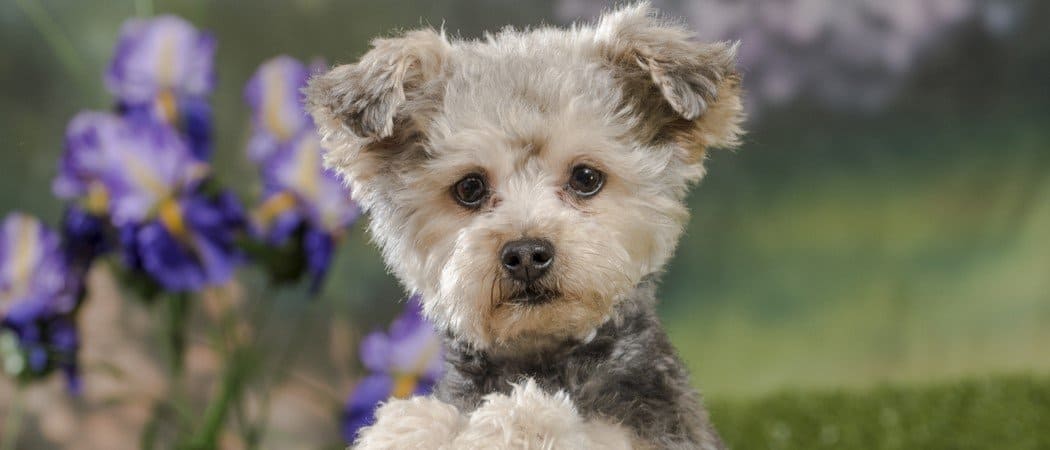
The Yorkiepoo is a unique mix between a purebred Yorkshire terrier and a toy or miniature poodle. Poodles remain one of the most popular breeds in the United States, while Yorkshire Terriers, though still beloved, have declined in popularity in recent years. The Yorkshire Terrier is a small, energetic breed originating from northern England, characterized by a long, elegant coat of dark or brown hair. The poodle is a highly skilled and intelligent dog, originating from Germany or France, characterized by its long, curly, water-resistant hair. When you combine them, you get the Yorkiepoo (also called a Yorkipoo, Yorkapoo, or Yorkadoodle), a very affectionate and energetic mix.
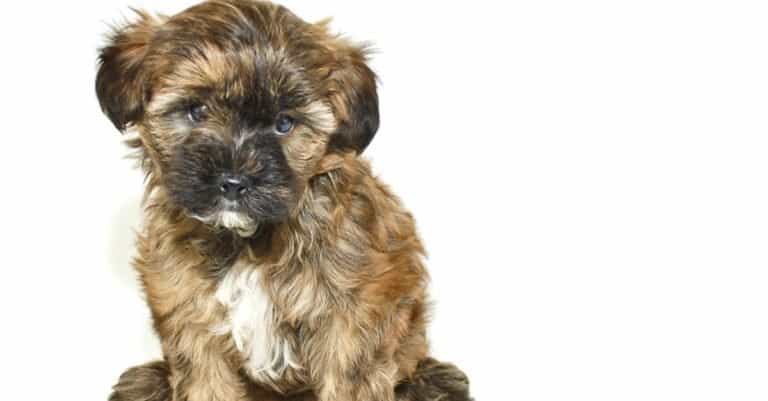
First created by breeders in the 1980s and 1990s, the Yorkiepoo is considered to be a type of “designer dog.” This means it’s not just a regular mix. It is a purposeful cross between two different pure breeds to obtain desirable characteristics from both. Since the Yorkiepoo is a cross of two different breeds (and a relatively new one at that), it does not have any agreed-upon standards, but it is generally characterized by a small, petite body and very expressive face. The fur is soft, curly or straight, and can be one of a variety of different colors and markings, including apricot, black, gray, white, cream, or chocolate.

3 Pros and Cons of Ownership
| Pros | Cons |
|---|---|
| Friendly and Affectionate The Yorkiepoo loves the companionship of people. | Requires Frequent Grooming Like its poodle and terrier parents, the Yorkiepoo will likely need daily brushings. |
| Intelligent The Yorkiepoo is curious, adaptable, and highly trainable. | Tendency to Bark If you don’t like a very vocal dog, then the Yorkiepoo may not be right for you. |
| Minimal Shedding This hybrid mix is a good choice for people who do not want or cannot tolerate a lot of shedding. | Fragile This dog might be easily injured and requires very careful handling. |
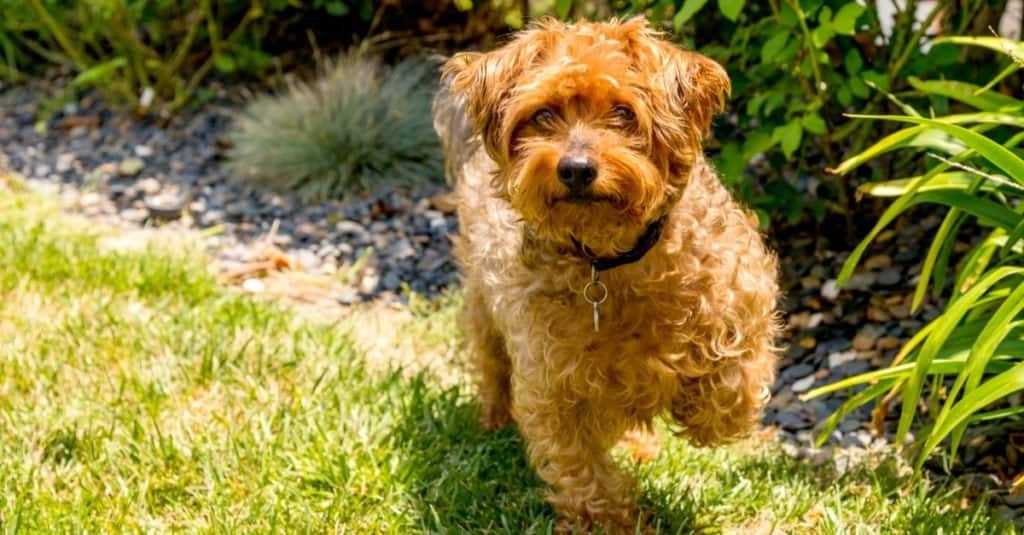
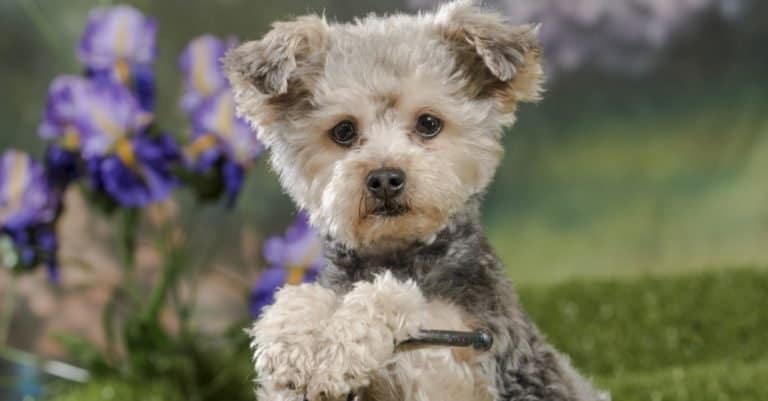
Male and female Yorkipoos are virtually the same size and weight.
©Steve Bruckmann/Shutterstock.com
Size and Weight
A full-grown Yorkiepoo is a small-sized dog with a very thin frame. There is only slight differentiation between the males and females.
| Height (Male) | 7 to 15 inches |
| Height (Female) | 7 to 15 inches |
| Weight (Male) | 3 to 14 pounds |
| Weight (Female) | 3 to 14 pounds |
Common Health Issues
Many people believe cross-breed dogs have fewer health issues than pure-breed dogs. However, this is untrue, and mixed breeds may tend to have different or more health issues due to genetic inconsistencies. As a cross between two different breeds, Yorkiepoo puppies of the same litter may inherit very different genetic health vulnerabilities from both of their parents, making it somewhat difficult to predict which health problems may emerge. It is important to keep an eye out for health issues common to both parent breeds.
Yorkshire terriers tend to experience hypothyroidism, Legg-Calve-Perthes Disease affecting the hip joints, Cushing’s Disease affecting hormone balance, breathing issues such as collapsing trachea, patellar luxation, pancreatitis, bladder stones, and low blood sugar. Degenerative issues of the eyes are also common in Yorkies.
Mini and toy poodles, the other parent of Yorkipoos, experience similar health problems as Yorkies, along with epilepsy, eyelid irregularity, and retinal atrophy. Small breeds also experience worse periodontal disease than other breeds, and it is important to maintain dental hygiene in Yorkiepoos.
Although many of these conditions are rare, they can significantly affect the quality of life for your pet. Reputable breeders screen for health problems early on.
Temperament
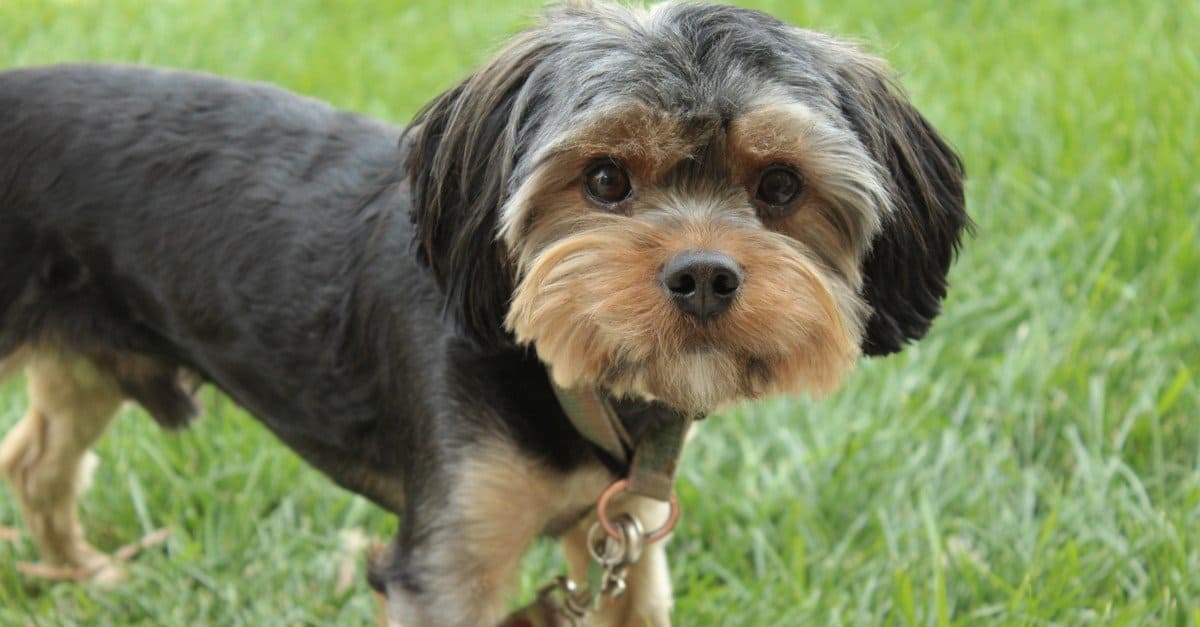
The Yorkiepoo has an easy-going but vocal personality.
©Melli ah/Shutterstock.com
Kind, affectionate, friendly, enthusiastic, and intelligent, Yorkiepoos love to meet new friends and receive attention from people. They have rather carefree and easy-going personalities that make them very approachable and fun to interact with. Since the Yorkiepoo likes to express its big personality vocally, this hybrid is somewhat suitable to be a watchdog. However, this trait may not appeal to people who don’t tolerate barking dogs. The Yorkiepoo can thrive in all types of living situations, but its behavior is best suited for apartment or city dwellings.
Care
Despite its small size, the Yorkiepoo does require a moderate amount of maintenance to really get the most out of this mix. A long coat requires much grooming, and you will need to spend some time daily satisfying the dog’s needs for physical exercise and mental stimulation. As a puppy, a Yorkiepoo should have early health checkups and receive all of its vaccinations at the veterinarian’s office. It’s a good idea to return for annual wellness visits after that.
Best Dog Food
Yorkiepoos often suffer from ear infections, which can stem from allergies. So, especially if your Yorkiepoo is experiencing frequent ear maladies, it might be smart to ask your veterinarian about hypoallergenic or limited-ingredient foods.
An adult Yorkiepoo should eat around a cup of high-quality dog food, divided into two different meals per day. The exact amount may vary slightly with the dog’s age, size, and activity level. It is important to monitor your dog’s weight carefully to prevent further health issues from developing. An ideal body condition is when you can feel the dog’s ribs under its coat. If your dog starts putting on weight, it may be time to cut back on calorie intake or consult your veterinarian for weight loss options.
Maintenance and Grooming
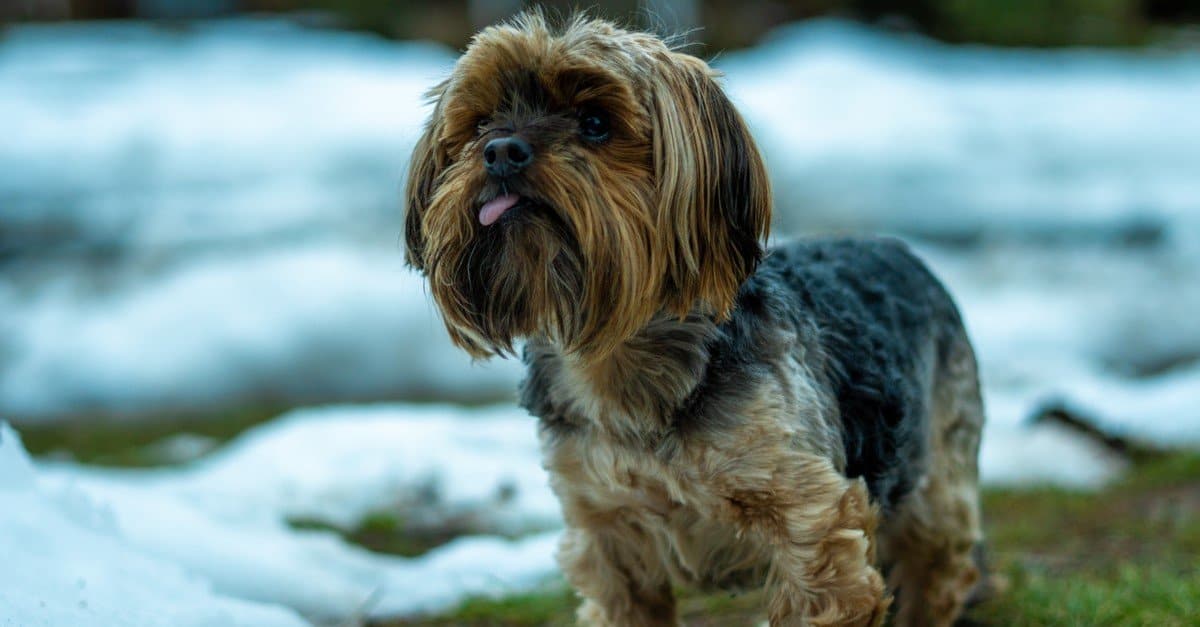
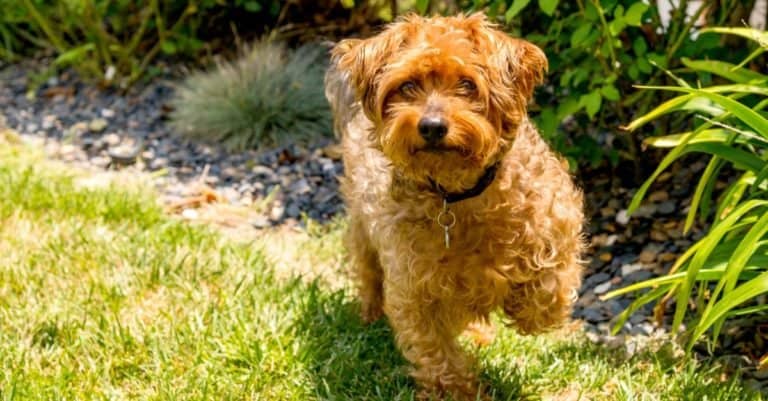
Despite being hypoallergenic and barely shedding, the Yorkiepoo requires frequent brushing.
©Andrew Rzymski/Shutterstock.com
Despite the fact that the Yorkiepoo barely sheds at all, making it a good choice for a hypoallergenic dog, it still requires frequent brushing almost daily to prevent matting and tangling. It is also a good idea to trim around the eyes and mouth so hair doesn’t obscure your dog’s face. If you are looking for a stylish cut, seek out a professional groomer about once every month or two. Yorkiepoos do a good job of grooming themselves, so only bathe your dog when it becomes particularly dirty. It is necessary to keep your dog’s nails trimmed properly, which may be done by a groomer, veterinarian, or an owner who has the proper knowledge of nail maintenance. Teeth brushing should also become part of the daily routine in order to prevent the buildup of dental tartar, which may lead to gum disease and possible loss of teeth.
Training
The Yorkiepoo is an intelligent and highly trainable breed that tends to be eager to learn all kinds of commands, from basic to advanced. Like other dogs, Yorkiepoos respond best to positive reinforcement methods in the form of praise and food reward. If you raise your voice or react harshly, this sensitive dog might be more resistant to your commands or become discouraged. Puppies should be trained and socialized as early as possible.
Exercise
The Yorkiepoo is a highly energetic breed that likely needs around 30 minutes of exercise a day, preferably in the form of walking, playtime, or fetch, though these dogs do settle down and rest periodically. With their small frame, this mixed breed might not be well-suited for particularly difficult and strenuous competitions or exercises. The good news is that the Yorkiepoo doesn’t require a lot of room in which to play. It does well with apartment living, and minimal yard space should suffice for some free play.
Puppies
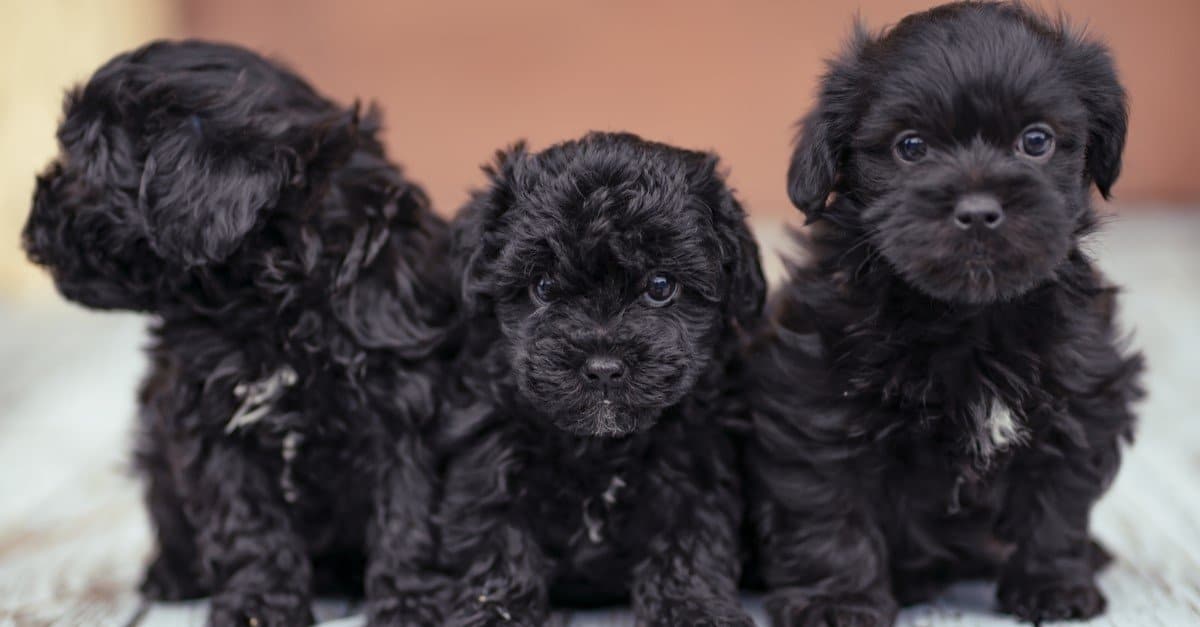
Get to know your chosen puppy’s personality before bringing it home.
©Marion Vaughn III/Shutterstock.com
As a hybrid mix, Yorkiepoo puppies can vary quite a bit in appearance and temperament even within the same litter, so it’s always a good idea to take a little extra time to get to know your chosen puppy’s personality before bringing it home. If you can, you should always check the breeder’s reputation and make sure they screen for early health problems. Even though there is no dedicated rescue network for the Yorkiepoo, you may occasionally find this breed in a rescue group or shelter. Rescue groups are very attentive to the health of their dogs and are a good choice when looking to adopt a puppy.
Children
Yorkiepoos are very gentle, loving, and affectionate companions for children of all ages. It is important to be aware that such a small dog may not withstand a lot of rough play from younger children. It may be better to have this small breed in a household with older children who can be taught to gently care for this dog. If you do have younger children and a Yorkiepoo, closely monitor all interactions and be prepared to intervene if the situation becomes dangerous.
Similar Dogs
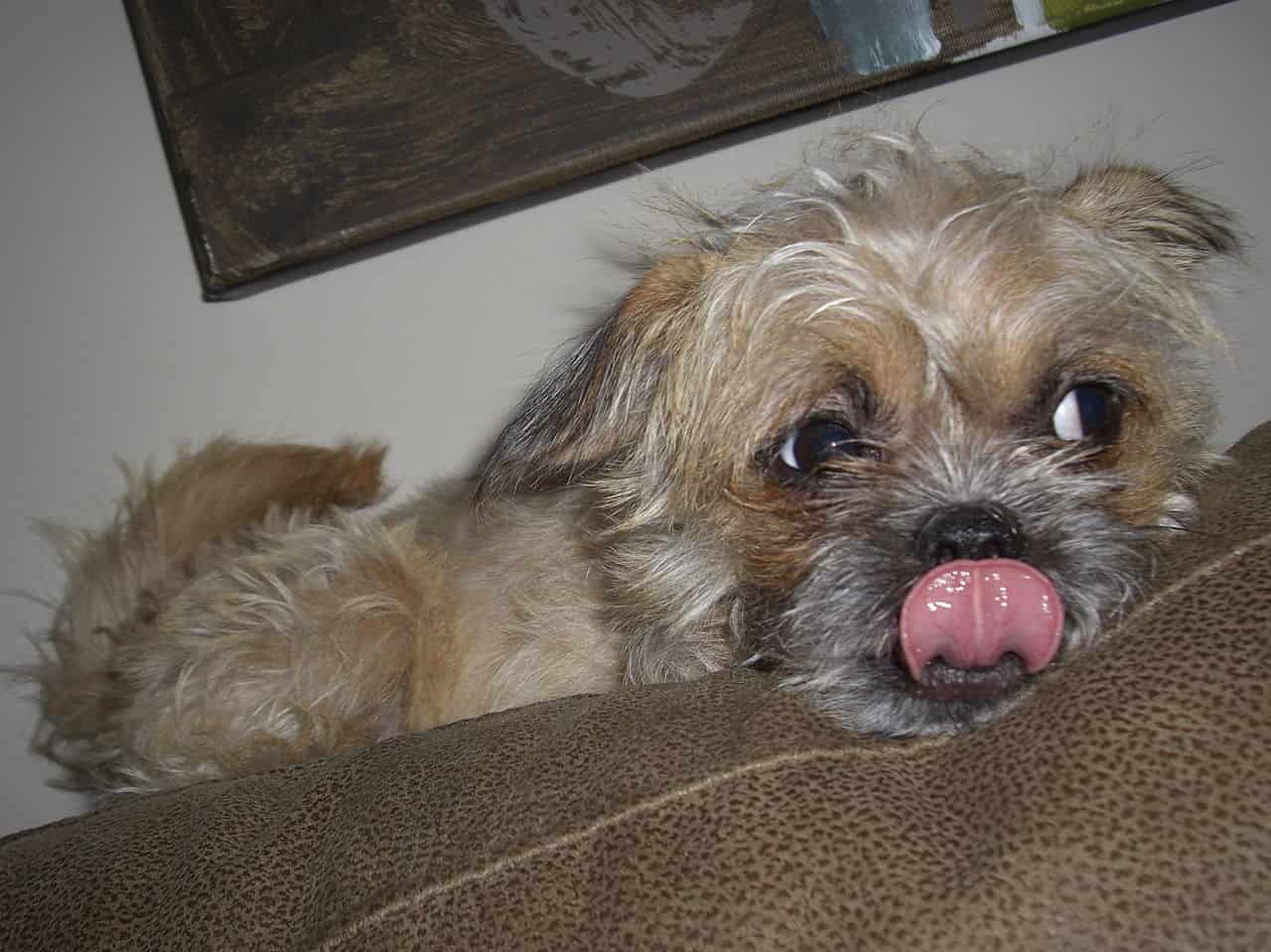
The pugaoo is a cross between a poodle and a pug. Like the Yorkiepoo, it’s friendly and affectionate..
©Rachelegreen / CC BY-SA 3.0, Wikimedia Commons – Original / License
If the Yorkiepoo is a type of dog that appeals to you, then the two most similar breeds are its parents, the Yorkshire terrier and the poodle. You also might want to consider looking into the following types of dogs:
- Pugapoo: The pugapoo is a cross between a poodle and a pug. Like the Yorkiepoo, it is a very friendly and affectionate companion dog that works well in a variety of different living situations. The smooth or curly coat of fur can come in black, white, brown, and apricot.
- Boston Terrier: Originally bred in the United States to hunt vermin, the Boston terrier is a small, short-tailed pure-breed dog with very big eyes and a tuxedo-like black and white coat of short hair. Like the Yorkiepoo, this breed has a rather friendly and affectionate personality.
- Australian Terrier: Developed in Australia from an older English breed, the Australian terrier is a small dog with a shaggy double coat of tan, silver, or black hair. This is an intelligent, alert breed that enjoys interacting with people. It also responds reasonably well to training.
Yorkiepoo Pictures
View all of our Yorkiepoo pictures in the gallery.

Tom Feist/Shutterstock.com
Sources
- All Things Dogs / Accessed March 6, 2021
- Rover / Accessed March 6, 2021