Antarctic Scale Worm
Armored Antarctic hunter on the seafloor

Armored Antarctic hunter on the seafloor

Deep, cold, and quietly formidable
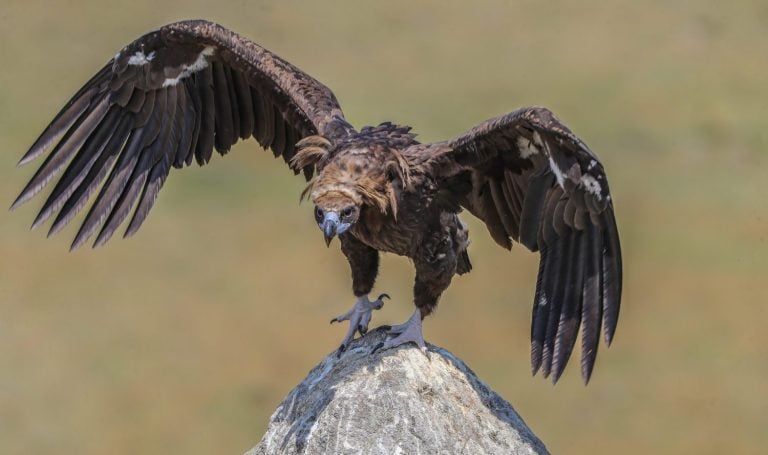
Big, black, and built to clean
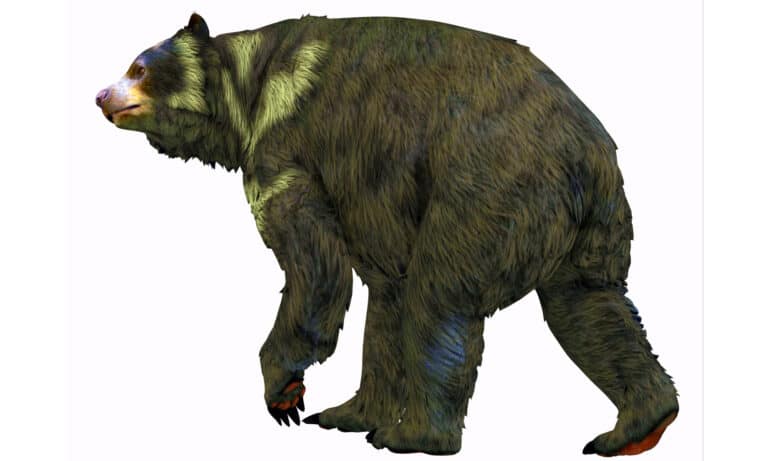
Big legs. Short face. Ice Age titan.
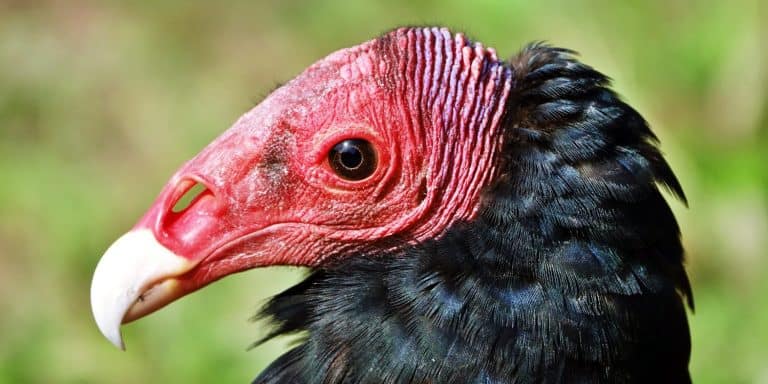
Red crown of the carrion cleaners
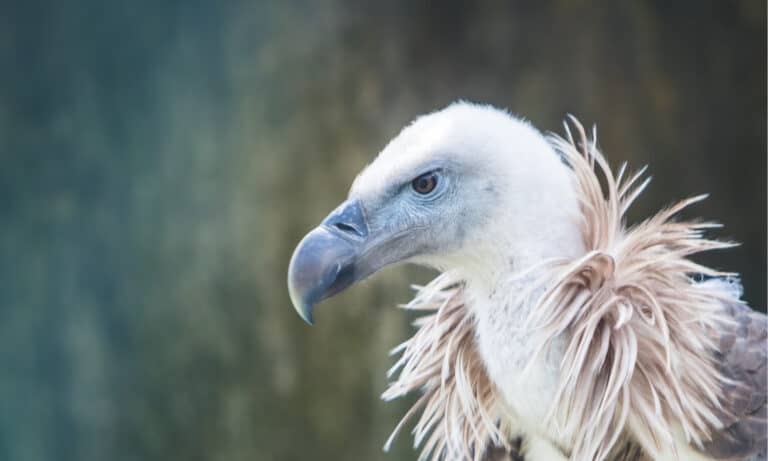
Nature's high-altitude clean-up crew
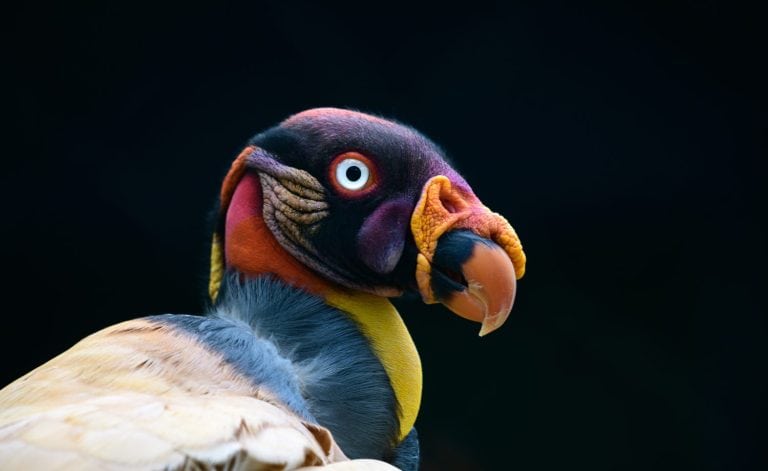
Color-crowned cleaner of the rainforest
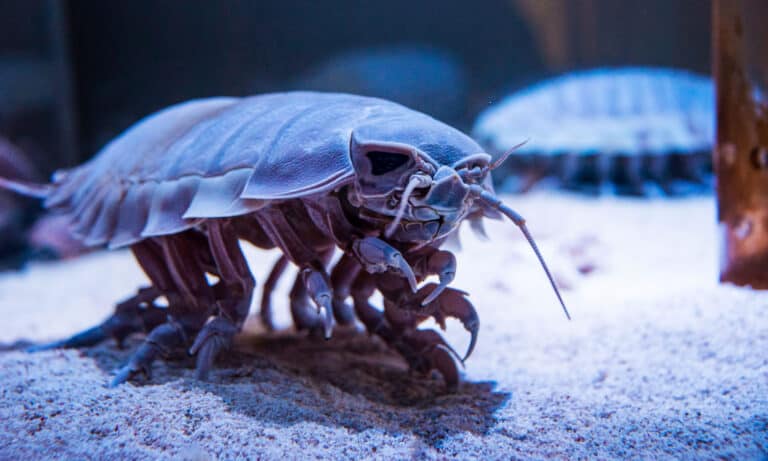
The deep sea's armored scavenger
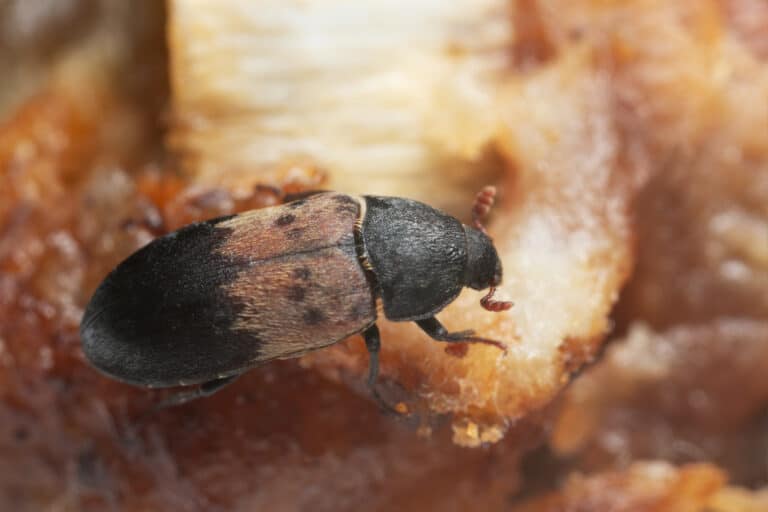
The bacon-loving beetle of the larder
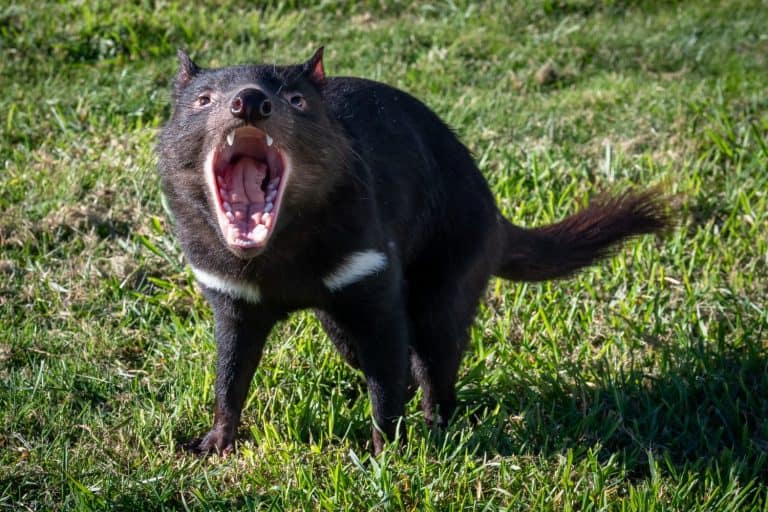
Small island, huge bite.
A scavenger is an organism whose diet relies substantially on carrion-animal biomass that is already dead-obtained by locating, accessing, and consuming carcasses rather than killing prey. Scavenging is a feeding strategy that can be obligate (diet depends mostly on carrion) or facultative (carrion used opportunistically alongside other foods).
Scavenging is a way of feeding that uses carrion — dead animals — which is high in energy but shows up at random and decays fast. Scavengers find carcasses by smell and sight and eat soft tissues and sometimes tougher parts like skin, tendons, and bone. Because carcasses are scarce and short-lived, good scavengers search well and eat fast. Many scavengers are facultative: they eat carrion when they can but also hunt, eat plants, or use human food. Some are obligate scavengers and depend on carcasses, like many vultures. Scavenging happens in birds, mammals, reptiles, fish, invertebrates, and even microorganisms, though the word usually means animals that eat carrion. Scavengers help move nutrients, affect how diseases spread, and face competition and hazards from predators and humans (roadkill, poisoning, lead, pathogens).
Etymology: From Middle English "scavager," from Anglo-French "scavager," from "scavage," a customs duty or tax on goods. The term was later used for municipal officers who cleaned streets and removed refuse; the modern animal sense developed from the idea of feeding on refuse and remains, including carrion.
"Scavengers are not predators." Many scavengers are also capable hunters or active predators (facultative scavenging is common).
"Scavengers mainly spread disease." While they can carry pathogens, scavengers often reduce disease risk by removing carcasses that would otherwise harbor microbes and parasites.
"Scavenging is just eating leftovers without skill." Successful scavenging requires specialized sensory abilities, competitive strategies, and physiological tolerance to decomposing tissues.
Carrion-based diets provide dense animal protein and essential amino acids for tissue maintenance, high-energy fats for caloric needs, and key micronutrients from organs (iron, B-vitamins, vitamin A, zinc). Bone marrow and connective tissues add fats, minerals (calcium/phosphorus), and collagen, helping meet energy demands when carcasses are lean or partially consumed by competitors.
Scavengers have different feeding parts. Mammalian scavengers often have teeth for ripping flesh and crushing bone. Avian scavengers lack teeth and use strong, hooked beaks to tear and probe carcasses.
A highly acidic, pathogen-tolerant digestive tract that can process aged, microbe-rich tissues and neutralize many toxins associated with decay.
Gut Length: Short to moderate relative to body (typically closer to carnivores than herbivores), emphasizing rapid protein/fat digestion rather than fermentation.
Obligate scavengers rely primarily on carrion for most or essentially all of their diet, with morphology and behavior strongly adapted to locating and consuming carcasses rather than hunting live prey.
Facultative scavengers commonly consume carrion but also obtain substantial nutrition by hunting, fishing, or foraging on other foods; scavenging is a frequent, opportunistic, and often seasonally important strategy rather than an exclusive one.
Scavenging is an old feeding way that evolved many times after animals made carcasses. In the sea, early scavengers appeared in the Paleozoic as predators made more carrion, favoring good smell, fast feeding, and tolerance of low oxygen and microbe-rich carcasses. On land, scavenging rose in the Mesozoic with theropods and early mammals eating leftovers. In the Cenozoic, grasslands and large ungulate herds made carcass pulses, leading to specialists (Old World vultures, bone‑cracking hyenas) and facultative scavengers (canids, corvids, bears). Paths: opportunistic leftovers, tracking kills or die-offs, and body changes (flight, keen sight/smell, strong jaws, stomach acid, microbe tolerance).
Unrelated lineages have repeatedly converged on scavenging: (1) Old World vultures (Accipitridae) and New World vultures (Cathartidae) evolved similar soaring, bald heads, and carrion specialization despite distant ancestry; (2) bone-cracking spotted hyenas (mammals) and large carrion birds both evolved adaptations for rapid carcass processing and competition at kills; (3) terrestrial facultative scavengers such as canids (jackals), mustelids (wolverines), and marsupials (Tasmanian devils) independently evolved strong jaws, opportunism, and carcass-based diets; (4) marine scavengers like hagfish (jawless fish), amphipods/isopods (crustaceans), and some sharks independently evolved keen chemosensory tracking and rapid consumption of carcasses; (5) insects such as carrion beetles (Silphidae) and blowflies (Calliphoridae) converged on carrion exploitation with specialized chemical detection and life cycles tied to carcass availability.
Humans are not obligate scavengers, but we can show partial parallels through opportunistic, broad-spectrum eating and the use of animal remains (e.g., consuming organ meats, bone broth, cured/dried meats, and nose-to-tail traditions). Modern food systems also "scavenge" via gleaning and food rescue-recovering edible food that would otherwise be wasted-though this is about reducing spoilage rather than eating carrion. Directly consuming carrion is generally unsafe for humans without strict controls because of pathogens and toxins; in contrast, many scavengers are physiologically adapted to handle high microbial loads and decomposing tissue.
Calling a species a scavenger shows it helps clean ecosystems and cycle nutrients: eating carcasses can cut disease spread, limit pest outbreaks, and return nutrients to soil. Conservation plans should protect key food sources (natural carrion) and reduce threats like poisoning (secondary poisoning from rodenticides, lead from ammunition, poisoned carcasses), vehicle collisions near roadkill, and habitat changes that hide carcasses. It guides rules for handling carcasses and warns of chain effects if scavengers fall — slower removal, more feral dogs and rats, and changed predator–prey interactions.
Scavengers affect farming by how dead animals are handled and disease control. Fast removal or eating of dead livestock can lower germs, but if scavengers touch infected carcasses they can spread disease or move contaminated material. Farms change food for scavengers (dead animals, afterbirth, offal) and can use 'vulture restaurants' or secure disposal, according to local rules. Scavengers can reduce pests by removing carrion that feeds rats, dogs, and insects, but they may worry farmers near young livestock or poultry. Farm chemicals (anticoagulant rodenticides, NSAIDs, pesticides) can poison scavengers, so carcass rules and chemical policy matter for farming and conservation.
Found across: Birds: vultures (Old World Accipitridae; New World Cathartidae), corvids (crows/ravens), gulls and other seabirds, Mammals: hyenas, canids (jackals, foxes), bears, big cats as opportunistic scavengers, Reptiles: monitor lizards (e.g., Varanus), crocodilians as occasional scavengers, Fish: hagfish and many sharks as carrion feeders, Invertebrates: carrion beetles and fly larvae on land; crustaceans (isopods, amphipods, crabs) in aquatic systems
Scavengers eat carrion they did not kill and act as secondary or tertiary consumers. They quickly remove dead animals, help cycle nutrients, and lower disease and insect outbreaks at carcasses. By moving and feeding, they spread nutrients across the land, compete with predators for carcasses, and can change predator behavior and carcass availability.
Scavengers get energy from carrion, which is patchy and unpredictable. Carrion is nutrient-rich and low in plant fiber, so meals can be efficient. Still, only about 10% of energy moves up food chains, and scavengers spend much energy searching, traveling, or fighting over carcasses. Fast discovery can support large animals; rare or taken over carcasses favor opportunists with broad diets who travel far. Scavenging helps ecosystems by moving dead matter to other animals and returning nutrients to soil and water.
Seasonal Variation: Scavenging follows seasonal carcass supply. In temperate/boreal areas, winter and early spring add carrion via starvation/exposure; cold slows decay but snow blocks access. Droughts in savannas/deserts create carcass pulses but heat spoils carcasses fast. Wet seasons speed decay and raise competition. Coastal peaks follow storms or spawning. People (hunting, lambing, culls, winter roads) cause spikes and shift scavenger movement.
Scavenging is one of nature's fastest recycling systems: vultures and other scavengers can strip a carcass in minutes to hours, returning nutrients to soil and food webs far quicker than slow decay alone.
Many classic "scavengers" are also capable hunters-hyenas and some vultures, for example, may kill or help bring down prey when the opportunity is right-so the line between scavenger and predator can be blurry.
Vultures have extremely acidic stomachs that help neutralize many pathogens found in rotting meat, letting them eat carcasses that would make many other animals dangerously sick.
Scavengers can reduce disease spread by removing carrion that might otherwise nourish populations of disease-carrying animals and microbes; in many ecosystems, they act like a sanitation crew.
Scavengers often rely on teamwork or timing rather than strength: smaller scavengers may wait for large predators to finish, then quickly exploit leftovers, turning patience into a survival strategy.
Think of scavengers as an ecosystem's waste-management and recycling service: instead of "trash pickup" trucks, it's beaks, teeth, and stomach acid keeping the landscape cleaner.
A carcass is like a short-lived, high-value "food festival" that draws a crowd-multiple species may converge rapidly, each taking a different "course" (meat, organs, hide, bone marrow).
Scavenging is like shopping the clearance aisle: you didn't produce the goods, but being alert and adaptable lets you score big meals when others leave resources behind.
Small island, huge bite.
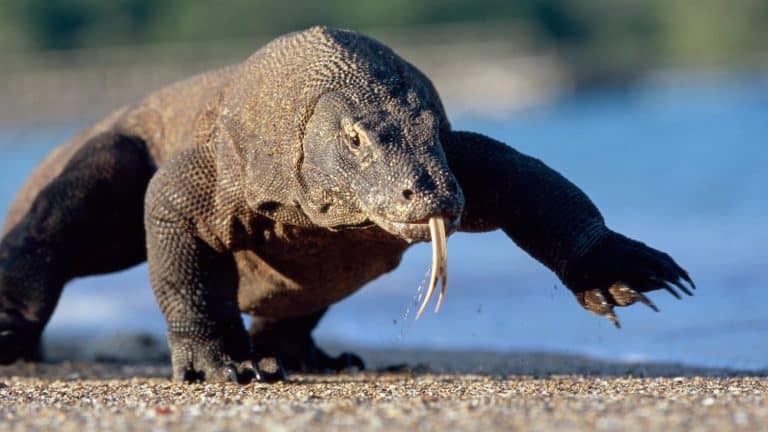
Bite, Venom, and Island Power
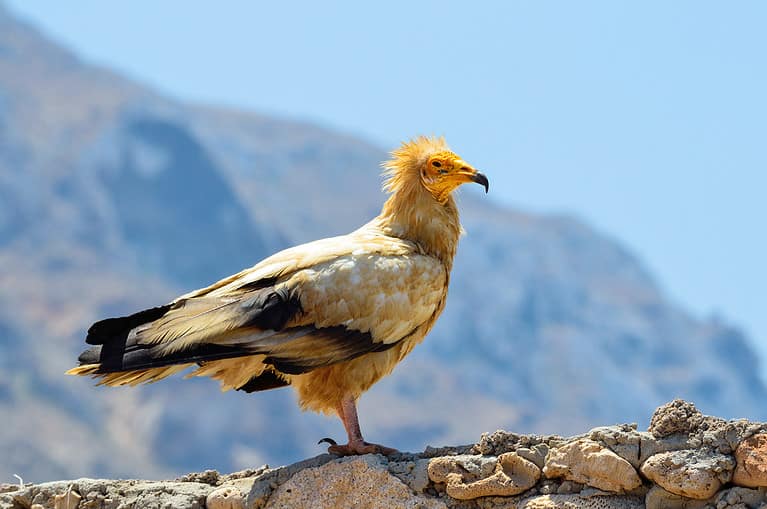
Nature's clean-up crew from the skies
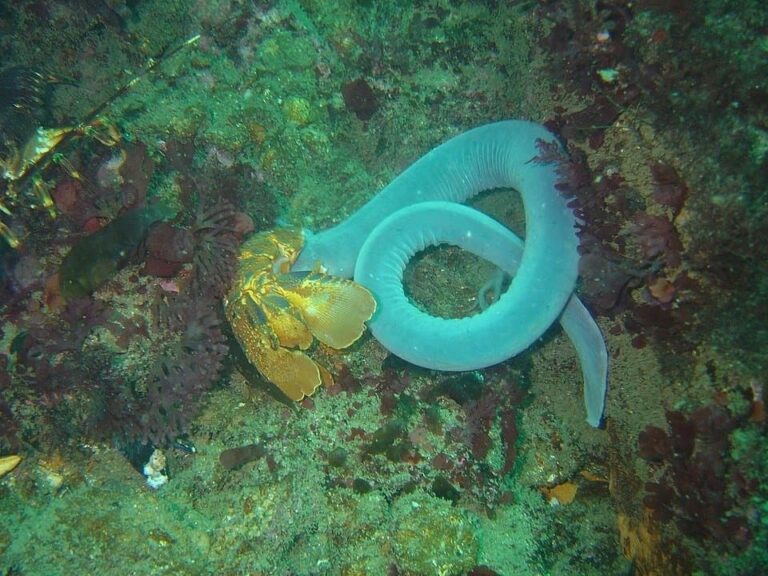
Slime, knots, and ancient jaws-none!
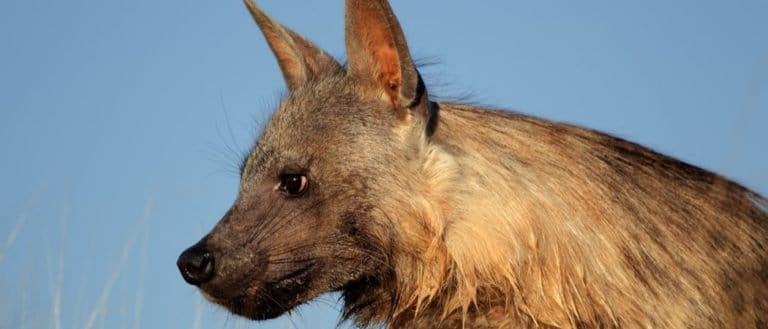
Shaggy scavenger of the Kalahari
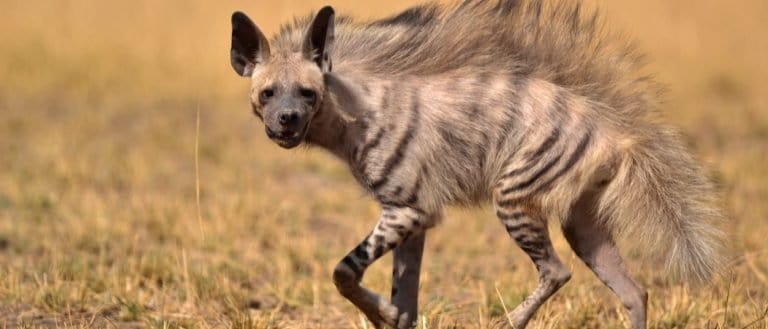
Nature's night-shift carrion recycler
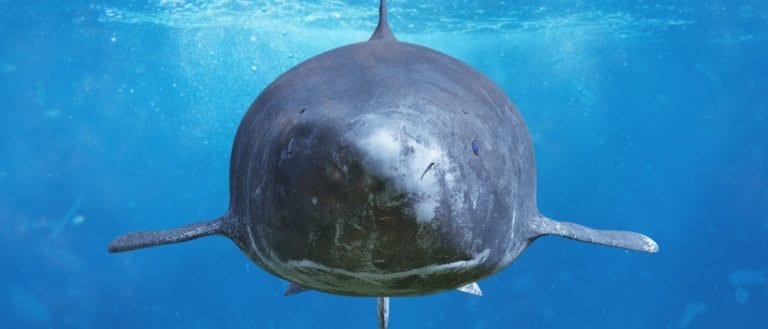
Ancient shark of the Arctic depths
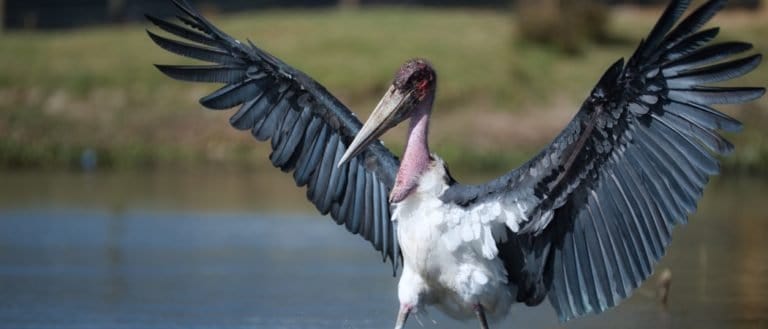
Africa's clean-up crew with a bill
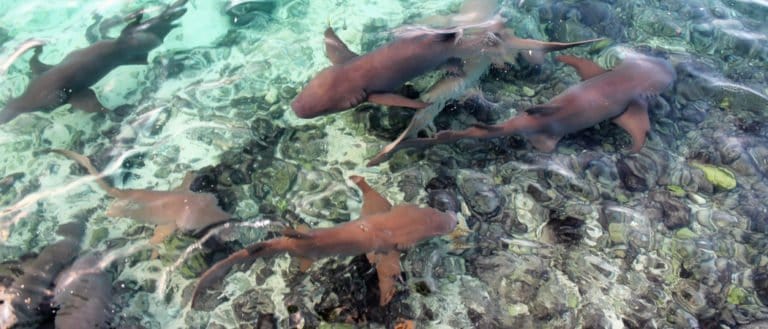
Slow swimmers, deep-sea survivors
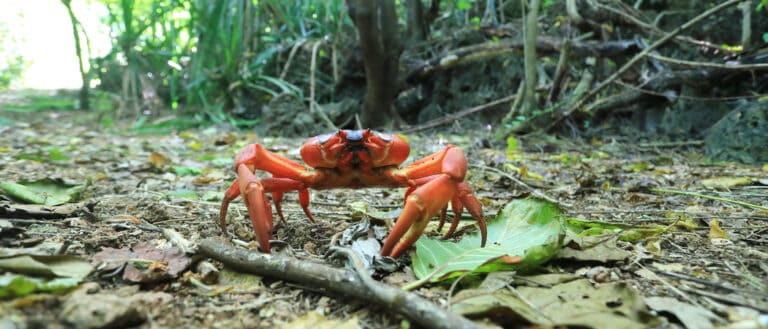
Red tide on land-then back again
Armored Antarctic hunter on the seafloor
Color-crowned cleaner of the rainforest
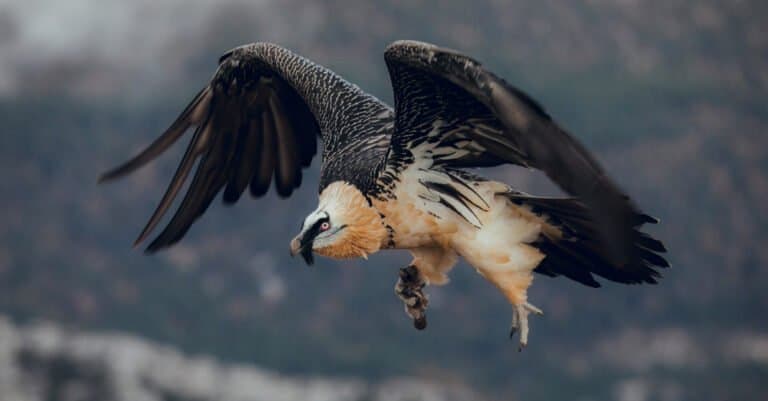
The Bone-Breaking Mountain Vulture
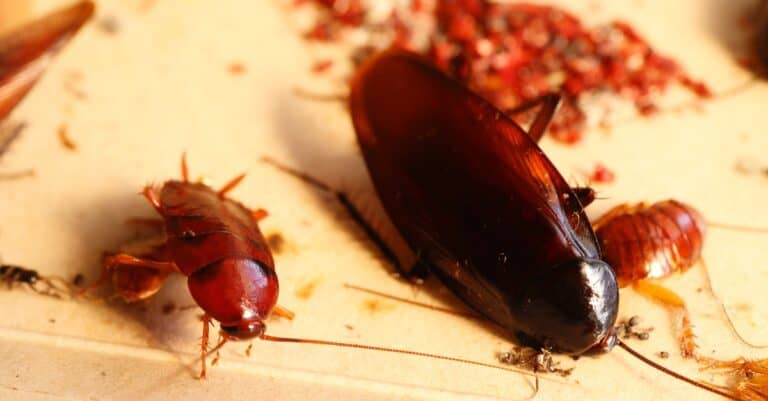
Outdoor roach of warm, humid nights
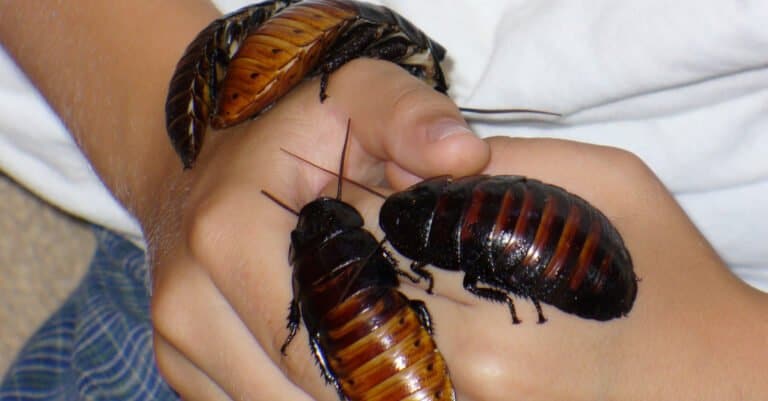
Hiss with purpose. Breathe to be heard.
Red crown of the carrion cleaners
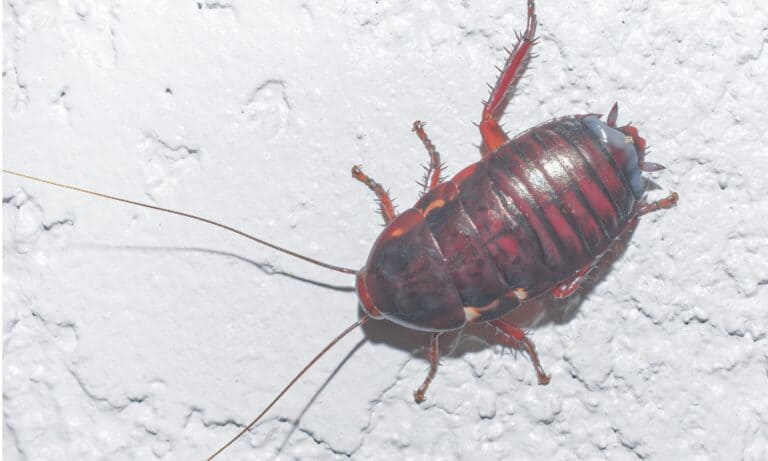
Florida's skunk-scented forest roach
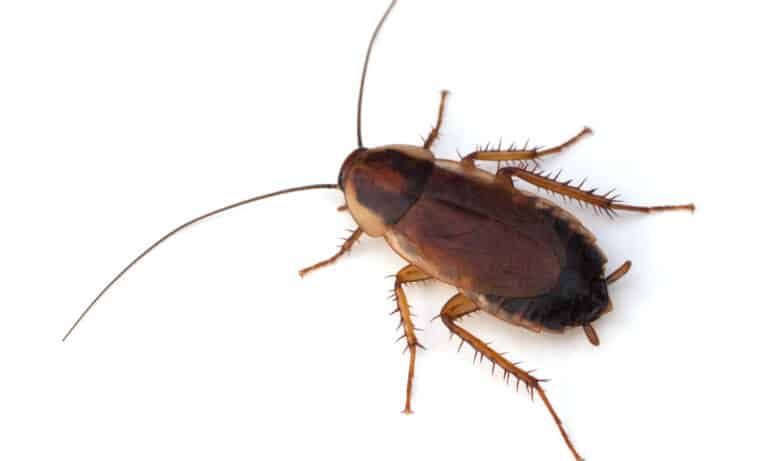
Forest recycler, not a house invader
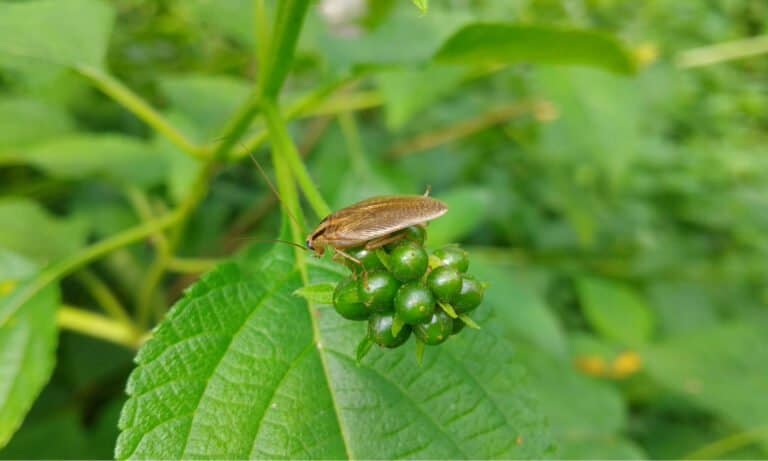
Looks like German-flies like a pro
Big, black, and built to clean
Nature's high-altitude clean-up crew
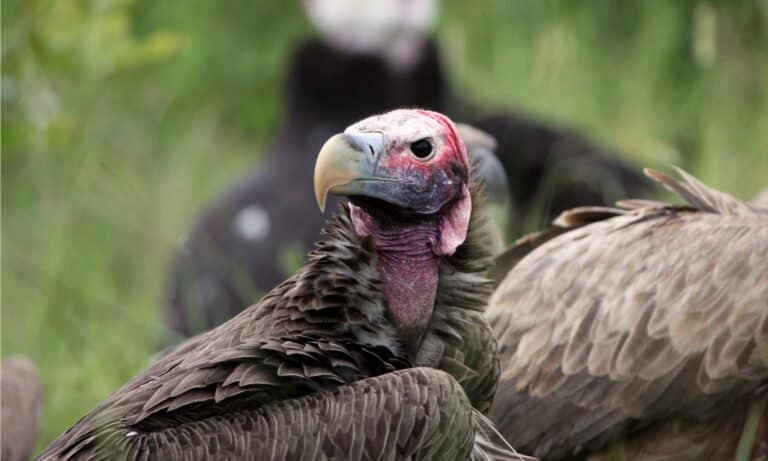
Big bill. Bare face. Nature's cleanup boss.
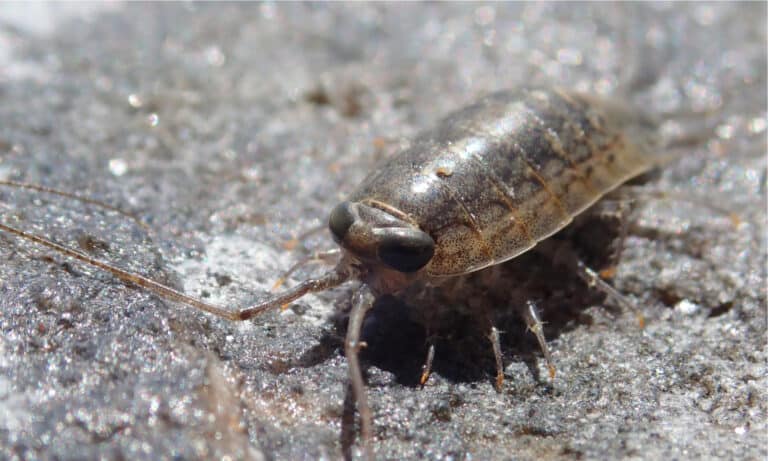
Rock runners of the tide line
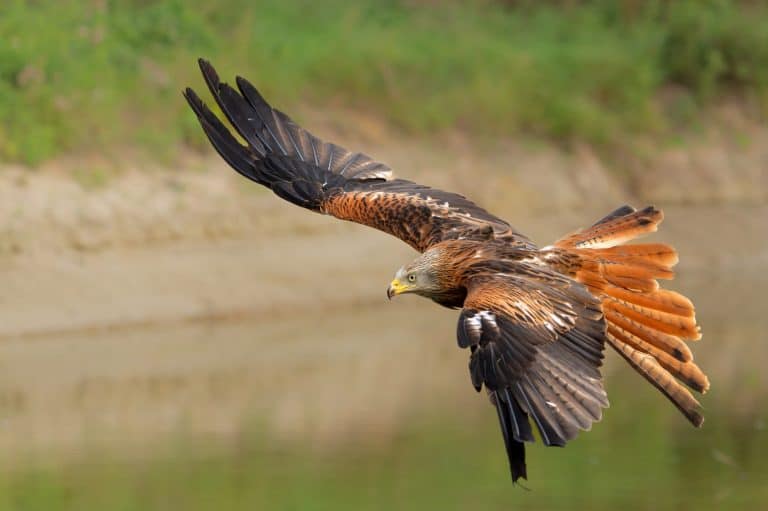
Forked tail, floating flight, comeback!
Thank you for reading! Have some feedback for us?
We appreciate your help in improving our content.
Our editorial team will review your suggestions and make any necessary updates.
There was an error submitting your feedback. Please try again.