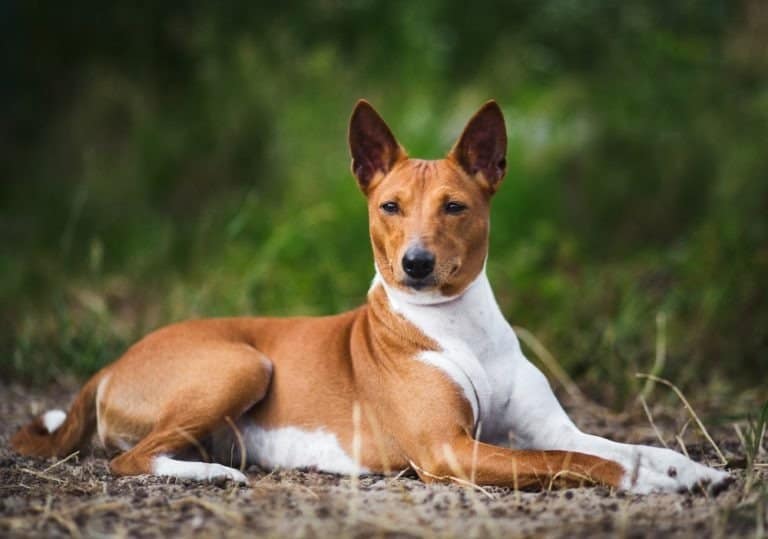
Basenji Dog
The yodeling hunter of Africa

The yodeling hunter of Africa
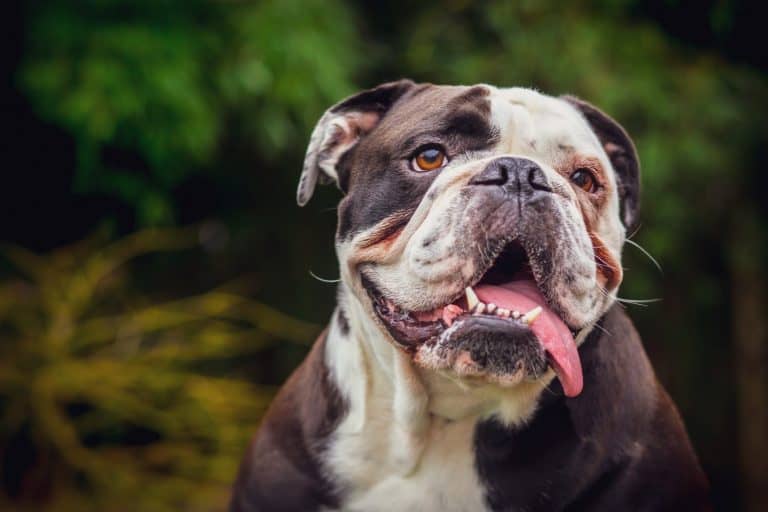
Big-hearted, wrinkle-faced icon
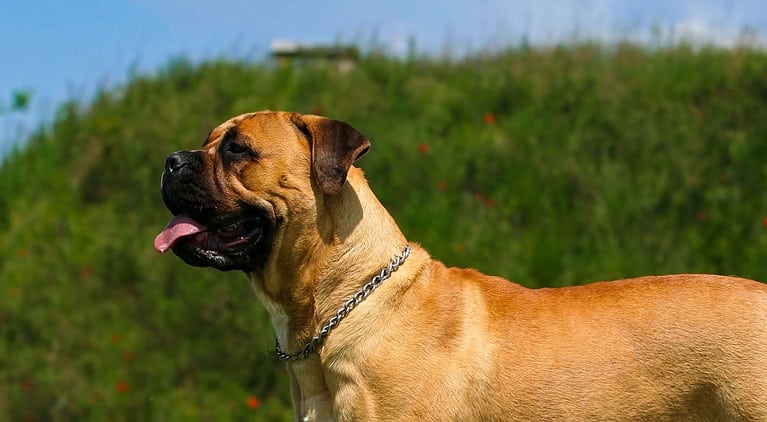
Silent strength, steadfast guardian.

Brindle nose, big voice, treed game

Small mix, big personality
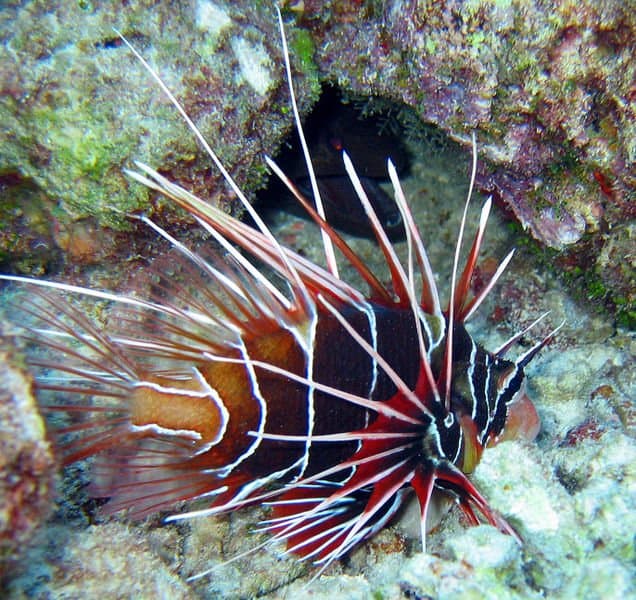
Beauty with a sting.
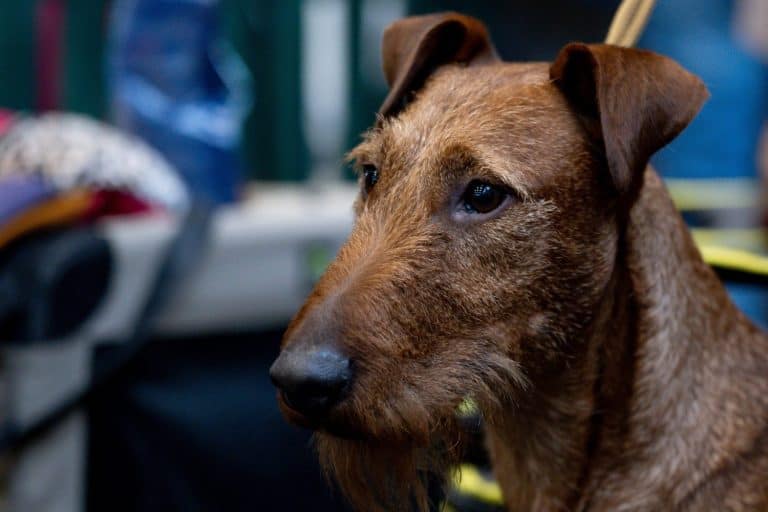
Low-slung Irish grit, big heart
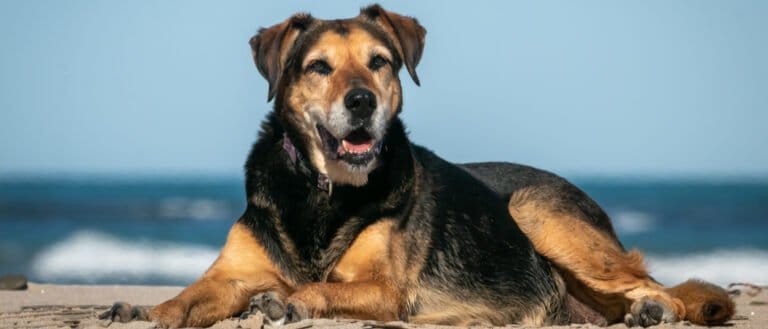
The big-voice sheep mover
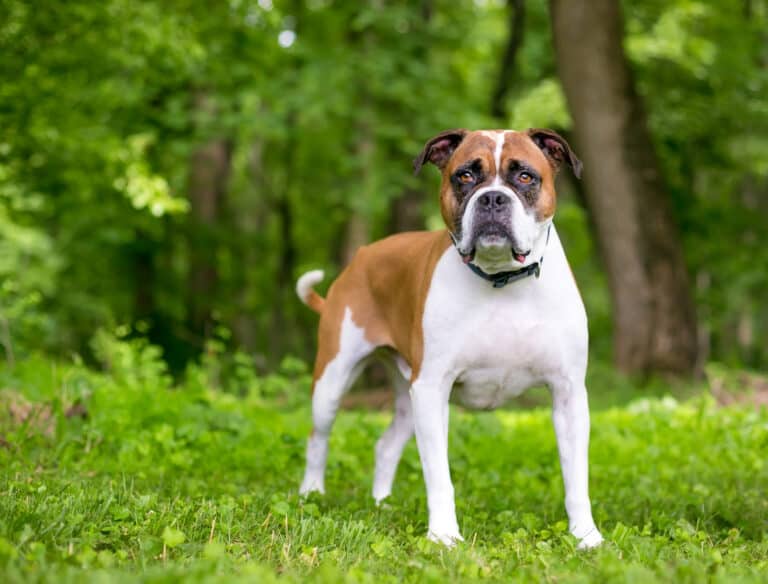
Annapolis Valley's compact powerhouse
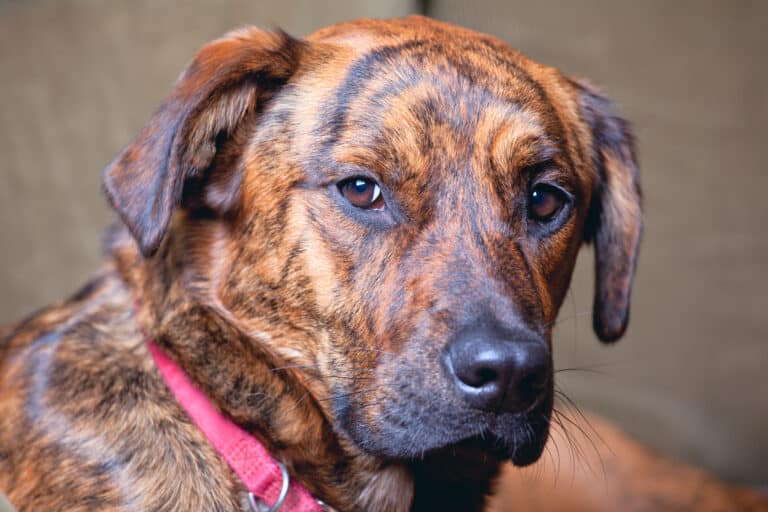
Brindle grit with a hound's nose
Striped coloration is a pattern-based form of animal coloration characterized by repeated, roughly parallel bands or lines of contrasting pigment or structural color that differ measurably in hue, brightness, and/or saturation. The stripes may be oriented longitudinally or transversely and typically function by altering visual perception of body shape, edges, or motion in an observer.
Striped animals display alternating bands of contrasting color that run across the body like a built-in barcode of nature. These stripes can be bold and high-contrast (as in zebras or skunks) or subtle and low-contrast (as in many fish, insects, and snakes), but in all cases they create a repeatable visual rhythm that is distinct from spots, mottling, or uniform coloration. The orientation of stripes-lengthwise, crosswise, or even radiating on fins or tails-often tracks an animal's ecology, from open grasslands to coral reefs to forest undergrowth.
Biologically, stripes are best understood as a pattern that changes how an animal is seen rather than simply what color it is. By creating repeated edges, striping can disrupt the perception of an animal's true outline, helping it blend into busy backgrounds like grasses, reeds, branches, or rippling water. In groups, stripes can also complicate a predator's ability to track a single individual, and in some species they act as a clear signal for recognition-helping mates, rivals, or parents quickly identify the right species or the right kind of individual.
Striped patterns arise from diverse mechanisms. In mammals and birds, pigment distribution across hairs or feathers can form stable bands, while in reptiles, amphibians, fish, and many invertebrates, stripes often emerge from developmental patterning processes in the skin or scales and can shift with growth, season, or environment. Because stripes are so visually powerful and widely repeated across evolution, they are one of the most common-and most versatile-solutions animals use to balance concealment, communication, and survival.
Striped coloration on animals is a *pattern* rather than a single pigment color: it appears as alternating bands or lines of contrasting tones (often light/dark) that repeat across the body. Stripes can be bold and high-contrast (e.g., zebra-like black and white) or subtle and low-contrast (e.g., faint striping in juvenile birds, cats, or fish). The bands may run **transversely** (across the body, perpendicular to the head-to-tail axis, as in many cat-like "bar" patterns including tigers), **longitudinally** (head-to-tail like many fish and snakes), or appear **oblique/chevroned**; ring-like banding is especially common on tails or limbs in some animals. Stripe edges vary from crisp and sharply bounded (many mammals, some fish) to blurred/feathered (some insects, amphibians, and mammals with agouti hairs). On fur, striping is often produced by regions of different hair pigmentation; on scales/skin, it can be pigment cell patterning (melanophores, xanthophores, iridophores), sometimes with iridescent or UV-reflective components. Functionally, stripes often create **disruptive camouflage** by breaking up the body outline, can produce **motion dazzle** during movement, may aid **species/individual recognition**, and can signal **warning** (aposematism) when paired with high-contrast colors (e.g., black/yellow). Common visual impression: alternating light and dark lanes that visually "slice" the animal into segments, making edges and depth cues harder to interpret-especially in dappled light, reeds/grass, or moving water.
Not a single wavelength band: striped patterns combine two or more colors (often including a dark melanin band absorbing broadly across ~400-700 nm plus a lighter band reflecting broadly across the visible; some species add structural/iridescent reflection and/or UV reflectance ~300-400 nm).
Varies by stripe colors. Typical high-contrast stripe components include: dark bands ~#0B0B0B to #3A2F2A (black/charcoal/dark brown) paired with light bands ~#F2F0E6 to #FFFFFF (off-white/white). Common alternative stripe palettes include brown/tan ~#6B4A2B to #D2B48C, golden/yellow ~#C9A227 to #FFD54A, orange/rust ~#C65A1E to #E07A2F, and occasional red/white or blue/black combinations in marine and insect taxa.
**Humans (trichromatic vision):** People typically perceive striping primarily through **luminance contrast** (light vs dark) and secondarily through hue contrast (e.g., black/yellow). High-contrast stripes are immediately salient and can look "graphic," while low-contrast stripes can vanish at distance or in complex backgrounds. **Many mammals (often dichromatic, e.g., most ungulates, many carnivores):** With reduced red-green discrimination, mammals may see some colored stripes (orange vs greenish-brown backgrounds) as more similar in hue than humans do. However, they still detect stripes strongly via **brightness and edge contrast**-dark melanin stripes remain very effective visually. This is one reason dark-on-light striping can be impactful even when hue cues are muted. **Birds (typically tetrachromatic, often UV-sensitive):** Many birds can discriminate subtle color differences and may also see **UV-reflective stripe components** that humans miss (e.g., plumage bars with UV sheen). Stripe-based species recognition can be enhanced in avian vision because they perceive additional chromatic channels. **Reptiles and amphibians:** Visual capabilities vary widely; some can detect color well, and many rely strongly on motion and contrast. Stripes can function as disruptive camouflage under their typical viewing conditions (vegetation, leaf litter, water margins). **Fish:** Many fish have good color vision and polarization sensitivity, and underwater lighting changes rapidly with depth and turbidity. Stripes may be perceived differently as water filters longer wavelengths (reds fade first), leaving patterns that read more as **contrast bands** than specific hues. **Insects (often UV/blue/green-sensitive):** Many insects perceive UV patterns strongly; a 'striped' animal (or predator/competitor) may present additional UV contrast invisible to humans. Conversely, some red/orange components may be less salient depending on the insect's photoreceptor set. **Predator/prey viewing distance effects:** Across species, striping can shift from clearly separated bands up close to a blended average tone at distance (spatial frequency effects). This can simultaneously aid camouflage at range while preserving recognition up close-depending on stripe width, contrast, and the viewer's visual acuity.
Crisp, alternating dark and light bands with strong edge definition; maximizes disruptive outline-breaking and visibility for recognition (e.g., zebra-like patterns).
Lower contrast, blends into grasses, bark, or sand; common in many felids, ungulates, reptiles, and ground birds; often paired with mottling for camouflage.
Broad vertical/oblique bands on the torso and limbs; stripes may narrow or fragment toward extremities; typically dark-on-warm background (orange/tawny) for forest-edge and grassland concealment.
Parallel lines running along the body axis; common in fish and snakes; can reduce detection by aligning with water flow lines, reeds, or linear vegetation.
Repeated rings or bars around tails, legs, or across wings; can function in signaling during movement (tail flagging) or in confusing predators.
Very faint stripes visible only at certain angles or lighting (e.g., due to agouti hairs or subtle pigment differences); may appear stronger in juveniles and fade with age.
Stripes that fragment into spots, dashes, or rosettes; transitional patterns that still read as 'striped' at a distance and 'spotted' up close; common in many cats and fish.
Stripes produced partly by structural coloration (iridophores/photonic structures), shifting with viewing angle; typical in some fish, insects, and reptiles; may include UV components.
Very high-contrast stripes using black with yellow/orange/red/white; optimized for conspicuousness and learned avoidance (many insects, some amphibians, some marine animals).
Brown-to-black pigment that commonly forms the dark stripes in mammals, birds, and many reptiles/fishes; higher eumelanin density and/or larger, more mature melanosomes produce darker bands.
Red-to-yellow-brown melanin that can contribute to warmer-toned stripes (e.g., rufous bands in some mammals/birds) and modifies contrast when mixed with eumelanin.
Yellow/orange/red pigments that can form colored stripes (notably in many birds, fishes, and reptiles) when deposited differentially across the body surface.
Yellow/red pigments common in amphibians, reptiles, and many fishes; can underlie bright stripes, often in combination with iridophore structural reflectors.
Reddish/brownish or pinkish pigments that can contribute to striped or barred patterns in some birds (e.g., feather markings) and a few other taxa; often less light-stable and may fluoresce under UV.
Many pale stripes are not strongly pigmented; instead they appear white/cream/bright due to low melanin plus strong scattering by keratin, collagen, air vacuoles, or reflective platelets (guanine) in iridophores-boosting contrast with adjacent dark stripes.
Striped coloration is a versatile, multi-function pattern that often provides strong survival benefits through disruptive camouflage and predator confusion, while also supporting social living via recognition and communication. Its net adaptive value is highest in visually complex environments or in species that move quickly or aggregate, but it can be costly in uniform habitats where high contrast increases detectability unless offset by warning/mimicry benefits.
Disruptive coloration: alternating bands break up the animal's outline and mask body shape/edges, making it harder for predators or prey to detect or track. Stripes can also create background matching when the environment has linear patterns (grass stems, reeds, branches, ripples, shadows).
Effectiveness: High in tall grass, reeds, brush, dappled forest light, and striped/linear substrates; moderate on mixed backgrounds where contrast still disrupts edges; low on uniform, open substrates (bare sand, snowfields) where stripes increase conspicuousness.
Motion dazzle/confusion effect: during rapid movement, stripes can make it harder for an observer to judge speed, direction, or distance, and in groups can confuse target selection (predator focusing on one individual).
Effectiveness: High for fast-moving animals and group-living species (schooling fish, herding mammals); moderate for solitary animals in cluttered habitats; low when animals are stationary or when predators use non-visual cues (scent, echolocation).
Individual- and species-level identifiers: stripe number, spacing, orientation, or facial striping can function as reliable visual cues for recognizing conspecifics, maintaining social cohesion, and reducing hybridization.
Effectiveness: High in visually oriented taxa and in mixed-species communities; moderate in low-light conditions if contrast remains strong; low in turbid water, dense fog, or at long distances where fine stripe detail is not resolvable.
Signals that can be modulated by posture or movement: stripes emphasize body regions (face, tail, fins) to convey intent, dominance, alarm, or coordination. High-contrast striping can make gestures and orientation easier to read.
Effectiveness: High at short-to-medium distances and in habitats with variable lighting (dappled shade) where contrast remains visible; moderate when partially occluded by vegetation; low when the audience is color-insensitive or visibility is poor (night, heavy turbidity) unless stripes are extremely high-contrast.
In some contexts, contrasting light/dark bands can influence heat gain and boundary-layer airflow at the skin surface, potentially affecting heat absorption and convective cooling (especially in open, sunny habitats).
Effectiveness: Low-to-moderate: potential benefits are context-dependent and most plausible in hot, high-sun environments with airflow; low in cool, shaded, or aquatic environments where conduction dominates and striping has limited thermal impact.
Imitating striped models that predators avoid or misinterpret (e.g., resembling venomous/defended species, or resembling unpalatable/armed taxa) can reduce attack rates.
Effectiveness: Moderate-to-high where the model species is common and predators have learned avoidance; moderate when resemblance is partial; low where models are absent or predators are naïve.
High-contrast striping can function as aposematism by increasing detectability and memorability, advertising defenses (toxins, spines, aggression) or reducing approach by predators/competitors.
Effectiveness: High when paired with real defenses and when predators learn; moderate in communities with strong visual learning; low if the animal is undefended (risk of increased attacks) or in environments where visibility is poor.
Stripes can act as ornaments or quality signals if stripe clarity, symmetry, saturation, or maintenance indicates health, parasite load, or hormonal status; can also be used in courtship displays emphasizing movement or specific body regions.
Effectiveness: Moderate-to-high when mates choose based on visual cues and stripes are displayed prominently; moderate where other cues (song, scent) dominate; low in dark habitats or nocturnal species unless aided by high contrast or bioluminescent contexts.
Anti-parasitism (biting-fly deterrence): high-contrast striping can reduce landings/biting attempts by hematophagous flies (such as horseflies and tsetse), potentially lowering irritation, blood loss, and pathogen transmission risk. This mechanism is widely supported as an important function of stripes in equids (especially zebras).
Effectiveness: High in warm seasons and habitats with abundant biting flies; moderate where fly pressure is intermittent or low; low where ectoparasite pressure is minimal or where transmission is dominated by non-visual vectors.
Often weak to moderate: many striped species share the same core pattern across sexes for camouflage/recognition. Where sexual selection is important, males may show higher-contrast, more sharply defined, or more extensive striping (or stripes on display regions like fins/face), while females retain more subdued or less contrasting stripes for reduced detectability during nesting/offspring care. In some taxa, juveniles may be more strongly striped than adults, or sexes may differ primarily during breeding season via intensified contrast.
Striped coloration can raise public awareness when the species is culturally salient (e.g., tigers and zebras as flagship species), improving fundraising and political support. In the field, stripes influence detectability: disruptive striping can reduce visual detection, affecting survey accuracy (camera-trap performance, aerial counts, observer-based transects) and requiring methods that account for imperfect detection. Conversely, high-contrast stripes can improve individual identification (photographic mark-recapture using stripe patterns), strengthening population estimates and anti-poaching monitoring. Color-pattern variation (regional morphs, subspecies differences) can guide conservation unit delineation and help detect hybridization or introgression. However, charismatic striped species can also become targets for illegal trade (skins, trophies) precisely because their patterns are distinctive, increasing poaching pressure and complicating enforcement.
Zebras aren't "white with black stripes" or "black with white stripes" in a simple way: their skin is dark, and the white stripes come from locally suppressed pigment in the hair follicles.
Tigers are striped even when shaved-their skin carries a stripe map that matches the fur pattern.
Stripes can be anti-camouflage on purpose: in many venomous or defended animals (e.g., coral-snake-like banding), bold striping advertises danger rather than hiding the body.
Striping can reduce biting-fly landings: experiments and field studies show black-and-white stripes can make it harder for some flies (like horseflies) to land, likely by altering how light is polarized/reflected.
Some "striped" animals can switch the pattern on and off: cuttlefish and squid can flash zebra-like bands in a fraction of a second for intimidation, communication, or hunting.
In forests, stripes can be a 'follow-me' signal: okapi calves may use the mother's bright leg-and-rump stripes as visual guides in dim, cluttered understory.
Think of stripes as natural "dazzle paint": like high-contrast ship camouflage, stripes can break up outlines and make it harder to judge speed and direction when an animal moves.
Zebra patterns function like a living barcode: researchers can match individuals from camera-trap photos by comparing stripe 'codes' along the shoulder, flank, and rump.
In tall grass, tiger stripes work like a vertical-blinds illusion-thin dark bars echo the shadows of stems, making the body read as many small pieces instead of one big predator.
Underwater, banded fish can blend into shimmering light: alternating light/dark bands mimic the flicker of sunlit ripples, similar to a moving "strobe" background.
Across many species, bold striping often pairs with bold behavior: animals that can defend themselves (stingers, toxins, venom) frequently "turn up the contrast" to be noticed and remembered by predators.
Largest striped cat: the tiger (Panthera tigris) is the biggest living cat species-and its stripes extend onto its skin, not just its fur.
Largest zebra species (and the largest living wild equid): Grevy's zebra (Equus grevyi) is the biggest zebra, wearing narrow, crisp black-and-white striping.
One of the largest "striped" sharks: the tiger shark (Galeocerdo cuvier) gets its name from dark vertical bars that are most visible in juveniles.
Among the most extreme high-contrast animal patterns: black-and-white striping (as in zebras) creates some of the strongest natural edge contrast in daylight-great for disruptive camouflage and visual signaling.
Most individually distinctive stripes: zebra stripe layouts are effectively unique to each individual-biologists can identify zebras from photos using their "barcode-like" patterns.
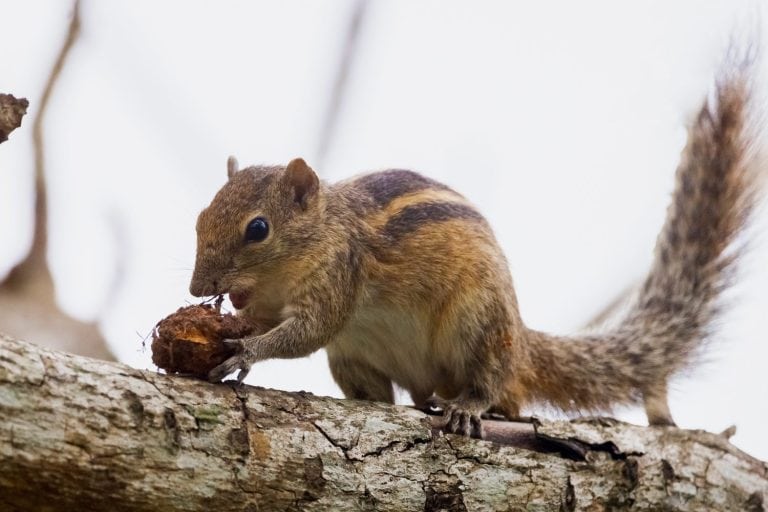
Three stripes. Big city attitude.
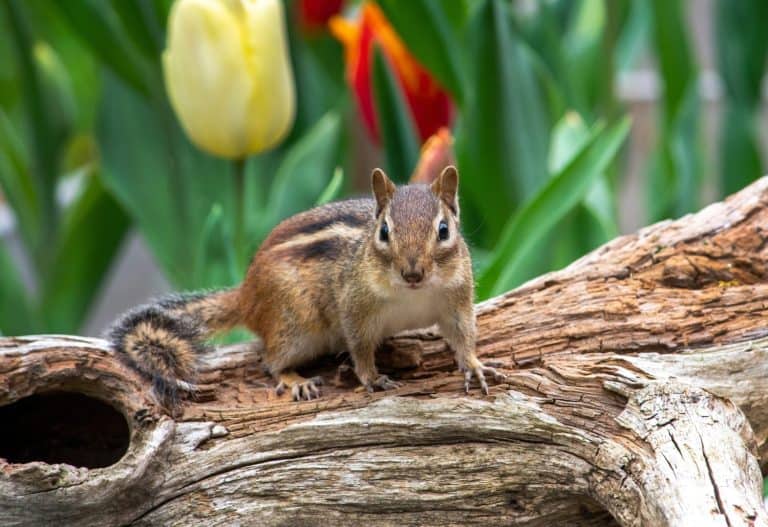
Pocket-cheeked, stripe-backed foragers
The yodeling hunter of Africa
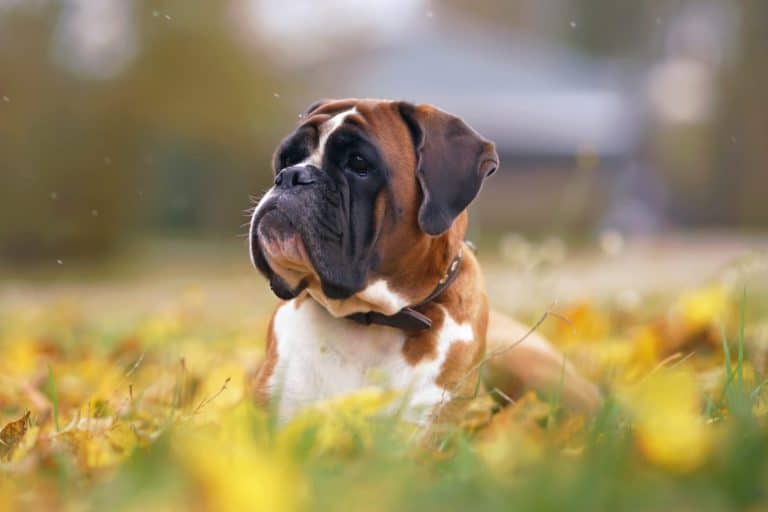
Square-jawed athlete, big-hearted clown
Silent strength, steadfast guardian.
Beauty with a sting.
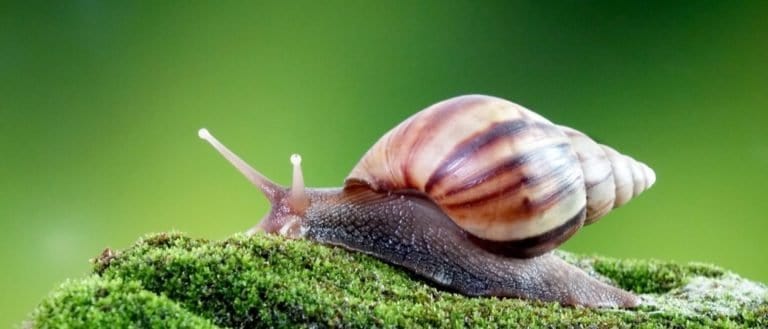
Big shell, bigger invasion story
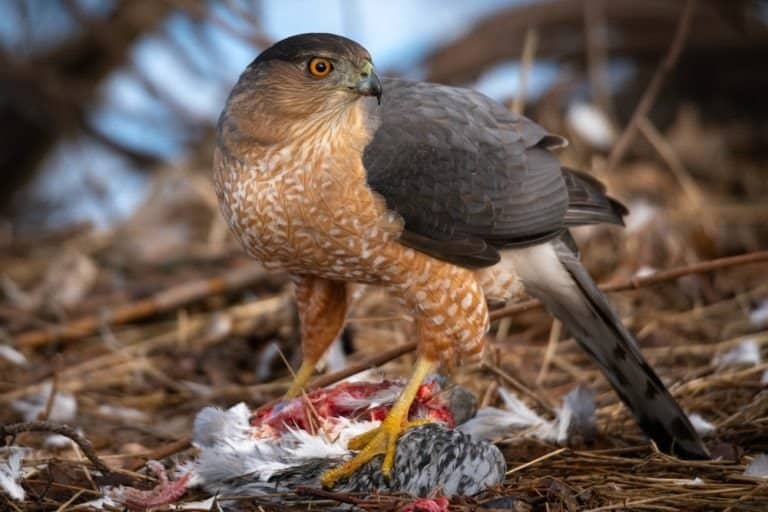
The backyard bird-hunter in stealth mode
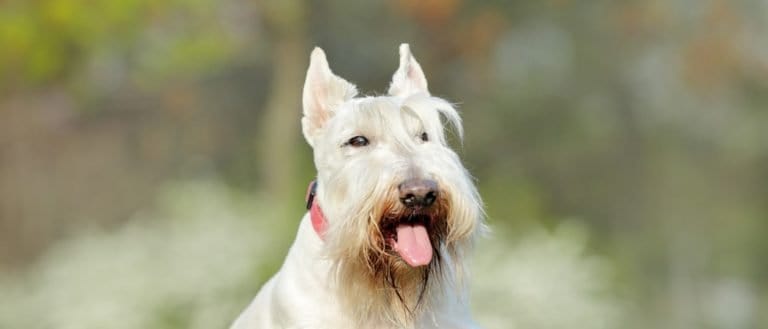
Small dog. Big Highland attitude.
Low-slung Irish grit, big heart
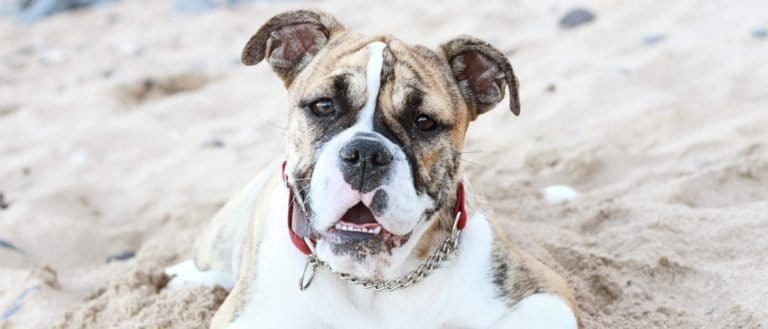
Built for mateship, bred for Aussie days
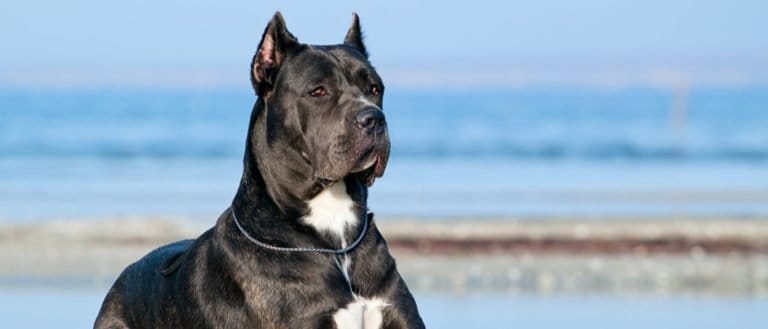
Italy's athletic guardian mastiff
The big-voice sheep mover
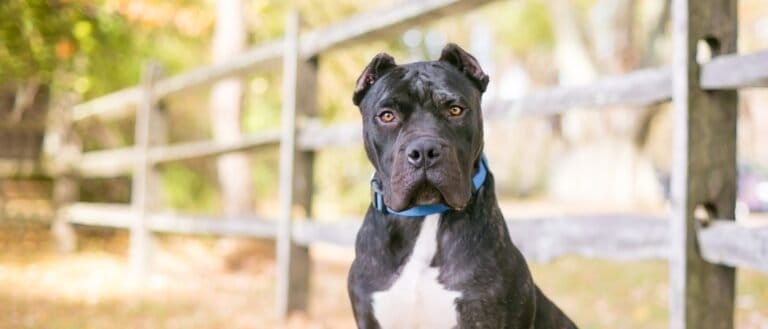
Power with poise-guardianship refined.
Brindle nose, big voice, treed game
Big-hearted, wrinkle-faced icon
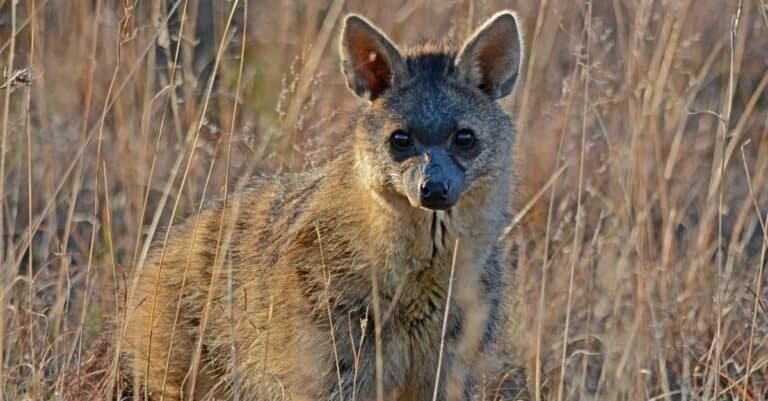
The hyena that lives on termites
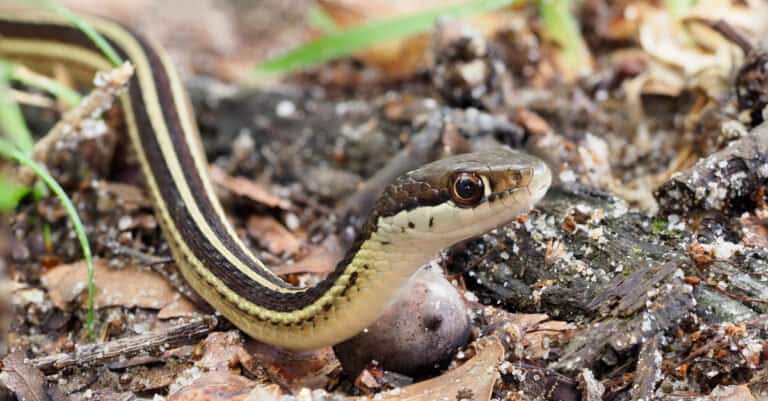
Wetland racer with ribbon stripes
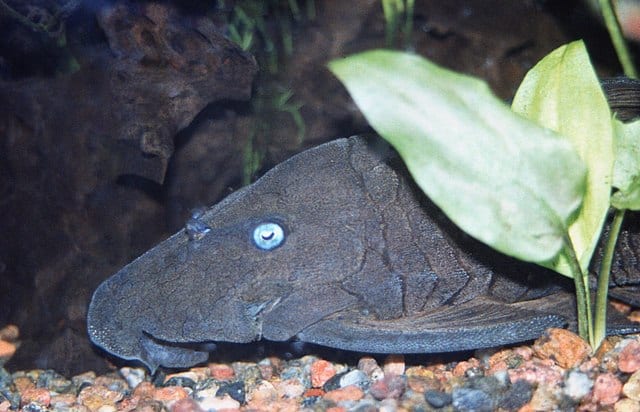
Blue eyes. Driftwood grazer.
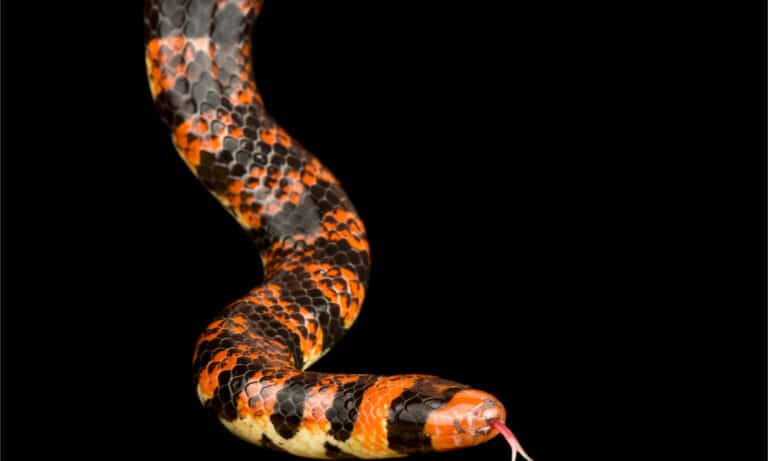
Built for burrowing, not biting
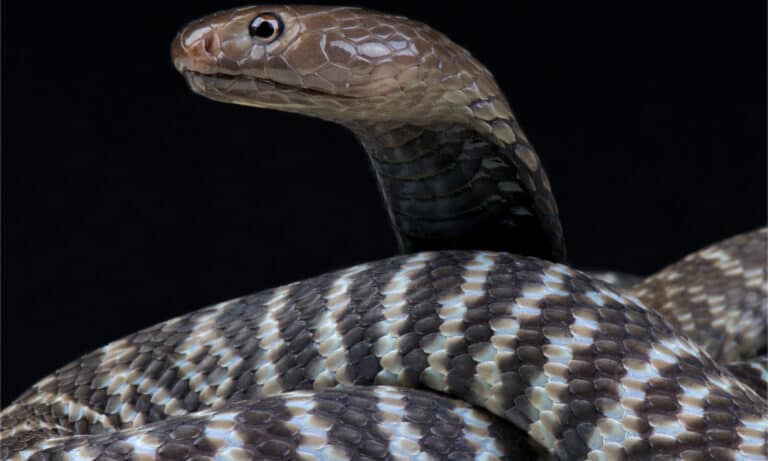
Striped defender with a venom spray
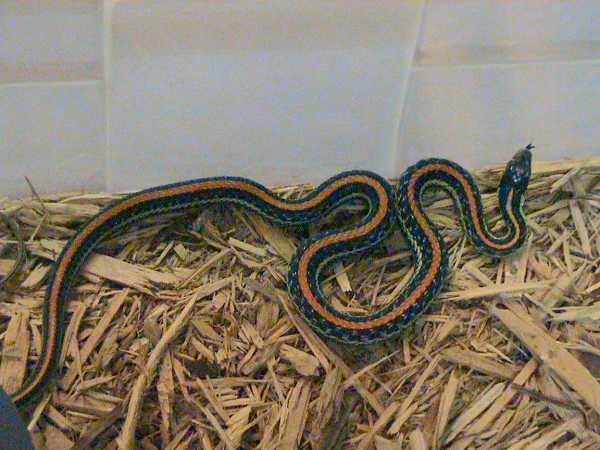
Striped hunter of Texas watersides
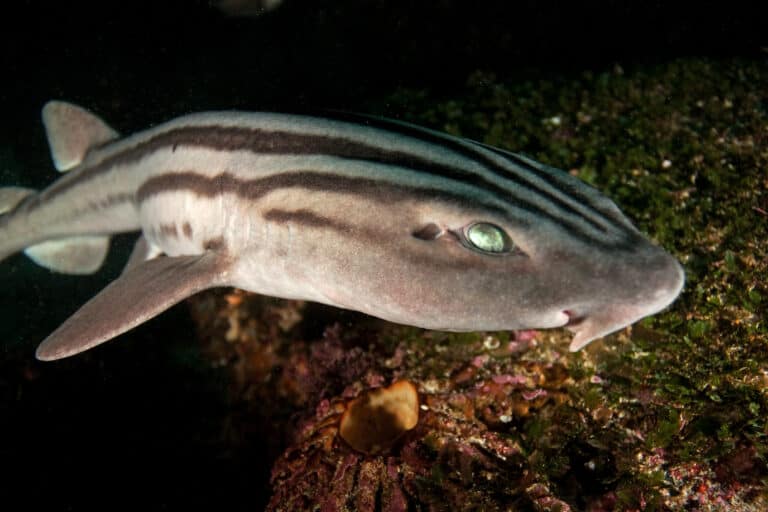
Striped night hunter of South Africa
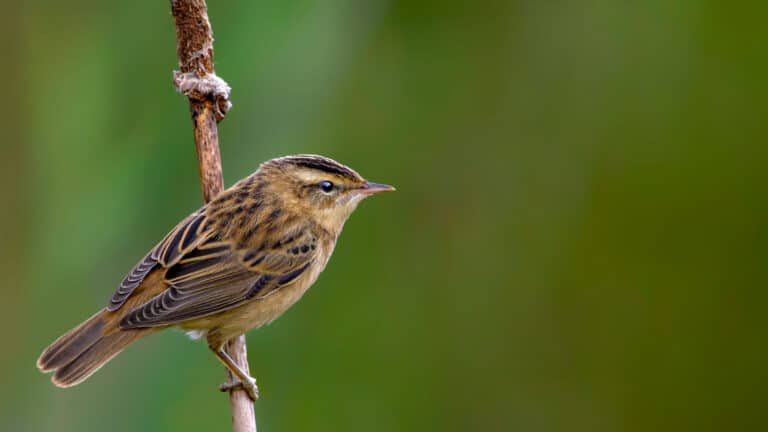
The chatterbox of the reedbeds
Thank you for reading! Have some feedback for us?
We appreciate your help in improving our content.
Our editorial team will review your suggestions and make any necessary updates.
There was an error submitting your feedback. Please try again.