












F
Species Profile

French Bulldog Mix

Canis lupus familiaris

Small mix, big personality
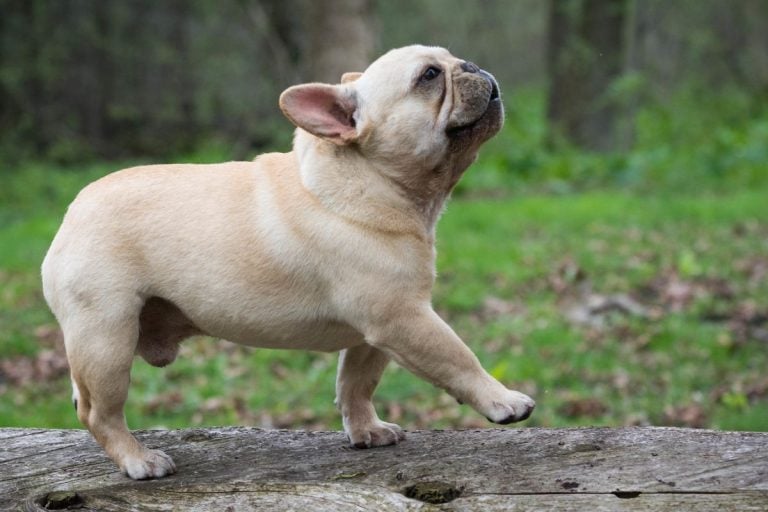
Bokehboo Studios/Shutterstock.com

French Bulldog Mix Distribution

Click a location to explore more animals from that region

Origin Location

This map shows the native origin of the French Bulldog Mix. As a domesticated species, they are now found worldwide.

Loading map...

Found in 1 country

Size Comparison

Human 5'8"
French Bulldog Mix 1 ft 1 in

French Bulldog Mix stands at 19% of average human height.

Frug

At a Glance

Domesticated
Also Known As Frenchie, Frenchie mix, Frenchie cross, Frenchie hybrid, Frenchie crossbreed, Frenchie mutt, Frenchie mongrel
Diet Omnivore
Activity Diurnal+
Lifespan 11 years
Weight 18 lbs
Status Not Evaluated
Did You Know?

Because they're mixed-breed, two "Frenchie mixes" can look and act very different even within the same litter.

Scientific Classification

A mixed-breed dog that has French Bulldog ancestry, with traits varying depending on the other breed(s) in the mix. Typically a small companion dog; appearance, temperament, and health risks can differ widely across individuals.

Kingdom
Animalia
Phylum
Chordata
Class
Mammalia
Order
Carnivora
Family
Canidae
Genus
Canis
Species
Canis lupus

Distinguishing Features

  • French Bulldog lineage often contributes a compact, muscular build
  • Commonly brachycephalic (short muzzle), though degree varies with the mix
  • Bat-like ears may be present but are not guaranteed
  • Coat color/pattern and size vary widely depending on the other parent breed(s)

Physical Measurements

Males and females differ in size

Height
12 in (10 in – 1 ft 3 in)
11 in (9 in – 1 ft 1 in)
Length
1 ft 7 in (1 ft 2 in – 1 ft 10 in)
1 ft 10 in (1 ft 6 in – 2 ft 2 in)
Weight
24 lbs (18 lbs – 31 lbs)
21 lbs (14 lbs – 28 lbs)
Tail Length
3 in (1 in – 6 in)
4 in (1 in – 10 in)
Top Speed
16 mph
Around 25 km/h

Appearance

Primary Colors
Secondary Colors
Skin Type French Bulldog mix (Canis lupus familiaris) skin is usually short and smooth but can be a bit longer or thicker. Face, neck, or shoulder folds may occur and can get irritated or have allergy dermatitis.
Distinctive Features
  • Mixed-breed variability is the defining trait: size can range from small to lower-medium, body proportions from compact/cobby to more athletic depending on the non-Frenchie lineage.
  • Often retains French Bulldog-associated head traits: broad skull, short muzzle (brachycephalic tendency), and a relatively flat face-degree varies by individual.
  • Ears may be large and upright ("bat ears") like a French Bulldog, semi-pricked, or floppy depending on the mix.
  • Chest frequently broad with a sturdy front; some mixes keep a compact, muscular silhouette.
  • Tail can be short/stubby or naturally short; some may have a screw/curled tail, while others have a longer tail (important for spine health assessment).
  • Facial/neck wrinkles may be present; requires regular cleaning/drying to reduce skin-fold dermatitis and odor.
  • Coat is commonly short and glossy, but may be thicker/longer in some mixes; shedding level is individual.
  • Brachycephalic-associated health considerations (variable by individual): risk of BOAS (brachycephalic obstructive airway syndrome), stenotic nares, elongated soft palate, noisy breathing, exercise intolerance, and heat sensitivity-avoid overheating and strenuous exertion in warm/humid weather.
  • Common health issues to check in French Bulldog mixes (varies by mix): skin allergies, ear infections, crowded teeth, eye sores, kneecap problems (patellar luxation), hip dysplasia, and IVDD/back pain. See a vet for checks.
  • Care requirements often include: using a harness (reduces airway strain), maintaining lean body condition (reduces breathing/joint stress), controlled low-impact exercise, regular wrinkle/ear cleaning as needed, and proactive vet evaluation for airway, orthopedic, and dermatologic issues.

Sexual Dimorphism

Typically mild in mixed-breed companion dogs: males may average slightly larger and more muscular with a broader head/neck, while females may be slightly smaller and finer-boned. Magnitude varies strongly with the other breed(s) in the mix and with neuter/spay status.

  • Slightly broader head and neck; may appear more muscular through shoulders and chest.
  • Often marginally heavier-bodied at the same height (individual variation is common).
  • Slightly smaller overall frame; may look more refined through head and shoulders.
  • May carry less mass through the neck/chest compared with males (highly individual).

Did You Know?

Because they're mixed-breed, two "Frenchie mixes" can look and act very different even within the same litter.

Many inherit the French Bulldog's "bat ears," but ear shape may flop or stand depending on the other parent breed.

French Bulldog ancestry can mean brachycephalic (short-nosed) traits-some mixes breathe easily, others need extra care.

Coats range from very short to medium/long if mixed with longer-coated breeds; shedding can vary from light to heavy.

They're typically strong "companion dogs" and often prefer being near their people over independent roaming.

French Bulldog heritage often brings a playful, clownish style of interaction-wiggles, pounces, and comedic zoomies.

Unique Adaptations

  • Domestic-dog flexibility: as Canis lupus familiaris, they're highly adaptable to human schedules and environments, thriving on social bonding and training.
  • Compact companion build: French Bulldog ancestry often contributes a sturdy, low-to-the-ground frame suited to indoor living-though weight must be managed.
  • Brachycephalic head shape (variable): in mixes that inherit a shorter muzzle, the shortened airways can reduce heat tolerance and endurance, shaping activity needs.
  • Expressive facial musculature: dogs evolved enhanced facial communication with humans; many Frenchie mixes are notably expressive and attention-seeking.
  • High human-directed social cognition: like other domestic dogs, they readily learn cues and routines; motivation may be food-, play-, or attention-driven depending on the individual.

Interesting Behaviors

  • Shadowing/"Velcro" behavior: many prefer to follow their person room-to-room, a common companion-dog trait.
  • Snorty communication: snuffles, grunts, and "talking" noises can occur, especially in mixes retaining a shorter muzzle.
  • Play style tends toward bursts: short, enthusiastic sprints and wrestling, followed by quick rest-more so in brachycephalic individuals.
  • Heat-avoidance habits: seeking cool floors, shade, or air vents; reluctance to exercise in warm weather can signal heat sensitivity.
  • Social charm (with caveats): many greet strangers readily, but mixes with more terrier/guardian ancestry may be more reserved or vocal.
  • Chewing and "grab-and-parade": some carry toys/shoes around the house for attention, a behavior influenced by underlying breed mix and reinforcement.

Cultural Significance

French Bulldog mixes (Canis lupus familiaris) come from 19th-century toy bulldogs and became Parisian companions seen in art, ads, and social media. They are popular in adoption, prized for Frenchie looks, but vary in temperament, exercise needs, and health.

Myths & Legends

Parisian-origin lore: popular retellings say small bulldogs traveled with Nottingham lace workers to France, where Parisians embraced them as chic companions-an oft-cited origin story behind the "French" identity.

Titanic cultural anecdote: stories persist about a French Bulldog named Gamin de Pycombe being insured for a large sum and lost when the Titanic sank, cementing the breed's association with early 20th-century status and celebrity.

Belle Époque symbolism: period anecdotes link the French Bulldog with café society and bohemian Paris, portraying the dog as a witty, fashionable sidekick in urban life.

Modern "internet icon" association: contemporary pop-culture storytelling often casts Frenchie-type dogs as comedic, expressive companions-an evolving cultural legend driven by viral photos and films rather than formal folklore.

Conservation Status

NE Not Evaluated

Has not yet been evaluated against the criteria.

Population Stable

Life Cycle

Birth 3 pups
Lifespan 11 years

Lifespan

In the Wild
10–12 years
In Captivity
8–15 years

Reproduction

Mating System Polygynandry
Social Structure Managed Domestic
Breeding Pattern Transient
Fertilization Internal Fertilization
Birth Type Internal_fertilization

Behavior & Ecology

Social Pack Group: 3
Activity Diurnal, Cathemeral
Diet Omnivore chicken-based foods (high-value lean animal protein)

Temperament

Affectionate companion orientation; often seeks lap/close contact and follows caretakers room-to-room (distinguishing many Frenchie-ancestry mixes from more independent working-line dogs).
People-friendly but can be stubborn/persistent; responds best to short, reward-based training sessions and consistent routines.
Moderate energy with bursts of play; endurance may be limited, especially in individuals inheriting brachycephalic traits (short muzzle) leading to quicker fatigue.
Sociability is highly variable: mixes with terrier/herding/guard breeds may be more driven, vocal, or vigilant; mixes with toy/companion breeds may be calmer and more clingy.
Potential for dog selectivity or frustration on leash; early controlled social exposure and teaching calm greetings reduces reactivity.
Health issues that affect behavior: brachycephalic airway problems (noisy breathing, poor exercise and heat tolerance), skin-fold or ear soreness, eye irritation, and spine/joint problems (IVDD, patellar) lowering tolerance for rough play.
Avoid overheating—keep cool and limit hard play in heat. Use a harness, keep a healthy weight to ease breathing and joints, check skin, ears, and eyes for folds or bulging, prefer low-impact exercise and puzzles.

Communication

Barks for alerting/excitement; frequency varies by mix and training.
Grumbles/growls during play or when uncomfortable; important to read alongside body language, especially if pain (spine/joints/skin) is possible.
Whines for attention, greeting, or separation distress.
Snorts/snuffles and noisy breathing are common in more brachycephalic individuals; these can signal exertion and should prompt rest/cooling if intensified.
Body contact leaning, pawing, and "shadowing" caretakers; strong proximity-seeking is common.
Facial expressions and posture: stiffening/freezing can indicate discomfort (sometimes pain-related); play bows and loose wiggly hips indicate friendliness.
Licking/nuzzling as affiliative behavior; may increase with stress or appeasement.
Scent-based communication: sniffing, urine marking (variable), and investigative nose work; enrichment via scent games is often well-tolerated even when exercise is limited.
Panting/heat-dumping behaviors; in brachycephalic individuals, rapid loud panting can escalate quickly and is a key welfare signal to stop activity and cool down.

Habitat

Biomes:
Temperate Forest Temperate Grassland Mediterranean Boreal Forest (Taiga) Tundra Alpine Desert Hot Desert Cold Savanna Tropical Dry Forest Tropical Rainforest Wetland Freshwater +7
Terrain:
Plains Hilly Valley Coastal
Elevation: Up to 16404 ft 3 in

Ecological Role

Human-associated companion omnivore (domestic Canis lupus familiaris) with limited natural predation; primarily consumes provisioned foods and may opportunistically scavenge or prey on small animals in urban/suburban settings.

companionship and social support to humans deterrence/alerting (watchdog behavior varies by individual) occasional small-rodent control (opportunistic) participation in human-managed ecosystems; potential wildlife disturbance if roaming (managed by responsible ownership)

Diet Details

Main Prey:
Chicken Turkey Cattle Lamb Fish Eggs Small rodents Small birds +2
Other Foods:
Cooked grains and starches Vegetables Fruits Grasses Fiber supplements

Human Interaction

Domestication Status

Domesticated

French Bulldog mix (Canis lupus familiaris) is a mixed-breed dog with Frenchie ancestry. They often have short faces (brachycephalic) and strong bonds with people, though other parent breeds can change size, muzzle, energy, or health. They are pets, need training and vet care, and may be therapy dogs; poor socialization can cause barking, leash reactivity, snapping, or heat problems.

Danger Level

Low
  • Bite risk is generally low but present, typically linked to fear, pain, resource guarding, or poor handling/socialization (children at face-level are at higher risk).
  • Knock-down/trip hazard is low due to small size, but falls can occur around stairs or underfoot.
  • Zoonotic/health risks typical of domestic dogs: intestinal parasites if not dewormed, skin infections, and allergies; preventable with routine veterinary care.
  • If brachycephalic traits are strong, heat-related collapse can occur during human-led exercise in warm/humid conditions-an indirect safety risk during outings.

As a Pet

Suitable as Pet

Legality: French bulldog-mix: usually legal to own in the U.S. and most places. But housing, HOA, landlord rules or some insurance may limit dogs labeled “bulldog” or “mix.” Some airlines refuse flat-faced dogs. Follow local leash, vaccine, and license laws.

Care Level: Moderate

Purchase Cost: Up to $2,500
Lifetime Cost: $15,000 - $45,000

Economic Value

Uses:
Companion animal services Veterinary and preventive healthcare Training and behavior services Pet food and supplies Grooming Breeding and adoption markets Pet insurance
Products:
  • adoption/rescue placements and fees
  • purchase of puppies/dogs from breeders or private rehomes (highly variable by mix and locality)
  • routine veterinary care (vaccines, parasite control, dental cleanings)
  • brachycephalic-related care (airway evaluation/surgery, heat-stress management, specialized anesthesia planning) when relevant
  • training classes (puppy socialization, basic obedience, reactivity management)
  • pet accessories suited to small/compact dogs (harnesses over collars to reduce airway pressure, cooling gear in warm climates)

Relationships

Ecological Equivalents 5

Animals that fill a similar ecological role in their ecosystem

Quick Take

  • Achieving a 15-year lifespan for a Frug requires strict adherence to a specific health discipline.
  • The brachycephalic facial structure creates a physical limit that makes overheating a constant danger.
  • These toy breeds are often better for roughhousing than larger dogs.
  • Professional artificial insemination is a mandatory requirement for Frenchie hybrids due to their unique physiology.

The French bulldog became a trendy breed in the late 90s, and their popularity has soared ever since. These dogs are gentle, intelligent, well-built canines who are devoted to their loved ones and make excellent family companions. Therefore, French bulldog mixes share some of these characteristics, and if crossbred with a well-trained breed, they can be good with kids, strangers, and other family pets.

French bulldog mixes are lively and active. Additionally, they need daily walks and plenty of exercise. Furthermore, as long as they get enough physical and mental stimulation, these mixes make excellent apartment dogs but do just as well in large family settings. This article will concentrate on a French bulldog mix called the Frug, a cross between a French bulldog and a pug. But, before delving into this interesting hybrid, here are some other popular Frenchie mixes.

A detailed infographic about French Bulldog mixes, specifically the Frug, showing its lifespan, cost, health risks, and care needs alongside other hybrids like the Frenchton and Froodle.
They’re adorable, but owning a Frenchie mix is a high-stakes race against overheating and respiratory failure. Discover the strict discipline required to keep these trendy hybrids safe and healthy. © A-Z Animals

Types of French Bulldog Mixes

While the French bulldog is absolutely gorgeous, crossing it with other breeds can create something even more adorable.

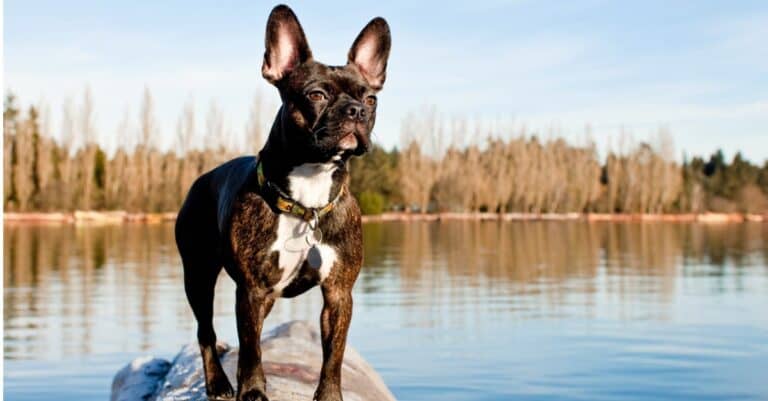
Frenchton ( French Bulldog  and Boston Terrier Mix)
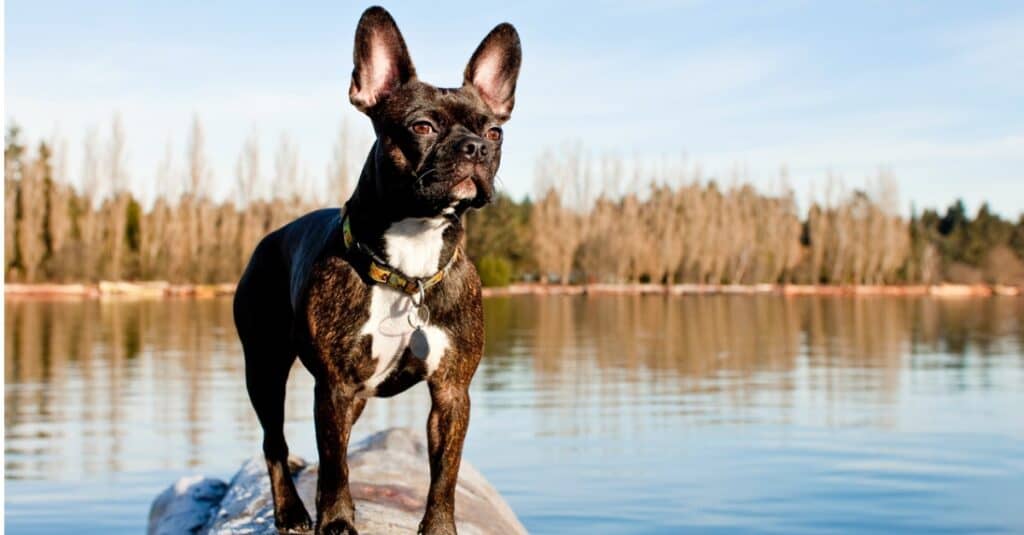
Frenchton standing on rock in water

Frenchtons are very loyal, energetic dogs.

The Frenchton is a French bulldog mixed with a Boston terrier. These extroverted pups are total charmers, and they will have you eating out of their paws. They are the perfect choice for families who want to travel with their canine companions. Additionally, this mix is sweet-natured and gets along with children of any age.

Their small size makes them suitable for apartment living. However, they will need a lot of outdoor time and attention to keep them stimulated. In addition, Frenchtons tend to develop separation anxiety if left alone for long intervals, so they are best suited for owners who work from home or can spend a lot of time with them.

Frenchie Labrador (French Bulldog and Labrador Mix)

Crossbreeding a French bulldog and a Labrador retriever creates a hybrid with a unique temperament. This is due to its parent breeds, which are so different. For example, French Bulldogs are incredibly loyal and sometimes protective of their owners, while Labrador retrievers are friendlier and more social. Of course, it’s a gamble which traits they will inherit, but this French bulldog mix is generally cheerful and loving.

cute french bulldog dog wearing red collar next to a labrador retriever dog panting happy on yellow background

Frenchie Labrador is the offspring of a French bulldog and a Labrador retriever.

Froodle (French Bulldog and Poodle Mix)

Froodles make incredible family pets thanks to their happy-go-lucky temperament, intelligence, and positive attitude. If socialized from a young age, these hybrids integrate well with other pets like dogs, cats, birds, or rabbits. Additionally, they are patient and even-tempered, making them great for families with young children. Furthermore, Froodles are the perfect breed for seniors and singles, as they need a lot of love and attention. 

Frengle (French Bulldog and Beagle Mix)

Frengle isolated

Frengles are loyal watchdogs with a stubborn streak.

Frengles are adorable little dogs and make great pets for families. They are loyal to a fault, and their watchdog skills are top-notch. However, training Frengles is not easy because of their stubborn streak, but with patience and repetition, it’s not impossible.

Pros and Cons of Owning a Frenchie Mix

ProsCons
Long lifespan of 10 to 15 yearsFrench bulldog mixes may suffer from health issues due to their brachycephalic face.
Good with childrenMay suffer from separation anxiety
Easy to groomProne to obesity

The Best Dog Food for a Frenchie Mix

Frugs need at least 1 to 1.5 cups of food daily, depending on how much energy they have. Additionally, if your French bulldog mix suffers from sensitive skin, a grain-free diet specifically formulated for pugs or small dogs is the best choice.

Frugs are natural-born scavengers, so hide all the food and treats in places they can’t reach. Unfortunately, these hybrids tend to put on weight pretty quickly; therefore, they are prone to obesity, which can lead to various medical conditions.

Size and Weight

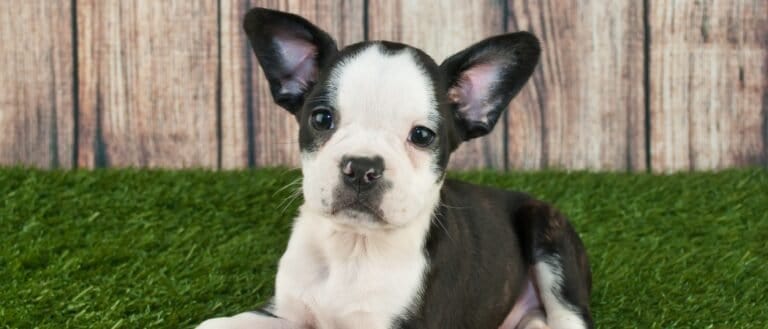
The Frug will generally inherit a perfect mix from both parent breeds. So, for example, they typically have the Frenchie’s bat ears and the pug’s wrinkly face. Additionally, they have wide smiles, round eyes, and short, curly tails. Frugs are a small breed, only weighing between 14 and 28 pounds and growing 10 to 13 inches tall.

frug on a rug

Frugs are prone to separation anxiety.

Common Health Issues

Although hybrid breeds are generally healthier than their purebred parents, they can still inherit some of their parents’ health conditions. However, reputable breeders will screen their breeding pairs to ensure they have no hereditary diseases. But there are a lot of amateur breeders who only care about money and do not care about the well-being of their pups. Therefore, common health issues can include:

  • Allergies: Frugs can suffer from seasonal or food allergies; signs can include licking, scratching, and chewing.
  • Atopic Dermatitis: Untreated allergies can result in this chronic skin disease. If your Frug shows signs like licking, rubbing, scratching, or itching around its face, underarms, and paws, it’s best to see your local veterinarian.
  • Entropion: occurs when the eyelashes make direct contact with the cornea, caused by trauma or an anatomic defect.
  • Patellar luxation: when the dog’s kneecap dislocates from its normal position. Symptoms include abnormal and prolonged movement of one of the hind limbs, skipping, or limping.
  • Brachycephalic syndrome: characterized by everted laryngeal saccules, stenotic nares, and elongated soft palates.
  • Respiratory problems: caused by their brachycephalic syndrome.
  • Glaucoma: due to high-pressure building in the eye, which could impair the optic nerve, resulting in total blindness.
  • Cataracts: cause the lens of the eyes to become opaque and dense. Dogs with diabetes are more susceptible to this condition. The most common causes are injury and infection.
  • Hip dysplasia: caused by the hip joints not developing properly and dislocating.

Owners need to be extremely disciplined with this breed’s health. They must ensure they do not overfeed them and limit their exercise, as they can easily overheat and become short of breath. Additionally, these hybrids can’t swim, so owners need to have pool covers so that no tragic accidents occur. Furthermore, they are sensitive to the sun’s hot rays, so limit the amount of time they spend outdoors and apply lots of sunscreen.

Life Expectancy

Frugs have a relatively long lifespan if they are cared for properly. These adorable French bulldog mixes can live between 10 and 15 years.

Temperament

The Frug loves being the center of attention, but its friendly and goofy personality is guaranteed to keep your family in stitches. However, while they are entertaining, they need constant companionship and may suffer from separation anxiety if left alone for long periods. This condition can cause Frugs to act out in destructive ways. Therefore, if your home is empty most of the day, this hybrid breed is not for you.

Frugs are incredibly loyal and are generally very protective of their owners. However, they are not shy to use their voice and do tend to bark a lot, making them excellent watchdogs but not the best choice if you have grumpy neighbors.

Their energy levels will vary depending on which parent they take after. However, they are usually more energetic than the French bulldog but less boisterous than a pug, which means they need a good run in the backyard but are happy to laze on the furniture afterward.

Due to their brachycephalic faces, the Frug will snore and snuffle; while some people find this cute, others might find it annoying. So, if you form part of the latter, this is not the hybrid for you.

How to Take Care of a Frug

While the Frug’s grooming needs are minimal, they do require some care. Ensuring your French bulldog mix is healthy and happy is essential to owning one of these adorable canines.

Grooming

Grooming the Frug is probably the easiest thing about owning one. They only need a good brush once or twice a week to minimize shedding and keep their coat healthy. Additionally, they only need to bathe every three months. However, they do have other grooming requirements, like cleaning between their facial wrinkles to avoid infection and ensuring their large ears are cleaned regularly. Furthermore, as with all breeds, their oral health is important. Therefore, their teeth need cleaning at least three times a week, and remember to use dog-friendly toothpaste. Lastly, their nails will need trimming every three months, or once they start touching the ground.

Training

Training the Frug is a challenging task as they are incredibly stubborn, so this French bulldog mix might not be the best choice for a novice dog owner. However, if successfully socialized and trained from a young age, these pups grow into well-mannered and friendly dogs that get along with children of all ages and other pets. But, if you are unsuccessful, it might be best to enroll your Frug into an obedience class and let a professional do their thing. Additionally, it is best to crate-train this hybrid as they do have anxious natures.

Exercise

The Frug is the perfect hybrid for apartment living or bigger family settings due to its size and exercise requirements. The only thing they don’t do well with is being left alone for long periods. However, if they have plenty of brain games to keep them stimulated throughout the day, they might not notice you are gone.

Frugs have a lot of energy and love playing, so they need around 20 to 40 minutes of physical stimulation daily. This means they will even make a good pet for seniors willing to take them on a 20-minute walk or two 10-minute walks a day. However, for those active dog owners, do not overexert your Frug as they are prone to breathing difficulties and could overheat if pushed or in scorching weather.

Puppies

Female Frugs generally have litters of two to four pups. The puppies are mischievous and energetic, and will need a patient owner to train them. However, their adorable factor outweighs their naughty behavior! Frug pups are one of the more expensive hybrids, especially if the mother is a French bulldog. Frenchies require artificial insemination because of their physiology, which is costly, and only experienced breeders take on this task.

Cost

Frug puppies generally cost between $2,000 and $4,000. Their high price is due to their popularity and all the work that goes into getting the female pregnant, as mentioned above.

Finding a breeder might be tricky, so your best bet is to approach breeders who focus on the pug or French bulldog.

French Bulldog Mix and Children

While the Frug is classified as a toy breed, they are amazing with children. This may be due to their heavier stature, as they can handle the roughhousing of kids without getting defensive. Therefore, this hybrid is an excellent option for families with young children looking for a canine companion.

View all 170 animals that start with F

Sources

  1. Love Your Dog / Accessed December 30, 2022
  2. Alpha Paw / Accessed December 30, 2022
  3. The Happy Puppy Site / Accessed December 30, 2022
Chanel Coetzee

About the Author

Chanel Coetzee

Chanel Coetzee is a writer at A-Z Animals, primarily focusing on big cats, dogs, and travel. Chanel has been writing and researching about animals for over 10 years. She has also worked closely with big cats like lions, cheetahs, leopards, and tigers at a rescue and rehabilitation center in South Africa since 2009. As a resident of Cape Town, South Africa, Chanel enjoys beach walks with her Stafford bull terrier and traveling off the beaten path.
Connect:

Thank you for reading! Have some feedback for us?


French Bulldog Mix FAQs (Frequently Asked Questions)

A French bulldog mix called the Frug is a cross between a French bulldog and a pug.