

P
Species Profile

Plott Hound Mix

Canis lupus familiaris

Big Nose. Big Heart. Bigger Adventure.
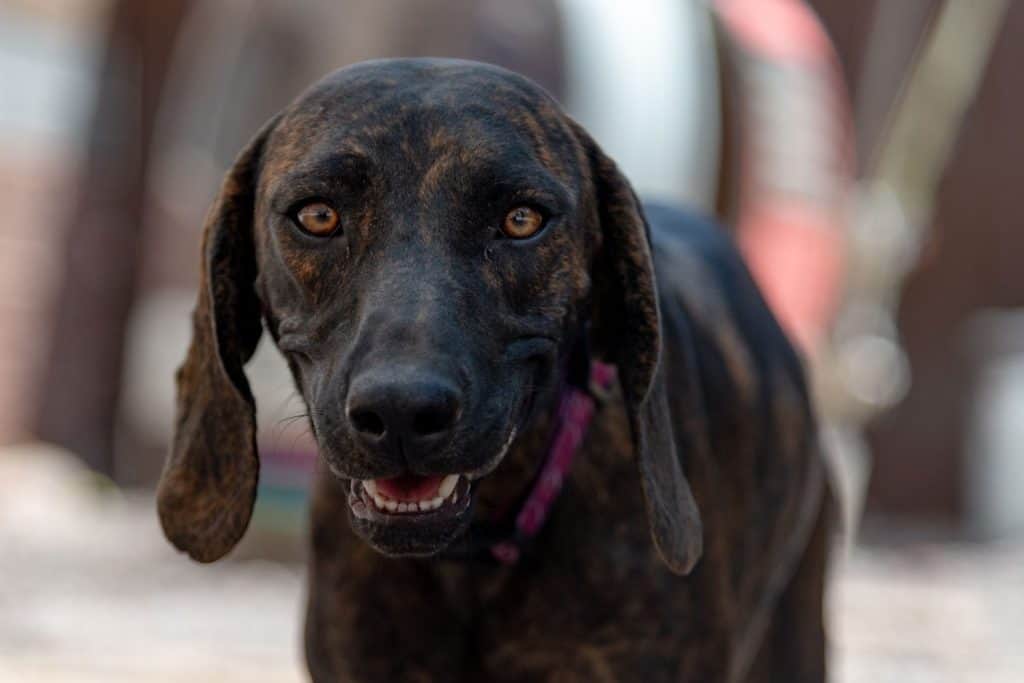
Will Hughes/Shutterstock.com

Plott Hound Mix Distribution

Domesticated Species

Found Worldwide

Types of Plott Hound Mix

Size Comparison

Human 5'8"
Plott Hound Mix 1 ft 10 in

Plott Hound Mix stands at 32% of average human height.

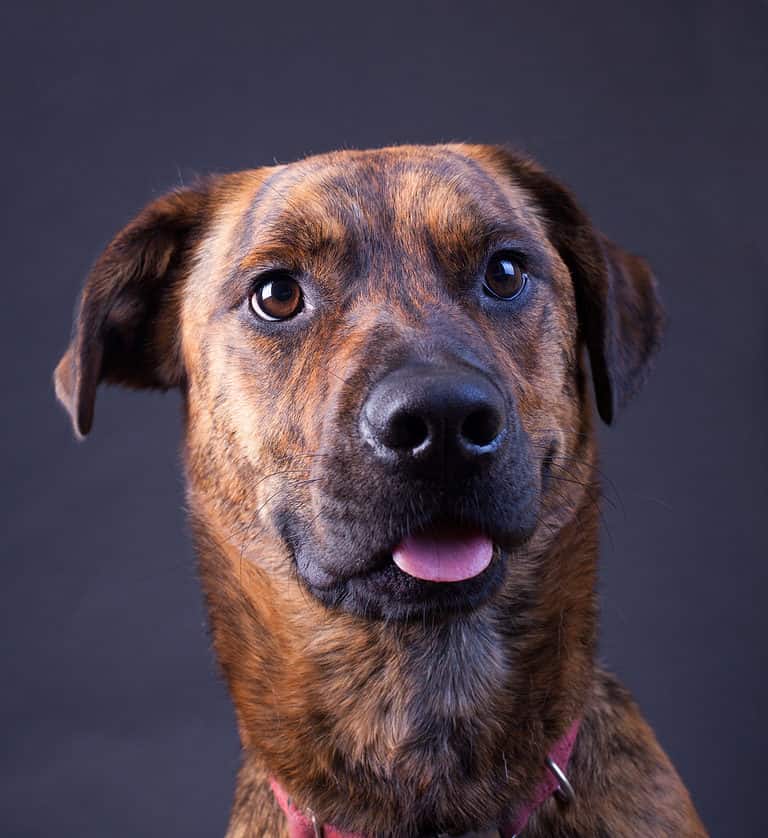
Plott hound Lab mix isolated

At a Glance

Domesticated
Also Known As mutt, mongrel, mixed-breed dog, mixed dog, crossbreed
Diet Omnivore
Activity Diurnal+
Lifespan 13 years
Weight 34 lbs
Status Not Evaluated
Did You Know?

Plott Hounds are North Carolina's state dog; a Plott mix may inherit that classic "mountain scenthound" grit.

Scientific Classification

A domestic dog (mixed-breed) with Plott Hound heritage. Plotts are scenthounds; mixes may share hound traits such as strong scenting ability, high energy, and vocalization, with appearance and temperament varying by the other breed(s) involved.

Kingdom
Animalia
Phylum
Chordata
Class
Mammalia
Order
Carnivora
Family
Canidae
Genus
Canis
Species
Canis lupus

Distinguishing Features

  • Medium-to-large hound build; athletic frame
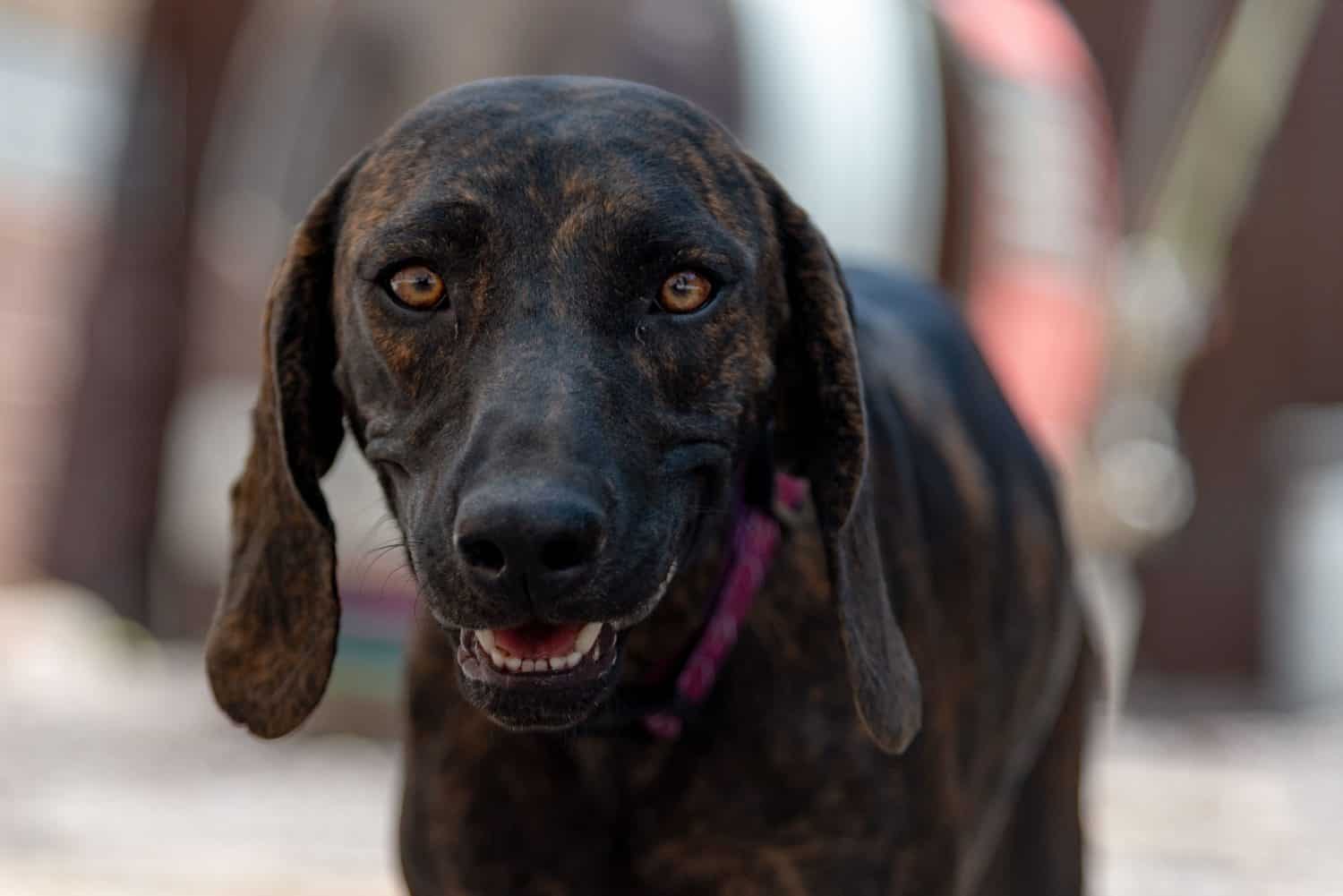
  • Often brindle patterning is present in Plott lineage (but mixes can vary widely)
  • Strong scent-driven behavior; may track and follow trails
  • Hound vocalizations (baying) may occur, depending on mix

Physical Measurements

Males and females differ in size

Height
1 ft 11 in (1 ft 8 in – 2 ft 2 in)
1 ft 10 in (1 ft 7 in – 2 ft 2 in)
Length
3 ft 9 in (3 ft 3 in – 4 ft 5 in)
Weight
60 lbs (49 lbs – 71 lbs)
51 lbs (37 lbs – 66 lbs)
Tail Length
1 ft 3 in (1 ft 1 in – 1 ft 6 in)
1 ft 3 in (12 in – 1 ft 6 in)
Top Speed
30 mph
running

Appearance

Primary Colors
Secondary Colors
Skin Type Domestic dog skin with short-to-medium, dense hound coat; moderately weather-resistant, sheds seasonally; skin can be allergy-prone in some mixes.
Distinctive Features
  • Mixed-breed domestic dog (Canis lupus familiaris), shaped by human selection rather than wild canid ecology.
  • Plott Hound influence: athletic, rangy build; deep chest and strong shoulders for endurance.
  • Head often hound-like with moderately long muzzle and expressive, drooping ears (length varies by mix).
  • Eyes typically brown/amber; alert, tracking-focused expression when scenting.
  • Tail usually long and carried level or slightly up when active; may have a slight curve.
  • Coat commonly short and sleek; may be thicker/longer if crossed with double-coated breeds.
  • Behavioral tendency: strong scent drive, persistent tracking, and potential for loud baying/howling.
  • Care: requires substantial daily exercise, scent work, and secure fencing; reliable recall may be difficult off-leash.
  • Care: consistent, reward-based training and enrichment reduces nuisance vocalization and boredom behaviors.
  • Health watch: hip/elbow dysplasia risk (size-dependent), ear infections from floppy ears, and skin allergies/dermatitis.
  • Health watch: bloat/GDV risk in deep-chested individuals; feed management and symptom awareness recommended.
  • Health watch: obesity if under-exercised; maintain lean body condition to protect joints.

Sexual Dimorphism

Males are typically taller, heavier, and more muscular, while females are slightly smaller and more refined. Because this is a Plott Hound mix, the degree of dimorphism varies widely with the other parent breed(s).

  • Often larger overall frame with broader head and thicker neck.
  • More pronounced chest and shoulder musculature, especially in athletic individuals.
  • May show heavier bone and slightly deeper voice/baying tendency.
  • Usually lighter build with narrower head and neck.
  • Slightly less overall mass while retaining athletic proportions.
  • Heat cycles and potential coat/skin changes related to reproductive status.

Did You Know?

Plott Hounds are North Carolina's state dog; a Plott mix may inherit that classic "mountain scenthound" grit.

Many Plott mixes have a strong "track-first, think-later" nose-scent can override distractions and even training.

The Plott lineage traces to German hunting dogs brought to North Carolina in the 1700s by the Plott family.

Plott-type hounds were historically used on tough game like wild boar and bear, selected for stamina and determination.

A Plott mix may have a brindle coat (a common Plott hallmark), but mixed ancestry can produce many colors and coat types.

Scent-hound vocalizations can include baying or "singing," especially when excited or on an interesting trail.

Unique Adaptations

  • Enhanced olfactory focus typical of scenthounds-brain and behavior strongly oriented toward odor investigation and trail following.
  • Endurance-oriented build and gait common in hound types, supporting long-distance hiking or tracking-style activities.
  • Weather-tolerant short-to-medium coat in many Plott mixes; coat density and shedding vary widely with the other parent breed(s).
  • Vocal communication (baying) that can carry over distance-historically useful for hunters locating dogs in dense terrain.
  • High motivation for movement and exploration-often thrives with structured outlets like tracking, nose work, or long walks.

Interesting Behaviors

  • Scent-locking: once a smell is found, the dog may follow it persistently, sometimes ignoring cues unless well-trained.
  • Baying/voicing: more likely to "announce" excitement, tracking, or visitors than many non-hound breeds.
  • Trail mapping: zig-zagging or circling to re-find a lost scent line (a classic scenthound tracking style).
  • Environmental scanning on walks: nose-to-ground plus frequent air-scenting (head up) to sample changing odors.
  • High engagement with scent games: puzzle feeders, hide-and-seek, and "find it" tasks can be more rewarding than fetch for many individuals.
  • Selective recall under high scent load: reliable off-leash response often requires extra training and controlled practice.

Cultural Significance

As a Plott Hound mix (Canis lupus familiaris), this dog was bred by people for work, partnership, and company. Tied to Appalachian hunting and North Carolina identity, Plott mixes are tough trackers and popular in shelters, active homes, and with scent-sport fans.

Myths & Legends

Tradition says Johannes (John) Plott, a German immigrant, brought tough hunting dogs to North Carolina in the 1700s. His family bred them into the Plott Hound used for tracking big game.

Appalachian hunting lore: old tales from the Southern mountains describe "baying hounds" whose voices guided hunters through foggy hollows and over ridgelines-dogs heard long before they were seen, leading people to the chase.

North Carolina civic legend: when the Plott Hound was named the state dog, it became a symbol in local storytelling of mountain self-reliance-an emblem of a dog that 'won't quit' on a trail.

Ancient Egypt's Anubis: in Egyptian mythology, a jackal- or dog-headed guardian presides over mummification and the passage to the afterlife, reflecting long-standing cultural reverence for canids as protectors and guides.

Mesoamerican tradition of Xolotl and the spirit-dog: in Nahua/Aztec belief, a dog-like companion helps guide souls through the underworld-an enduring story of dogs as escorts between worlds.

Greek myth of Cerberus: the multi-headed hound guarding the underworld's gate echoes a recurring theme across cultures-dogs as steadfast sentinels at boundaries and thresholds.

Conservation Status

NE Not Evaluated

Has not yet been evaluated against the criteria.

Population Stable

Life Cycle

Birth 6 pups
Lifespan 13 years

Lifespan

In the Wild
12–14 years
In Captivity
10–15 years

Reproduction

Mating System Promiscuity
Social Structure Managed Domestic
Breeding Pattern Transient
Fertilization Managed Selective
Birth Type Internal_fertilization

Plott Hound mixes reproduce like other domestic dogs: mating is typically arranged or controlled by humans, with no lasting pair bond. When females enter estrus, males may compete and multiple matings can occur; reproduction uses internal fertilization.

Behavior & Ecology

Social Pack Group: 3
Activity Diurnal, Crepuscular, Cathemeral
Diet Omnivore Meat-forward, high-protein foods (e.g., beef, chicken, fish) with strong aroma-often especially motivating for scent-driven hounds.

Temperament

Breed context (HUBS): domestic dogs are highly social, human-oriented, and adaptable; mixes vary widely.
Distinguishing Plott Hound heritage: strong scent-drive, persistence, and independent problem-solving compared to many dogs.
Often high energy and stamina; thrives with daily aerobic exercise plus structured mental work.
May be more vocal (baying/roooing) than average dogs; can alert and express frustration loudly.
Typically affectionate with family; can be reserved with strangers without early, positive socialization.
Dog sociability often good, but rough play or chase behavior may escalate if under-exercised.
Prey drive and tracking focus can reduce off-leash reliability; recall may be inconsistent when scented.
Training: benefits from reward-based methods, short sessions, and scent games; harsh corrections can increase stubbornness.
HUBS variation: temperament and size/coat depend on other breed(s); monitor for herding/guarding tendencies in mixes.
Health concerns to watch: hip dysplasia, ear infections (pendulous ears), allergies/skin issues, obesity if under-exercised.
Risk management: bloat/GDV possible in deep-chested mixes; use slow feeders, avoid hard exercise after meals.
Care needs: long sniff-walks, tracking/nosework, secure fencing, leash/harness, and routine ear cleaning/checks.

Communication

Baying/long howl-like calls when excited or on scent
Deep barking for alerting or barrier frustration
Whines for attention, anticipation, or discomfort
Growls as warning during resource guarding or rough play escalation
Scent marking and intense ground/nose scanning to signal interest
Body posture: forward lean, stiff tail, hackles to communicate arousal
Face/ear/tail cues: pendulous ears and tail carriage reflect mood and focus
Physical contact: leaning, pawing, nudging for affiliation and attention
Play bows and chase invitations; may use mouthing during play
Avoidance signals (turning away, lip lick, yawning) when stressed or overwhelmed

Habitat

Biomes:
Temperate Forest Boreal Forest (Taiga) Tundra Alpine Temperate Grassland Mediterranean Savanna Desert Hot Desert Cold Wetland Freshwater Tropical Dry Forest Tropical Rainforest +7
Terrain:
Plains Hilly Mountainous Valley Riverine Coastal Island +1
Elevation: Up to 18044 ft 8 in

Ecological Role

Domestic omnivorous canid; human-associated hunter/scavenger and companion. Compared with the base species (wild wolf), the Plott Hound mix is more tightly human-managed (diet largely provided), but often retains strong hunting/track-and-bay instincts that can increase wildlife-chasing behavior if unsupervised.

tracking and hunting assistance (scent trailing; historically boar/bear work) pest control (deterring/dispatching small mammals opportunistically) scavenging of human food waste (can be beneficial in controlled settings but risky/undesirable when unmanaged) companion/working roles that indirectly affect human land use and wildlife management

Diet Details

Main Prey:
Rodents Rabbits and hares Squirrel Raccoons and opossums ground-nesting birds and eggs Wild boar
Other Foods:
Grasses Berries fallen fruit Vegetables Starches and grains

Human Interaction

Domestication Status

Domesticated

Plott Hound mix is a mixed-breed domestic dog (Canis lupus familiaris) with Plott Hound background. Domesticated from the gray wolf and shaped by people, these dogs often have strong scenting and tracking drive, baying/howling, high stamina, and prey drive. Temperament and look vary; they suit hunting, nosework, hiking, or shelter life.

Danger Level

Low
  • Bite/scratch risk typical of domestic dogs, especially if frightened, in pain, or poorly socialized
  • May jump or knock down small children/elderly individuals if high-energy and undertrained
  • Vocalization can create nuisance complaints rather than direct physical harm
  • High prey drive may lead to chasing behavior; risk of leash-pulling injuries to handlers
  • Zoonotic risks common to dogs if unvaccinated/untreated (e.g., rabies risk in unvaccinated animals, intestinal parasites), mitigated by routine veterinary care

As a Pet

Suitable as Pet

Legality: Plott Hound mix (Canis lupus familiaris) is usually legal to own. Usual rules apply: dog license, leash laws, rabies shots, and laws based on behavior. Rare housing or insurance limits for hound type or large mixes.

Care Level: Experienced

Purchase Cost: Up to $1,200
Lifetime Cost: $15,000 - $45,000

Economic Value

Uses:
Companion animal Hunting/trailing dog Scent work (nosework) and tracking Search-and-rescue/trailing potential Pet services economy (training, boarding, veterinary care)
Products:
  • companion/household companionship value
  • paid hunting/trailing assistance (where practiced)
  • scent-detection sport participation and training services
  • tracking and recovery services (e.g., trailing lost pets/livestock, where available)
  • demand for veterinary care, preventive medicine, grooming, training, boarding/daycare

Relationships

Types of Plott Hound Mix

1

Explore 1 recognized types of plott hound mix

The Plott hound is named after a German immigrant who moved to North Carolina in 1770. Johannes Plott immigrated with his family and five Hanover hounds and bought a property in the mountains. He used his hounds to help him hunt bears and wild boars. Plott’s son Henry eventually bred the family dogs to local stock, which produced the ultimate hunter, and he named it after his family: the “Plott hound.”

There are several Plott hound mixes today, but this article will focus on one of the most popular, the Plott hound Labrador retriever mix. But first, take a look at some other interesting Plott hound mixes.

Types of Plott Hound Mixes

Since the Plott hound is a rare breed, it’s challenging to find many hybrids. However, some breeders have experimented with this breed and created some very interesting mixes.

Plott Rottie

The Plott Rottie is a mix between the Plott hound and Rottweiler. This hybrid is a large-sized dog with impeccable guarding skills. While they are generally great with children, their size and energy levels are unsuitable for families with small children. These hybrids can accidentally knock over younger kids in excitement.

Plott Hound and Mastiff  Mix

The Plott hound and mastiff mix is a curious hybrid with a fiery personality. While they have an independent streak, they can be quite needy and don’t do well if left alone for long periods. If you want this Plott hound mix to get along with strangers and other pets, they will need socialization from a young age, as the Plott hound has a high prey drive, and the mastiff is notorious for its guarding abilities. They are also active dogs that need at least an hour of exercise daily.

Pros and Cons of Owning a Plott Hound Mix

ProsCons
Friendly and loyalTends to bay
Excellent sense of smellNot good guard dogs because of their friendly natures
Great exercise companions as they love the outdoors and are very energetic.Needs a lot of space because they are so active.

The Best Dog Food for a Plott Hound Mix

The best dog food for your Plott hound Lab mix will vary depending on size and age. For example, when they are puppies, they need foods high in protein, fats, and nutrients to help them grow. That’s why purchasing high-quality puppy food is crucial to their development. Furthermore, it is a large dog and will require food specially formulated for large or giant breeds. Sadly, big dogs are often plagued with joint issues, but luckily, they can benefit from food that supports joint health, with ingredients like:

  • Omega-3 fatty acids
  • Glucosamine found in some meat ingredients like poultry
  • Fish oil

As they start to age, they will require a fiber-rich diet to aid gastrointestinal health and low in calories to prevent weight gain. Therefore, high-quality senior dog food would be ideal.

Do not free-feed; instead, give them three smaller meals throughout the day. By dividing their meals, you ensure they consume the right amount of nutrients and proteins for their weight and size. It also prevents them from overeating.

If you are looking for ways to add some extra protein to your hybrid’s diet, meats like lamb, beef, pork, and chicken are ideal, but in moderation.

Plott Hound Mix Size and Weight

This hybrid is a medium to large-sized dog that weighs between 40 to 60 pounds and measures around 20 to 28 inches tall.
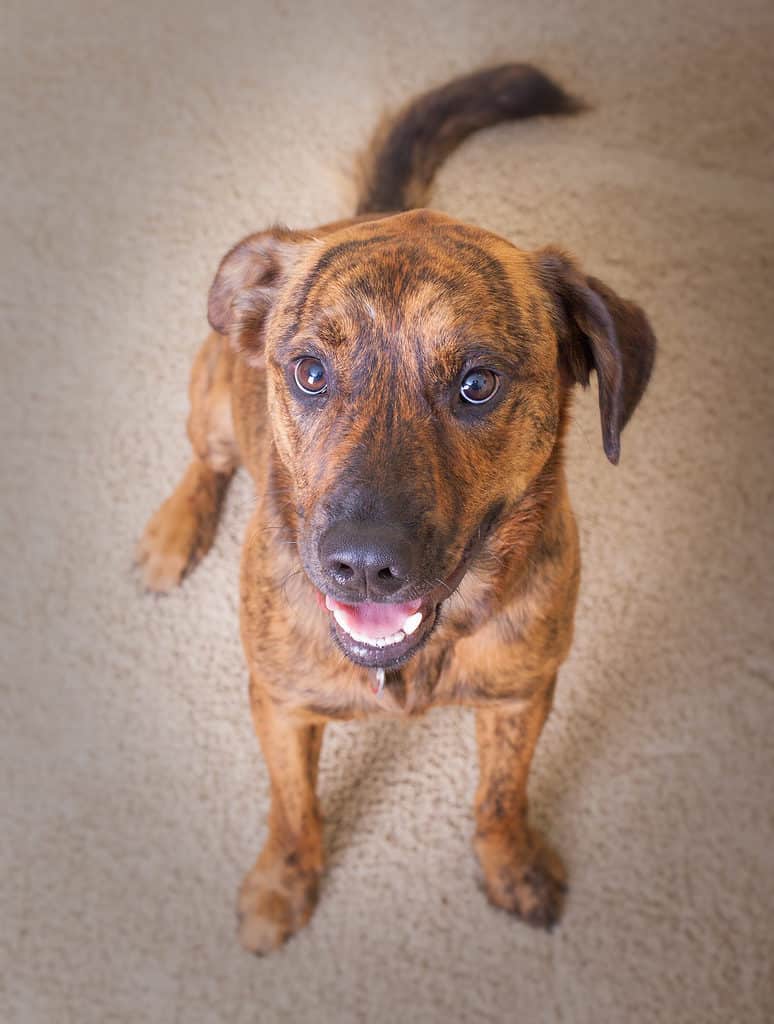
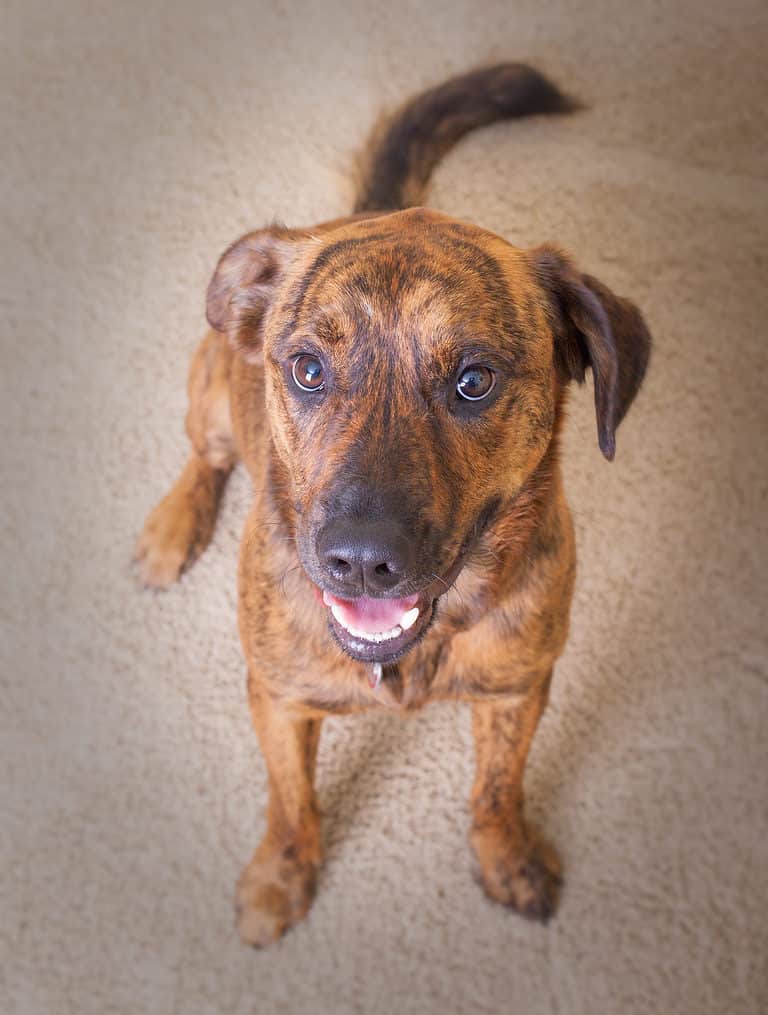
Plott hound Lab mix smiling

Plott hound Lab mixes are intelligent and easy to train.

Plott Hound Mix Common Health Issues

While Plott hound mixes are generally healthy, they can inherit certain health concerns from their parent breeds. Therefore, always be on the lookout for the following conditions:

Hip Dysplasia 

It’s not unusual for these hybrids to suffer from hip dysplasia. This condition occurs when the hip socket is underdeveloped, and the ball doesn’t fit properly. This issue can cause reduced mobility, discomfort, limping, and hopping.

Elbow Dysplasia 

Front-leg lameness is a significant sign of elbow dysplasia in large dog breeds like the Plott hound mix. Causes include:

  • Irregular skeletal development
  • Cartilage maturation
  • Joint stressors

Bloat Gastric Dilatation and Volvulus (GDV)

Bloat gastric dilatation and volvulus is a fatal condition that causes the dog’s stomach to bloat and rotate on its own axis, thus preventing the canine from passing gas and food.

Skin Issues

The Plott hound mix is prone to various allergic skin conditions due to its short coat. Things like mold, pollen, dust, atopic allergies, and dust mites cause inflammation and itching. However, if you buy from a reputable breeder, they will check their breeding pairs for any diseases or conditions.

Life Expectancy

If the Plott hound mix is cared for properly, they usually have a lifespan of 12 to 13 years. However, this can differ depending on their health and environment.

Temperament

While the Plott hound is the state dog of North Carolina, it is a very rare breed and not well-known in other states. This breed is friendly, courageous, intelligent, and easy to train. However, they tend to be wary of strangers and protective of their owners. However, when combined with a Labrador retriever, they become one of the nicest dogs you will ever meet. They often inherit their personalities from their Labrador parent, as they enjoy the company of humans. Additionally, these hybrids are eager to please and will follow their owners around like a shadow. Furthermore, these dogs make the perfect running or hiking companions, as they are energetic, adventurous, and have incredible stamina.

How to Take Care of a Plott Hound Mix

These hybrids are not easy to care for; they have a lot of needs, especially when it comes to physical and emotional requirements. Therefore, this breed would not be ideal for people who don’t have a lot of free time.

Grooming

The Plott hound Lab mix is a moderate shedder, but they do shed heavily twice a year during shedding season. However, if you brush them two to three times a week, you can keep the shedding to a minimum. Additionally, their oral health is very important, so they need their teeth brushed at least three times a week with a toothpaste specially formulated for dogs. Lastly, they need their ears cleaned regularly and their nails trimmed every three months or when they start to touch the ground.

Training

The trainability of the Plott hound Lab mix will depend on how skilled the trainer is and which parent they take after. While this hybrid is intelligent, it can inherit the Plott hound’s stubbornness and independence. These hunting dogs must be relentless when tracking their prey, so traits like stubbornness and independence are desired. However, it could take after the Labrador, friendly and hardworking. Therefore, when training them, consider these suggestions:

  • Consistency and patience — Plott hound mixes respond best to positive reinforcement, so practice often with consistent actions, rewards, and praise.
  • Start training from a young age — owners can start training their hybrids as soon as they arrive. At eight weeks old, their minds are already like sponges. If you leave it too late, for example, at around six months, they will already be headstrong and disobedient.
  • Socialization from a young age — if you want your Plott hound mix to get along with other pets or people when they are older, enroll them in a puppy class, or expose them to various guests and other animals at home regularly.

Exercise

As the Plott hound Lab mix has two energetic parents, it, too, has bundles of energy and requires significant amounts of exercise. Therefore, owners must ensure their hybrid gets at least an hour of exercise daily to remain healthy. It is also an excellent opportunity to bond with their companions. Additionally, these dogs love water and, on hot days, would prefer to cool off in the pool or frolic between the waves on the beach. But always keep a watchful eye when you are out with your Plott hound mix, as they will follow their noses and are known for roaming.

Puppies

These hybrids usually have between five to eight puppies per litter. Owners need to be prepared for these mischievous pups, as they are energetic, curious, and extremely naughty! As they are a rare breed, it will be tough to find a breeder. However, you can always approach a Labrador retriever or Plott hound rescue and inquire if they know where you can get one of these mixes.

Plott Hound Mix and Children

While the Plott hound Lab mix is friendly, loyal, and affectionate, they are unsuitable for young families because of their size and energy levels. As they are medium to large dogs, they can accidentally knock over little ones in excitement, and the child could get injured. In addition, these hybrids should be the only pet as they have a high prey drive, and no amount of socialization will keep them from chasing smaller animals.

Plott Hound Mix Cost

The price of a Plott hound Lab mix varies widely depending on the breeder, location, and pedigree. However, you can expect to pay between $300 and $2,000. If you are lucky enough to find one in a shelter, the going rate is around $300. But if you find a reputable breeder, the price is closer to $2000.

Dogs similar to the Plott Hound Mix

View all 246 animals that start with P

Sources

  1. American Kennel Club / Accessed January 27, 2023
  2. The Labrador Site / Accessed January 27, 2023
  3. Alpha Paw / Accessed January 27, 2023
Chanel Coetzee

About the Author

Chanel Coetzee

Chanel Coetzee is a writer at A-Z Animals, primarily focusing on big cats, dogs, and travel. Chanel has been writing and researching about animals for over 10 years. She has also worked closely with big cats like lions, cheetahs, leopards, and tigers at a rescue and rehabilitation center in South Africa since 2009. As a resident of Cape Town, South Africa, Chanel enjoys beach walks with her Stafford bull terrier and traveling off the beaten path.
Connect:

Thank you for reading! Have some feedback for us?


Plott Hound Mix FAQs (Frequently Asked Questions)

The Plott hound is a mix between a bloodhound and a mountain cur.