M
Species Profile

Muskrat

Ondatra zibethicus

Marsh builder with a knife-tail
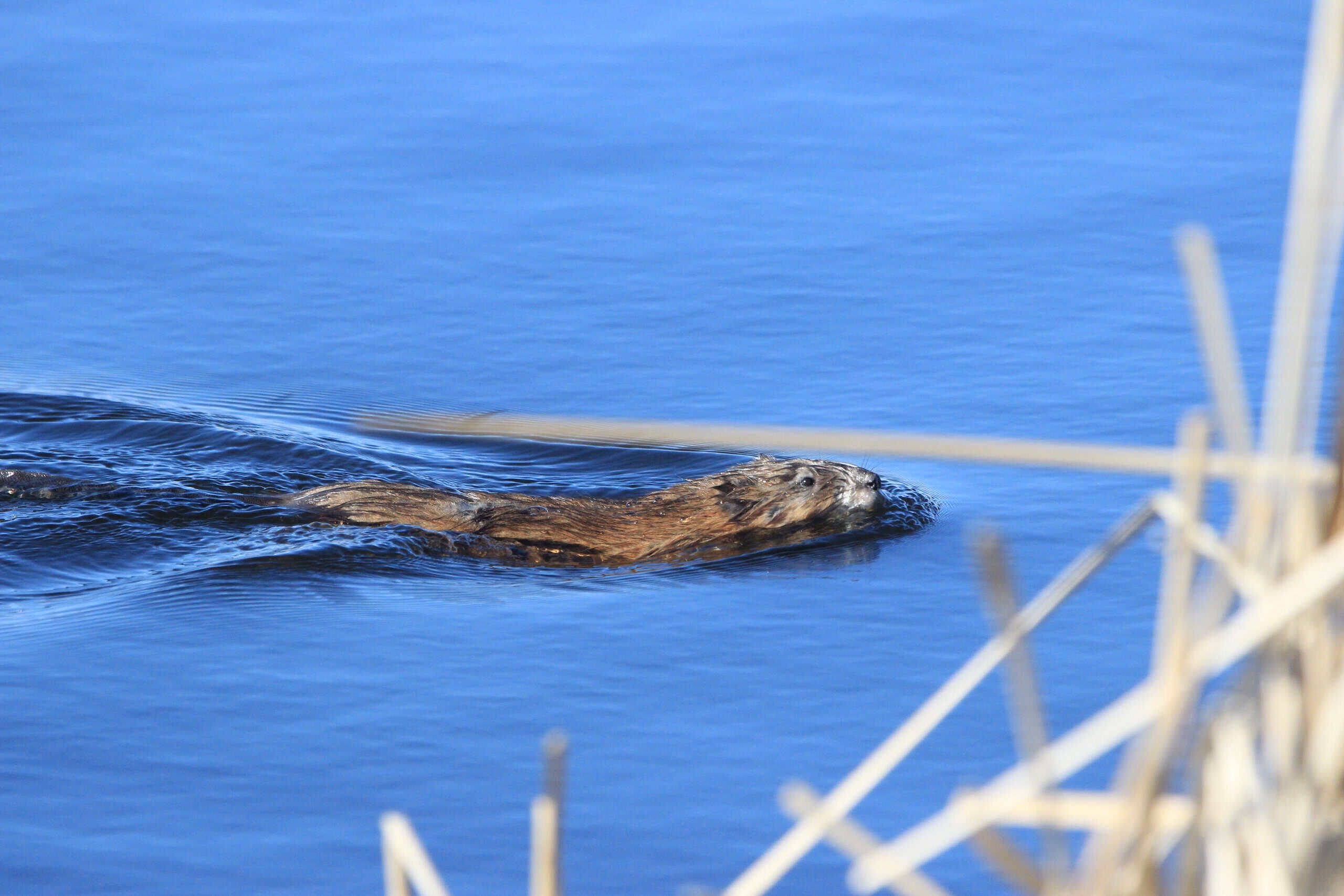
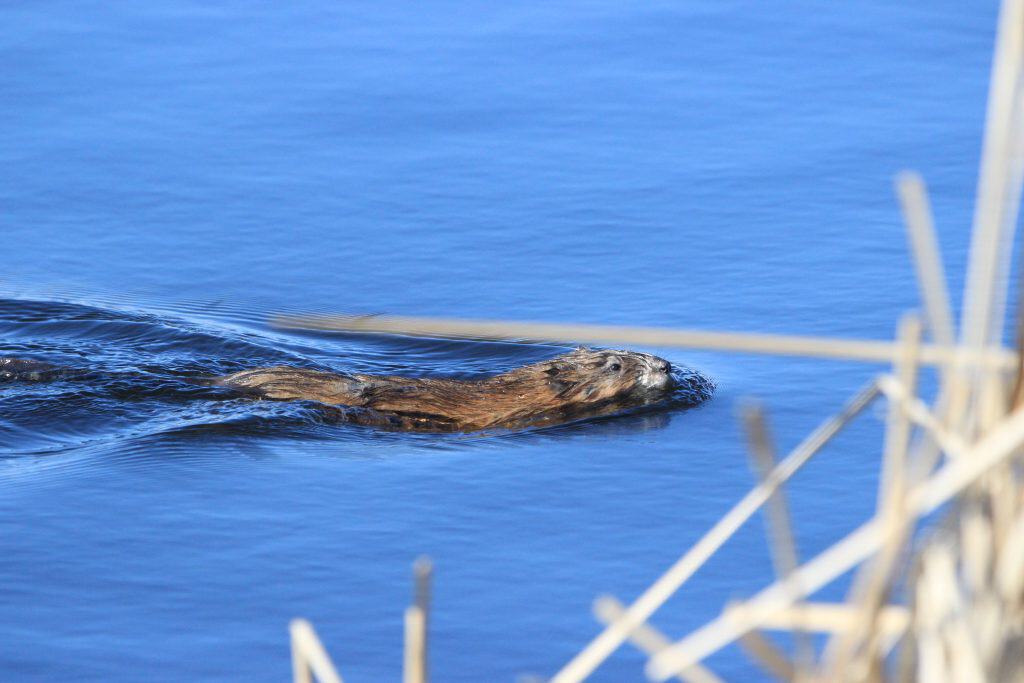
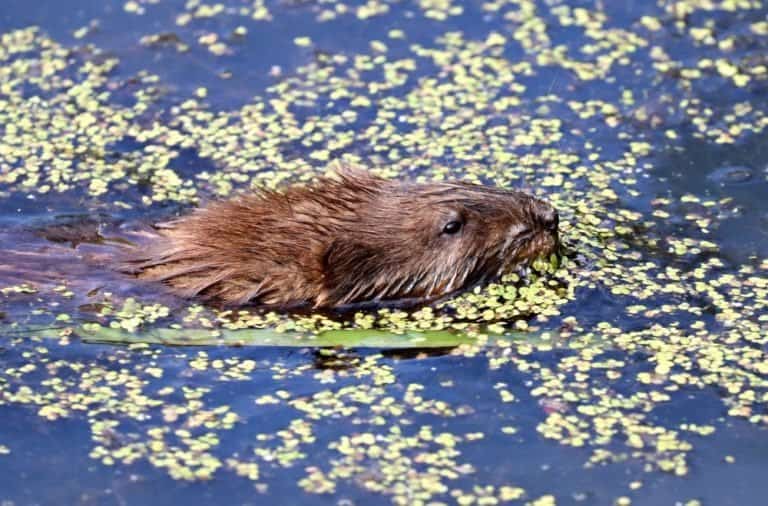
Muskrat swimming at Kulm WMD, Krista Lundgren/USFWS, Public Domain, https://www.fws.gov/media/muskrat-swimming-kulm-wmd

Muskrat Distribution

Click a location to explore more animals from that region

Invasive Species
Loading map...

Found in 63 locations

At a Glance

Wild Species
Also Known As Musquash, Musquash rat, Marsh rat, Water rat, Swamp rat
Diet Omnivore
Activity Nocturnal+
Lifespan 3 years
Weight 2 lbs
Status Least Concern
Did You Know?

Adult size: head-body 25-41 cm; tail 20-28 cm; mass commonly 0.6-2.0 kg (Nowak, 1999; Feldhamer et al., 2003).

Scientific Classification

A medium-sized semiaquatic rodent native to much of North America, well known for building lodges and burrows in wetlands and for its dense, water-resistant fur.

Kingdom
Animalia
Phylum
Chordata
Class
Mammalia
Order
Rodentia
Family
Cricetidae
Genus
Ondatra
Species
Ondatra zibethicus

Distinguishing Features

  • Laterally flattened, mostly hairless scaly tail (distinct from beavers’ broad paddle tail and nutria’s rounder tail)
  • Partly webbed hind feet for swimming
  • Dense waterproof underfur; rich brown overall coloration
  • Often associated with vegetation-built lodges and bank burrows in marshy areas

Physical Measurements

Males and females differ in size

Length
♂ 1 ft 8 in (1 ft 4 in – 2 ft)
♀ 1 ft 8 in (1 ft 4 in – 1 ft 11 in)
Weight
♂ 3 lbs (2 lbs – 4 lbs)
♀ 2 lbs (1 lbs – 3 lbs)
Tail Length
♂ 10 in (8 in – 12 in)
♀ 9 in (7 in – 10 in)
Top Speed
3 mph
swimming

Appearance

Primary Colors
Secondary Colors
Skin Type Dense, water-resistant fur: fine underfur plus longer guard hairs; sparsely furred, scaly tail; hind feet partially webbed with stiff fringe hairs.
Distinctive Features
  • Adult head-body length 20-32 cm; tail length 18-28 cm; mass typically 0.6-2.0 kg (e.g., ADW species account).
  • Laterally flattened (vertically compressed) tail-key ID trait vs beaver's broad paddle tail and nutria's round tail.
  • Small eyes and ears that do not protrude; streamlined head for swimming.
  • Hind feet larger than forefeet; partial webbing plus stiff lateral toe fringes improve propulsion in water.
  • Fur is dense and water-shedding, an adaptation for cold wetlands; often looks sleek when wet.
  • Wetland engineer: builds domed vegetation lodges and bank burrows; also makes feeding platforms in emergent marsh vegetation.
  • Diet mainly aquatic/emergent plants (e.g., cattails, bulrush, sedges, water lilies); opportunistically eats mussels, crayfish, snails, and small fish-important in wetland food webs.
  • Typical wild lifespan often <3 years; maximum reported about 3-4 years in the wild and up to ~10 years in captivity (commonly cited in mammal reference summaries such as ADW).

Sexual Dimorphism

Sexual dimorphism is slight. Males average a bit larger/heavier than females, but external coloration and pattern are essentially the same; sex is usually not distinguishable without close examination or measurements.

♂
  • Slightly greater average body mass and overall size on population averages.
♀
  • Slightly smaller average body mass and size; otherwise similar appearance and coloration.

Did You Know?

Adult size: head-body 25-41 cm; tail 20-28 cm; mass commonly 0.6-2.0 kg (Nowak, 1999; Feldhamer et al., 2003).

High-speed family life: gestation ~28-30 days; litters often 4-7 young (can be larger); multiple litters per year in much of its range (Feldhamer et al., 2003).

Can stay underwater for roughly 12-15 minutes by slowing its metabolism and using oxygen stores (reported in mammalogy/physiology references summarized by Nowak, 1999).

Builds "push-ups"-winter breathing/foraging openings through ice and piled vegetation-creating access points that other animals may use too (wetland ecology accounts; Feldhamer et al., 2003).

Key ID clue: the muskrat's tail is vertically flattened (knife-like). Beaver tails are broad and paddle-shaped; nutria tails are round and rat-like.

Not just plants: diet is mainly aquatic vegetation (e.g., cattails, bulrush), but muskrats also eat animal foods like mussels/crayfish when available (Feldhamer et al., 2003).

In the Great Lakes region, muskrat has been a traditional food and in some communities was historically treated as "fish" for Lenten meals due to its aquatic lifestyle (regional Great Lakes cultural history).

Unique Adaptations

  • Waterproof insulation: extremely dense underfur and guard hairs trap air, aiding warmth and buoyancy in cold water (Nowak, 1999).
  • Aquatic respiration tricks: can reduce heart rate and prioritize oxygen to vital organs during dives; elevated blood/ muscle oxygen storage is typical of diving mammals (physiology summarized in standard mammalogy texts).
  • Closable openings: can constrict nostrils; small ears reduce water drag and exposure.
  • Incisor-lip seal: lips can close behind the incisors, allowing gnawing/cutting vegetation underwater without flooding the mouth (common rodent adaptation noted in species accounts).
  • Tail-as-rudder: vertically flattened tail and partially webbed hind feet improve maneuverability in dense marsh vegetation-distinct from the beaver's propulsion style.
  • Flexible building strategy: switches between lodges and bank burrows depending on water depth, ice regime, and shoreline stability-an adaptation to highly variable wetlands.

Interesting Behaviors

  • Lodge engineering: builds above-water lodges from cattails, bulrush, sedges, and mud; entrances are typically underwater, reducing predator access (Feldhamer et al., 2003).
  • Bank burrowing: where shorelines are suitable, excavates burrows with underwater openings and nest chambers above the waterline-both lodges and burrows reshape wetland edges.
  • Feeding platforms: often piles cut vegetation on floating or anchored platforms used as "dining tables," leaving characteristic clipped-stem sign in marshes.
  • Scent communication: uses perineal scent glands ("musk") and latrine sites to mark territories, especially during breeding season (species accounts in mammalogy references).
  • Winter activity under ice: continues foraging beneath ice; maintains runways in vegetation and uses push-ups/openings for air and access.
  • Predator-prey role: a staple prey for mink, otters, coyotes, foxes, raptors, and large snakes; muskrat cycles can influence predator reproduction and wetland food webs.
  • Vegetation shaping: intense grazing on emergent plants can open water channels and create mixed habitat-beneficial for some waterfowl and fish, but potentially damaging when overabundant.

Cultural Significance

Muskrat (Ondatra zibethicus) has long been important across North America. Its waterproof pelt was a key fur-trade item and trapping occurs. Its lodges and runways help emergent marshes and create homes for invertebrates, amphibians, and nesting birds. In the Great Lakes, muskrat is part of local food and Lenten traditions.

Myths & Legends

Earth Diver stories in northeastern North America say after a flood animals dove for mud to make land. Muskrat dove deepest and brought up a bit of earth, dying, which became land in Ojibwe traditions.

In Iroquois creation stories, animals dive into deep water to bring up soil. When larger divers fail, the Muskrat (Ondatra zibethicus) succeeds, allowing the earth to be made on Turtle's back.

Cree and other Algonquian-language narratives: Muskrat's persistence and sacrifice in diving for earth becomes a moral lesson about courage and the power of small beings to change the world.

Fur-trade era naming and association: "musquash" entered English from Algonquian terms via French trade networks; the animal became emblematic of marshland wealth and winter livelihoods in stories and oral histories of trappers and river communities.

Conservation Status

LC Least Concern

Widespread and abundant in the wild.

Population Stable

Protected Under

  • Managed as a regulated furbearer under U.S. state wildlife laws and trapping regulations (season/permit/bag limits vary by state)
  • Managed under Canadian provincial/territorial wildlife and fur management regulations (season/licensing requirements vary by jurisdiction)

Life Cycle

Birth 6 kits
Lifespan 3 years

Lifespan

In the Wild
1–3 years
In Captivity
1–10 years

Reproduction

Mating System Polygyny
Social Structure Solitary
Breeding Pattern Seasonal
Fertilization Internal Fertilization
Birth Type Internal_fertilization

Breeding is mainly polygynous: territorial males overlap several females and mate opportunistically; females may accept more than one male. Pairing is seasonal; gestation ~28-30 days, typically 2-3 litters/year (Errington 1963; ADW).

Behavior & Ecology

Social Lodge group Group: 4
Activity Nocturnal, Crepuscular, Cathemeral
Diet Omnivore Cattail (Typha spp.) rhizomes and basal shoots

Temperament

Strongly territorial in prime habitat; aggressive chases and fights increase in breeding season (Errington 1963).
Seasonally tolerant: winter lodge/burrow sharing increases where ice limits access and predation risk is high (Errington 1963).
Core pattern is solitary spacing with flexible winter aggregation; density-driven overlap varies by wetland quality (Errington 1963).
Dispersal is common in juveniles; spring movements reduce relatedness within lodges and increase conflict (Errington 1963).
Longevity: typically ~3 years in the wild; exceptional individuals may reach ~4 years (Errington 1963); captive records up to ~10 years (ADW, Univ. of Michigan).

Communication

Short squeaks/squeals, especially by juveniles when handled or threatened ADW
Low grunts/whines during close encounters at lodges/burrow entrances ADW
Olfactory scent marking using musky secretions from perineal glands on vegetation and travel routes Errington 1963; ADW
Scent mounds/push-ups used as persistent territorial signposts in marsh channels Errington 1963
Acoustic splash signals during rapid water entry can function as alarm/avoidance cue to nearby muskrats Errington 1963
Tactile contact Huddling, grooming) occurs mainly within winter lodge groups and maternal units (Errington 1963

Habitat

Biomes:
Freshwater Wetland Temperate Forest Temperate Grassland Boreal Forest (Taiga) Tundra Alpine +1
Terrain:
Riverine Coastal Plains Valley Hilly Plateau Muddy Sandy Island +3
Elevation: Up to 9842 ft 6 in

Ecological Role

Wetland herbivore/omnivore and ecosystem engineer (lodge/burrow builder) that strongly influences emergent plant structure and provides habitat complexity.

Regulates emergent macrophyte biomass and composition via grazing on cattails, bulrushes, sedges, and rhizomes Creates and maintains open-water patches and edge habitat through cutting and feeding, increasing habitat heterogeneity Ecosystem engineering: lodges, feeding platforms, and bank burrows provide refuge/nesting substrates for other wetland organisms and alter water flow/ice dynamics locally Nutrient cycling: concentrates and redistributes plant material and nutrients via feeding, caching, and feces in wetland margins Food-web support: important prey base for predators such as mink, river otter, coyotes/foxes, large raptors, and owls

Diet Details

Main Prey:
Freshwater mussels Aquatic snails Crayfish Aquatic insect larvae Small fish Frogs and tadpoles
Other Foods:
Cattail Bulrushes Sedges Arrowhead/duck potato Water lilies Pondweeds Duckweeds Algae Riparian grasses and emergent wetland plants +3

Human Interaction

Domestication Status

Wild

Muskrat (Ondatra zibethicus) is not domesticated. People harvest wild muskrats for fur and sometimes keep or farm them for pelts, but they have not been bred over many generations like true domestic animals. Human interactions include wetland management (ecosystem role and nuisance burrows), trapping for fur, health checks, research, and rescue and move.

Danger Level

Moderate
  • Bites and scratches when handled or cornered (notably during trapping, rescue, or nuisance control); can cause infection
  • Zoonotic disease risk from handling carcasses or exposure to contaminated water/mud associated with muskrat habitat (reported associations include tularemia caused by *Francisella tularensis* and leptospirosis caused by *Leptospira* spp.; consult local public health guidance for regional risk)
  • Rare rabies risk (generally uncommon in rodents, but spillover is possible; any abnormal behavior warrants caution)
  • Indirect hazards: burrowing can undermine banks/levees and contribute to collapses or flooding risk in managed waterways

As a Pet

Not Suitable as Pet

Legality: Muskrats are treated as wildlife in much of the U.S. and Canada. Owning one usually needs state or provincial permits (wildlife rehab, education/exhibitor, or fur‑farming), may be banned, and moving them across state or provincial lines adds extra rules.

Care Level: Expert Only

Purchase Cost: Up to $500
Lifetime Cost: $3,000 - $15,000

Economic Value

Uses:
Fur and trapping economy Wetland ecosystem services and biodiversity management Nuisance wildlife / infrastructure impacts Public health and water-quality monitoring Scientific research and education
Products:
  • Pelts/fur (historically significant in North American fur trade; still trapped in some regions)
  • Meat (locally/subsistence use in some areas)
  • Ecosystem engineering effects (creation/maintenance of openings in marsh vegetation; influences plant and invertebrate communities)
  • Management services and materials (control/mitigation for burrowing damage in levees, dams, pond banks, irrigation structures)

Relationships

Related Species 6

Round-tailed muskrat Neofiber alleni Shared Family
Meadow vole Microtus pennsylvanicus Shared Family
Prairie vole Microtus ochrogaster Shared Family
Southern red-backed vole Myodes gapperi Shared Family
Water vole
Water vole Arvicola amphibius Shared Family
Collared lemming Dicrostonyx groenlandicus Shared Family

Ecological Equivalents 5

Animals that fill a similar ecological role in their ecosystem

North American beaver Castor canadensis Semiaquatic herbivore and ecosystem engineer that swims and constructs plant lodges and bank burrows. Adult muskrats are approximately 0.6–2 kg, with a 20–35 cm body and an 18–28 cm tail. Beavers share marsh and pond habitat.
Coypu Myocastor coypus Semiaquatic, mostly herbivorous rodent that uses marshes and canals; feeds on emergent vegetation and can alter wetland plant communities. Overlaps with other species where nutria are introduced in North America.
Round-tailed muskrat Neofiber alleni Closest North American ecological analogue. Semiaquatic arvicoline rodent associated with marshes, feeding heavily on aquatic and emergent plants and using dense vegetation for cover. Differs in range (southeastern U.S.) and tends to use runways/tunnels in marsh vegetation rather than prominent lodges.
American mink
American mink Neogale vison Shares wetland and shoreline habitats and den/bank-burrow features, often using muskrat burrows. Frequent predator–prey interactions drive muskrat vigilance and the use of ice-edge runways and refuges in cold seasons.
Water vole
Water vole Arvicola amphibius Old World semiaquatic arvicoline with similar bank-burrowing and swimming behavior and a diet dominated by aquatic and emergent plants; occupies a muskrat-like niche in Eurasian waterways.

The muskrat is a feisty rodent that splits its time between water and land.

With its webbed feet and big rudder-like tail, the muskrat is a very well adapted and successful species that has a massive range across the freshwater wetlands and lakes of the Northern Hemisphere. Although it doesn’t engage in massive construction projects like the beaver, the muskrat does build sturdy homes around the water that can fit an entire family. These fast breeders sometimes come into conflict with each other over living space and resources.

5 Incredible Muskrat Facts!

  • The muskrat is an animal that has traditionally been a source of food and fur for humans dating back thousands of years. By the early 20th century, it was one of the most valuable sources of fur in North America.
  • Hundreds of muskrat fossils have been discovered dating back more than 4 million years. These fossils reveal that muskrat ancestors underwent an increase in body size, skull size, and tooth complexity over time.
  • The muskrat is actually considered to be an invasive species in several non-native territories. Some countries have even banned it from being imported.
  • As it ages, these rodents show visible signs of wear such as graying fur.
  • The muskrat has a prominent role in some Native American creation myths. It is said that they dug up the mud that was used to create the world.

For more facts, read “10 Incredible Muskrat Facts.”
Scientific Name

The scientific name of the muskrat is Ondatra zibethicus. Ondatra comes from the Huron and Wyandot word for muskrat and comes from the French language, while zibethicus means musky-odored due to its strong scent in Latin. The muskrat is the only currently living member of the genus Ondatra zibethicus. More broadly, it belongs to the family of Cricetidae in the larger order of Rodentia along with the voles, lemmings, hamsters, and New World rats and mice. In fact, some taxonomists believe that the muskrat is really just a type of vole. Most voles are land-based, but there are several species of water voles (one of which lives in North America) that are semi-aquatic in nature.

Evolution And Origin

The history of the muskrat can sometimes be confusing because they are at times mixed together with the vole and still shows them as very close relatives. It is known that the muskrat is endemic to North America and is a descendant of the Siberian vole who invaded the continent over 5 million years ago. While there is only one species of muskrat, there are 16 subspecies:

Ondatra zibethicus albus, Ondatra zibethicus aquihnis, Ondatra zibethicus bemardi, Ondatra zibethicus cinnamominus, Ondatra zibethicus macrodom, Ondatra zibethicus mergens, Ondatra zibethicus obscurus, Ondatra zibethicus occipitalis, Ondatra zibethicus osoyoosensis, Ondatra zibethicus pallidus, Ondatra zibethicus ripensis, Ondatra zibethicus rivalicus, Ondatra zibethicus roidmani, Ondatra zibethicus spatulatus, Ondatra zibethicus zalaphus and Ondatra zibethicus zibethicus.
Appearance

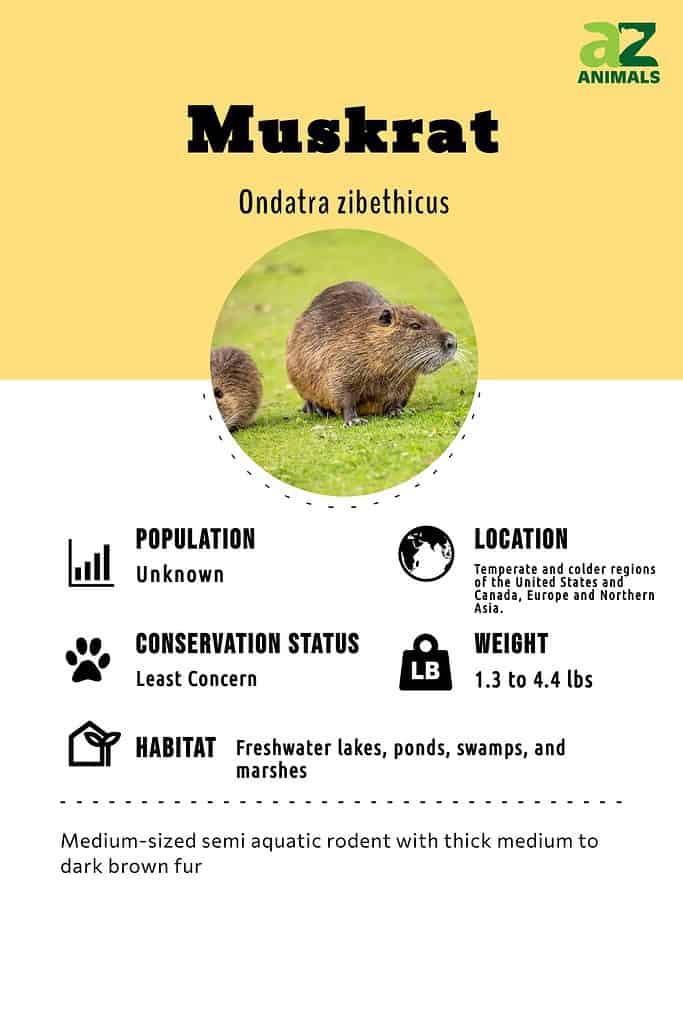
The animal’s body shape bears more than a passing resemblance to the beaver, but despite a shared habitat and lifestyle, the two animals are only distantly related within the order of Rodentia. The muskrat’s big body measures no more than 25 inches and around 1.5 to 4 pounds. The flat and scaly tail adds another 7 to 11 inches to the body size. Its body is complemented with long whiskers, big teeth emerging from the skull, short legs, and webbed hind feet. The dense waterproof fur, which is dark brown in color (though lighter in the summer), can trap air underneath, which provides the muskrat with plenty of warmth and buoyancy. The lips have the ability to close behind the front incisors so the muskrat can gnaw underwater without drowning. The small ears are barely visible through the fur.
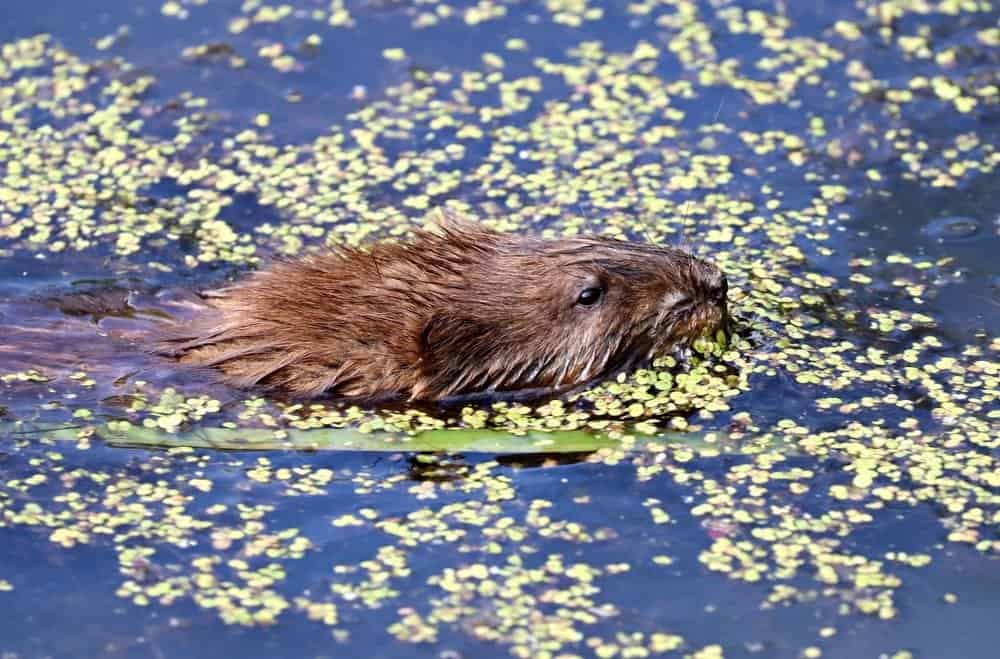
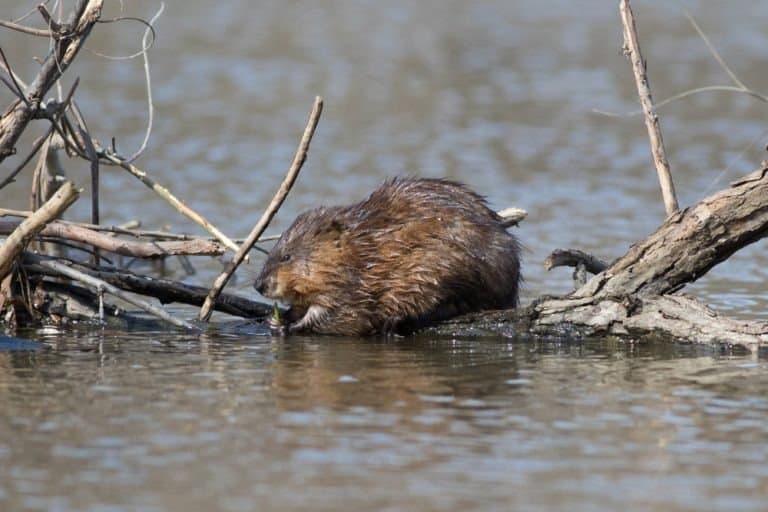
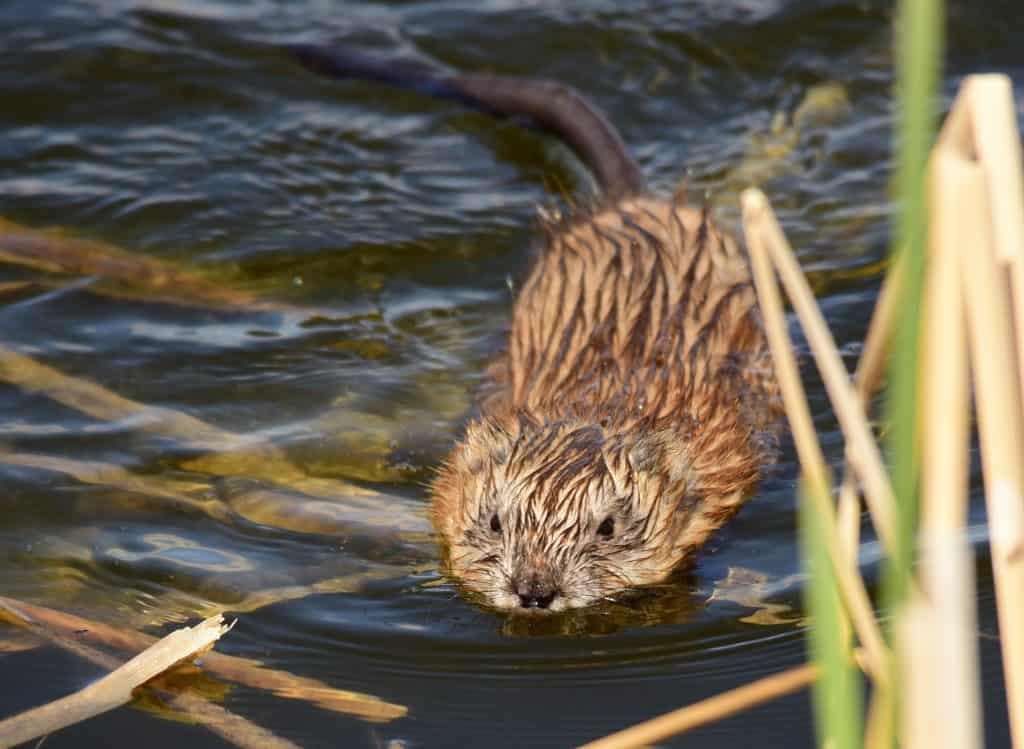
Muskrat swimming in pond

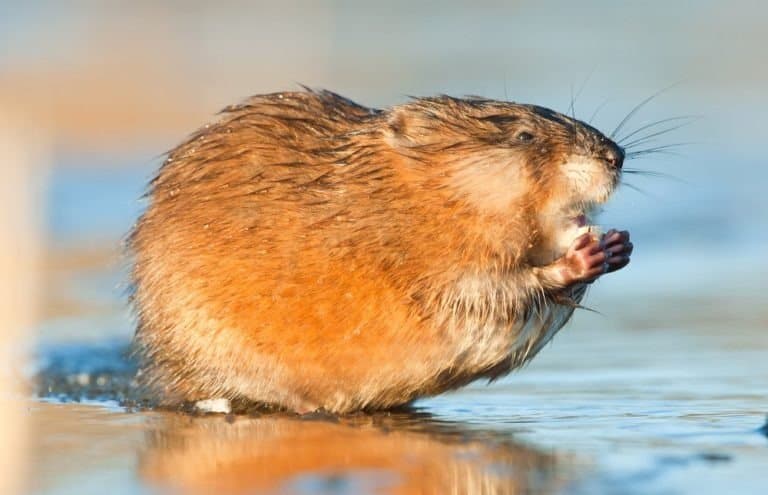
Muskrats resemble beavers but they are only distantly related.

Behavior

For most of the year, the muskrat is a solitary animal that may only share a den with others to conserve body heat. But during the breeding season, the muskrat’s social life is oriented around large family groups consisting of a male and female pair and all of their offspring. These groups squabble with each other for limited territory, which frequently leads to injury and death. If the territory becomes too crowded, then the female might actually kick out some of the offspring from the nest. These animals communicate with each other or warn off intruders by secreting a strong-smelling musk and by using a range of squeaks and squeals.

Although mostly nocturnal, muskrats are animals that are most active between the mid-afternoon and dusk periods. They are rather slow and cumbersome on land, but they are good swimmers that can stay underwater for 12 to 17 minutes at a time and even swim backward. These rodents paddle with their webbed hind feet and use their tail as a rudder.

The muskrat is also a good digger that can create tunnels from piles of vegetation and mud in or near shallow water. These homes, which are called push-ups, provide protection against predators and harsh elements. They usually have an underwater entrance and at least one chamber. They do not usually store food for the winter, but if resources start to dwindle, then they can consume the inside of their own burrow. Sometimes the muskrat will resort to abandoned beaver dens as well. Some reports indicate that a muskrat may even shack up with a beaver and help it identify nearby predators.

Habitat
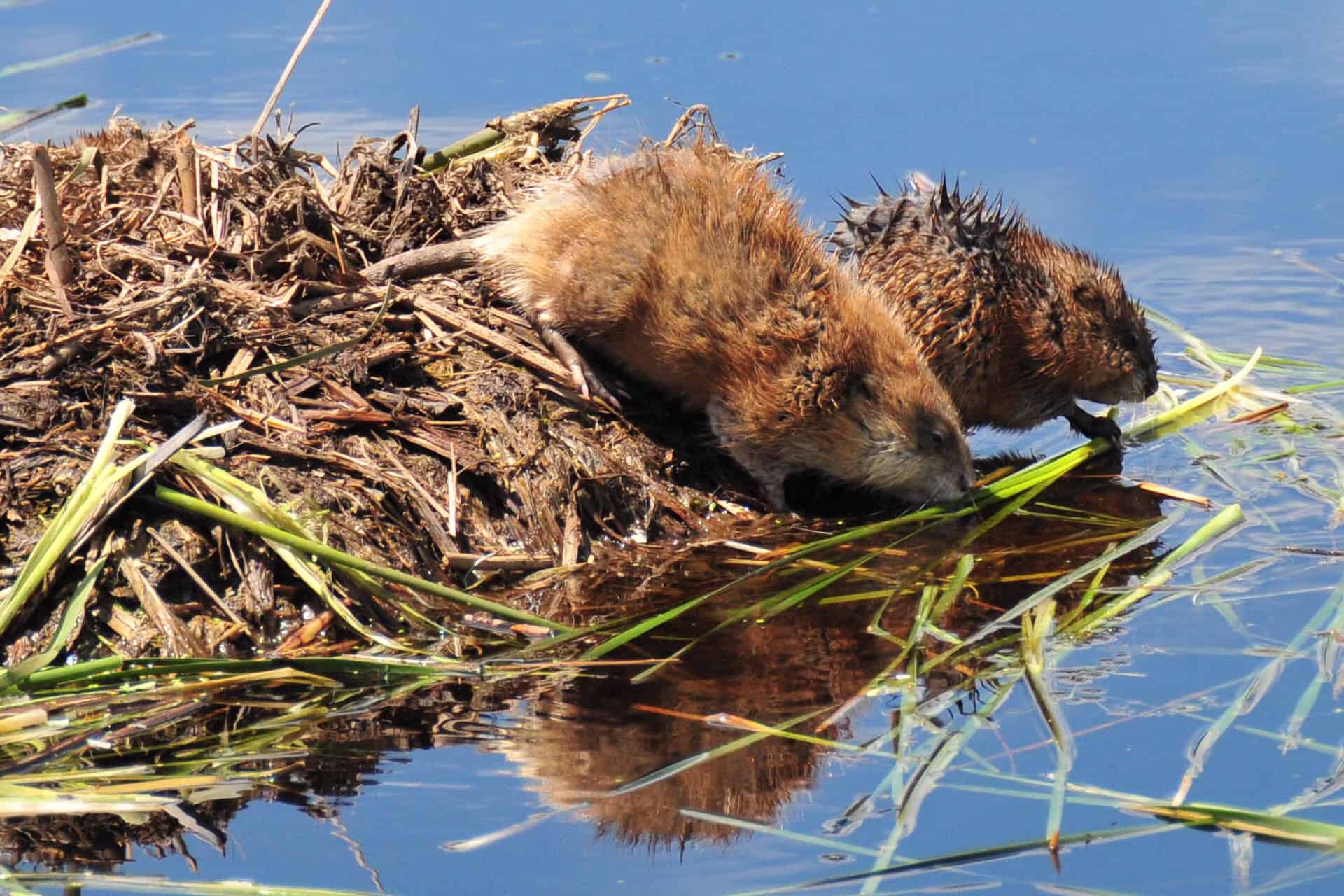
Muskrats are endemic to colder regions in the U.S. and Canada.

The muskrat is endemic to the temperate and colder regions of the United States and Canada. The species was later introduced to Europe and Northern Asia (mostly Russia) in the early 20th century and spread quickly from there. The muskrat thrives in freshwater lakes, ponds, swamps, and marshes with 4 to 6 feet of water where it has plenty of room to build its nest.

Diet
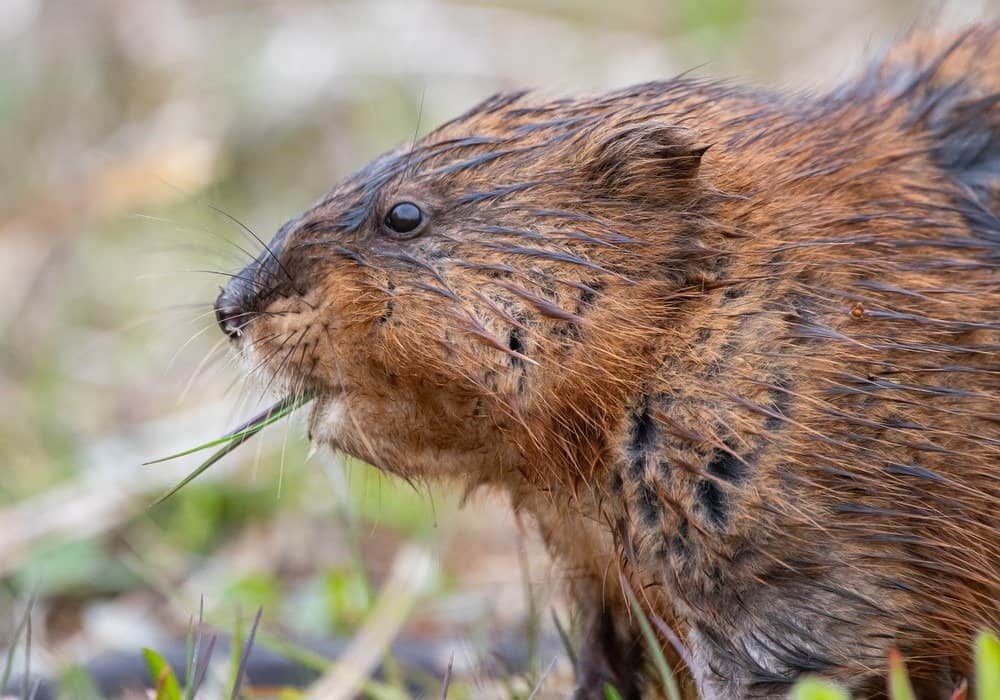
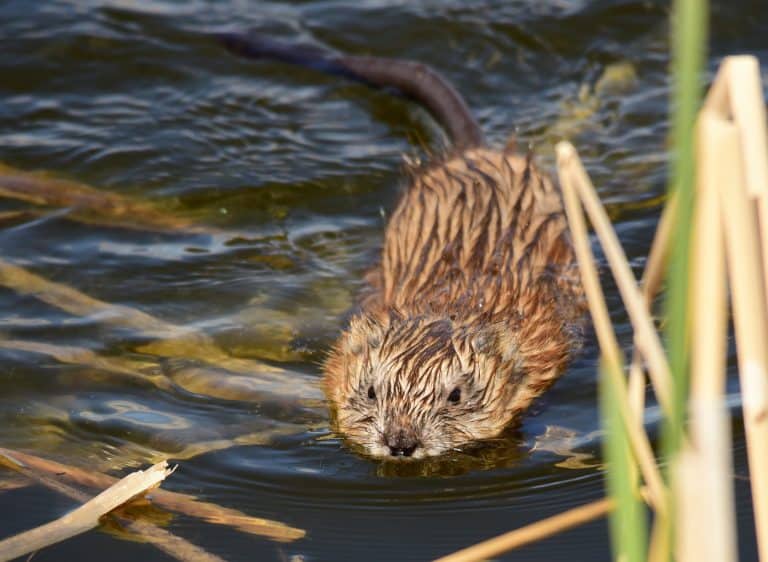
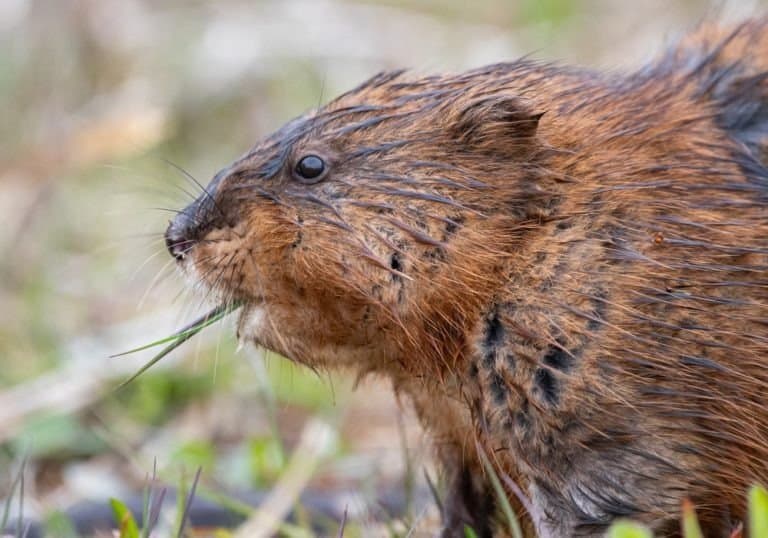
A muskrat eats grass by the side of a pond

As an omnivore, a muskrat eats either vegetation or meat.

Muskrats are actually omnivorous feeders that can opportunistically eat either vegetation or meat, but the vast bulk of their diet consists of plant matter, the most important of which is probably the cattail. The carnivorous part of the diet consists of small animals, including frogs, crayfish, turtles, mussels, and fish. The muskrat eats approximately one-third of its weight in food every single day.

To see a full breakdown of a muskrat’s diet, make sure to read our comprehensive guide: ‘What Do Muskrats Eat?’

Predators And Threats

The muskrat is an important source of food for a staggering number of predators such as coyotes, raccoons, barn owls, alligators, bobcats, cougars, foxes, bears, wolverines, eagles, cottonmouth water moccasins, minks, and river otters. In some areas, it is a critical intermediary in the ecosystem between the lowest parts of the food chain and the apex predators at the top.

Muskrat hunting was more common in the past. It still occurs today, but not necessarily for resources. In some parts of Europe, the muskrat is considered to be an invasive species and therefore hunted and poisoned because of the damage it causes to dikes and levees on which people rely to prevent flooding. The species can also cause damage to crops and gardens near its natural habitat.

Because of their prolific reproductive rate, populations tend to survive well in most areas even when the muskrat is hunted or infected by disease (though Pennsylvania populations appeared to be on a decades-long decline). And while large swaths of its native wetlands have been destroyed in the United States, the muskrat has adapted well to life near the newly created canals, irrigation channels, and small runoffs and streams. The decline of some natural predators has caused muskrat populations to swell beyond normal, sometimes even exceeding the ecosystem’s capacity to sustain them.

Reproduction And Life Cycle
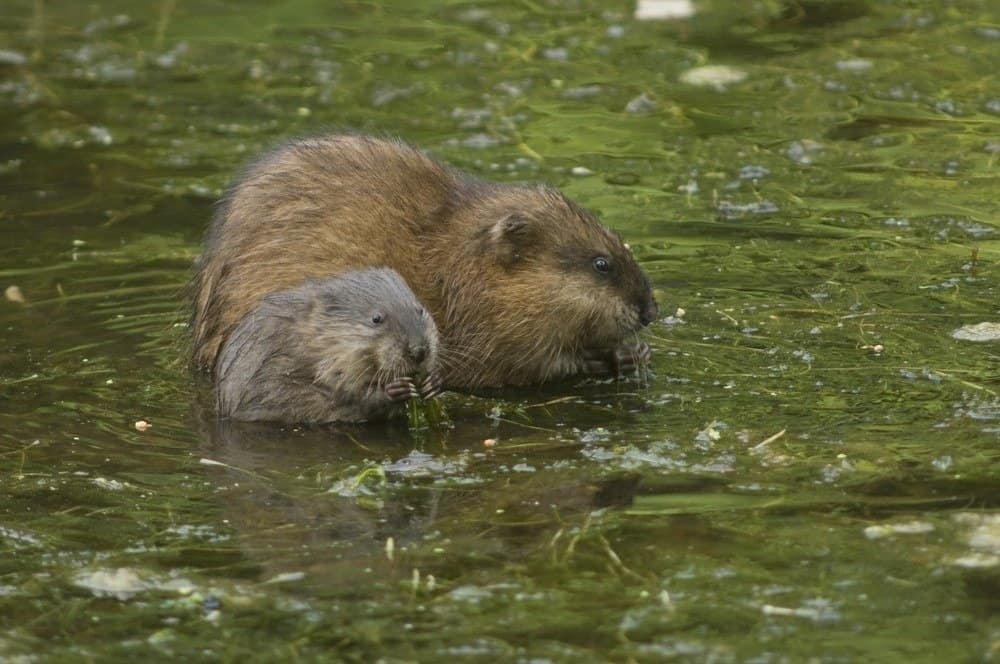
The muskrat has a breeding season that lasts in the spring and summer between March and August. As mentioned before, the muskrat is a monogamous species that form breeding pairs with a defined home range. However, if space is limited and populations overcrowded, then the muskrat may form dominance hierarchies and engage in polygamous behavior, meaning that a single adult will have multiple partners throughout the breeding season. Mating occurs while the muskrats are partially submerged in the water or straddling some debris on the surface of the water.

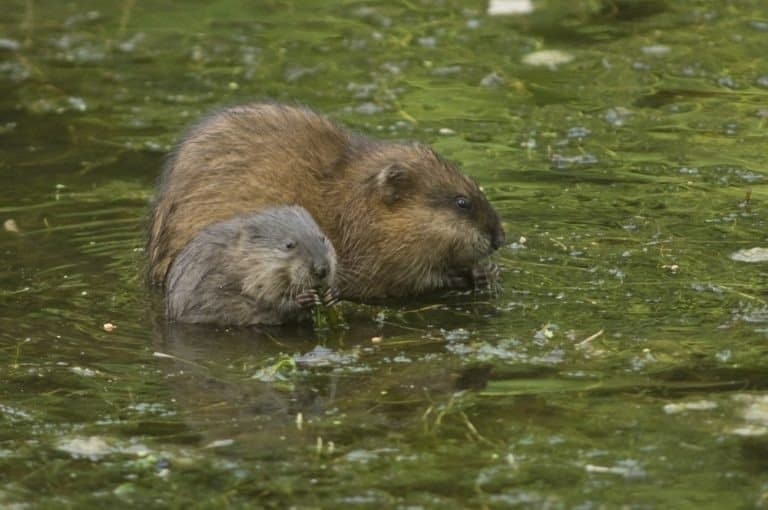
The female produces two or three litters per year each consisting of six to eight young on average. After a gestation period of some 28 days, each kit is born small, hairless, and entirely reliant on the group for protection and food. For the first month of their lives, the young kits are entirely dependent on the mother for protection and milk. The father plays almost no role in the process of raising the young. It takes anywhere between six months and a year for the kits to fully develop. The development time depends on the climate, as the northern muskrats are the slowest to grow.

The muskrat usually lives no more than three or four years in the wild but up to 10 years in captivity. Many of them are expected to die from predators at some point in their lives, so they make up for this high rate of attrition with their high breeding rates. This can also lead to overpopulation and conflict in some areas.

Population

Although exact population numbers are not known, the muskrat has survived and thrived almost everywhere throughout its native and introduced range. According to the IUCN Red List, which tracks species conservation status, the muskrat is a species of least concern, meaning no special efforts are needed to bolster their numbers. Some muskrat populations appear to undergo a boom/bust cycle based on the availability of food in the area. As more muskrats are born, the amount of available vegetation goes down, which limits how many muskrats can survive. As population numbers go down, vegetation levels return to normal. In this way, the numbers tend to even out over time.

View all 329 animals that start with M

Sources

  1. Animal Diversity Web / Accessed December 7, 2020
  2. Adirondack Ecological Center / Accessed December 7, 2020
  3. Connecticut Department of Energy and Environmental Protection / Accessed December 7, 2020
  4. Scientific American / Accessed December 7, 2020
  5. The Washington Post / Accessed December 7, 2020
A-Z Animals Staff

About the Author

A-Z Animals Staff

AZ Animals is a growing team of animals experts, researchers, farmers, conservationists, writers, editors, and -- of course -- pet owners who have come together to help you better understand the animal kingdom and how we interact.
Connect:

Thank you for reading! Have some feedback for us?


Muskrat FAQs (Frequently Asked Questions)

Although both species are adapted for a semi-aquatic lifestyle, the beaver actually belongs to a separate family called Castoridae. This makes the muskrat more closely related to some voles, mice, and rats than beavers. The difference is reflected in some of the beaver’s physical and behavioral characteristics. The beaver has a much larger size (up to 60 pounds), a truly massive skull in relation to the body, and a wider, paddle-shaped tail. When swimming, the beaver’s body is usually submerged except for the head, while the muskrat’s entire body is visible in the water. Both beavers and muskrats are the only mammals to build aquatic homes, but only the beaver is able to build dams. Muskrats actually appear to help beavers by opening up a path through cattails and other vegetation with their voracious appetite.