
Quick Take
- Barn swallows deliberately nest near a surprising predator species, a choice that reveals an unexpected survival strategy. See the osprey connection →
- Want barn swallows in your yard? There's one overlooked requirement most nest-box guides never mention. Attract them to your yard →
- Their average lifespan is just four years, yet one documented individual shattered that number completely. Explore lifespan details →
- Barn swallow chicks get help from caregivers that have no biological reason to show up at all. Discover who helps raise chicks →
The barn swallow is a passerine bird. Passerine birds are also referred to as “perching birds” and have three toes that point forward and one toe that points backward. Barn swallows are vibrantly colored and very appealing to bird watchers and enthusiasts, and are the most widespread swallow species in the world.

4 Amazing Barn Swallow Facts
- The barn swallow is the national bird of Austria.
- Barn swallows are endothermic.
- These birds commonly use man-made buildings for their nesting structures.
- They have a mutually beneficial relationship with ospreys. Ospreys offer protection while barn swallows alert them to predators.
Where to Find the Barn Swallow
These birds can be found in many parts of the world. They inhabit Nearctic, Palearctic, and oriental regions as well as Asia. They live in a temperate climate and prefer open land areas with some type of water source nearby. Their natural habitat includes grasslands, shrublands, wetlands, and savannas. They also frequently dwell in urban areas and other areas populated by humans. They enjoy parks, meadows, fields, and ponds. In the winter, the best place to find these birds is in South America, where they migrate during colder months. In the spring, you may find them nesting in parts of Central America. You can spot barn swallows flying low over fields and water, foraging for food.
It is possible to attract these beautiful birds to your yard by creating a special house, or nest box. Making a birdhouse can be fairly simple. One of the most important facts to keep in mind is that barn swallows need a source of mud to build their nests. When you make the house or nest box, you should attach it to a building where it can be sheltered. You should also make sure to put the nest box up high enough to avoid giving predators easy access to the eggs. If you are installing more than one box, space them at least five feet apart so different pairs are not too close to each other.
Nests
These birds take their time to choose an ideal spot for their nesting structures. They pick a place that is both sheltered and high up. Common nesting places are barns and sheds. They may use the inside of the building or the outside, under the roof’s overhang. They also use bridges and other human-made structures. They may even make a nest on the outside of your house. These birds build their nesting structures out of mud. The male and female work together to build the nests. These nesting structures are cup-shaped and lined with grass and feathers.
Classification and Scientific Name
The barn swallow’s scientific name is Hirundo rustica. Sometimes referred to only as swallows, these birds are members of the Hirundinidae family. This family belongs to the Aves class, which encompasses all birds. The name is of Latin origin. Hirundo is defined as ‘swallow,’ and rustica means ‘of the country.’
There are eight recognized subspecies of the barn swallow. They include Hirundo rustica rustica, H. r. transitiva, H. r. savignii, H. r. gutturalis, H. r. tytleri, and H. r. erythrogaster. Two other species, H. r. mandschuria and H. r. saturata, are recognized by some but are not fully accepted by others.
Size, Appearance, and Behavior
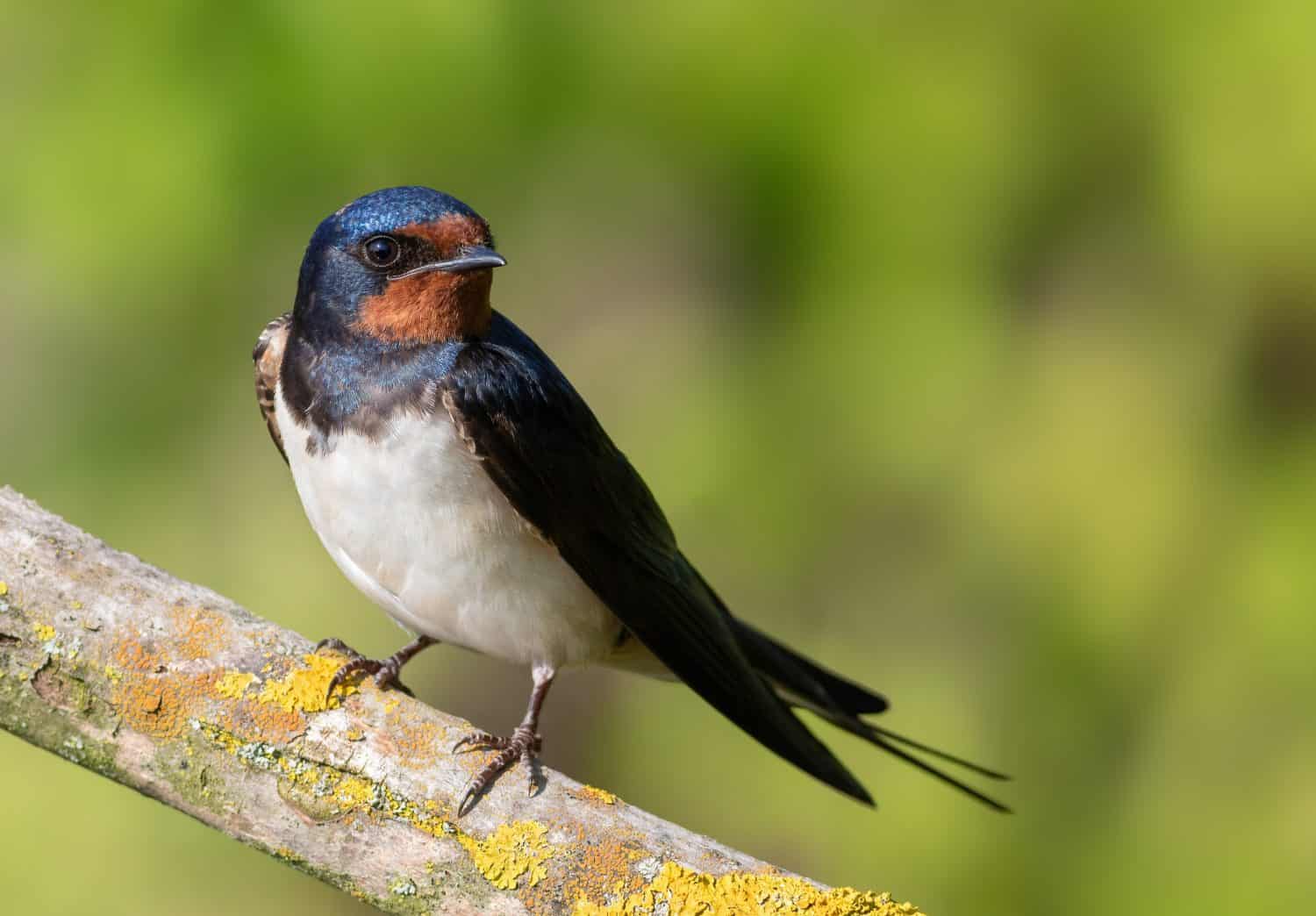
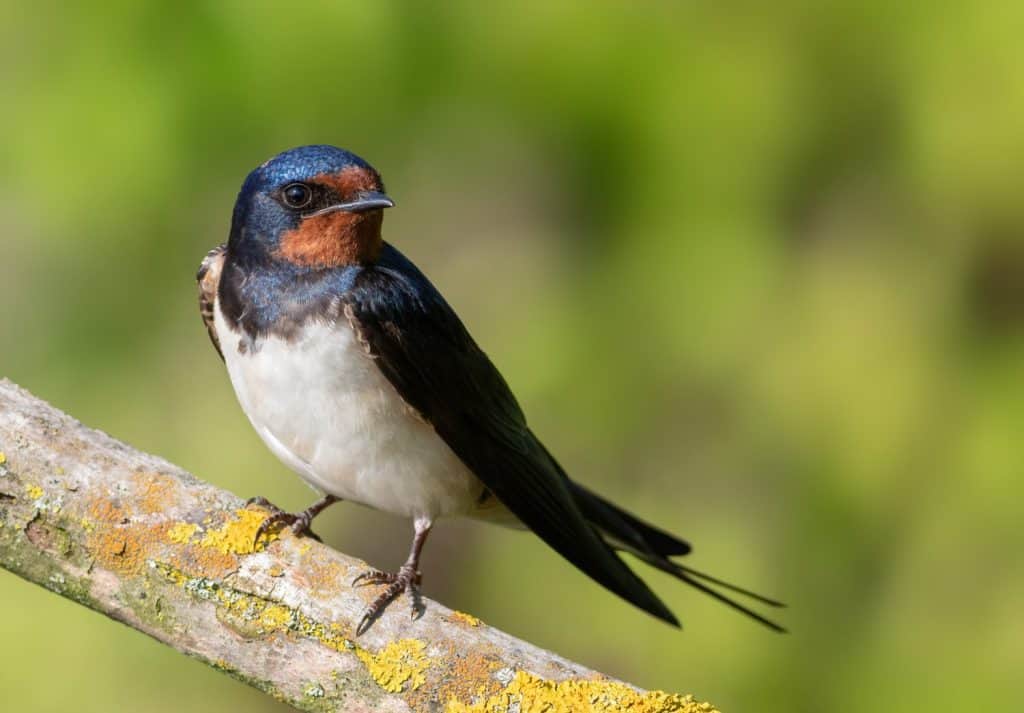
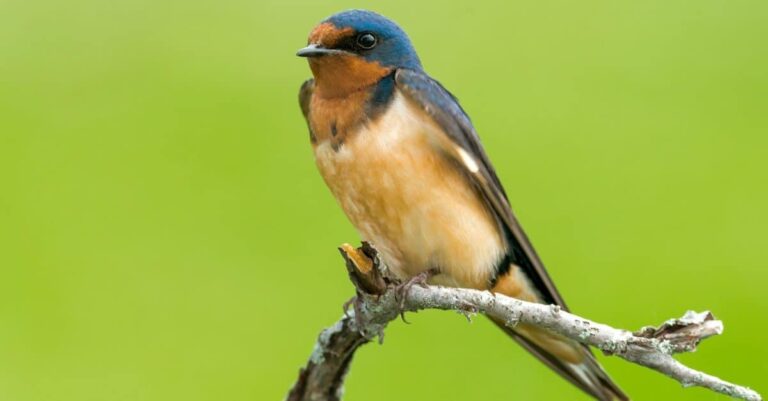
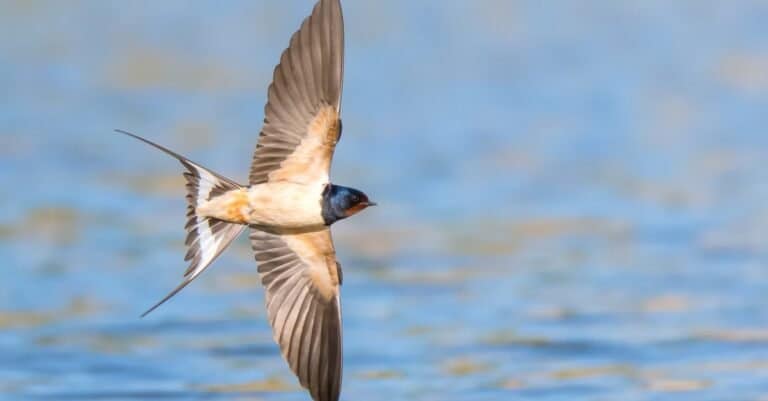
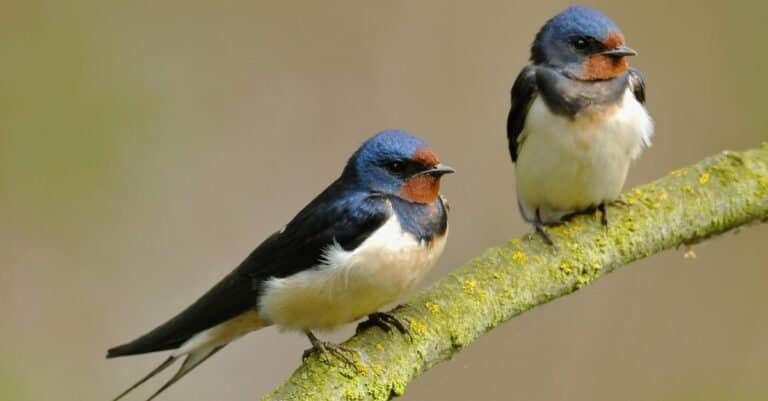
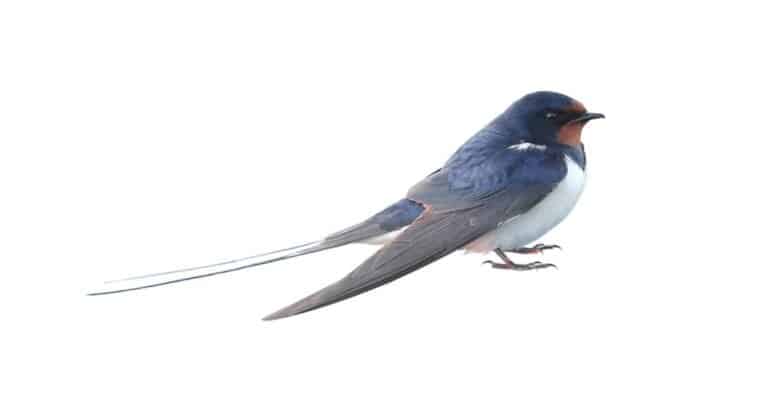
The head and dorsal sides of the bird’s body are blue. The belly or underside is beige or white. The chest and forehead of the barn swallow are an orange or cinnamon hue. The long, forked tail feathers range from gray to black. Males tend to have brighter hues than females and are larger in size. They also have longer tail feathers than females. The length of a barn swallow can be between 5.9 and 7.5 inches (15 and 19 cm), and it weighs 0.6 to 0.7 ounces (17 to 20 g).
The bird’s wingspan is 11.4 to 12.6 inches (29 to 32 cm). The average wingbeat rate is 2.5 to 8.4 beats per second, with a mean of 4.4 beats per second. Barn swallows are endothermic, which enables them to be adaptable to different climates during migration. They use vocalizations and body language to communicate with each other.
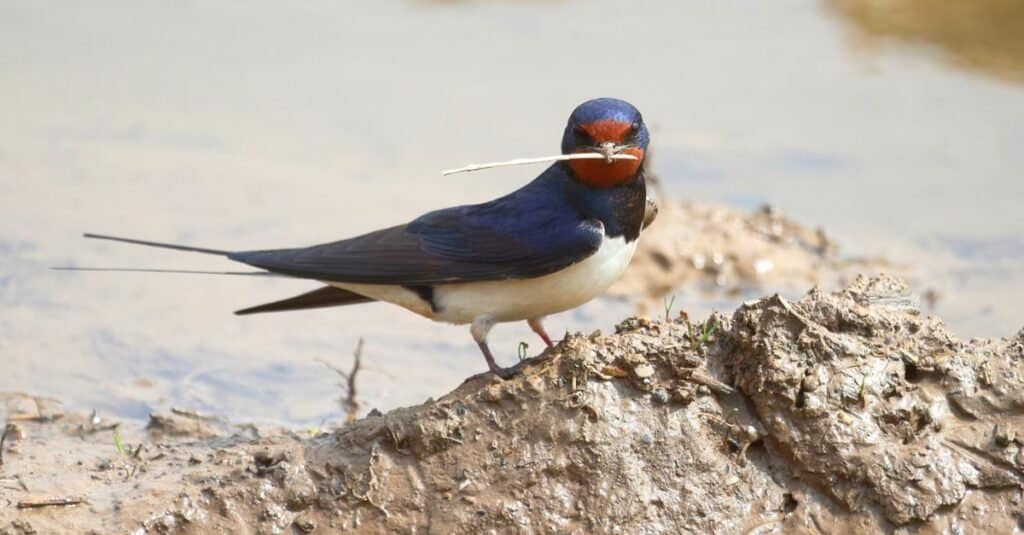
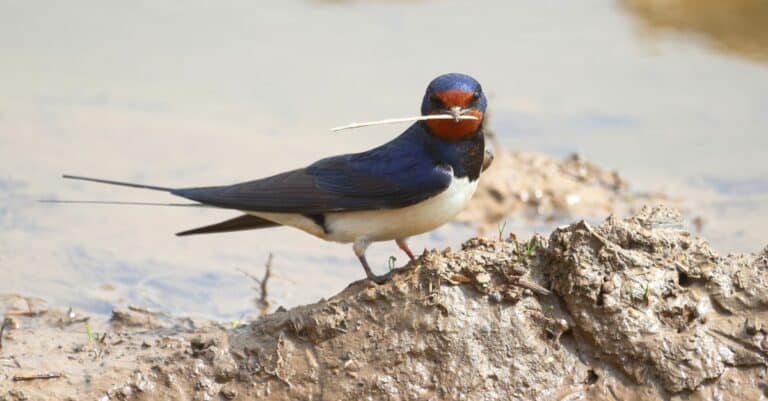
A Barn Swallow sits on a clump of clay and holds in its beak a straw found for the construction of a nest.
©PavlovaSvetlana/Shutterstock.com
Migration Pattern and Timing
These birds migrate in winter, which also coincides with their breeding season. They migrate long distances, spending the cold season in South America, South Asia, Indonesia, and Micronesia. In the spring, they migrate to places such as North America, Northern Europe, Japan, North Central Asia, the Middle East, and North Africa to mate and breed. They follow this migration pattern annually.
Diet
These birds are carnivores. Insects make up a large portion of the birds’ diet and are their main prey. Barn swallows eat mostly flying insects, but will eat other non-flying bugs as well. They fly low over the water to drink.
What does the Barn Swallow eat?
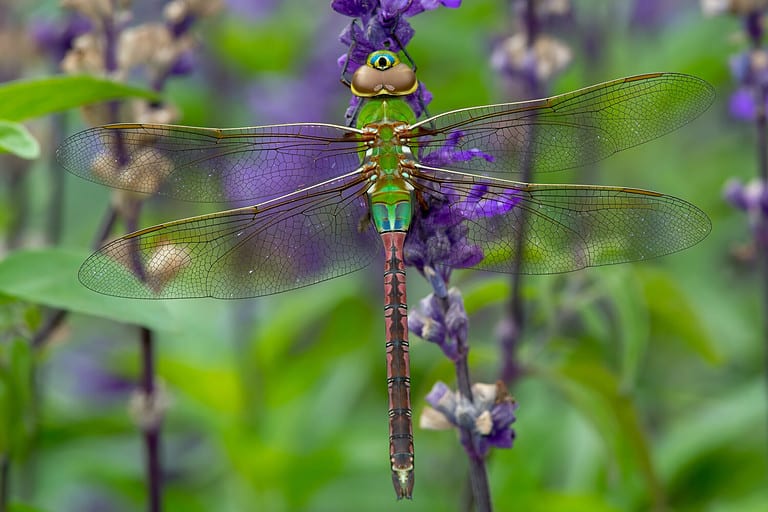
These birds primarily eat a variety of flying insects, including many types of flies as well as beetles, bees, and wasps. They also feed on moths, butterflies, and dragonflies.
Predators, Threats, and Conservation Status
These birds face threats from natural predators and environmental factors. Habitat loss due to advancements in agriculture is one of the biggest problems they face. Other dangers these birds face include climate change, pollution, and pesticides. Humans contribute to all of these problems and are therefore the biggest threat to barn swallows. The IUCN Red List of endangered animals categorizes them as a species of Least Concern.
What eats the Barn Swallow?
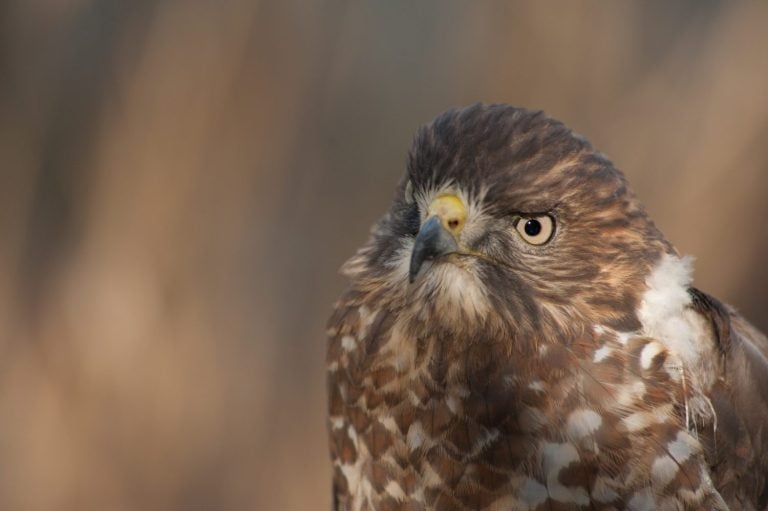
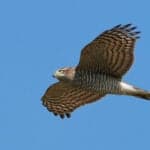
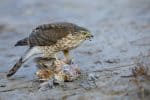
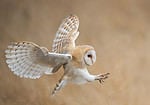
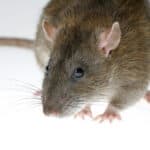
Birds of prey such as falcons, hawks, and owls are the primary predators of adult barn swallows. Some birds that commonly hunt and eat mature barn swallows are the Cooper’s hawk, red-tailed hawk, Eurasian sparrow hawk, and eastern screech owl. Eggs and hatchlings face a wide array of other predators. Snakes, raccoons, cats, bullfrogs, and rats are some animals that prey on the eggs and hatchlings.
Reproduction, Young, and Molting
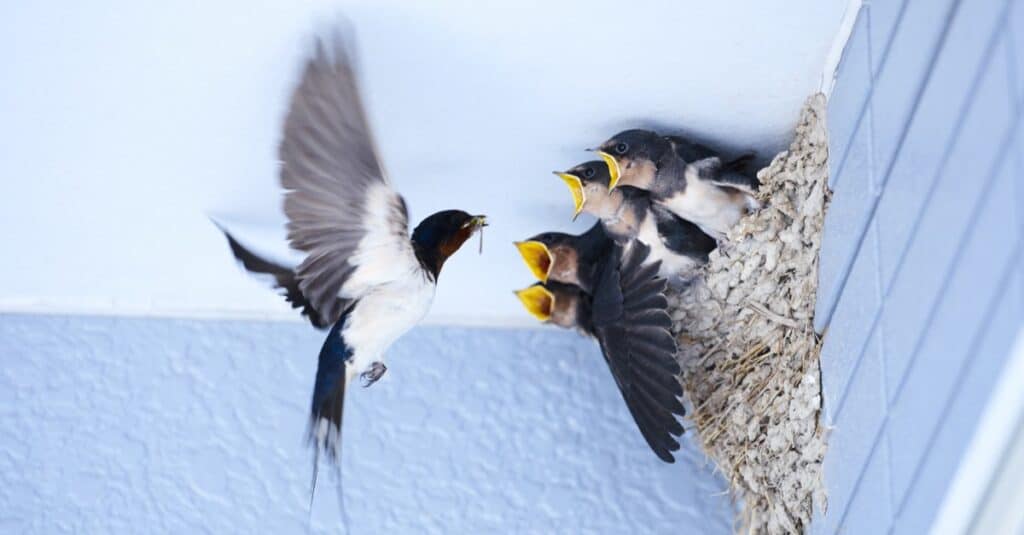
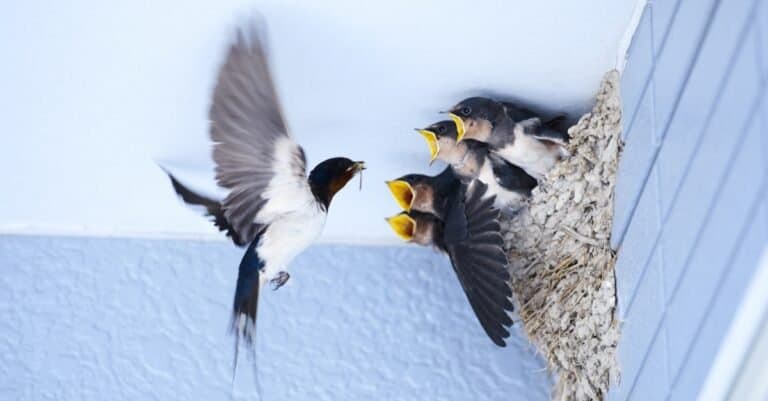
A Barn Swallow feeding baby birds in the nest.
©ITO_IKI/Shutterstock.com
These birds breed through sexual reproduction. The courting behavior of these birds generally includes the pair participating in a dance-like air chase. The male will also “sing” songs to his partner, and they will groom each other’s feathers. They mate while perched. The female will lay three to five eggs during the breeding season, between March and September, in Northern regions. In southern regions, mating may begin as early as February and end as late as October. The male will help incubate the eggs and will also protect them.
The eggs hatch within 12 to 17 days, 15 days on average. The hatchlings are born altricial, meaning they are helpless, naked, and blind, and greatly need parental care. The male, older chicks, and unrelated juveniles will help feed and care for the new chicks. At about 20 days old, the chicks fledge and can start learning to fly. Within a week of fledging, they are ready to leave the nest and be independent. The bird starts molting in the winter, and it occurs yearly. The average lifespan is around four years, though barn swallows living to eight years have been documented as exceptions, and the oldest known barn swallow lived to be nearly sixteen years old.
Population
The total estimated population of these birds in the wild is between 290 million and 487 million. Approximately 29 to 48.7 million breeding pairs of that total are accounted for in Europe. Though widespread, the barn swallow population is decreasing. Since the decline is not rapid, barn swallows remain in the “least concern” category.
Barn Swallow Pictures
View all of our Barn Swallow pictures in the gallery.

Paul Reeves Photography/Shutterstock.com
Sources
- EOL / Accessed August 13, 2021
- Audubon / Accessed August 13, 2021
- Nest Watch / Accessed August 13, 2021
- Journey North / Accessed August 13, 2021