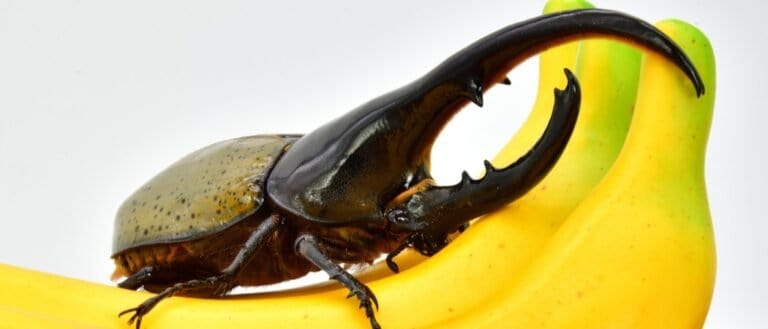
Hercules Beetle
Horns, heft, and rainforest heroics

Horns, heft, and rainforest heroics
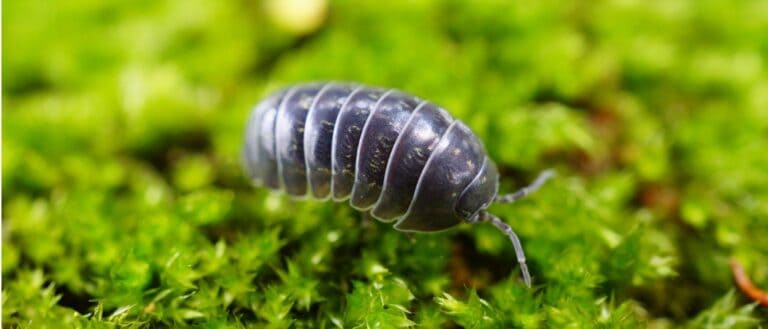
Crustaceans that compost the forest floor
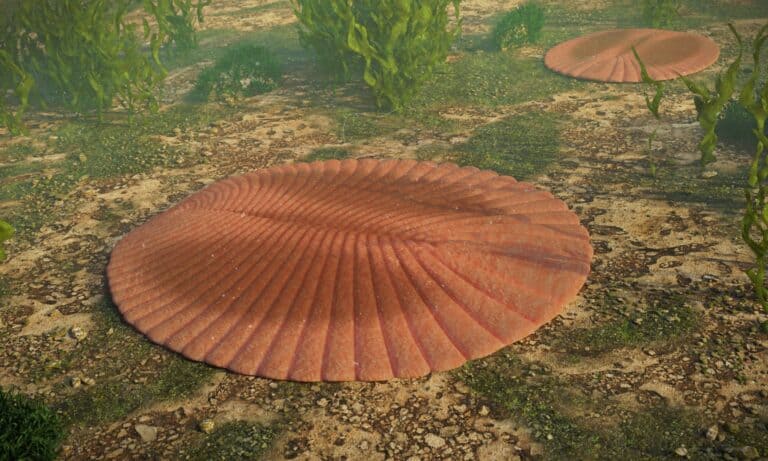
Quilted giant of Earth's deep past
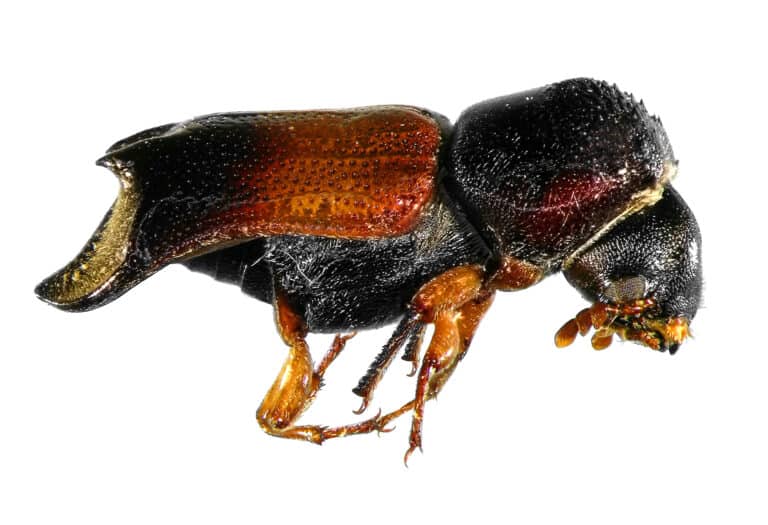
Fine frass, hidden hardwood borers
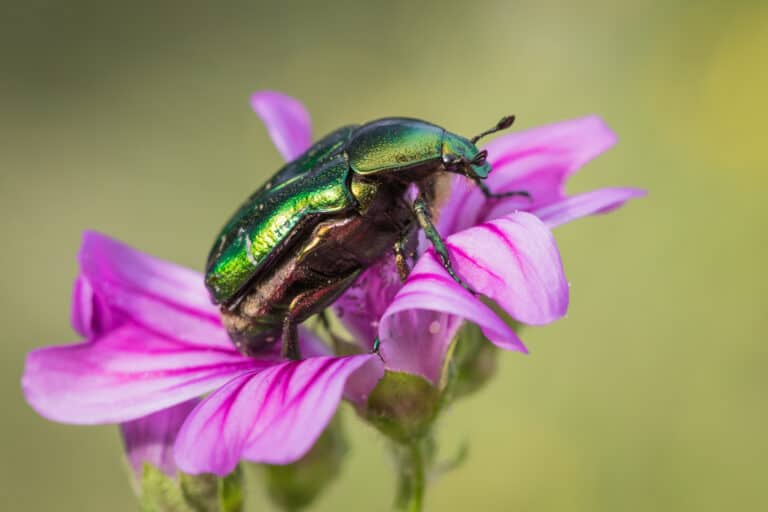
The buzzing emerald of ripe fruit
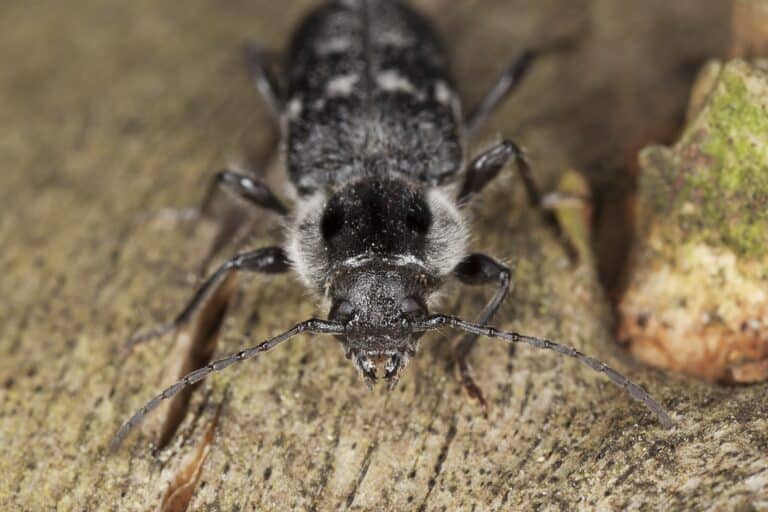
Hidden larva, big timber trouble.
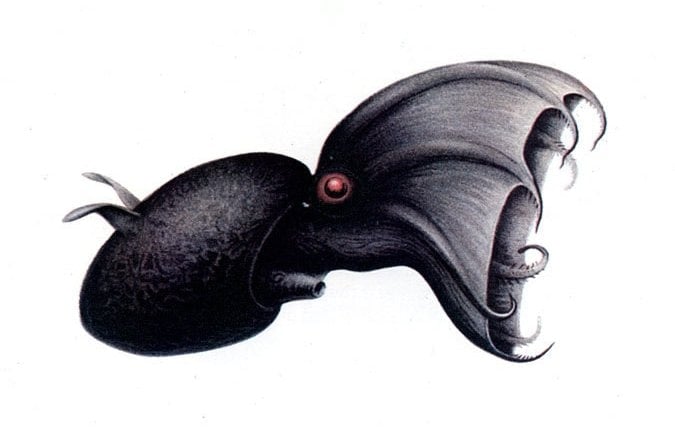
Deep-sea drifter, marine-snow harvester
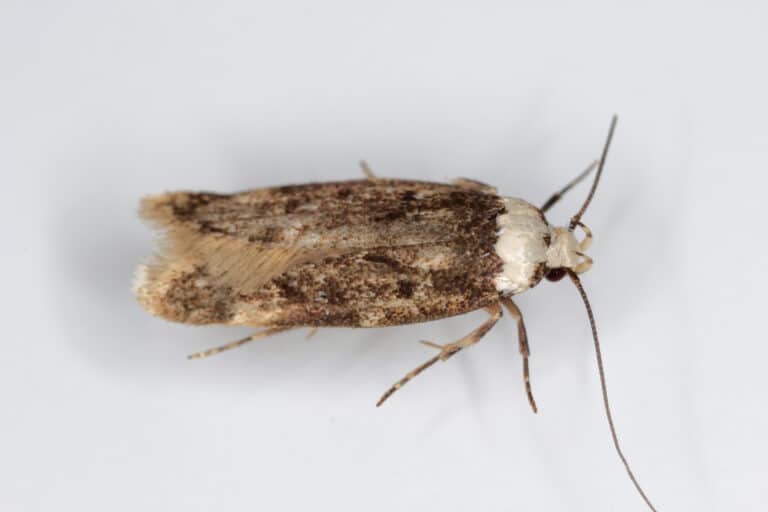
White shoulders, brown wings, indoor drifter
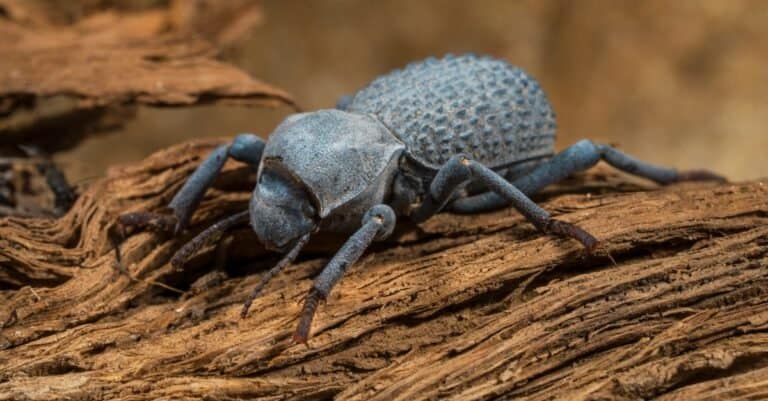
Powder-blue. Plays dead. Lives tough.
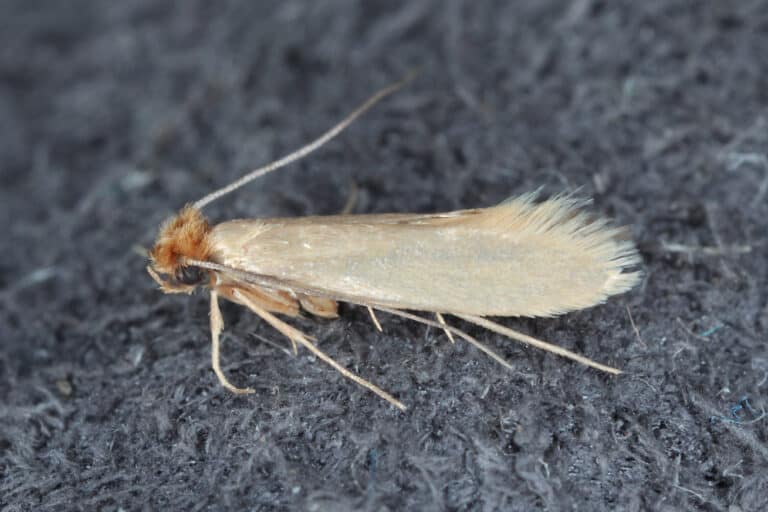
Keratin recyclers-sometimes in your closet
A detritivore is an organism that obtains most of its nutrition by ingesting detritus-decomposing organic matter such as dead plant and animal material, feces, and the associated microbial community. By physically consuming and fragmenting this material, detritivores accelerate decomposition and nutrient recycling within ecosystems.
Detritivores play a key role in food webs by moving energy from dead plant and animal matter back into living systems. Instead of hunting live prey, they eat detritus—leaf litter, dead wood, carcass bits, dung, and the mix of bacteria, fungi, and tiny animals that grow on it. By breaking big pieces into small ones, they make the material easier for microbes and other decomposers to work on. In soils, sediments, and the leaf-litter layer, animals like earthworms, millipedes, woodlice (isopods), and many insect larvae turn debris into fine particles and fecal pellets. As they feed and burrow, they mix organic matter into mineral soil, improve soil structure and water flow, move nutrients and microbes, and help control nutrient return, soil fertility, and carbon cycling, which affects plant growth and whole communities.
Etymology: From Latin "detritus" ("worn away," from "deterere" meaning "to rub/ wear away") + "-vore" from Latin "vorare" ("to devour").
Detritivores are the same as decomposers: many decomposers (especially fungi and bacteria) chemically break down matter externally, while detritivores ingest and fragment it (though both interact closely).
Detritivores only eat "dead leaves": detritus can include dead animals, feces, and microbe-rich organic films, varying widely by habitat.
Detritivores are always scavengers: scavengers typically consume relatively fresh carcasses; detritivores specialize in decomposing material and associated microbes, often at later stages of decay.
Detritus-based feeding supplies carbon and energy from partially broken-down carbohydrates/lignocellulose, plus nitrogen and amino acids largely via associated microbes (bacteria/fungi) that enrich low-quality plant matter. It also provides minerals (e.g., calcium, phosphorus, potassium) and trace elements released during decomposition, and can contribute essential fatty acids and vitamins synthesized by microbes-supporting growth and metabolism while enabling nutrient recycling in the ecosystem.
Detritivores' teeth or mouthparts are made for scraping, grinding, and eating tiny particles mixed with sediment, often using repeated rubbing or grit to break down detritus and microbes.
A digestive tract optimized for low-quality, microbe-rich food: prolonged retention time, extensive fermentation, and strong enzymatic/microbial capacity to extract nutrients from partially decomposed organic matter and associated bacteria/fungi.
Gut Length: Long (often 5-20× body length in many invertebrates; generally longer than similarly sized carnivores in vertebrates), supporting extended processing and absorption
Obligate detritivores depend mainly on detritus (dead/decomposing organic matter and microbes) all life; they are built to process decay, sediments, or litter and cannot live on fresh living tissue alone.
Facultative detritivores commonly consume detritus and contribute to decomposition, but can readily shift to other foods (e.g., algae, fungi, carrion, small invertebrates, or fresh plant material) depending on availability; detritus is important but not strictly required at all times.
Detritivory likely began early in animal evolution, after lots of dead organic bits built up on seafloors and in sediments and microbes made nutrient-rich films on them. Early sea-floor animals used deposit feeding—eating sediment to get organic particles, microbes, and dissolved nutrients—suiting simple bodies and low movement. On land, detritivory evolved again as plant litter grew with vascular plants and forests, allowing animals to eat leaves, wood bits, carcass remains, and microbe-coated particles. Key innovations were burrowing, sediment processing, scraping or shredding mouthparts, bigger guts, microbe partners to break down cellulose and lignin, and behaviors that gather and concentrate detritus.
Detritivory shows convergent evolution: many unrelated animals in water and on land eat dead organic material. Earthworms (annelids) and sea cucumbers (echinoderms) both eat sediments to get detritus and microbes. Woodlice/isopods (crustaceans) and millipedes (myriapods) both break down leaf litter with different bodies and mouthparts. Larval caddisflies and many fly larvae (insects) and amphipods (crustaceans) are unrelated freshwater detritivores that process leaf litter and fine particles in streams. Termites (insects) and some wood-boring bivalves (mollusks) rely on microbes to help digest wood. Detritus-feeding fishes (e.g., some catfishes and mullets) and benthic gastropods feed on organic-rich sediments and biofilm.
Humans are not detritivores-we generally can't safely digest decomposing organic matter or rely on the microbes associated with detritus without high disease risk. The closest human parallels are indirect: (1) eating foods transformed by controlled microbial decomposition (fermented foods like yogurt, fermented cabbage, cheese) and (2) consuming animal products from organisms that process low-grade organic material (e.g., some farmed fish or livestock fed by-products). Conceptually, detritivory is more like waste-processing than a human dietary "choice," emphasizing sanitation and controlled decomposition rather than direct consumption of decay.
Recognizing detritivores as key decomposers highlights their role in nutrient cycling, soil formation, and ecosystem resilience. Conservation actions benefit from maintaining leaf litter, dead wood, and natural sediment/organic layers that detritivores depend on, and from limiting pollutants (pesticides, heavy metals, excess fertilizers) that accumulate in detritus and harm decomposer food webs. Monitoring detritivore communities can serve as an indicator of soil and freshwater ecosystem health, helping guide habitat restoration, evaluate contamination, and anticipate cascading effects on plant productivity and higher trophic levels.
Detritivores underpin soil fertility by fragmenting and processing crop residues, manure, and organic amendments, accelerating nutrient release and improving soil structure (e.g., earthworms, many soil arthropods). They are central to composting and vermicomposting systems used to convert farm waste into usable fertilizer. In pest management, healthy detritivore communities can reduce residue-borne pathogen pressure by speeding decomposition and can support beneficial soil food webs, though some detritivores (or detritus-rich conditions) may also harbor pests or disease vectors if organic waste is poorly managed. Overall, integrating detritivore-friendly practices (reduced tillage, organic matter retention, careful pesticide use) can enhance sustainable food production.
Found across: Annelids (earthworms; many marine polychaete deposit-feeders), Arthropods-Crustaceans (woodlice/isopods, amphipods, some shrimp), Arthropods-Myriapods (millipedes), Arthropods-Insects (termite detritivores; dung beetles; many fly larvae), Echinoderms (sea cucumbers and other deposit-feeding echinoderms), Mollusks (many deposit-feeding snails; some bivalves in detritus-rich sediments), Vertebrates in some habitats (e.g., detritus-feeding fishes like mullets; many amphibian larvae/tadpoles)
Detritivores eat detritus and the microbe-rich biofilm (fungi, bacteria, protists) on it. As basal consumers in the detrital (brown) food web, they break coarse organic matter into finer particles and feces, which gives microbes more surface to work on. This speeds release of nitrogen and phosphorus and links dead matter to higher predators.
Detritivores get less energy from detritus than herbivores get from plants. Detritus is low in energy, has tough parts like lignin and cellulose, and is often partly used up by decay. How much detritivores absorb varies (more when microbes have conditioned the detritus). Much energy is lost as feces and as heat. They need large, steady inputs of dead organic matter but help speed microbial breakdown and free nutrients for the community.
Seasonal Variation: Detritivore feeding follows pulses of detritus, moisture, and temperature. In temperate zones, autumn leaf fall and microbial conditioning boost feeding, but winter cold slows it. In Mediterranean and savanna areas, wet seasons peak activity; dry seasons force them to move deeper, slow activity, or use older humus. Aquatic and coastal systems get booms from storms and kelp and algae shedding.
Detritivores don't just eat "dead stuff"-they often consume the microbe-rich coating on it (bacteria and fungi), making detritus more like a living, protein-packed buffet than inert debris.
Many detritivores are ecosystem "engineers": by shredding and mixing dead material into soil or sediment, they change oxygen levels, water flow, and habitat structure for countless other organisms.
Not all detritus is equal-some detritivores are picky and will target certain stages of decay, because the nutrient content and toxins change as decomposition progresses.
Detritivores can help lock away or release carbon depending on conditions: by fragmenting litter they can speed microbial breakdown, but by burying/mixing it they can also move organic matter into places where it decomposes more slowly.
The detritivore strategy shows up across wildly different groups-from earthworms and pill bugs to sea cucumbers-because "recycling leftovers" works in soils, forests, rivers, and the deep sea.
Detritivores are the ecosystem's cleanup crew and recycling plant in one: they collect biological "trash" and turn it into reusable nutrients that fuel new growth.
If an ecosystem were a city, detritivores would be the compost service-chopping, processing, and redistributing organic waste so the whole system doesn't get buried in it.
They act like living blenders: by turning big chunks of dead leaves or carcasses into tiny particles, they massively increase surface area for microbes, accelerating decomposition the way ground coffee brews faster than whole beans.
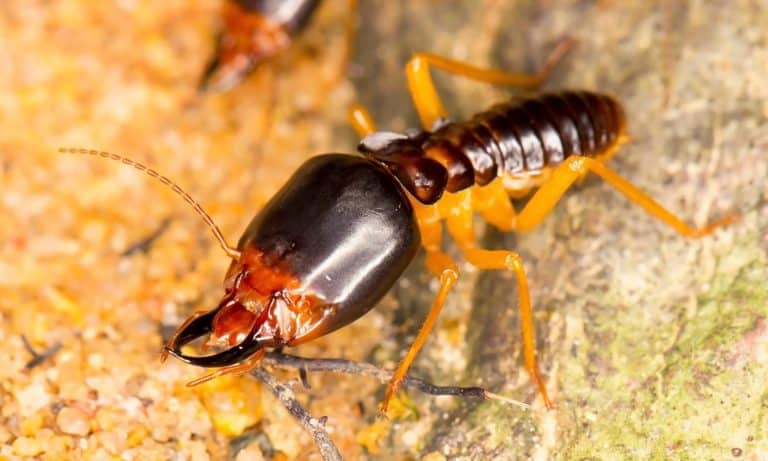
Nature's master recyclers (and builders)
Crustaceans that compost the forest floor
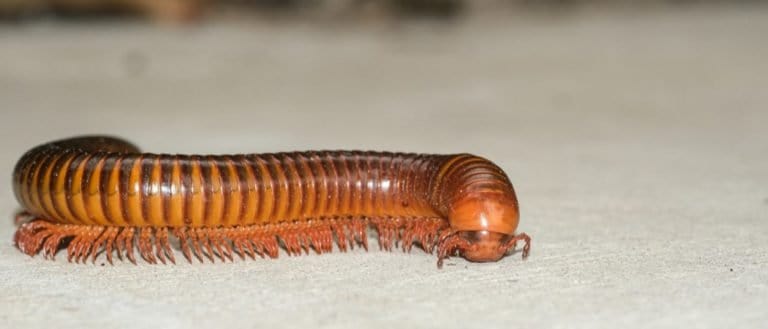
Soil's quiet recyclers with many legs
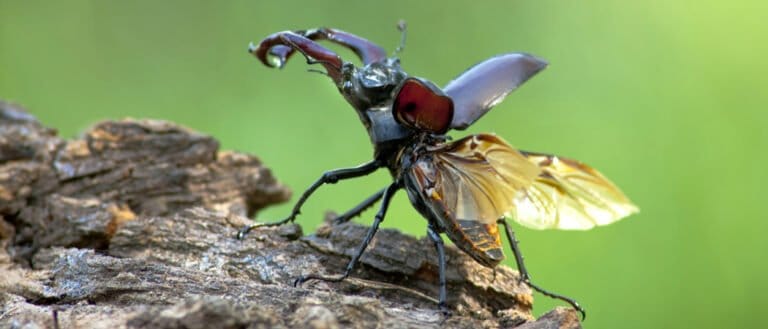
Antlers of the insect world
Horns, heft, and rainforest heroics
Deep-sea drifter, marine-snow harvester
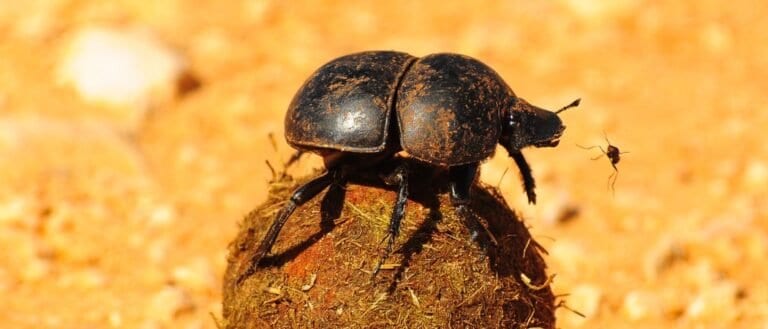
Nature's cleanup crew-on the roll
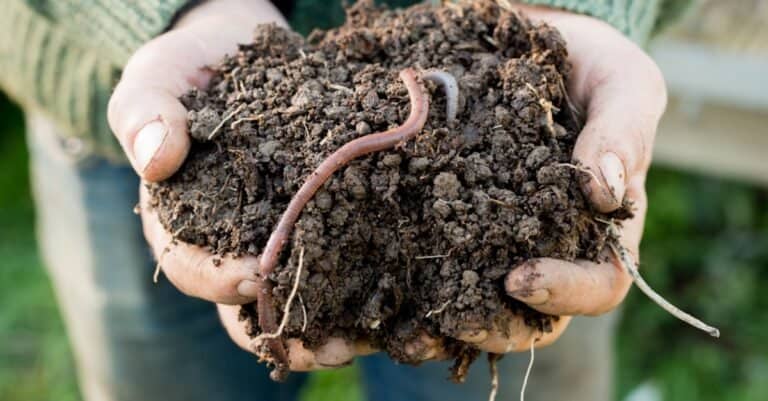
Nature's living soil mixers

Small fly, big public-health impact.
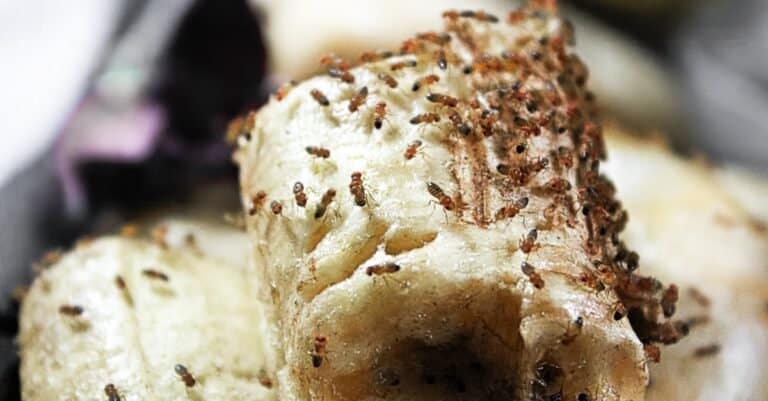
The tiny fly that mapped our genes
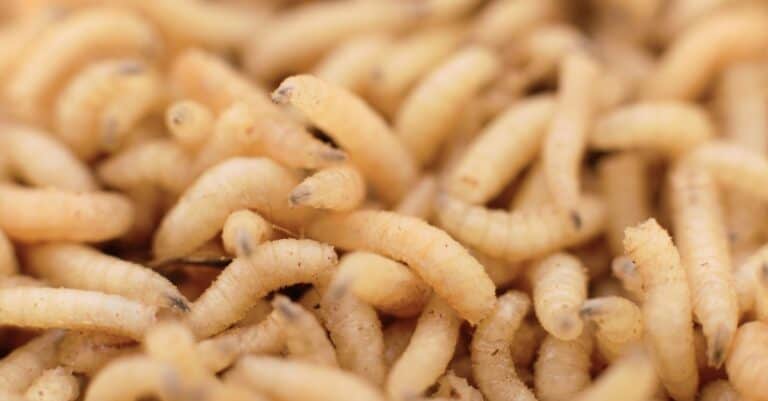
Nature's recyclers in larval form
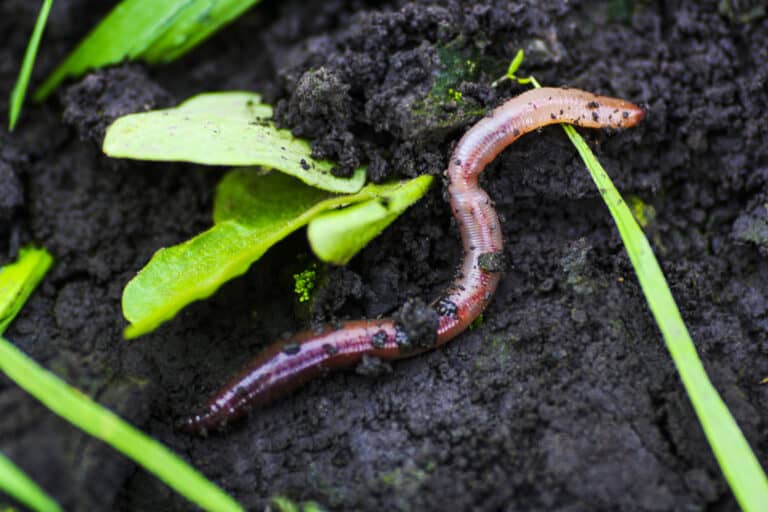
Many lineages, one wormy shape
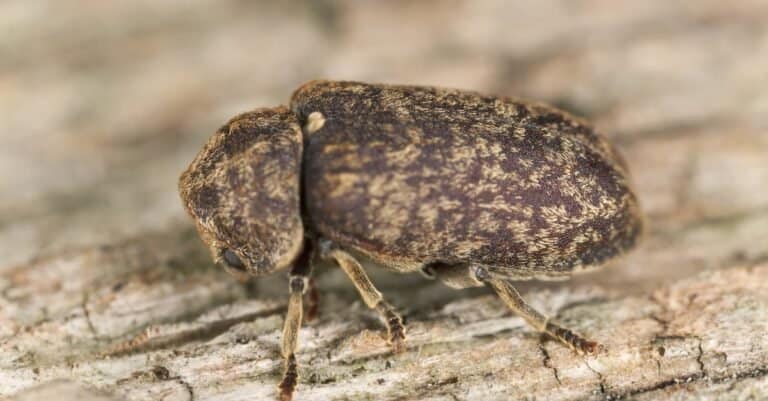
The beetle that built the deathwatch legend
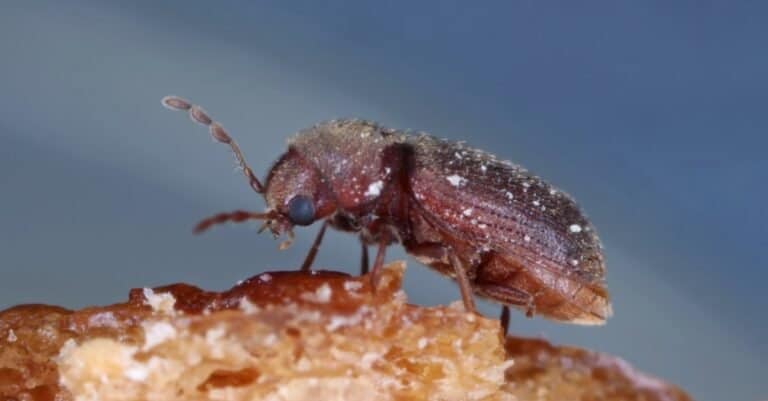
Small beetle, big pantry problem.
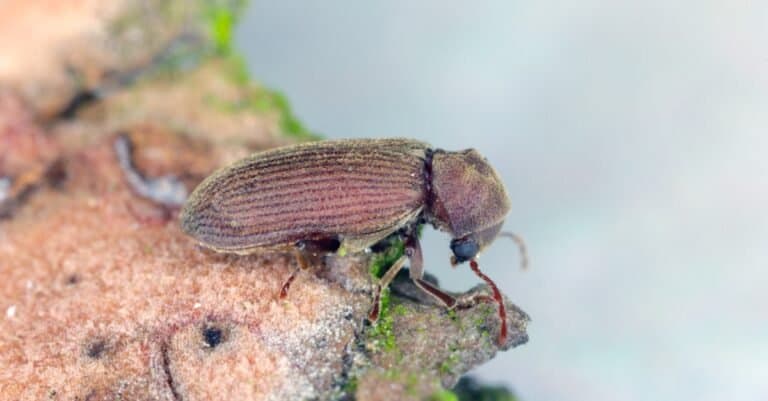
Small beetle, big holes in history
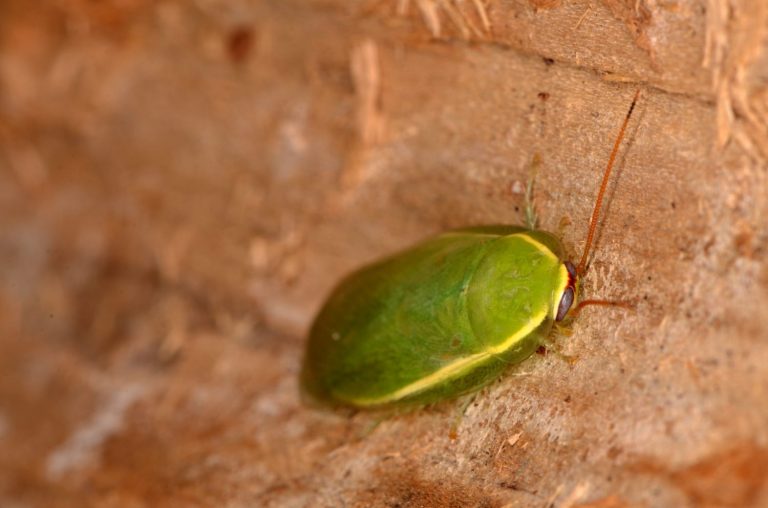
Green by day, gone by night
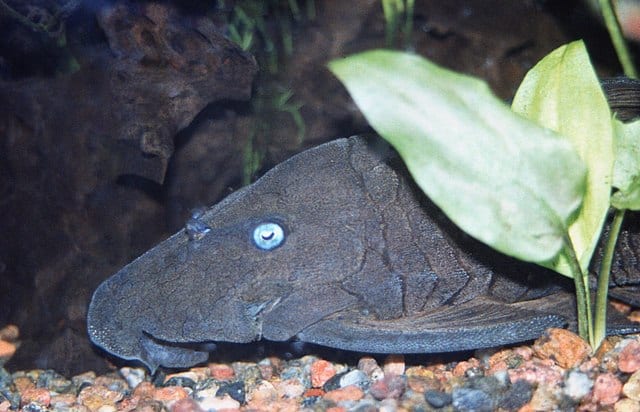
Blue eyes. Driftwood grazer.
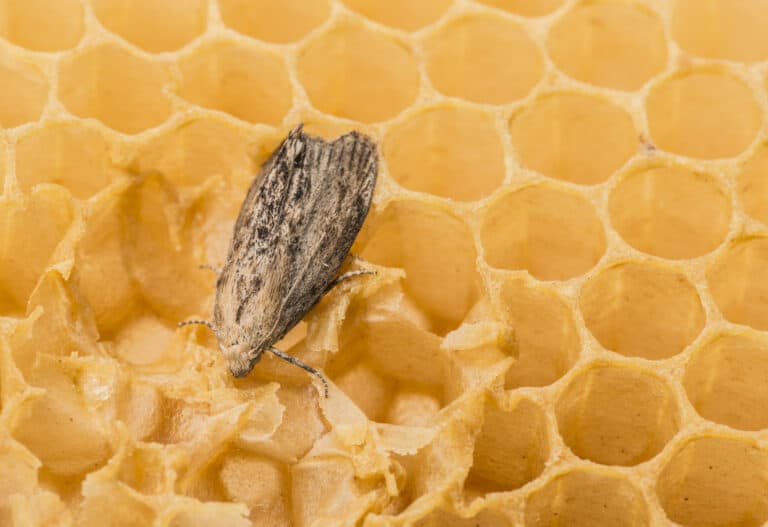
Waxworm: the comb's silent tunneler
White shoulders, brown wings, indoor drifter
Keratin recyclers-sometimes in your closet
Quilted giant of Earth's deep past
Hidden larva, big timber trouble.
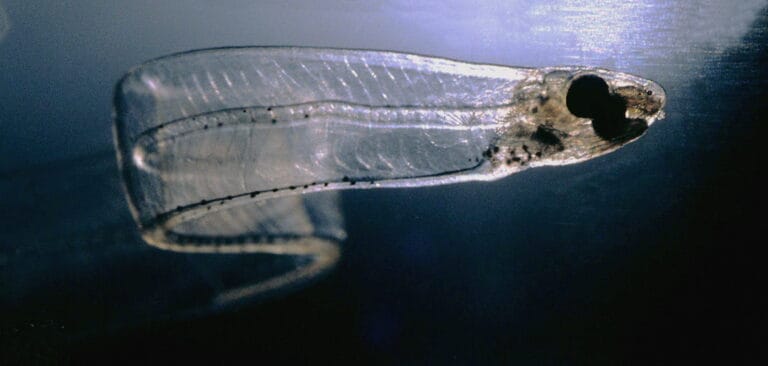
Leaf-larva today, eel tomorrow

Coins of the seafloor, built to burrow
Thank you for reading! Have some feedback for us?
We appreciate your help in improving our content.
Our editorial team will review your suggestions and make any necessary updates.
There was an error submitting your feedback. Please try again.