N S W E
Wildlife Expeditions

Wildlife of
Saint Barthélemy

Saint Barthelemy stands out for intimate, easily accessed Caribbean wildlife - snorkel-ready coral reefs packed with reef fish and sea turtles, plus seabird colonies and dry-island nature in a remarkably small footprint.
1 Species
21 km² Land Area
Overview

About Saint Barthélemy

Saint Barthelemy's natural heritage is defined by the sea: a ring of reefs, rocky shores, and sheltered bays supports a high diversity of marine life that far outweighs the island's modest terrestrial fauna. On land, the island's dry tropical climate shapes a hardy mosaic of scrub, cactus, and coastal thickets where reptiles, invertebrates, and migratory songbirds find refuge. For visitors, the appeal is the immediacy - wildlife encounters often happen minutes from town, along beaches, headlands, and short trails.

Key ecosystems include fringing coral reefs and seagrass beds (nurseries for juvenile fish and foraging areas for turtles), sandy beaches and nearshore shallows, and coastal wetlands/salt ponds that can host waders and other waterbirds during migration. Offshore and along cliffs, seabirds use protected islets and quiet coastal areas for roosting and nesting. These habitats are significant not just for local biodiversity, but for sustaining broader Caribbean ecological connectivity - supporting migratory birds and mobile marine species that move between islands and banks.

In global conservation terms, Saint Barthelemy contributes through site-based protection and stewardship of sensitive coastal and marine habitats - where small-scale management can have outsized benefits for reefs, turtles, and seabirds. The wildlife experience here is uniquely "micro-island": you can combine reef exploration, birdwatching, and coastal hiking in a single day, with excellent visibility for snorkeling/diving and a strong emphasis on responsible access around fragile reefs and nesting areas.

Physical Features

Geography

Saint Barthelemy's very small land area and dry tropical climate concentrate most terrestrial wildlife into drought-tolerant scrub on rocky hillsides and into a few coastal wetlands (salt ponds, small mangroves) that act as critical refuges for birds and other fauna. The long, indented coastline and surrounding shallow shelf create the island's richest habitats-coral reefs, seagrass beds, and lagoons-driving biodiversity patterns toward marine fish, invertebrates, sea turtles, and seabirds that forage at sea and nest on coastal/islet sites.

21 km² Land Area
One of the world's smallest inhabited islands/territories; about one-third the land area of Manhattan Size Rank

Key Landscapes

  • Rocky, low-elevation volcanic hills and ridgelines (dry scrub habitats; limited freshwater)
  • Dry tropical scrub and thorny woodland remnants (primary terrestrial cover)
  • Short, steep coastal catchments with ephemeral gullies (flash runoff; little permanent freshwater habitat)
  • Indented coastline with bays, beaches, rocky shores, and coastal cliffs (nesting/roosting seabirds; turtle nesting on suitable beaches)
  • Salt ponds and small brackish wetlands (important for migratory and resident waterbirds)
  • Mangrove pockets and lagoonal areas (nursery habitat for fish; shoreline stabilization)
  • Coral reefs fringing bays and offshore areas (high marine species richness; reef fish and invertebrates)
  • Seagrass beds and sandy lagoons (foraging grounds for turtles and fish nurseries)
  • Small offshore islets/cays (reduced disturbance; seabird nesting habitat)

Ecoregions

  • Leeward Islands xeric scrub (terrestrial WWF ecoregion)
  • Eastern Caribbean (marine ecological zone/MEOW ecoregion; includes coral reef and seagrass systems around the island)
Parks & Reserves

Protected Areas

Saint Barthelemy's protected-area system is small but highly focused on marine biodiversity. The core instrument is the French National Nature Reserve of Saint Barthelemy (National Nature Reserve), which protects coral reefs, seagrass beds, rocky shorelines, and key seabird and turtle habitats around the main island and nearby islets. Management emphasizes anchoring control, fishing/harvest restrictions (including no-take areas), and reef/seagrass conservation rather than large terrestrial parks, reflecting the island's limited land area and strong dependence on coastal ecosystems.

Protected Coverage

Land under formal protection is very limited (approximately less than 1% of the island's roughly 25 km2 land area), because the primary protected area is predominantly marine. In contrast, a substantial portion of surrounding nearshore waters is designated within the National Nature Reserve (marine protection is the centerpiece of the system).

Notable Parks & Reserves

Saint Barthelemy National Nature Reserve (French National Nature Reserve)

French National Nature Reserve (marine-dominated protected area)

The island's flagship protected area, created to safeguard coral reefs, seagrass beds, and coastal/islet habitats that support sea turtles, seabirds, and diverse reef fish communities. It is the main framework for regulating fishing pressure, anchoring impacts, and sensitive wildlife sites.
Green sea turtle
Hawksbill sea turtle
Brown pelican
Brown booby
Stoplight parrotfish
Queen angelfish
Queen angelfish
Caribbean spiny lobster

Fourchue Islet sector (within the Saint Barthelemy National Nature Reserve)

National Nature Reserve sector (marine protected area; local strict-use rules may apply)

A standout wildlife site for seabirds and clear-water reefs; the isolated islet and surrounding reefs provide relatively undisturbed conditions for nesting/roosting seabirds and healthy reef fish assemblages. Often prioritized for low-impact visitation and conservation enforcement.

Red-billed tropicbird
Brown booby
Bridled tern
Magnificent frigatebird
Stoplight parrotfish
Queen triggerfish
Caribbean spiny lobster

Gros Islets sector (within the Saint Barthelemy National Nature Reserve)

National Nature Reserve sector (marine protected area)

Important islet habitat for seabirds coupled with adjacent reef structure that concentrates reef fish and invertebrates. The mix of rocky shoreline and nearshore reef makes it valuable for both nesting birds and underwater biodiversity.

Brown pelican
Brown booby
Laughing gull
Bridled tern
French grunt
Blue tang
Blue tang
Caribbean spiny lobster

Colombier Bay sector (within the Saint Barthelemy National Nature Reserve)

National Nature Reserve sector (marine protected area)

A key nearshore habitat mosaic (reef patches, rocky coast, and seagrass) that supports frequent turtle use and diverse reef fish, making it one of the island's best areas for marine wildlife observation. Protection focuses on limiting damage from anchoring and overuse.

Green sea turtle
Hawksbill sea turtle
Southern stingray
Sergeant major
Stoplight parrotfish
Queen angelfish
Queen angelfish
Elkhorn coral

Sugarloaf sector (within the Saint Barthelemy National Nature Reserve)

National Nature Reserve sector (marine protected area)

Known for shallow coral and rocky reef habitats close to shore that host dense reef fish communities and nursery habitat for juveniles. Its accessibility makes it an important site where protection helps reduce cumulative recreational impacts.
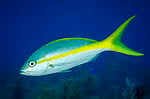
Blue tang
Blue tang
Yellowtail snapper
Yellowtail snapper
French angelfish
French angelfish
Stoplight parrotfish
Queen triggerfish
Caribbean spiny lobster
Staghorn coral

Grand Cul de Sac seagrass-reef complex (protected portions within/managed alongside the National Nature Reserve)

Marine protected/managed area (National Nature Reserve-linked coastal habitat protection)

A highly productive coastal system where seagrass beds and reefs provide feeding grounds for turtles and nursery habitat for many fish species. Conservation attention here is typically centered on water quality, boating/anchoring management, and habitat integrity.

Green sea turtle
Hawksbill sea turtle
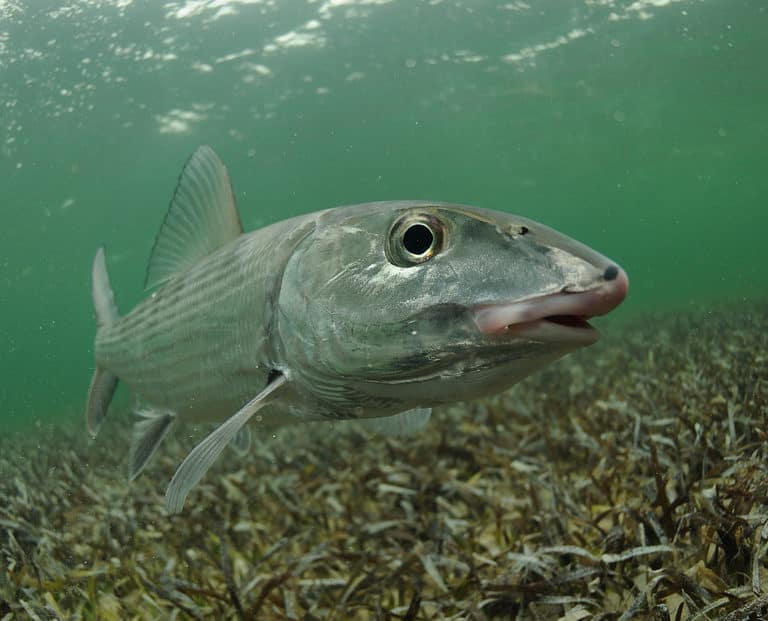
Bar jack
Schoolmaster snapper
Blue tang
Blue tang
Queen conch
Southern stingray
Animals

Wildlife

Saint Barthelemy (St. Barts) is a very small, dry-tropical Caribbean island where wildlife diversity is defined less by large land animals and more by its surrounding coastal waters. Coral reefs, seagrass beds, rocky shorelines, lagoons, and small offshore islets support colorful reef fish, sea turtles, rays, and a strong community of seabirds. On land, native vertebrate diversity is limited (few small reptiles and bats), but coastal protected areas and marine reserves make snorkeling/diving, turtle encounters, and seabird watching the signature wildlife experiences.
~10-20 total (mostly marine mammals seen offshore and a handful of bats; no native large terrestrial mammals) Mammals
~80-140 recorded (mix of resident seabirds/shorebirds and seasonal migrants) Birds
~10-18 (including several lizards and 3-4 sea turtle species) Reptiles
0-2 (very limited; may include introduced frogs/toads rather than established native diversity) Amphibians

Iconic Species

Hawksbill Sea Turtle A flagship reef turtle in the northeastern Caribbean; often encountered while snorkeling/diving on reef edges and around rocky bays. Local protection of beaches and nearshore habitats supports foraging turtles, and nesting can occur on quieter sands.
Green Sea Turtle Frequently seen grazing in seagrass and sheltered bays; an iconic nearshore species for swimmers and snorkelers. Juveniles are especially common in shallow, calmer waters.
Brown Pelican One of the most visible coastal birds, commonly seen plunge-diving in harbors and along bays. Offshore islets and quiet coastal zones are important for roosting and local breeding.
Magnificent Frigatebird Soaring seabird often seen over headlands and above fishing activity; notable for aerial agility and kleptoparasitic behavior (harassing other birds to drop fish).
Brown Booby A classic tropical seabird associated with offshore rocks and islets; visitors often spot them commuting over open water and plunge-diving beyond the reef.
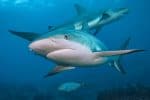
Caribbean Reef Shark
Caribbean Reef Shark An emblematic predator of healthy Caribbean reefs, occasionally observed by divers on deeper reef slopes and drop-offs around the island's marine habitats.
Southern Stingray Commonly seen over sandy patches near reefs and in shallow bays; recognizable by its disc shape and habit of burying in sand.
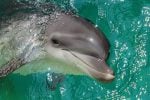
Common Bottlenose Dolphin
Common Bottlenose Dolphin Regularly encountered on boat trips in surrounding waters; groups may forage along reef edges and in channels between islands.
Humpback Whale
Humpback Whale A seasonal, high-profile visitor in the wider northeastern Caribbean (typically winter-spring) during migration and breeding; occasional sightings occur offshore around St. Barts.

Endemic Species

Plei's Ameiva (Ground Lizard) A ground-dwelling teiid lizard endemic to the Anguilla Bank, occurring on Anguilla, Saint Martin, and Saint Barthelemy; it inhabits dry scrub and other open sunny habitats. Endemic

Notable Populations

  • Regionally important nearshore feeding habitat for juvenile green and hawksbill sea turtles associated with reefs and seagrass beds.
  • Seabird roosting and nesting on small offshore islets (local concentrations of pelicans, boobies, and frigatebirds), significant at the island scale even if not globally largest.
Protection

Conservation

Primary Threats

  • Warming seas drive coral bleaching and chronic heat stress on fringing reefs, reducing coral cover and reef fish habitat. Sea-level rise and more intense hurricanes/storm surge accelerate beach erosion, impacting turtle nesting and coastal vegetation; recovery is harder on a small island with extensive shoreline infrastructure.
  • Water quality is constrained by limited land area and steep catchments: heavy rain can flush sediments, hydrocarbons, and nutrients from roads/construction sites into enclosed bays. Wastewater management capacity and diffuse runoff can elevate nutrients and bacteria near popular beaches and marinas, stressing corals and seagrass; marine litter and microplastics arrive both locally (tourism/boating) and via regional currents.
  • High-value coastal real estate and tourism facilities concentrate development along the shoreline. This fragments and replaces coastal dry forest/scrub, increases impervious surfaces (runoff), and narrows/armors beaches, reducing natural buffers and habitat for shorebirds and nesting turtles.
  • Ports, marinas, seawalls, beach stabilization, and nearshore works can directly disturb reefs and seagrass through dredging, turbidity, altered currents, and chronic boat traffic. Lighting and nighttime activity associated with waterfront infrastructure can disorient hatchling sea turtles and disturb seabird roosts.
  • On land, limited remaining natural habitat (dry tropical scrub/woodland and small wetlands) is pressured by development and landscaping. In the sea, physical damage from anchoring, groundings, and trampling in shallow reefs and seagrass beds can reduce structural habitat complexity in heavily visited bays.
  • Reef-associated species and invertebrates can be vulnerable to localized fishing pressure in an island setting where fish populations are spatially constrained. Even moderate harvest can reduce key herbivores and predators, weakening reef resilience; demand from tourism can increase pressure on certain high-value species.
  • Tourism-driven recreation (boating, snorkeling/diving, beach use, jet skis) concentrates in sheltered bays and can disturb seabirds on offshore islets and turtles at nesting/foraging sites. High vessel density increases noise, wakes, and the likelihood of wildlife disturbance in nearshore waters.
  • Non-native species can establish via shipping, yachts, and the ornamental plant trade. In the marine environment, invasive lionfish (a regional issue) can depress juvenile reef fish communities; on land, invasive predators and competitors (e.g., rats/cats or invasive plants) can affect nesting seabirds and native vegetation in small, fragmented habitats.
  • Shoreline hardening, beach grooming, vegetation clearing, and altered drainage can simplify coastal ecosystems and reduce natural dune/strand vegetation. These modifications diminish storm protection, reduce nursery habitat functions, and can degrade the ecological quality of protected coastal zones even without outright habitat conversion.
Visit

Wildlife Tourism

Saint Barthelemy (St. Barts) is a boutique Caribbean destination where wildlife tourism is centered on marine life and coastal ecosystems rather than large terrestrial fauna. The island's main "safari" settings are its fringing coral reefs, seagrass beds, rocky headlands, and small islets that support seabirds. Economically, wildlife experiences typically sit within the broader yachting, diving, snorkeling, and beach tourism market-often delivered by dive shops, licensed boat captains, and private charter operators-adding high-value activities for visitors seeking nature alongside luxury travel. Conservation has increasingly shaped the visitor experience through marine-protected areas/regulations, mooring buoy systems to reduce anchor damage, reef-safe practices, and seasonal respect for nesting birds. Accessibility is straightforward via flights (often via St. Maarten) and frequent boat access; on-island travel is easy by car/scooter, while the best wildlife is reached by snorkel from shore or short boat rides. Expect practical, water-based wildlife viewing (snorkeling, diving, paddleboarding, kayaking, and boat trips) with excellent visibility in many periods, plus quiet birdwatching opportunities along coastal points and offshore islets.

Top Wildlife Experiences

  • Shore-snorkel "reef loop" day: plan a self-guided circuit of 2-3 sheltered bays in one day (morning calm water + afternoon alternate site), focusing on reef edges and rocky outcrops to maximize reef fish diversity and coral structure.
  • Boat-based snorkel safari: take a half-day or full-day boat trip to rotate through multiple reefs and small coves that are hard to reach from land; ask for a naturalist-style briefing on reef zones, fish ID, and low-impact techniques.
  • Scuba diving on coral reefs and spur-and-groove formations: join a 2-tank dive with a local dive center; look for reef fish assemblages, macro life (nudibranchs, shrimp), and cleaning stations where bigger fish may cruise through.
  • Sunset paddleboard or kayak wildlife cruise: paddle along a leeward coastline in the late afternoon for seabird viewing, surface fish activity, and a calmer, less crowded experience; combine with responsible in-water stops only where permitted.
  • Seabird viewpoint walk at dawn: hike to a coastal point early to scan offshore islets for frigatebirds/terns and other seabirds; bring binoculars and keep distance from nesting areas.
  • Underwater photography/freediving session: book a guide (or skilled buddy) to work on buoyancy and composition on shallow reefs-excellent for capturing reef fish portraits and coral textures without contacting the reef.
  • Night snorkel or night dive (conditions permitting): experience nocturnal reef behavior-octopus, crustaceans, and different fish activity; go with a licensed operator and use red-filter lights when possible to reduce disturbance.
  • Reef-safe beach day with a purpose: choose a calm bay and do a "slow snorkel" focusing on species spotting and behavior (pairing, feeding, cleaning), plus a short, organized micro-cleanup with an operator (no touching wildlife).
  • Private charter to combine wildlife + coastline geology: a skipper-led trip that mixes snorkeling stops with interpretation of coastal habitats (seagrass vs. reef vs. rocky shore) and how they support different species.
  • Citizen-science style fish ID outing: join (or DIY) a structured snorkeling session using a fish ID slate/app, logging sightings for personal trip lists and contributing observations when local programs accept them.

Safari Types Available

  • Shore-based snorkeling safaris (self-guided or guided)
  • Boat safaris (snorkel-focused trips rotating across multiple sites)
  • Scuba diving trips (2-tank dives, refresher dives, guided dives)
  • Freediving/underwater photography tours (skills + wildlife viewing)
  • Kayak and stand-up paddleboard coastal wildlife tours
  • Seabird watching walks and coastal viewpoint hikes
  • Night dives/night snorkels (operator-led)
  • Private yacht/boat charters with wildlife-oriented itineraries
  • Citizen-science/eco-interpretation outings (fish ID, reef etiquette, habitat talks)
Fun Facts

Did You Know?

Dry island, better reefs: Saint Barthelemy's lack of rivers (and therefore low sediment runoff) can actually be an advantage for nearby coral-clear water and less muddy freshwater input help keep some reef and seagrass areas from being smothered compared with wetter high islands.

A luxury destination with real no-take rules: parts of the waters around iconic swim/snorkel spots (including reserve zones near Colombier and Fourchue) are not just "protected on paper"-they have specific restrictions on fishing and anchoring designed to prevent reef breakage and overharvest.

Wildlife lives on the margins: because the island is small and developed, many of the most sensitive species (nesting turtles, cliff-nesting seabirds, reef fish nurseries) rely on narrow strips of habitat-beach, cliff ledge, or shallow seagrass-meaning a few hundred meters of coastline can matter more than large inland areas.

The "postcard bays" are nurseries: calm coves and shallow flats that look like pure tourism scenery often double as juvenile habitat for reef fish (and foraging areas for turtles), so the most photographed water is frequently the most biologically functional part of the seascape.

Marine-first protection: the National Nature Reserve of Saint Barthelemy (created in 1996) is the collectivity's largest protected area and is overwhelmingly marine-about 1,200 hectares of reefs, seagrass, and coastal islets managed under a single reserve authority.

Marine nature reserve focus: the Saint Barthelemy National Nature Reserve (created in 1996) protects about 1,200 hectares of marine habitat around the main island and offshore islets such as Colombier, Fourchue, and Fregate.

Sea turtle nesting on a small coastline: Despite its small land area, Saint Barthelemy records nesting by sea turtles-especially hawksbill (Eretmochelys imbricata) and green turtle (Chelonia mydas)-on a limited number of beaches monitored by the Saint Barthelemy Nature Reserve, making these nesting stretches important for conservation.

Seabird "cliff-nester capital" (local): steep coastal cliffs and predator-free islets within the reserve support some of the territory's most important seabird breeding concentrations (e.g., tropicbirds and boobies), concentrating breeding sites into a few highly recognizable landmarks rather than spread-out colonies.

Thank you for reading! Have some feedback for us?