N S W E
Wildlife Expeditions

Wildlife of
Antigua and Barbuda

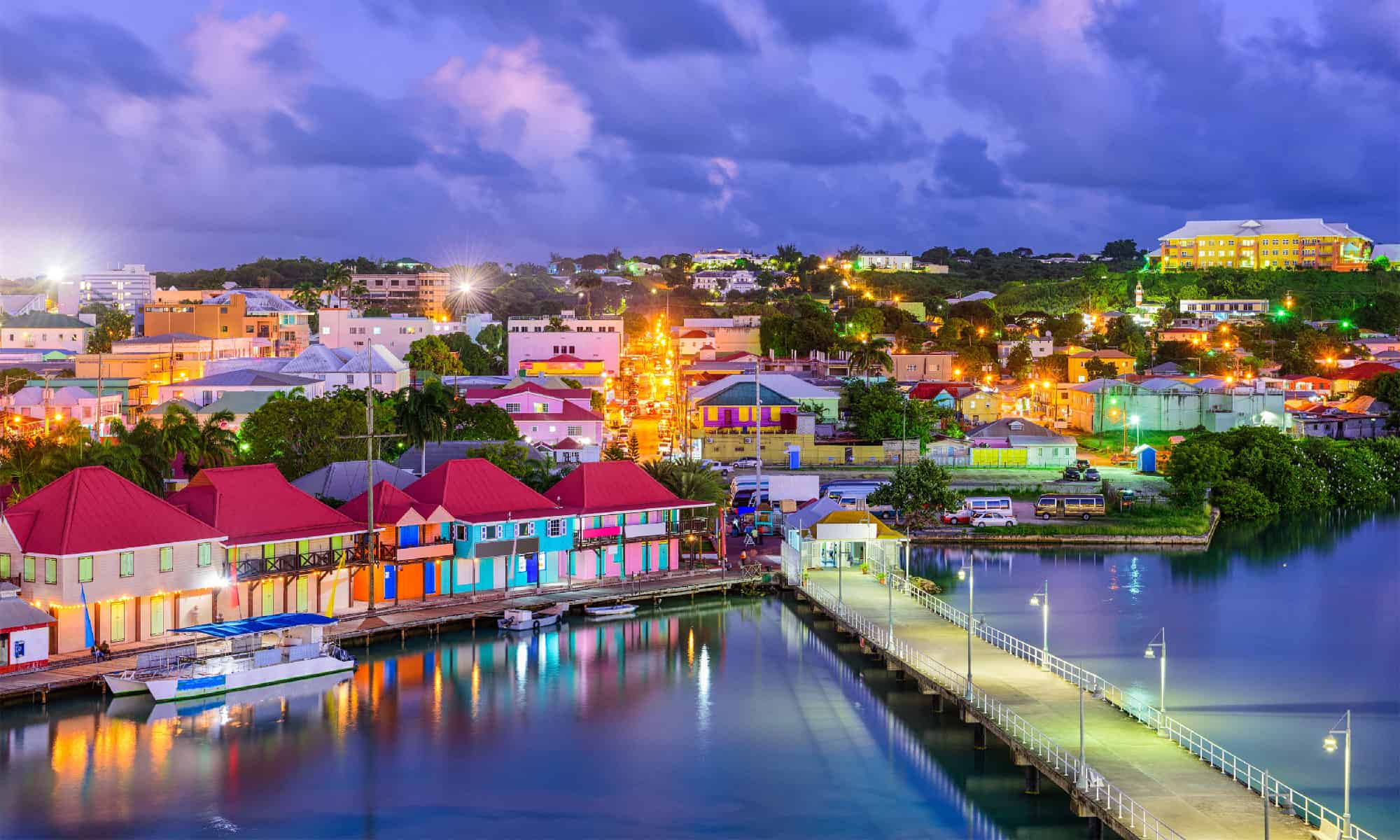
Antigua and Barbuda is notable for its Caribbean "blue-water" wildlife-reef fish and corals, sea turtles, and spectacular seabird colonies-set against a rare mix of lagoons, mangroves, and dry tropical forests on two distinct islands.
13 Species
442 km² Land Area
Overview

About Antigua and Barbuda

Antigua and Barbuda's wildlife character is defined by the meeting of land and sea: coral reefs and seagrass meadows fringe both islands, while coastal lagoons, mangrove pockets, and dry tropical scrub-forest provide crucial habitat for birds, reptiles, and pollinators. For visitors, the draw is the ease of experiencing high-biodiversity marine ecosystems (often right off the beach) alongside globally important birdlife and a handful of conservation success stories that have made these small islands disproportionately significant in the Caribbean.

Key ecosystems include fringing and patch reefs (nurseries for reef fish and invertebrates), seagrass beds that support grazers and juvenile fish, and sheltered lagoons-especially Barbuda's Codrington Lagoon-where mangrove-lined shallows offer feeding and roosting habitat for seabirds and migratory shorebirds. Dry tropical forests and offshore cays add another layer: hardy, drought-adapted vegetation shelters endemic and regionally rare reptiles, while cliffy islets and restored islands provide predator-free nesting space for seabirds.

In global conservation terms, the nation matters most as part of the wider Caribbean flyway and marine corridor: it hosts breeding seabirds, receives migratory birds moving between the Americas, and protects threatened marine turtles that traverse multiple national waters. What makes the wildlife experience unique here is the "small-island intensity"-short travel times between reefs, lagoons, and cays-combined with visible, place-based conservation wins (from seabird sanctuaries to invasive-species restoration) that visitors can directly support through responsible boating, diving, and guided wildlife tours.

Physical Features

Geography

Antigua and Barbuda's small, low-elevation islands create a strong coast-to-interior gradient that concentrates wildlife in coastal and nearshore habitats. Antigua's drier climate and limited permanent freshwater favor dry tropical forest/scrub and seasonal wetlands, while Barbuda's very flat limestone platform supports extensive coastal lagoons, dunes, and mangroves that are crucial for seabirds, migratory shorebirds, and nursery habitat for fish and invertebrates. Surrounding coral reefs, seagrass beds, and sandy shallows drive much of the nation's biodiversity and strongly influence the distribution of turtles, reef fish, and marine mammals close to shore.

442 km² Land Area
Among the world's smallest countries (roughly ~186th by land area); about 2.5× the size of Washington, DC Size Rank

Key Landscapes

  • Coastline with numerous bays, beaches, and rocky headlands (primary habitat connectivity for birds, reptiles, and coastal plants)
  • Fringing and patch coral reefs with adjacent seagrass beds and sandy shallows (major driver of marine biodiversity, turtle foraging, fish nurseries)
  • Coastal lagoons and wetlands-especially Codrington Lagoon (Barbuda) and smaller lagoon/salt-pond systems (critical for seabirds, migratory shorebirds, and brackish-water species)
  • Mangrove stands and salt flats around sheltered coasts and lagoons (storm-buffering habitat and nurseries for juvenile marine life)
  • Dry tropical forest, thorn scrub, and secondary woodland across much of Antigua (supports drought-tolerant terrestrial fauna; habitat patchiness affects endemics)
  • Low mountain/hill ridge on Antigua, including Mount Obama (Boggy Peak, ~402 m) and associated valleys (microclimate variation; remaining upland woodland patches)
  • Limestone and coral-derived karst/soils, especially on Barbuda (high infiltration and scarce freshwater; concentrates wildlife near wetlands and coastal zones)
  • Offshore islets (e.g., Redonda) and cliffy coasts (important seabird nesting/roosting sites)

Ecoregions

  • Leeward Islands dry forests (WWF terrestrial ecoregion)
  • Eastern Caribbean marine ecoregion (MEOW; includes reef, seagrass, and coastal shelf ecosystems surrounding the islands)
Parks & Reserves

Protected Areas

Antigua and Barbuda's protected-area system is a mix of terrestrial national parks (managed primarily by the National Parks Authority and other national agencies), internationally recognized wetlands (Ramsar sites), and an expanding network of coastal and marine managed areas aimed at safeguarding coral reefs, seagrass beds, mangroves, seabird colonies, and sea turtle habitat. Because much of the nation's biodiversity value is concentrated along coasts and in nearshore waters, marine and wetland protection is especially important, with several sites focused on fisheries sustainability, reef resilience, and bird conservation on offshore islands and lagoons.

Protected Coverage

Approximately 10-15% of land area is under formal protection (estimate; the protected seascape/nearshore-marine footprint is larger but varies by designation and zoning).

Notable Parks & Reserves

Codrington Lagoon National Park (Barbuda)

National Park; Ramsar Wetland of International Importance

A large mangrove-fringed lagoon and seagrass system that supports one of the Caribbean's most important seabird breeding areas, including a major frigatebird colony. The lagoon also provides nursery habitat for fish and feeding grounds for migratory waterbirds and marine turtles.

Magnificent frigatebird
Brown pelican
West Indian whistling-duck
Great egret
Great egret
Green sea turtle
Hawksbill sea turtle

North East Marine Management Area (NEMMA) (Antigua)

Marine Management Area / Marine Protected Area (zoned)

A broad multi-habitat seascape (reefs, seagrass beds, mangroves and small islands) that is central to Antigua's marine biodiversity, fish nursery functions, and reef-based livelihoods. It is among the country's most significant areas for snorkeling/diving wildlife, with zones intended to reduce pressure on sensitive habitats.

Hawksbill sea turtle
Green sea turtle
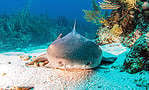
Nurse shark
Nurse shark
Spotted eagle ray
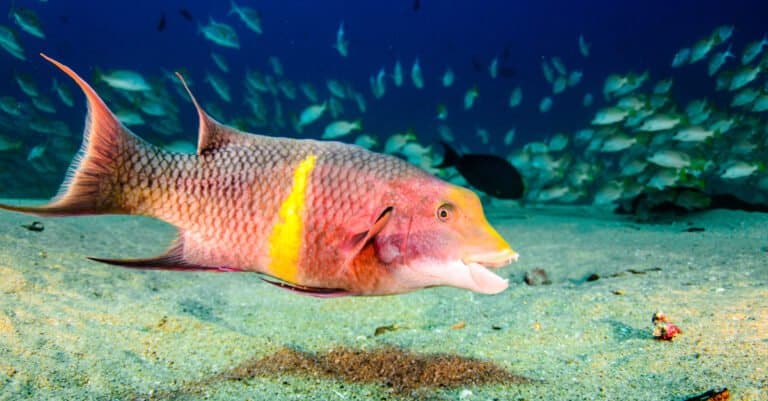
Stoplight parrotfish
Elkhorn coral
Staghorn coral

Cades Reef (Antigua)

Marine protected area / reef conservation zone (local designation varies by management plan)

One of Antigua's best-known reef systems, valued for coral cover, reef fish diversity and relatively accessible dive/snorkel viewing. It provides habitat for spiny lobster, reef predators and foraging sea turtles, and contributes to coastal protection.

Hawksbill sea turtle
Caribbean spiny lobster
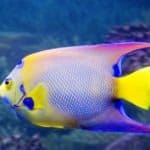
Queen angelfish
Queen angelfish
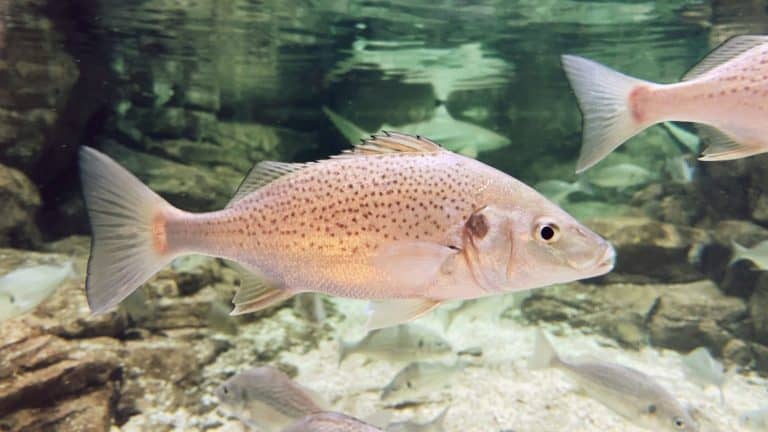
French grunt
Great barracuda
Brain corals

McKinnon's Pond

Ramsar Wetland of International Importance

A rare urban wetland that functions as a crucial stopover and refuge for resident and migratory waterbirds. Seasonal water levels can concentrate birds and make it one of the best places in Antigua for birdwatching and wetland conservation awareness.

West Indian whistling-duck
Caribbean coot
Black-necked stilt
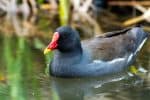
Common gallinule
Common gallinule
Least grebe
Snowy egret

Redonda (island and surrounding waters)

Protected area / ecosystem reserve (national designation; scope includes island restoration and surrounding marine area)

A remote, cliffy seabird island that has become a flagship for island restoration and seabird recovery in the eastern Caribbean. Its rugged habitats support breeding seabirds and endemic reptiles, with surrounding waters important for pelagic and reef-associated marine life.

Red-billed tropicbird
Brown booby
Sooty tern
Lesser Antillean iguana
Geckos (endemic Redonda forms)
Anoles (endemic Redonda forms)

Nelson's Dockyard National Park (English Harbour, Antigua)

National Park (also a UNESCO World Heritage cultural site area)

Best known for cultural heritage, this park also protects a mosaic of coastal habitats (bays, rocky shores, scrub and maritime woodland) used by seabirds and provides nearshore marine habitat in a heavily visited area. It is valuable for integrating tourism with coastal stewardship.

Brown pelican
Magnificent frigatebird
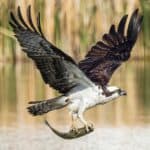
Osprey
Osprey
Green sea turtle
Hawksbill sea turtle

UNESCO World Heritage Sites

  • Antigua Naval Dockyard and Related Archaeological Sites
Animals

Wildlife

Antigua and Barbuda's wildlife is defined less by large land mammals and more by a mix of (1) seabird colonies and migratory birds using lagoons/salt ponds, (2) dry tropical scrub/forest reptiles and small island endemics, and (3) highly diverse marine life on coral reefs, seagrass beds, and offshore banks. The signature experiences are birding (especially Barbuda's lagoons and offshore islets), snorkeling/diving on fringing reefs, and seasonal viewing of nesting sea turtles and migrating whales offshore.

~15-25 (mostly bats; plus occasional marine mammals such as dolphins and migrating whales; few/no native terrestrial mammals besides bats) Mammals
~190-220 recorded (strong mix of resident coastal birds, seabirds, and migratory shorebirds/waterbirds) Birds
~25-35 (lizards and snakes prominent; includes several endemics on Antigua Bank/Redonda) Reptiles
~2-4 (low diversity typical of small, relatively dry islands; some populations include introductions) Amphibians

Iconic Species

Magnificent Frigatebird Barbuda's Codrington Lagoon supports a major breeding colony that is one of the Caribbean's standout seabird spectacles; best seen by boat in the lagoon and adjacent mangroves.
Hawksbill Sea Turtle A flagship reef-associated turtle of the Eastern Caribbean; Antigua and Barbuda's beaches and nearshore reefs support nesting/foraging, with best chances around quieter beaches and protected coastal areas.
Green Sea Turtle Often encountered foraging over seagrass beds and reef edges; nesting also occurs on suitable beaches, making it a key species for coastal conservation and eco-tours.
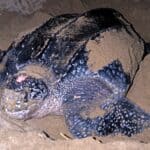
Leatherback Sea Turtle
Leatherback Sea Turtle A seasonal nester and offshore visitor; the largest sea turtle species and a major draw when nesting events are monitored on less-developed beaches.
West Indian Whistling-Duck A sought-after Caribbean specialty associated with wetlands, lagoons, and mangroves; Barbuda's lagoon systems and quiet ponds are among the best local habitats.
Brown Pelican Common and charismatic along harbors, beaches, and rocky coasts; easy viewing around coastal bays and fishing areas across both islands.
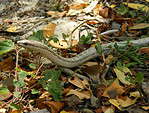
Antigua Racer
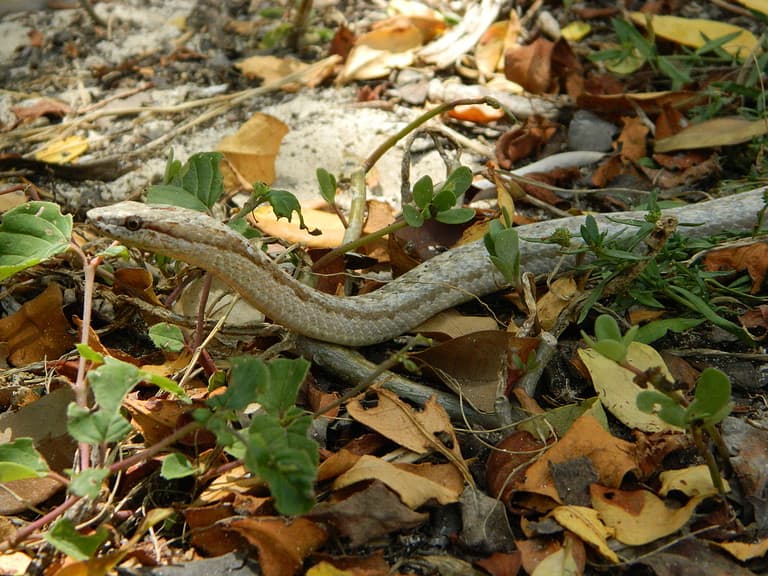
Antigua Racer A conservation icon and one of the rarest snakes globally; now best associated with offshore islets (after intensive invasive predator control) rather than Antigua's main island.
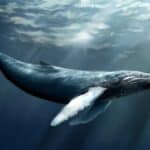
Humpback Whale
Humpback Whale Migrates through the Eastern Caribbean; seasonal sightings are possible offshore during the winter/spring migration window, occasionally drawing whale-watching interest.

Endemic Species

Antigua Racer
Antigua Racer Endemic to the Antigua Bank (Antigua-Barbuda island group); once reduced to a tiny remnant on small islets, it is a flagship recovery species following invasive predator management. Endemic
Barbuda Warbler A small songbird endemic to Barbuda, strongly tied to scrub and woodland habitats; a key target species for visiting birders on Barbuda. Endemic
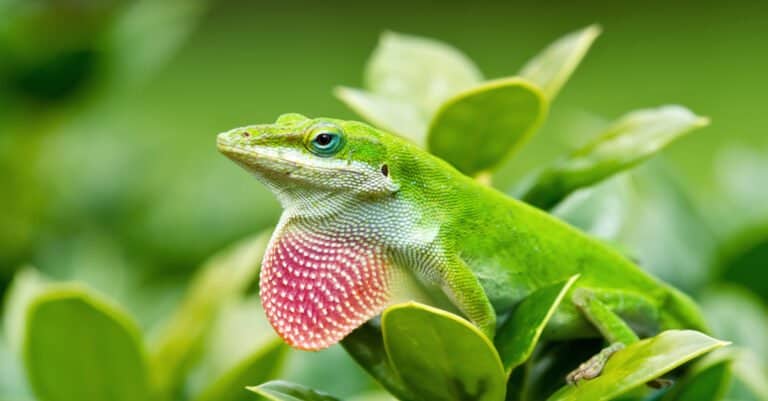
Watts's Anole A small anole largely restricted to the Antigua Bank; commonly seen in dry scrub and around gardens, representing the characteristic 'small-island lizard' fauna. Endemic
Antigua Bank Gecko A tiny gecko associated with the Antigua Bank islands; often overlooked due to size but important as a localized reptile endemic of the nation's island group. Endemic
Redonda Ground Lizard Endemic to Redonda (part of Antigua and Barbuda); a notable island-endemic reptile that rebounded following habitat restoration and invasive species management on the islet. Endemic
Redonda Tree Lizard Another Redonda endemic; emblematic of how very small Caribbean islands can hold unique lineages found nowhere else. Endemic

Notable Populations

  • Codrington Lagoon (Barbuda) supports one of the Caribbean's most important breeding concentrations of magnificent frigatebirds (a major regional seabird stronghold).
  • Antigua racer is globally notable as one of the world's rarest snakes and a leading example of successful restoration on offshore islands through invasive predator control.
  • The nation's reefs, seagrass beds, and beaches support regionally important habitat for threatened sea turtles (notably hawksbill and green), underpinning much of the marine-wildlife experience.
  • Redonda's endemic lizards (Ameiva atrata and Anolis nubilus) are globally significant due to their extremely small natural range and conservation dependence on islet-scale restoration.
Protection

Conservation

Primary Threats

  • Warming seas drive coral bleaching and slower reef recovery; stronger hurricanes and storm surge (e.g., impacts similar to Hurricane Irma) physically damage reefs, dunes, and coastal infrastructure; sea-level rise increases erosion and saline intrusion into coastal lagoons such as Barbuda's Codrington Lagoon, undermining mangroves and nesting/roosting habitat for seabirds and turtles.
  • Coastal and nearshore habitats are lost or fragmented by resort and housing development, marina/boatyard expansion, beach modification, and clearing of mangroves and coastal scrub-especially around high-value shorelines and lagoons. On Barbuda, post-storm rebuilding and land-use change have heightened pressure on dunes, wetlands, and nesting beaches.
  • Land-based sources (insufficient sewage treatment, septic leakage, stormwater runoff, and solid-waste/plastic leakage) elevate nutrients and contaminants in bays and lagoons, contributing to algal growth on reefs and degraded water quality in enclosed systems. Marine litter accumulates on popular beaches and mangrove edges, affecting wildlife and tourism assets.
  • High fishing pressure nearshore reduces key herbivores and predatory fish that maintain reef health; targeted and incidental harvest of species such as lobster, conch, and reef fish can stress populations when enforcement and data are limited. Fishing pressure also interacts with reef degradation, reducing resilience after bleaching and storms.
  • Invasive mammals (rats and other introduced predators) on small offshore islands threaten ground-nesting seabirds and endemic reptiles through egg/chick predation. Invasive lionfish on reefs increase predation on juvenile reef fish, complicating reef recovery and fisheries replenishment efforts.
  • Heavy tourism and recreational boating concentrate around reefs, beaches, and lagoons; anchor damage, trampling, and disturbance at nesting/roosting sites can reduce seabird breeding success and disrupt sea turtle nesting on frequented beaches. Increased vessel traffic also raises risks of wildlife disturbance and localized pollution.
  • Roads, ports, coastal defenses, and utility corridors can fragment remaining dry forest and coastal habitats; dredging and shoreline hardening associated with harbors and marinas can increase sedimentation on nearby reefs and alter water flow in lagoons and mangrove creeks.
  • Dredging, land reclamation, shoreline armoring, and engineered channels modify natural coastal processes (sand movement, lagoon flushing), often increasing turbidity and sediment stress on coral reefs and seagrass beds and reducing the storm-buffering function of dunes and mangroves.
  • Opportunistic take of wildlife (including occasional take/harassment of nesting sea turtles and seabirds) can occur where access is easy and enforcement is thin, adding pressure to species already stressed by habitat loss and disturbance.
  • Risks include illegal or unregulated trade in protected wildlife products (e.g., turtle-derived items) and collection/possession of native fauna, which is particularly consequential for small, localized populations on offshore islets.
  • Coral diseases in the wider Caribbean (and disease outbreaks facilitated by heat stress) pose an increasing risk to Antigua and Barbuda's reef-building corals, potentially causing rapid tissue loss and reducing reef complexity that supports fisheries and shoreline protection.
  • Several conservation-priority species persist in very small, isolated populations (notably the Antiguan racer), making them vulnerable to genetic bottlenecks and stochastic events; hurricanes can further compress populations and reduce genetic diversity if refugia are limited.
  • Extraction of coastal resources (e.g., sand removal in localized areas, heavy pressure on nearshore fisheries, and overuse of limited freshwater supplies) can degrade habitats and reduce ecosystem services, particularly during drought periods and peak tourism seasons.
  • Expansion of settlements and tourism-related services around St. John's and along coasts increases impervious surfaces, runoff, light/noise pollution near nesting beaches, and demand for coastal land-intensifying cumulative impacts on reefs, mangroves, and lagoons.
  • While large-scale agriculture is limited, localized land clearing and grazing in dry forest areas can increase erosion and sediment runoff to nearshore waters after heavy rain, adding chronic stress to coral and seagrass habitats.
Visit

Wildlife Tourism

Antigua and Barbuda's wildlife tourism is anchored in marine and coastal ecosystems-coral reefs, seagrass beds, mangroves, coastal lagoons, and dry tropical forest. Economically, wildlife viewing is tightly tied to the islands' broader tourism industry (snorkeling/diving, sailing, beach holidays), with nature-based add-ons (reef trips, birding, turtle-spotting, stingray encounters) supporting tour operators, guides, boat charters, dive shops, and protected-area management. Historically, the country's relationship with wildlife tourism grew from yachting and reef recreation into more conservation-aware experiences (reef-safe practices, protected-area rules, and community-led guiding), especially around key marine habitats and bird areas. Accessibility is excellent for a Caribbean nature trip: direct regional/international flights to Antigua (VC Bird International), short road transfers to most sites on Antigua, and quick inter-island access to Barbuda by ferry/boat or short flight (seasonal/variable). Most wildlife experiences are half-day to full-day excursions, easy to combine with beach time, and best enjoyed with local guides who know tides, visibility, and species hotspots.

Best Time to Visit

- Dec-Apr (dry season, clearer seas): Best overall for snorkeling/diving visibility and comfortable birding hikes. Expect reef fish, rays, sea turtles on reefs, and strong seabird activity along coasts.
- Mar-Aug (sea turtle nesting peak regionally; exact timing varies by beach/year): Best chance to see nesting activity and hatchlings with responsible local operators and permitted beaches (night walks where allowed).
- Aug-Nov (hurricane season; more rain/heat, but strong nature moments): Migratory bird passage ramps up and lagoons/mangroves can be very productive for shorebirds and waders; seas may be rougher and visibility can vary.
- Sep-Nov (migration window): Excellent for migratory shorebirds and songbirds stopping over in wetlands, coastal flats, and scrub.
- Year-round highlights: Frigatebirds and other seabirds around Barbuda and offshore cays; reef snorkeling on calm days; stingrays in shallow sand flats (conditions dependent).

Top Wildlife Experiences

  • Snorkel or scuba dive on Antigua's fringing reefs with a marine naturalist guide-focus on coral ecology, reef fish ID, and responsible turtle spotting (keep distance; no chasing).
  • Take a guided kayak or paddleboard eco-tour through mangroves and coastal lagoons at slack tide-look for juvenile fish nurseries, crabs, herons/egrets, and (seasonally) migratory shorebirds.
  • Join a small-group seabird and frigatebird-focused boat trip to Barbuda's key seabird habitats-time it for calm seas and bring binoculars for in-flight photography and ID.
  • Do a dusk-to-night "turtle watch" (when permitted and in season) with a trained local guide-learn track ID, nesting behavior, and hatchling protocols; keep lights off and maintain quiet distances.
  • Book a shallow-water "stingray sandbar" encounter that emphasizes observation over handling-learn about ray behavior, feeding ecology, and safe interaction guidelines.
  • Hike a dry-forest and coastal-scrub trail at sunrise with a bird guide-target Caribbean endemics/regionals, raptors, and migrating songbirds (best in the cooler months).
  • Sail-and-snorkel day trip that pairs reef stops with a coastal wildlife scan-watch for seabirds, flying fish, and surface-feeding activity; choose operators that follow reef-safe anchoring practices.
  • Go on a dedicated shorebird-watching session on tidal flats and lagoons-plan around low tide for the best viewing of sandpipers, plovers, and other migrants (peak during fall migration).
  • Try a citizen-science style "reef check" snorkel where you log fish/coral observations with a guide-great for visitors who want a conservation-forward activity.
  • Photograph coastal wildlife from a quiet boat at golden hour-aim for silhouettes of seabirds, calm-water reflections in lagoons, and (seasonally) juvenile turtles in sheltered bays.

Safari Types Available

  • Boat safaris / wildlife cruises (seabirds, coastal ecology, island-hopping)
  • Snorkel safaris (reef fish, turtles, rays; multiple sites in one outing)
  • Scuba diving safaris (reef walls, patch reefs; species-focused dives with guides)
  • Kayak/canoe safaris (mangroves, lagoons, calm bays)
  • Stand-up paddleboard (SUP) wildlife tours (shallow flats and sheltered lagoons)
  • Guided birdwatching walks/hikes (dry forest, coastal scrub, wetlands)
  • Night wildlife experiences (seasonal turtle watches where permitted; nocturnal coastal observation)
  • Sailing-based wildlife experiences (sail + snorkel, seabird scanning between stops)
  • Photography-focused nature tours (sunrise/sunset, bird and coastal landscape focus)
Fun Facts

Did You Know?

Barbuda's famous frigatebirds can't land on water and "float" like gulls-unlike many seabirds their feathers aren't waterproof, so they depend on dry mangrove roosts (like Codrington Lagoon) and spend huge amounts of time soaring instead.

The country's most famous snake conservation success happened mostly on tiny offshore islands, not the main islands: Antiguan racers survived where black rats were absent/removed, showing how a few introduced mammals can determine whether a native predator lives or disappears.

A whole bird species lives on just one of the two main islands: the Barbuda warbler (Setophaga subita) occurs only on Barbuda and nowhere on Antigua, despite the islands being part of the same nation.

Redonda looked almost "dead" within living memory-decades of grazing by feral goats stripped vegetation, which in turn reduced seabird nesting habitat; after eradication, plants and associated wildlife rebounded so quickly that the island's landscape visibly re-greened within a few years.

Tourists often associate the islands with reefs, but some of the most important wildlife habitat is brackish and muddy: coastal lagoons and mangroves (especially on Barbuda) are key nurseries and rookeries supporting seabirds, juvenile fish, and invertebrates that ultimately feed reef ecosystems offshore.

The Antiguan racer snake (Alsophis antiguae) was once widely cited as the world's rarest snake: in 1995 only about 50 individuals were known, restricted to Great Bird Island; conservation translocations and rat eradications later boosted the population to well over 1,000 on several offshore islets.

Barbuda's Codrington Lagoon Frigate Bird Sanctuary hosts the largest breeding colony of magnificent frigatebirds (Fregata magnificens) in the Caribbean-commonly cited at around 2,500 breeding pairs (roughly ~5,000 adults) nesting in the lagoon's mangroves.

The Jumby Bay Hawksbill Project on Long Island (Antigua) is one of the Caribbean's longest-running continuous hawksbill turtle (Eretmochelys imbricata) monitoring programs, operating since 1987 and producing decades of nesting and tagging data for a critically endangered species.

Redonda (a small, uninhabited dependency of Antigua and Barbuda) is a single-island hotspot for endemism: both the Redonda ground lizard (Pholidoscelis atratus) and the Redonda anole (Anolis nubilus) are found nowhere else on Earth.

The Redonda Restoration programme (removing invasive rats and feral goats, completed in 2017) is among the Caribbean's best-documented rapid island ecosystem turnarounds for wildlife: published updates report vegetation cover increasing from about ~1% to ~17% by 2019, improving habitat for nesting seabirds and native reptiles.

Antigua and Barbuda is a nation in the West Indies comprising two islands. This nation has a variety of species living on land and in the surrounding water. Some well-known animals that live in this country include various dolphins, leatherback turtles, and the greater bulldog bat. With over 200 species of birds in the country and several other land-dwelling and sea-dwelling creatures, this small country is home to an intriguing assortment of animals.

The National Animal of Antigua and Barbuda
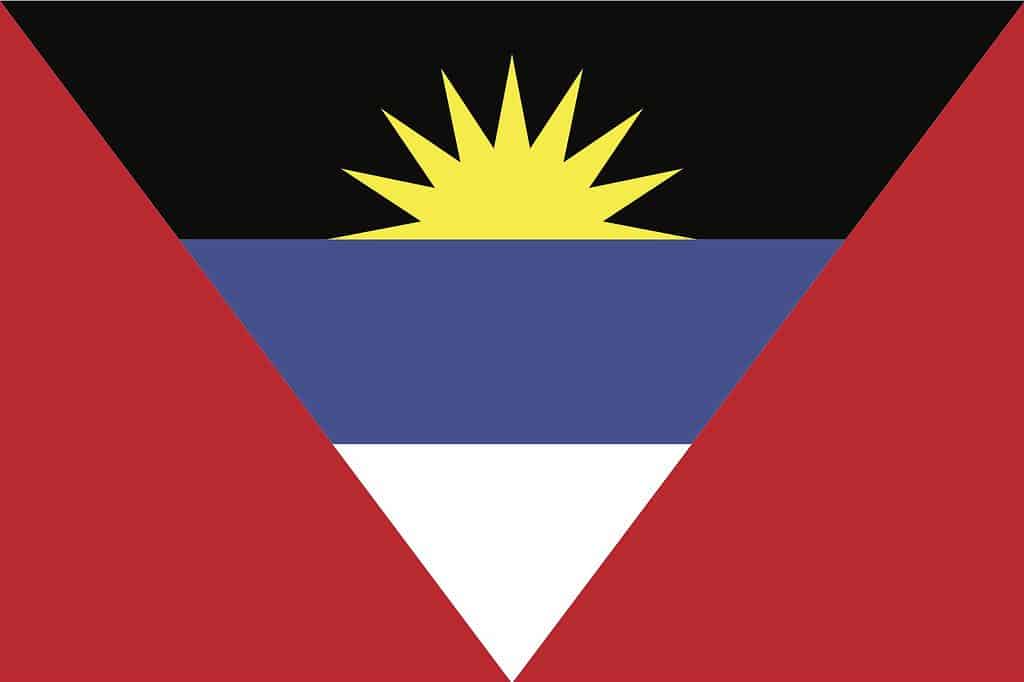
flag of antigua and barbuda

The flag of Antigua and Barbuda.

Antigua and Barbuda has several national animals used as the country’s symbols. The European fallow deer (Dama dama) is the national mammal in this country. However, the country also has a national bird called the magnificent frigatebird, a large species that has a wingspan of almost 8 feet! Last but not least, the country’s national sea creature is the hawksbill sea turtle, one of many endangered animals.

Where to Find Wild Animals in This Country

The best places to see wild animals in the country are by going to nature and wildlife areas. The Wallings Nature Reserve is a protected area on Antigua where people can hike and explore the natural wildlife in the country. Many people visit this region to hike and see birds and local plants.

Boat tours are popular on both islands, allowing people to go whale watching while seeing other tropical fish. Fishing excursions are also popular in this area.

Zoos in Antigua and Barbuda

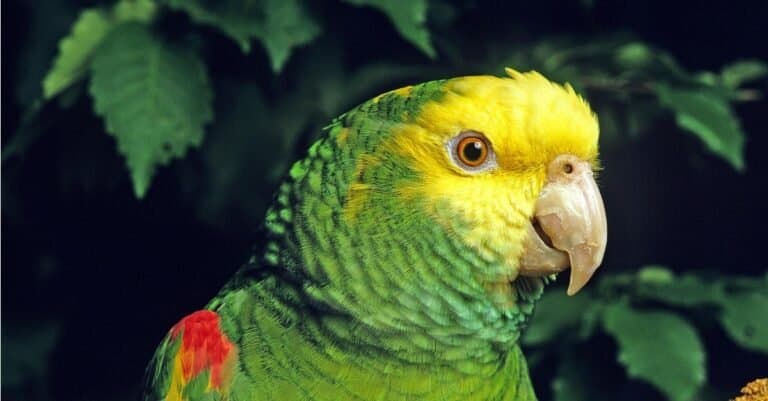
The Wadadli Animal Nature Park is a zoo-like nature preserve that features many animals from the region along with an assortment of plants. Visitors will see animals like iguanas, parrots, peacocks, monkeys, and even fallow deer! This is the very best place to see animals under the care of people in the country.

The Most Dangerous Animals in Antigua and Barbuda
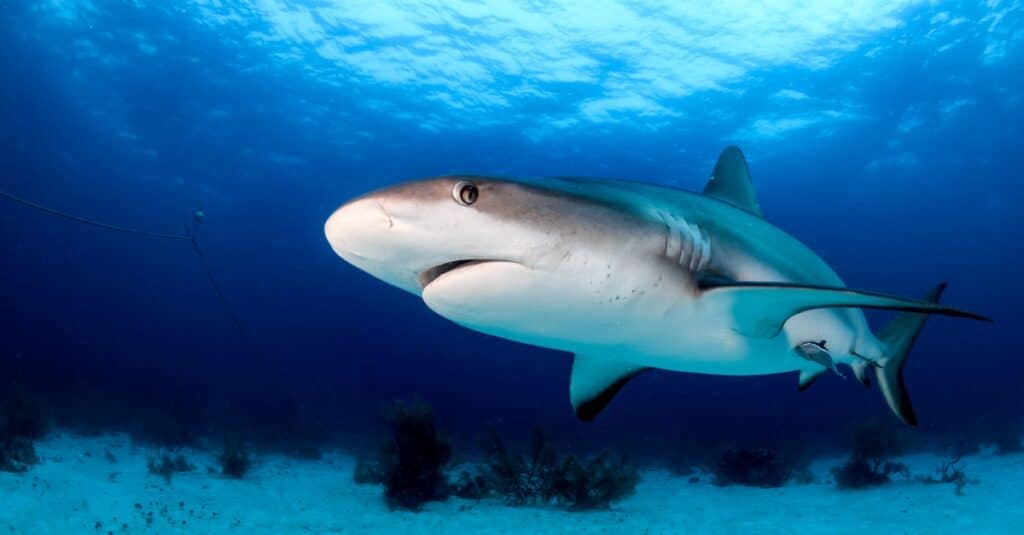
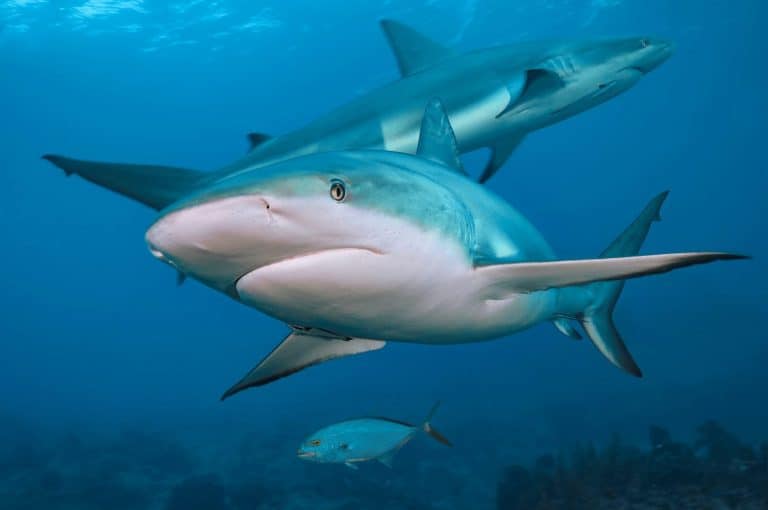
shark swimming near ocean floor

When sharks sleep, they face the flow of the current, allowing it to rest while the moving water continues supplying oxygen.

The islands of Antigua and Barbuda have some dangerous animals, but people are rarely harmed by them. Some of the most dangerous animals in Antigua and Barbuda include:

  • Sharks (blue sharks, nurse sharks, reef sharks, tiger sharks)- dangerous fish that can deliver a fatal bite.
  • Sea urchins- marine creatures whose spines can become lodged in people’s bodies.
  • Jellyfish– invertebrates that can deliver a painful sting to those that come in contact with them.

These animals can each cause some harm to humans, but fatalities are exceedingly rare if they have occurred at all in the area.

Endangered Animals in Antigua and Barbuda
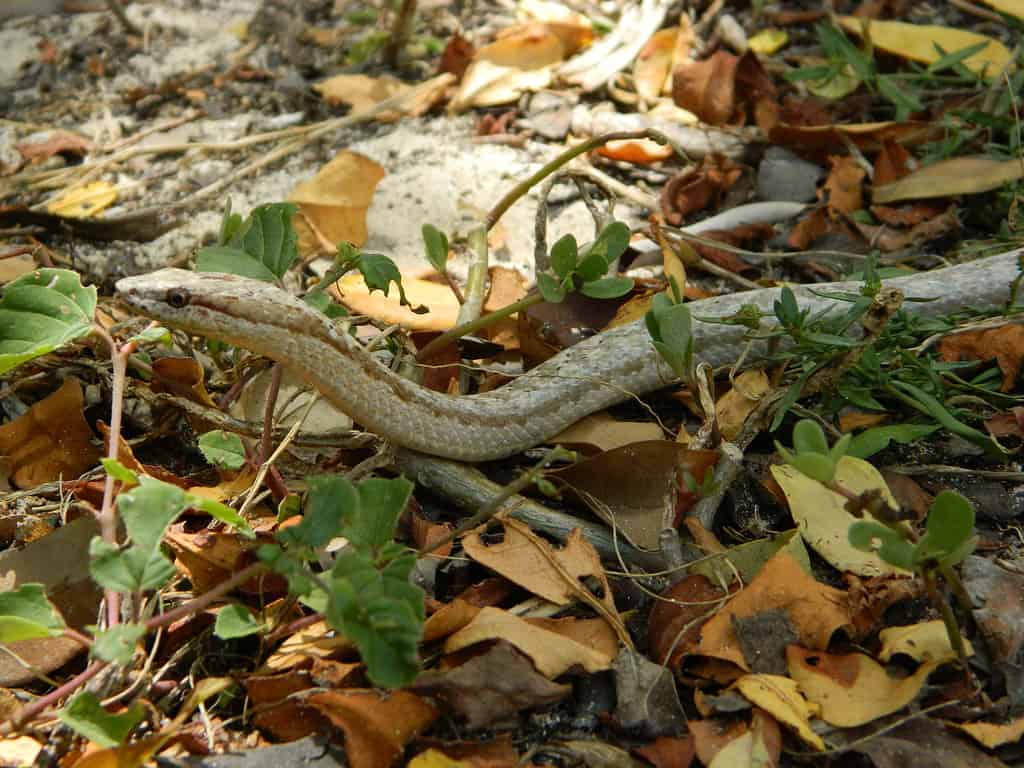
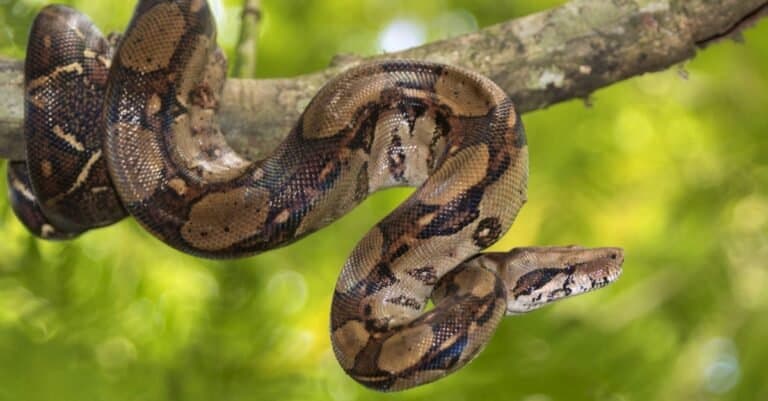
Antiguan Racer

Antiguan racer snakes can vary wildly in terms of color and markings. They range in color from white to brown to black to red to gray.

Several endangered animals live in Antigua and Barbuda. These animals include creatures such as:

The country is taking part in ongoing efforts to protect wildlife in the region. However, some species, like the Caribbean monk seal, were added to conservation efforts too late to save their species.

Animals Found in Antigua and Barbuda

13 species documented in our encyclopedia

Thank you for reading! Have some feedback for us?