N S W E
Wildlife Expeditions

Wildlife of
Martinique

Martinique's wildlife allure comes from the dramatic slopes of volcanic Mount Pelee spilling into lush rainforests, mangroves, and coral-fringed seas where endemic island species and Caribbean marine life meet in a compact, easily explored setting.
10 Species
1,128 km² Land Area
Overview

About Martinique

As a French overseas department in the Lesser Antilles, Martinique packs a striking range of habitats into a small island-steep volcanic ridges, cloud-kissed rainforest, dry coastal scrub, and sheltered bays. Its wildlife character is defined by island endemism and a strong "ridge-to-reef" ecological gradient: you can encounter rainforest birds and reptiles on inland trails and, within the same day, snorkel over seagrass beds and reefs alive with reef fish. The island's natural heritage is inseparable from Mount Pelee and the surrounding northern massifs, where higher rainfall and elevation support some of Martinique's richest native forest biodiversity.

Key ecosystems include tropical rainforest in the north (important for watershed protection and native forest species), mangroves and coastal wetlands (nurseries for fish and buffers against storms), and coral reefs, seagrass meadows, and rocky shorelines (critical feeding and breeding grounds for marine fauna). Marine and coastal systems are particularly significant for migratory and wide-ranging species-sea turtles use local beaches and nearshore waters, while cetaceans pass through the Caribbean corridor offshore. For visitors, Martinique offers a unique wildlife experience in its accessibility: well-marked hikes, scenic coastal roads, and dive/snorkel sites make it realistic to sample multiple ecosystems without long transfers.

In global conservation terms, Martinique contributes to Caribbean biodiversity protection under the EU and French environmental frameworks, supporting the safeguarding of island endemics and the wider Antillean marine realm. While it is not part of African conservation, its role is meaningful in global island and marine conservation efforts-helping maintain habitat connectivity in the eastern Caribbean and promoting protected-area management for reefs, mangroves, and forested watersheds. The island's blend of European-protected-area governance with a distinctly tropical, volcanic landscape creates a wildlife destination that feels both wild and well-supported for nature-focused travel.

Physical Features

Geography

Martinique's wildlife habitats are strongly shaped by its steep volcanic topography and sharp rainfall gradients. The northern half is dominated by the Mount Pelée volcanic massif and rugged ridges that intercept trade-wind moisture, supporting humid tropical forests and cloud-forest-like conditions at higher elevations-key refuges for forest birds, bats, reptiles, and endemic plants. In contrast, the south and some leeward coastal zones are drier, favoring seasonal dry forests, scrub, and savanna-like mosaics. A deeply indented coastline with bays, mangroves, estuaries, sandy beaches, rocky shores, and nearshore coral reefs/seagrass beds creates high habitat diversity and concentrates marine and coastal wildlife, while rivers and ravines act as movement corridors from uplands to the sea.

1,128 km² Land Area
About the size of Hong Kong (≈1,106 km²); not a sovereign country (French overseas department). Size Rank

Key Landscapes

  • Mount Pelée volcanic massif and high-elevation ridgelines (cooler, wetter forest habitats)
  • Pitons and rugged northern mountains with ravines and waterfalls (humid forest corridors)
  • Volcanic slopes and fertile soils supporting rainforest-to-agriculture habitat mosaics
  • Seasonally drier southern hills and coastal plains (dry forest, scrub, and savanna-like patches)
  • River networks and steep ravines (riparian habitat and connectivity from uplands to coast)
  • Caravelle Peninsula and other headlands (dry coastal woodland/scrub, seabird and coastal reptile habitat)
  • Mangrove-lined bays and lagoons, especially in sheltered coastal inlets (nursery habitat for fish/crustaceans; roosting/foraging for birds)
  • Sandy beaches and dune-backed coasts (nesting/foraging zones for shorebirds; potential sea turtle use)
  • Rocky shores, fringing reefs, seagrass beds, and nearshore coral communities (high marine biodiversity; fisheries nursery grounds)

Ecoregions

  • Windward Islands moist forests (WWF terrestrial ecoregion; wetter uplands/north)
  • Lesser Antillean dry forests (WWF terrestrial ecoregion; drier lowlands/south and leeward areas)
  • Lesser Antilles mangroves (WWF terrestrial ecoregion; includes mangroves on islands such as Martinique)
  • Caribbean coral reefs & seagrass beds (marine ecological zones influencing coastal wildlife and fisheries; commonly referenced via MEOW/reef ecoregion frameworks)
Parks & Reserves

Protected Areas

Martinique's protected-area framework follows the French system (as an overseas department) and mixes large-scale landscape planning (a Regional Nature Park) with smaller, more strictly protected sites (National Nature Reserves), plus EU designations (notably Natura 2000) and coastal land stewardship by the French Coastal Conservancy. Protection is therefore a mosaic: extensive areas are managed for biodiversity-compatible land use, while key habitats such as islets, dry forest, mangroves, and reefs receive tighter protection through reserves and site-specific regulations.

Protected Coverage

Approximate land under formal protection depends on what is counted. If the Martinique Regional Nature Park (a large, multi-use protected landscape) is included, roughly ~55-60% of Martinique's land area lies within a formal protected-area designation. If considering only strict nature reserves, the share is much smaller (well under ~2% of land). In addition, several coastal and marine areas are covered by EU Natura 2000 site designations and by French Coastal Conservancy stewardship (which can add meaningful coastal habitat protection but is not always equivalent to a strict reserve).

Notable Parks & Reserves

Martinique Regional Nature Park (PNRM)

Regional Natural Park / Protected landscape (France; multi-use conservation designation)

A large protected landscape spanning major portions of the island, encompassing rainforest, river valleys, agricultural mosaics, and volcanic slopes. It is especially important for safeguarding endemic Lesser Antillean fauna and maintaining habitat connectivity from uplands to coasts.

Martinique oriole
Purple-throated carib
Antillean crested hummingbird
Martinique anole
Martinique whistling frog

Volcanoes and forests of Mount Pelée and the Pitons of Northern Martinique

UNESCO World Heritage (Natural) site

A high-biodiversity volcanic and forested massif in northern Martinique, notable for intact tropical rainforest, steep elevational gradients, and endemic-rich habitats. It is one of the most important areas on the island for native forest birds, amphibians, and reptiles.

Martinique oriole
Purple-throated carib
Antillean crested hummingbird
Martinique anole
Martinique whistling frog
Lesser Antillean swift

Caravelle Peninsula National Nature Reserve

National Nature Reserve (France)

A flagship reserve protecting a rare mix of dry forest, mangroves, coastal scrub, and cliffs-one of the best places on Martinique for birdwatching and for conserving lowland habitats heavily reduced elsewhere. Its habitat diversity supports both forest endemics and mangrove-associated species.

White-breasted thrasher
Martinique oriole
Purple-throated carib
Antillean crested hummingbird
Caribbean coot

Sainte-Anne Islets National Nature Reserve

National Nature Reserve (France)

A vital seabird and sea-turtle stronghold on small offshore islets with surrounding marine habitats. The reserve is particularly notable for nesting seabirds and for protecting nearshore waters used by threatened turtles.
Brown booby
Bridled tern
Sooty tern
Brown noddy
Hawksbill sea turtle
Green sea turtle
Leatherback sea turtle

French Coastal Conservancy coastal sites (e.g., Salines Pond / Salines coastal complex)

French Coastal Conservancy (coastal land protection and management; often paired with additional site protections)

Coastal wetlands, dunes, and backshore habitats secured through public coastal land stewardship and managed to limit habitat loss from development. These sites are especially important for migratory and coastal birds and for maintaining nursery functions of wetlands near the shore.

Caribbean coot
Snowy egret
Great egret
Great egret
Black-necked stilt
Green sea turtle

UNESCO World Heritage Sites

  • Volcanoes and forests of Mount Pelée and the Pitons of Northern Martinique
Animals

Wildlife

Martinique's wildlife is shaped by its steep volcanic relief (Mount Pelee and the Carbet Peaks), wet montane rainforest, drier coastal scrub, mangroves, and coral-reef/seagrass ecosystems. Terrestrial mammals are limited (mostly bats), so the on-land wildlife experience is strongly defined by birds, lizards, and frogs, while the biggest wildlife encounters tend to be marine (sea turtles, dolphins, and seasonal whales). Island endemism is high for certain groups, and a few signature species occur nowhere else on Earth.
≈25-35 (mostly bats; few native non-flying mammals) Mammals
≈200-260 recorded (including migrants); ~60-90 regular/breeding species Birds
≈20-30 (lizards and snakes; some endemics plus introduced species) Reptiles
≈3-6 (few native frogs; localized endemism/near-endemism) Amphibians

Iconic Species

Martinique Oriole The flagship endemic landbird-visitors seek it in forest edges and mid-elevation habitats, especially in the north/center around rainforest zones and protected areas.
Antillean Crested Hummingbird A tiny, highly visible hummingbird in gardens, forest clearings, and trails; one of the most frequently seen "Caribbean specialties" on the island.
Green-throated Carib A charismatic hummingbird often seen feeding at flowering shrubs and heliconias in wetter habitats; a key species for visitors birding rainforest and garden areas.
Brown Pelican Common along coasts, bays, and fishing harbors; easy to see plunge-diving and loafing on rocks and jetties around the island.
Magnificent Frigatebird Frequently seen soaring over coastal cliffs and bays; notable for aerial piracy behavior and dramatic flight silhouettes.
Hawksbill Sea Turtle A headline species for reef snorkeling/diving; associated with coral habitats and rocky reefs around Martinique's coastal waters (sightings vary by site/season).
Green Sea Turtle Often linked to seagrass beds and nearshore feeding areas; a key species for marine-ecotourism and conservation-focused visits.
Leatherback Sea Turtle
Leatherback Sea Turtle The largest sea turtle; Martinique is part of the regional nesting network, with seasonal nesting activity on suitable beaches in the Lesser Antilles.
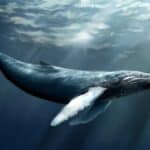
Humpback Whale
Humpback Whale Seasonal visitor to the eastern Caribbean during the breeding/calving period (typically winter to early spring); whale-watching opportunities occur offshore when conditions and seasons align.
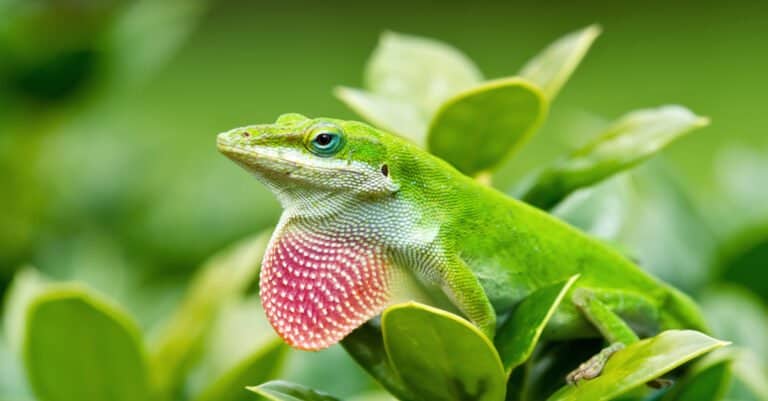
Martinique Anole A signature island lizard and one of the most commonly encountered reptiles on trails, forest edges, and gardens-highly variable in color and pattern across the island.

Endemic Species

Martinique Oriole Endemic to Martinique; its entire global population is confined to the island, making it the top terrestrial endemic for visiting birders. Endemic
Martinique Anole Endemic lizard found only on Martinique; a defining component of the island's everyday wildlife. Endemic
Martinique Racer Historically endemic to Martinique but now widely considered extinct (or functionally extirpated); often cited in conservation history as an example of island snake declines. Endemic

Notable Populations

  • 100% of the world's Martinique Orioles (Icterus bonana) occur on Martinique.
  • Martinique forms part of the eastern Caribbean seasonal breeding/calving range for North Atlantic humpback whales (Megaptera novaeangliae).
  • Martinique supports regionally important nesting/foraging habitat for sea turtles (notably leatherback, hawksbill, and green turtles), with activity concentrated in suitable coastal sectors and seasons.
Protection

Conservation

Primary Threats

  • Legacy contamination from the pesticide chlordecone (historically used in banana cultivation) persists in some soils, rivers, and coastal sediments, creating long-term ecological and food-web impacts and constraining fisheries and coastal resource use. Additional pressures include untreated/overloaded wastewater discharges, agricultural runoff (nutrients/sediments), port/boating pollution, and marine litter affecting reefs, mangroves, and beaches.
  • Coastal habitats (mangroves, beach/dune systems, coastal dry forests) face conversion or degradation from tourism facilities, housing, and shoreline hardening. On land, fragmentation occurs where lowland forests and wetlands have been replaced by agriculture and peri-urban development, reducing connectivity between remaining natural areas.
  • Population and infrastructure concentrate around coastal plains and bays, driving land take, wetland infill, increased stormwater runoff, and disturbance to critical nesting/roosting sites (e.g., seabirds and sea turtles) and to nearshore habitats.
  • Intensive agriculture-especially banana production-has historically replaced lowland habitats and contributes ongoing runoff and erosion. Even where agriculture is not expanding rapidly today, its footprint and legacy impacts (including pesticide residues) continue to affect freshwater and coastal ecosystems.
  • Rising sea temperatures increase coral bleaching and disease risk, while ocean acidification weakens reef-building capacity. Sea-level rise and stronger storms/hurricanes intensify coastal erosion and inundation of mangroves and turtle-nesting beaches, and extreme rainfall events increase landslides and sediment pulses from steep volcanic catchments onto reefs.
  • Nearshore fishing pressure (reef and coastal species) can reduce key herbivores and predators that maintain reef resilience. Small-island dynamics concentrate effort close to shore, and climate/pollution stress makes depleted reef communities slower to recover.
  • Invasive predators (e.g., rats, feral cats, mongooses) can depress native bird, reptile, and small-fauna populations, particularly on islets and near settlements. In the marine realm, invasive lionfish predation alters reef fish communities, prompting periodic control efforts.
  • Shoreline armoring, river channel works, drainage, and alterations to mangrove/wetland hydrology reduce natural buffering and nursery functions. Sediment management and erosion-control challenges in steep watersheds can alter freshwater flow regimes and increase turbidity on reefs.
  • High recreational use of beaches, coastal trails, and nearshore waters increases trampling of dune vegetation, disturbance of nesting sea turtles, anchoring damage to seagrass/corals, and wildlife stress in heavily visited coastal hotspots (especially during peak tourism periods).
  • Ports, marinas, roads, and coastal protection works can directly remove habitat and increase vessel traffic, noise, lighting, and spill risk. Linear infrastructure also fragments lowland habitats and increases access pressure to sensitive areas.
  • While large-scale logging is limited and many forested areas are managed or protected, localized cutting for land clearing, informal extraction, or post-storm salvage can degrade forest edges and increase erosion in steep catchments if not carefully controlled.
  • Quarrying for construction materials (and associated haul roads) can cause localized habitat loss, dust/noise, and increased sediment runoff-effects that are amplified by Martinique's steep terrain and the downstream sensitivity of rivers, mangroves, and reefs.
  • Hunting pressure is generally localized but can affect certain bird and small game populations and can add stress to already fragmented habitats, especially near accessible forest edges and rural-urban interfaces.
  • Island endemics and small, fragmented populations (especially in lowland remnants and on islets) can face reduced gene flow and higher vulnerability to stochastic events (storms, disease outbreaks), making habitat connectivity and predator control important for long-term viability.
  • Marine disease risk is increasing as reefs are stressed by warming and pollution; episodic coral disease events and pathogen susceptibility can compound bleaching impacts. Disease risks also rise in wildlife populations when habitat quality declines and invasive species increase contact/competition.
  • Depletion of key ecological resources-reef fish biomass, coastal nursery function, and water quality-occurs where cumulative pressures (pollution, overuse, habitat modification) outpace ecosystem recovery, reducing the resilience of reefs, mangroves, and fisheries-dependent communities.
Visit

Wildlife Tourism

Wildlife tourism in Martinique is centered on coastal and marine life (reef fish, sea turtles, dolphins/whales) plus rainforest and volcanic habitats that support endemic birds, bats, reptiles, and rich insect life. As a French overseas department, the island benefits from EU-level infrastructure, safety standards, and reliable transport (international flights to Fort-de-France, good roads, organized tours), making wildlife trips easy to plan without sacrificing a "wild" feel-especially in the north around Mount Pelee and in protected coastal zones. Economically, nature-based tourism complements Martinique's beach-and-culture travel, sustaining local boat operators, dive shops, hiking guides, and small communities through guided excursions, equipment rental, accommodation, and park/interpretation services. Conservation and protected-area management have grown in importance as visitor interest in responsible marine encounters (cetaceans, turtles) and low-impact rainforest hiking has increased, with many operators aligning with best-practice codes of conduct for wildlife viewing.

Best Time to Visit

Year-round, with seasonal highlights (Martinique has a drier season roughly Dec-Apr and a wetter season roughly Jun-Nov; seas and visibility vary by coast).

- December-April (drier, best hiking + clearer water): Peak conditions for Mount Pelee and northern rainforest treks; generally calmer seas for boat wildlife trips and better underwater visibility for snorkeling/diving.
- February-April (cetaceans in the wider Caribbean): Good window for whale/dolphin boat trips (species presence varies; operators track sightings). Expect the best mix of stable weather and comfortable sea state.
- April-June (lush forests, active birdlife): End of dry season into early wet season brings more flowers/insects-great for birding, macro photography, and waterfall/river walks.
- June-October (turtle season in the region; nesting/foraging depends on site): Higher chance of encountering sea turtles (especially while snorkeling/diving in seagrass/reef areas). Plan early-morning water time for calmer conditions; be flexible due to tropical showers.
- September-November (wetter + cyclone season risk): Fewer crowds and vivid green landscapes; good for rainforest ambience and photography, but build in weather buffers for boat outings.

Tip: For marine wildlife, choose early departures (smoother water, better light) and leeward coasts when trade winds pick up.

Top Wildlife Experiences

  • Cetacean-watching by boat with a responsible operator (slow approaches, no chasing): scan for dolphins and, seasonally, larger whales; bring polarized sunglasses and a light rain layer.
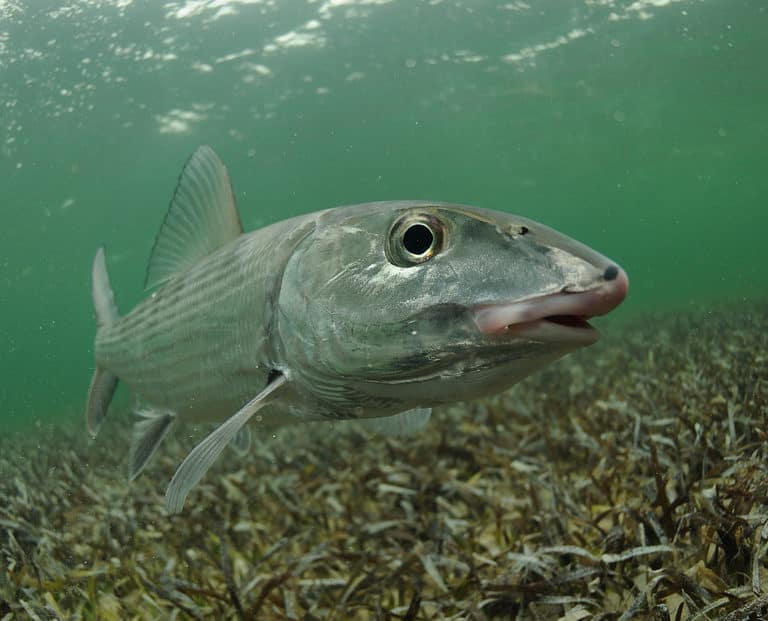
  • Snorkel or dive "turtle territory" over seagrass beds and fringing reefs: look for green/hawksbill turtles, rays, and reef fish; go with a guide who enforces no-touch/no-feed rules.
  • Guided hike on Mount Pelee (Montagne Pelee): hike from lower-elevation rainforest into higher-altitude volcanic habitats for summit viewpoints, with chances to spot native Caribbean birds along the trail.
  • Guided rainforest walk in the north (Carbet/Precheur area): focus on birds, tree ferns, orchids, frogs, and insect life; combine with a river/waterfall stop for a full "forest day."
  • Night nature walk for herpetology and insects: search for geckos, anoles, tree frogs, and spectacular moths/beetles; ideal for photographers and families with older kids.
  • Coastal kayak or stand-up paddle in calm bays and mangrove-fringed areas: quietly observe seabirds, juvenile fish nurseries, and (sometimes) turtles without engine noise.
  • Reef and drop-off snorkeling safari by boat: hop between multiple coves in one trip to compare habitats (sand flats, coral heads, rocky reefs) and maximize species variety.
  • Birding circuit with a local guide: target Caribbean endemics/near-endemics and migratory songbirds in season; include both coastal wetlands and upland forest for best diversity.
  • Freediving or introductory scuba try dive focused on marine life identification: learn to spot cleaning stations, parrotfish grazing, and camouflaged species like flounder and octopus.
  • Low-impact beach walk and coastal natural history tour: learn to read tracks, identify coastal plants, and understand reef-safe practices; pair with a sunset seabird watch.

Safari Types Available

  • Boat-based wildlife watching (cetaceans: dolphins/whales)
  • Snorkeling safaris (guided reef hopping)
  • Scuba diving and marine life interpretation dives
  • Sea-kayak / stand-up paddle eco-tours
  • Guided rainforest hikes and volcano treks (Mount Pelée)
  • Birdwatching walks and photo tours (coast + uplands)
  • Night safaris on foot (frogs, reptiles, insects)
  • Coastal nature walks and intertidal exploration (tide-dependent)
  • Citizen-science style outings (species logging, reef/fish ID with guides, when available)
Fun Facts

Did You Know?

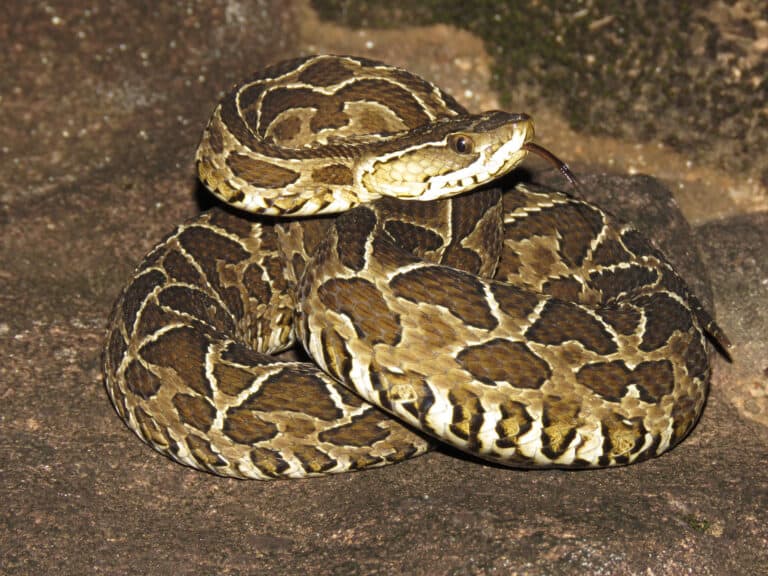
Martinique's endemic pit viper is medically unusual: bites from the Martinique lancehead are known for causing dangerous blood-clotting (thrombotic) complications rather than "classic" hemorrhaging seen with many other viper venoms.

The 1902 Mount Pelee catastrophe accidentally created new marine habitat: the submerged ruins and wrecks off Saint-Pierre are now dive sites that function like artificial reefs, attracting reef fish and invertebrates.

In a drive of well under an hour you can go from coral-and-seagrass lagoons to cool, misty rainforest on Mount Pelee's upper slopes (~1,397 m), where mossy vegetation and tree ferns feel more "cloud forest" than "beach Caribbean."

Sea turtles use Martinique as a nesting island: monitoring programs document nesting by species such as leatherback (Dermochelys coriacea), hawksbill (Eretmochelys imbricata), and green turtle (Chelonia mydas) on Martinique beaches-so some of the island's most famous shorelines double as critical wildlife habitat.

Martinique's wildlife protection is shaped by its status as part of France/EU: several habitats and species are managed under French and EU conservation frameworks, meaning Caribbean ecosystems here can be protected under the same legal toolbox used in mainland Europe.

World's only home of the Martinique lancehead (Bothrops lanceolatus) - a venomous pit viper found nowhere else on Earth.

World's only natural range of the Martinique oriole (Icterus bonana), an island-endemic songbird restricted to Martinique's forests.

World's only native range of the Martinique anole (Anolis roquet), a lizard that has diversified into multiple color forms across the island's habitats.

Largest mangrove system in Martinique is around the Bay of Fort-de-France (including the Genipa mangroves), a key nursery area for coastal fish and crustaceans on the island.

Thank you for reading! Have some feedback for us?