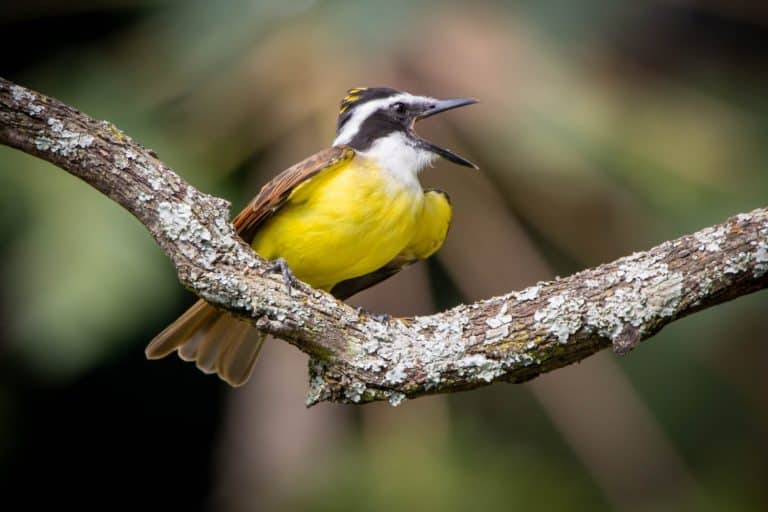
Great Kiskadee
Hear it before you see it: Kiskadee!

Hear it before you see it: Kiskadee!
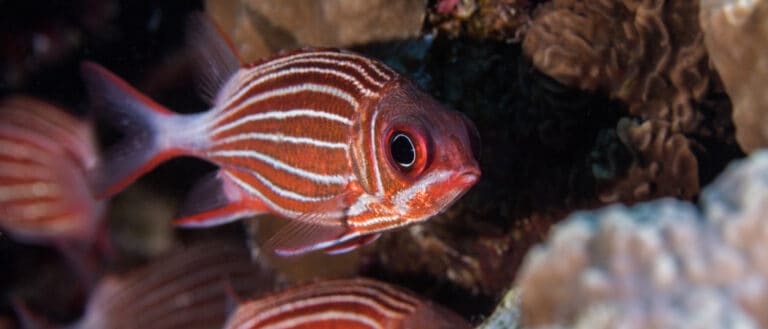
Big eyes, night bites, reef grunts.
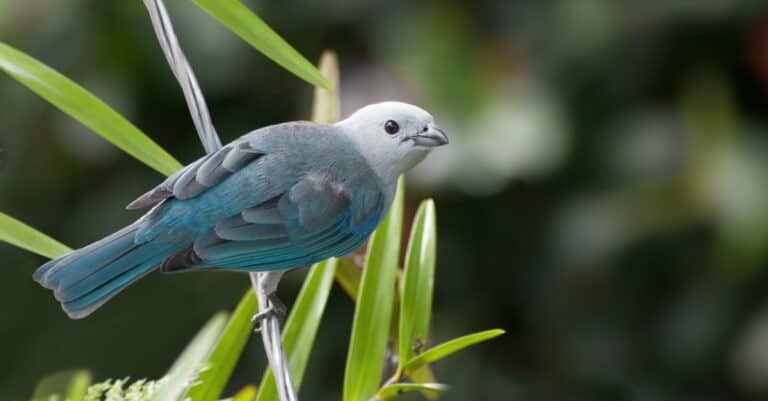
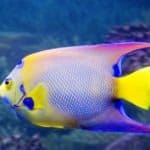
Blue bishop of the backyard edges
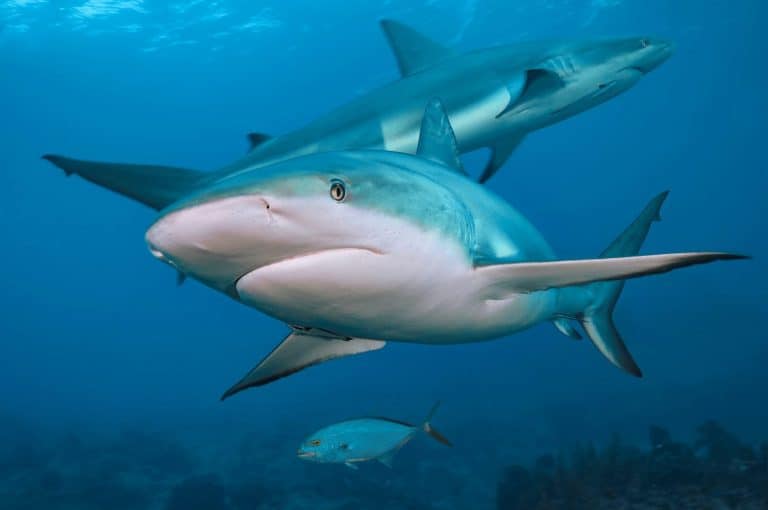
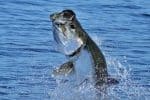
The reef's resident requiem shark
Powerful hug, no venom needed.
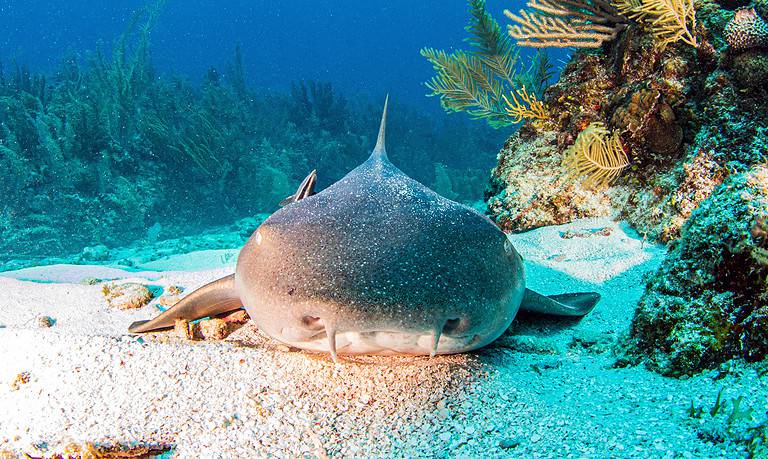
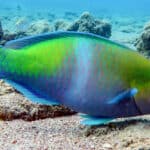
The reef's gentle vacuum hunter
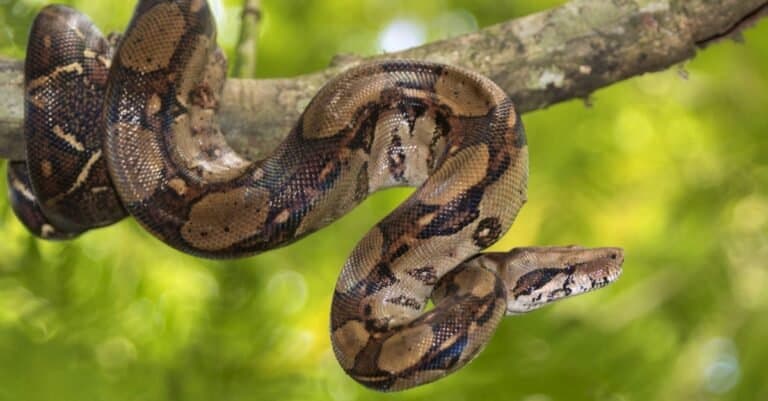
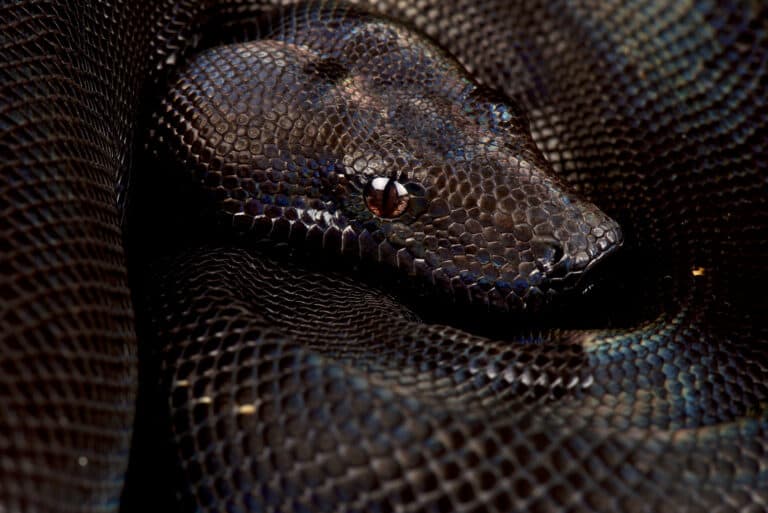
Quiet coils, powerful control
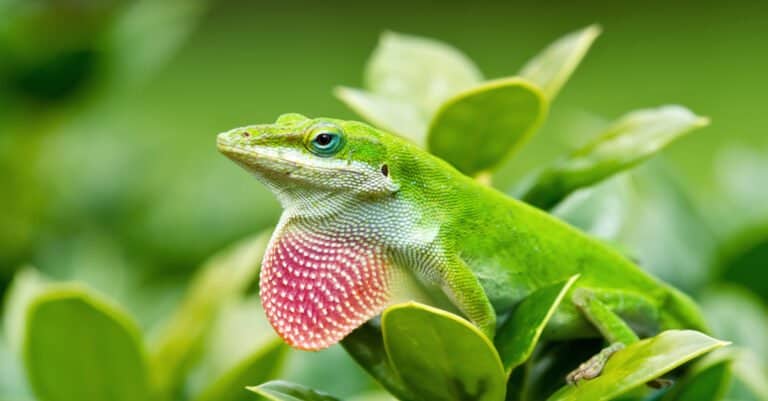
Dewlap drama in the treetops
Curaçao's wildlife identity is shaped by two worlds: vibrant marine life along its fringing reefs and a sun-baked, cactus-studded landscape inland. Visitors come for reef fish, corals, rays, and sea turtles just offshore, then shift to land-based encounters with salt-pan birds and dry-forest specialists adapted to heat and limited freshwater. The island's location near Venezuela influences its flora and fauna, giving it a distinctive "southern Caribbean" feel compared with many other islands.
Key ecosystems include the coral reefs and seagrass beds that support reef communities and provide feeding areas for turtles, plus mangroves and sheltered bays that act as nurseries for juvenile fish. On land, coastal salt flats and brackish lagoons attract wading birds-most famously American flamingos-while protected areas such as Christoffel National Park and the dramatic north-coast shoreline at Shete Boka showcase Curaçao's dry woodland, coastal cliffs, and seabird habitat. These systems are significant not only for biodiversity but also because they buffer coasts, underpin fisheries, and sustain the island's nature-based tourism.
Curaçao is not an African conservation hub, but it plays a meaningful role in Caribbean and global conservation through reef stewardship, sustainable marine tourism, and protection of regionally threatened species such as the yellow-shouldered Amazon parrot. Community-led initiatives and partnerships focus on coral resilience and restoration, marine-park management, and education that encourages responsible diving, wildlife viewing, and habitat protection. What makes the wildlife experience unique here is how accessible it is: you can often step in from a beach or rocky shore and be over living reef in minutes, then end the day watching flamingos feed in salt pans or scanning dry hillsides for parrots at sunset.
Curaçao's small, arid Caribbean island geography strongly concentrates wildlife into a few key habitat types: coastal wetlands and salt flats (critical for migratory and resident waterbirds), rugged limestone/volcanic hills with thorny dry scrub (supporting reptiles, bats, and dry-forest birds), and an extensive fringing-reef coastline (driving most of the island's biodiversity via coral reef, seagrass, and mangrove food webs). Limited freshwater and highly seasonal rainfall keep terrestrial habitats dry and patchy, while the surrounding marine environment-clear waters, reefs, and sheltered bays-supports high fish and invertebrate diversity and provides nurseries for many species.
Curaçao's protected-area system is relatively small on land but strong in nearshore marine conservation. The island's two flagship terrestrial protected areas-Christoffel National Park and Shete Boka National Park-protect the best remaining examples of Curaçao's arid rural landscapes, coastal cliffs, and key wildlife habitat. In addition, several coastal salt lagoons (salt pans) and mangrove-fringed bays are managed as local conservation or nature areas for waterbirds, while marine protections (reef-focused) are central to conserving Curaçao's coral reefs, sea turtles, and reef fish.
Approx. ~6-9% of land is under formal protection (driven mainly by Christoffel National Park and Shete Boka National Park; additional small protected/managed nature areas may raise the total slightly). If nearshore marine protected areas are included, the protected share of Curaçao's territorial waters is substantially higher than the land figure.
Curaçao's largest terrestrial protected area, centered on the island's highest point (Christoffelberg), protecting dry forest, thorn scrub, and key habitat for endemic reptiles and resident landbirds. It's the best site for terrestrial wildlife viewing on Curaçao, including the island's native deer population.
A rugged coastline reserve of wave-battered coves (inlets), sea caves, and cliff-backed shores that are important for coastal birds and sea turtle nesting. It is one of the most reliable places to see Curaçao's dramatic shoreline ecosystems and turtle-related conservation activity.
Reef and drop-off habitats fringing Curaçao support high coral and reef-fish diversity and are core to the island's marine conservation and dive-based wildlife viewing. The area is notable for coral communities, sea turtles, rays, and large schooling fish in clear Caribbean waters.
A major wetland-and-bay complex with mangroves and sheltered waters that concentrates waterbirds and supports nursery habitat for many marine species. It is among Curaçao's top birding areas and a key site for maintaining coastal wetland function in an otherwise arid island.
A saline lagoon system that regularly attracts flamingos and mixed shorebirds, making it one of the most important easily accessible inland wetland sites on the island. It helps maintain habitat for migratory and resident waterbirds despite high coastal development pressure elsewhere.
A prominent saltpan landscape known for dependable flamingo viewing and seasonal shorebird use. It is notable as a high-value bird habitat patch in Curaçao's dry coastal zone.
An offshore islet with important sandy beaches used by nesting sea turtles and surrounding waters that support reef and pelagic species. It is one of the most significant turtle-focused wildlife sites associated with Curaçao.
Curaçao's wildlife experience is defined by its warm, clear southern-Caribbean waters and fringing coral reefs, paired with an arid, cactus-and-thorn scrub interior, mangroves, and salt flats (salinas). Terrestrial diversity is relatively modest (few native land mammals), but birdlife is conspicuous and the surrounding sea supports high marine biodiversity-especially reef-associated species and regular encounters with sea turtles and coastal seabirds. Many of the most distinctive animals are island specialists or southern-Caribbean "ABC-island" near-endemics adapted to dry landscapes.
Curacao's wildlife tourism is built around the sea: fringing coral reefs, seagrass beds, and clear water make snorkeling/diving and marine tours a major part of the visitor economy, complemented by smaller-scale land-based nature experiences in the island's arid landscapes. Nature travel has grown alongside Curacao's broader beach-and-culture tourism, with increasing emphasis on reef-friendly practices, sea turtle protection, and responsible boating/diving. Accessibility is excellent for a small island: short transfer times from Willemstad to most bays, year-round warm weather, and a mature tourism infrastructure (dive operators, boat charters, guides, and marked trails). Wildlife viewing is generally best when you plan around sea conditions (wind/swell), daylight, and nesting seasons rather than big migrations.
Year-round, with seasonal highlights (plan around wind/swell and nesting):
- January-March: Often great underwater visibility on many leeward sites; prime season for shore snorkeling and scuba (reef fish, rays, eels, turtles). Humpback sightings can occur in the wider southern Caribbean in winter, but Curacao is not a guaranteed whale destination.
- April-June: Calmer periods often improve conditions for boat snorkel trips and diving; excellent time for reef photography, night dives, and macro life.
- May-October: Sea turtle nesting season (varies by beach and species). Best for guided, low-impact turtle-focused evenings where permitted; also strong chances of seeing turtles while snorkeling year-round.
- July-October: Warmer water; good for longer snorkel sessions and combining reef time with sunset seabird watching.
- October-December: Often favorable shoulder-season conditions; good mix of clear water days and fewer crowds; strong all-around month range for reefs and coastal hikes.
Practical tip: If trade winds pick up, choose leeward (more sheltered) coves for snorkeling/diving and schedule boat trips for early morning when seas are typically calmer.
Some of Curacao's salt pans, such as Jan Kok, can turn vivid pink because of halophilic microalgae (often cited as Dunaliella) and brine shrimp; those same organisms help attract Caribbean flamingos that feed and roost in the salt pans.
The island looks desert-dry on land (cacti, thorn scrub), yet it supports diverse coral reefs offshore-one reason is that Curacao has no large rivers, so there's less muddy runoff to smother corals and reduce water clarity.
Little Curacao-an uninhabited offshore islet of Curacao-is an important sea-turtle nesting beach (especially for green and loggerhead turtles); hatchlings typically orient toward the brightest horizon to reach the sea, so artificial lighting can severely disrupt them.
Trade winds shape wildlife in visible ways: the divi-divi tree (Caesalpinia coriaria) commonly grows permanently bent in the same direction, so reliably that hikers use its silhouette as a natural indicator of prevailing wind direction.
Curacao Underwater Park (established 1983) is one of the Caribbean's oldest legally designated marine parks, protecting roughly 20 km of fringing reef habitat from the shoreline down to about 60 m depth.
CARMABI (Caribbean Research and Management of Biodiversity), founded on Curacao in 1955, is one of the longest-running marine research institutes in the Caribbean-its long-term reef datasets are used to track regional changes in corals and reef fish.
Curacao sits south of the main Atlantic hurricane belt, so its reefs are among the least frequently struck by tropical cyclones in the Caribbean-direct hurricane landfalls are rare compared with many northern Caribbean islands.
Curacao is famous for "reef right off the beach": at many sites the coral community begins only meters from shore and the seafloor drops quickly into deep water-making it one of the Caribbean's most accessible places for shore-based encounters with reef wildlife.
8 species documented in our encyclopedia
Thank you for reading! Have some feedback for us?
We appreciate your help in improving our content.
Our editorial team will review your suggestions and make any necessary updates.
There was an error submitting your feedback. Please try again.