N S W E
Wildlife Expeditions

Wildlife of
Dominica

Dominica is the Caribbean's "Nature Isle," famed for dense volcanic rainforests and world-class marine life-especially endemic Amazon parrots on land and resident sperm whales offshore.
13 Species
751 km² Land Area
Overview

About Dominica

Dominica's wildlife character is defined by steep, misty mountains draped in rainforest, a lattice of clear rivers and waterfalls, and a rugged coastline that drops quickly into deep ocean. This compact island holds an outsized share of the Lesser Antilles' natural heritage, with high endemism and a strong "wild island" feel-birdsong in the interior, frogs calling after rain, and sea life visible just minutes from shore. For visitors, the headline species are Dominica's two endemic parrots-the Imperial Amazon and Red-necked Amazon-icons of both biodiversity and national identity.

Key ecosystems include montane and lowland rainforests, cloud forest on the higher ridges, freshwater streams and wetlands, and coral reefs, seagrass beds, and deep pelagic waters close to the coast. Morne Trois Pitons National Park (a UNESCO World Heritage Site) protects a remarkable volcanic landscape of hot springs, fumaroles, and rainforest habitats that support rich birdlife and other native fauna. Offshore, the island's deep-water canyons and productive currents create exceptional habitat for cetaceans-making Dominica one of the best places in the Caribbean to observe whales and dolphins, often in relatively calm, nearshore conditions.

In global conservation terms, Dominica is a small-island case study in safeguarding endemic species and coastal ecosystems against outsized threats such as hurricanes, habitat fragmentation, and climate-driven reef stress. Longstanding attention to parrot conservation-through habitat protection, monitoring, and public pride-shows how national identity can support biodiversity outcomes. The wildlife experience here is uniquely immersive: you can hike through primeval-looking rainforest in the morning, listen for parrots over mountain valleys, and then head to the coast to watch sperm whales in deep blue water the same day-an exceptional land-to-sea biodiversity payoff on a small island.

Physical Features

Geography

Dominica's rugged volcanic topography creates steep elevation and rainfall gradients over short distances, producing tightly packed habitat zones-from coastal scrub and river valleys to mid-elevation rainforests and cloud forests. These gradients drive strong wildlife turnover with altitude and aspect, helping sustain endemics such as the Imperial Amazon and Red-necked Amazon in higher, wetter forests. The island's dense network of short, fast-flowing rivers and waterfalls supports freshwater and riparian habitats, while a narrow, steep-shelf coastline concentrates marine biodiversity close to shore (notably cetaceans) alongside patchy reefs, rocky shores, and limited mangroves.

751 km² Land Area
Among the world's smaller countries (roughly ~170th by land area); about the size of Singapore Size Rank

Key Landscapes

  • Volcanic mountain massifs and high peaks (e.g., Morne Diablotins; Morne Trois Pitons) with cloud-forest zones
  • Deep, wet interior rainforests and montane forests-core habitat for endemic parrots and other island endemics
  • Short, steep river catchments and riparian corridors (e.g., Layou River, Indian River, Roseau River) with waterfalls and freshwater pools
  • Geothermal and volcanic features (hot springs, fumaroles; Boiling Lake area) shaping localized vegetation and invertebrate communities
  • Steep, rocky Caribbean coastline with headlands, sea cliffs, and pocket bays-important for seabirds and coastal reptiles
  • Nearshore marine habitats with rapid drop-offs (deep water close to land) supporting sperm whales and other cetaceans
  • Patchy coral reefs, hardbottom/rocky reefs, seagrass pockets, and sandy-bottom areas-nursery and foraging grounds for reef fish and turtles
  • Small, localized mangroves and coastal wetlands (limited extent but high nursery value for fish and crustaceans)

Ecoregions

  • Windward Islands moist forests (WWF)
  • Lesser Antilles dry forests (WWF; localized on drier coastal/leeward areas)
  • Lesser Antilles mangroves (WWF; small, scattered stands)
Parks & Reserves

Protected Areas

Dominica's protected area system is built around a small but high-value network of rugged rainforest national parks, government-declared Forest Reserves that safeguard key watersheds and endemic-rich habitat, plus a handful of coastal/marine protected areas and wetlands (including a Ramsar site). Conservation priorities strongly emphasize protection of montane rainforests for the island's endemic parrots (Imperial Amazon and Red-necked Amazon), maintenance of river catchments, and safeguarding nearshore reefs and seagrass used by turtles and cetaceans.

Protected Coverage

Approximately ~20% of Dominica's land area is under formal protection (national parks + forest reserves and related designations). Marine protection exists but covers a comparatively small portion of coastal waters, concentrated in designated marine reserves.

Notable Parks & Reserves

Morne Trois Pitons National Park

National Park; UNESCO World Heritage (Natural)

Dominica's flagship protected area, notable for intact mid- to high-elevation rainforest and volcanic features (boiling lake, fumaroles) that support exceptional native birdlife and watershed protection. It is one of the most important strongholds for Dominica's endemic parrots.

Imperial Amazon
Red-necked Amazon
Blue-headed Hummingbird
Lesser Antillean Swift
Dominica Anole

Morne Diablotin National Park

National Park

Centered on Dominica's highest mountain, this park protects extensive montane and cloud forest-prime habitat for endemic parrots and other forest birds. Its steep, remote terrain makes it a critical refuge for forest-dependent wildlife.

Imperial Amazon
Red-necked Amazon
Plumbeous Warbler
Blue-headed Hummingbird
Dominica Anole
Mountain Chicken Frog

Cabrits National Park

National Park

A mosaic of dry coastal forest, cliffs, and nearshore waters around the Cabrits headland-important for seabirds and coastal biodiversity, and adjacent to mangroves and seagrass that support juvenile fish. It also protects key habitat in the island's northwest, a region with fewer large forest blocks.

Brown Pelican
Magnificent Frigatebird
Green Sea Turtle
Hawksbill Sea Turtle
Bottlenose Dolphin
Bottlenose Dolphin

Soufrière-Scotts Head Marine Reserve

Marine Reserve / Marine Protected Area

Dominica's best-known marine protected area, valued for fringing reefs, rocky reefs, and geothermal-influenced sites (including the 'Champagne Reef') that support high reef-fish diversity. It is also within one of the island's top zones for inshore marine wildlife encounters.

Hawksbill Sea Turtle
Green Sea Turtle
Spotted Eagle Ray
Southern Stingray
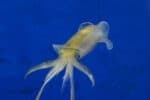
Reef Squid
Reef Squid
Parrotfish (various species)

Northern Forest Reserve

Forest Reserve

A large government forest reserve that protects upland rainforest and critical water catchments in northern Dominica. It forms important connective habitat for wide-ranging forest birds, including both endemic Amazon parrots.

Red-necked Amazon
Imperial Amazon
Plumbeous Warbler
Blue-headed Hummingbird
Dominica Anole

Central Forest Reserve

Forest Reserve

A core block of interior rainforest managed to protect watershed function and biodiversity across Dominica's mountainous spine. It helps maintain landscape connectivity between higher-elevation protected forests and supports robust populations of native birds and reptiles.

Red-necked Amazon
Blue-headed Hummingbird
Lesser Antillean Swift
Dominica Anole
Antillean Crested Hummingbird

Cabrits Swamp (Portsmouth)

Ramsar Wetland (Wetland of International Importance)

Dominica's premier mangrove wetland, important for waterbirds, nursery habitat for fish, and coastal protection. Its mangrove channels and lagoons support both resident and migratory birds and serve as a key biodiversity site in the northwest.

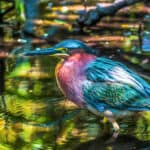
Green Heron
Green Heron
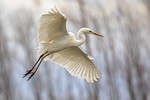
Great Egret
Great Egret
Grey Plover (Black-bellied Plover)
Yellow Warbler
Mangrove-associated juvenile reef fish

UNESCO World Heritage Sites

  • Morne Trois Pitons National Park (Natural)
Animals

Wildlife

Dominica ("Nature Isle") packs exceptional biodiversity into a small, steep volcanic island. Its interior holds some of the best-preserved rainforest in the Eastern Caribbean (including Morne Trois Pitons National Park), with high bird endemism-most famously two endemic Amazon parrots. Freshwater systems (rivers, waterfalls, hot springs) support a small but distinctive amphibian fauna, while the surrounding Caribbean waters are a major draw for marine wildlife, especially sperm whales year-round and seasonal humpback whales. Terrestrial mammals are limited (as on many oceanic islands) and are dominated by bats and a few introduced species; the standout "big wildlife" experience is often offshore.

~18-25 species (mostly bats; a few introduced terrestrial mammals; plus regular marine mammals offshore) Mammals
~180-200 recorded species; ~60-80 regular breeders (notable endemics and regional specialties) Birds
~20-30 species (anoles, geckos, snakes, sea turtles; some endemics/near-endemics) Reptiles
~4-7 species (including endemic/near-endemic frogs; historically included the Critically Endangered mountain chicken) Amphibians

Iconic Species

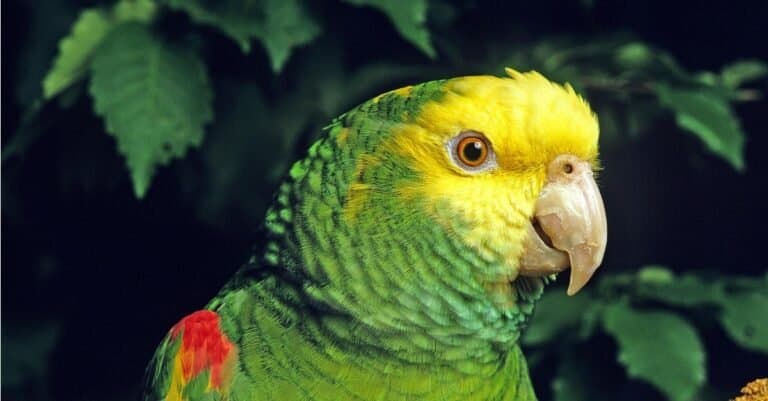
Imperial Amazon Dominica's national bird and a flagship rainforest endemic; the entire global population occurs here. Best chances are in high-elevation rainforest around Morne Diablotin and Morne Trois Pitons, often heard before seen.
Red-necked Amazon Endemic to Dominica and more numerous than the Imperial Amazon; commonly sought on forest edges and mid-elevation valleys, with strongholds around protected rainforests and community-managed areas.
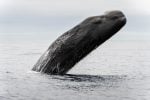
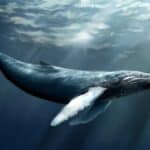
Sperm Whale
Sperm Whale Dominica is one of the world's premier places to see sperm whales because a resident population uses the deep waters close to shore year-round; whale-watching is especially reliable off the west coast (e.g., from Roseau/Portsmouth).
Humpback Whale
Humpback Whale Seasonal visitor during winter/spring migration and breeding period in the Lesser Antilles; sightings peak roughly January-April, often from west-coast boat trips.
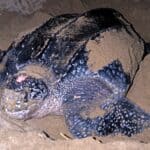
Leatherback Sea Turtle
Leatherback Sea Turtle Largest sea turtle; nests on Dominica's beaches in season (typically spring-summer). Night patrols and guided viewing may occur at key nesting beaches on the east and south coasts.
Hawksbill Sea Turtle An iconic coral-reef turtle seen by divers/snorkelers and a nesting species on some beaches; closely associated with reef and rocky coastal habitats around the island.
Mountain Chicken (Giant Ditch Frog) A legendary (and now Critically Endangered) large frog of the Lesser Antilles; historically part of Dominica's forest wildlife identity. Any surviving/returning individuals are of exceptional conservation interest.
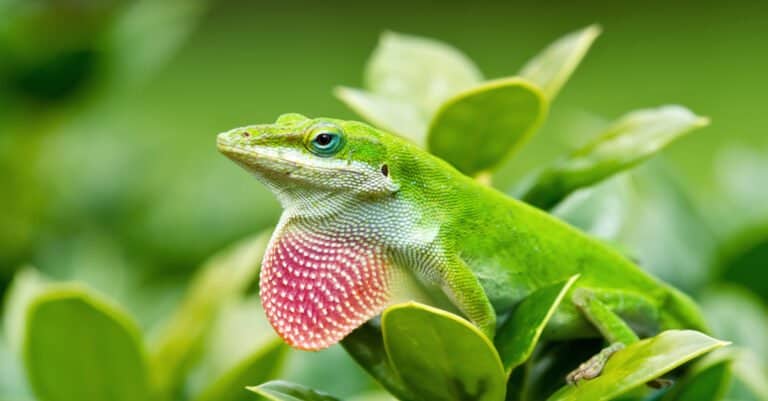
Dominica Anole One of the most characteristic reptiles on the island-highly variable in color and pattern by habitat and elevation, and commonly seen in forest, gardens, and along trails.
Purple-throated Carib A striking hummingbird of the Lesser Antilles and a frequent highlight for visitors in Dominica's gardens and forest edges, especially where flowering plants are abundant.
Blue-headed Hummingbird A local specialty in the central Lesser Antilles; sought in Dominica's wetter forest habitats and forest margins, often seen darting along flowering understory plants.

Endemic Species

Imperial Amazon Strict endemic to Dominica; globally rare and dependent on mature montane rainforest. Endemic
Red-necked Amazon Strict endemic to Dominica; a major conservation success story but still vulnerable to hurricanes and habitat loss. Endemic
Dominica Anole Endemic lizard showing pronounced geographic and elevational variation across the island; ubiquitous in many habitats. Endemic
Dominica Whistling Frog Endemic frog associated with moist forest habitats; part of Dominica's distinctive (but small) native amphibian community. Endemic
Plumbeous Warbler Near-endemic Lesser Antillean songbird (restricted to a small island set including Dominica); a characteristic rainforest/secondary growth warbler often encountered on birding walks. Endemic
Blue-headed Hummingbird Near-endemic to the central Lesser Antilles and a key target species for visiting birders in Dominica's wetter forest zones. Endemic

Notable Populations

  • Entire global population of the Imperial Amazon (Amazona imperialis) occurs on Dominica.
  • Entire global population of the Red-necked Amazon (Amazona arausiaca) occurs on Dominica.
  • One of the most reliable places globally to see sperm whales year-round due to a resident population in deep waters close to shore.
  • Regionally important seasonal humpback whale presence during winter-spring migration/breeding period in the Lesser Antilles.
  • Regular nesting of threatened sea turtles (notably leatherback and hawksbill) on select Dominica beaches.
Protection

Conservation

Primary Threats

  • Rising sea temperatures and ocean acidification stress coral reefs and fish habitat, while stronger storms and more extreme rainfall increase landslides and river flooding that damage forests, watersheds, roads, and nearshore seagrass/coral through sediment runoff. Climate variability also affects water security and agricultural patterns, increasing pressure on intact watersheds.
  • Most remaining high-value habitat is in the steep interior, but localized forest clearance and fragmentation occur around villages, roads, and agricultural areas; coastal development and shoreline hardening can reduce mangrove pockets, beaches, and nearshore nursery habitats. Post-hurricane reconstruction can accelerate land conversion and slope instability if not well-sited.
  • Land-based runoff (sediment from landslides/road cuts and agriculture) degrades nearshore reefs and seagrass, while inadequate solid-waste management and plastics impact rivers and coastal waters. Wastewater and septic leakage in some coastal settlements can elevate nutrient loads, affecting water quality and reef health.
  • Non-native predators and competitors typical of Caribbean islands (e.g., rats, feral cats/dogs, and invasive plants) threaten nesting birds and native vegetation. Invasive species can impede forest regeneration after storms and increase pressure on endemic fauna, including parrots, by affecting nesting success and food resources.
  • Historically, hunting pressure contributed to declines in some native wildlife; today it is generally more limited, but any illegal take can disproportionately affect small, island-restricted populations. Occasional hunting and disturbance may still affect vulnerable birds and other fauna, particularly outside core protected areas.
  • Coastal fisheries are important for livelihoods; localized overfishing and gear impacts can reduce reef fish biomass and resilience, especially when combined with coral bleaching and storm damage. Pressure can be higher near accessible coastal communities and popular fishing grounds.
  • Nature-based tourism (hiking, river attractions, whale watching) and recreation can disturb sensitive sites if visitor use outpaces management-e.g., trail erosion in wet uplands, disturbance near nesting/roosting areas, and vessel traffic/noise affecting marine mammals if poorly regulated.
  • Road building, slope stabilization, quarrying for construction materials, and post-disaster repairs can trigger habitat fragmentation and chronic sediment inputs into rivers and coastal waters. Infrastructure placed in steep terrain or river corridors increases landslide risk and requires ongoing maintenance that can expand footprint into natural areas.
  • Shifts in crops and farm expansion in lower elevations can encroach on secondary forest and riparian areas; pesticide/fertilizer use and soil erosion contribute to river and coastal impacts. After storm events, changes in farm viability can drive new clearing or relocation into more sensitive areas.
  • Commercial-scale logging is limited compared with many countries, but localized timber cutting and fuelwood extraction can degrade secondary forests and riparian buffers. Any extraction on steep slopes increases erosion and undermines watershed protection functions that are central to Dominica's ecosystems.
Visit

Wildlife Tourism

Dominica's wildlife tourism is built around its intact rainforests, river gorges, volcanic peaks, and exceptionally biodiverse coastal waters-hence its "Nature Isle" reputation. Economically, nature-based travel (diving, whale watching, hiking to waterfalls/boiling lakes, birding) underpins a large share of visitor spending through small lodges, guides, boat operators, and community-run sites; the island's branding and protected-area network (e.g., Morne Trois Pitons National Park, marine reserves) are central to tourism. Historically, conservation attention grew alongside ecotourism in the late 20th century, with strong focus on protecting endemic parrots and watershed forests. Accessibility is straightforward but "adventure-easy": most visitors connect via regional flights (often through nearby Caribbean hubs) or ferry from neighboring islands; roads are winding and mountainous, so guided tours and staying in two bases (e.g., Roseau/West Coast and a north/east coast village) helps maximize wildlife time. On-island, wildlife viewing is best by early starts, short transfers, and pairing rainforest mornings with sea time later in the day.

Best Time to Visit

Dominica is productive year-round, but conditions shift with rainfall, seas, and wildlife seasonality.

- January-April (drier, clearer seas): Best overall for hiking + snorkeling/diving. Expect excellent underwater visibility, calmer conditions for boat trips, and consistent bird activity in rainforest edges and higher elevations. Great months for combining parrot/bird walks with reef and bubble-snorkel sites.

- February-April (prime whale season overlap): Peak window for sperm whale encounters offshore (often possible year-round, but this period is widely regarded as most reliable for sightings and calmer seas). Also strong for dolphins on coastal cruises.

- May-June (shoulder season, greener forests): Fewer crowds and lush landscapes; waterfalls and rivers run well. Birding remains strong; seas can still be good, though conditions become more variable.

- July-November (wetter, hotter; peak greenery): Rainforest is at its most dramatic and amphibians/reptiles are more active after rains. However, heavy showers and rougher seas can disrupt boat-based wildlife viewing; hurricane season typically peaks August-October, so plan flexible itineraries and choose sheltered west-coast operators.

- December (transition to drier season): Improving seas and hiking conditions; good time to restart multi-day trekking and offshore trips.

What to see when (quick guide):
- Dry months (Jan-Apr): whales/dolphins (best sea days), reef fish, sea turtles on snorkel sites (opportunistic), parrots and forest birds with easier trail conditions.
- Wet months (Jul-Nov): frogs, lizards, lush forest ambience, strong riverine wildlife/landscape experiences; marine trips depend on swell and weather windows.

Top Wildlife Experiences

  • Dawn parrot-spotting hike with a local bird guide in Morne Diablotin or the Morne Trois Pitons foothills (listen for flight calls, scan fruiting trees, and aim for the endemic Imperial Amazon and Red-necked Amazon).
  • Sperm whale and dolphin watching by small boat off the west coast-choose an operator that follows responsible distance/time guidelines and pairs sightings with natural history interpretation.
  • Bubble-snorkel (or dive) at Champagne Reef, where volcanic gases stream up through the seabed-combine with a guided reef-fish ID swim for the best experience.
  • Night rainforest walk for amphibians and geckos after an evening shower-focus on eye-shine scanning, frog calls, and micro-habitat spotting around forest edges and streams.
  • Canyoning or river-immersion trek with a certified guide through ferny gorges and pools (a "wildlife + geology" experience), watching for freshwater crabs, dragonflies, and forest birds along the river corridor.
  • Kayak or paddleboard in calm coastal bays/estuaries at sunrise to look for seabirds, frigatebirds overhead, and nearshore marine life in clear shallows.
  • Guided snorkel on a protected reef or marine reserve site with a "species hunt" checklist (parrotfish, angelfish, octopus, rays) rather than a simple free-swim.
  • Hike to remote waterfalls and swimming holes early (before day-trippers), pausing for bird and insect watching on the trail-great for photography and listening for parrots in canopy movement.
  • Deep nature immersion on a multi-day trek segment (trail conditions permitting) with campsite-style overnights-focus on dawn/dusk wildlife periods when rainforest is most vocal.
  • Join a community-led cultural-nature day that includes river bathing, traditional foods, and a guided forest walk-excellent for learning how local livelihoods and conservation connect.

Safari Types Available

  • Boat-based wildlife safaris (whale and dolphin watching, seabird viewing along the coast)
  • Snorkel safaris (guided reef swims, marine-reserve outings, volcanic "bubble reef" tours)
  • Scuba diving safaris (reef dives, night dives for octopus/crustaceans, photography-focused dives)
  • Walking safaris / guided rainforest hikes (birding-focused dawn walks, interpretive ecology hikes)
  • Night safaris on foot (amphibian/reptile spotlighting in rainforest and along streams)
  • River and canyon safaris (canyoning, gorge trekking, waterfall-river corridors for freshwater wildlife)
  • Paddle safaris (kayak/SUP along sheltered coasts and river mouths for birds and nearshore life)
  • Multi-day trekking expeditions (wilderness-style hikes emphasizing dawn/dusk wildlife activity)
Fun Facts

Did You Know?

People from Dominica are called "Dominicans" (the same demonym used for the Dominican Republic), even though the two countries are separate islands with different histories and official languages.

Dominica's national bird is a parrot-the Imperial Amazon (Amazona imperialis), which is listed as Endangered on the IUCN Red List; the island's other endemic parrot, the Red-necked Amazon (Amazona arausiaca), is listed as Vulnerable.

Hurricane David (1979) devastated Dominica's parrot habitat and drove the Imperial Amazon down to roughly 40-60 individuals; protection and habitat recovery later helped the population rebound into the hundreds-an often-cited Caribbean conservation turnaround.

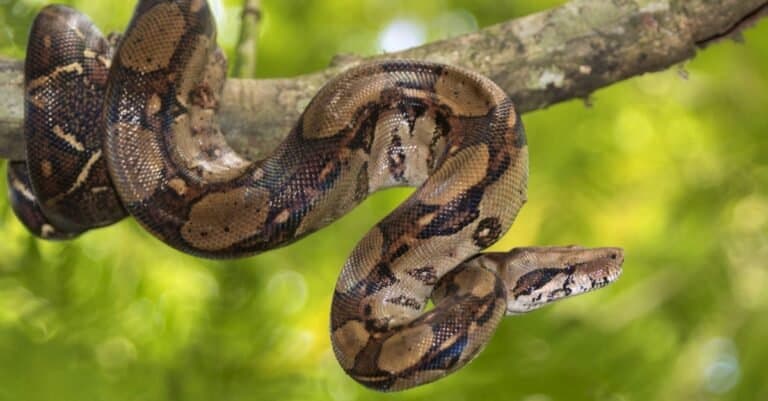
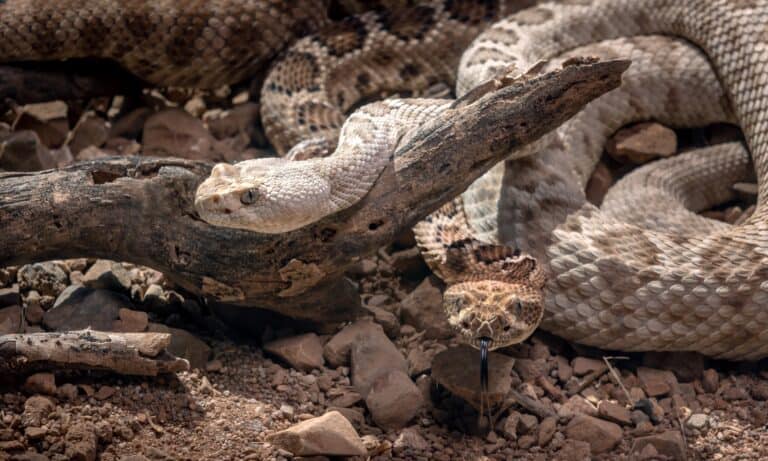
Despite being a rainforest island, Dominica is not known for dangerous snakes: there are no native venomous snakes recorded there, and species like the Dominican boa are non-venomous.

Dominica's west coast gets deep quickly (submarine slopes and canyons), which is why animals associated with open ocean-like sperm whales and other cetaceans-can be encountered on relatively short boat trips from shore.

Boiling Lake (Morne Trois Pitons National Park) is widely cited as the world's 2nd-largest boiling lake (after New Zealand's Frying Pan Lake) and the largest in the Americas.

In 2023, Dominica announced the world's first marine protected area created specifically for sperm whales-the 'Sperm Whale Reserve' off the island's west coast.

Dominica is one of the few places on Earth where two endemic Amazona parrots occur naturally: the Imperial Amazon (Amazona imperialis) and the Red-necked Amazon (Amazona arausiaca).

Dominica is one of the few places worldwide with a year-round resident population of sperm whales living in deep water very close to shore, making consistent sightings possible in every season.

Animals in Dominica

The Commonwealth of Dominica is an island country located in the Caribbean Sea, and it is the home of a vast assortment of marine life. For example, dolphins, sperm whales, and sea turtles are commonly found near the country. The country is also home to almost 200 species of birds as well as nearly a dozen lizard species. Still, the variety of animals in this country is not as great as other larger nations nearby, especially those in South America.

The National Animal of Dominica
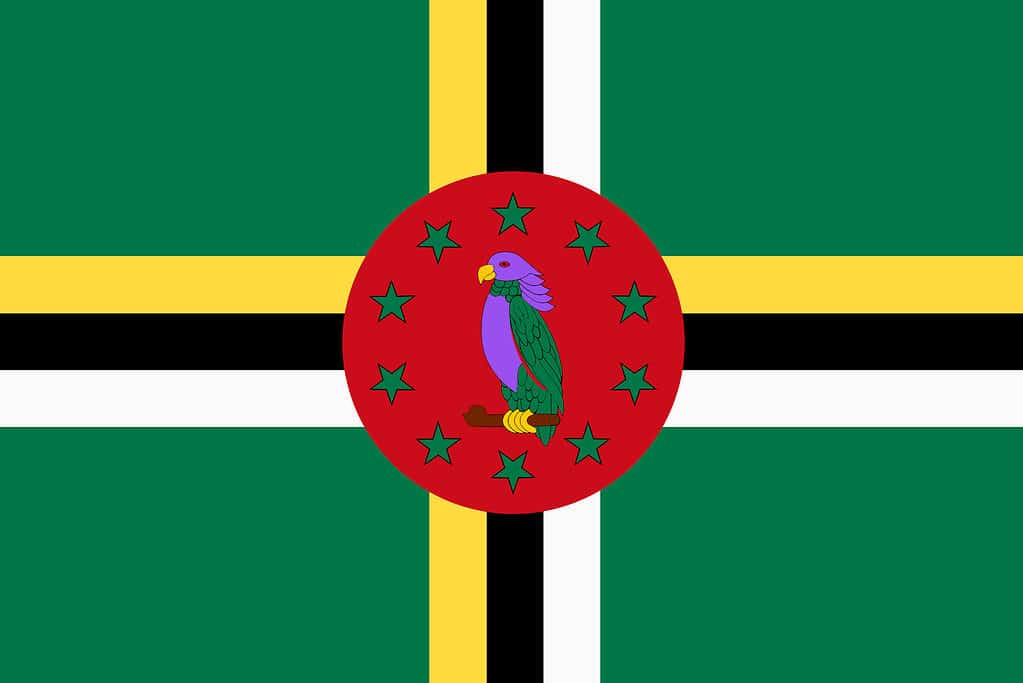
Dominica flag background illustration green yellow black red sisserou parrot

The sisserou parrot is prominently featured on the nation’s flag.

The national animal of Dominica is Amazona imperalis. This bird is called the Imperial amazon, the Dominican amazon, and isalso called the sisserou parrot. This parrot lives in the forested areas of the mountains in the nation. The species only lives naturally in Dominica.

Where to Find Wild Animals in This Country

The best place to find wild animals in Dominica is by going to the various protected sites in the nation. That includes national parks like:

  • Morne Diablotin National Park
  • Morne Trois Pitons National Park
  • Carbits National Park

Morne Diablotin National Park is a national park where people can spot several bird species, including the sisserou parrot!

Where Are Zoos in Dominica?

Dominica is not home to any large zoos as most people think of them. However, the country does have the Dominica Botanic Gardens. This establishment is located in Roseau, Dominica, and it covers 40 acres of land with wild plants. Birds are also attracted to these gardens. Several of the island’s birds have taken up residence in the area.

Various companies undertake sightseeing tours to help people see wild animals in this country.

What Are the Most Dangerous Animals in Dominica?
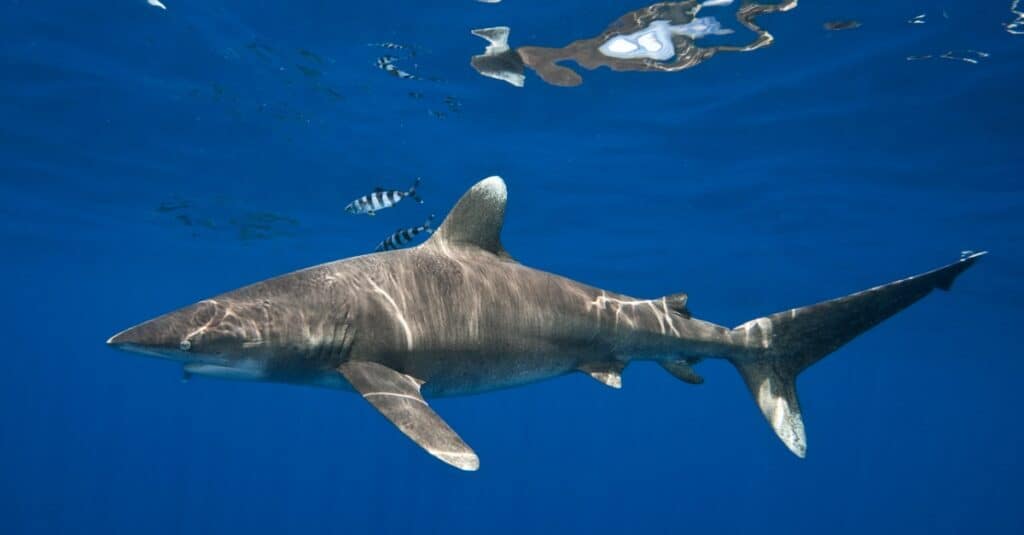
Scariest Shark - Ocean Whitetip

Sharks are becoming more common in the waters on the eastern shores of Dominica.

Few dangerous animals live in Dominica. The island has no venomous snakes, but it does have a few animals that can cause concern. Some of the most dangerous animals in Dominica include:

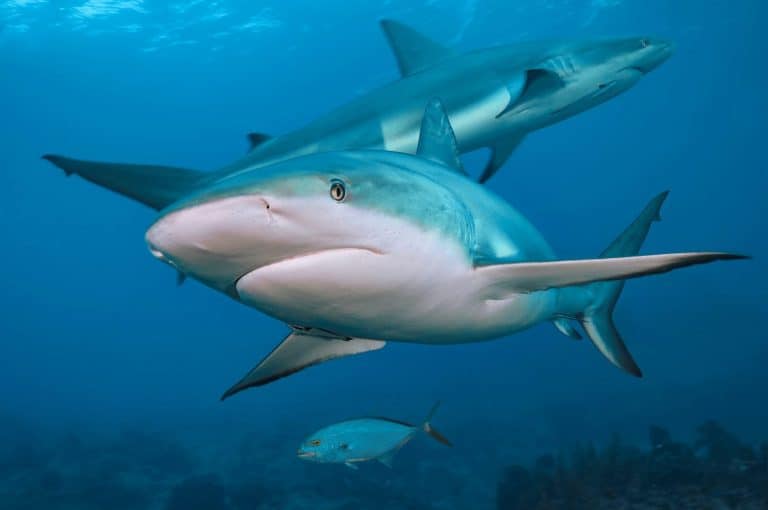
  • Various sharks (blue sharks, nurse sharks, mako sharks, and more)- large fish that can deliver a harmful, sometimes fatal, bite.
  • Cane toads– amphibians that secrete bufotoxin that can irritate the skin and eyes of people or sicken animals that eat them.
  • Scorpions– arachnids that can deliver a mildly venomous sting to humans.

These are some of the most dangerous animals in the country. You should respect and try to avoid all of them to stay safe.

Endangered Animals in Dominica
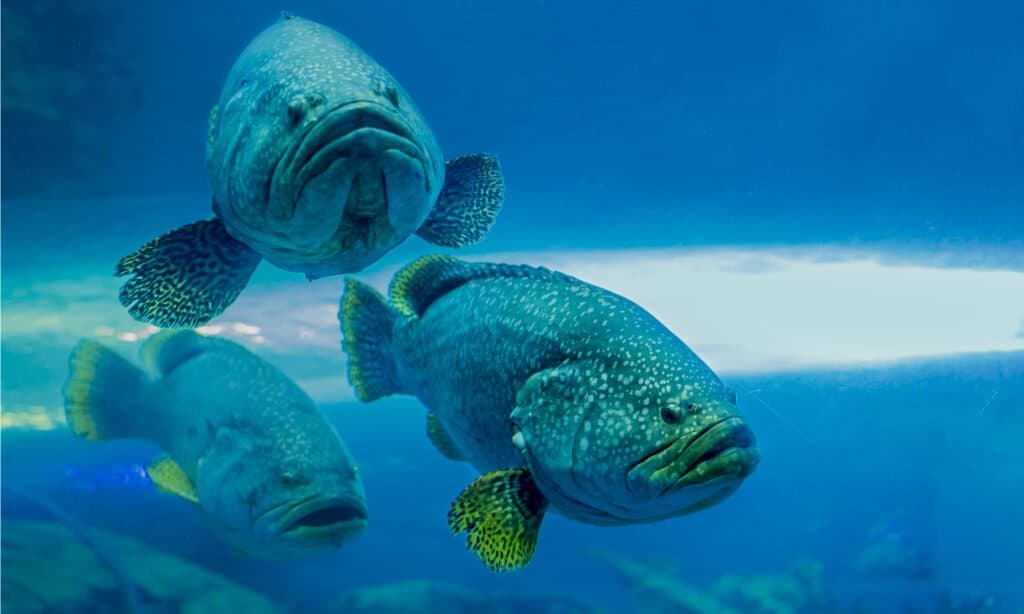
Giant grouper

Giant groupers can measure 8.2 feet long. These massive fish can weigh over 300 pounds.

Several endangered species live in this country. They include:

These animals face varying levels of danger to their population. Fortunately, this country is doing its best to create protected areas to help these animals thrive. Some of these creatures live in the water surrounding the island while others are found in island’s forests.

Animals Found in Dominica

13 species documented in our encyclopedia

Thank you for reading! Have some feedback for us?