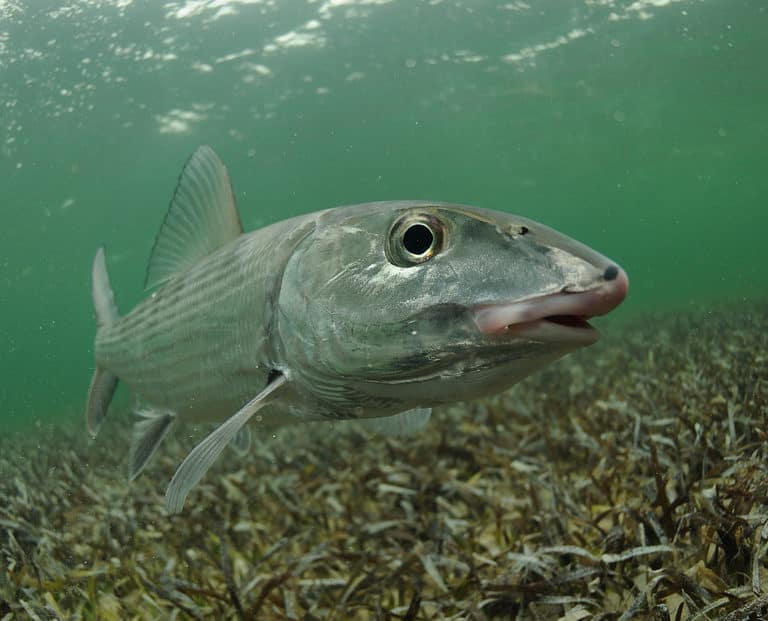
Bonefish
Grey ghost of the tidal flats

Sint Maarten's wildlife character is defined by the sea: a small Caribbean island where much of the most memorable biodiversity lives just offshore in warm, clear waters. While the terrestrial side is relatively limited by development and a long history of land use, pockets of dry coastal vegetation, rocky headlands, and remaining green hills still support a suite of island-adapted reptiles, bats, and migratory songbirds. For many visitors, the "wow" factor comes from how quickly you can go from town to a reef or lagoon and be in wildlife habitat within minutes.
Key ecosystems include fringing coral reefs and seagrass beds (critical nurseries for reef fish and invertebrates), sandy beaches and nearshore waters used by sea turtles, and the island's signature wetland: Simpson Bay Lagoon. The lagoon's brackish channels, mangrove-fringed edges (where present), and mudflat-like shorelines provide feeding and resting areas for herons, egrets, pelicans, and a changing cast of migratory shorebirds moving through the Caribbean flyways. These habitats are significant not only for local biodiversity but also for sustaining fisheries, buffering storm impacts, and keeping coastal waters clear enough for reefs to thrive.
In global conservation terms, Sint Maarten's importance lies in protecting small-island coastal ecosystems that are disproportionately vulnerable to climate change, hurricanes, coastal development, and marine pollution. Conservation here is less about "big game" and more about safeguarding reefs, lagoons, and turtle habitat-work that contributes to wider Caribbean efforts to maintain coral resilience and migratory bird networks. The wildlife experience is uniquely intimate: short travel times, boat and shoreline access, and a strong sense that responsible tourism (reef-safe practices, turtle-friendly behavior, and respect for wetland areas) directly influences what you'll see in the water and along the coast.
Sint Maarten's very small land area and highly coastal setting concentrate most wildlife into a narrow set of habitats: dry coastal scrub and thorny woodland on low hills, wetlands/salt ponds and the Simpson Bay Lagoon for waterbirds, and extensive nearshore marine habitats (seagrass beds, coral reefs, sandy bottoms) that support Caribbean reef fish, turtles, and other marine life. Steepness and elevation create small microclimates and remnant native vegetation patches on ridges, while the limited freshwater (mostly ponds/ephemeral drainage) constrains amphibians and other freshwater-dependent species. Coastal development strongly influences habitat availability and connectivity, making remaining wetlands, dunes, and reef/lagoon systems disproportionately important for biodiversity.
Sint Maarten's protected-area network is small on land but comparatively strong in the sea. Conservation is led in practice by the Nature Foundation Sint Maarten and partners, with the cornerstone being the Man of War Shoal Marine Park, which sets rules for anchoring, fishing, and sensitive habitat protection in the coastal waters of the Dutch country of Sint Maarten around coral reefs, seagrass beds, and other nearshore habitats. Terrestrial protection is limited and tends to be site-specific (small wetlands, coastal habitat pockets, and conservation zones tied to development controls), so most biodiversity protection effort centers on marine ecosystems and key wetlands such as Simpson Bay Lagoon.
Approximate terrestrial (land) area under formal, site-based protection is very small-likely <1-3% of Sint Maarten's land area-because the main legally/operationally defined protected area is marine. In contrast, a large share of nearshore waters is managed under the Man of War Shoal Marine Park (marine coverage is substantial, but it is not counted in the land percentage).
A marine protected area safeguarding coral reefs, seagrass, and nearshore habitats in the coastal waters of the Dutch country of Sint Maarten. It is the most important conservation designation for wildlife viewing (snorkeling/diving) on Sint Maarten and supports turtles, reef fish, and other marine life.
The largest lagoon system on the island, vital for migratory and resident waterbirds and as a nursery area for juvenile fish and invertebrates in mangrove-fringed waters. It is the country's most significant wetland for coastal biodiversity, though protection is often piecemeal and management-focused rather than a single large national-park designation.
A highly accessible bay with reef patches and rocky habitat that attract reef fish and foraging turtles, making it a prime area for snorkeling-based wildlife viewing. The mix of shallow reef and sandy bottom supports diverse nearshore species.
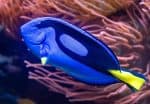
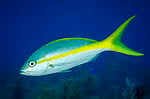
A coastal headland and adjacent waters used by seabirds and shorebirds, with nearshore habitat supporting reef-associated fish; it is also important as a visible, near-urban wildlife area. The peninsula and surrounding coastal waters help maintain a small but meaningful refuge in a heavily developed landscape.
Notable for coastal cliff habitat (nesting/roosting opportunities for birds) and nearshore reef/rocky habitat that supports reef fish and invertebrates. The area's habitats are sensitive to erosion and coastal development pressures, making conservation management important.
Eastern nearshore waters with reef structure and clear conditions that support coral-associated fish and occasional turtle sightings, valued for low-impact diving and snorkeling. It contributes to connectivity with broader reef systems around the island.
Sint Maarten's wildlife experience is defined less by large terrestrial animals and more by its coastal and marine ecosystems-fringing coral reefs, seagrass beds, rocky shores, and the Simpson Bay Lagoon wetland complex. The country sits on a major Caribbean flyway, so bird diversity is boosted by seasonal migrants, while reptiles (notably iguanas and small lizards) are the most conspicuous land fauna. Native terrestrial mammals are limited (mostly bats), but nearshore waters host turtles and occasional dolphins and whales, making snorkeling/diving and lagoon birding the standout nature activities.
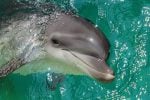
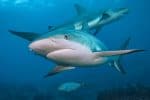
Wildlife tourism in Sint Maarten is primarily a marine-and-coastal experience rather than a "big game" destination. Its economic value ties closely to the island's cruise and stayover tourism model: visitors add snorkeling, diving, and lagoon trips (often booked as half-day excursions) that support local dive operators, boat charters, guides, and reef-friendly hospitality businesses. Historically, tourism grew around beaches and sailing; over time, reef dives, sea turtle encounters, and birding in mangrove/lagoon habitats became core nature add-ons-especially after marine habitat protection and increasing awareness of reef health. Accessibility is excellent: Princess Juliana International Airport and the island's major ports make it easy to plan short wildlife outings (2-6 hours) or multi-day dive-focused trips, with many launch points around Simpson Bay and nearby marinas. Key habitats for visitors: - Coral reefs and rocky reefs (snorkel/dive) - Seagrass beds (turtles, rays) - Lagoons and mangroves (resident and migratory birds) - Offshore waters (seasonal pelagics) Practical notes: focus on reef-safe sunscreen, no-touch/no-take rules, and choosing operators that brief on turtle/reef etiquette. Conditions can shift after storms; ask operators about recent visibility and reef sites best suited to current sea state.
Year-round wildlife viewing is possible, with the "best" window depending on what you most want to see.
- December-April (drier season; generally best overall conditions):
- What to see: clearer water for snorkeling/diving on many days; consistent bird activity around lagoon/mangrove edges; good time for guided reef trips and underwater photography.
- Why it's good: calmer seas and better average visibility increase chances of enjoyable reef wildlife encounters.
- May-August (warm water; lively reef activity):
- What to see: active reef fish communities, frequent sea turtle sightings on seagrass/reef edges; great for extended snorkeling sessions.
- Why it's good: warm water can mean long, comfortable time in the sea (visibility varies).
- September-November (storm season; fewer crowds but weather-dependent):
- What to see: on good-weather days, marine life is still excellent and boat trips can be rewarding; birding can be productive as seasonal movements begin.
- Why it's good: quieter travel period and occasional excellent water days-balanced against higher risk of trip disruption.
- Peak migratory bird period: roughly October-March
- What to see: a wider variety of shorebirds and waterbirds using lagoon and coastal stopover habitats.
If you have one "most reliable" window for a first wildlife trip: February-April for comfortable weather plus strong reef/lagoon options.
Many of the "green iguanas" people see around Sint Maarten are not the native Lesser Antillean iguana (Iguana delicatissima); they're commonly invasive Common Green Iguanas (Iguana iguana) or hybrids, a major conservation problem on St. Martin/St. Maarten because hybridization can erase the native species.
Sea turtles still use Sint Maarten's busiest tourist beaches: conservation teams (notably the Nature Foundation Sint Maarten) regularly mark and protect nests on developed shorelines where sunbeds and foot traffic would otherwise crush eggs.
One of Sint Maarten's most important wildlife habitats is also one of its most engineered landscapes: the Simpson Bay Lagoon's mangroves and shallow flats persist alongside marinas, dredged channels, and heavy boat traffic-yet still function as a critical nursery area for juvenile fish and invertebrates.
The health of Sint Maarten's reefs is often decided on land: sediment and nutrient runoff into nearshore waters can smother corals and fuel algal growth more than offshore fishing pressure does-so hillside construction and drainage design directly affect reef wildlife.
Hurricanes can reset reef communities in a way that's visible within months: after major storms (e.g., Irma in 2017), monitoring and dive reports around Sint Maarten documented dramatic physical damage to corals-followed by rapid colonization of newly cleared surfaces by algae and fast-growing reef organisms, showing both vulnerability and resilience in a small island system.
Sint Maarten's Man of War Shoal Marine Park is a rare "whole-country" marine protected area: it was designed to protect essentially all of Sint Maarten's coastal/territorial waters, not just one reef or bay.
Simpson Bay Lagoon is Sint Maarten's largest wetland and the island's largest lagoon (about 12 km² in total), making it the country's single biggest nursery habitat for mangroves, seagrass-associated juveniles, and lagoon wildlife.
Simpson Bay Lagoon is recognized by BirdLife International as an Important Bird Area (IBA)-the flagship bird site for Sint Maarten, concentrating waterbirds and migratory shorebirds into one highly urbanized lagoon system.
2 species documented in our encyclopedia
Thank you for reading! Have some feedback for us?
We appreciate your help in improving our content.
Our editorial team will review your suggestions and make any necessary updates.
There was an error submitting your feedback. Please try again.