N S W E
Wildlife Expeditions

Wildlife of
Cuba

Cuba is a Caribbean stronghold of endemism and intact coastal wilderness-where visitors come for Zapata's legendary birdlife, the world's smallest hummingbird, and some of the region's most vibrant protected coral reefs and mangroves.
192 Species
109,884 km² Land Area
Overview

About Cuba

Cuba's wildlife character is defined by island evolution and relative habitat continuity: high levels of endemism in plants, reptiles, amphibians, and birds occur alongside broad tracts of wetlands, karst forests, and seagrass-lined coasts. The result is a fauna that feels distinctly "Cuban," from the iconic Cuban trogon (the national bird) to rare mammals like the Cuban solenodon, plus dazzling diversity in anoles, tree frogs, and orchids that reward slow, attentive naturalists.

Key ecosystems anchor the country's natural heritage. The Zapata Swamp-one of the Caribbean's most important wetland complexes-supports major bird populations and migration stopovers, including endemics such as the Zapata wren and Zapata sparrow, along with herons, spoonbills, and wintering North American species. Offshore, extensive coral reefs, mangroves, and seagrass beds (notably around Jardines de la Reina) form a highly productive marine mosaic that sustains reef fish, sharks, rays, groupers, and nesting sea turtles; mangroves also buffer storms and serve as nurseries for countless species.

In global conservation terms, Cuba is significant as a regional refuge where large, connected coastal habitats and ambitious protected-area designations help safeguard Caribbean biodiversity at scale. The wildlife experience is uniquely immersive: birding hotspots are paired with world-class snorkeling and diving in marine reserves, often with fewer crowds, and with the added thrill of seeking species found nowhere else on Earth-whether in freshwater marshes, limestone forests, or reef drop-offs just offshore.

Physical Features

Geography

Cuba's long, narrow main island plus thousands of offshore cays create strong east-west and coast-interior habitat gradients. Mountain ranges (notably in the east) generate wetter uplands and isolated valleys that promote endemism, while broad lowland plains and extensive wetlands (especially the Zapata Swamp) support major waterbird, crocodilian, and amphibian habitats. The country's very high coastline-to-area ratio-ringed by mangroves, seagrass beds, and coral reefs-makes coastal and marine ecosystems central to wildlife distribution, including sea turtles, reef fishes, and migratory birds moving through the Caribbean flyways.

109,884 km² (land area) Land Area
~105th largest country by land area; slightly smaller than Pennsylvania (USA) and a bit larger than Iceland Size Rank

Key Landscapes

  • Sierra Maestra (eastern mountains; highest elevations, humid forests, high endemism)
  • Escambray Mountains (central highlands; montane forests and headwaters)
  • Guaniguanico Range including the Rosario Mountains and the Organ Mountains (western uplands; key forest refugia)
  • Karst landscapes and mogotes (e.g., Vinales Valley; caves, limestone forests, specialized reptiles/bats)
  • Zapata Swamp (Cuba's largest wetland complex-marshes, sawgrass, mangroves; critical bird and crocodile habitat)
  • Lowland plains and agricultural mosaics (central/western plains; habitat fragmentation and secondary forests influencing species ranges)
  • Major river basins (e.g., Cauto River; freshwater wetlands and riparian corridors)
  • Extensive mangrove coastlines (storm-buffering nursery habitat; important for fish, crustaceans, birds)
  • Archipelagos and cays (e.g., the Sabana-Camaguey Archipelago, also known as the Gardens of the King; seabird colonies, turtle beaches, coastal lagoons)
  • Coral reefs, seagrass beds, and shelf lagoons (e.g., Gardens of the Queen; high marine biodiversity, fisheries nurseries)
  • Isle of Youth (pine forests, wetlands, and coastal habitats with distinct biota)

Ecoregions

  • Cuban moist forests (WWF)
  • Cuban dry forests (WWF)
  • Cuban pine forests (WWF)
  • Cuban wetlands (WWF)
  • Greater Antilles mangroves (WWF)
Parks & Reserves

Protected Areas

Cuba's protected areas are organized under the National System of Protected Areas (SNAP), which covers terrestrial, freshwater, coastal, and marine ecosystems. Designations commonly include National Parks, Ecological Reserves, Faunal Refuges, Protected Landscapes, and Managed Resource Protected Areas, complemented by international labels such as UNESCO World Heritage, UNESCO Biosphere Reserves, and Ramsar Wetlands. Priorities include safeguarding high endemism in the eastern mountains, extensive wetlands (notably Zapata), and coral reef-mangrove-seagrass complexes that support fisheries, seabirds, sea turtles, crocodiles, and manatees.

Protected Coverage

Approximately ~20% of Cuba's land area is under some form of formal protection (SNAP categories), with additional large marine/coastal protected areas that raise overall protected coverage further when including territorial waters. Exact figures vary by source and by whether marine areas and less-strict management categories are counted.

Notable Parks & Reserves

Alejandro de Humboldt National Park

National Park; UNESCO World Heritage (Natural)

One of the most biodiverse and endemic-rich landscapes in the Caribbean, combining rainforests, cloud forests, and rivers across steep terrain in eastern Cuba. It is especially important for conserving endemic amphibians, reptiles, plants, and rare forest birds.

Cuban solenodon
Cuban trogon
Cuban tody
Bee hummingbird
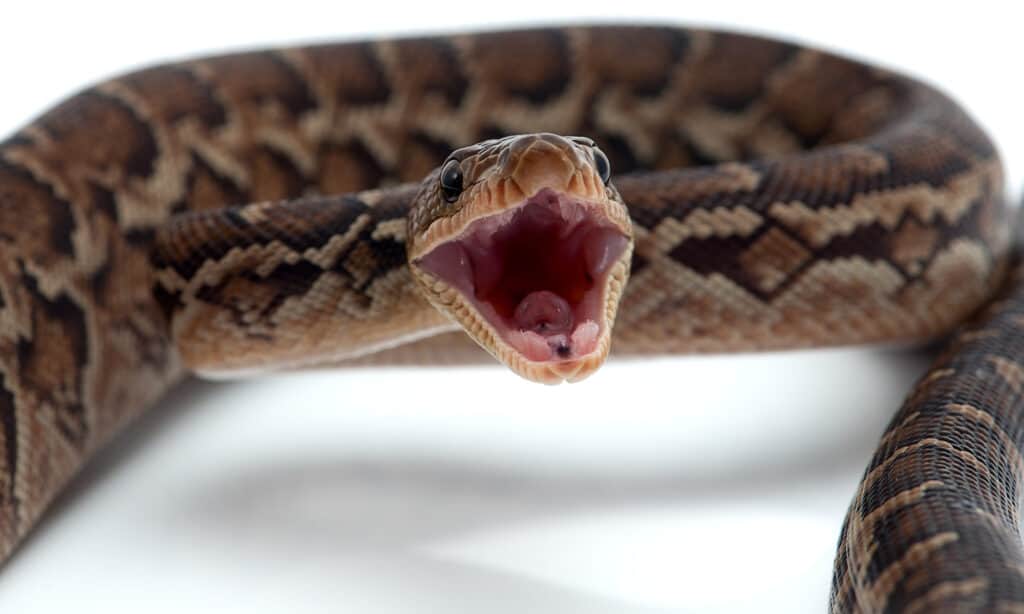
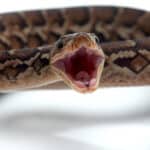
Cuban boa
Cuban boa
Cuban hutia

Desembarco del Granma National Park

National Park; UNESCO World Heritage Site (Natural)

A globally significant karst and coastal system with dramatic marine terraces, cliffs, and associated coastal habitats. It supports coastal birds, reptiles, and intact shoreline ecosystems important for long-term conservation.

Cuban parrot
Cuban trogon
Cuban emerald (hummingbird)
Cuban boa
Cuban boa
Antillean palm swift
West Indian manatee

Zapata Swamp National Park

National Park; Ramsar Wetland of International Importance

The largest wetland in the Caribbean and Cuba's premier site for birding and wetland wildlife, including globally important populations of endemic and threatened species. Vast marshes, mangroves, and coastal lagoons also support crocodiles and manatees.

Cuban crocodile
American crocodile
Zapata wren
Zapata sparrow
Bee hummingbird
West Indian manatee

Guanahacabibes National Park

National Park; UNESCO Biosphere Reserve (core area within the Guanahacabibes Biosphere Reserve)

A key conservation area at Cuba's far western tip, known for intact dry forests, coastal habitats, and major nesting beaches for sea turtles. Its reefs and nearshore waters are also important for sharks, groupers, and reef fish communities.

Hawksbill sea turtle
Green sea turtle
West Indian manatee
Cuban iguana (Cuban rock iguana)
Nassau grouper
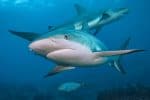
Caribbean reef shark

Gardens of the Queen National Park (Marine Park)

Marine National Park / Marine Protected Area

One of the Caribbean's best-protected reef systems, famous for abundant large fish and shark encounters and extensive mangrove channels. It is a flagship site for marine conservation and sustainable tourism based on healthy coral reefs.

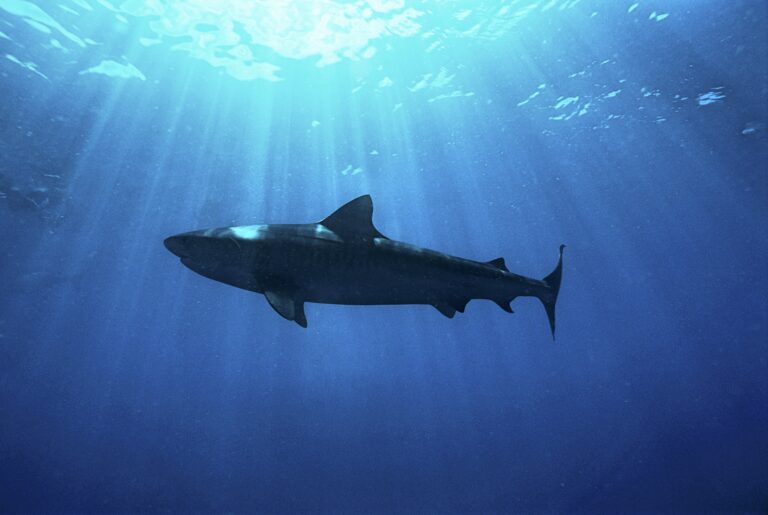
Caribbean reef shark
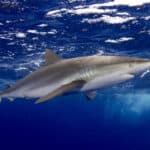
Silky shark
Silky shark
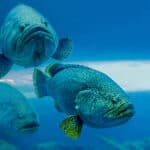
Goliath grouper
Goliath grouper
Nassau grouper
Hawksbill sea turtle
American crocodile

Caguanes National Park

National Park; Ramsar Wetland of International Importance

A mosaic of mangroves, seagrass beds, coastal lagoons, and karst features that supports waterbirds and nursery habitats for fish and invertebrates. It is notable for coastal biodiversity and wetland conservation on Cuba's north-central coast.

West Indian manatee
Roseate spoonbill
Roseate spoonbill
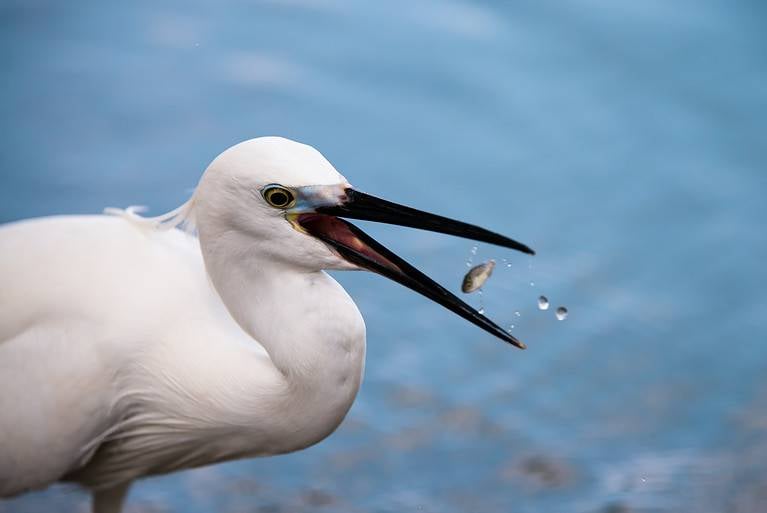
Reddish egret
Brown pelican
Magnificent frigatebird
Green sea turtle

Sierra del Rosario Biosphere Reserve

UNESCO Biosphere Reserve (with multiple Cuban protected-area units inside)

A well-known western montane forest landscape important for watershed protection and native biodiversity, including endemic birds and reptiles. It is also a model area for restoration and community-linked conservation in Cuba.

Cuban trogon
Cuban tody
Cuban pygmy-owl
Cuban green woodpecker
Cuban boa
Cuban boa
Cuban hutia

UNESCO World Heritage Sites

  • Alejandro de Humboldt National Park
  • Desembarco del Granma National Park
Animals

Wildlife

Cuba's wildlife diversity is shaped by its large size, long isolation, and mosaic of habitats: mountain forests (Maestra Mountains, Escambray Mountains), dry forests and karst (Vinales Valley), vast wetlands (Zapata Swamp), and extensive mangrove-seagrass-coral reef systems (for example, Gardens of the Queen). The country is especially notable for very high endemism in reptiles and amphibians, many of which are small-range forest specialists, while birdlife is rich due to resident endemics plus major migratory flyways. Native terrestrial mammals are comparatively few, but bats are diverse and coastal waters support manatees and sea turtles.

≈60-70 species (native land mammals are few; bats make up most of the diversity; manatees present in coastal waters) Mammals
≈370-400 recorded species (with ~25-30 endemic breeders; excellent wetland and migration-season diversity) Birds
≈150-170 species (very high endemism; includes iguanas, boas, many anoles, and crocodiles) Reptiles
≈55-70 species (many endemic Eleutherodactylus frogs; several extremely range-restricted) Amphibians

Iconic Species

Bee Hummingbird The world's smallest bird and a signature wildlife target for visitors. Best sought in flowering gardens and forest edges in western and central Cuba (including parts of Pinar del Rio Province and the Zapata area) where nectar plants are abundant.
Cuban Trogon Cuba's national bird, prized for its bold colors and relative approachability. Often seen in wooded habitats and protected areas, including forests around Zapata and montane foothills.
Cuban Crocodile A highly distinctive, conservation-important crocodile with a very limited global range. The Zapata Swamp is the best-known stronghold and the place most associated with viewing and conservation programs.
American Crocodile A large coastal crocodile found in brackish lagoons, mangroves, and keys. Cuba's extensive mangrove systems (including areas near Zapata and some offshore keys) provide notable habitat for this species.
West Indian Manatee A flagship marine mammal of Cuba's coastal wetlands and seagrass meadows. Quiet bays, mangrove channels, and seagrass-rich areas (including parts of Zapata and southern archipelagos) are key habitats.
Greater Flamingo One of the most iconic wetland birds in Cuba, frequently associated with expansive salt flats and lagoons. Large flocks are especially associated with major wetland complexes and coastal lagoons.
Cuban Rock Iguana A charismatic large iguana of dry forests, coastal scrub, and cay systems. Particularly associated with offshore keys and protected coastal habitats where it can be locally common.
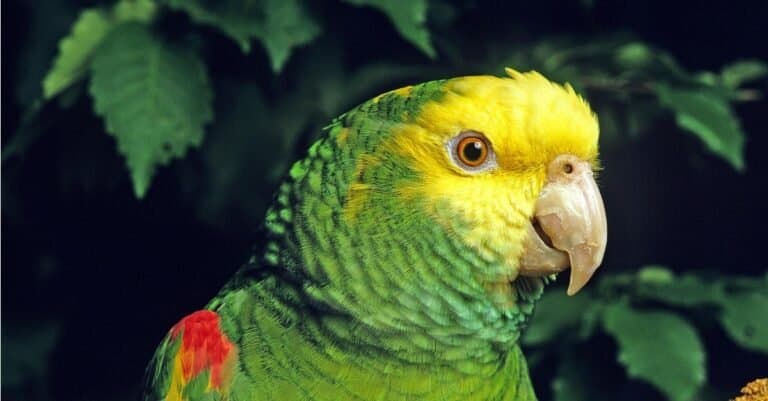
Cuban Parrot A sought-after Caribbean parrot with strongholds in protected forests and some key/wetland mosaics. Visitors often look for it in well-managed reserves where early-morning flights are most visible.
Blue-headed Quail-Dove A rare, highly desired endemic bird for specialist birders. It is associated with mature forest and is most realistically searched for in a few well-known protected forest sites with a history of records.

Endemic Species

Bee Hummingbird Cuban endemic and the smallest bird on Earth; emblematic of the island's unique evolutionary history. Endemic
Cuban Trogon Endemic national bird; a defining species of Cuba's forest bird community. Endemic
Cuban Tody Tiny, brightly colored endemic that is often conspicuous along forest edges and shaded trails. Endemic
Cuban Solitaire Endemic songbird associated with montane and humid forests; valued for its fluting vocalizations. Endemic
Cuban Crocodile Endemic crocodile with a very restricted distribution; globally important conservation focus centered on Cuba's wetlands. Endemic
Cuban Solenodon A rare, ancient lineage of insectivorous mammal found only in Cuba; one of the Caribbean's most evolutionarily distinctive mammals. Endemic
Desmarest's Hutia (Cuban Hutia) A large native rodent endemic to Cuba, often associated with forest and mangrove-edge habitats; one of the island's most recognizable native land mammals. Endemic
Cuban Boa
Cuban Boa A large endemic boa that can occur in forests and limestone areas; a standout reptile for night walks and cave/karst regions. Endemic
Monte Iberia Eleuth
Monte Iberia Eleuth A minute, range-restricted endemic frog from eastern Cuba; famous among herpetologists due to its tiny size and highly localized distribution. Endemic

Notable Populations

  • Key global stronghold for the Cuban Crocodile (Crocodylus rhombifer), with remaining wild populations centered in the Zapata Swamp and the Lanier Swamp on the Isle of Youth.
  • Zapata Swamp is one of the Caribbean's most important wetland complexes for resident and migratory birds, supporting major congregations of waterbirds (including flamingos, herons, and ibises) depending on season and water levels.
  • Cuba is the only home of multiple flagship endemics (e.g., Bee Hummingbird, Cuban Trogon, Cuban Solenodon), making it one of the most distinctive islands globally for endemic vertebrate viewing.
  • Southern archipelagos and reef systems (notably Jardines de la Reina) are among the region's best-preserved coral reef-mangrove-seagrass mosaics, supporting high marine biodiversity and strong predator fish communities relative to much of the wider Caribbean.
Protection

Conservation

Primary Threats

  • Sea-level rise, saltwater intrusion, and stronger hurricanes threaten low-lying coasts and wetlands (including the Zapata Swamp), while warming seas drive coral bleaching and increase coral disease risk. Storm surge and wave energy accelerate beach erosion and damage mangroves and seagrass, undermining natural coastal protection and fisheries nursery habitat.
  • Coastal habitat conversion and fragmentation occur around tourism hubs and urbanizing shorelines, with localized loss/alteration of mangroves, dunes, and nearshore habitats. Inland, habitat pressure is tied to agriculture expansion and infrastructure corridors that reduce or isolate native forests and karst/limestone habitats important for endemics.
  • Nutrient and organic pollution from untreated/partially treated sewage in some coastal settlements, plus agricultural runoff (fertilizers/pesticides) in watersheds, contribute to eutrophication in bays and lagoons and degrade nearshore reefs and seagrass. Industrial contamination can be locally significant near mining/processing zones (e.g., nickel-related areas in the east), increasing sediment and pollutant loads to coastal waters.
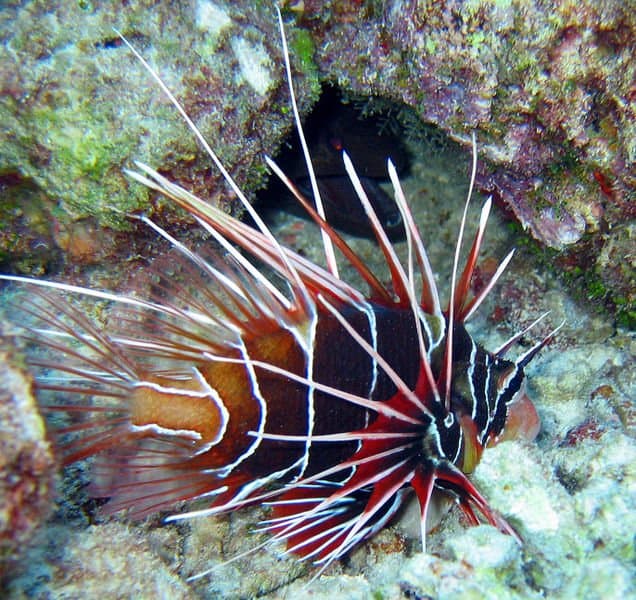
  • Invasive lionfish depress native reef fish populations and complicate reef recovery; management often relies on targeted removals. On land, invasive predators (rats, feral cats, dogs) and invasive plants impact nesting seabirds, reptiles, and small endemic vertebrates, especially on cays and in fragmented habitats.
  • Fishing pressure on reef fish, lobster, and nearshore stocks-combined with illegal, unreported catch-reduces ecosystem resilience and can shift reef communities. Even where offshore reefs remain relatively healthy, some accessible coastal areas experience declining catch per unit effort and altered size structures.
  • Tourism and recreation can disturb nesting seabirds and turtles on beaches and cays, damage corals via anchoring/poor diving practices, and increase waste loads in sensitive coastal zones. Increased visitation to iconic wetlands and bird habitats can create chronic disturbance without careful zoning and enforcement.
  • Causeways, roads to cays, coastal armoring, and port upgrades can interrupt water exchange, alter sediment transport, and fragment mangroves and wetlands. Water-management infrastructure (canals/levees) can change hydroperiods in wetlands that depend on seasonal flooding dynamics.
  • Hydrological alteration of wetlands (drainage, channelization, modified freshwater flows) can change salinity and vegetation structure, affecting fish nurseries and bird breeding areas-particularly relevant to large wetland complexes like Zapata and other coastal marshes.
  • Expansion or intensification of agriculture in some regions increases habitat conversion pressure on secondary forests and savannas and elevates runoff/sediment loads into rivers and coastal lagoons. Agricultural burning and land-clearing can also increase erosion in vulnerable soils.
  • Although large-scale commercial logging is limited compared to many countries, localized cutting for timber, fuelwood, and charcoal can degrade dry forests and mangroves, reducing coastal protection and biodiversity values. Post-hurricane salvage and informal extraction can intensify pressure in accessible areas.
  • Open-pit mining and associated processing (notably nickel/cobalt in eastern Cuba) can drive deforestation, increase erosion and sediment runoff, and create localized contamination risks to rivers and coastal habitats downstream, affecting nearshore ecosystems and fisheries.
  • Subsistence and opportunistic hunting (including some waterbirds and terrestrial fauna) persists in places and can add pressure to slow-reproducing species, especially where enforcement capacity is constrained. Harvest pressure is particularly relevant around wetlands and rural landscapes.
  • Illegal capture and trade of charismatic native species (e.g., parrots and some reptiles) can reduce local populations and disrupt recruitment, especially when combined with habitat loss. Trade is often opportunistic and can be difficult to detect in remote areas and cays.
  • Coral diseases (and disease-bleaching interactions) affect reef health and recovery potential, especially after heat stress. For amphibians with high Cuban endemism, emerging diseases (and the risk of spread via human movement) are an ongoing concern even where data are limited.
  • Small, isolated populations of endemics increase vulnerability to inbreeding and loss of genetic diversity. A well-known example is conservation concern around the Cuban crocodile, where hybridization with American crocodiles can threaten genetic integrity if not actively managed.
  • Conflict can occur where crocodiles overlap with fishing and settlement areas (notably around wetlands), leading to retaliatory harm or pressure to remove animals. Manatee interactions with boats and fishing gear can also create localized conflict and injury risk.
  • Localized depletion of freshwater resources (particularly in karst areas and drought periods) and extraction of coastal resources (e.g., sand in some areas historically, fuelwood/charcoal) can compound ecosystem stress. Limited economic resources can also constrain long-term maintenance of conservation infrastructure and monitoring.
  • Urban expansion and coastal development around major cities and resort corridors increase habitat fragmentation, wastewater loads, and demand for coastal infrastructure. Growth near sensitive bays can amplify cumulative impacts on mangroves, seagrass, and coral reefs.
Visit

Wildlife Tourism

Cuba's wildlife tourism is centered on its coasts, coral reefs, mangroves, and vast wetlands-especially the Zapata Swamp-plus endemic-rich forests and limestone hills. While Cuba is better known globally for culture and beaches, nature travel is a growing niche that supports local guides, community-run casas particulares, park fees, dive/snorkel operators, and conservation-linked employment in protected areas (biosphere reserves, marine parks, birding sites). Historically, many key habitats were set aside as reserves during the late 20th century, and today Cuba offers strong endemism (e.g., Cuban trogon, bee hummingbird, Cuban crocodile) with relatively low-density tourism compared to many Caribbean destinations. Accessibility is practical: major gateways (Havana, Varadero, Santa Clara, Holguín, Santiago de Cuba) connect to nature hubs by road; guided trips are recommended for remote wetlands/cays and for permits/logistics in protected areas. Infrastructure ranges from simple boardwalks and observation towers in wetlands to well-established dive operations on reef systems; expect some variability in transport and services and plan extra time for travel.

Best Time to Visit

General rule: the dry season (November-April) is best for comfortable wildlife viewing and bird migration; the warmer/wetter season (May-October) can be excellent for breeding birds, reptiles, and marine life but comes with heat, humidity, and higher hurricane risk (peak roughly August-October).

Month-by-month highlights:
- January-February: Peak winter birding (migrants and endemics), pleasant temperatures for long days outdoors; strong conditions for snorkeling/diving visibility on many reefs.
- March: Excellent all-round month-migrant birds still present, endemics active, comfortable hiking; good time for Zapata Swamp birding.
- April: Transition to warmer weather; late-season migrants; good for reptiles basking and general wildlife photography.
- May: Start of breeding season for many resident birds; lush landscapes; good time for frog/amphibian activity after rains (evenings).
- June-July: Sea turtle nesting season begins in many Caribbean areas (site-dependent and often permit-controlled); warm-water diving and reef fish activity; expect higher heat and showers.
- August-September: Hot, wet, and mosquito-heavy in wetlands; some species breeding activity continues; hurricane risk is highest-plan flexible.
- October: Shoulder season-weather can improve later in the month; fall migration picks up, good bird diversity.
- November: Prime season returns-cooler, drier; excellent birding and comfortable paddling in mangroves.
- December: Consistently strong for birding (migrants), wetlands wildlife, and clear-water reef time.

Top Wildlife Experiences

  • Birdwatch at dawn in the Zapata Swamp with a specialist guide to target Cuban endemics (Cuban trogon, Cuban tody, Cuban pygmy-owl) plus wintering migrants; combine forest edges and wetland lookouts in one morning.
  • Take a guided boat excursion in Zapata's wetlands/lagoons to look for Cuban crocodiles and waterbirds; visit designated observation areas where sightings are most reliable and disturbance is minimized.
  • Snorkel coral reefs and seagrass beds (e.g., near offshore cays or marine parks) to look for reef fish, rays, sea turtles, and healthy coral formations; go early for calmer water and better light.
  • Join a scuba dive day trip on Cuba's reef walls and wrecks to see large schools of fish, sponges, and sharks in some areas (operator/site dependent); choose marine-protected zones for best biodiversity.
  • Kayak or canoe through mangrove tunnels and coastal lagoons (especially in protected coastal reserves) for close-up viewing of herons, egrets, kingfishers, and juvenile fish nurseries-quiet, low-impact, and highly photogenic.
  • Do a night walk with a naturalist in forested habitat to look for endemic frogs, small reptiles, and nocturnal birds; time it after rain for the best amphibian activity.
  • Visit a shorebird and flamingo feeding area (seasonal and site-dependent) with a guide who knows tides and light; combine with salt flats/lagoons for high bird density.
  • Hike a limestone hill/forest trail in a protected area to look for endemic plants, lizards (anoles), and birdlife; add a short herpetology-focused stop for reptile spotting in sunlit clearings.
  • Take a whale/dolphin-focused offshore excursion where permitted and responsibly operated (availability varies by region and regulations); prioritize operators following strict wildlife-distance and speed rules.
  • Plan a multi-day 'wetlands + reefs' itinerary: 2-3 days in Zapata for birds/crocodiles, followed by 2-4 days on a cay or coastal base for snorkeling/diving-maximizes Cuba's signature ecosystems in one trip.

Safari Types Available

  • Guided birding walks (specialist-led, often at dawn)
  • Wetland/lagoon boat safaris (crocodiles, waterbirds, mangroves)
  • Kayak/canoe mangrove safaris (quiet, close-range wildlife viewing)
  • Snorkeling safaris (reefs, seagrass beds, turtles and reef fish)
  • Scuba-diving safaris (reef walls, wrecks, marine parks)
  • Night wildlife walks (amphibians, nocturnal birds, reptiles)
  • Coastal shorebird/flamingo viewing excursions (tide- and season-timed)
  • Hiking/nature trekking in endemic-rich forest and karst landscapes
  • Multi-day natural history tours combining wetlands, forests, and marine habitats with local guides
Fun Facts

Did You Know?

Cuba has a venomous mammal: the Cuban solenodon (Solenodon cubanus). It delivers venom through grooves in its teeth-an extremely rare trait among mammals.

The Cuban crocodile (Crocodylus rhombifer) is unusually "land-adapted" for a crocodilian: it has long, powerful legs, can make short bounding rushes, and is known for more terrestrial behavior than most crocodiles.

The bee hummingbird is so small that its nest can fit in a bottle cap-yet it still migrates locally and performs fast aerial courtship dives like much larger hummingbirds.

Cuba's most famous snails (Polymita) became conservation icons because their shells were collected for jewelry and souvenirs; protecting a snail species became a major wildlife-law enforcement issue.

In much of the wider Caribbean, large reef predators are depleted-so divers are often surprised that in well-protected Cuban reefs (notably Jardines de la Reina) sharks are a routine sight rather than a rare one.

Home of the bee hummingbird (Mellisuga helenae), the world's smallest bird-about 5-6 cm long and ~2 g, endemic to Cuba.

The Zapata Swamp is the largest wetland in the Caribbean (~4,500 km²), a stronghold for waterbirds and Cuban endemic species.

Cuba hosts one of the tiniest frogs on Earth: the Monte Iberia eleuth (Eleutherodactylus iberia), an endemic that can be ~1 cm long, making it among the world's smallest vertebrates.

Cuba is a global hotspot for land-snail diversity and endemism; its vividly banded "painted snails" (Polymita spp.) are among the most visually striking land snails anywhere and are found only in eastern Cuba.

The Gardens of the Queen marine reserve is one of the largest and best-preserved reef systems in the Caribbean, famous for unusually high densities of reef sharks and large groupers compared with many other Caribbean reefs.

Cuba is a subtropical island located in the northern Caribbean Ocean. The country is comprised of six major ecoregions, including humid forests, dry forests, pine forests, wetlands, cactus scrub, and mangrove forests. Thus, Cuba is full of diverse wildlife and, with 17,800 species, the country has more types of animals than any other in the Caribbean.

National Animal of Cuba
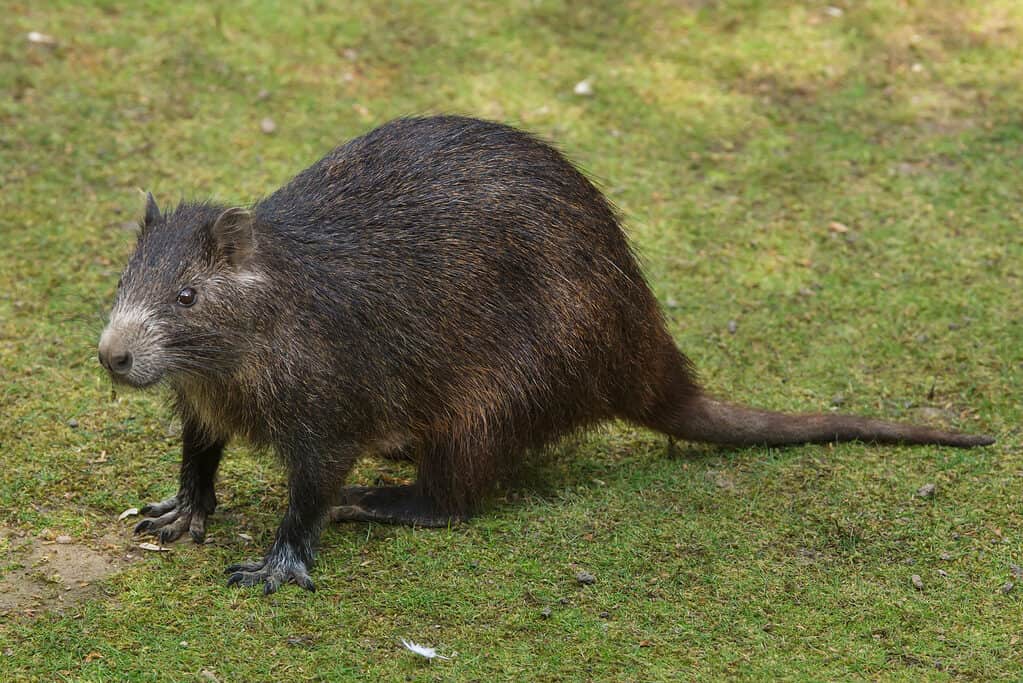
Desmarest's hutia (Capromys pilorides), also known as the Cuban hutia

The Cuban hutia is capable of growing to two feet and is the largest member of its species

The national animal of Cuba is the Cuban hutia (Capromys pilorides). Also known as Desmarest’s hutia, this endemic animal is an omnivorous rodent, weighing up to 19 pounds and capable of growing to two feet.

It’s the largest living member of the hutia species and is recognizable by its tubby form and coarse brown or reddish fur and short slender tail. Although it prefers to live in areas where mangroves are plentiful, it is capable of living in a wide range of habitats, which allows it to be quite widespread in Cuba’s diverse ecoregions.

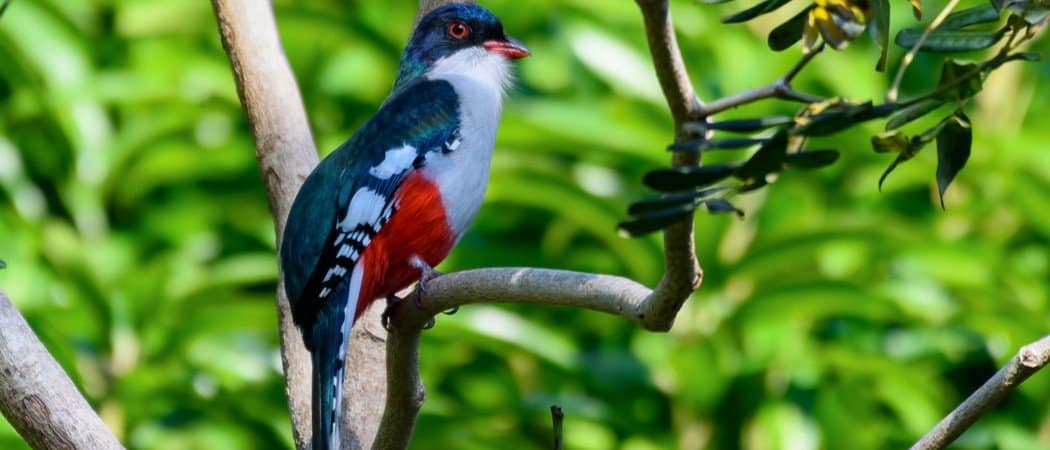
Additionally, the national bird of Cuba is the Cuban trogon or tocororo. The trogon, a native animal to Cuba, lives in both dry and humid forests. Coloration ranges from red, purple, blue, green, and white. The trogon grows to about 10 or 11 inches from beak to tail.

Where To Find The Top Wildlife
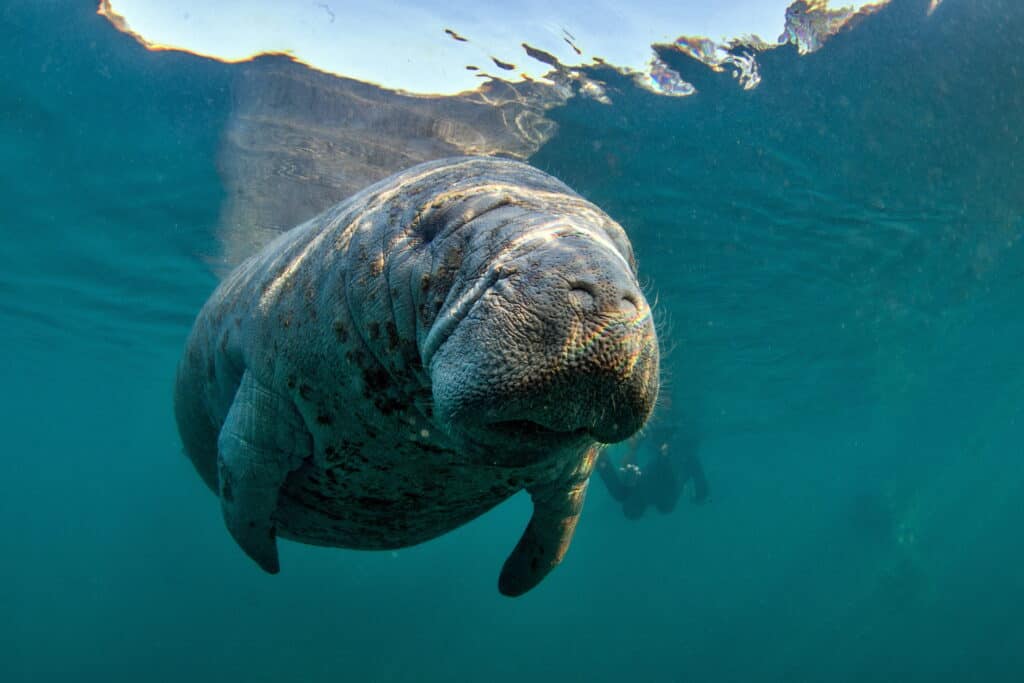
West Indian Manatee in Crystal River

Antllean manatees can be spotted when snorkeling

Some of the most popular types of animals in Cuba include the hawksbill turtle, the Antillean manatee, the tiny bee hummingbird, the Cuban parakeet, the French angelfish, and the Cuban crocodile. Hawksbills are found throughout Cuban tropical waters, but they specifically go to Cayo Largo to lay eggs between April and September. The Antillean manatee is also found throughout Cuban waters and can be seen while snorkeling.

Endemic bird species such as the ones mentioned above can be found throughout Cuba, but a good place to see many of them is a rural area south of Najasa town. There are plenty of good snorkeling spots in Cuba such as Playa Pesquero. There, you can see many endemic fish species like the French angelfish. Zapata National Park is a major wetland area that houses the Cuban crocodile and many other species.

Native Cuban Animals
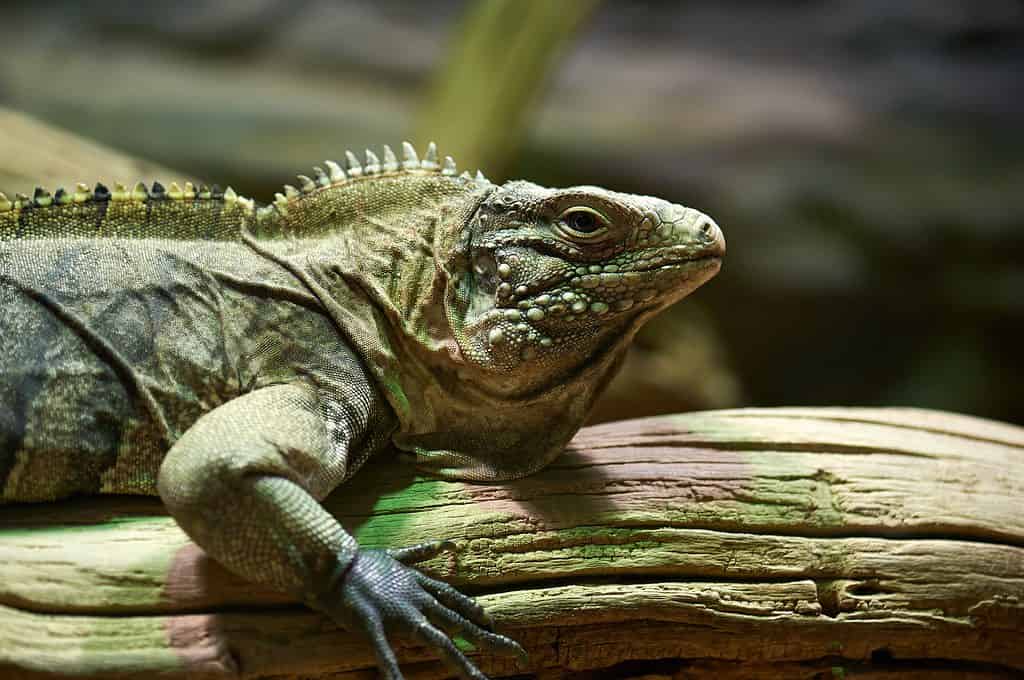
Jamaican iguana

Cuban ground iguanas can also be found in Puerto Rico and the Cayman Islands

Cuba is home to many types of wildlife, many of which are native to the country. Following are several examples:

  • Cuban ground iguana: Also known as (Cyclura nubila), this large lizard which is capable of growing over 5 feet in length, can also be found in Puerto Rico and the Cayman Islands. It is also herbivorous and feeds on prickly pears.
  • Cuban crocodile: Scientifically referred to as (Crocodylus rhombifer), this reptile is capable of reaching lengths of 11 feet and approaching 500 lbs in weight. The crocodile which is especially aggressive towards humans can be found at the Zapata Swamp and the Isla de la Juventud.
  • Cuban grassquit: Also known as (Phonipara canora), this little bird has a black face, a bright yellow neck, and yellow-black wings, and a chest and stomach covered in brown feathers. It prefers to live in scrubland or tropical or subtropical forests.
  • Cuban treefrog: Highly adaptable, this amphibian also known as Osteopilus septentrionalis is nocturnal by nature. It is also fond of gobbling up other amphibians as well. The tree frog which also secretes toxins on its skin is an invasive species in Florida.
  • Cuban solenodon: A long-snouted rodent with brown fur this shrew-lookalike is endemic to Cuba. Also known as Atopogale cubana, it is nocturnal by nature and insectivorous. Its is also known to have venomous saliva which helps it during feeding.

Native Birds
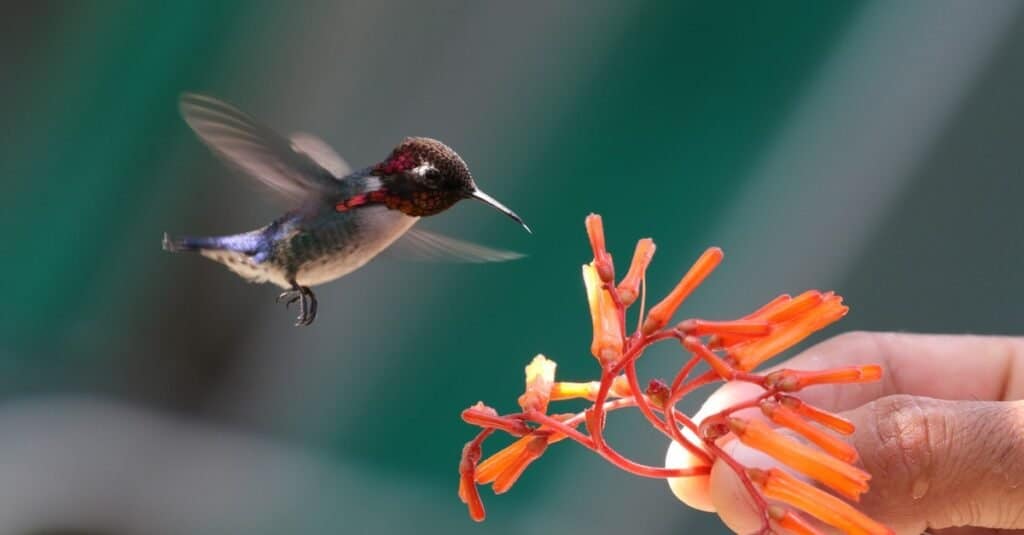
Tiniest Birds-Bee Hummingbird

Bee hummingbirds are the world’s smallest hummingbird

Along with the national bird, the trogon, there are countless unique avian species flying around or perched in the trees of Cuba. As a result of its convenient geographical location and size, Cuba is a hotspot for Neotropical migratory birds. Over 370 bird species have been seen on the island, out of which 27 are endemic. Some endemic species include:

  • Cuban tody – eats 40% of its bodyweight
  • Bee hummingbird – the world’s smallest bird!
  • Zapata rail – critically endangered
  • Zapata wren – one of the most sought after species to see in Cuba
  • Cuban kite – critically endangered

Migratory birds pass through heading south but some remain in Cuba for the winter. Following are several examples.

  • Black-throated warbler
  • Northern parula
  • Tennessee warblers
  • Cape may
  • American redstart

As for birdwatching location, La Guira Park is very popular, encompassing pine forests and semi-tropical forests. Caya Coco, surrounded by mangroves and famous for its incredible beaches, is home to over 200 avian species. Limestone ridges of Sierra de Najasa provide shelter and habitat for many bird species, such as hawks and parrots. Zapata National Park consists of swamp, scrubland, and salt flats, these diverse ecosystems are home to 18 endemic bird species along with other creatures such as crocodiles.

Native Fish
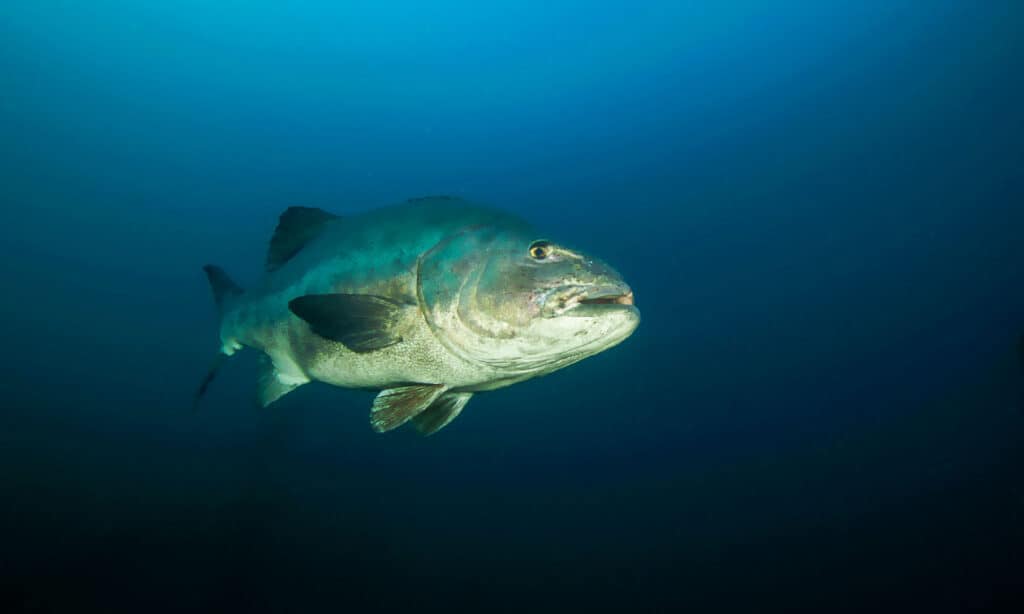
Black Sea Bass

Sea Bass are just one of the many fish species found in Cuba’s waters

Surrounded on all sides by ocean along with inland rivers and lakes, Cuba is a popular destination for fishing of all kinds. Fly fishing, deep sea angling, half-bottom fishing – you name it – and Cuba has it. Rules and regulations are in place to protect species and prevent overfishing, an important fact to consider when traveling for any kind of game fishing or hunting.

Some of the best lakes for fishing include Leonero Lake, Redonda Lake, and Algodonal Lake. The lakes are largely occupied by largemouth and smallmouth bass, northern pike, walleye, and several other species, making for good freshwater fishing.

Jardines de la Reina is renowned worldwide for magnificent species caught here. However, the only modality allowed is Catch & Release, strictly enforced to preserve populations and the unique ecosystem off of the Caribbean shoreline. Exciting species found here include:

  • Sea bass
  • Bandit
  • Red porgy
  • Wimple piranha
  • Grouper
  • Wreckfish

The Hatiguanico River flows from a crystalline water spring and is refuge for many species such as manatees. A popular fishing destination, shad and sea bass are most often caught, while Cuban gar and other species also inhabit these waters.

On the northern shores of the country, the Guanahacabibes Peninsula has some of the most inhabited waters as a result of intensive preservation efforts by the government. Catch & Release technique is allowed, but other fishing is strongly prohibited. A variety of marine fish species are seen here such as grouper, lane snapper, sawfish, wahoo, tuna, and sailfish.

Some especially unique fish found in Cuba include:

  • Lucifuga fish
  • Goliath grouper
  • Cuban killifish
  • Biajaca

Native Snakes

closeup of boa striking

The Cuban boa is the largest species in its genus

While Cuba is home to impressive marine life, colorful birds, and eccentric mammals, reptiles also inhabit the waters and lands of the island. Snakes are common to Cuba, and several species can be found there. One of the best-known snakes of Cuba is the Cuban boa, the largest species in its genus, reaching over 15 ft long. The Cuban boa is also thought to be the largest land predator on the island. Other snakes found in Cuba are:

  • Cuban boa, Chilabothrus angulifer
  • Cuban short-tailed racerlet, Arrhyton vittatum
  • Cuban lesser racer, Caraiba andreae
  • Cuban racer, Cubophis cantherigerus
  • Cuban water snake, Tretanorhinus variabilis
  • Canasi trope, Tropidophis celiae
  • Cuban khaki trope, Tropidophis hendersoni
  • Cuban dusky trope, Tropidophis fuscus
  • Escambray white-necked trope, Tropidophis galacelidus
  • Escambray small-headed trope, Tropidophis hardyi

While no species of snake found in Cuba is venomous, it is still important to seek professional medical attention if attacked or bitten by a snake, as allergic reactions or injuries may result.

The Most Dangerous Animals In Cuba Today
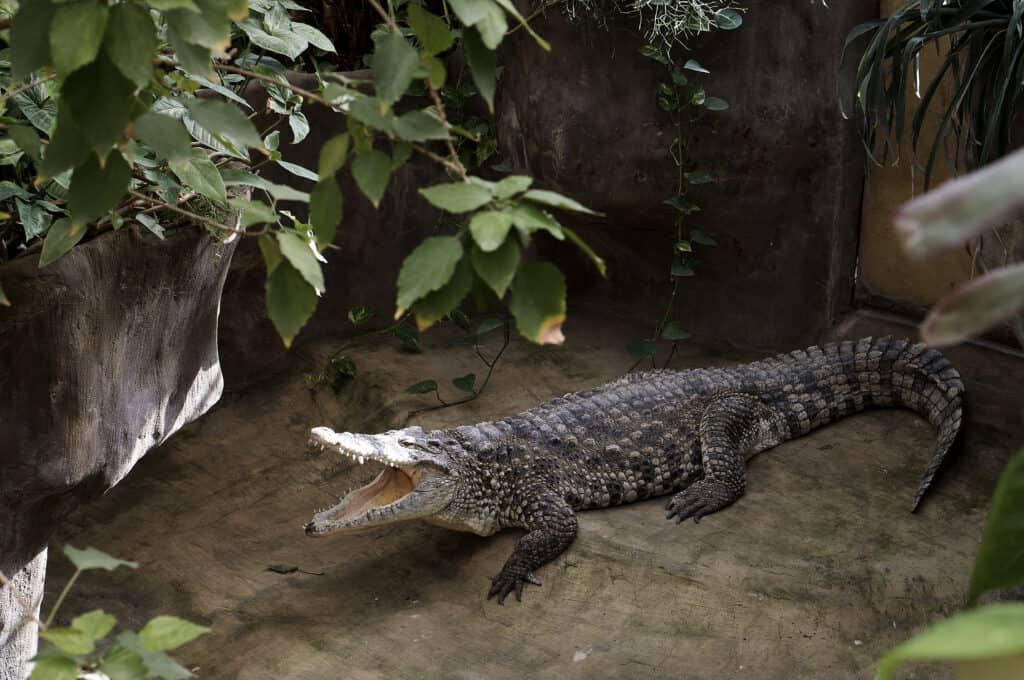
Cuban crocodiles are extremely aggressive to humans

In general, there aren’t any truly dangerous wild animals in Cuba. The dangerous animals in Cuba are simply capable of delivering uncomfortable bites and stings. This includes Medusa jellyfish, mosquitos, scorpions, spiders, and lizards.

Sharks are present in Cuba’s waters, but they’re mostly active at night. There are no records of shark attacks on Cuban beaches. The Cuban crocodile is known for its extreme aggression towards humans however access to the areas in which they live is carefully monitored.

The American crocodile is also another fearsome predator which has been known to be rather indiscriminate in its choice of prey. Fortunately, there are no venomous snakes found on the island, lessening the chance of a fatal bite.

Famous Cuban Animals
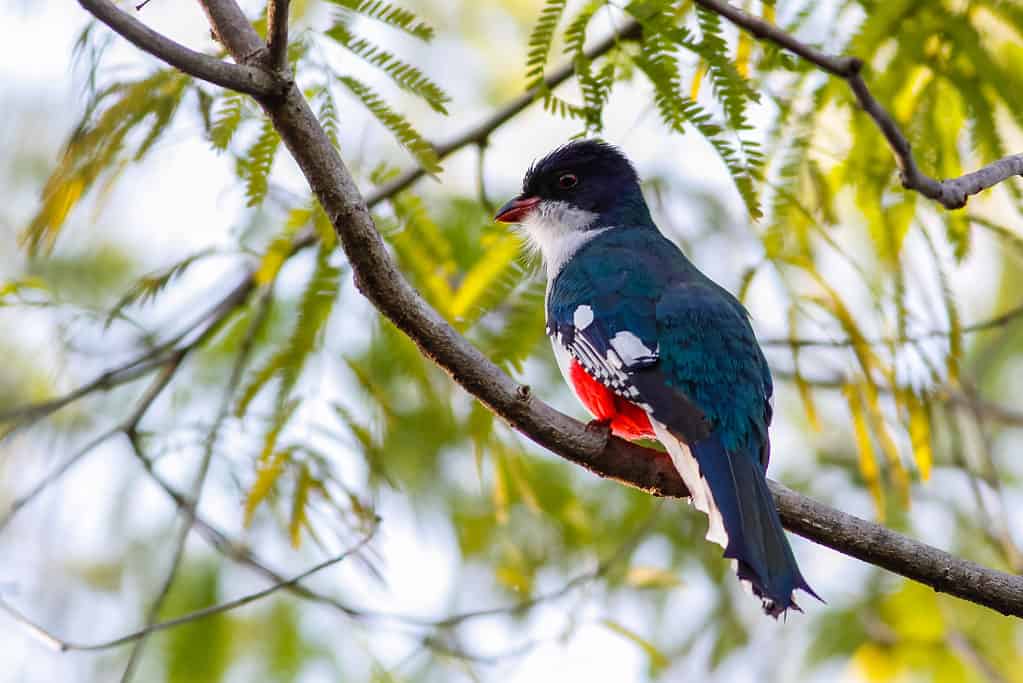
Cuban trogon or tocororo, the national bird of Cuba

The color of the Cuban trogon or tocororo are reflected on the flag of Cuba

Cuba’s natural biodiversity means that there are a lot of endemic animals in Cuba, meaning they are only found in Cuba, making them famous. The list includes the following:

  • Tocororo: Also known as the Cuban trogon (Priotelus temnurus) and Cuba’s national bird, this avian is somewhat gregarious preferring the company of another member of its species, or even two or . Its plumage reflects the colors of the nation’s flag and it is also admired for its beautiful song.
  • Cuban hutia: The largest hutia in existence, this rodent has seen its fortunes change from being a food source to becoming a national symbol backed by state protection. Unfortunately, it is also considered something of a nuisance as it is not above helping itself to cultivated crops.
  • Bee hummingbird (the world’s smallest bird): The smallest known bird in the world (females measure 6cm while males measure 5.5 cm), the bee hummingbird is known for its shimmering feathers in sapphire and turquoise. It is also skilled at flight, an essential quality for enabling it to feed effectively.
  • Almiqui: Known as the Cuban solenodon, it is especially noticeable for its shrew-like appearance. This species as well as its Hispanolan cousin are the only existing solenodon.

Cuba is also very proud of its famous native dog the Havanese. The Havanese is very popular all over the world for its affectionate and playful personality, and cute small size.

Strange Animals
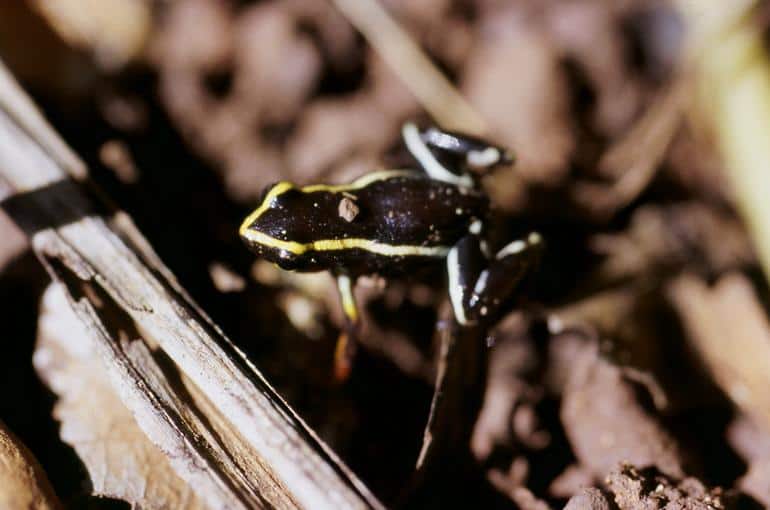
Monte Iberia Eleuth on forest floor

The Monte Iberia eleuth frog can only be found in eastern Cuba

Cuba can claim a number of strange wild animals as well. Top of the list is the Cuban solenodon. This is an endangered animal described as a living fossil. It looks like a shrew, and it has venomous saliva that it injects into its prey with its teeth. The strange shrew was last spotted in 2003, however, recent research suggests that there’s evidence that the animal still exists in Cuba.

Another strange animal species in Cuba is the Monte Iberia dwarf eleuth frog. It’s the third smallest of all frogs and is only found in two small parts of eastern Cuba. It’s considered critically endangered due to a loss of habitat. This frog is about the size of a fingernail.

Mammals
What Eats Snakes

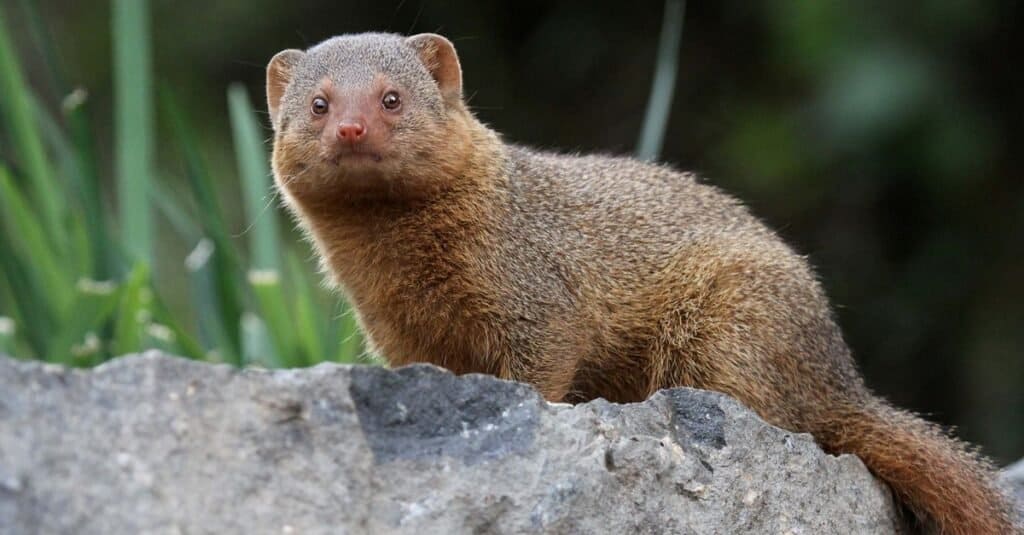
Indian mongooses are not native to Cuba but have become an invasive species

Cuba doesn’t have a lot of large mammals or a lot of predators that are mammals. Many of the top animal species in Cuba are birds, reptiles, or fish. Some of the most well-known mammals in Cuba include the manatee, the Cuban hutia, the butterfly bat, the Indian mongoose, and the primitive Cuban solenodon.

The Indian mongoose is not actually native to Cuba, but an invasive species. It was introduced to the island to cut down rat populations. However, it has almost no natural predators, so its numbers have gotten somewhat out of control.

Endangered Animals
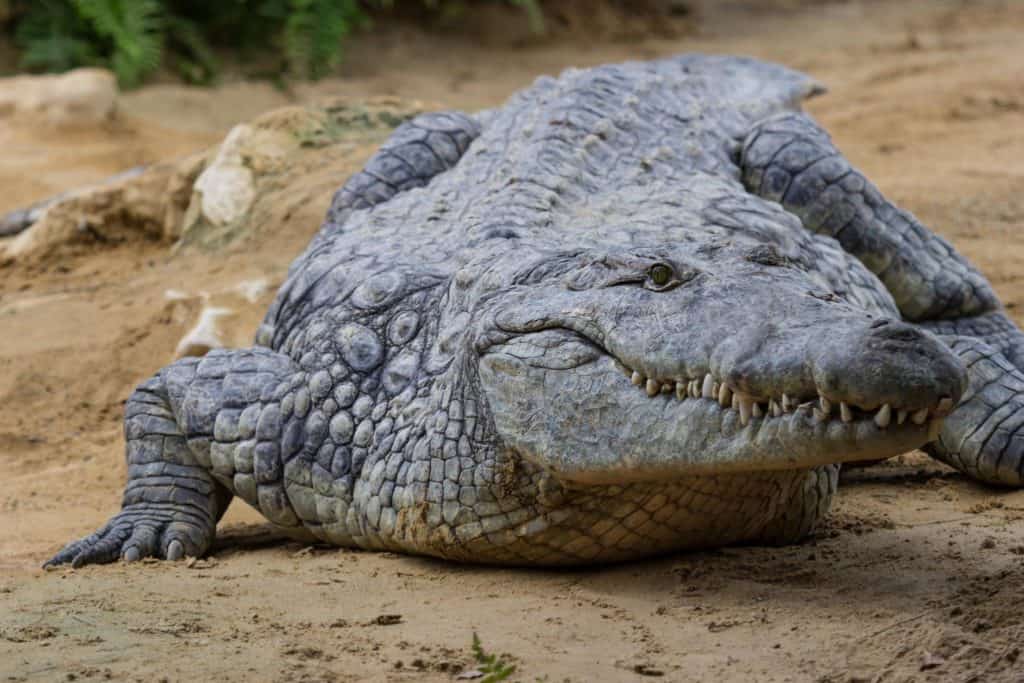
Cuban crocodiles are smaller yet more aggressive than their American cousins

There are a number of endangered animals in Cuba. Common threats to native animals of Cuba include invasive species, hunting from humans, and loss of habitat from human expansion. Some notable endangered animals species in Cuba include:

  • Bahama swallow: The avian also known as Tachycineta cyaneoviridis is known to breed in Northern Bahamas, winter in the eastern part of the archipelago, and spend the rest of its time visiting Florida and even further south.
  • Baracoa dwarf frog: Also known as the Oriental robber frog, Baracoa dwarf frog, or Eleutherodactylus orientalis, this tiny amphibian is a beautiful metallic yellow liberally streaked with black. It is endemic to the eastern part of Cuba and can grow to slightly over half an inch.
  • Cuban solenodon: This shrew-like creature has the distinction of belonging to that unique selection of venomous mammals. It was believed extinct in half a century ago, but was discovered shortly afterwards. Only this species and the Hispaniolan solenodon are the only existing solenodon.
  • Bee hummingbird: Endemic to Cuba and known for their beautiful plumage, eggs the size of a coffee bean, this avian is also the world’s smallest bird.
  • Cuban crocodile: Smaller and more aggressive compared to the American crocodile, its range has shrunk to the Zapata swamps and la Isla de Juventud.

The Largest Animal in Cuba
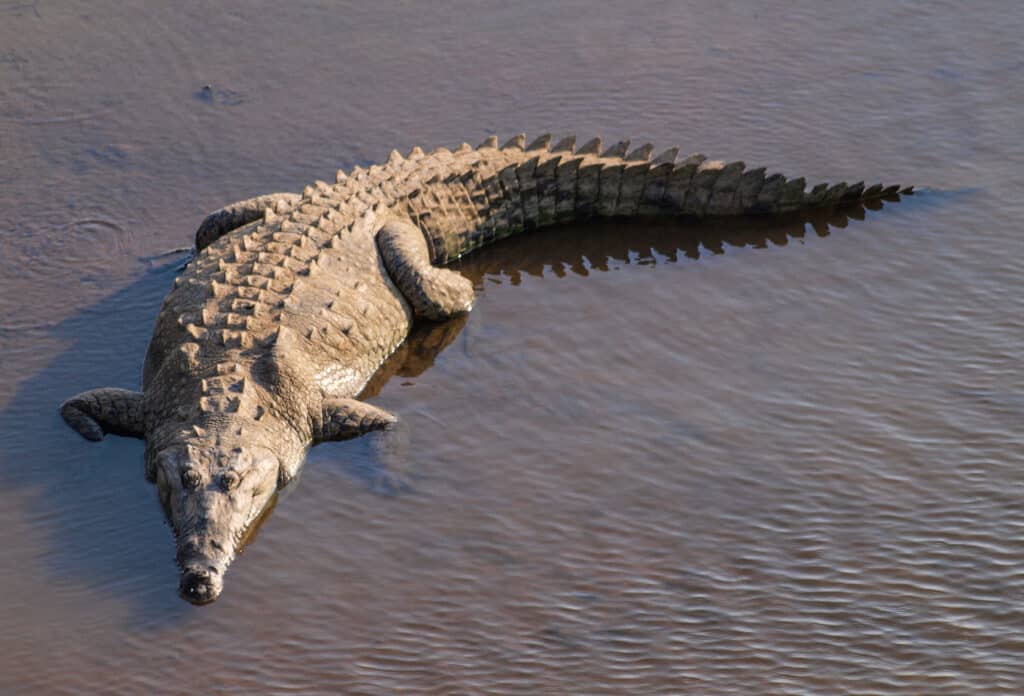
American crocodile

American crocodiles can be found in Cuba’s Zapata Swamp and La Isla de Juventud

The American crocodile (Crocodylus acutus) is Cuba’s largest animal and is capable of tipping the scales at 2,000 lbs and reaching 20 feet in length. In contrast, fellow crocodilian the Cuban crocodile is capable of reaching 474 lbs and 11 feet, a lightweight in comparison.

Located in the Zapata Swamp and Cuba’s southern isle, La Isla de Juventud, these reptiles are particularly fond of salty water, compared to their smaller Cuban cousins which thrive in freshwater.

Between 3,000 – 6,000 of these apex predators currently call Cuba home. The Cayman population is believed to consist of Cuba’s population of American crocodiles which have swum over to new environs. A decision which is likely to increase the population of the former at the expense of the latter which is already vulnerable.

The Rarest Animal in Cuba
ATTRIBUTION NOT FOUND

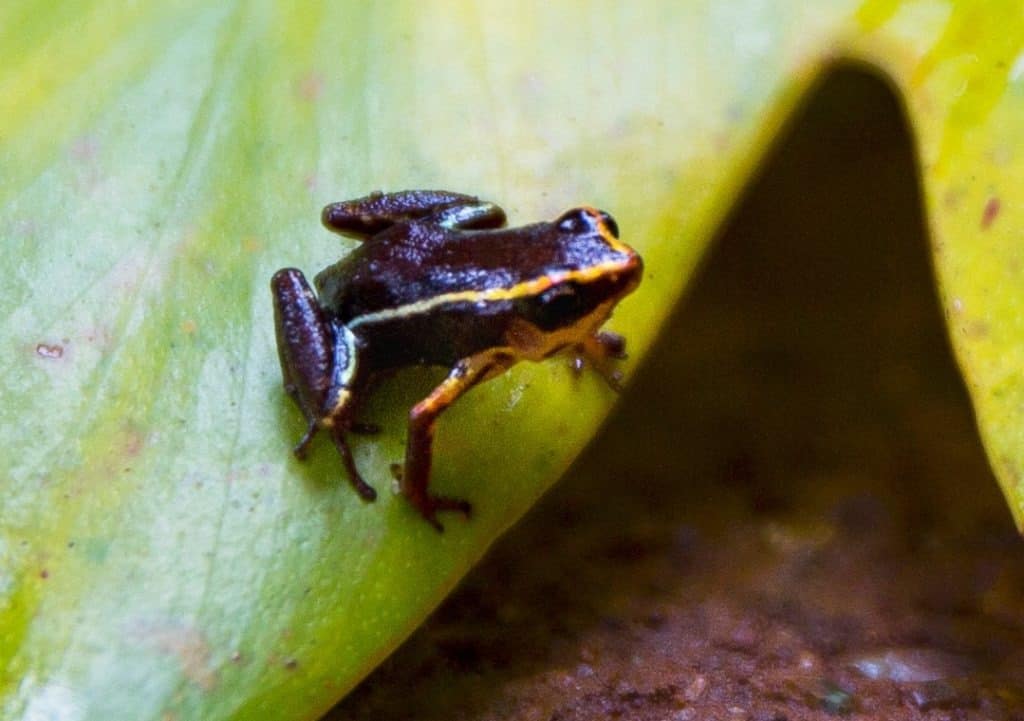
The Monte Iberia eleuth is the third smallest frog in the world

One of the rarest animals in Cuba is the Monte Iberia eleuth (Eleutherodactylus iberia). This amphibian’s claim to fame is its position of third smallest frog on the globe. Capable of measuring less than half an inch in length, it was first spotted two decades ago in Holguin, Cuba.

The tiny frog which is more commonly known as the Monte Iberia dwarf frog, is a dark color with lighter stripes which run along its body.

Both genders exhibit parental care protecting the offspring born from a single egg. The species which has shown a preference for rainforests with waterlogged soil lives near Nibujon and at the very top of the Monte Iberia elevation. Scientists are rightfully concerned since the well-being of this insectivorous amphibian has been especially threatened in the former location.

Zoos in Cuba

Cuba has a number of zoos and aquariums, including the National Zoo of Cuba located in Havana. Opened in 1939, this zoo is the oldest in Cuba. Monkeys are the main attraction of the National Zoo of Cuba; however, there are multitudes of species on exhibit here. Other zoos and aquariums include the following:

  • Delfinario (Dolphinarium) – Open since 1984 in Punta Hicacos Nature Park; Offers four daily dolphin shows
  • Delfinario de Cienfuegos – Popular tourist attraction for swimming with dolphins and dolphin shows
  • Delfinario Cayo Naranjo – Located in Bahia de Naranjo Nature Park, only accessible by boat; semi-natural enclosures for marine mammals, like dolphins, to interact with other marine creatures
  • Aquarium Baconao – Santiago de Cuba; also allows swimming with dolphins and is home to unique marine and freshwater species; educational room for historical significance of species and waters

Cuban Flag
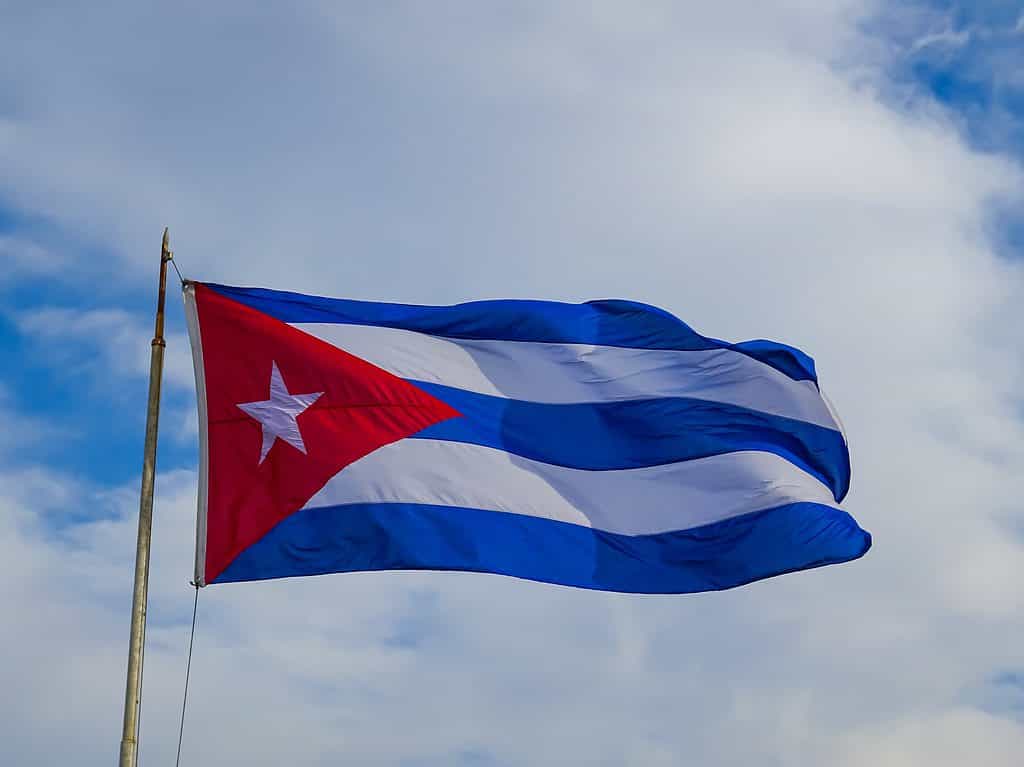
Cuban flag

The Cuban flag’s horizontal stripes represent Cuba

Cuba’s flag was adopted in May 1902, over five decades after it was designed in 1849. It is known as the Estrella Solitaria, or “Lone Star”. Cuba’s flag features three blue horizontal stripes, which represent the three past districts of Cuba: Occidental, Oriental, and Central.

White horizontal stripes separate the blue bands, with the white color standing for patriotism. The red triangle, which is a Masonic symbol for equality and brotherhood, also represents blood lost by those who fought for the country. Lastly, the white star in the center of the triangle depicts freedom.

Animals Found in Cuba

192 species documented in our encyclopedia

Thank you for reading! Have some feedback for us?