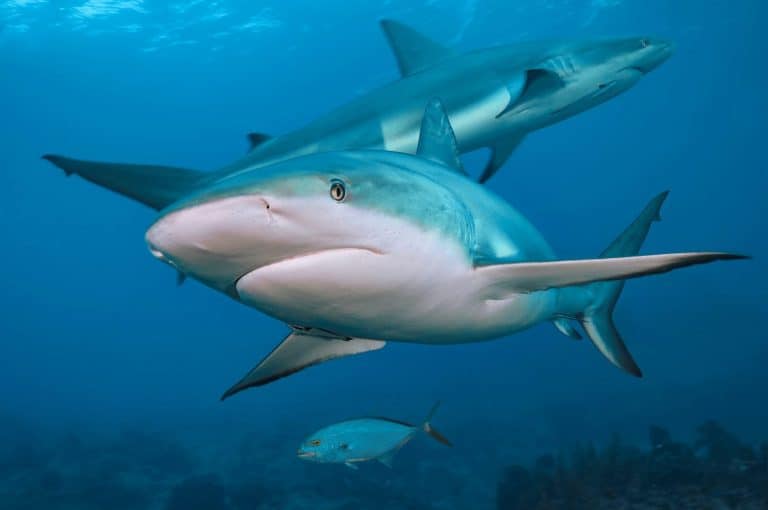
Caribbean Reef Shark
The reef's resident requiem shark

The reef's resident requiem shark
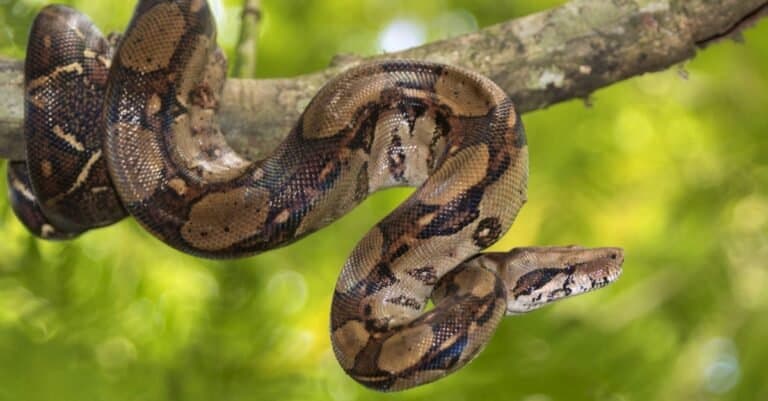
Quiet coils, powerful control
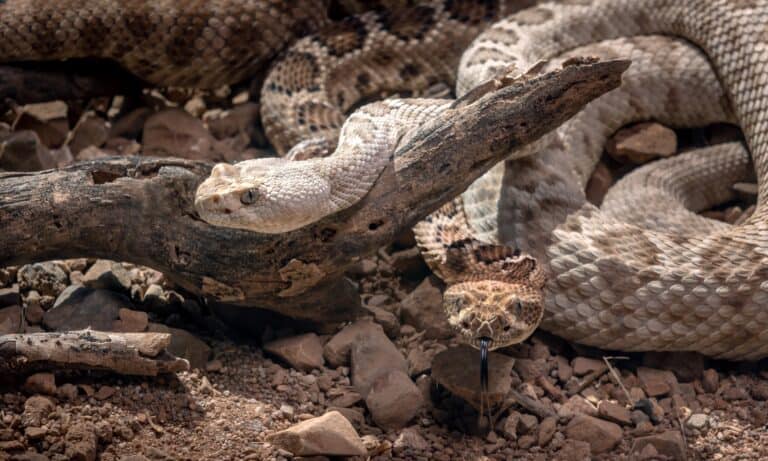
Heat-sensing hunters with hidden fangs
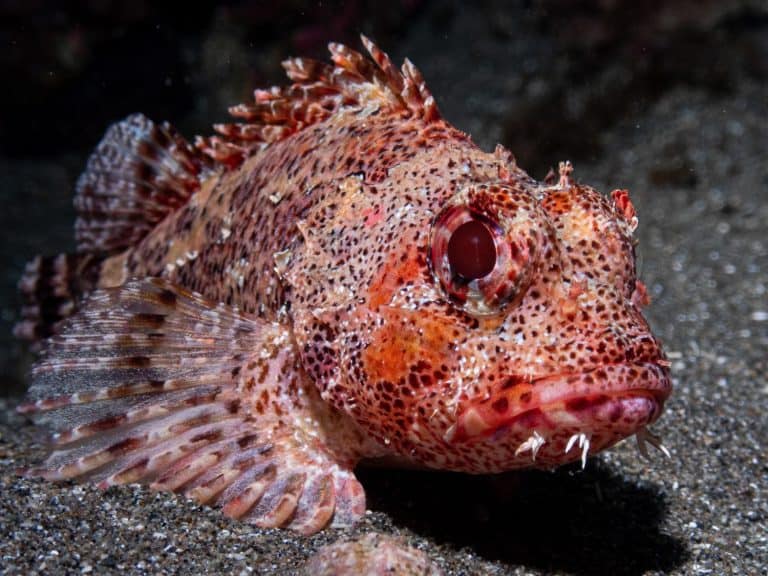
Beautiful camouflage, serious spines.
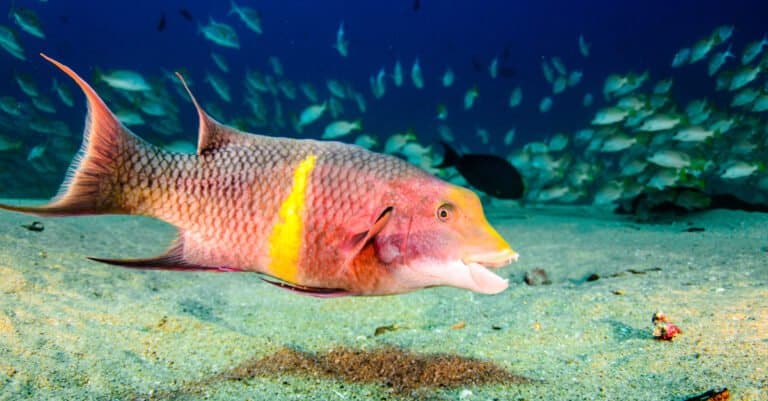
The pig-snout prowler of the reef
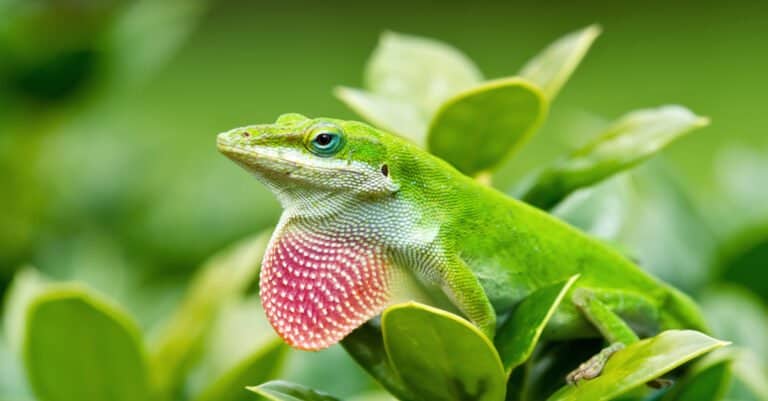
Dewlap drama in the treetops
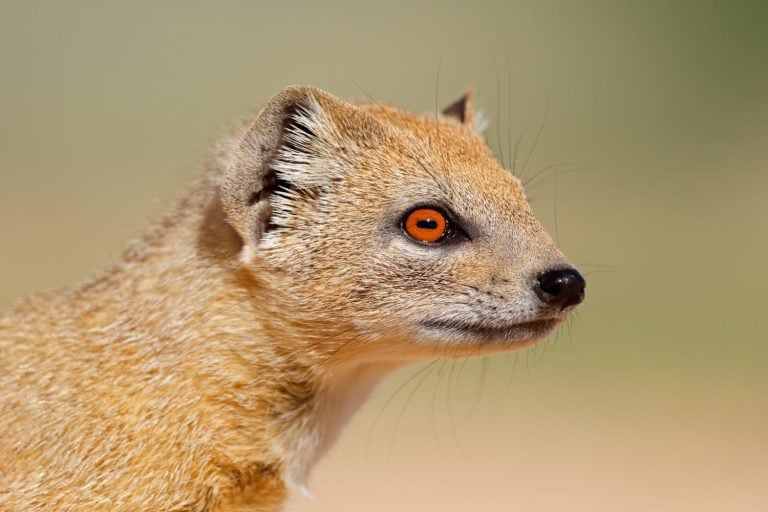
Small hunters, big attitudes
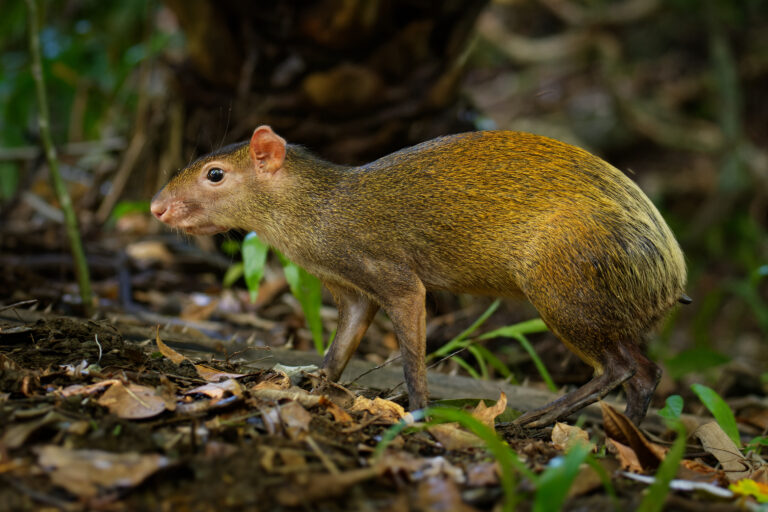
The forest's seed-burying sprinters
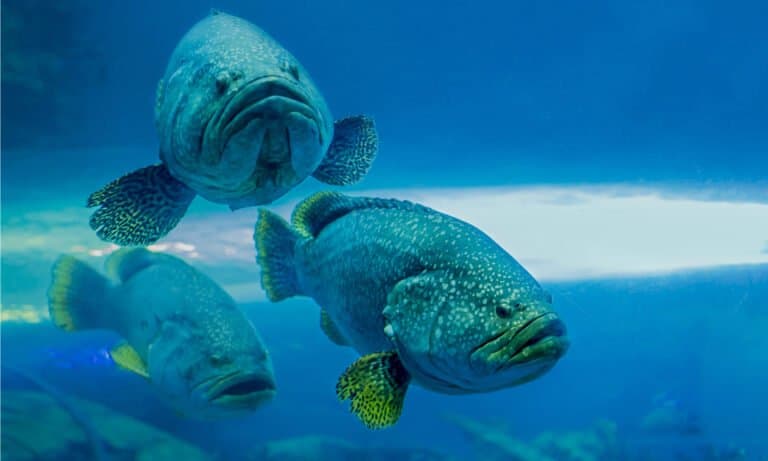
Mangroves to wrecks-Atlantic giant
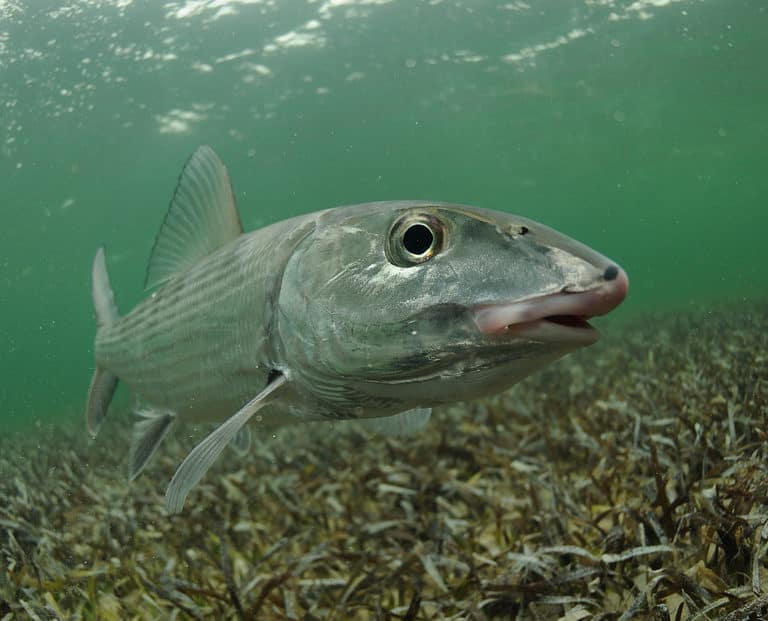
Grey ghost of the tidal flats
Wildlife in Saint Vincent and the Grenadines is defined by a dramatic "mountain-to-reef" journey compressed into a small island nation: the volcanic slopes of Saint Vincent rise into humid montane rainforest, while the Grenadines unfold as low, sunlit islets ringed by reefs, seagrass beds, and lagoons. This mix supports an outsized concentration of Caribbean specialties, including endemic and range-restricted birds, as well as marine life that thrives in warm, transparent waters. The country's natural heritage is especially compelling because much of it is visible and accessible-hikes, boat trips, and snorkels can all reveal distinct wildlife communities in a single day.
Key ecosystems include Saint Vincent's upland rainforests (critical for watershed protection and endemic forest birds), coastal dry forest and mangroves (nursery habitat for fish and crustaceans, and a buffer for storms), and the coral reefs and seagrass of the Grenadines-among them the Tobago Cays area, famed for its reef mosaics and turtle-friendly shallows. In global conservation terms, the nation forms part of the wider Caribbean biodiversity hotspot, where protecting small, fragmented habitats can have an outsized impact on endemic species and reef resilience. Marine protected areas, community-based turtle monitoring and advocacy, and safeguards for iconic species like the Saint Vincent parrot contribute to regional conservation goals and help keep wildlife encounters authentic. What makes the experience unique is the seamless blend of volcano-backed rainforest exploration and lagoon-and-reef wildlife viewing-often with far fewer crowds than larger Caribbean destinations.
Saint Vincent and the Grenadines' wildlife is strongly shaped by its steep volcanic topography and its split geography: a high, wet main island (Saint Vincent) and a low-lying chain of drier Grenadine islands surrounded by reefs. Elevation and exposure to trade winds create sharp rainfall gradients-supporting montane rainforest and cloud-forest habitats on the volcanic slopes, while leeward/coastal areas favor seasonal dry forests, scrub, and small coastal wetlands. The extensive coastline, bays, and offshore cays provide critical marine and coastal habitats (coral reefs, seagrass beds, mangroves, beaches) that structure the distribution of seabirds, reef fish, and nesting sea turtles, and concentrate biodiversity around nearshore waters as much as on land.
Saint Vincent and the Grenadines (SVG) protects biodiversity through a mix of (1) terrestrial Forest Reserves (primarily on Saint Vincent, focused on watershed and montane rainforest protection that also safeguards key endemics like the Saint Vincent parrot) and (2) marine protected areas in the Grenadines (notably reef-seagrass-lagoon systems important for sea turtles, reef fish, and invertebrates). Management is shared across national agencies (notably forestry and parks/marine authorities), with many sites effectively functioning as wildlife refuges even when originally designated for water/soil protection.
Approx. ~20-25% of Saint Vincent's land area is under some form of formal protection (dominated by Forest Reserves). Marine coverage is smaller in absolute area but includes highly important reef and turtle habitats (e.g., Tobago Cays Marine Park).
SVG's flagship marine protected area, protecting shallow coral reefs, seagrass beds, and lagoons that support internationally important sea turtle foraging and high reef-fish biomass. It is also one of the best wildlife-viewing sites in the country for turtles, rays, and reef life.
A key block of wet montane rainforest on Saint Vincent, central to conserving the endemic Saint Vincent parrot and other island-restricted forest birds. The reserve's intact canopy and watershed forests make it one of the most important terrestrial conservation areas in SVG.
Leeward-side rainforest and riverine habitats that provide stronghold conditions for endemic and regional forest birds, with good opportunities for birdwatching where access is possible. Its protection helps maintain connectivity among upland forests critical for parrot movement and feeding.
A major windward watershed reserve with moist forest habitats that support endemic birds and maintain freshwater flows to the coast. Its steep, wetter forests are valuable for conserving forest interior species and overall ecosystem integrity.
This area is associated with black-sand coastal habitats and adjacent protected uplands; nearby beaches are among the better-known sea turtle nesting locations on Saint Vincent. Protection of adjoining catchments and coastal habitat helps reduce erosion and disturbance impacts on nesting beaches.
A relatively accessible protected forest area that contributes to island-wide conservation of remaining native forest, supporting endemic birds and providing important watershed services. It complements larger central reserves by protecting additional habitat blocks and elevational gradients.
Saint Vincent and the Grenadines (SVG) packs high biodiversity into a small area because it spans two very different natural worlds: the rugged, volcanic main island of Saint Vincent (with montane rainforest and cloud-forest habitats around La Soufrière) and the low-lying Grenadines (dry scrub, beaches, mangroves, seagrass beds, coral reefs, and offshore cays). Wildlife experiences are defined by endemic forest birds on Saint Vincent, charismatic sea turtles and seabirds across the Grenadines, and seasonal marine megafauna (notably whales and dolphins) in surrounding waters.
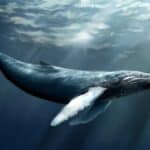
Saint Vincent and the Grenadines (SVG) is a small-island, high-biodiversity destination where "wildlife tourism" is less about classic big-game safaris and more about immersive marine encounters (reefs, turtles, dolphins/whales), rainforest birding, and volcanic-island ecology. Economically, wildlife experiences are a strong value-add to the country's broader tourism mix (yachting, beach resorts, diving), supporting local dive operators, boat charters, guides, accommodation, and community businesses-especially in the Grenadines where reef-based tourism is central. Historically, nature travel here grew from sailing and dive tourism in the Grenadines, then expanded with increased interest in birding, hiking (including La Soufrière), and conservation-led marine activities such as turtle protection and reef stewardship. Accessibility is practical: most visitors arrive via Argyle International Airport on St. Vincent, then connect by ferry/short flights/charter boats to Bequia, Mustique, Canouan, Union Island, Mayreau, and the Tobago Cays. Wildlife viewing is typically done by boat, snorkel/dive, guided hikes, and shore-based turtle watching; infrastructure is strongest around established dive centers and popular anchorages. Key planning notes for visitors: - You'll get the richest wildlife variety by combining St. Vincent's interior (rainforest birds) with Grenadine marine days (reefs, turtles, rays, pelagics). - Many top wildlife moments are weather/sea-state dependent; build in buffer days for boat excursions. - Use licensed local guides for volcano/rainforest hikes and reputable operators for dolphin/whale encounters; follow no-touch/no-chase rules around turtles and cetaceans.
SVG is a year-round wildlife destination, with "best" timing depending on whether you prioritize calm seas for snorkeling/diving, turtle nesting/hatching, or offshore cetaceans.
Typical seasonal highlights (practical month-by-month guidance):
- January-March: Drier months with generally good visibility and calmer-feeling conditions for reef snorkeling/diving in the Grenadines; excellent for multi-island boat-based wildlife days (turtles, reef fish, rays). Good time for rainforest hikes and birding on St. Vincent thanks to clearer trails.
- April-June: Transition into warmer conditions; still strong for diving/snorkeling and marine megafauna sightings (turtles around reefs). Great for combining La Soufrière hiking with Grenadine reef days before peak wet-season humidity.
- July-October: Peak sea turtle season in much of the Caribbean (nesting and early hatchling activity varies by beach and species). Expect more humidity and higher rain risk; plan flexible schedules for boat trips. This period can be rewarding for dedicated turtle-focused trips (evening beach patrols where permitted with guides).
- November-December: Weather stabilizes into the dry season; reefs and snorkeling return to more consistent conditions. Good for travelers wanting a balanced mix of hiking, birding, and boat wildlife experiences with fewer weather disruptions.
What to see when (high-level):
- Best reef visibility & comfortable boat hopping: generally December-April.
- Best turtle-focused travel: broadly July-October (exact beaches/timing vary; always check with local operators/conservation groups).
- Best "combo" months (solid seas + lush landscapes): February-May.
The national bird is not just "a parrot," but a single-island endemic: the St. Vincent amazon (Amazona guildingii). Conservation status assessments (IUCN) track it as a small-population species, making it a flagship example of how an entire species can depend on one island's forests.
Bequia's humpback-whale hunt is carried out from small open boats using hand-thrown harpoons-an uncommon practice in the Caribbean today and one of the most debated wildlife traditions in the region.
You can snorkel over seagrass and see green turtles feeding in broad daylight in Tobago Cays-many visitors expect turtles to be elusive, but here the grazing behavior is often the main attraction rather than a rare sighting.
La Soufriere's eruptions (most recently 2021) don't just reshape the landscape-they also reset habitats. Fresh ash and new deposits create "blank-slate" areas where plants and insects recolonize in a visible sequence, offering a real-time lesson in ecological recovery on an inhabited island.
The Grenadines include tiny, largely uninhabited cays where wildlife can dominate the shoreline (nesting seabirds, iguanas/lizards, and turtle habitat) despite being in one of the Caribbean's busiest yachting corridors-nature and tourism overlap unusually closely here.
The St. Vincent amazon / St. Vincent parrot (Amazona guildingii) is found in the wild only on the island of Saint Vincent-this country holds the species' entire natural global range.
Saint Vincent and the Grenadines is one of the very few countries granted an International Whaling Commission (IWC) aboriginal-subsistence quota for humpback whales-taken by a small, traditional whaling operation based on Bequia.
Multiple reptiles are true single-country endemics with "global ranges" measured in just a few islands-e.g., the St. Vincent blacksnake (Chironius vincenti) occurs naturally only in Saint Vincent and the Grenadines.
Tobago Cays Marine Park (established 1997) is the nation's best-known, most consistently turtle-rich shallow-water site-its seagrass beds make it a reliable daytime grazing area for green turtles (Chelonia mydas) that snorkelers can often see at close range.
Because the country spans a high, wet volcanic peak (La Soufriere, 1,234 m) plus low, dry Grenadine cays, it packs unusually different Caribbean habitat types into a tiny area-supporting rainforest birdlife on Saint Vincent and reef/seagrass specialists (turtles, rays, reef fish) on the Grenadines.
14 species documented in our encyclopedia
Thank you for reading! Have some feedback for us?
We appreciate your help in improving our content.
Our editorial team will review your suggestions and make any necessary updates.
There was an error submitting your feedback. Please try again.