N S W E
Wildlife Expeditions

Wildlife of
Grenada

Grenada captivates wildlife lovers with a rare mix of rainforested volcanic peaks and vibrant coral reefs-making it a compact "ridge-to-reef" island where you can spot tropical birds inland and sea turtles, rays, and reef fish offshore in the same day.
16 Species
344 km² Land Area
Overview

About Grenada

Grenada's wildlife character is defined by its steep volcanic interior cloaked in humid tropical forest and its clear Caribbean waters fringed by reefs, seagrass beds, and sheltered bays. This "small-island, big-nature" setting supports diverse birdlife (from forest songbirds to coastal waders), reptiles that thrive in warm lowland habitats, and a marine community shaped by nutrient flows from upland watersheds to nearshore reefs. Nature-based tourism here often centers on intimate encounters-short hikes to forested overlooks, quiet paddles through mangroves, and snorkels or dives that reveal a dense tapestry of reef life.

Key ecosystems include montane and lowland tropical forests (critical for watershed protection and island biodiversity), mangroves and wetlands (nurseries for fish and buffers against storms), beaches and coastal scrub (important nesting and roosting areas), and coral reefs and seagrass meadows (the backbone of marine biodiversity and local fisheries). Grenada's conservation relevance is strongly global rather than African: as part of the Caribbean biodiversity hotspot, the country contributes to regional sea turtle protection, reef stewardship, and climate-resilience efforts that matter far beyond its borders. What makes the wildlife experience unique is its accessibility and variety-visitors can move quickly between habitats, join community-led conservation activities, and experience the Caribbean's ecological connectivity from inland forest trails to offshore reef walls.

Physical Features

Geography

Grenada's wildlife is strongly shaped by steep volcanic topography, high rainfall on windward slopes, and a narrow coastal fringe. The mountainous interior supports remaining tropical moist forest and freshwater streams that provide habitat for forest birds, reptiles, and amphibians, while drier lowlands and cultivated areas favor edge-tolerant species. Around the main island and the Grenadines, extensive coastal habitats-mangroves, beaches, seagrass beds, and fringing coral reefs-drive especially high marine biodiversity (reef fish, sea turtles) and concentrate many conservation and tourism activities along bays and reefs.

344 km² Land Area
About the size of Malta (small island nation) Size Rank

Key Landscapes

  • Volcanic mountainous interior (central highlands and ridgelines) with steep slopes and orographic rainfall gradients
  • Tropical forest remnants and watershed headwaters feeding short, fast-flowing streams and riparian corridors
  • Crater lakes (notably Grand Etang) and associated wet forest habitats
  • Coastal lowlands and agricultural mosaic (plantations, mixed cultivation) creating fragmented habitats and forest-edge conditions
  • Mangrove wetlands and coastal lagoons in sheltered bays (nursery habitat for fish and invertebrates; bird habitat)
  • Sandy beaches and rocky headlands important for coastal birds and (in places) sea turtle nesting
  • Seagrass beds and nearshore shallow shelves supporting juvenile fish and foraging turtles
  • Fringing and patch coral reefs, plus offshore cays in the Grenadines, supporting high reef biodiversity and connectivity among islands
  • Marine channels and shelf edges around the Grenadines influencing larval dispersal and movement of pelagic species

Ecoregions

  • Windward Islands moist forests (WWF)
  • Lesser Antilles dry forests (WWF; localized in drier coastal/leeward areas)
  • Southern Caribbean mangroves (WWF; scattered pockets where mangroves occur)
Parks & Reserves

Protected Areas

Grenada's protected area system is a mix of terrestrial national parks/forest reserves that safeguard the island's remaining tropical rainforest and upland watersheds, plus a small but important network of nearshore Marine Protected Areas (MPAs) that protect coral reefs, seagrass beds, mangroves, and turtle nesting beaches. Management is led by government agencies (notably forestry/environment and fisheries), often with NGO/community co-management in priority biodiversity sites (e.g., Grenada Dove habitat). Given Grenada's small land area and intense coastal development pressures, protected areas are concentrated in the mountainous interior (watershed/forest protection) and in a handful of high-value coastal/marine biodiversity hotspots.

Protected Coverage

Approximately ~8-12% of Grenada's land area is under some form of formal protection (national park/forest reserve/national landmark categories). In addition, several designated MPAs cover portions of key nearshore habitats; marine coverage is significant locally around protected bays/reefs but does not encompass the majority of Grenada's surrounding waters.

Notable Parks & Reserves

Grand Etang National Park & Forest Reserve

National Park / Forest Reserve

Grenada's flagship rainforest protected area, conserving the island's main upland watershed, montane forest, and crater-lake landscapes. It is one of the best places for forest birdlife, native reptiles, and scenery-based wildlife viewing (trails, lakes, waterfalls).

Lesser Antillean tanager
Antillean crested hummingbird
Green-throated carib
Red-legged thrush
Broad-winged hawk
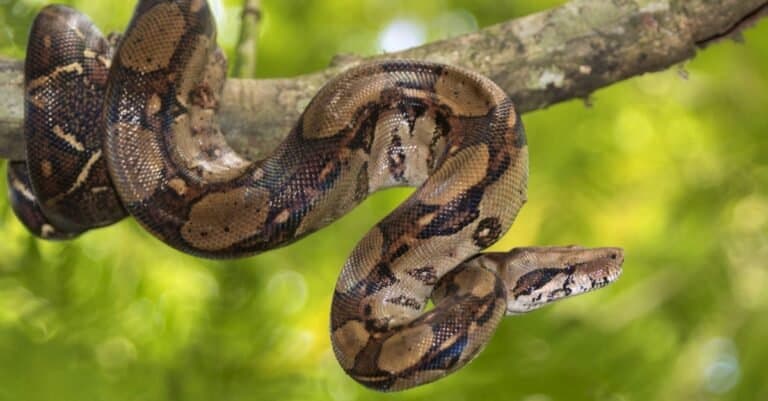
Grenada tree boa
Mona monkey (introduced)

Levera National Park

National Park

A top coastal biodiversity site combining beach, mangroves, and lagoon habitats; it is especially notable for sea turtle nesting and rich coastal birdlife. The park also supports productive nearshore nursery habitats linked to adjacent reefs and seagrass.

Leatherback sea turtle
Hawksbill sea turtle
Green sea turtle
Brown pelican
Magnificent frigatebird
Snowy egret
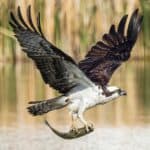
Osprey
Osprey

Mount Hartman National Park

National Park (critical species habitat)

A small but globally important dry scrub/woodland reserve that protects core habitat for the Grenada dove, one of the Caribbean's most threatened endemic birds. It is a key conservation site where habitat protection and predator/invasive control are critical.

Grenada dove
Zenaida dove
Lesser Antillean bullfinch
Caribbean elaenia
Antillean crested hummingbird
Grenada anole

Moliniere-Beausejour Marine Protected Area

Marine Protected Area (MPA)

One of Grenada's best-known reef systems for snorkeling/diving, protecting coral communities and associated fish assemblages in a sheltered bay setting. It supports sea turtles and economically important reef invertebrates, and is a focal point for marine conservation and tourism management.

Hawksbill sea turtle
Green sea turtle
Stoplight parrotfish
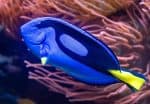
Blue tang
Blue tang
Caribbean spiny lobster
Queen conch
Spotted eagle ray

Sandy Island / Oyster Bed Marine Protected Area (Carriacou)

Marine Protected Area (MPA)

A high-value mosaic of mangroves, seagrass beds, and coral reefs that functions as a nursery for fish and invertebrates and an important foraging area for turtles. It is among the most significant marine conservation areas in the Grenadines portion of the state.

Green sea turtle
Hawksbill sea turtle
Queen conch
Caribbean spiny lobster
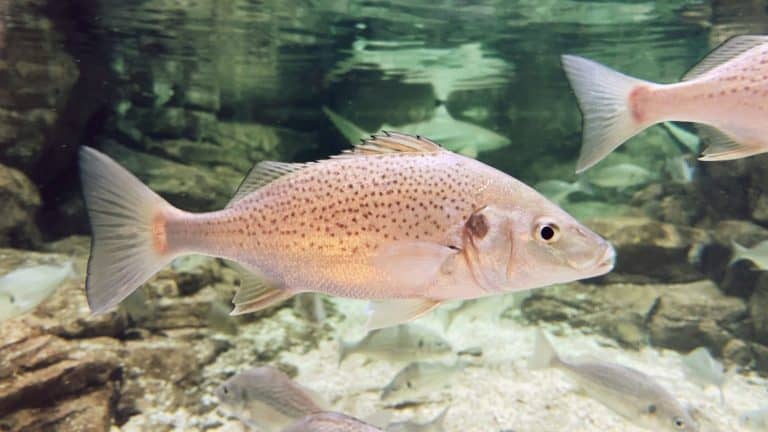
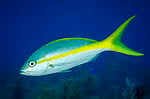
Yellowtail snapper
Yellowtail snapper
Southern stingray

Lake Antoine (National Landmark / Protected Area)

National Landmark / Protected Area (site designation varies by national listing)

A volcanic crater lake and surrounding wetland/forest complex that is notable for freshwater-associated birds and as a scenic natural feature. It complements Grenada's upland forest protection by conserving a rare inland aquatic habitat type on the island.

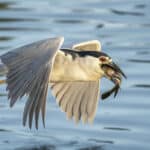
Black-crowned night heron
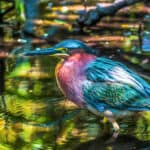
Green heron
Green heron
Little blue heron
Common gallinule
Common gallinule
Lesser Antillean tanager
Animals

Wildlife

Grenada's wildlife diversity is shaped by its small-island geography and steep volcanic terrain: humid interior forests, dry coastal scrub, mangroves, beaches, and extensive coral-reef/seagrass habitats. Terrestrial mammal diversity is low (mostly bats plus a few introduced species), while birds, reptiles, and marine life define the visitor experience-especially endemic forest birds, colorful lizards/snakes, and nesting sea turtles along key beaches (notably in the northeast).

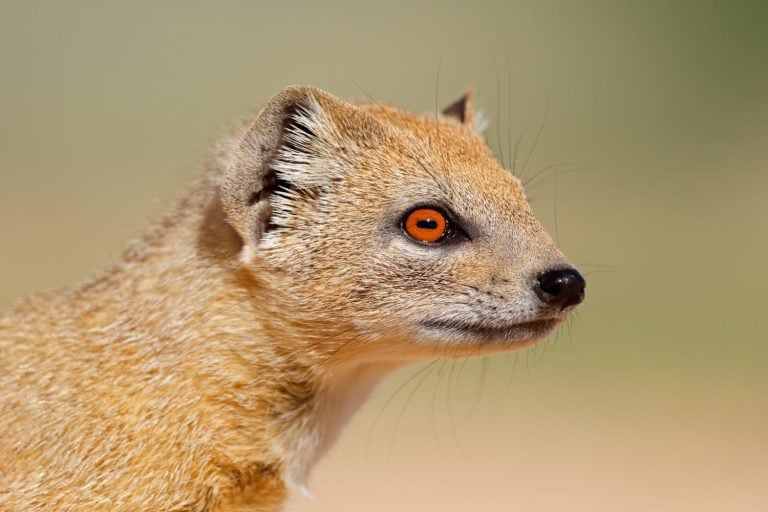
~15-20 species (mostly bats; few native non-bat mammals, several introduced such as mongoose/rat). Mammals
~170-200 recorded (resident + migratory); relatively high diversity for a small island with several Lesser Antillean specialties and one true endemic. Birds
~25-35 species (including anoles/geckos/snakes and nesting sea turtles). Reptiles
~3-6 species (a small native set plus widespread introductions in some areas). Amphibians

Iconic Species

Grenada Dove Grenada's national bird and the country's signature endemic-one of the rarest pigeons/doves globally. Most viewing effort focuses on protected dry-forest/scrub strongholds in the southwest (e.g., Mt. Hartman area), often via guided birding with conservation sensitivity.
Leatherback Sea Turtle
Leatherback Sea Turtle The largest sea turtle and the headline marine-wildlife encounter in Grenada. Females nest seasonally on key beaches-Levera Beach (northeast) is especially well known for guided night-time nesting watches under local protection programs.
Hawksbill Sea Turtle A reef-associated turtle closely tied to Grenada's coral ecosystems. Visitors most often encounter hawksbills while snorkeling/diving on reefs and near rocky coastlines; nesting also occurs on suitable beaches, with protection efforts aimed at reducing poaching and disturbance.
Green Sea Turtle Frequently seen in seagrass and nearshore feeding areas around Grenada and the Grenadines (Carriacou and Petite Martinique). Popular with snorkelers; also nests in smaller numbers where beaches are suitable.
Grenada Flycatcher A near-endemic forest bird (centered on Grenada and nearby islands) that is a top target for birders in wooded valleys and secondary forest edges; its distinctive calls make it easier to detect than to see.
Blue-headed Hummingbird A striking Lesser Antillean specialty found in Grenada's wetter interior habitats and mature gardens. Often sought by visiting birders because it is patchy across the region and visually distinctive.
Antillean Crested Hummingbird A charismatic, frequently observed hummingbird in gardens, scrub, and forest edges. Its "punk" crest and bold behavior make it one of the most photographed birds on the island.
Green Iguana A large, often conspicuous iguana that is present in Grenada (commonly as an introduced/invasive species). It is frequently seen in coastal vegetation, mangroves, river valleys, and gardens, and is a focus of local awareness and management because invasive iguanas can impact native ecosystems.
Brown Pelican A classic Caribbean coastal species commonly seen plunge-diving along bays and harbors. A dependable wildlife sight for visitors around fishing ports, coastal points, and nearshore waters.

Endemic Species

Grenada Dove True single-country endemic; restricted to remaining pockets of dry forest and scrub. Conservation management and habitat protection in Grenada effectively determine the species' global survival. Endemic
Grenada Flycatcher Near-endemic Lesser Antillean bird strongly associated with Grenada (and nearby islands). A characteristic forest-edge flycatcher that helps define local birding. Endemic
Grenada Tree Boa (Grenada Bank Treeboa) A snake endemic to the Grenada Bank (Grenada and nearby islands). Mostly nocturnal and arboreal; a notable native predator that highlights the island's distinctive reptile fauna. Endemic
Grenada Anole A characteristic local anole of the Grenada Bank; commonly seen in vegetation from gardens to forest edges and a key part of everyday "visible wildlife" on the island. Endemic
Grenada Robber Frog A small, largely leaf-litter/forest-floor frog associated with Grenada's upland/wet habitats; emblematic of the island's limited but distinctive native amphibian fauna. Endemic

Notable Populations

  • Grenada holds the entire global population of the Grenada Dove (single-country endemic), making national habitat protection and predator control globally important.
  • Levera Beach and nearby northeastern shores support regionally important seasonal nesting for Leatherback Sea Turtles, forming the backbone of Grenada's flagship marine-wildlife tourism and conservation work.
  • Coral reefs and adjacent seagrass habitats around Grenada/Carriacou underpin high nearshore biodiversity, supporting regular encounters with reef-associated turtles and coastal seabirds.
Protection

Conservation

Primary Threats

  • Grenada faces stronger hurricanes and extreme rainfall that trigger landslides and river sediment pulses onto reefs, as well as marine heatwaves that drive coral bleaching and disease outbreaks. Sea-level rise and storm surge erode nesting beaches used by leatherback and other sea turtles, while warmer, more acidic seas reduce coral growth and weaken reef protection for coastal communities.
  • Limited land area concentrates development along coasts and lower slopes, reducing mangroves, coastal woodlands, and wetlands and fragmenting remaining forest. Beach modification and shoreline hardening affect turtle nesting habitat, while conversion of mixed agroforestry and secondary forest reduces connectivity for native birds and reptiles.
  • Land-based runoff (sediment, nutrients, and agrochemicals) from steep watersheds and road cuts increases turbidity and smothers nearshore reefs and seagrass. Solid waste and marine debris accumulate in bays and on beaches-impacting tourism sites and wildlife-while localized wastewater issues can degrade nearshore water quality where treatment is limited.
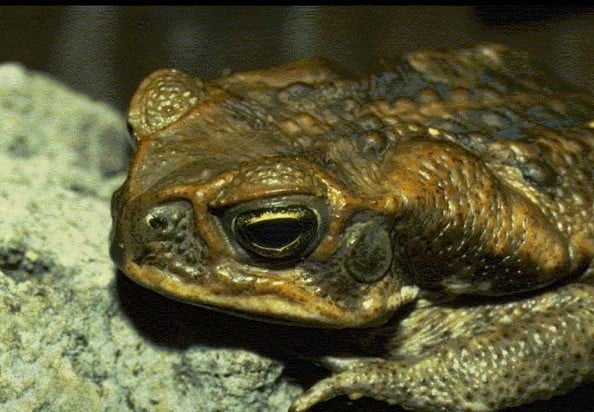
  • Invasive predators and competitors (notably rats, mongooses, and invasive amphibians such as the cane toad) threaten native reptiles, ground-nesting birds, and hatchling sea turtles. In the marine realm, invasive lionfish prey on juvenile reef fish and can reduce reef fish recruitment and resilience.
  • Nearshore fisheries and reef-associated species can be locally depleted by high pressure in accessible coastal areas and around popular fishing grounds. This can reduce herbivorous fish that help control algae on reefs, making reefs less resilient after bleaching and storms.
  • High-use recreation (diving/snorkeling, anchoring, coastal events) can damage corals directly, disturb turtle nesting beaches via lighting and nighttime activity, and increase trampling of dunes and coastal vegetation. Unregulated or poorly managed visitation can strain small protected areas.
  • Road construction and hillside development on steep volcanic terrain can increase erosion, sediment delivery to rivers and reefs, and fragment terrestrial habitats. Coastal infrastructure (seawalls, marinas, shoreline armoring) can disrupt natural sand movement and reduce beach habitat.
  • Alteration of river channels and drainage for flood control, sand mining in some contexts, and modifications to coastal vegetation can change sediment dynamics and water quality. Reef structure can be indirectly modified by cumulative storm damage plus chronic stressors, reducing habitat complexity.
  • Where agriculture expands or intensifies on slopes, clearing and soil disturbance increase erosion and agrochemical runoff, which can affect freshwater streams and downstream coral reefs. Shifts away from diverse agroforestry toward simpler land uses can also reduce on-land habitat value.
  • Growth around St. George's and other coastal settlements increases demand for housing, roads, and services, elevating pressure on coastal habitats and increasing runoff and waste loads into nearshore waters. Urban expansion can also increase light pollution affecting turtle nesting behavior.
Visit

Wildlife Tourism

Grenada's wildlife tourism is nature-based and ocean-forward: coral reefs, seagrass beds, mangroves, and nearshore drop-offs support high marine biodiversity, while the island's volcanic interior and coastal wetlands host notable birdlife and reptiles. Economically, wildlife experiences sit within Grenada's broader tourism sector (dive/snorkel, yachting, hiking, and beach travel), adding value through guided dives, marine excursions, birding, and rainforest walks-often run by small local operators. Historically, Grenada's rise as a dive and eco-adventure destination has been shaped by protected/managed marine sites, community-led guiding, and conservation initiatives (reef stewardship, turtle monitoring, and habitat protection). Accessibility is straightforward for visitors: most wildlife hotspots are reachable on day trips from the Grand Anse-St George's area by road (forest and lakes) or by short boat rides (reefs and offshore islets). The best wildlife viewing is typically tied to sea conditions (visibility and swell), seasonal nesting cycles (turtles and seabirds), and rainfall (forest activity and waterfall hikes).

Best Time to Visit
  • January-April (dry season): Best overall conditions for snorkeling/diving (clearer water, calmer seas). Expect vibrant reef fish, sponges, rays/reef life, and excellent underwater photography; also prime months for comfortable rainforest and birding hikes.
  • May-June (shoulder into wet season): Water remains good and seas are often still favorable; increased biological activity on reefs. Good time for combining dives with lush forest walks before peak rains.
  • July-October (peak wet season + hottest months): Forests are at their greenest and frogs/reptiles are more active after rains. Marine trips are still possible, but visibility and seas can vary; plan flexible days and prioritize sheltered sites.
  • March-August (sea turtle nesting season in Grenada, especially leatherbacks; other species can extend later): Best chance to join a responsible, permitted night walk or conservation-led observation (when available) and to learn about nesting ecology.
  • November-December (transition to drier weather): Improving sea conditions and comfortable hiking; a strong "all-rounder" window with fewer crowds than peak winter weeks.

Top Wildlife Experiences

  • Guided snorkel or scuba day on Grenada's reefs (request a naturalist-style briefing): look for reef fish schools, sponges, soft corals, cleaner stations, and macro life; ask your operator for the calmest bays based on the day's swell.
  • Underwater sculpture park + reef ecology combo trip: pair a visit to the sculptures with a second site focused on living reef habitat, and ask guides to point out fish behavior and reef restoration messaging.
  • Dawn birding walk in tropical forest edges and valleys: target endemic/Caribbean specialties and migratory visitors in season; go early for peak calls and activity, and bring binoculars plus a light rain layer.
  • Rainforest hike to waterfalls with wildlife emphasis: choose a route that passes streams and mature canopy; pause for lizards, butterflies, and bird calls rather than rushing to the falls.
  • Mangrove/coastal lagoon exploration by kayak or small boat (where available): look for herons/egrets, juvenile fish nurseries, crabs, and the way mangroves protect shorelines and reefs.
  • Night nature walk for frogs, geckos, and insects: after rain is best; go with a guide to spot tree frogs, sleeping birds, and nocturnal invertebrates safely and respectfully.
  • Sea turtle-focused beach evening (responsible/authorized only): join a conservation group or vetted guide for a low-light, hands-off experience; learn how nesting beaches are monitored and protected.
  • Sail-and-snorkel to offshore islets/reefs: combine seabird watching en route with snorkeling stops; great for photography and for spotting flying fish and occasional marine megafauna depending on conditions.
  • Catch-and-release style sportfishing or pelagic watching trip (operator dependent): offshore waters can produce exciting sightings and a different slice of marine biodiversity; confirm sustainable practices and bycatch handling.
  • Citizen-science style reef check / fish ID dive (arrange with a dive shop): learn basic survey methods, practice fish and coral identification, and contribute observations when programs are running.

Safari Types Available

  • Boat-based marine safaris (snorkel cruises, dive boats, sail-and-snorkel, seabird/coastal wildlife viewing)
  • Scuba diving and snorkeling safaris (multi-site reef days, photo-focused dives, macro/critters dives where available)
  • Kayak/stand-up paddle wildlife excursions (mangroves, calm bays, coastal lagoons)
  • Guided rainforest and waterfall hikes (wildlife interpretation, birding add-ons)
  • Birdwatching walks and point-count style outings (dawn and late afternoon)
  • Night walks (amphibians, reptiles, insects; best after rain)
  • Conservation-led turtle watches or nesting-season programs (where permitted and ethically managed)
  • Educational/citizen-science experiences (reef monitoring, species ID sessions, marine ecology briefings)
Fun Facts

Did You Know?

Grenada's national bird isn't a "rainforest dove" at all: the Grenada dove's stronghold is largely coastal dry scrub/woodland (not lush jungle), which is why habitat loss from coastal development is such a direct threat.

You can see Old World monkeys in Grenada-but they're not native. Mona monkeys (Cercopithecus mona) were introduced and became established, so spotting wild monkeys on a Caribbean island is unexpectedly possible here.

Just north of Grenada is Kick 'em Jenny, an active submarine volcano; it's one of the Caribbean's best-known undersea volcanoes and is monitored with maritime exclusion zones during heightened activity-an unusual "wildlife neighbor" that can influence local seas.

Some of Grenada's most popular "reefs" started as human art: the underwater sculpture site was designed in part to draw divers away from fragile natural reefs, and the installations now function as real habitat used by reef organisms.

Grenada's volcanic landscape includes a crater lake at Grand Etang (an old volcanic caldera). On a small tropical island, a cool highland freshwater lake habitat is an unexpected contrast to the surrounding coral-reef coast.

The Grenada dove (Leptotila wellsi) is a Critically Endangered single-island endemic-often cited as one of the world's rarest doves-with an estimated wild population of under ~200 birds, confined mainly to two small areas (including Mt. Hartman).

Grenada's Moliniere Underwater Sculpture Park (within the Moliniere-Beausejour Marine Protected Area) is widely recognized as the world's first underwater sculpture park (opened in 2006); the sculptures have become an artificial reef now colonized by corals, sponges, and reef fish.

Levera Beach (northeast Grenada) is the country's flagship sea-turtle nesting site, with regular nesting recorded for multiple threatened species-most notably leatherback turtles (Dermochelys coriacea), alongside hawksbills (Eretmochelys imbricata) and greens (Chelonia mydas).

The Grenada tree boa (Corallus grenadensis) is endemic to the Grenada Bank, occurring on Grenada and some of the southern Grenadines, giving it a very small global range.

The list of animals in Grenada includes a variety of organisms such as the nine-banded armadillo and the mongoose. The latter was introduced as a pest control measure that turned into a rabies reservoir! The small nation is home to almost 200 species of birds, over 230 species of marine animals, over a dozen reptiles, and several species of mammals!

The National Animal of Grenada

The national animal of Grenada is Leptotila wellsi, the Grenada dove. This bird is the only endemic dove found in the nation, and it is critically endangered. These birds evolved without knowing any ground predators, so they will often fly to the ground when attacked in trees and simply walk away.

The Most Dangerous Animals in Grenada
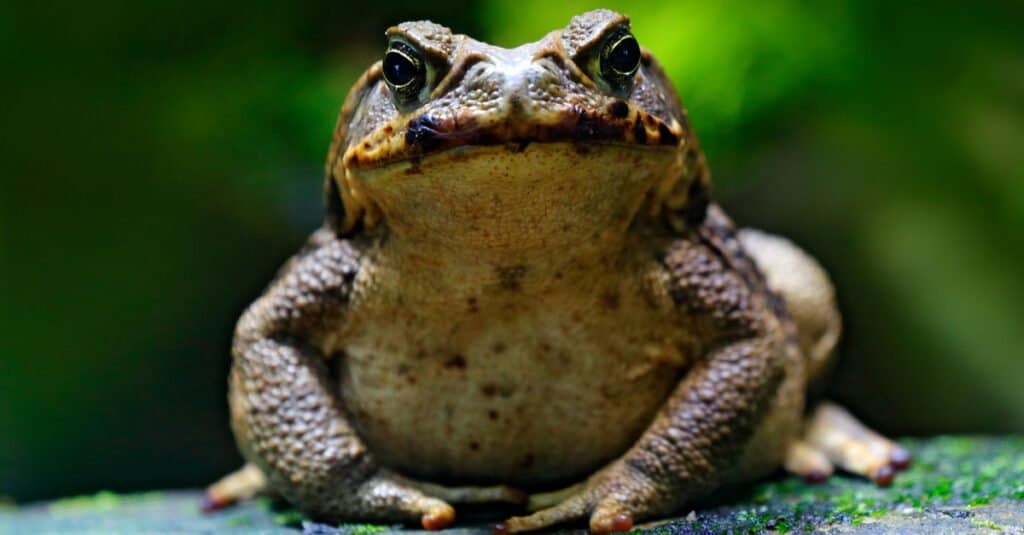
close up of cane toad looking at camera

Cane toads can cause serious complications in animals that consume its bufotoxin.

The nation does not have any creatures that can inflict a fatal envenomation. However, the most dangerous animals in Grenada include:

  • Cane toads– a creature that excretes bufotoxin on its skin for protection. That poison can kill animals when infested, and it can also cause significant harm or death in humans.
  • Various scorpions- may cause swelling and pain following a sting.
  • Sea urchins– humans can step on these spiny creatures in the water causing pain and infections.

Fortunately, very few animals that live in the country can cause serious and lasting harm to humans.

The Best Zoos in Grenada

Grenada does not have many zoos. One of the zoos that can help generate interest in local animals is the Spice Island Petting Zoo. This petting zoo allows people to get up close with local animals including green iguanas, donkeys, parrots, monkeys, armadillos, and more.

Where to Find the Top Wild Animals in Grenada

The best place to safely view wild animals in Grenada is by exploring the nature reserves in the country. In this case, the best-protected area is the Grand Etang National Park, also called the Grand Etang Forest Reserve.

The area has a wealth of species including fish, lizards, tropical birds, and more! With over 3,000 acres of land to explore, the Grand Etang National Park provides visitors with a chance to get close to the nation’s many creatures.

Endangered Animals in Grenada
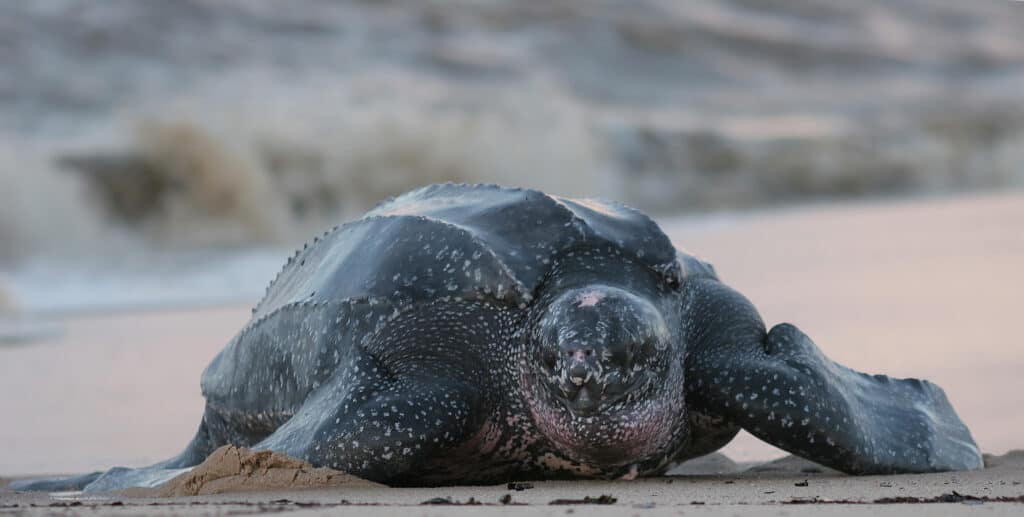
leatherback turtle

Leatherback turtles are highly endangered animals in Grenada.

Grenada is home to several endangered animals, including those on its lands and in its waters. Some of the endangered animals include:

  1. Leatherback turtles
  2. The Grenada dove
  3. Brown Pelican
  4. Loggerhead turtles
  5. Pristimantis rain frog

Birds and fish make up the majority of the endangered animals in the country. Grenada is a small country, but it is home to a large number of species. Fortunately, not many of them cause serious harm to humans.

Animals Found in Grenada

16 species documented in our encyclopedia

Thank you for reading! Have some feedback for us?