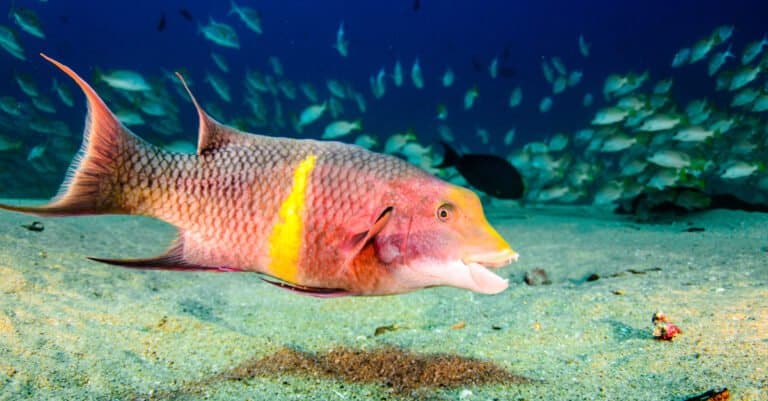
Hogfish
The pig-snout prowler of the reef

The pig-snout prowler of the reef

Hinged fangs, hidden hunters
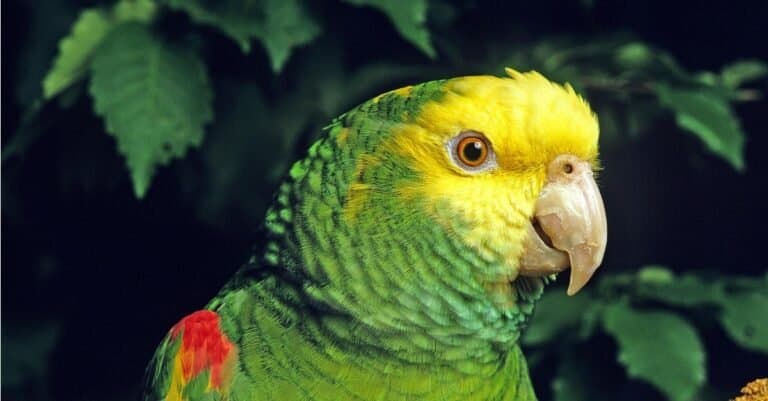
Big voices, green feathers, wild minds
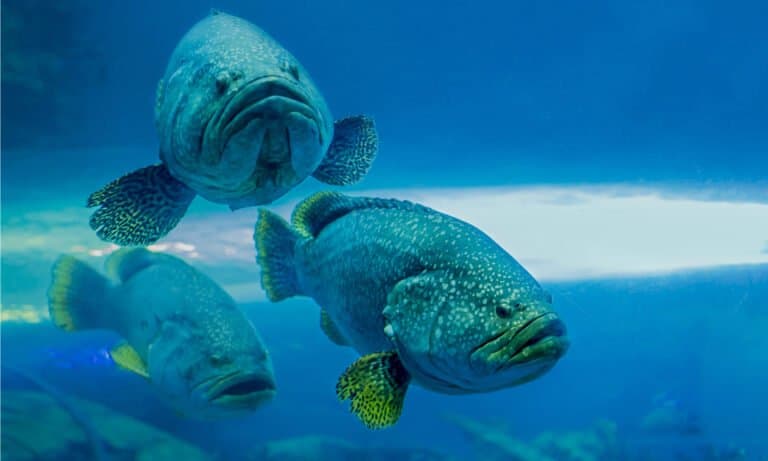
Mangroves to wrecks-Atlantic giant
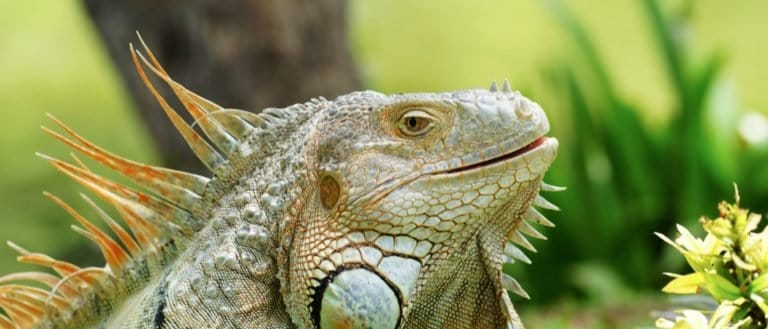
Sun-powered lizards of the Americas
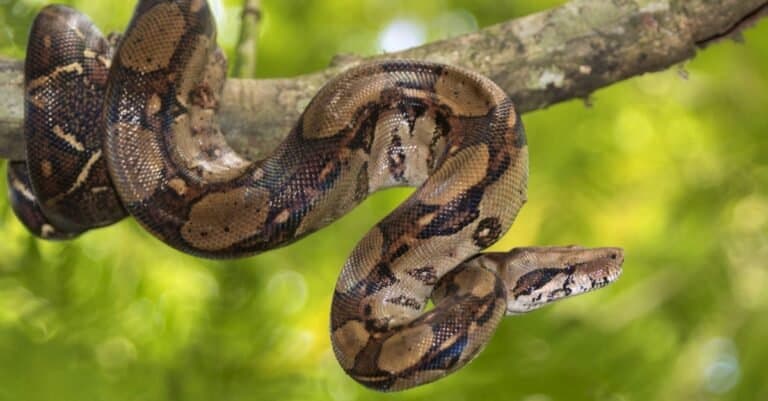
Quiet coils, powerful control
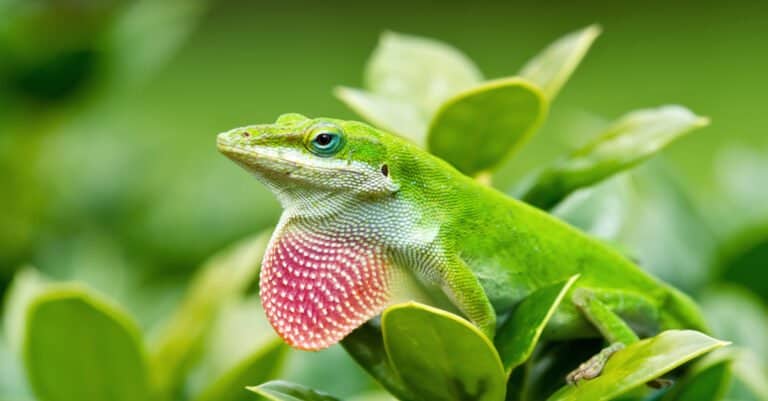
Dewlap drama in the treetops
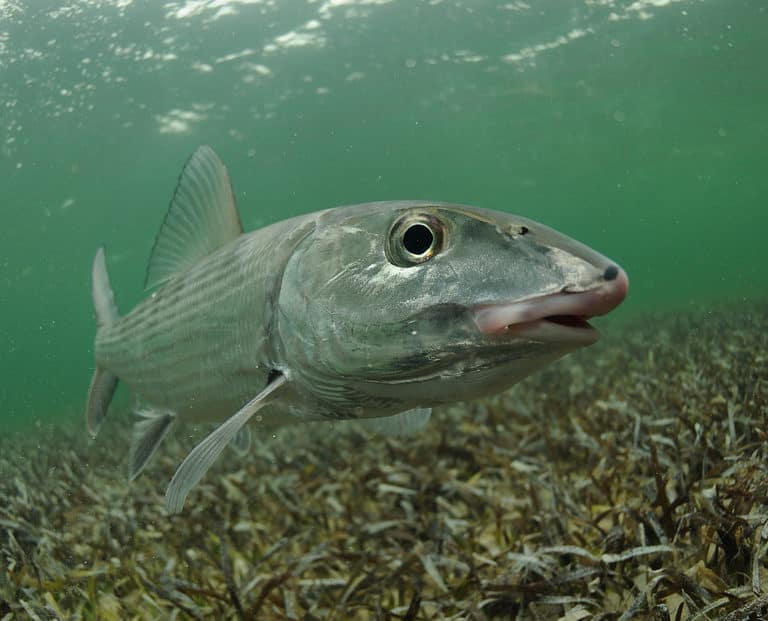
Grey ghost of the tidal flats
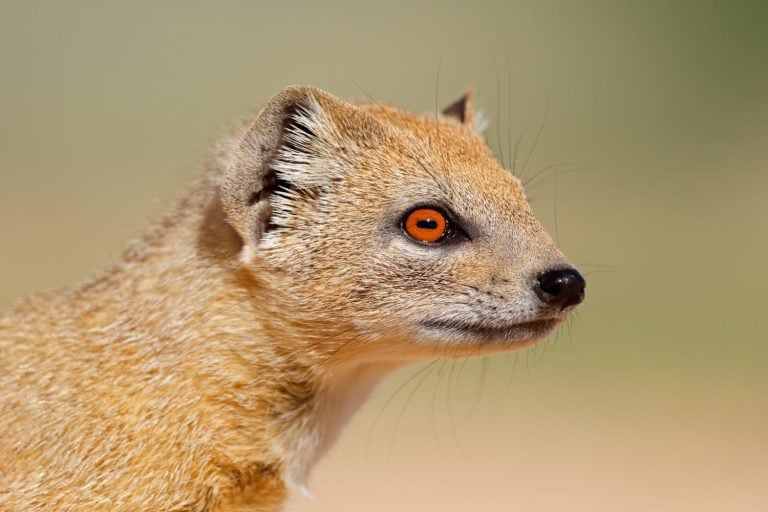
Small hunters, big attitudes
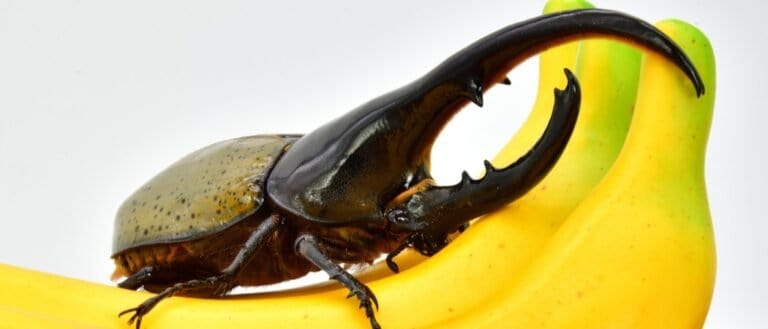
Horns, heft, and rainforest heroics
Saint Lucia's wildlife character is shaped by its compact size, steep volcanic terrain, and isolation in the eastern Caribbean, which has fostered distinctive island biodiversity. Lush interior rainforests shelter endemic and regionally rare species, while the coasts and nearshore waters support colorful reef communities and migratory marine life. The country's natural heritage is closely tied to its dramatic landscapes-cloud-forest ridges, river valleys, and the famed Pitons-creating a mosaic of habitats that packs exceptional variety into a small area.
Key ecosystems include montane and lowland tropical rainforest (critical for endemic birds, amphibians, and reptiles), mangroves and estuaries (nurseries for fish and feeding areas for birds), and fringing coral reefs and seagrass beds that underpin fisheries and tourism. Marine reserves and protected coastal zones help safeguard reef resilience, while inland protected areas conserve watersheds and the forest corridors essential for native wildlife. This land-sea connection is central to Saint Lucia's ecological significance: healthy forests reduce sediment runoff, which in turn helps reefs and seagrass thrive.
In global conservation terms, Saint Lucia's importance lies in protecting small-island ecosystems and endemics-species found nowhere else that are inherently vulnerable to habitat loss, invasive species, and climate-driven storms and warming seas. Conservation successes, particularly around flagship endemics like the Saint Lucia parrot, demonstrate how targeted protection, habitat management, and public awareness can stabilize wildlife on island nations. For visitors, the wildlife experience is uniquely "two worlds in one": intimate rainforest hikes with high chances of seeing endemics, paired with easy access to snorkeling and diving where reef fish, turtles, and seasonal marine megafauna can be encountered close to shore.
Saint Lucia's wildlife patterns are strongly shaped by its volcanic topography and sharp rainfall gradients. Steep central highlands (including the Pitons) intercept moist trade winds, supporting wetter montane and lowland rainforest that harbor many native and endemic species. Drier leeward slopes and coastal lowlands favor dry forest, scrub, and agricultural mosaics, creating distinct habitat zones over short distances. Short, fast rivers and ravines provide riparian corridors from uplands to estuaries, while mangroves, beaches, and nearshore seagrass/reef systems support coastal birds, fish nurseries, and coral-reef biodiversity-linking terrestrial and marine habitats tightly around the island's narrow coastal fringe.
Saint Lucia's protected-area system is a mix of terrestrial Forest Reserves (managed primarily for watershed protection and biodiversity), smaller Nature Reserves (often for highly sensitive endemics), and coastal/marine protected areas such as marine management areas and no-take reserves. The backbone of terrestrial conservation is the central rainforest and montane habitats (crucial for endemic birds like the Saint Lucia parrot), while marine protection focuses on coral reefs, seagrass, and mangroves that support fisheries, sea turtles, and reef biodiversity.
Approx. ~20-25% of Saint Lucia's land area is under some form of formal protection (largely through Forest Reserves and designated conservation/heritage management areas). Exact totals vary by source and by whether multi-use forest reserves and coastal/marine zones are counted.
A UNESCO-listed volcanic landscape (Gros Piton and Petit Piton) that protects a land-sea gradient from rainforest to nearshore reefs, supporting high native biodiversity and scenic wildlife viewing opportunities.
A major block of interior rainforest and ridge habitat that forms an important biodiversity corridor and watershed, offering some of the best chances to encounter Saint Lucia's endemic forest birds.
High-elevation, moist rainforest (often with cloud-forest conditions) that protects headwaters and native vegetation, making it significant for endemic birds and forest-dependent reptiles.
A biodiversity-rich interior forest reserve known as key habitat for Saint Lucia's endemic parrots and other native birds, with dense canopy and rugged terrain limiting disturbance.
One of the Caribbean's best-known community-linked marine protected areas, safeguarding coral reefs and coastal habitats that support reef fish, invertebrates, and sea turtles.
A highly important mangrove wetland that functions as a nursery for fish and crustaceans and a refuge for waterbirds, supporting both biodiversity and local fisheries resilience.
Tiny offshore islands that are critical for some of Saint Lucia's rarest endemics-especially reptiles-protected from many mainland pressures and invasive predators.
Saint Lucia's wildlife diversity is shaped by a steep volcanic island profile: humid montane and lowland rainforests (especially around the central highlands), dry coastal scrub, mangroves and river valleys, plus fringing reefs and deeper offshore waters. Terrestrial fauna is relatively "island-sized" (few native land mammals, many reptiles and birds), but it is distinguished by high endemism-especially in birds and reptiles-and a strong marine component (sea turtles, dolphins, and seasonal whales). Much of the signature wildlife experience centers on rainforest birding (e.g., Millet/Babreau-Edmond Forest Reserve) and coastal/marine watching (reefs and offshore).
Saint Lucia's wildlife tourism is built around two standout assets: (1) lush, accessible rainforest habitats in the interior (notably around the Pitons and central highlands) and (2) vibrant coastal and offshore marine ecosystems (coral reefs, seagrass, pelagics). Economically, nature-based travel complements the island's broader tourism sector by driving demand for guided hikes, birding, snorkeling/diving, whale-watching, and community-run excursions-especially in/around the Soufrière region and along the west coast. Historically, wildlife viewing here evolved from plantation-era trails and early scenic tourism into modern eco-tourism centered on protected forests, marine reserves, and certified local guiding. Accessibility is strong: most key sites are reachable by road in 1-2 hours from Castries or the north (Rodney Bay/Gros Islet), with short boat rides for marine trips; experiences are generally half-day to full-day and well-suited to visitors without expedition-level logistics.
A species declared effectively "lost" can still be hiding in plain sight: the Saint Lucia racer was long feared extinct and was only rediscovered in 1973-then found clinging to survival on a single offshore islet.
Saint Lucia's most endangered wildlife doesn't live in the lush interior rainforest-it survived on barren-looking offshore rocks: the Maria Islands' dry, windswept habitat turned out to be the safest place once mongooses and rats devastated wildlife on the main island.
Conservation on Saint Lucia didn't just prevent extinction; it reversed it: the Saint Lucia parrot shifted from being a near-vanishing endemic to a recovered national icon, helped by legal protection, habitat safeguarding, and sustained public-awareness campaigns.
On one small island nation, you can move through multiple wildlife worlds in a short drive: coral reefs and seagrass beds on the calm Caribbean (leeward) coast, then steep volcanic slopes rising into wet rainforest-habitat compression that helps explain how Saint Lucia supports both rich marine life and endemic forest species.
Home to the Saint Lucia racer (Erythrolamprus ornatus), often cited as the world's rarest snake: by the mid-1990s its total population was estimated at fewer than 20 individuals, surviving only on the tiny Maria Major islet.
The Saint Lucia parrot (Amazona versicolor) is a notable comeback story among Caribbean parrots: estimates commonly cite a rise from roughly ~150 birds in the 1970s to about 1,500-2,000 today after focused protection of central rainforest habitat.
The Saint Lucia whiptail lizard (Pholidoscelis vanzoi) is among the most range-restricted reptiles in the world: its entire wild population is confined to Saint Lucia's Maria Islands (primarily Maria Major and Maria Minor).
Maria Islands Nature Reserve is a last-refuge stronghold for endemic reptiles: it's the only natural place to find the Saint Lucia racer and the Saint Lucia whiptail in the wild, protected by strict access controls and invasive-predator management.
Saint Lucia's Soufrière Marine Management Area (SMMA, established 1995) is one of the Caribbean's best-known early "zoned" marine protected areas-combining no-take reserves with regulated fishing and tourism zones-and is frequently cited in reef-management case studies for measurable ecological and user-conflict outcomes.
17 species documented in our encyclopedia
Thank you for reading! Have some feedback for us?
We appreciate your help in improving our content.
Our editorial team will review your suggestions and make any necessary updates.
There was an error submitting your feedback. Please try again.