N S W E
Wildlife Expeditions

Wildlife of
Virgin Islands (U.S.)

The United States Virgin Islands are notable for reef-and-seagrass-rich Caribbean waters where visitors come to snorkel and dive with sea turtles, colorful reef fish, rays, and corals, then hike tropical dry forests alive with endemic island birds and lizards.
8 Species
346 km² Land Area
Overview

About Virgin Islands (U.S.)

The United States Virgin Islands (USVI)-anchored by St. Croix, St. John, and St. Thomas-pack outsized biodiversity into a small Caribbean footprint, with wildlife experiences defined as much by the sea as the land. Their natural heritage is shaped by warm, clear waters and a mosaic of island habitats: coral reefs, seagrass meadows, mangrove fringes, coastal lagoons, and pockets of tropical dry forest. This blend supports an exceptionally accessible mix of marine megafauna (especially sea turtles and rays), vibrant reef communities, and distinctive island reptiles and birds adapted to drier landscapes.

Ecologically, the USVI's reefs and seagrass beds are keystone systems: seagrass meadows serve as nurseries and grazing grounds for green sea turtles and many fish species, while adjacent reefs host high diversity of corals, sponges, and reef fish and help buffer shorelines from waves. Mangroves and lagoons add crucial shelter for juvenile fish and invertebrates and provide feeding habitat for wading birds. On land, tropical dry forests-common across the islands compared with wetter Caribbean interiors-support resilient plant communities and a suite of birds (including several Caribbean endemics) plus iconic lizards such as anoles and ground lizards.

In global conservation terms, the USVI sit within the wider Caribbean biodiversity hotspot and contribute to regional efforts to protect coral reefs and recover threatened species like sea turtles. Marine protected areas and strong stewardship-most visibly through Virgin Islands National Park on St. John and protected waters around St. Croix-help safeguard reefs, beaches, and nearshore habitats that are important for nesting and foraging wildlife. What makes the wildlife experience unique here is how close it all is: you can snorkel a reef and watch a turtle browse seagrass within minutes of shore, then transition the same day to scenic hikes through dry forest to viewpoints where seabirds, raptors, and coastal ecosystems unfold below.

Physical Features

Geography

The United States Virgin Islands (USVI) are small, hilly Caribbean islands where steep topography, limited freshwater, and strong coastal influence create a tight mosaic of habitats. Dry to seasonally moist forests and scrub dominate uplands (especially on St. Thomas and St. John), while St. Croix also includes broader lowlands and coastal plains that support salt ponds and grass/scrub communities. Because land area is limited and watersheds are short, many species concentrate in coastal wetlands (mangroves, lagoons, salt ponds) and nearshore marine habitats. Fringing coral reefs, seagrass beds, and mangrove-lined bays are central to wildlife distribution, providing nursery grounds for reef fish, habitat for invertebrates, feeding areas for sea turtles, and foraging sites for seabirds; terrestrial biodiversity is shaped by island isolation, exposure to trade winds, and the prevalence of tropical dry forest.

346 km² Land Area
About the size of Malta (slightly larger) and roughly twice the land area of Washington, D.C.; among the smallest U.S. territories by land area. Size Rank

Key Landscapes

  • Volcanic hill-and-ridge terrain (notably on St. Thomas and St. John) with steep slopes and sheltered valleys that create localized moist pockets within otherwise dry landscapes
  • Lowlands and coastal plains (more extensive on St. Croix) supporting scrub/grass mosaics and coastal wetland complexes
  • Seasonal streams/guts and very small catchments; limited permanent freshwater, making wetlands and ponds disproportionately important for wildlife
  • Tropical dry forest and thorn scrub, including regenerating secondary forests that provide habitat for native reptiles, birds, and bats
  • Mangrove forests and coastal lagoons that buffer shorelines and serve as nurseries for fish and crustaceans and roosting/foraging habitat for birds
  • Salt ponds and brackish wetlands (especially on St. Croix) important for migratory shorebirds and waterbirds
  • Rocky shores, sandy beaches, and coastal cliffs used by seabirds and crucial for sea turtle nesting on select beaches
  • Fringing coral reefs and patch reefs around islands and cays; biodiversity hotspots driving much of the territory's wildlife richness
  • Seagrass meadows in shallow bays that support green turtles, conch, and diverse fish communities

Ecoregions

  • Puerto Rican dry forests (WWF; includes much of the Puerto Rico Bank and aligns with the dominant terrestrial habitat of the USVI)
  • Greater Antilles mangroves (WWF; coastal mangrove systems and associated brackish wetlands across the region)
Parks & Reserves

Protected Areas

Protected areas in the United States Virgin Islands (USVI) are a mix of U.S. federal lands/waters (managed primarily by the National Park Service and U.S. Fish & Wildlife Service) and territorial parks and marine protected areas established by the Government of the Virgin Islands. Conservation priorities strongly emphasize coral reefs, seagrass beds, mangroves, and tropical dry forests-habitats that support sea turtles, nesting seabirds, reef fish, and a suite of island reptiles and birds. Because much of the most important biodiversity is coastal and marine, a significant share of protection is in nearshore waters through national monuments and territorial marine parks/reserves.

Protected Coverage

Approx. ~20% of USVI land area is under formal protection (rough estimate; heavily influenced by Virgin Islands National Park on St. John). The share of *nearshore marine habitat* under some form of protection is higher due to marine parks/reserves and federally protected submerged lands around key reef systems.

Notable Parks & Reserves

Virgin Islands National Park (St. John)

U.S. National Park (National Park Service)

Covering a large portion of St. John and surrounding coastal waters, this park protects one of the Caribbean's best combinations of tropical dry forest, mangroves, seagrass beds, and coral reefs-excellent for reef wildlife viewing and sea turtle encounters.
Green sea turtle
Hawksbill sea turtle
Elkhorn coral
Stoplight parrotfish
Queen angelfish
Queen angelfish
Brown pelican
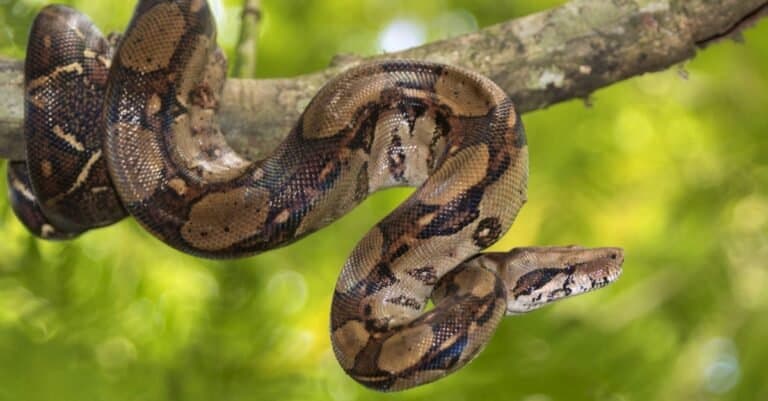
Virgin Islands tree boa

Buck Island Reef National Monument (off St. Croix)

U.S. National Monument (National Park Service)

A globally significant coral reef and seagrass system with strong protections for marine life; it's among the best places in USVI for snorkeling-focused wildlife viewing and reef conservation.

Green sea turtle
Hawksbill sea turtle
Elkhorn coral
Staghorn coral
Spiny lobster
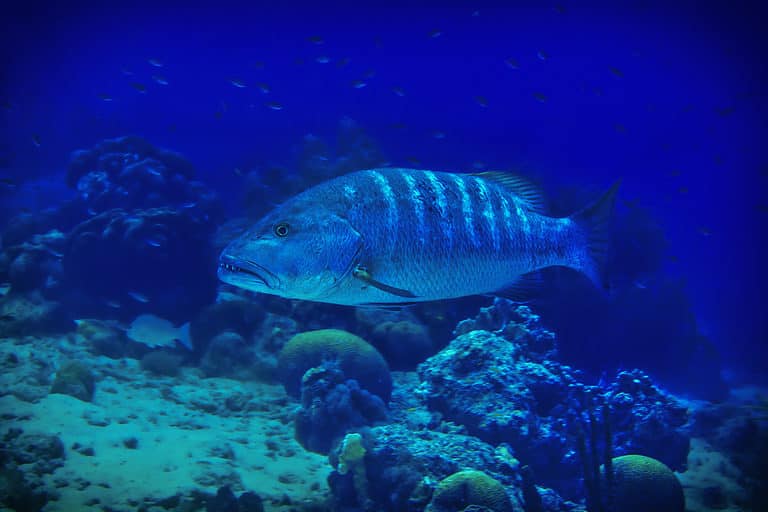
Nassau grouper
St. Croix ground lizard

Sandy Point National Wildlife Refuge (St. Croix)

U.S. National Wildlife Refuge (U.S. Fish & Wildlife Service)

One of the most important sea turtle nesting beaches in the wider Caribbean region, especially for leatherbacks; seasonal nesting makes it a flagship site for endangered species conservation.
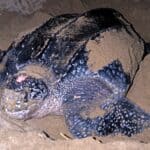
Leatherback sea turtle
Green sea turtle
Hawksbill sea turtle
Least tern
Bridled tern
Brown pelican
Mongoose (invasive; management concern)

Salt River Bay National Historical Park and Ecological Preserve (St. Croix)

U.S. National Historical Park & Ecological Preserve (National Park Service)

Protects a rare mix of mangroves, submarine canyon-influenced coastal waters, and adjacent uplands-supporting nursery habitat for fish and invertebrates and excellent birdlife around mangrove edges.

St. Croix East End Marine Park (St. Croix)

Territorial Marine Protected Area (USVI Marine Park)

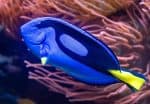
A major territorial marine protected area that safeguards reefs, seagrass beds, and shoreline habitats critical for fish nurseries, coral resilience, and foraging sea turtles.
Green sea turtle
Hawksbill sea turtle
Elkhorn coral
Stoplight parrotfish
Blue tang
Blue tang
Spiny lobster
Caribbean reef squid

St. Thomas East End Reserve (St. Thomas)

Territorial Marine Protected Area / Reserve (USVI)

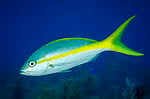
A large protected seascape with reefs, cays, and sheltered bays that support reef fish communities, seabird use of offshore islets, and important seagrass habitat.
Green sea turtle
Hawksbill sea turtle
Brown pelican
Magnificent frigatebird
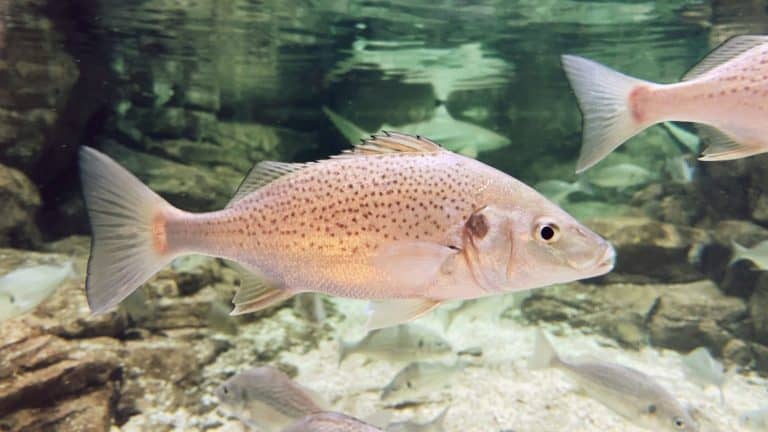
Yellowtail snapper
Yellowtail snapper
Doctorfish (surgeonfish)
Spiny lobster

Mangrove Lagoon Marine Reserve and Wildlife Sanctuary (St. Thomas)

Territorial Marine Reserve / Wildlife Sanctuary (USVI)

A key mangrove-seagrass nursery system for juvenile fish and invertebrates and an important site for coastal birds; also valued for conserving sensitive nearshore habitats.
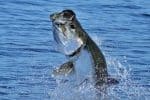
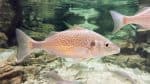
Tarpon
Tarpon
Gray snapper
Gray snapper
Great egret
Great egret
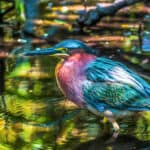
Green heron
Green heron
Spiny lobster
Queen conch
West Indian manatee (rare/occasional)
Animals

Wildlife

The United States Virgin Islands (USVI)-centered on St. Croix, St. John, and St. Thomas-packs high biodiversity into a small land area because most of the wildlife experience is coastal and marine. Fringing coral reefs, seagrass beds, mangroves, and tropical dry forest support sea turtles, reef fish, sharks and rays, seabirds, and a suite of island reptiles (anoles, geckos, iguanas). Terrestrial mammal diversity is relatively low and dominated by bats and a few introduced species, while bird diversity is boosted by migrants moving through the Caribbean. Protected areas such as Virgin Islands National Park (St. John), Buck Island Reef National Monument (off St. Croix), and key nesting beaches (e.g., Sandy Point) are central to what visitors see.
~35-50 species (mostly bats; plus a small set of marine mammals such as dolphins and seasonal whales; few native land mammals) Mammals
~200-260 species recorded (mix of residents, seabirds, and many migratory visitors) Birds
~25-35 species (anoles/geckos/iguanas, snakes, and regularly seen sea turtles) Reptiles
~3-6 species (few native frogs; some introductions) Amphibians

Iconic Species

Green Sea Turtle A signature snorkel-and-dive encounter over seagrass beds and shallow reefs (notably around St. John and Buck Island). Regularly seen grazing in lagoons and protected bays; nesting occurs on select beaches.
Hawksbill Sea Turtle Strongly associated with coral reefs and a flagship species for reef conservation in the USVI. Frequently encountered while snorkeling on reef edges; nests on multiple islands and cays, with important activity in protected areas.
Leatherback Sea Turtle
Leatherback Sea Turtle Best-known from nesting at Sandy Point National Wildlife Refuge on St. Croix, one of the most important nesting sites in the U.S. Caribbean. The largest sea turtle; seasonal, with peak viewing tied to nest monitoring programs.
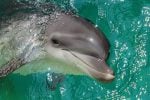
Bottlenose Dolphin
Bottlenose Dolphin Commonly seen from boats and occasionally from shore in deeper channels and along shelf edges around the islands. A major wildlife draw for sailing and snorkeling excursions.
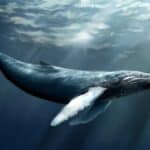
Humpback Whale
Humpback Whale A seasonal highlight in winter/early spring when North Atlantic humpbacks use the wider region for breeding and migration. Sightings occur during boat trips and from coastal lookouts, especially in deeper waters around the islands.
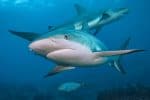
Caribbean Reef Shark
Caribbean Reef Shark An iconic predator of Caribbean reef systems, encountered by divers on healthier reef sites and drop-offs (including around protected reef structures). Its presence is a marker of relatively intact reef food webs.
Queen Conch A classic seagrass and sandy-bottom species that defines Caribbean nearshore ecosystems and culture. Visitors often learn about conch ecology and fishery protections; seen in shallow seagrass beds and sandy flats.
Brown Pelican Highly visible along coasts, harbors, and mangroves throughout the USVI. A photogenic, everyday wildlife experience-especially around fishing activity and calm bays.
Magnificent Frigatebird Often soaring over cays and shorelines; notable for aerial agility and kleptoparasitic behavior. Regularly seen around offshore cays and coastal updrafts, making it a memorable seabird for visitors.
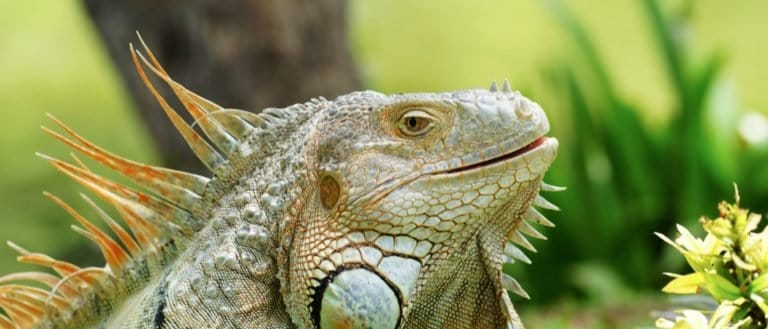
Green Iguana Common on some islands in the territory as an introduced/invasive iguana. Often seen in coastal scrub, gardens, and mangroves; management focuses on reducing impacts on native vegetation and preventing further spread.

Endemic Species

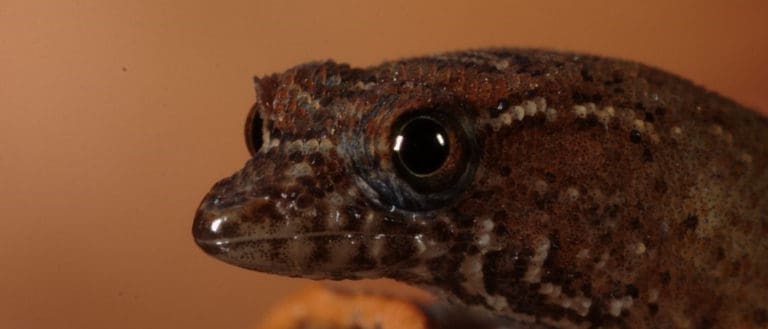
St. Croix Ground Lizard A USVI conservation emblem: historically widespread on St. Croix, it survives through intensive protection and reintroductions on predator-free offshore cays. Globally rare and strongly associated with St. Croix's dry coastal habitats. Endemic
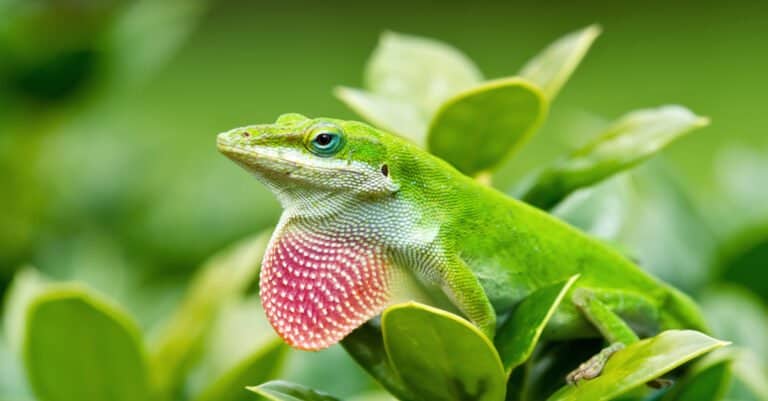
St. Croix Anole A near-endemic anole centered on St. Croix and nearby islets. Common in dry forest, scrub, and gardens-one of the most characteristic lizards visitors notice on land. Endemic

Notable Populations

  • Sandy Point (St. Croix) supports one of the most important leatherback sea turtle nesting concentrations in the U.S. Caribbean.
  • Buck Island Reef National Monument and adjacent waters host regionally important sea turtle foraging habitat (especially green turtles in seagrass beds) and nesting on nearby beaches/cays.
  • The St. Croix ground lizard (Pholidoscelis polops) is globally significant because its surviving wild populations and conservation-managed reintroductions are concentrated in the USVI, making the territory central to the species' persistence.
Protection

Conservation

Primary Threats

  • Warming seas drive mass coral bleaching and reduced reef calcification; stronger and wetter hurricanes increase physical reef damage and coastal erosion; sea-level rise and storm surge threaten mangroves, turtle nesting beaches, and low-lying coastal infrastructure, reducing natural shoreline protection.
  • Stony Coral Tissue Loss Disease (SCTLD) and other coral health issues have affected USVI reefs, causing rapid mortality in susceptible reef-building corals and complicating recovery after bleaching and hurricane damage.
  • Land-based sources-aging/insufficient wastewater treatment, septic leakage, stormwater runoff from steep roads and construction sites, and marine debris-deliver nutrients, pathogens, sediments, and contaminants to nearshore waters, degrading coral reefs and seagrass and periodically triggering beach water-quality advisories.
  • Coastal development (housing, resorts, marinas) and shoreline hardening reduce mangroves, wetlands, and natural beaches; hillside clearing increases sediment runoff that smothers corals and seagrass. Limited land area concentrates development pressure near sensitive coasts.
  • Fishing pressure on reef fish (including herbivores and predators) can alter reef food webs, reduce grazing that helps keep algae in check, and contribute to less resilient reefs-especially where habitat quality is already reduced by bleaching and pollution.
  • High tourism and boating activity leads to anchor damage on reefs, trampling in shallow habitats, wildlife disturbance on beaches (e.g., nesting sea turtles), and localized stress around popular bays and snorkel sites.
  • Invasive lionfish prey on native reef fish and disrupt reef communities; invasive mammals (e.g., rats/cats in some areas) can impact seabirds and native reptiles. Invasives are difficult to control given inter-island transport and constant shipping/tourism flow.
  • Road networks on steep terrain, port facilities, and coastal armoring increase chronic sediment delivery and habitat fragmentation; post-hurricane rebuilding can intensify shoreline hardening and dredging, affecting reefs, seagrass, and mangroves.
  • Dredging, marina/channel maintenance, and altered coastal hydrology (culverts, filled wetlands) change water circulation and turbidity in lagoons and bays, degrading seagrass and mangrove nurseries that support fisheries and reef resilience.
Visit

Wildlife Tourism

Wildlife tourism in the United States Virgin Islands (USVI)-centered on reefs, seagrass beds, mangroves, and tropical dry forest-is a major pillar of the visitor economy because most signature activities (snorkeling, diving, sailing, kayaking, wildlife watching) are nature-based. The modern conservation story is closely tied to protected areas: Virgin Islands National Park on St. John (est. 1956) anchors reef-and-forest tourism; Buck Island Reef National Monument off St. Croix (protected since 1961; expanded 2001) is one of the Caribbean's standout snorkel sites; and the territorial parks, marine reserves, and wildlife refuges help sustain fish nurseries and shorebird habitat. Accessibility is straightforward: fly into Cyril E. King (STT) or Henry E. Rohlsen (STX), then use ferries (especially STT↔St. John) and day boats for offshore cays and monuments. For travelers, wildlife viewing is highly practical because encounters are often close-to-shore (reef fish and turtles in shallow bays; seabirds along coastal points), and many top sites can be reached by short hikes or half-day boat trips.

Best Time to Visit

Year-round for marine life, with seasonal highlights by month.

- January-March: Prime time for humpback whale watching (migrating/breeding in the wider Caribbean; best by boat trips and lookouts). Clear winter water can make snorkeling/dive visibility excellent; shorebirds are common in wetlands and coastal flats.
- April-June: Often calmer seas and strong underwater visibility-excellent for snorkeling/diving on St. John and Buck Island (St. Croix). Peak activity for many reef fish; good chance to see green and hawksbill turtles grazing seagrass.
- July-October: Sea turtle nesting and hatchling season (especially leatherback nesting on Sandy Point, St. Croix; greens/hawksbills on multiple beaches). Early mornings/evenings are best for beach wildlife etiquette-friendly viewing with permitted/led programs. This is also the height of the Atlantic hurricane season-plan with flexible bookings and monitor forecasts.
- November-December: Transition to drier weather; very good snorkeling conditions return, and migratory shorebirds and seabirds are abundant. Late December can begin the buildup toward peak whale season.

Practical timing tips: Go early (7-10am) for calm water and best turtle/snorkel conditions; choose leeward bays on windy days; book whale watching on days with the best marine forecast.

Top Wildlife Experiences

  • Snorkel the marked underwater trail at Buck Island Reef National Monument (St. Croix) to see reef fish schools, elkhorn coral zones, rays, and frequent sea turtle sightings in shallow, clear water.
  • Join a responsible whale-watching boat trip (Jan-Mar) departing from St. Thomas/St. John or St. Croix, focusing on distant viewing and listening for blows/behavior in the channels and offshore waters.
  • Kayak or paddleboard through the Mangrove Lagoon (St. Thomas) or similar sheltered coves at sunrise to spot juvenile fish nurseries, herons/egrets, and occasional stingrays in glassy water.
  • Take a guided night paddle to the bioluminescent waters at Salt River Bay (St. Croix) to experience glowing dinoflagellates and nocturnal coastal wildlife sounds.
  • Hike in Virgin Islands National Park (St. John) on the Reef Bay Trail (or a shorter segment) to combine tropical dry forest wildlife (anoles, birds) with coastal viewpoints where you can scan for seabirds and turtles offshore.
  • Snorkel Trunk Bay (St. John) early in the morning for the underwater snorkel trail, schooling fish, and frequent turtle grazing along seagrass edges (conditions best on calm days).
  • Do a boat-and-snorkel day to Waterlemon Cay (St. John) for one of the most reliable, easy reef-and-turtle snorkeling circuits in the territory, often with rays and large parrotfish.
  • Join a turtle-focused snorkeling tour in seagrass bays (St. Thomas/St. John) that emphasizes passive observation-great for seeing green turtles feeding and hawksbills cruising reef edges.
  • Take an eco-boat or guided snorkel around offshore cays (e.g., around St. Thomas/St. John waters) to look for nesting seabirds (brown pelicans, terns) and to snorkel less-visited patch reefs.
  • If visiting St. Croix in nesting season, participate in permitted, conservation-led sea turtle monitoring/education at or near Sandy Point (as available) to learn about nesting behavior while minimizing disturbance.

Safari Types Available

  • Boat safaris (whale watching; island-hopping; seabird and turtle cruises)
  • Snorkel safaris (guided reef and seagrass snorkeling; underwater trails)
  • Scuba diving excursions (reef, wall, and wreck dives; night dives)
  • Kayak/canoe safaris (mangroves, lagoons, bioluminescent bays)
  • Stand-up paddleboarding wildlife outings (calm bays and lagoons)
  • Hiking/trekking nature walks (tropical dry forest/coastal trails with bird and reptile viewing)
  • Shorebird and seabird watching (coastal points, salt ponds, wetlands)
  • Conservation-led wildlife experiences (sea turtle nesting/hatchling education where permitted)
Fun Facts

Did You Know?

Virgin Islands National Park isn't just beaches and hillsides: it includes about 5,650 acres of submerged lands, so a significant chunk of the park is literally underwater habitat you can visit by snorkel.

A U.S. National Monument in the USVI can have zero dry land: Virgin Islands Coral Reef National Monument is entirely underwater-protecting wildlife-rich reefs and seagrass meadows without a single "on-land" acre.

St. John's Maho Bay is famous for green sea turtles feeding in very shallow seagrass close to shore-often visible from the beach without a boat because they graze like underwater lawnmowers.

Some of the most iconic reef builders in USVI waters (elkhorn coral and staghorn coral) are federally listed as threatened species in the U.S.-so the "reef" you're looking at is legally protected wildlife, not just scenery.

To protect nesting turtles, Sandy Point (St. Croix) is seasonally closed/restricted for much of the main nesting period, and public access is tightly managed-an unusual case where a prime beach is effectively 'given back' to sea turtles at the peak of wildlife activity.

Sandy Point National Wildlife Refuge (St. Croix) is documented by the U.S. Fish & Wildlife Service as the site of the largest nesting population of leatherback sea turtles in the United States-and leatherbacks are the world's largest sea turtles.

The St. Croix ground lizard (Ameiva polops) is one of the rarest lizards on Earth: once believed extinct, its wild strongholds are now limited largely to tiny offshore islets such as Green Cay and Ruth Island.

St. John is an extreme conservation outlier among inhabited Caribbean islands: roughly 60% of the island is protected as Virgin Islands National Park, safeguarding tropical dry forest, mangroves, seagrass beds, and coral reefs in one protected landscape.

Virgin Islands Coral Reef National Monument is a large, fully submerged protected area-about 12,708 acres of reefs and seagrass off St. John-making it one of the biggest "all-underwater" national monuments managed in the U.S. Caribbean.

Buck Island Reef National Monument (off St. Croix) features a marked underwater snorkeling trail about 3/4 mile long with interpretive plaques-one of the most developed underwater "trails" in the U.S. National Park System.

Thank you for reading! Have some feedback for us?