N S W E
Wildlife Expeditions

Wildlife of
Saint Kitts and Nevis

Saint Kitts and Nevis is notable for compact, easily explored islands where rainforest-to-reef habitats deliver standout sea turtle encounters, vibrant coral reefs, and seabird-rich coastlines in a single trip.
12 Species
261 km² Land Area
Overview

About Saint Kitts and Nevis

Saint Kitts and Nevis packs a surprising range of wildlife into two small volcanic islands, with nature shaped by steep rainforest-clad peaks, dry coastal scrub, and surrounding warm Caribbean seas. While large mammals are limited, the country's natural heritage shines through its marine biodiversity, resident and migratory birds, and healthy pockets of native forest that support reptiles, bats, and a diverse community of insects and plants. For wildlife enthusiasts, the appeal is the "close-to-everything" feeling-excellent snorkeling, turtle beaches, and forest hikes can all be reached within a short drive.

Key ecosystems include coral reefs, seagrass beds, sandy beaches, mangroves and salt ponds, and upland tropical forests. Reefs and seagrass meadows function as nurseries for reef fish and invertebrates, feeding grounds for green turtles, and critical buffers that protect shorelines. Beaches are essential nesting habitat for sea turtles, while coastal wetlands and salt ponds provide stopover and feeding sites for herons, egrets, shorebirds, and seasonal migrants. Inland, the volcanic slopes hold moist forest and higher-elevation cloud-forest-like conditions that favor a different suite of birds and other wildlife compared with the drier lowlands.

In global conservation terms, Saint Kitts and Nevis contributes to wider Caribbean efforts to safeguard coral reef resilience and protect threatened sea turtles that migrate across national boundaries. Local stewardship-often involving community groups, fishers, and conservation organizations-supports habitat awareness, reef-friendly practices, and monitoring of key species. What makes the wildlife experience unique here is its intimacy: you can watch nesting turtles under starry skies, snorkel reefs teeming with life hours later, and then finish the day in cool mountain forest-an island-scale, multi-ecosystem wildlife itinerary that's both accessible and rewarding.

Physical Features

Geography

Saint Kitts and Nevis' wildlife is strongly shaped by two steep, volcanic islands with sharp elevation gradients over short distances. Cooler, wetter highlands support moist forest habitat, while lower elevations-especially on leeward coasts-tend toward drier scrub/secondary woodland and agricultural mosaics. Short, seasonal streams (ghauts) and coastal wetlands create localized freshwater/brackish habitats, and the extensive nearshore zone (reefs, seagrass beds, beaches) is central to biodiversity and species distribution, especially seabirds and marine life.

261 km² Land Area
One of the world's smallest sovereign states (≈8th smallest by land area); about 1.5× the area of Washington, DC Size Rank

Key Landscapes

  • Volcanic mountain massifs and cratered peaks (e.g., Mount Liamuiga on Saint Kitts; Nevis Peak on Nevis) driving rainfall and habitat zonation
  • Upland moist forests and cloud-affected upper slopes that act as core terrestrial habitat refuges
  • Dryer lowlands and coastal plains with secondary woodland, scrub, and agricultural landscapes influencing terrestrial wildlife distribution
  • Short, steep watersheds with intermittent streams/ghauts and riparian corridors that concentrate freshwater-dependent species
  • Coastal wetlands and salt ponds (where present) providing brackish habitat for birds and other fauna
  • Mangrove pockets and sheltered bays (limited but important where they occur) as nurseries and coastal buffers
  • Rocky shores, sandy beaches, and nearshore marine shelf habitats that support seabirds, turtles, and coastal fauna
  • Coral reefs and seagrass beds around both islands, critical for fish and invertebrate diversity and broader marine food webs

Ecoregions

  • Leeward Islands moist forests (WWF)
  • Leeward Islands xeric scrub (WWF)
  • Caribbean coral reef and seagrass ecosystems (major marine ecological zones; not a terrestrial WWF ecoregion)
Parks & Reserves

Protected Areas

Saint Kitts and Nevis protects biodiversity through a small but important network of terrestrial forest/watershed reserves (especially the volcanic central ranges) and nearshore marine managed areas that cover coral reefs, seagrass beds, and turtle habitat. The backbone of formal terrestrial protection is St Kitts' Central Forest Reserve National Park, complemented by protected/proposed high-elevation forest on Nevis and coastal/islet sites used by seabirds. Marine protection is implemented mainly through Marine Management Areas/Marine Parks that aim to reduce reef damage, support fisheries sustainability, and safeguard sea turtle and seabird foraging habitat.

Protected Coverage

Approx. ~20-30% of land area is under some form of formal protection (commonly cited around ~25%), driven largely by the Central Forest Reserve National Park plus other forest reserve designations on the two islands. In addition, nearshore Marine Management Areas/Marine Parks protect portions of surrounding coastal waters (percent of territorial sea varies by boundary definitions and is not directly comparable to land coverage).

Notable Parks & Reserves

Central Forest Reserve (St Kitts)

Forest Reserve (Central Forest Reserve)

The island's largest protected forest area, safeguarding moist tropical forest on the central volcanic massif-important for watershed protection and native forest wildlife away from coastal development.

Antillean crested hummingbird
Green-throated carib
Caribbean elaenia
Lesser Antillean bullfinch
Pearly-eyed thrasher
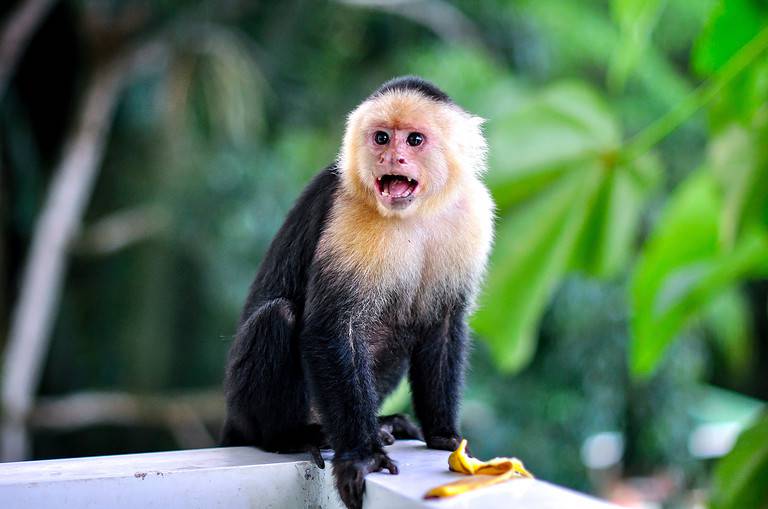
Vervet monkey (African green monkey)

Nevis Peak Forest Reserve (Nevis)

Forest Reserve (often referenced locally as a protected watershed area)

High-elevation forest on Nevis Peak supports the most intact upland habitats on Nevis, providing refugia for forest birds and important ecosystem services (water catchment, slope stability). Wildlife viewing focuses on forest birdlife and native plant communities along elevation gradients.

Antillean crested hummingbird
Green-throated carib
Caribbean elaenia
Zenaida dove
Pearly-eyed thrasher
Fruit bats (e.g., Jamaican fruit bat)

The Narrows Marine Park / Marine Management Area (between St Kitts and Nevis)

Marine Park / Marine Protected Area (Marine Management Area)

This channel concentrates seagrass beds and reef patches used by sea turtles and diverse reef fish, and it functions as an important movement corridor between the two islands' coastal ecosystems. It is among the most significant areas for snorkeling/diving-based wildlife viewing and for protecting turtle foraging habitat.

Hawksbill sea turtle
Green sea turtle
Queen conch
Caribbean spiny lobster
Stoplight parrotfish
Southern stingray
Spotted eagle ray

South East Peninsula Marine Management Area (St Kitts)

Marine Management Area (MPA)

A nationally important coastal-marine conservation zone encompassing reefs, sandy bays, and seagrass that support reef fish nurseries and sea turtle habitat. It is one of the best areas in the country for observing reef biodiversity and supporting fisheries management.
Hawksbill sea turtle
Green sea turtle
Blue tang
Blue tang
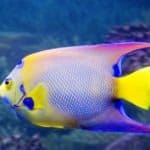
Queen angelfish
Queen angelfish
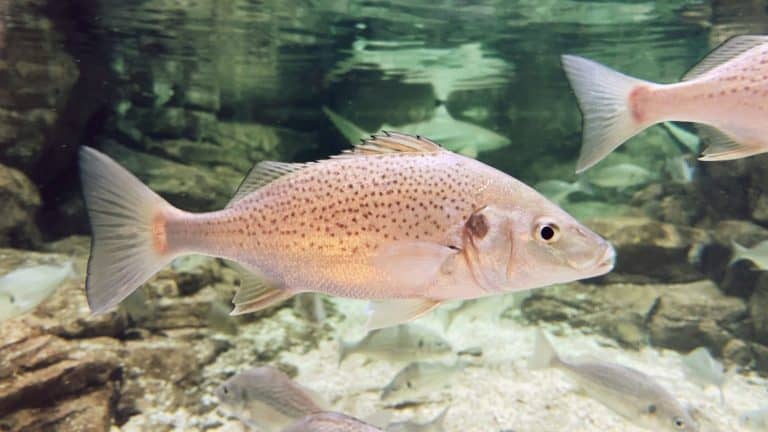
Bar jack
Caribbean spiny lobster
Queen conch

Booby Island (Seabird Islet Sanctuary, off St Kitts' South East Peninsula)

Nature Reserve / Seabird Sanctuary (local protected islet; management may be linked to nearby marine protected zoning)

A small offshore islet notable for seabird nesting/roosting, making it one of the most concentrated bird-wildlife sites in the federation. It is especially important for viewing breeding seabirds and for maintaining predator-free nesting habitat.

Brown booby
Magnificent frigatebird
Laughing gull
Red-billed tropicbird
Sooty tern

Great Salt Pond & South East Peninsula salt ponds/lagoons (St Kitts)

Wetland conservation area (often recognized for bird value; protection may be partial via coastal zoning/adjacent protected-area management)

These saline wetlands are key stopover and feeding habitats for migratory shorebirds and resident waterbirds in an otherwise dry, coastal landscape. They are among the best places in-country to see concentrated birdlife, particularly during migration and wintering periods.

Black-necked stilt
Snowy egret
Great egret
Great egret
Willet
Semipalmated plover
Least sandpiper

UNESCO World Heritage Sites

  • Brimstone Hill Fortress National Park
Animals

Wildlife

Saint Kitts and Nevis, a two-island nation in the Lesser Antilles, has a compact but diverse wildlife experience shaped by coastal and marine habitats (coral reefs, seagrass beds, beaches) and upland tropical forest on volcanic slopes. Visitors most often encounter reef life while snorkeling/diving, nesting sea turtles on sandy beaches, abundant coastal birds, and forest birds and lizards along hiking trails. Terrestrial mammals are limited (mostly bats plus a few introduced species), while birds and reptiles define much of the visible land biodiversity.
≈15-25 species (dominated by bats; a few introduced mammals such as vervet monkeys and small carnivores) Mammals
≈120-160 species recorded (resident landbirds plus many migrants and seabirds) Birds
≈15-25 species (anoles, ameivas/whiptails, geckos, snakes, and nesting sea turtles) Reptiles
≈1-3 species (mostly introduced frogs; very limited native amphibian diversity) Amphibians

Iconic Species

Hawksbill Sea Turtle Critically endangered and strongly associated with the islands' reefs; seen by divers/snorkelers and during nesting season on sandy beaches, especially around Nevis' calmer shoreline and protected bays.
Green Sea Turtle Frequently encountered in nearshore waters and seagrass areas; also nests on local beaches, making turtle patrols and guided night watches a hallmark wildlife activity where permitted.
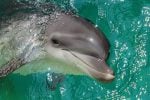
Bottlenose Dolphin
Bottlenose Dolphin Commonly sighted on boat trips and coastal excursions; the nearshore waters around the Narrows (between the islands) can be productive for cetacean watching.
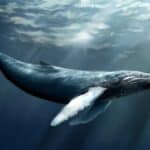
Humpback Whale
Humpback Whale Seasonal migrant in the wider eastern Caribbean (typically winter-spring); whale-watching opportunities occur offshore when animals are moving through or lingering regionally.
Brown Pelican A signature coastal bird, regularly seen plunge-diving in harbors, bays, and along beaches; easy viewing around Basseterre waterfront areas and Nevis' coastal sites.
Magnificent Frigatebird Often seen soaring above the coast on thermals; notable for aerial agility and kleptoparasitic behavior, especially visible along headlands and during boat trips.
Antillean Crested Hummingbird A charismatic garden-and-forest-edge hummingbird; readily seen in flowering shrubs and along lower-elevation trails on both islands.
Lesser Antillean Bullfinch One of the most familiar resident songbirds; common in scrub, gardens, and forest edges, providing reliable birdwatching even on short walks.
Vervet Monkey (introduced) An introduced but very visible species on Saint Kitts; frequently encountered in wooded areas and sometimes near agriculture, making it a common "wildlife sighting" for visitors.

Endemic Species

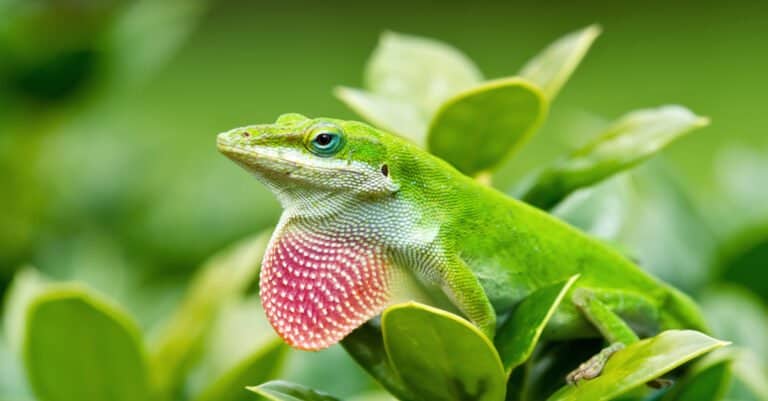
St. Kitts Bank Tree Anole (St. Kitts-Nevis anole) A characteristic anole of the St Kitts Bank (centered on Saint Kitts and Nevis); commonly seen on trunks, branches, and walls from lowlands up into forested slopes. Endemic
St. Kitts Ground Lizard (Ameiva/whiptail) A fast-moving, sun-loving ground lizard associated with dry coastal scrub and open habitats on the St Kitts Bank; a frequent reptile sighting on warm days. Endemic

Notable Populations

  • Regionally important nesting activity for threatened sea turtles (especially hawksbill and green turtles) on select beaches of Saint Kitts and Nevis.
  • Seasonal presence of migratory seabirds and shorebirds typical of the Lesser Antilles, with reliable coastal viewing around lagoons, bays, and headlands.
  • Marine megafauna (dolphins and occasional migrating humpback whales) occurs in surrounding waters, supporting boat-based wildlife watching alongside reef tourism.
Protection

Conservation

Primary Threats

  • Coastal habitats (beaches, dunes, mangroves where present, and nearshore seagrass) are lost or fragmented by resort and housing development, marinas, shoreline armoring, and beach modification-particularly around high-tourism zones such as the Southeast Peninsula of St. Kitts and key bays in Nevis. Upland habitat is also affected by legacy agricultural clearing and localized development that reduces forest connectivity in watersheds.
  • Warming seas drive coral bleaching and reduce reef recovery potential; ocean acidification weakens coral calcification. Stronger hurricanes and storm surge accelerate beach erosion and damage reefs and seagrass beds. Rainfall shifts (more intense downpours and longer dry periods) increase landslide/erosion risk on steep slopes and can reduce freshwater reliability, indirectly stressing terrestrial ecosystems.
  • Land-based runoff (sediment from road cuts and steep slopes, nutrients from septic systems, and agrochemicals) degrades nearshore water quality, smothering corals and seagrass and fueling algal growth. Solid waste and plastics affect beaches and turtle nesting areas; localized coastal sewage and stormwater outfalls can create chronic water-quality hotspots in developed bays.
  • Lionfish predation on reef fish reduces native reef resilience and can alter food webs. On land, invasive/introduced mammals (notably green monkeys on St. Kitts, along with rats/mongooses in some contexts) impact crops and can predate native birds, reptiles, and eggs, complicating conservation of small-island populations.
  • Corals are vulnerable to regional disease outbreaks (including rapidly spreading Caribbean coral diseases), which can cause sudden losses of key reef-building species-especially where reefs are already stressed by heat, sediment, and fishing pressure. Terrestrial wildlife disease risks are heightened by invasive species, dense human settlement along coasts, and frequent inter-island movement.
  • High dependence on nearshore fisheries concentrates pressure on reef-associated fish (including herbivores important for controlling algae) and invertebrates such as lobster and conch. This can reduce reef resilience, lower fish biomass in traditionally fished bays and reef edges, and increase vulnerability to climate impacts.
  • Heavy recreational use of beaches and nearshore waters (nighttime lighting, vehicles on beaches, crowded waterfronts) disrupts sea turtle nesting and hatchling orientation. Anchoring and unregulated mooring can scar seagrass and damage corals, and high-traffic dive/snorkel sites can experience localized reef breakage.
  • Green monkeys on St. Kitts are a prominent conflict species due to crop-raiding and property damage, which can trigger control measures that are not always aligned with broader ecosystem goals. Sea turtles and seabirds can also come into conflict with coastal lighting and shoreline development priorities.
  • Extraction pressure on coastal resources-reef fish for food and income, and beach/nearshore ecosystem services for tourism-can exceed natural replenishment in heavily used areas. Reduced reef health diminishes fish recruitment and coastal protection, creating reinforcing cycles of depletion.
  • Road building on steep terrain, coastal ports, marinas, and shoreline protection works can increase erosion and sediment delivery to reefs and seagrass. New coastal infrastructure also amplifies light and noise near nesting beaches and can constrain natural shoreline migration as sea levels rise.
  • Hardening of shorelines (seawalls, revetments), dredging for access, and alteration of natural drainage patterns change sediment transport and can accelerate beach loss. In-water modifications (improper moorings, nearshore construction) can fragment seagrass and disturb reef flats.
  • While large-scale expansion is limited by island size, localized agricultural shifts and land conversion (including smallholder expansion and pasture) can remove secondary forest, increase soil erosion on slopes, and contribute nutrients/pesticides to coastal waters-effects that are magnified by short ridge-to-reef distances.
  • Growing and densifying settlements along narrow coastal strips increase wastewater loads, stormwater runoff, and demand for beachfront development. Urban growth also increases light pollution affecting nesting turtles and can reduce remaining coastal vegetation buffers that protect beaches and water quality.
  • Commercial logging is not a dominant national driver, but localized tree removal for construction, fuelwood, or land clearing can degrade watershed function on steep slopes, increasing erosion and sedimentation that directly affects nearshore reefs.
  • Quarrying and sand extraction (where it occurs) can destabilize slopes or reduce natural beach replenishment, increasing turbidity and sedimentation in adjacent coastal waters. These impacts are especially consequential on small islands where sediments quickly reach reefs and seagrass beds.
Visit

Wildlife Tourism

Saint Kitts and Nevis offers wildlife tourism that's small-scale, coastal-and-marine focused, and easy to combine with beaches and culture. The biggest draws are coral reefs and nearshore marine life (reef fish, rays, turtles, dolphins/whales seasonally), plus seabirds, bats, and tropical forest species in the islands' interior. Economically, wildlife experiences are an important add-on to the country's core tourism (cruise and resort visitors), supporting local dive operators, boat charters, guides, and protected-area stewardship-especially around reefs, seagrass beds, and coastal habitats. Historically, nature tourism has grown alongside diving and snorkeling since the late 20th century, with increasing emphasis on reef conservation, turtle-friendly practices, and low-impact hiking. Accessibility is straightforward: international flights connect via regional hubs and limited direct routes, inter-island travel is quick by ferry or short flight, and most wildlife activities are reachable within 15-60 minutes from major towns (Basseterre, Frigate Bay, Charlestown). Expect guided hikes, reef trips, and boat excursions rather than classic "big game" safaris; the payoff is intimate encounters, clear water, and varied habitats packed into two compact islands.

Top Wildlife Experiences

  • Snorkel a coral reef from a small-boat trip and spend dedicated time with a guide identifying reef fish, rays, and coral communities (ask for "reef interpretation," not just a swim stop).
  • Do a 2-tank scuba dive day focusing on reef-and-wreck ecology-request one site with higher likelihood of turtles and one with macro life (juvenile fish, crustaceans, and reef invertebrates).
  • Take a sunset-to-night bioluminescence-style paddle/snorkel outing when conditions allow (ask locally-some coves and calm bays can produce better plankton glow on dark-moon nights).
  • Book an offshore wildlife cruise timed for winter-early spring and specifically target cetacean watching (humpbacks more likely Jan-Apr); choose operators that follow responsible distance and speed protocols.
  • Kayak or paddleboard over seagrass beds in calm water and look for juvenile fish nurseries, rays, and turtle foraging areas-best in the morning before trade winds pick up.
  • Hike in the Central Forest Reserve on Saint Kitts with a naturalist guide to look for Caribbean birds, bats at dusk, and forest ecology (bring binoculars; go early for bird activity).
  • Climb to a high viewpoint (or do a guided volcano/peak hike route where permitted) and pair it with a focused birding walk along forest edges for raptors and migrating songbirds (Nov-Apr).
  • Join a guided coastal birding session at dawn around salt ponds, rocky headlands, and beaches to spot terns, frigatebirds, pelicans, and seasonal shorebirds.
  • Take a responsible sea-turtle-focused snorkel (not nesting disturbance): spend time on turtle-cleaning stations/foraging reefs with strict no-touch, no-chase rules; use a guide who enforces spacing and group size.
  • Do a "reef-to-table conservation" style experience: combine a marine protected-area/reef talk with a visit to a local fish landing site or sustainability-minded restaurant to learn how reef health ties to livelihoods.

Safari Types Available

  • Boat-based marine wildlife cruises (reef snorkeling, dolphin/whale search trips, island-hopping nature cruises)
  • Guided snorkeling safaris (reef interpretation, turtle-focused reef sessions, seagrass exploration)
  • Scuba diving safaris (2-tank day trips, wreck + reef combinations, specialty eco-dives)
  • Kayak/SUP wildlife paddles (seagrass beds, sheltered bays, mangrove-edge exploration where accessible)
  • Guided hiking/trekking wildlife walks (forest birding, bat-at-dusk walks, ridge/volcanic interior hikes)
  • Coastal birdwatching walks (salt ponds, beaches, headlands; seasonal migrant-focused outings)
  • Night nature walks (insect and amphibian listening/spotting, bat activity observation)
  • Citizen-science/voluntourism experiences when available (reef monitoring dives, beach clean-ups, turtle awareness programs)
Fun Facts

Did You Know?

Wild "African green" vervet monkeys aren't native to the Caribbean-on Saint Kitts they were introduced during the colonial era and now live completely free-ranging, to the point that "monkey damage" is a real issue for farms and backyard fruit trees.

Most of the native land-mammal diversity is in the air: like many oceanic islands, Saint Kitts and Nevis have very few native non-flying mammals (an endemic rice rat, Pennatomys nivalis, formerly occurred but is now extinct), so bats make up the core of the islands' truly native terrestrial mammal fauna.

On a map, St Kitts and Nevis look like typical beach islands, but a volcanic mountain rises sharply from the sea: you can go from coral-reef coast to rainforest on the same drive, which packs marine, dry-forest, and wet-forest wildlife into a very small area.

The best "wildlife habitat" for many species isn't the reef itself but the seagrass: the calm, shallow seagrass beds in and around The Narrows function like underwater pasture and nursery grounds-often where you'll see grazing turtles and schooling juveniles even when nearby reefs look quiet.

A tiny offshore rock can matter more than a big beach for birds: the islets off the Southeast Peninsula (notably Booby Island) are used because they're harder for predators to reach, making them disproportionately important for nesting seabirds compared with the main islands' developed coasts.

Mount Liamuiga (1,156 m) on St Kitts is the federation's highest point-its upper slopes hold the country's highest-elevation wet forest/cloud-forest habitat, where moisture-loving plants and forest birds concentrate.

Green vervet monkeys (Chlorocebus sabaeus) are the country's largest and most conspicuous land mammal-and Saint Kitts is one of the very few Caribbean islands with a free-ranging monkey population.

Booby Island (the small offshore islet at St Kitts' Southeast Peninsula) is the country's standout seabird rookery-its cliffs are used as the federation's most concentrated nesting area for "booby" seabirds and other coastal birds.

The Narrows (the shallow channel between St Kitts and Nevis) is the federation's most important continuous seagrass-and-sand flat-prime "grazing" and shelter habitat for marine wildlife such as juvenile fish, rays, and sea turtles.

Thank you for reading! Have some feedback for us?