N S W E
Wildlife Expeditions

Wildlife of
Barbados

Barbados is a compact Caribbean island where the wildlife "big moments" happen at the water's edge-snorkeling coral reefs alive with tropical fish and spotting nesting sea turtles and migratory seabirds along the Atlantic and Caribbean coasts.
21 Species
430 km² Land Area
Overview

About Barbados

Barbados' natural heritage is defined by the sea and the island's coral-limestone geology: fringing reefs, clear shallows, wave-cut terraces, and shaded limestone "gullies" create a mosaic of habitats in a small area. While terrestrial wildlife is relatively limited compared with larger tropical islands, Barbados still offers distinctive endemics and specialties-most notably the tiny Barbados threadsnake (among the world's smallest snakes) and the Barbados bullfinch-alongside charismatic introduced green monkeys and a strong community connection to coastal nature.

The island's most important ecosystems are marine and coastal. Coral reefs and patch reefs support reef fish, sea fans, and invertebrates and underpin Barbados' signature wildlife experiences (snorkeling, diving, glass-bottom boats). Seagrass beds and sandy bays provide feeding and nursery areas, while coastal wetlands-especially the Graeme Hall Swamp (a key remaining mangrove/wetland complex)-are vital stopover and wintering habitat for migratory shorebirds and waterbirds moving through the Lesser Antilles. Offshore waters can also deliver seasonal sightings of pelagic birds and, at times, marine mammals passing through the eastern Caribbean.

In global conservation terms, Barbados punches above its size by focusing on ocean stewardship: protecting hawksbill, green, and leatherback turtles through monitoring, public engagement, and nest safeguarding; supporting marine parks and reef management; and contributing to regional Caribbean efforts on migratory birds, coral resilience, and sustainable fisheries. What makes wildlife travel here unique is the immediacy-within minutes you can move from a mangrove bird hide to a reef snorkel over shipwrecks-plus the chance to see how a densely settled island actively balances tourism with hands-on coastal conservation.

Physical Features

Geography

Barbados' wildlife is shaped by a small, mostly low-relief coral-limestone island with strong coastal influence. The porous limestone plateau limits permanent freshwater, so many native terrestrial species concentrate in moister microhabitats (notably shaded limestone "gullies" and the wetter Scotland District). Most biodiversity and biomass are tied to coastal and marine systems-fringing reefs, seagrass beds, sandy beaches, and coastal wetlands-which support reef fish, sea turtles, shorebirds, and migratory seabirds moving through the Lesser Antilles/Atlantic corridor.

430 km² Land Area
About 2.5× the land area of Washington, D.C.; among the world's ~20-25 smallest sovereign countries Size Rank

Key Landscapes

  • Coral-limestone plateau and karst features (caves, sinkholes) that create dry uplands with localized moist refuges
  • Limestone "gullies" (steep, shaded ravines) that retain moisture and support remnant native woodland and higher bird/reptile diversity
  • Scotland District (east Barbados): older, more eroded hills with higher rainfall and different soils, influencing plant communities
  • Mount Hillaby high point (~340 m): slight elevational and rainfall gradient affecting vegetation and bird use
  • Coastline contrasts: sheltered west/southwest leeward coasts with calmer waters vs. high-energy Atlantic east coast with cliffs and stronger surf, shaping reef development and shorebird habitat
  • Sandy beaches and dune/back-beach systems important for nesting sea turtles and coastal birds
  • Coastal wetlands (e.g., Graeme Hall Swamp) and small mangrove/brackish areas providing critical habitat for waterbirds and migratory species
  • Nearshore coral reefs and patch reefs, plus seagrass beds that support reef fish, invertebrates, juvenile nurseries, and turtle foraging
  • Offshore pelagic waters along the Atlantic edge supporting seabird foraging and migratory passage

Ecoregions

  • WWF Terrestrial ecoregion: Barbados dry forests
  • Associated/patch habitats (regional WWF types present in limited extent): Lesser Antilles mangroves (small remnants in wetlands)
  • Marine setting (WWF Marine Ecoregions of the World): Eastern Caribbean (Lesser Antilles) coral reef-seagrass-nearshore systems
Parks & Reserves

Protected Areas

Barbados' protected-area network is small and highly coastal, reflecting the island's limited land area and its dependence on coral-reef, seagrass, mangrove, and wetland habitats. Protection is delivered through a mix of government-designated marine parks, a nationally important Ramsar wetland, and a handful of terrestrial nature reserves/sanctuaries (some privately managed) that safeguard remnant forest gullies and key bird habitat. In practice, wildlife conservation is concentrated in a few high-value sites rather than a large national-park system.

Protected Coverage

Approx. ~5-7% of land area is under some form of formal protection/management (estimate; varies by source and what is counted, and Barbados' most clearly designated protected areas are often small coastal/wetland units). Additional nearshore waters are protected through marine parks, but the question asks for land only.

Notable Parks & Reserves

Graeme Hall Nature Sanctuary (Graeme Hall Swamp)

Ramsar Wetland of International Importance (also widely recognized as a key bird site)

The island's best-known wetland and the country's only Ramsar site, it is a critical stopover and wintering habitat for migratory shorebirds and waders, and a refuge for resident wetland birds in an otherwise heavily developed coastal plain.
Snowy egret
Little blue heron
Green heron
Green heron
Black-crowned night-heron
American coot
Common gallinule
Common gallinule
Yellow warbler

Folkestone Marine Park

Marine Protected Area / Marine Park (national designation)

A flagship nearshore reef-and-seagrass marine park on the west coast, valued for snorkeling/diving access to coral communities and associated reef fish, invertebrates, and sea turtles.

Hawksbill sea turtle
Green sea turtle
Parrotfish
Parrotfish
Blue tang
Blue tang
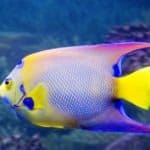
French angelfish
French angelfish
Spiny lobster
Octopus
Octopus

Carlisle Bay Marine Park

Marine Protected Area / Marine Park (national designation)

A sheltered bay with patch reefs and seagrass beds that supports high fish diversity and frequent turtle sightings; it is also important for managing intense coastal recreation while maintaining marine habitat quality.

Green sea turtle
Hawksbill sea turtle
Southern stingray
Barracuda
Barracuda
Sergeant major
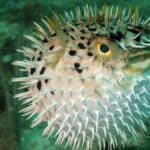
Pufferfish
Pufferfish
Sea urchins

Chancery Lane Swamp (south coast wetland)

Key Bird Site / Important Bird Area (site-level conservation recognition; local protection/management varies by parcel)

One of Barbados' most important coastal wetland areas for migratory shorebirds and waterbirds, providing scarce brackish habitat and roosting/foraging areas along the island's southern shoreline.
Black-bellied plover
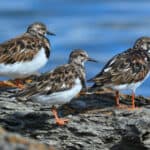
Ruddy turnstone
Ruddy turnstone
Willet
Lesser yellowlegs
Semipalmated sandpiper
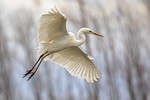
Great egret
Great egret
Tricolored heron

Turner's Hall Woods

Local/Private Nature Reserve (site-managed conservation area; not a UNESCO/Ramsar site)

A rare fragment of more natural upland/Scotland District vegetation, notable for native woodland structure, birds, and reptiles in an island where most original forest has been cleared.

Barbados bullfinch
Bananaquit
Zenaida dove
Caribbean elaenia
Barbados anole
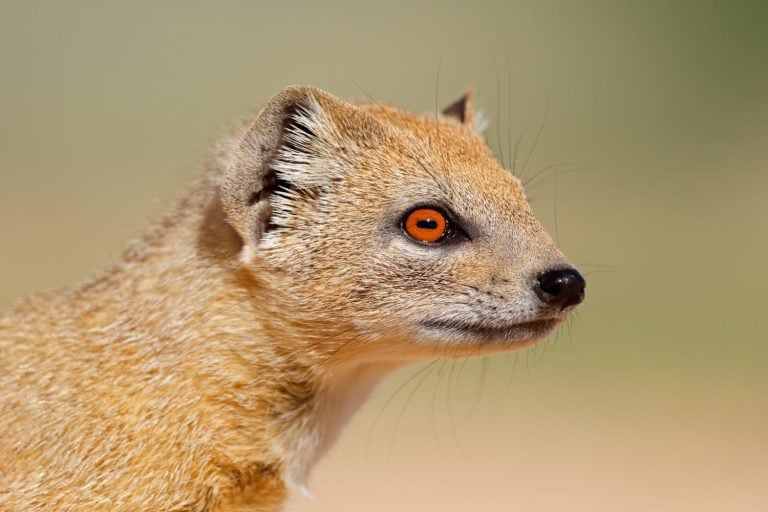
Mongoose
Mongoose
Bats (various)

Barbados Wildlife Reserve (St. Peter)

Wildlife Reserve / Sanctuary (managed facility)

A well-known wildlife sanctuary/education site that allows close viewing of free-roaming and captive fauna in a wooded setting, supporting public awareness and husbandry of several Caribbean species.

UNESCO World Heritage Sites

  • Historic Bridgetown and its Garrison
Animals

Wildlife

Barbados has a distinctly island-style fauna shaped by its small size, coral-limestone geology, heavy historical land use, and strong marine influence. Terrestrial wildlife is relatively limited compared with larger Caribbean islands, but the country's wildlife experience is defined by (1) coastal and nearshore marine ecosystems (especially sea turtles and reef-associated life), (2) offshore islets that host seabird colonies, and (3) seasonal pulses of migratory birds moving through the Lesser Antilles/Atlantic flyways. A handful of true Barbados endemics (notably a bird and several reptiles) add special conservation value despite the overall modest land-based species richness.
~10-15 (few native land mammals-mostly bats; plus occasional offshore cetaceans; introduced Green Monkey is widespread) Mammals
~250-280 recorded (mix of residents and many migrants); ~30-40 regular breeders Birds
~15-25 (including several lizards/snakes and nesting sea turtles) Reptiles
~1-3 (very limited; some are introduced or regionally widespread) Amphibians

Iconic Species

Hawksbill Sea Turtle Barbados is one of the key hawksbill nesting and foraging areas in the eastern Caribbean. Best seen via nesting-beach monitoring (in season) and in nearshore waters around reefy coasts and marine parks.
Green Sea Turtle Regular nester and nearshore feeder around Barbados, often encountered while snorkeling/diving in calmer bays and seagrass/reef-adjacent areas; also a flagship species for local conservation programs.
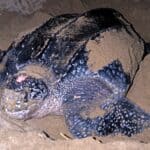
Leatherback Sea Turtle
Leatherback Sea Turtle The largest sea turtle, nesting occurs but is less common than hawksbill/green. Visitors seek night-time nesting events on suitable beaches during peak season when conditions align.
Green Monkey
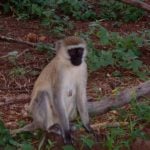
Green Monkey An introduced primate but culturally and visually iconic on Barbados. Frequently seen in wooded gullies and some rural/agricultural areas; commonly sought by visitors despite non-native status.
Magnificent Frigatebird A signature tropical seabird often seen soaring along the coast; best viewed around headlands and near offshore islets where seabird activity concentrates.
Brown Pelican Common and conspicuous along Barbados' coasts and harbors, known for plunge-diving and close-range viewing opportunities-an emblematic coastal bird for visitors.
Red-billed Tropicbird Sought-after seabird associated with cliffs and offshore islets; Barbados' small seabird refuges make this species a highlight for boat-based birding and coastal lookouts.
Sooty Tern Forms notable colonies on offshore islets in the region; where nesting occurs/conditions allow, it's a classic 'seabird island' species and a key draw for pelagic birding around Barbados.
Humpback Whale
Humpback Whale Seasonally present offshore during Caribbean wintering/migration periods; occasional whale-watching opportunities exist when animals pass within range of Barbados waters.

Endemic Species

Barbados Bullfinch A true Barbados endemic and one of the island's most distinctive resident land birds, commonly encountered in gardens, scrub, and wooded gullies. Endemic
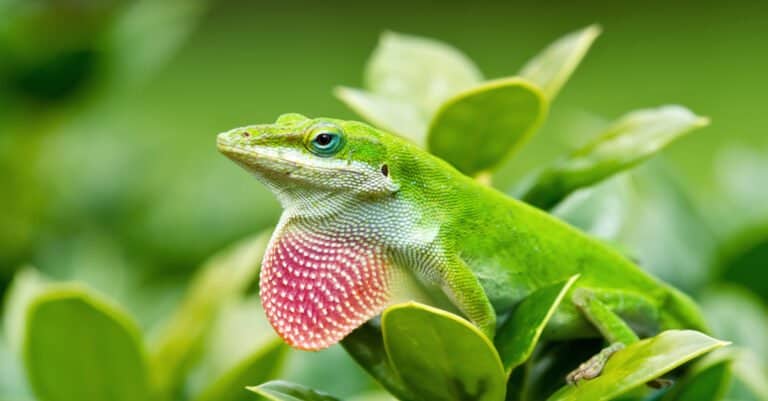
Barbados Anole Endemic lizard frequently seen on tree trunks, walls, and vegetation across the island; a defining piece of everyday terrestrial wildlife in Barbados. Endemic
Barbados Threadsnake A tiny, endemic, burrowing snake and among the smallest snakes in the world; rarely seen due to its subterranean lifestyle, but of high scientific and conservation interest. Endemic
Barbados Leaf-toed Gecko Endemic gecko associated with rocky habitats and human structures; typically nocturnal and a notable Barbados specialty for reptile enthusiasts. Endemic

Notable Populations

  • One of the more important hawksbill sea turtle nesting/foraging areas in the eastern Caribbean, making Barbados significant for a critically endangered species.
  • Offshore islets and cliffy coasts support regionally important seabird breeding/roosting habitat (tropicbirds, terns, and other seabirds), concentrating viewing opportunities in a small area.
  • Barbados lies on key migratory routes and regularly hosts large seasonal turnover of North American and trans-Atlantic migrants, making it disproportionately valuable for bird migration relative to its size.
Protection

Conservation

Primary Threats

  • Warming seas and marine heatwaves increase coral bleaching risk on Barbados' fringing reefs; sea-level rise and storm surge accelerate beach erosion and coastal flooding in heavily developed low-lying areas; ocean acidification reduces reef-building capacity, weakening natural coastal protection that the island depends on.
  • Beach and dune systems, nearshore reefs, and remaining coastal wetlands are pressured by development concentrated along the coast. Loss/fragmentation reduces nesting and roosting habitat for seabirds and undermines turtle nesting beaches where lighting, barriers, and altered sand dynamics occur.
  • Coastal roads, seawalls, revetments, groynes, ports and shoreline stabilization projects can interrupt natural sand movement, narrow beaches, and alter nearshore habitats. This can reduce resilience to storms and degrade turtle nesting suitability and nearshore nursery areas.
  • Runoff and outfalls can elevate nutrients, sediments, and pathogens in nearshore waters, contributing to algal growth that competes with corals and to periodic water-quality issues on popular beaches. Plastic and marine debris affect turtles and seabirds through ingestion and entanglement.
  • Fishing pressure on reef-associated fishes and coastal resources can reduce herbivory (important for controlling algae on reefs) and alter food webs. Targeted nearshore fisheries and reef fishing near high-demand markets can compound reef stress where habitats are already degraded.
  • High demand for coastal space and materials can drive unsustainable extraction/pressure (e.g., historical sand removal, chronic demand for beach maintenance and coastal protection). Freshwater scarcity also constrains ecosystem management and can increase pollutant concentration during dry periods.
  • Tourism and recreation concentrate on beaches and reefs; trampling, anchoring, and high visitation can damage reefs and seagrass. Beach use at night, artificial lighting, and obstacles can disturb nesting sea turtles and disorient hatchlings.
  • Invasive predators (e.g., rats/cats/mongooses) can impact ground-nesting birds and hatchling turtles. Invasive marine species (such as lionfish in the wider Eastern Caribbean) threaten reef fish communities and add stress to already pressured reef ecosystems.
  • Coral diseases and stress-related outbreaks can increase following heat stress and poor water quality, contributing to coral mortality and reduced reef complexity. Disease risk is amplified where reefs are already impacted by sediment/nutrient inputs.
  • Drainage alteration and wetland conversion reduce natural water filtration and flood buffering. Shoreline armoring and engineered solutions can replace living shorelines (reefs, seagrass, dunes) with hard structures, shifting erosion problems down-coast and reducing habitat.
  • Most economic activity and housing are concentrated near the coast, increasing impervious surfaces and stormwater runoff. Expanding urban footprints can intensify light pollution along nesting beaches and increase chronic disturbance at key coastal habitats.
  • Limestone quarrying (given the island's coral limestone geology) and associated transport can cause localized habitat loss, dust, and sediment mobilization that may indirectly affect watersheds draining to sensitive nearshore marine habitats.
Visit

Wildlife Tourism

Barbados' wildlife tourism is centered on marine and coastal nature: coral reefs, sea turtles, reef fish, rays, migrating humpback whales (offshore), and strong seabird movements in the Lesser Antilles flyway. Economically, wildlife experiences are tightly linked to the wider tourism economy-snorkeling/diving, turtle trips, and whale/reef excursions are common add-ons to beach stays and help support operators, guides, boat crews, and conservation-linked programs. Historically, much of the island's "wildlife" draw developed alongside modern beach tourism (mid-late 20th century), with marine recreation growing as reefs, wrecks, and nearshore turtle habitat became signature attractions. Accessibility is a major advantage: the island is compact, roads are good, and key wildlife sites (nearshore reefs, beaches used by turtles, and coastal birding points) are usually within 15-60 minutes of main resort areas. Most wildlife viewing is done via short boat trips, shore-based snorkeling, guided night walks for turtle nesting (in season, where permitted), and coastal birding outings rather than classic large-mammal safaris.

Best Time to Visit

Jan-Mar: Best window for offshore whale-watching (humpbacks migrating through the region); also excellent visibility for snorkeling/diving in generally calmer winter conditions.
Apr-Jun: Reef and wreck diving/snorkeling remains strong; sea turtle encounters are common year-round but can be especially reliable as waters warm; good season for inshore marine life and photography.
Jul-Oct: Peak/strong season for nesting sea turtles on select beaches (guided, permitted experiences); hatchlings may occur later in the season. Note this overlaps with the Atlantic hurricane season-trip planning should include weather flexibility.
Nov-Dec: Shoulder season with good underwater visibility returning; seabird passage and coastal birding can be productive as migratory patterns shift through the Lesser Antilles corridor.

Top Wildlife Experiences

  • Swim/snorkel with sea turtles on a licensed catamaran or small-boat trip, combining turtle foraging areas with a reef stop (bring reef-safe sunscreen and keep respectful distance).
  • Take a morning scuba dive or snorkel on a shipwreck/reef combo to spot schooling reef fish, moray eels, lobsters, and rays-book with an operator that uses mooring buoys (no anchoring on coral).
  • Join an offshore whale-watching excursion in the winter months (typically Jan-Mar) for chances at migrating humpback whales; choose trips that follow responsible viewing distances and time limits.
  • Do a guided night turtle walk (seasonal, where authorized) to observe nesting behavior with red-light protocols and strict no-touch/no-flash rules.
  • Book a sunrise coastal birding session at headlands and sheltered bays to look for seabirds and migrating shorebirds; pair it with a second stop at a wetland/pond area for herons and egrets.
  • Kayak or stand-up paddle in calm coastal waters to spot juvenile fish nurseries, rays in sandy shallows, and seabirds hunting-best in early morning for glassy conditions.
  • Take an intertidal "rock pool" naturalist walk at low tide to look for crabs, small reef fish, sea urchins, and algae communities (great for families and macro photography).
  • Join a reef conservation/education experience (talk + in-water session) focused on coral ecology and responsible snorkeling techniques; some operators offer citizen-science style reef surveys.
  • Plan a responsible fishing-and-release or pelagic wildlife day offshore (as a wildlife-first trip): look for flying fish, dolphins, and seabirds that indicate offshore activity (confirm release practices and bycatch policies).
  • Combine a coastal hike with a marine lookout stop for spotting feeding frigatebirds, terns, and seasonal cetacean blows on clear days-bring binoculars and wind protection.

Safari Types Available

  • Boat-based marine wildlife safaris (turtles, reef fish, rays, seabirds)
  • Offshore whale-watching excursions (seasonal, weather-dependent)
  • Snorkeling safaris (guided reef and turtle circuits)
  • Scuba diving safaris (reefs and wrecks; multi-dive day trips)
  • Night wildlife walks (seasonal turtle nesting, where permitted and guided)
  • Coastal birding tours (sunrise/sunset points, headlands, wetlands/ponds)
  • Kayak/SUP eco-tours (nearshore flats and calm bays)
  • Intertidal/naturalist walks (low-tide rock pools and shoreline ecology)
  • Citizen-science / conservation-linked wildlife experiences (reef monitoring, education-led trips)
Fun Facts

Did You Know?

Barbados has no native non-flying land mammals (only bats are native). The island's well-known "green monkeys" (Chlorocebus sabaeus) aren't native at all-they were introduced from West Africa during the colonial era (commonly dated to the 1600s).

A species you might assume "couldn't possibly survive on such a developed island" actually does: the critically endangered Barbados racer was long feared extinct, then rediscovered-its continued survival is tightly linked to conservation management of its rat-prone offshore islet habitat.

One of Barbados' most important wildlife sites is in a highly urban setting: Graeme Hall Swamp sits amid the island's most built-up corridor yet still functions as a refuge for waterbirds and migratory visitors using the Atlantic edge of the Lesser Antilles.

Much of Barbados is uplifted coral limestone, but that geology creates steep, shaded "gullies" that stay cooler and more humid than surrounding areas-micro-refuges where native plants and reptiles such as the endemic Barbados anole (Anolis extremus) persist.

Home to the Barbados threadsnake (Tetracheilostoma carlae), widely cited as the world's smallest snake-adults average around ~10 cm (about 4 in) long.

The Barbados racer (Erythrolamprus perfuscus) is among the world's rarest, most range-restricted snakes: it survives only on tiny offshore islets (notably Culpepper Island and a nearby small islet), giving it an exceptionally small global habitat footprint.

Graeme Hall Swamp is Barbados' largest remaining mangrove wetland-and it's the island's only Ramsar Wetland of International Importance (designated in 2005), making it the country's top-ranked site for wetland wildlife under the Ramsar Convention.

Folkestone Marine Reserve (established 1981, off Holetown) is often cited as one of the earlier marine reserves in the Caribbean, set up specifically to protect a coral-reef ecosystem used by reef fish and visiting sea turtles.

Thank you for reading! Have some feedback for us?