N S W E
Wildlife Expeditions

Wildlife of
Jamaica

Jamaica stands out for its high island endemism-rare birds, frogs, and reptiles found nowhere else-set against dramatic limestone karst, misty mountain forests, and coral-rich coastal waters that reward both forest hikers and reef explorers.
151 Species
10,991 km² Land Area
Overview

About Jamaica

Jamaica's wildlife character is defined by isolation and variety: a compact Caribbean island where evolution has produced an outsized number of endemic species, especially birds, amphibians, and reptiles. From the cool, mossy heights of the Blue and John Crow Mountains to sunlit lowland woodlands and wetlands, the island's natural heritage is a tapestry of micro-habitats that support specialized species with very small global ranges. For visitors, this translates into "only-in-Jamaica" encounters-whether listening for a secretive forest bird at dawn or spotting a tiny endemic lizard on warm limestone rocks.

Key ecosystems include montane rainforests and cloud forests (critical watersheds and strongholds for endemic birds), extensive limestone karst and caves (important for bats and invertebrates and for maintaining spring-fed rivers), and a coastal belt of mangroves, seagrass beds, and coral reefs that underpin fisheries, protect shorelines, and host vibrant marine life. These coastal systems are especially significant because they link land and sea: healthy mangroves and reefs buffer storms while also creating nurseries for reef fish and feeding areas for turtles and seabirds.

In global conservation terms, Jamaica is part of the Caribbean biodiversity hotspot-internationally important because many species exist in small, fragmented habitats vulnerable to development, invasive species, and climate change. Conservation work here focuses on protecting remaining native forests and wetlands, restoring degraded habitats, and safeguarding reefs and mangroves that sustain both wildlife and communities. The wildlife experience is uniquely intimate and varied: world-class birding and herping can be paired in the same trip with night walks for frogs, cave and bat viewing, and snorkeling or diving over coral gardens-often within a short drive between mountains and sea.

Physical Features

Geography

Jamaica's wildlife is strongly shaped by its island isolation in the Greater Antilles and by steep environmental gradients over a relatively small area. High-elevation, wetter mountains in the east (Blue-John Crow range) support moist forests and cloud-forest-like habitats with many endemics, while the rain-shadowed south and parts of the west favor drier limestone woodland and scrub. Extensive karst (cockpit) topography creates caves, sinkholes, and rugged microhabitats that influence amphibian and bat distributions and can isolate populations. Around the coast, mangroves, lagoons, seagrass beds, and coral reefs form connected nursery and feeding grounds for fish, seabirds, and marine turtles; beaches and rocky shores add further habitat diversity. Rivers are generally short and flashy, linking uplands to estuaries and wetlands that concentrate biodiversity and provide migratory bird habitat.

10,991 km² Land Area
About the size of Connecticut; among the larger Caribbean islands (roughly ~150-160th globally by area). Size Rank

Key Landscapes

  • Blue Mountains and John Crow Mountains (highest elevations; moist montane forests and headwaters)
  • Cockpit Country limestone karst (rugged hills, sinkholes, caves; refugia for endemics, bats, and cave fauna)
  • Central limestone plateau and interior valleys (forest-agriculture mosaic influencing fragmentation and edge habitats)
  • Dry south-coast lowlands and rain-shadow zones (xeric woodland/scrub important for drought-tolerant species)
  • River corridors and short coastal watersheds (riparian habitats, estuaries, sediment/nutrient delivery to coasts)
  • Coastal wetlands and mangroves (e.g., Black River Lower Morass; nurseries, rookeries, and bird habitat)
  • Seagrass beds and coastal lagoons (fish and invertebrate nurseries; foraging grounds for turtles)
  • Fringing coral reefs and offshore banks (reef fish diversity; seabird foraging; storm-buffering)
  • Beaches, dunes, and rocky shorelines (nesting sites for marine turtles and shorebirds)

Ecoregions

  • Jamaican moist forests (WWF)
  • Jamaican dry forests (WWF)
  • Greater Antilles mangroves (WWF)
Parks & Reserves

Protected Areas

Jamaica's protected-area network is built around a mix of terrestrial and coastal/marine designations under the country's broader National System of Protected Areas. Key categories include National Parks (e.g., Blue and John Crow Mountains), Forest Reserves and Crown Lands managed largely through the Forestry Department, and a range of protected areas and marine parks managed/regulated by environmental and fisheries authorities and frequently co-managed with NGOs and community trusts. Because Jamaica is highly endemic-especially for birds, reptiles, and amphibians-many priority sites focus on remaining montane rainforest, limestone karst, dry limestone forest, mangroves, and seagrass/coral systems.

Protected Coverage

Approximately ~18% of Jamaica's land area is under some form of formal protection (national parks, forest reserves, and other legally declared protected areas). Marine and coastal protected areas are expanding but cover a smaller share of nearshore waters compared with terrestrial coverage.

Notable Parks & Reserves

Blue and John Crow Mountains National Park (UNESCO World Heritage Site - mixed cultural/natural)

National Park; UNESCO World Heritage (mixed cultural/natural)

Jamaica's premier montane rainforest and cloud-forest stronghold, safeguarding many of the island's endemic birds and high-elevation habitats. It is one of the most important birdwatching and watershed-conservation landscapes in the Caribbean.

Jamaican blackbird
Jamaican tody
Jamaican chat
Ring-tailed pigeon
Jamaican pewee
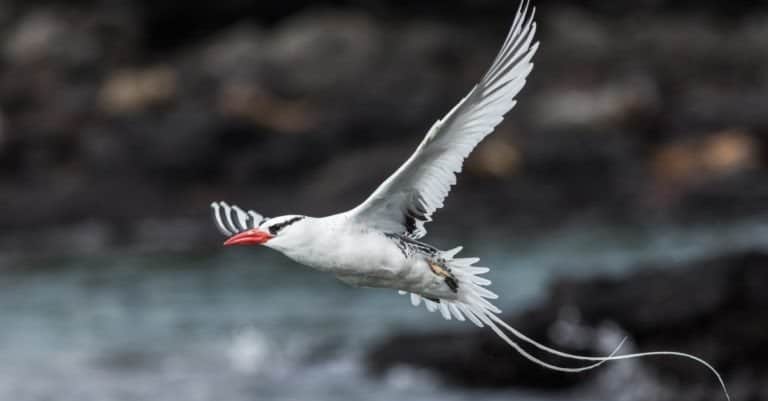
Red-billed streamertail

Cockpit Country (Forest Reserve / proposed protected landscape)

Forest Reserve / protected-area complex (status varies by block); high-priority conservation landscape

A globally significant limestone karst "cockpit" landscape with caves, sinkholes, and intact forest that supports exceptional endemism and acts as a critical refuge for threatened native wildlife. It is among Jamaica's top conservation priorities for remaining interior forest biodiversity.

Jamaican boa (yellow boa)
Jamaican hutia (coney)
Jamaican tody
Black-billed parrot
Jamaican owl
Ring-tailed pigeon

Portland Bight Protected Area (including Hellshire Hills)

Protected Area (terrestrial/marine); Ramsar Wetland (Portland Bight)

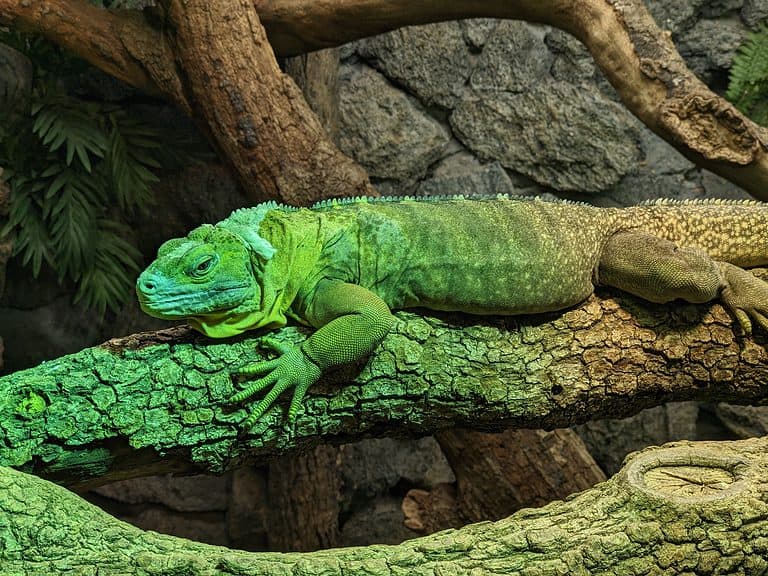
The island's largest protected-area complex, spanning dry limestone forest, mangroves, seagrass beds, and coastal waters-critical for endangered reptiles and coastal megafauna. Hellshire Hills within the area is the last stronghold of Jamaica's iconic iguana.

Jamaican iguana
Jamaican iguana
American crocodile
West Indian manatee
Green turtle
Brown pelican
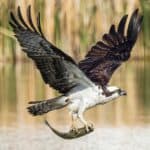
Osprey
Osprey

Negril Morass / Negril Environmental Protection Area

Protected Area; Ramsar Wetland (Negril Morass)

A major wetland system of marshes, lagoons, and coastal habitats that is vital for waterbirds and wetland-dependent species. It is one of Jamaica's best sites for birding associated with reeds, open water, and coastal transition habitats.

West Indian whistling-duck
American crocodile
Least grebe
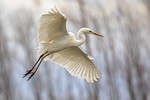
Great egret
Great egret
Tricolored heron
Yellow-crowned night-heron

Black River Lower Morass

Ramsar Wetland (Black River Lower Morass)

One of the largest remaining mangrove and freshwater wetland complexes in Jamaica, important for herons/egrets, fish nurseries, and flagship reptiles. It is also a key landscape for ecosystem services and wetland restoration efforts.

American crocodile
Great egret
Great egret
Little blue heron
Snowy egret
Mangrove cuckoo
Yellow-crowned night-heron

Palisadoes-Port Royal Protected Area

Protected Area; Ramsar Wetland (Palisadoes-Port Royal)

A coastal barrier system of cays, beaches, and mangroves that supports seabirds and functions as an important nursery area for marine life in Kingston Harbour. It is notable for migratory/coastal birds and sensitive shoreline habitats.

Brown pelican
Magnificent frigatebird
Royal tern
Black-necked stilt
Green turtle
Osprey
Osprey

Montego Bay Marine Park

Marine Park / Marine Protected Area

One of Jamaica's best-known marine protected areas for coral reef, seagrass, and nearshore reef fish communities, supporting fisheries recovery and reef conservation. It offers some of the most accessible reef wildlife viewing and snorkeling/diving in the country.

Hawksbill turtle
Green turtle
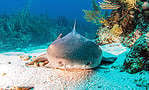
Nurse shark
Nurse shark
Stoplight parrotfish
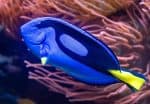
Blue tang
Blue tang
Queen conch

UNESCO World Heritage Sites

  • Blue and John Crow Mountains (mixed cultural/natural World Heritage Site)
Animals

Wildlife

Jamaica's wildlife is shaped by island isolation in the Greater Antilles: many species are found nowhere else, especially birds, reptiles, and frogs. The country's biodiversity is concentrated in moist montane forests (Blue & John Crow Mountains), rugged limestone karst and caves (Cockpit Country), and coastal systems (mangroves, seagrass beds, and coral reefs). While large terrestrial mammals are naturally scarce (most native mammals are bats), Jamaica is a standout Caribbean destination for endemic birds, rare reptiles, and distinctive forest-and-coast ecosystems.

~30-35 (mostly bats; only a few native non-bat mammals, plus introduced species) Mammals
~320 recorded; ~30 endemics (resident and regularly occurring species) Birds
~50-60 (high island endemism; includes iguanas, boas, anoles, and sea turtles offshore) Reptiles
~20-25 (many endemics, dominated by direct-developing frogs) Amphibians

Iconic Species

Jamaican Iguana
Jamaican Iguana Jamaica's most famous conservation success story-once feared extinct and now recovering through intensive protection and head-starting. Best associated with the Hellshire Hills dry forest (a highly restricted range) and conservation programs.
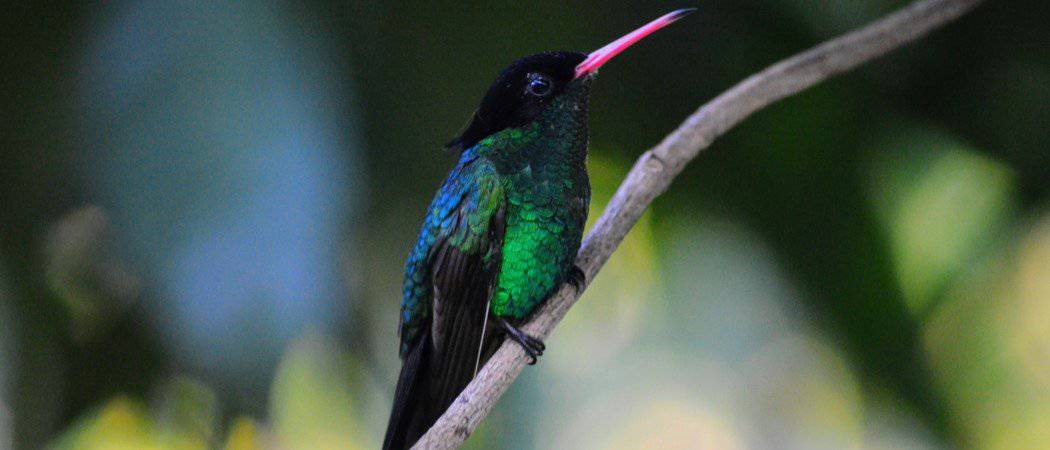
Red-billed Streamertail (Doctor Bird) Jamaica's national bird and a must-see endemic hummingbird; males have long streamer tails and are frequently observed in gardens, forest edges, and higher-elevation sites such as the Blue Mountains.
Jamaican Tody A small, brilliantly colored endemic bird that typifies Jamaica's forest birding. Often seen in wooded gullies and forest trails, especially in Cockpit Country and the Blue & John Crow Mountains.
Jamaican Boa (Yellow Boa) A large, non-venomous endemic snake strongly tied to limestone forests and caves. It is a flagship for Jamaica's unique karst ecosystems and is most associated with remaining intact forest landscapes (notably Cockpit Country).
American Crocodile A top predator of Jamaica's wetlands and coastal lagoons; most reliably encountered in protected wetlands such as the Black River-Lower Morass area, where boat trips sometimes provide viewing opportunities.
Jamaican Hutia (Coney) Jamaica's only native terrestrial mammal (non-bat) still surviving-a nocturnal, rabbit-sized rodent that is endemic and culturally well known. It persists in remote forests and rugged karst terrain.
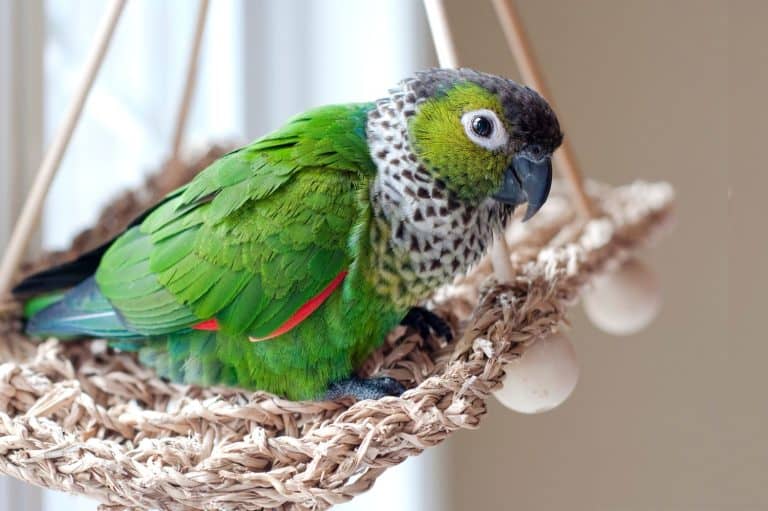
Black-billed Parrot A Jamaican endemic parrot most associated with forested mountains. Birders seek it in upland forests (including the Blue and John Crow Mountains), where it feeds and nests in mature woodland.
Yellow-billed Parrot Another endemic parrot and a signature species of Jamaica's forests. Often observed in the same broad regions as the Black-billed Parrot, with movements linked to fruiting trees.
Hawksbill Sea Turtle A high-profile reef-associated sea turtle seen around coral reefs and coastal waters; Jamaica's beaches and nearshore habitats support regional nesting and foraging, and sightings occur during snorkeling/diving in suitable reef areas.

Endemic Species

Jamaican Iguana
Jamaican Iguana Critically endangered and endemic; essentially restricted to Jamaica's remaining dry forest strongholds, making it one of the island's most range-limited vertebrates. Endemic
Red-billed Streamertail (Doctor Bird) Endemic hummingbird that symbolizes Jamaica; a key pollinator in many habitats from gardens to montane forest edges. Endemic
Jamaican Tody Endemic forest bird; one of the easiest and most rewarding Jamaica-only birds for visitors to find. Endemic
Jamaican Boa (Yellow Boa) Endemic constrictor closely tied to Jamaica's limestone ecosystems; threatened by habitat loss and persecution. Endemic
Jamaican Hutia (Coney) Endemic rodent and the island's signature native land mammal; largely nocturnal and localized. Endemic
Jamaican Owl Endemic owl of wooded habitats; a sought-after species for night birding and an indicator of remaining forest quality. Endemic
Jamaican Blackbird Endemic forest bird strongly associated with wet montane forests; often linked to mature, intact woodland. Endemic
Jamaican Giant Swallowtail One of the largest butterflies in the Americas and endemic to Jamaica; its survival depends on remaining forest habitats and is a flagship for invertebrate conservation. Endemic
Jamaican Treefrog Endemic amphibian representing Jamaica's distinctive frog fauna; associated with forest and woodland habitats and sensitive to habitat change. Endemic

Notable Populations

  • Jamaica holds the entire global wild population of the Jamaican Iguana (Cyclura collei), making the island critical to the species' survival.
  • Jamaica holds the entire global populations of multiple flagship endemics (e.g., Red-billed Streamertail, Jamaican Tody, Jamaican Hutia, Jamaican Boa), so conservation outcomes in Jamaica directly determine their global status.
  • Cockpit Country and the Blue & John Crow Mountains are globally important refuges for Jamaica's endemic-rich montane and limestone-forest bird communities.
Protection

Conservation

Primary Threats

  • Conversion and fragmentation of native forests and dry limestone habitats for housing, small-scale agriculture, tourism-related development, and quarrying reduces and isolates habitat for island endemics. Sensitive karst landscapes (e.g., Cockpit Country) face pressure from land-use change and associated access roads, which can open previously intact areas to further clearing.
  • Warming seas drive coral bleaching and reduced reef resilience; stronger hurricanes and intense rainfall events increase physical reef damage and accelerate landslides and sediment pulses from steep watersheds. Shifts in rainfall and drought stress upland forests and freshwater systems, while sea-level rise threatens low-lying mangroves and coastal wetlands.
  • Land-based sources-untreated/partly treated sewage, solid waste leakage (plastics), agricultural runoff, and sediment from construction/quarrying-degrade nearshore water quality, smother corals and seagrass, and contribute to eutrophication in bays. Watershed erosion in deforested or poorly managed catchments delivers sediments rapidly to reefs, especially after heavy rains.
  • Introduced predators (notably mongooses, rats, and feral cats) and invasive plants can heavily impact ground-nesting birds, reptiles, and amphibians typical of island ecosystems with limited predator defenses. Invasive species also disrupt forest regeneration and can alter fire regimes in drier areas.
  • Marine disease outbreaks (e.g., coral diseases) can compound bleaching impacts and slow reef recovery. In freshwater and upland habitats, disease risks increase when populations are stressed by habitat loss and climate extremes, which is particularly concerning for range-restricted endemic amphibians.
  • Harvesting pressure on some wild birds and other fauna occurs locally, and can be significant when combined with habitat loss. Hunting impacts are most acute where enforcement is limited and where traditional practices overlap with declining wildlife populations.
  • Illegal collection and trade risks exist for charismatic reptiles, birds, and ornamental plants, and can be harmful for small island populations with limited distribution. Even low levels of offtake can be consequential for Jamaican endemics with restricted ranges.
  • High dependence on coastal fisheries and limited nearshore fish biomass in many areas contribute to overharvest of reef fish and invertebrates (including herbivores important for controlling algae). Reduced herbivory accelerates reef degradation and impairs recovery after bleaching and storms.
  • Tourism and recreation (anchoring, trampling, boating) can damage corals and seagrass in popular coastal sites; trail expansion and uncontrolled access in sensitive upland areas can disturb wildlife and increase erosion. Disturbance also increases when informal settlements and small developments expand into marginal lands.
  • Perceived conflicts include crop-raiding and concerns about bats, snakes, or other wildlife near settlements, sometimes leading to persecution. Coastal resource-user conflicts can arise where fishing restrictions intersect with livelihoods without sufficient co-management or alternative income options.
  • Many Jamaican endemics occur as small, isolated populations in specialized habitats (e.g., karst forests, montane refugia). Fragmentation can reduce gene flow and elevate extinction risk, especially for amphibians and plants with narrow ranges.
  • Extraction pressure on coastal resources (reef fish, conch-like invertebrates where present, baitfish, mangrove products) and freshwater resources can exceed sustainable yields in some areas. Degraded watersheds also reduce reliable water supply and increase treatment costs, indirectly constraining conservation funding and compliance.
  • Road building, tourism infrastructure, and coastal engineering can fragment habitats, increase access to previously remote areas, and alter sediment and water flows. Poorly planned coastal structures can worsen beach erosion and impact turtle nesting and mangrove function.
  • Alteration of rivers, wetlands, and coastal systems-through drainage, channel modifications, sand mining/illegal beach sand removal, and hard shoreline stabilization-reduces habitat quality for wetland species, increases flood risk, and diminishes natural coastal protection provided by mangroves and reefs.
  • Expansion or intensification of hillside farming in some watersheds can accelerate erosion on steep slopes, increasing sediment loads to rivers and reefs. Agricultural chemicals and nutrient runoff can contribute to algal growth in nearshore waters and degrade seagrass and coral habitats.
  • Growth around the Kingston Metropolitan Area and other towns increases demand for land, water, and waste services; where wastewater treatment and solid waste management lag, coastal bays and reefs receive higher pollutant loads. Urban sprawl also increases pressure on nearby wetlands and mangroves.
  • While large-scale commercial logging is limited compared to some mainland contexts, illegal or unsustainable harvesting of timber and fuelwood can occur locally, degrading forest structure and increasing erosion. Selective removal can particularly affect dry forests and accessible karst edges.
  • Bauxite/alumina-related activities and associated quarrying can cause land clearing, habitat loss, dust, and increased sediment runoff if not well managed. Proposed or expanding extraction in karst landscapes is especially contentious because of unique hydrology, caves, and high endemism.
Visit

Wildlife Tourism

Jamaica's wildlife tourism is built around high endemism on land (especially birds, frogs, reptiles, and plants) and standout marine ecosystems (coral reefs, seagrass beds, mangroves). Economically, nature-based travel complements the island's dominant beach/resort market by extending visitor spend into guided birding, reef activities, caving, river excursions, and community-run forest experiences-often in less-visited rural parishes. Historically, Jamaica's natural history drew early scientific collectors and later birders and divers; in recent decades, protected areas and community conservation initiatives have helped formalize nature guiding and habitat protection (notably in the Cockpit Country and the Blue & John Crow Mountains region). Accessibility is generally good: major gateways (Montego Bay and Kingston) connect quickly to reefs and rivers, while prime birding/forest areas are reachable by road with day trips or short overnights. A practical trip often combines 2-3 bases: north coast (reef/mangrove/river), Blue Mountains (highland endemics), and Cockpit Country (karst forest, caves, deep wilderness).

Best Time to Visit
  • Wildlife viewing in Jamaica is strong year-round, but timing can help you match key phenomena:
  • December-April (dry season): Best overall for comfortable hiking and birding in forests and mountains; clearer seas often improve snorkeling/diving. Expect endemic birds (e.g., Jamaican Tody, Jamaican Woodpecker, Jamaican Mango), butterflies, and good visibility on many reefs.
  • March-May (late dry into early wet): Peak bird song and activity as many species begin/continue breeding; forest trails are still relatively accessible before heavier rains. Great for Blue Mountains and Cockpit Country birding.
  • June-October (wet season; warm seas): Lush forests and high amphibian activity-excellent for guided night walks to find endemic frogs and other nocturnal wildlife. This is also a prime time for marine life encounters on reefs (warm water, active fish communities), though weather can be more variable.
  • September-November (late wet / shoulder season): Quieter travel period and still excellent marine conditions; good time for mangroves, lagoons, and riverine wildlife with fewer crowds. Plan with local forecasts due to heavier rain periods and the wider Atlantic hurricane season. What to see when (quick guide):
  • Dry months (Dec-Apr): Highland endemics, comfortable ridge hikes, clearer underwater scenes.
  • Early rains (May-Jul): Forest "greening," more insects, more frog calling at night.
  • Late rains (Aug-Oct): Strong night-herping potential; waterfalls and rivers at their most dramatic.
  • Shoulder (Nov): Mix of decent hiking weather and still-warm seas; good for combined land + sea itineraries.

Top Wildlife Experiences

  • Dawn birding in the Blue Mountains: Start before sunrise with a local guide to search for Jamaican endemics along coffee-growing slopes and misty forest edges; pair it with a short hike to a viewpoint for raptors and soaring swifts.
  • Endemic-bird "target list" day in Cockpit Country: Spend a full day on forest tracks and limestone karst edges focusing on island specialties (todies, parrots, woodpeckers, hummingbirds) with careful listening and call recognition-this is Jamaica's most iconic wilderness birding setting.
  • Guided night walk for endemic frogs and nocturnal life: After a rain (or in humid months), join a herpetology-style walk to spot calling frogs, sleeping birds, spiders, and other night-active fauna-bring a headlamp and expect close-range sightings.
  • Mangrove and lagoon boat tour for birds and nurseries: Glide through mangrove channels to look for herons, egrets, kingfishers, and juvenile reef fish; learn how mangroves support fisheries and protect coasts.
  • Snorkel a coral reef with a naturalist briefing: Do a guided snorkel focused on identifying reef fish, corals, and invertebrates (rather than just "swim time"); ask guides to point out cleaning stations and nursery areas.
  • Diving or snorkel 'macro' session: Plan a slow, photography-friendly search for small reef life-juvenile fish, shrimp, crabs, and camouflage specialists-ideal for visitors who want more than big scenery.
  • River float/raft with wildlife stops: Take a calm raft or tube-style float where conditions allow, pausing at quieter banks to watch birds, freshwater turtles (where present), and riparian plants; combine with a short riverside walk for butterflies and lizards.
  • Caving or karst hike with geology + bat ecology focus: Explore a limestone cave/karst area with an experienced guide who can interpret cave formations and bat roost behavior; emphasize minimal disturbance and proper lighting etiquette.
  • Waterfall hike with natural history interpretation: Choose a guided waterfall route that includes time for ID of forest plants, epiphytes, and birds along the way (not just a quick swim stop).
  • Sea kayak or paddleboard along a calm coastal ecosystem: Paddle early morning along sheltered bays or lagoon edges to quietly approach feeding birds and spot rays or schooling fish in clear shallows.

Safari Types Available

  • Guided birding walks (dawn-focused forest and mountain hikes)
  • Night wildlife walks (frogs, insects, nocturnal birds, reptiles)
  • Boat safaris in mangroves/lagoons/estuaries (birding + nursery ecology)
  • Snorkeling safaris (reef interpretation, fish ID, coral ecology)
  • Scuba diving safaris (reef walls, macro-focused dives, photography-oriented outings)
  • River safaris (rafting/tubing/floats with riparian wildlife viewing)
  • Caving and karst exploration (geology + bat-focused cave visits)
  • Coastal paddling safaris (sea kayak/SUP in sheltered ecosystems)
  • Community-led forest experiences (local guides, conservation storytelling, endemic species searches)
Fun Facts

Did You Know?

Jamaica has no native "ordinary" land mammals like squirrels or raccoons-apart from bats, the only surviving native terrestrial mammal is the Jamaican hutia/coney (Geocapromys brownii), a rodent found nowhere else.

Many of Jamaica's native frogs are direct-developers (especially Eleutherodactylus): they lay eggs that hatch into tiny froglets, skipping the free-swimming tadpole stage entirely-an unusual life-history strategy for tropical island amphibians.

The national "doctor bird" (streamertail) isn't just flashy: males' tail streamers can be longer than the rest of the body, creating a dramatically unbalanced silhouette that's used in display and species recognition.

The Jamaican tody (Todus todus)-a jewel-colored forest bird-nests like a kingfisher: it excavates a burrow in an earthen bank and raises its chicks underground, a nesting style that surprises many people who expect tree nests in tropical forests.

Jamaica's boa (Chilabothrus subflavus) is non-venomous and generally shy, yet it's one of the island's top native predators; historically persecuted as a "dangerous snake," it actually helps control rats and other introduced pests.

Homerus swallowtail (Papilio homerus), found only in Jamaica, is the largest butterfly in the Western Hemisphere-an endemic giant that survives mainly in a few forested valleys in the east and west of the island.

The Jamaican iguana (Cyclura collei) is one of the world's rarest iguanas; it was widely considered extinct for decades before being rediscovered in the Hellshire Hills, and remains Critically Endangered.

Jamaica is the only place on Earth where the hummingbird genus Trochilus occurs-both streamertails (the Red-billed Streamertail, T. polytmus, and Black-billed Streamertail, T. scitulus) are endemic to the island.

Jamaica is a global hotspot for land-snail diversity: more than 500 species have been described, and the great majority are endemic-an exceptionally high concentration of unique snail lineages for a single island.

The Luminous Lagoon near Falmouth is often cited as one of the world's brightest bioluminescent bays, where dense dinoflagellates (notably Pyrodinium bahamense) can make the water glow intensely when disturbed.

Many areas of Jamaica are a wonderland of rich flora and fauna. Most visitors that travel to the island are looking for beaches and culture. Many leave impressed by the native wildlife. Let’s learn about some of the country’s most interesting fauna!

https://www.youtube.com/watch?v=kvWgEeLm6qAu0026ab_channel=A-Z-Animals

The Official National Animal of Jamaica
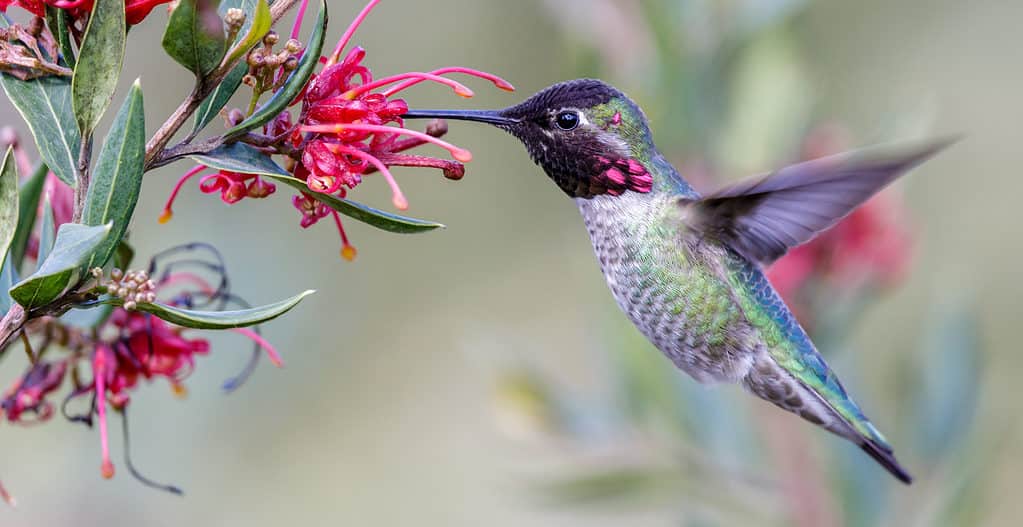
Calypte anna

The red-billed streamertail is the national bird of Jamaica.

The red-billed streamertail is the national bird of Jamaica. A member of the hummingbird family, the streamertail is also known as the scissor-tail or doctor bird.

This is a beautiful, multi-colored creature found among flowering plants in closed forests. It’s noted for a long, curved, slender beak. The mature males have two tails that stream as they fly.

People on the island use the bird’s feathers as decorations during traditional events. Besides being Jamaica’s national bird, the red-billed streamertail is also found in Africa, America, Europe, and Canada.

Where to Find the Top Wildlife

Jamaica is the land of wood and water, a natural wonder of rolling green hills and stunning views. Animal lovers look to see the most wonderful native creatures, many unique to the island.

Manatee

The manatee likes coastal waters that are shallow and brackish. The gentle creatures are also called sea cows. You can spot them in their habitats along Jamaica’s southwest coast.

The manatee is infrequently spied on in the north too. The native animals surface often because they breathe air. Posing no risk to humans and being vegetarians, you can actually swim with the manatee.

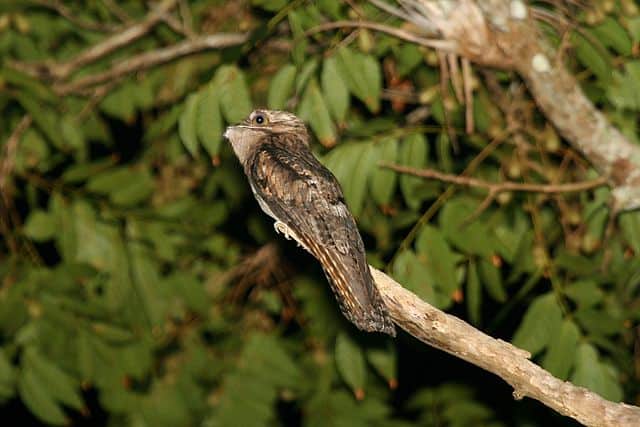
Patoo

The patoo is an elegant bird. The species here include the Jamaican owl and the barn owl. Sadly, the populace has a fear of owls and tends to harm them on sight.

The barn owl is an amazing sight. Under a bright moon, it’s seen perched on posts or trees in Kingston. The light gives the white-colored owl a Halloween-ish glow.

Also known as the potoo, this owl is endemic to Jamaica. You’ll find it commonly on the east side of the island in the mountains.

Giant Swallowtail

This native butterfly is exclusive to Jamaica. It’s a sight to see. The swallowtail has a wingspan of six inches. It has a vivid gold and black color with the lower wings decorated with blue circles. You’ll find the giant swallowtail in the John Crow and the Blue Mountains and in Cockpit Country.

Sea Turtle

The endangered sea turtle has found protection at the fish sanctuary in Oracabessa Bay. The turtle crawls ashore at Ocho Rios, digs a hole, and lays its eggs. Hotels like the Jamacia Inn on the north coast provide safe venues for spying on these native animals.

Crocodiles

A small population of American crocodiles inhabits the south coast, concentrated near the Black River with other crocs near Hellshire. Conservationists strive to protect the species. Some tours take visitors out to Treasure Beach and Black River to see the animals.

Mongoose

The mongoose was deliberately brought to Jamaica to battle the rat population hurting the sugar plantations.

An obsessive hunter, the native animal didn’t just decimate the rodent populace. It also tore into ground birds as well as indigenous lizards and snakes.

Today, the mongoose is as much a pest as the rat. You’ll spot one almost anywhere on the island, especially along urban roads. The native animal’s identifiable by its black-tipped feet, tail, and gray fur.

The Most Dangerous Animals
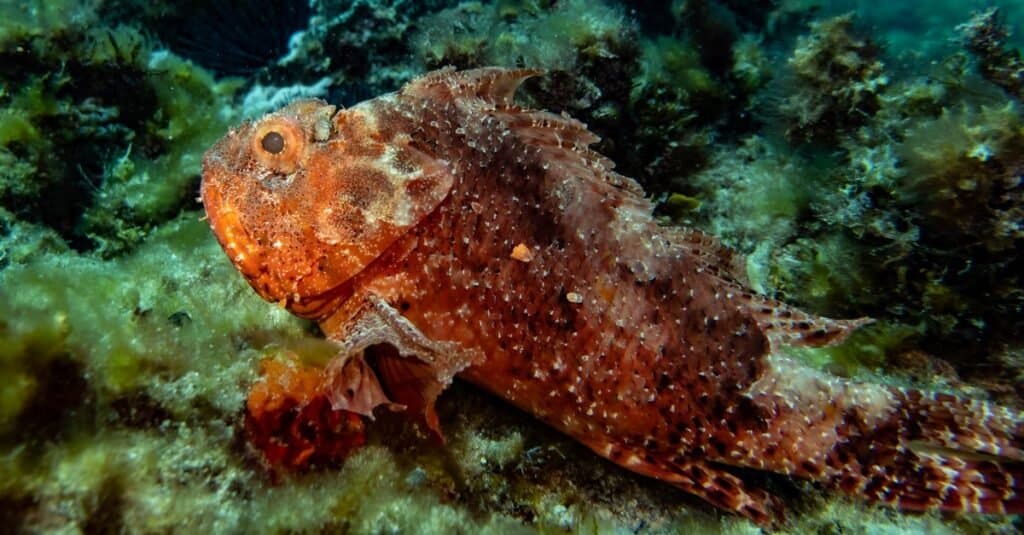
Red Animals - Western Red Scorpionfish

Venomous Scorpionfish at Rottnest island Western Australia. Scorpionfish have exceptional camouflage abilities and are known to be some of the most poisonous fishes in the world.


For all the beauty and serenity you find among Jamaica’s native wildlife, there are quite a few creatures you want to stay away from. Here are a few.

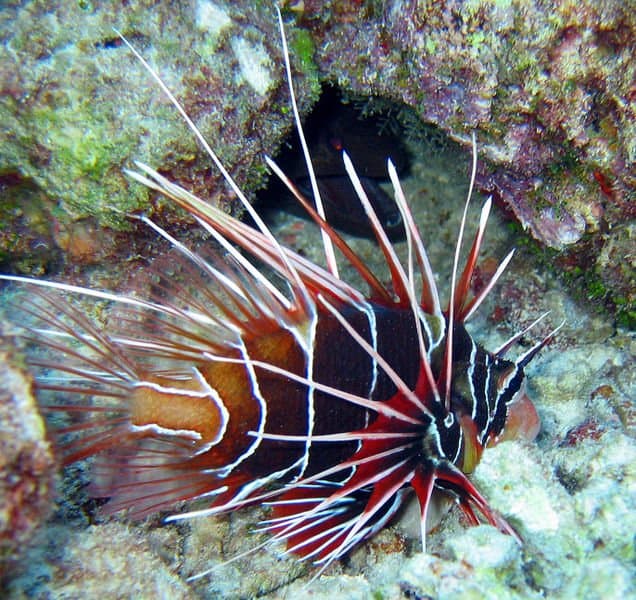
Scorpion Fish

It can fit in the palm of your hand. It’s a lovely creature, but the scorpion fish uses its spiky fins to emit a tremendously venomous poison. These same fins are capable of slashing deep lacerations.

Forty Leg

If you go into the verdant and lush Jamaican jungles—especially after a rainfall—you might come across a forty leg. The forty leg is an amazing thing to see slinking with its dozens of legs. But its bite, not always fatal, leads to searing pain, spasms, and a visit to the emergency room.

Brown Recluse
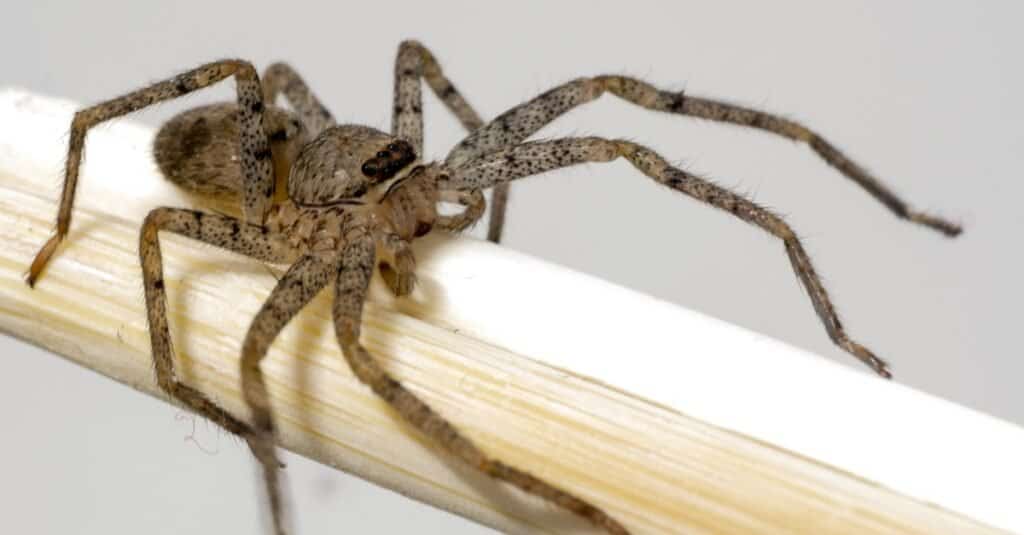
Animals With Exoskeletons-Brown Recluse

Even though it has extremely dangerous venom, the brown recluse actually has incredibly small fangs compared to most spiders.

Many of the thousands of species of spiders in Jamaica are harmless. The brown recluse is not on that list. Their pincers inject hemotoxin venom into the bloodstream. It can take weeks for its sting to lead to pimples, swelling, lesions, and even sepsis.

Pit Bulls

The pit bull may be a domesticated pet, but it has a rep for being a dangerous animal. Owners have to keep the animal secured. Passersby know to take precautions whenever approaching areas where these dogs live.

Endangered Animals

Jamaica is home to a rich diversity of flora and fauna, but many of the island’s unique animal species are currently facing the threat of extinction. Jamaica’s tropical climate and varied terrain create a habitat that is ideal for a wide range of animals, but human activities like deforestation, pollution, and urbanization have had a negative impact on many of the island’s native species. In this article section, we will look at some of the endangered animals in Jamaica.

The Jamaican Iguana, also known as the Blue Iguana, is one of the most critically endangered animals in Jamaica. It is a large, herbivorous lizard that is found only in the dry forests of Jamaica. Habitat loss, hunting, and invasive species like mongooses and rats have all contributed to the decline of the Jamaican Iguana, and today there are only a few hundred individuals left in the wild.

Unfortunately, it’s impossible to go anywhere and not find some native species at risk of extinction. There can be a myriad of reasons but more often than not it boils down to humankind and urban advancement. Here are a few Jamaican species on endangered lists.

Native Birds

Jamaica is a birdwatcher’s paradise. Of the 326 species of birds native to Jamaica, 28 species can be found nowhere else in the world. The best time for bird watching in Jamaica is during the dry season, from December to June.

Some of the best locations for bird watching in Jamaica are the Blue Mountains, John Crow Mountains, Cockpit Country Forest Reserve, Rio Grande Valley, and Royal Palm Reserve.

A few types of birds found throughout the country:

  • Black-billed Amazon: The smallest species of Amazona parrot. It is listed as vulnerable due to habitat loss and poaching. It inhabits the mountainous rainforests of Jamaica, especially limestone rainforests.
  • Yellow-shouldered Grassquit: Common in wooded areas across Jamaica.
  • Jamaican Owl: These nocturnal birds can be seen in a variety of habitats throughout Jamaica. They are one of only two owl species in the country.
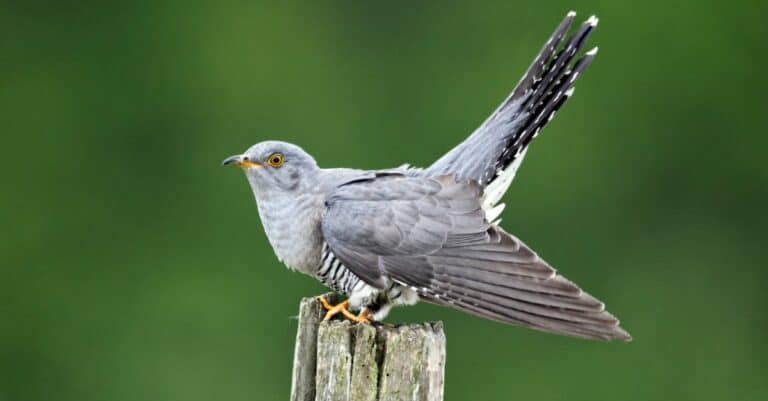
  • Chestnut-bellied Cuckoo: Found in wet, open forests.

Jamaican Fish
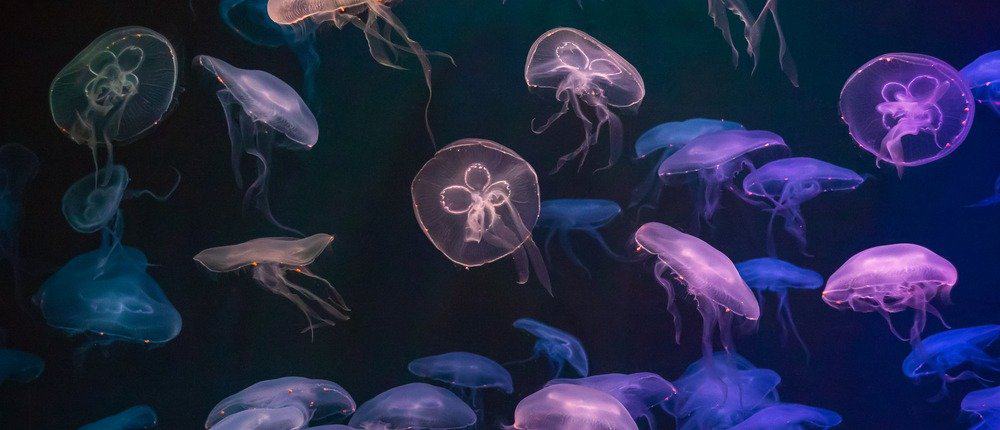
Jellyfish with neon glow light effect in sea aquarium in Sentosa, Singapore

You’ll find many types of freshwater and marine fish on and around the island of Jamaica.

You’ll find many types of freshwater and marine fish on and around the island. Some of the best areas for deep-sea fishing in Jamaica are Montego Bay, Port Antonio, Cayman trench, and Pedro Bank. A selection of marine fish commonly caught in these locations includes yellowfin tuna, white marlin, barracuda, mahi-mahi, and wahoo.

For snorkeling, you’ll find some of the best destinations are Montego Bay, Negril, Ocho Rios, and Runaway Bay. You can enjoy marine life such as stingrays, sea urchins, jellyfish, and a large variety of colorful reef fish.

While the marine fish tend to steal the show, you can also find around 40 species of freshwater fish on the island. The only endemic species include the Jamaican killifish, black belly limia, striped gambusia, and Wray’s gambusia.

The Rarest Animals in Jamaica

Jamaica is home to a rich and diverse array of animal species, but many of these species are now endangered or threatened due to habitat loss, hunting, and other human activities.

Here are a few animals that are critically endangered and at risk of extinction:

  • The Jamaican Iguana, also known as the Blue Iguana, is one of the rarest animals in Jamaica and is also one of the most critically endangered reptiles in the world. The Blue Iguana is a large, herbivorous lizard that is found only in the dry forests of Jamaica and is threatened by habitat loss, hunting, and the introduction of invasive species.
  • The Jamaican Yellow Boa, also known as the Jamaican Boa, is a non-venomous snake that is found only in Jamaica. The Yellow Boa is threatened by habitat loss and hunting and is now listed as endangered. Conservation efforts are underway to help protect and increase the population of the Jamaican Yellow Boa.
  • The Jamaican Galliwasp, also known as the Jamaican Mabuya, is a large, herbivorous lizard that is found only in Jamaica. The Jamaican Galliwasp is threatened by habitat loss and hunting and is now listed as endangered. Conservation efforts are underway to help protect and increase the population of the Jamaican Galliwasp.

Finally, Jamaica is home to a number of rare and endangered animal species, many of which are now threatened with extinction due to human activities.

The Largest Animals in Jamaica

Jamaica is home to a diverse array of animal species, including some that are quite large in size.

In this section, we will take a look at some of the largest animals in Jamaica, from land mammals to marine creatures.

  • The Jamaican Boa, also known as the Yellow Boa, is the largest snake in Jamaica.
  • The Jamaican Iguana, also known as the Blue Iguana, is one of the largest lizards in Jamaica, with some individuals growing up to 5 feet long.
  • The Jamaican Hutia, also known as the Jamaican Patoo, is the largest land mammal in Jamaica, with some individuals weighing up to 11 pounds.
  • The American Crocodile is one of the largest reptiles in Jamaica, with some individuals growing up to 13 feet long.
  • The Humpback Whale is one of the largest marine mammals in Jamaica, with some individuals growing up to 50 feet long.
  • The Giant Swallowtail Butterfly is the largest butterfly in Jamaica, with a wingspan of up to 6 inches.

Finally, Jamaica is home to a number of large and impressive animal species, from snakes and lizards to mammals and marine creatures.

Jamaican Snakes
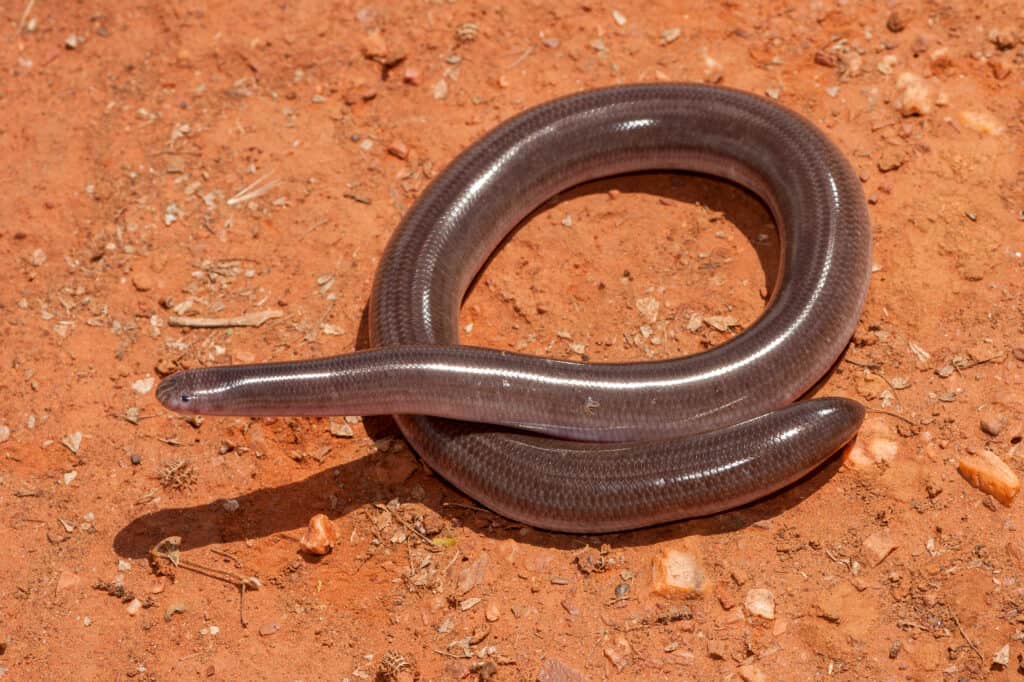
bimini blind snake

The smallest and most common snake in Jamaica. Blind snakes resemble earthworms and spend most of their time underground.

Jamaica does not have a high diversity of snakes. None of the species found on the island are venomous. Many of the snakes in Jamaica are threatened by habitat destruction, invasive species (like mongoose), and illegal poaching.

Snakes you can see in Jamaica:

  • Jamaican Boa/Yellow Snake: The largest snake in Jamaica. The Jamaican boa is nocturnal and mainly arboreal.
  • Blind Snake: The smallest and most common snake in Jamaica. Blind snakes resemble earthworms and spend most of their time underground.
  • Jamaican Dwarf Boa: There are several species of dwarf boa on the island, also called “Thunder Snakes”. These terrestrial snakes live in a variety of habitats.
  • Grass Snake: Sometimes called the water snake or garden snake, grass snakes are good swimmers and live near sources of freshwater.
  • Groundsnake: There are several species of ground snake in Jamaica, also called racers. The black racer is listed as critically endangered.
  • Eyespot Boa: Similar to dwarf boas, but are a bright orange color. These snakes are rarely seen.
  • Portland Ridge Dwarf Boa: These snakes are listed as critically endangered and are difficult to find. They are thought to only live in the Portland Ridge area of the island in dry rocky areas and caves.

The Flag of Jamaica
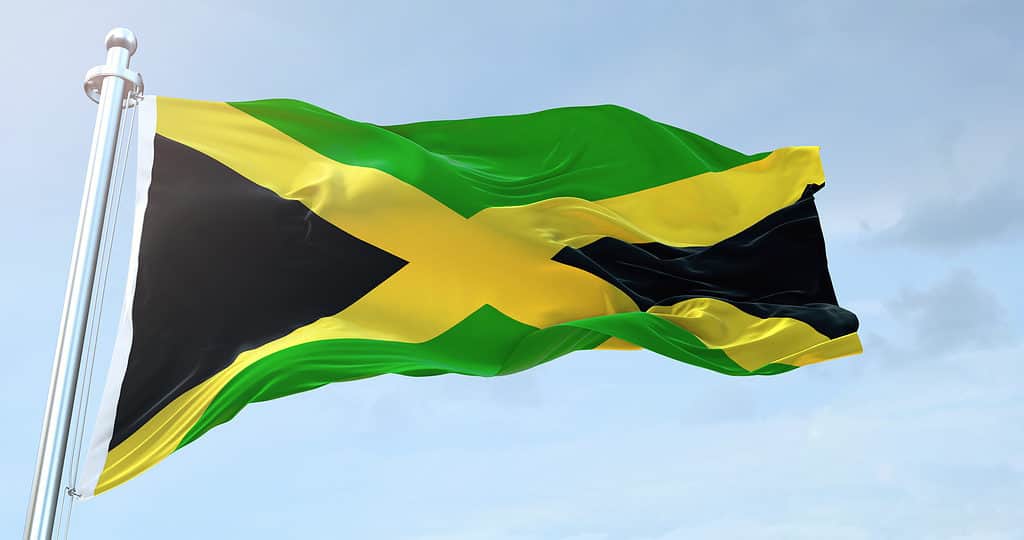
Flag of Jamaica waving in wind

Flag of Jamaica waving in the wind.

The flag of Jamaica is a bold and vibrant symbol of the island nation’s history and culture. The flag features a striking combination of black, green, and gold, with the black triangle on the left side of the flag representing the hardships faced by the Jamaican people, the green representing the lush vegetation of the island, and the gold representing the natural wealth and beauty of the land.

The flag was first introduced in 1962 when Jamaica gained independence from the United Kingdom. The design of the flag was created by a committee of Jamaican citizens, who wanted to create a flag that would symbolize the country’s history and its aspirations for the future.

The black triangle on the flag is meant to represent the hardships faced by the Jamaican people throughout their history, including slavery, colonialism, and oppression. The green represents the lush vegetation that covers the island, while the gold represents the natural wealth and beauty of the land, including the island’s sunshine, beaches, and other natural resources.

The flag of Jamaica symbolizes the country’s independence and represents its identity. The green color in its flag symbolizes hope as well as Jamaica’s agricultural resources. The color black depicts the strength and creativity of its people and gold represents the sun’s natural beauty and Jamaica’s wealth.

Vegetables Native to Jamaica

Ever heard of Acra? Or perhaps of the spicy Scotch Bonnet Peppers found in many delicious Caribbean meals? Jamaica has a host of amazing vegetables indigenous to its land.

Animals Found in Jamaica

151 species documented in our encyclopedia

Thank you for reading! Have some feedback for us?