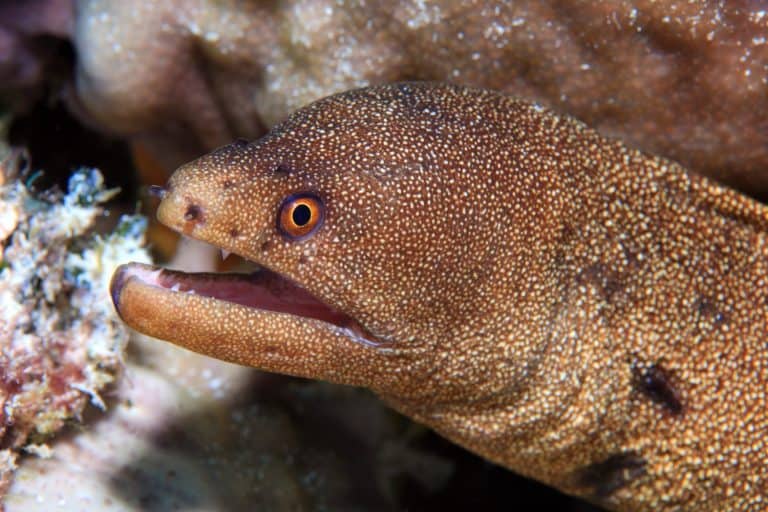
Banana Eel
Golden tail, midnight hunter

Golden tail, midnight hunter
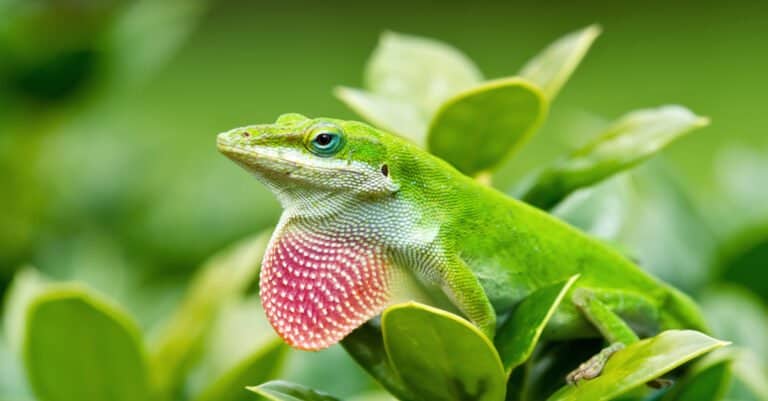
Dewlap drama in the treetops
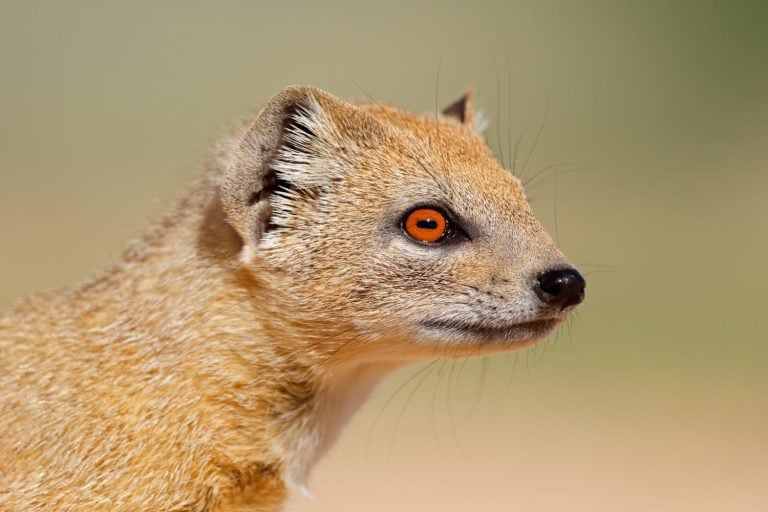
Small hunters, big attitudes
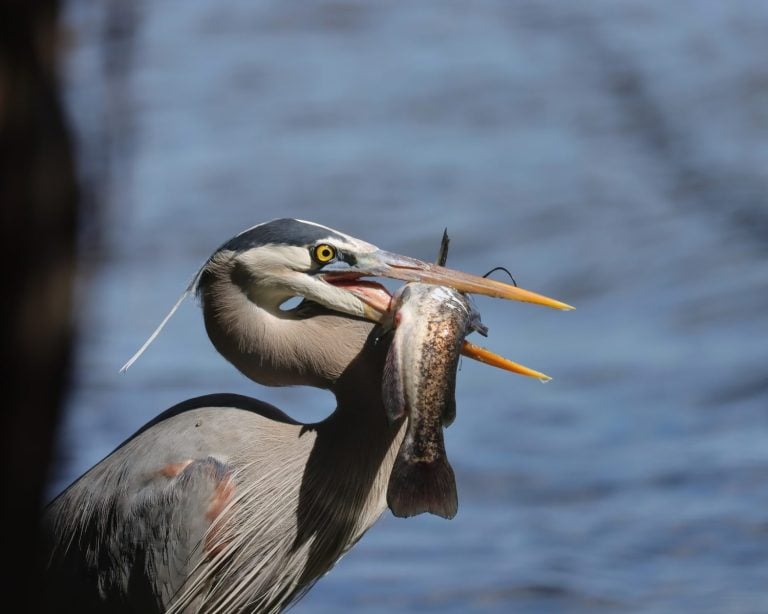
Stand still. Strike fast. Fly blue.
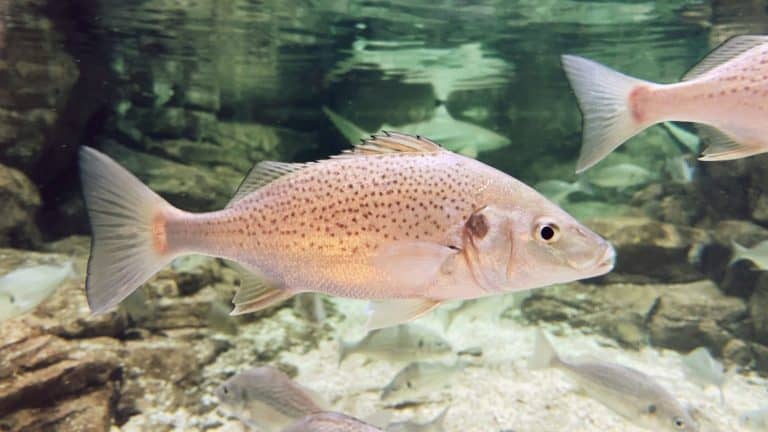
From mangroves to wrecks: built to hunt
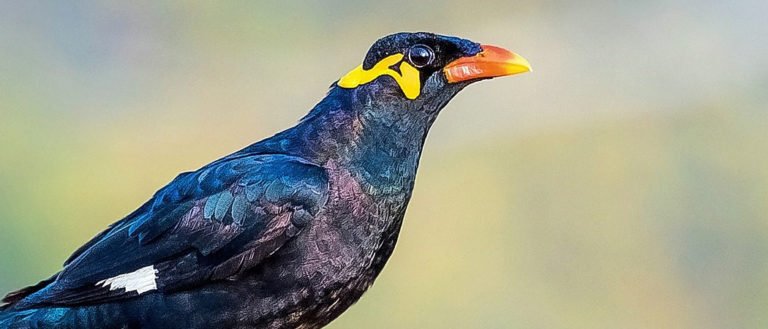
Bold, brainy, and brilliantly vocal
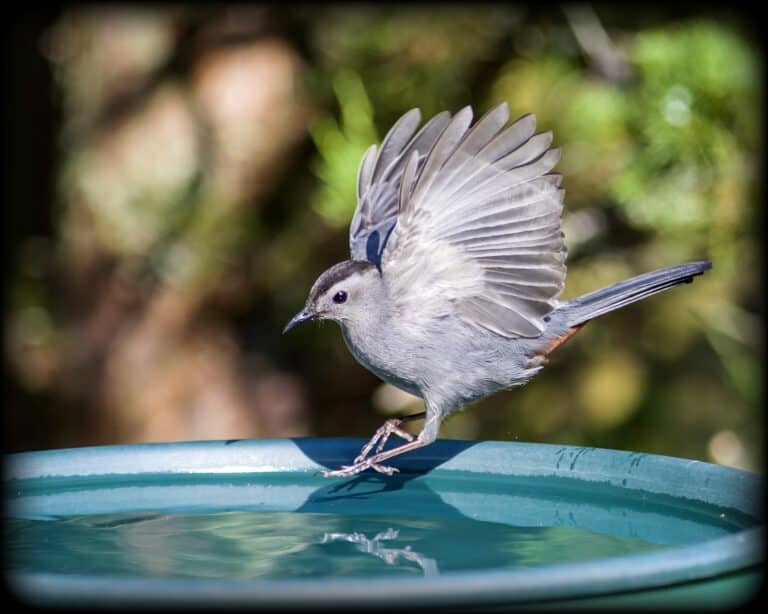
Mew, mimic, and melt into the thicket
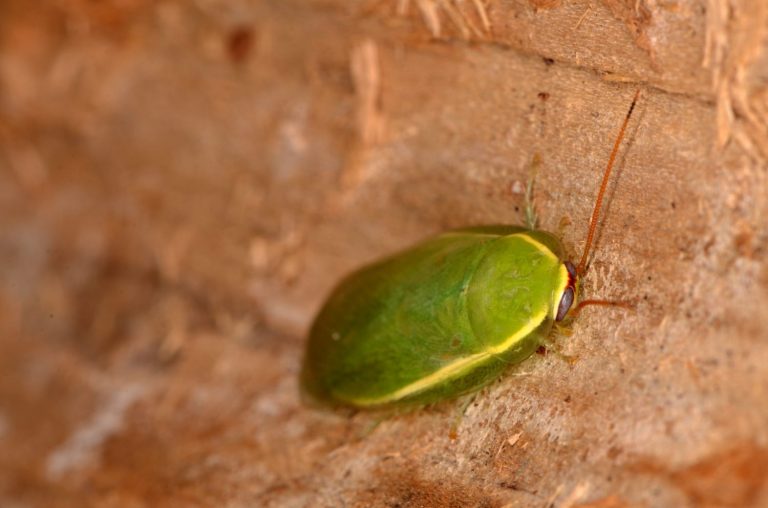
Green by day, gone by night
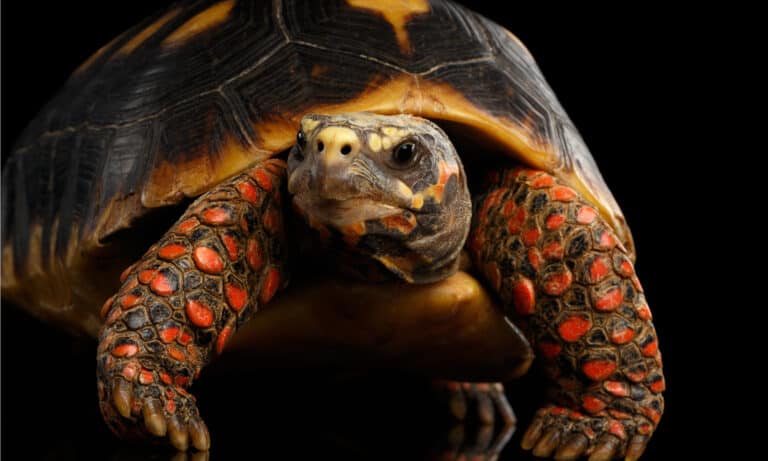
Red feet, rainforest traveler.
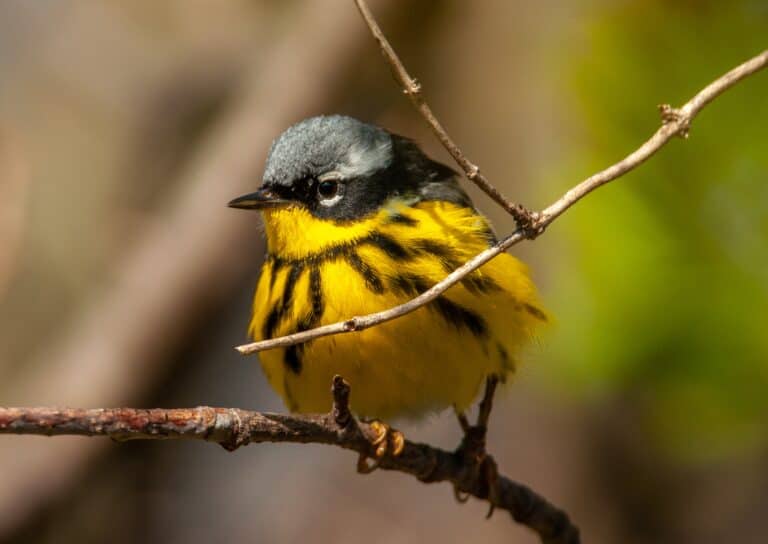
Tail-flash traveler of the boreal woods
Wildlife in the Cayman Islands is defined by the sea: three small islands surrounded by extensive coral reefs, seagrass meadows, and mangrove wetlands that act as nurseries for fish, feeding grounds for turtles, and coastal buffers during storms. While the land area is limited, it supports distinctive island biodiversity-most famously the endemic Grand Cayman blue iguana-showing how even small territories can hold globally significant species and conservation stories.
The reefs are the main attraction and a cornerstone of the islands' natural heritage, offering dramatic walls, coral gardens, and sandy lagoons where eagle rays, tarpon, and reef sharks may appear alongside schools of colorful reef fish. Seagrass beds and mangroves knit these habitats together, supporting food webs from juvenile fish to top predators and underpinning the health of the reef itself. These interconnected ecosystems make the Cayman Islands a microcosm of Caribbean coastal ecology-and a clear example of why protecting "blue" habitats matters for biodiversity and climate resilience.
In global conservation terms, the Cayman Islands play an outsized role in Caribbean marine stewardship through protected areas, species-focused recovery efforts, and community-driven ocean awareness tied closely to diving tourism. Visitors get a uniquely intimate wildlife experience: short travel times between sites, high underwater visibility, and easy access to both iconic encounters (like rays and turtles) and conservation successes on land and at sea-making it ideal for wildlife enthusiasts who want memorable sightings paired with a strong conservation narrative.
The Cayman Islands are three small, low-lying limestone islands whose wildlife is shaped by a strong land-sea connection: most biodiversity and ecosystem productivity is concentrated along the coast in coral reefs, seagrass beds, and mangrove wetlands. With no mountains and short, groundwater-fed drainage, terrestrial habitats are patchy and strongly influenced by soil depth, salt spray, and coastal flooding; this concentrates birds, reptiles, and endemic plants in remaining dry forest/woodland and wetland mosaics. Marine habitats (reefs, lagoons, mangroves, seagrass) drive the distribution of sea turtles, reef fish, rays, sharks, and coastal-nesting birds, making nearshore conservation especially critical.
The Cayman Islands (Grand Cayman, Cayman Brac, and Little Cayman) protect biodiversity through a mix of legally designated terrestrial protected areas (e.g., Nature Reserves, National Parks, and related categories under the National Conservation framework) and a well-established network of Marine Parks and no-take zones managed for coral reefs, mangroves, seagrass, and fisheries. Many key sites are co-managed or supported by the National Trust for the Cayman Islands and the Department of Environment, with strong emphasis on safeguarding endemic reptiles and globally important seabird colonies alongside world-class reef ecosystems.
Approximately ~10-15% of the Cayman Islands' land area is under some form of formal protection (estimate; totals vary by dataset and by whether private conservation lands and overlapping designations are counted). In addition, marine protected areas (marine parks, replenishment/no-take zones, and related coastal protections) cover a substantial portion of nearshore waters around all three islands, which is critical given the territory's reef- and seagrass-dependent biodiversity.
Internationally important seabird breeding habitat, supporting one of the Caribbean's largest red-footed booby colonies and strong numbers of frigatebirds; the surrounding wetlands and coastal habitats also support native reptiles and migratory birds.
A vast interior mangrove system that functions as a nursery and refuge for wetland birds and coastal fauna; it is one of the most important remaining mangrove wetlands in the western Caribbean and helps protect water quality for adjacent marine habitats.
Famed for steep wall reefs and exceptionally clear water, this site protects coral communities and supports high reef-fish biomass and frequent encounters with turtles, rays, and reef sharks-making it one of the region's premier marine conservation and diving areas.
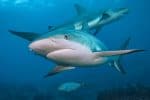
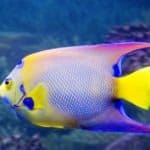
Protects fringing reefs, spur-and-groove formations, and reef slopes that sustain turtles, rays, and diverse reef fish; important for maintaining local fisheries through protected zones and habitat conservation.
One of the best remaining tracts of old-growth dry forest on Grand Cayman, notable for native woodland birds and bats and for conserving rare forest habitat that has largely disappeared elsewhere on the island.
A flagship conservation site for the endemic Cayman blue iguana, with managed habitats that support native wildlife and public-facing conservation, including captive breeding and releases tied to the Blue Iguana Recovery Programme.
Key habitat for the Cayman Brac parrot and associated dry forest fauna; protects breeding and foraging areas for one of the territory's most iconic land birds.
The Cayman Islands' wildlife experience is defined by clear-water marine ecosystems-fringing coral reefs, steep wall drop-offs, seagrass beds, and mangroves-that support high Caribbean biodiversity and excellent wildlife viewing while snorkeling and diving. Terrestrial diversity is comparatively modest due to the islands' small size and isolation, but it includes several endemics (notably reptiles and birds) and important coastal wetlands that attract migratory birds. Conservation and protected areas (including marine parks and no-take zones) make the islands notable for safeguarding reef fish, sea turtles, and spawning sites for key Caribbean species.
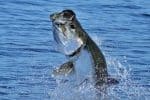
Wildlife tourism in the Cayman Islands is overwhelmingly marine-focused, built around world-class visibility, coral reefs, mangroves, and seagrass beds that support turtles, rays, reef fish, sharks, and seabirds. Diving, snorkeling, and boat-based nature trips are a major pillar of the visitor economy, with iconic sites (e.g., Stingray City and reef walls) drawing travelers specifically for wildlife encounters. Conservation has also become part of the tourism story: long-running sea turtle protection and marine park rules (no-touch/ no-take zones, mooring buoys, and responsible interaction guidelines) help keep reefs and megafauna accessible to visitors. Accessibility is straightforward-regular flights via Owen Roberts International (Grand Cayman) and Cayman Brac, short inter-island hops, excellent dive infrastructure, and calm, clear inshore waters that make wildlife viewing feasible for beginners as well as advanced divers. Most signature encounters are reachable in half-day trips from Grand Cayman, while Little Cayman and Cayman Brac offer quieter, more nature-forward experiences and dramatic wall diving.
For a tropical island group, the Cayman Islands have no native non-flying land mammals still living today-bats are the only extant native terrestrial mammals; an endemic hutia (Geocapromys caymanensis) was native to the islands but is now extinct, and other mammals (like rats and cats) arrived with humans.
The Cayman Islands have an endemic snake that many visitors never realize exists: the Cayman Islands dwarf boa (Tropidophis caymanensis), a small, secretive, harmless boa found nowhere else.
"Stingray City" isn't a natural reef phenomenon-it became famous because southern stingrays learned to congregate at a shallow sandbar after fishers historically cleaned catches nearby, creating a reliable food source that reshaped the rays' behavior.
The Grand Cayman blue iguana's vivid color is partly situational: individuals can look gray-brown much of the time and turn strikingly blue (especially males) during the breeding season-so "blue" is more a life-stage signal than a constant pigment.
All three of the Caribbean's best-known nesting sea turtles-green, hawksbill, and loggerhead-use Cayman beaches, meaning a very small land area supports nesting for multiple globally threatened marine species.
Little Cayman's Booby Pond Nature Reserve is the Cayman Islands' largest inland mangrove wetland and supports one of the Caribbean's largest red-footed booby breeding colonies (often cited at ~4,000 nesting pairs, plus frigatebirds).
The Grand Cayman blue iguana (Cyclura lewisi) is one of the world's rarest lizards-its wild population crashed to fewer than 25 individuals before intensive recovery efforts began, and conservation programs have since returned well over 1,000 iguanas to the wild.
Bloody Bay Wall (Little Cayman) is among the most dramatic reef drop-offs regularly reached by divers in the Caribbean: the wall starts in roughly 6-10 m of water and plunges to over about 1,800 m (around 6,000 ft), creating habitat for depth-zoned reef life (including deep-water sponges and black corals).
The Cayman Brac parrot (Amazona leucocephala hesterna) has an exceptionally tiny global range: the entire wild population is confined to Cayman Brac (about 38 km²), making it one of the most geographically restricted parrots on Earth.
The Cayman Islands established a territory-wide network of marine parks in 1986-an early, Caribbean-leading move toward modern marine protected areas, with long-standing no-take zones that safeguard reef fish, turtles, rays, and sharks.
22 species documented in our encyclopedia
Thank you for reading! Have some feedback for us?
We appreciate your help in improving our content.
Our editorial team will review your suggestions and make any necessary updates.
There was an error submitting your feedback. Please try again.