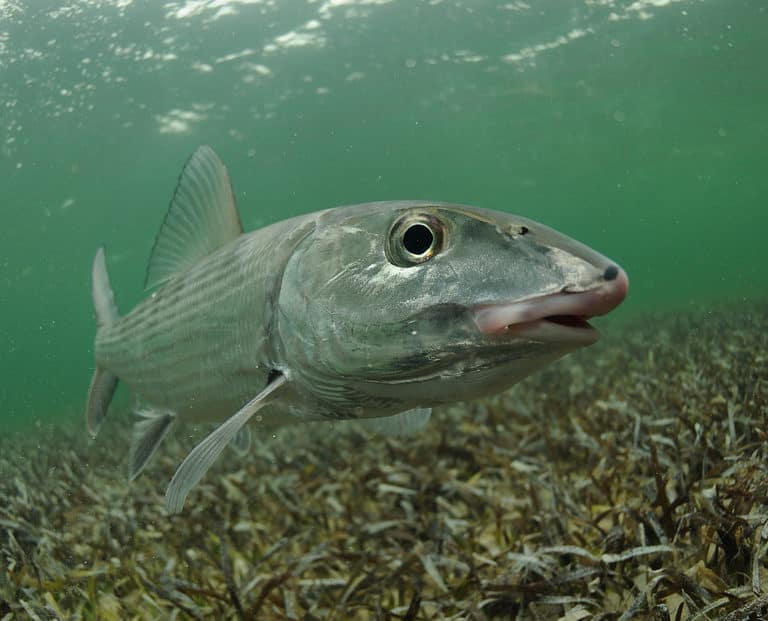
Bonefish
Grey ghost of the tidal flats

Despite its small size, Saint Martin (the French overseas collectivity on the island's northern half) packs a distinctly "island-edge" wildlife experience: salt ponds and lagoons alive with waders, mangrove fringes that shelter juvenile fish and crabs, and wind-swept offshore islets used by nesting seabirds. The island's natural heritage is defined by dry tropical vegetation, coastal wetlands, and a strong dependence on the health of the surrounding sea-meaning many of the most memorable sightings happen within a few meters of the shoreline or just offshore.
The flagship ecosystems are its coastal lagoons and mangroves (important nurseries and bird habitat) and the shallow reefs and seagrass beds that ring parts of the coast and nearby cays. These marine habitats support colorful reef fish, sponges, and corals, and provide feeding grounds for sea turtles and other marine life. Conservation is anchored by the Saint-Martin National Nature Reserve, which protects key marine zones, mangroves, and small islets-making the territory an important piece of the wider northeastern Caribbean network of protected areas. What makes Saint Martin unique for wildlife enthusiasts is how accessible it is: snorkeling, kayaking, and short boat rides can take you from calm mangrove channels to reef walls and seabird colonies, offering a high diversity of species and habitats in a very small, visitor-friendly destination.
Saint Martin (French Collectivity) occupies the northern half of a small, mountainous Caribbean island with extensive shoreline. Wildlife distribution is strongly shaped by (1) low elevation hills and ridgelines that hold the remaining native dry woodland/scrub, (2) coastal lagoons, salt ponds, and mangroves that provide critical habitat for waterbirds and nursery areas for fish, and (3) surrounding coral reefs, seagrass beds, and nearshore waters that support high marine biodiversity. Limited freshwater and heavy coastal development concentrate many terrestrial species into fragmented upland and scrub habitats, while wetlands and reefs act as key biodiversity hotspots for birds and marine life.
Saint Martin's protected-area network is small but strategically focused on coastal and marine biodiversity. The backbone is the National Nature Reserve of Saint Martin (a French national nature reserve), which safeguards key offshore islets, seabird nesting sites, sea turtle foraging areas, and coral and seagrass habitats. Additional protection is provided through coastal land stewardship (notably by the Coastal Conservatory) and local coastal and marine management rules that help conserve salt ponds, mangroves, dunes, and sensitive shoreline habitats.
**Approx. land under formal protection:** ~3% of the island's land area (order of magnitude), largely reflecting the reserve's relatively small terrestrial footprint on islets. **Marine protection is much more extensive**: the National Nature Reserve covers on the order of ~25-30 km² of coastal waters and reefs around the protected islets (figures vary by source/definition and zoning).
The territory's flagship protected area, created to conserve important seabird colonies, sea turtle habitats, and surrounding coral reef and seagrass ecosystems. It encompasses multiple offshore islets that function as key refuges from coastal development pressures.
Tintamarre is one of the most important wildlife sites in the collectivity, with beaches and nearshore waters used by sea turtles and surrounding waters that support reef fish and seabirds. Its relative isolation makes it a critical refuge for breeding and roosting birds.
Pinel's shallow waters and nearby mangrove and seagrass habitats make it a reliable area to observe coastal marine life and foraging seabirds. The mix of seagrass, sandy bottoms, and adjacent reef structure supports juvenile fish and turtles.
A small offshore cay notable for seabird use (resting and roosting) and surrounding reef habitat that contributes to local marine biodiversity. Its protected waters help maintain coral and reef-fish assemblages close to shore.
This cluster of islets and adjacent marine areas is important for nesting and roosting seabirds and as a buffer protecting nearby reef and seagrass habitats. It is among the best places in the territory where wildlife values are prioritized over intensive coastal use.
Coastal lagoon and wetland in the Lowlands area of Saint Martin, with mangrove edges and salt-pond habitat that supports waterbirds and provides nursery habitat for coastal biodiversity. The site is protected as part of the Saint Martin National Nature Reserve.
Saint Martin's wildlife is shaped by a small, dry tropical island landscape with extensive coasts, salt ponds, lagoons, and mangroves that concentrate birds, plus surrounding coral reefs and seagrass beds that support sea turtles, reef fish, and marine predators. Terrestrial mammals are limited (mostly bats and introduced species), so the on-land "signature" fauna is reptiles (notably iguanas and lizards) and wetland/coastal birds around sites such as Simpson Bay Lagoon, coastal ponds, and offshore islets (e.g., Tintamarre and Pinel).
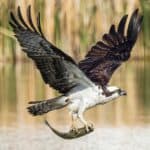
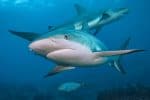
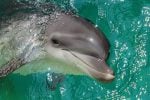
Saint Martin's wildlife tourism is centered on coastal lagoons, mangroves, seabird colonies, and the surrounding coral-reef seascape rather than large terrestrial mammals. Nature travel supports the island's broader tourism economy through guided boat trips, snorkeling/diving operators, birding guides, kayak/SUP rentals, and marine excursions to nearby islets. Conservation-focused areas (notably the Saint-Martin National Nature Reserve) have shaped modern ecotourism by protecting key habitats like reefs, seagrass beds, and nesting/roosting sites for seabirds. Accessibility is high: visitors typically arrive via Princess Juliana International Airport (SXM) on the Dutch side or regional ferries (e.g., from St. Barth, Anguilla), then reach wildlife sites quickly by car/taxi or on-water tours. The island's compact size makes it easy to combine multiple habitats in a short trip-mangrove paddling in the morning, reef snorkeling in the afternoon, and sunset birding around lagoons in the evening.
A major wildlife stronghold is mostly underwater: Saint Martin's national nature reserve is dominated by marine area (reef, seagrass and coastal waters), so the territory's flagship protected "park" is far more sea than land.
One lagoon, two countries, one ecosystem: Simpson Bay Lagoon is split by an international border, but fish nurseries, mangroves and birds ignore it-so conserving the lagoon's wildlife requires cross-border coordination between the French and Dutch sides.
The island's iconic iguanas have a conservation twist: Saint Martin is part of the native range of the Lesser Antillean iguana, but introduced green iguanas can hybridize and outcompete it-so seeing an iguana does not necessarily mean you are seeing the native species.
Some ponds can look unnaturally pink: Saint Martin's historic salt ponds can turn rosy when they become hypersaline, driven by salt-loving microbes and algae-an eye-catching chemical shift that can coincide with shorebird use of the ponds as feeding habitat.
Biggest wetland on the island: Simpson Bay Lagoon (shared with Sint Maarten) is the largest lagoon/wetland system on Saint Martin and is officially recognized as an Important Bird Area for its concentrations of waterbirds and shorebirds.
Largest protected area in the collectivity: the Saint Martin National Nature Reserve (created in 1998) protects thousands of hectares of coastal waters plus key offshore islets (notably Tintamarre, Pinel and Green Cay), making it the territory's biggest refuge for seabirds, reef life and sea turtles.
Largest uninhabited islet under Saint Martin's jurisdiction: Tintamarre Islet is the biggest offshore islet of the French collectivity and is one of its most important wildlife areas, with protected beaches used by nesting sea turtles and surrounding seagrass and reef habitats.
Most "edge" habitat for such a tiny place: because Saint Martin is small but ringed by lagoons, mangroves, beaches and reefs, it has an unusually high coastline-to-land ratio-meaning a large share of its nature is coastal/marine "edge" habitat where seabirds, juvenile fish and turtles concentrate.
1 species documented in our encyclopedia
Thank you for reading! Have some feedback for us?
We appreciate your help in improving our content.
Our editorial team will review your suggestions and make any necessary updates.
There was an error submitting your feedback. Please try again.