N S W E
Wildlife Expeditions

Wildlife of
Bonaire, Sint Eustatius and Saba

The Caribbean Netherlands is a standout wildlife destination for pristine, protected coral reefs and dramatic volcanic islands where world-class diving meets rare seabirds, nesting sea turtles, and surprisingly rich life in a small archipelago.
7 Species
322 km² Land Area
Overview

About Bonaire, Sint Eustatius and Saba

Across Bonaire, Sint Eustatius (Statia), and Saba, the wildlife character is defined by a rare mix of thriving marine biodiversity and compact, rugged island habitats shaped by trade winds, volcanoes, and clear tropical seas. Bonaire is internationally celebrated for its exceptionally accessible reef life-healthy coral communities, abundant reef fish, and frequent encounters with turtles and rays-supported by long-standing conservation and visitor stewardship. Statia and Saba add a wilder feel: steep coastlines, cloud-forest remnants at higher elevations, and offshore seamounts that attract pelagic species.

Key ecosystems include coral reefs and seagrass beds (critical nurseries and feeding grounds for green turtles), mangroves and salt flats (important for shorebirds and Caribbean flamingos), and the volcanic terrestrial landscapes of Saba and Statia that host endemic or near-endemic plants, reptiles, and breeding seabirds. Saba's Saba National Marine Park and St. Eustatius National Marine Park protect reefs, walls, and deep-water habitats where divers may spot sharks, eagle rays, and seasonal visitors like humpback whales. On land, protected areas such as Washington Slagbaai National Park (Bonaire) and the Quill/Boven complex (Statia) showcase dry forest, scrub, and cratered rainforest-like zones that support migratory songbirds, bats, and reptiles.

While it is not part of African conservation, the Caribbean Netherlands plays an outsized role in global island and marine conservation as part of the Kingdom of the Netherlands' protected-area network and the wider Caribbean biodiversity corridor. Strong park management, mooring systems that reduce anchor damage, invasive-species control, and ongoing reef monitoring make these islands an important living laboratory for coral-reef resilience and sustainable nature tourism. The wildlife experience is uniquely intimate: reefs begin steps from shore, night dives reveal octopus and tarpon hunts, and within a short drive or hike you can shift from flamingo-filled salt flats to volcanic summits and seabird cliffs.

Physical Features

Geography

Wildlife in the Caribbean Netherlands is strongly shaped by three small, isolated islands with very different topography: low, arid Bonaire versus the steep, volcanic, wetter islands of Saba and Sint Eustatius. This contrast creates a tight mosaic of habitats over short distances-xeric scrub and salt flats on Bonaire; dry-to-moist forests, crater and cloud-forest zones on Saba/Statia-while surrounding coral reefs, seagrass beds, mangroves, and steep island shelves concentrate marine biodiversity (reef fish, turtles, seabirds) and drive where species can feed, nest, and migrate between land and sea.

322 km² Land Area
About the size of Malta; if treated as a country, it would be among the world's very smallest by land area. Size Rank

Key Landscapes

  • Bonaire: low limestone terraces and coastal plains with extensive xeric scrub (cactus-thorn woodland), influencing drought-tolerant reptiles, birds, and bats
  • Bonaire: Pekelmeer salt flats/salterns and hypersaline lagoons-key for shorebirds and other wetland-associated fauna despite the arid climate
  • Bonaire: mangrove fringes and sheltered bays (e.g., Lac Bay) that act as nurseries for fish and invertebrates and provide bird habitat
  • Bonaire: fringing coral reefs and adjacent seagrass beds-core habitat for reef communities and foraging grounds for sea turtles
  • Saba: very steep volcanic island with strong elevation gradients culminating at Mount Scenery; rapid shifts from coastal dry scrub to humid upland vegetation
  • Saba: montane/cloud-forest conditions near the summit-important for moisture-dependent plants, invertebrates, and forest birds
  • Sint Eustatius: The Quill stratovolcano and crater (caldera) with more humid interior slopes supporting denser woodland/forest than surrounding lowlands
  • Sint Eustatius: northern hills and rugged coastline/cliffs-important for seabird nesting/roosting and coastal specialists
  • Narrow coastal shelves and deep surrounding waters (especially around Saba/Statia) supporting pelagic species and making nearshore waters important feeding zones for seabirds and large fish

Ecoregions

  • Terrestrial (WWF): Leeward Antilles xeric scrub (Bonaire)
  • Terrestrial (WWF): Lesser Antillean dry forests (lower elevations on Saba and Sint Eustatius, where conditions are drier)
  • Terrestrial (WWF): Lesser Antillean moist forests (wetter mid-upper elevations on Saba and parts of Sint Eustatius, including crater/upper slopes)
  • Marine (MEOW): Bonaire-Southern Caribbean ecoregion; Saba and Sint Eustatius-Lesser Antilles (Eastern Caribbean) ecoregion (coral reefs, seagrass beds, and mangroves structuring coastal biodiversity)
Parks & Reserves

Protected Areas

The Caribbean Netherlands (Bonaire, Sint Eustatius/Statia, and Saba) has a protected-areas system strongly centered on marine conservation: island-encircling national marine parks, the large offshore Saba Bank National Park, and a set of terrestrial national parks/reserves protecting dry forests, wetlands/salt pans, and Saba's cloud-forest habitats. Management is largely carried out by local conservation NGOs under Dutch nature policy (notably STINAPA Bonaire, Saba Conservation Foundation, and STENAPA).

Protected Coverage

Approximate terrestrial area under formal protection: ~30% (island parks and reserves cover a large share of Saba and substantial portions of Bonaire and Statia). Marine protection is exceptionally high: Bonaire's coastal waters are fully encompassed by a national marine park, and Saba/Statia also have dedicated marine parks plus the vast Saba Bank National Park offshore.

Notable Parks & Reserves

Bonaire National Marine Park

National Marine Park (MPA)

A reef-fringed marine protected area surrounding Bonaire and Klein Bonaire, globally known for high coral-reef biodiversity and relatively strong management for diving and snorkeling. It protects critical habitat for sea turtles, reef fish spawning areas, and coral communities.
Green sea turtle
Hawksbill sea turtle
Loggerhead sea turtle
Queen conch
Caribbean reef shark
Elkhorn coral
Stoplight parrotfish

Washington Slagbaai National Park (Bonaire)

National Park

Bonaire's flagship terrestrial park protects extensive dry forest, coastal cliffs, lagoons, and cacti landscapes that support important seabird roosts and endemic-rich island wildlife. It's also one of the best places on Bonaire to encounter land birds and reptiles away from developed areas.

Caribbean flamingo
Yellow-shouldered amazon (parrot)
Brown pelican
Magnificent frigatebird
Bare-eyed pigeon
Green iguana
Caribbean elaenia

Pekelmeer Flamingo Sanctuary (Bonaire)

Nature sanctuary / wetland protected area (often treated as a Ramsar-type priority wetland for waterbirds)

A hypersaline salt-pan and wetland complex that supports one of the Caribbean's most important breeding and foraging areas for flamingos, with large seasonal concentrations of waterbirds. Access is restricted in key zones to minimize disturbance to nesting and feeding birds.
Caribbean flamingo
Black-necked stilt
American oystercatcher
Ruddy turnstone
Ruddy turnstone
Least sandpiper
Snowy egret

Lac Bay, Bonaire

Ramsar Wetland (Wetland of International Importance) / protected wetland

A shallow bay with extensive mangroves and seagrass beds that functions as a nursery for reef fish and a feeding area for turtles and many coastal birds. It is one of the most important wetland habitats in the Dutch Caribbean.

Green sea turtle
Hawksbill sea turtle
Great egret
Great egret
Tricolored heron
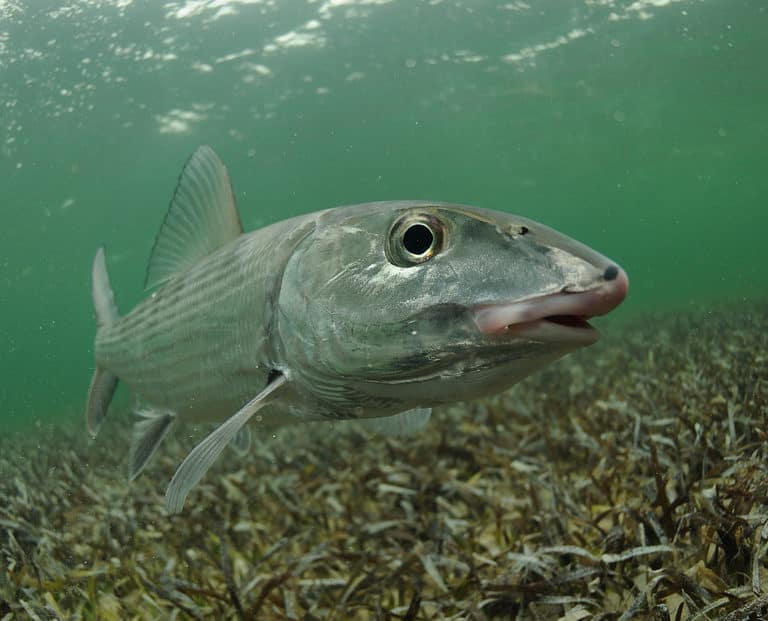
Tarpon
Tarpon
Schoolmaster snapper

Saba National Marine Park

National Marine Park (MPA)

Encircling Saba's steep volcanic island, this marine park protects dramatic wall reefs and seamount-influenced ecosystems with strong pelagic and reef diversity. It is notable for clear-water diving, healthy fish assemblages, and frequent encounters with sharks and turtles.

Hawksbill sea turtle
Green sea turtle
Caribbean reef shark
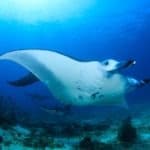
Spotted eagle ray
Creole wrasse
Black durgon

Saba Bank National Park

National Park (Marine protected area)

A vast offshore carbonate platform and one of the largest protected areas in the Kingdom of the Netherlands, safeguarding deep and shallow coral communities, sponge fields, and key habitat for wide-ranging pelagic species. It is a major regional stronghold for sharks, rays, and migratory marine megafauna.
Quill/Boven National Park (Sint Eustatius)

National Park

Protects two major volcanic landscapes-The Quill crater and the northern hills-covering habitats from dry scrub to humid crater forest. It is the best place on Statia for hiking-based wildlife observation, including native forests, bats, and key bird habitat.

Lesser Antillean iguana
Green-throated carib (hummingbird)
Antillean crested hummingbird
Zenaida dove
Bridled quail-dove
Red-legged thrush

St. Eustatius National Marine Park (Statia National Marine Park)

National Marine Park (MPA)

A well-known dive destination protecting reefs, wrecks, and a range of coastal marine habitats that support reef fish, sea turtles, and invertebrate communities. The park plays a key role in safeguarding Statia's nearshore biodiversity and fisheries nursery areas.
Hawksbill sea turtle
Green sea turtle
Southern stingray
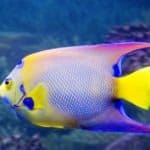
Queen angelfish
Queen angelfish
French grunt
Caribbean spiny lobster
Elkhorn coral
Animals

Wildlife

The Caribbean Netherlands (Bonaire, Sint Eustatius, and Saba) is defined by island-and-reef biodiversity: arid coastal scrub and saltpans on Bonaire, volcanic forests and steep coastal cliffs on Saba and Statia, and exceptionally important surrounding seas (Bonaire National Marine Park, Saba Marine Park, Saba Bank). Terrestrial wildlife is relatively species-poor compared with the marine realm, but the islands are outstanding for seabirds, migrant shorebirds, sea turtles, reef sharks, and a small set of distinctive island reptiles and birds that strongly shape the visitor experience.
Land mammals: ~10-15 native (mostly bats); marine mammals: ~15-25 whales/dolphins recorded around the islands and Saba Bank (seasonal/variable). Mammals
~200-250 species recorded across the three islands (many migrants); ~60-90 regular breeders including seabirds and coastal wetland species. Birds
~25-35 species including lizards, snakes, and 4-5 regularly occurring sea turtles (nesting mainly by green and hawksbill). Reptiles
Very few: typically ~1-3 recorded on the islands, mostly introduced/expanding Caribbean frogs; amphibians are not a major feature of the fauna. Amphibians

Iconic Species

American Flamingo Signature species of Bonaire; large flocks feed in the saltpans and lagoons, with Pekelmeer/Salt Works area supporting one of the Caribbean's most important breeding sites. Best viewed from roadside viewpoints near the southern saltpans (respecting closed breeding areas).
Yellow-shouldered Amazon (Yellow-shouldered Parrot) A conservation flagship on Bonaire, where protected habitat and anti-poaching work have supported a key population. Often seen/heard in Washington Slagbaai National Park and around protected roosting/feeding areas.
Green Sea Turtle Commonly encountered by divers/snorkelers in Bonaire's reefs and seagrass areas (e.g., Lac Bay) and around Saba/Statia; also an important nester on some beaches (including Klein Bonaire).
Hawksbill Sea Turtle A major draw for underwater visitors-frequently seen on coral-rich reef slopes and drop-offs; regionally important nesting occurs on select beaches in the islands (where protection and lighting management matter).
Magnificent Frigatebird Highly visible soaring seabird over coasts and harbors; good viewing along Bonaire's coastline and around Statia/Saba cliffs where seabird activity concentrates.
Brown Pelican Easy-to-see coastal icon across all three islands, often plunge-diving near shore and around piers; a hallmark of the islands' productive nearshore waters.
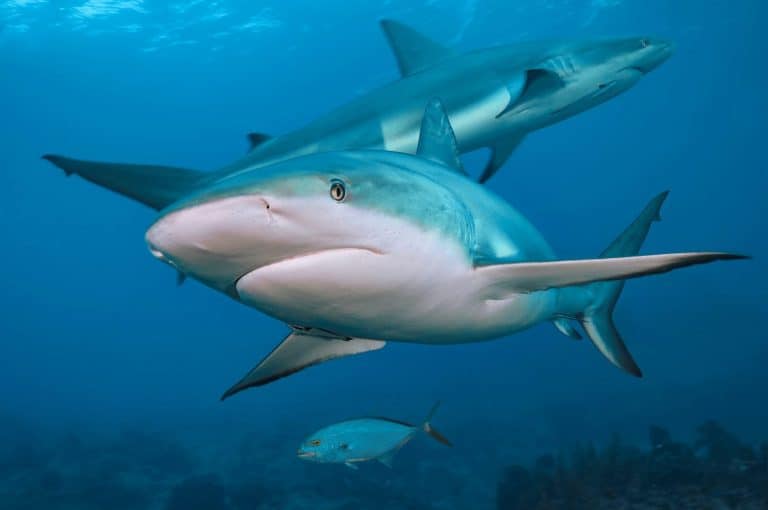
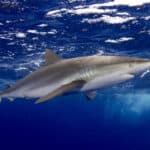
Caribbean Reef Shark
Caribbean Reef Shark An emblematic predator of healthier Caribbean reef systems; encounters are most associated with deeper reef sites and offshore structure, particularly around Saba/Saba Bank and occasionally around Bonaire/Statia marine parks.
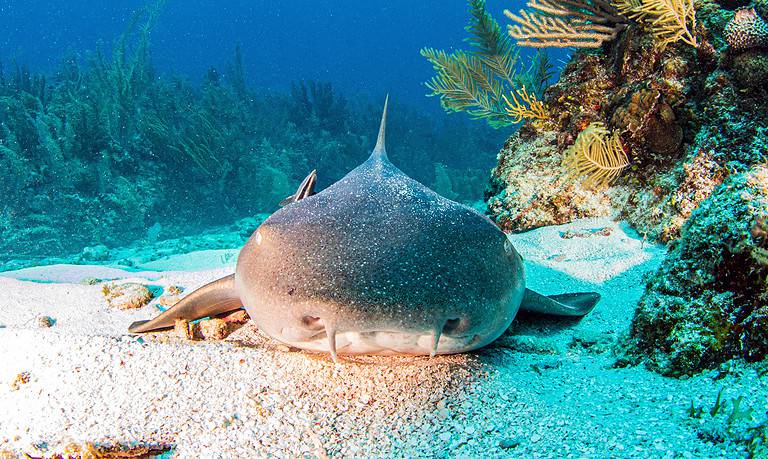
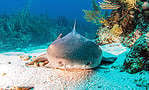
Nurse Shark
Nurse Shark Regularly encountered resting under ledges and on sandy areas by divers in protected marine park sites; a classic 'big animal' sighting on Bonaire and around Saba/Statia.
Humpback Whale
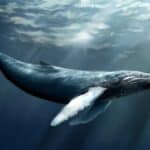
Humpback Whale Seasonal winter visitor in the wider northeastern Caribbean; sightings occur offshore-especially around Saba Bank and surrounding waters-during migration/breeding season (timing varies year to year).

Endemic Species

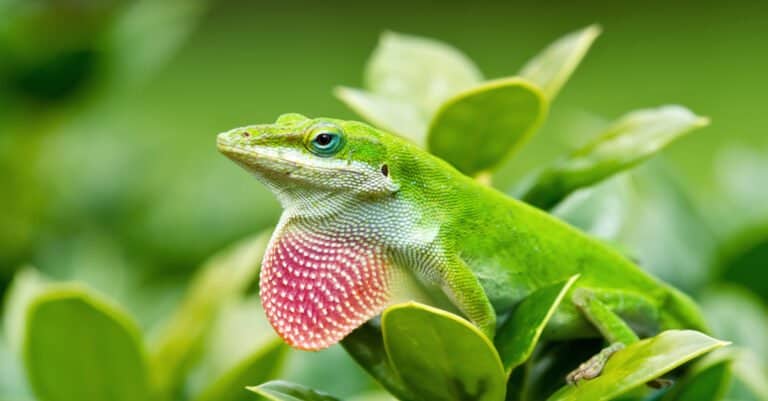
Saba Anole True island endemic restricted to Saba; a small, charismatic lizard found in gardens, forest edges, and higher-elevation habitats (including along hiking routes). Endemic
Red-bellied Racer (Saba/Statia Racer) A highly range-restricted snake native to Saba and Sint Eustatius, historically impacted by invasive predators and habitat pressures; a notable conservation-priority reptile for the Caribbean Netherlands. Endemic
Saba Black Iguana A distinctive melanistic iguana form occurring in very few places in the Lesser Antilles (notably Saba); threatened by hybridization and competition with invasive green iguanas and by habitat change. Endemic
Bonaire Anole Near-endemic lizard of Bonaire (and nearby islands in the southern Caribbean); commonly seen in dry scrub, gardens, and parklands and is part of Bonaire's characteristic arid-island fauna. Endemic
Bonaire Whiptail Near-endemic fast-moving ground lizard of the southern Caribbean (including Bonaire); frequently encountered in open dry habitats and along trails, forming a familiar part of the daytime wildlife scene. Endemic

Notable Populations

  • Bonaire supports one of the Caribbean's most important breeding areas for American flamingos (Pekelmeer/saltpans), making it a flagship wetland bird site in the region.
  • Bonaire holds a key conservation population of the Yellow-shouldered Amazon, a species with a limited global range and ongoing threats elsewhere (poaching, habitat loss).
  • Sea turtle nesting and foraging are regionally significant across the islands-especially green and hawksbill turtles-supported by protected beaches and extensive marine protected areas (including Klein Bonaire and the Saba/Statia marine parks).
  • Saba Bank (surrounding Saba) is one of the largest submerged carbonate platforms in the Atlantic and a major biodiversity stronghold for corals, reef fish, sharks, and migratory megafauna in the northeastern Caribbean.
  • The combined network of marine protected areas (Bonaire National Marine Park, Saba Marine Park, Statia National Marine Park) helps maintain some of the better-preserved reef and coastal ecosystems remaining in the wider Caribbean.
Protection

Conservation

Primary Threats

  • Warming seas drive coral bleaching and mortality, while ocean acidification reduces reef-building capacity-undermining the reef structure that protects coasts and supports fisheries and tourism. Stronger storms and shifting rainfall patterns increase sediment runoff pulses (especially on slopes affected by grazing) and physically damage reefs and coastal infrastructure. Sea-level rise threatens low-lying coastal habitats like mangroves and seagrass areas (e.g., Bonaire's Lac Bay) that are critical nurseries for fish and forage areas for turtles.
  • Land-based pollution includes inadequately treated sewage/wastewater, septic leakage, and stormwater runoff carrying nutrients and contaminants to reefs-fueling algal growth and reducing coral recovery. Solid waste and marine debris (plastics, fishing line, consumer trash) accumulate along shorelines due to ocean currents and local disposal challenges. On Bonaire and Statia, erosion from degraded lands can increase sedimentation on reefs, reducing light and smothering corals.
  • Fishing pressure (including on reef fish and nearshore species) can reduce key herbivores that keep algae in check, weakening reef resilience after bleaching events. Localized depletion can occur near accessible coastal areas and popular sites, while limited enforcement capacity and data constraints make it difficult to fine-tune harvest rules across islands. Bycatch risks affect sea turtles and other protected species in nearshore gear.
  • Marine invasive lionfish prey on juvenile reef fish, altering food webs and hampering reef recovery. Terrestrial invasives-especially free-roaming goats, donkeys, and/or cattle-overgraze vegetation, accelerating erosion and sediment delivery to reefs; on Bonaire this issue is closely tied to land degradation and coastal water quality. Feral cats and rats threaten seabirds and endemic reptiles, while invasive plants can outcompete native dry forest and shrubland species.
  • Coastal development for housing, tourism facilities, and shoreline infrastructure fragments or degrades critical habitats (mangroves, beaches, dune systems) and can reduce natural coastal buffering. On smaller islands with limited flat land (Saba and Statia), development pressure concentrates in narrow coastal zones, increasing cumulative impacts on adjacent marine habitats. Informal or incremental coastal modifications (small seawalls, beach grooming, land filling) can compound habitat degradation even where large-scale development is limited.
  • High visitation at popular dive and snorkel sites can cause direct reef damage (contact, fin kicks, trampling in shallows) and indirect impacts through boat traffic, noise, and shoreline crowding. Disturbance on nesting beaches can affect sea turtles through lighting, beach use, and nearshore activity. On Saba and Statia, hiking and trail use can erode steep slopes and disturb sensitive upland habitats if not well managed.
  • Ports, coastal roads, seawalls, and tourism-related facilities increase hardening of shorelines and can alter currents and sediment transport, affecting adjacent reefs and beaches. Expanding energy, water, and waste infrastructure is essential for people but can fragment terrestrial habitats and introduce new disturbance corridors, especially on the limited land area of Saba and Statia.
  • Historical and ongoing land-use changes-such as grazing-driven conversion of native vegetation to degraded scrub and increased fire risk-modify watershed function and increase erosion. Alteration of coastal wetlands (drainage, filling, restricted tidal exchange) reduces nursery habitat and water filtration services. Reef condition is further modified by shifts in ecological balance (loss of herbivores, algal dominance) that make the system less coral-driven.
  • Chronic pressure on limited freshwater resources can lead to greater reliance on desalination and infrastructure expansions with coastal footprints. Collection or removal of biological resources (e.g., ornamental organisms, shells) is generally regulated but can still occur at small scales and cumulatively affect local populations, particularly in accessible shallow habitats.
  • Coral diseases and syndromes (which can intensify with warmer waters and nutrient enrichment) contribute to coral loss and slow recovery after bleaching. Sea turtle health can be affected by degraded water quality and ingestion/entanglement associated with debris, while terrestrial wildlife can be impacted by pathogens spread via invasive mammals and domestic animals.
Visit

Wildlife Tourism

Wildlife tourism in the Caribbean Netherlands is strongly nature-and-water based, centered on world-class marine ecosystems (coral reefs, seagrass beds, and pelagic waters) and distinct island habitats (dry scrub on Bonaire; rainforest slopes and cloud-forest edges on Saba; volcanic slopes and marine reserves around Sint Eustatius). Economically, nature tourism-especially diving, snorkeling, and boating-forms a major share of visitor spending (guides, dive operators, boats, accommodations, restaurants), and it is closely tied to protected-area management and user fees that support conservation. Historically, Bonaire became an early Caribbean leader in reef protection (Bonaire National Marine Park established in 1979), helping build its reputation as a premier dive destination; Saba and St. Eustatius followed with strong marine protections and well-developed trail networks and dive sites. Accessibility is straightforward: Bonaire has the most frequent airlift and a large visitor services sector; Saba and St. Eustatius are more low-key and best for travelers seeking uncrowded trails, small-boat diving, and volcanic landscapes. Inter-island hops are possible but schedules can be limited, so planning around flight days and booking guides/boats in advance improves your chances of seeing signature wildlife (turtles, rays, reef fish, seabirds, dolphins/whales seasonally).

Best Time to Visit
  • Year-round wildlife destination, with seasonal highlights by month:
  • Jan-Mar: Peak season for pelagic encounters and "big-water" surprises (higher chance of humpback whale sightings in the broader NE Caribbean; occasional reports around Saba/Statia waters). Excellent visibility days for diving/snorkeling are common; seabirds are active.
  • Apr-Jun: Often calmer seas and great dive/snorkel conditions. Strong time for reef fish activity and macro life on reefs. Good hiking weather before summer heat peaks on Bonaire.
  • Jul-Oct: Sea turtle nesting and hatchling season is a key draw (loggerhead/green turtles regionally; exact timing varies by beach). Warm water, vibrant reef life; expect occasional storms and more variable sea conditions.
  • Nov-Dec: Transition into drier months; good underwater clarity returns. Migratory birds and seasonal seabird activity can pick up; hiking conditions improve. Practical timing tips:
  • For turtles: plan Jul-Oct and book a guided, low-impact night beach walk only where permitted.
  • For whales/dolphins: Jan-Mar gives your best odds (no guarantees; treat as bonus sightings).
  • For hiking + marine combo with fewer rain/storm disruptions: Feb-Jun and Nov-Dec are commonly favored.

Top Wildlife Experiences

  • Bonaire: Shore-entry snorkeling or diving on the fringing reef (self-guided with a local orientation or guided "reef naturalist" dive) to spot parrotfish, angelfish, moray eels, octopus, and healthy coral formations.
  • Bonaire: Kayak through the mangroves (guided) in Lac Bay area to look for juvenile reef fish nurseries, tarpon, and birdlife while learning how mangroves support the reef.
  • Bonaire: Windsurf-friendly Lac Bay + guided seagrass/lagoon wildlife paddle-watch for rays, turtles, and coastal birds from a distance in shallow waters.
  • Bonaire: Night dive or night snorkel (with a licensed operator) to see nocturnal reef life-octopus hunting, sleeping parrotfish, lobsters, and bioluminescent flashes.
  • Bonaire: Guided sea turtle-focused snorkel (conditions permitting) to look for greens and hawksbills feeding near reef edges; combine with reef-safe practices briefing.
  • Saba: Hike the Mount Scenery trail (guided or self-led for experienced hikers) to transition through changing vegetation zones; look for endemic/restricted-range birds and unique volcanic cloud-forest flora.
  • Saba: Dive or snorkel Saba Marine Park sites (operator-led boat dives) for dramatic drop-offs, sponges, turtles, and schooling fish; keep an eye out for dolphins on crossings.
  • Sint Eustatius: Volcano hike on The Quill (with a local guide recommended) including descent into the crater for lush forest habitat and birding in a striking volcanic setting.
  • Sint Eustatius: Reef and wreck diving/snorkeling (operator-led) to see coral communities, reef fish, and the chance of turtles and rays; combine with a "marine ecology" briefing to enhance sightings.
  • All islands (best from Saba/Statia due to deep water close to shore): Small-boat wildlife cruise or dive day with dedicated marine-mammal watch time-scan for dolphins and, seasonally, migrating whales.

Safari Types Available

  • Boat-based wildlife cruises (coastal and offshore) focused on dolphins/whales (seasonal) and seabirds
  • Scuba diving safaris (boat dives and shore diving, especially on Bonaire)
  • Snorkeling safaris (reef, lagoon, and guided turtle/reef-naturalist sessions)
  • Kayak and paddle safaris (mangroves, lagoons, and calm coastal zones)
  • Night wildlife experiences (night dives/snorkels; occasional guided turtle nesting walks where permitted)
  • Walking/hiking "land safaris" (volcano crater hikes on Statia; cloud-forest trails on Saba; dry-forest and coastal walks on Bonaire)
  • Birding-focused outings (coastal and upland, especially around wetlands/mangroves and forested slopes)
  • Underwater photography safaris (macro and wide-angle, often paired with buoyancy/reef-safe coaching)
Fun Facts

Did You Know?

Bonaire is largely semi-arid (think cacti and divi-divi trees), yet its coral reef starts just offshore-many sites are reachable by simply wading in from the beach, which is unusual for a Caribbean reef system.

Saba has essentially no natural sandy beaches-most shore access is via steep volcanic coastline-yet it's a renowned dive destination because the drop-offs and reefs begin close to shore.

Some of Bonaire's salt ponds can turn vivid pink due to salt-loving microorganisms (including Dunaliella algae and haloarchaea); the same briny food web helps support the island's flamingos.

On Sint Eustatius, you can hike into The Quill-a dormant volcano whose crater holds a surprisingly lush, sheltered forest-creating a 'rainforest-in-a-crater' effect on a relatively small, dry island.

The Caribbean Netherlands spans two far-apart island groups (Bonaire in the south near Venezuela; Saba and Sint Eustatius in the northeast Caribbean), meaning the same Dutch municipality includes habitats ranging from near-desert scrub to true cloud forest.

Saba's Mount Scenery (887 m / 2,910 ft) is the highest point in the entire Kingdom of the Netherlands-high enough to create a cool, misty cloud-forest habitat in the tropics.

Bonaire National Marine Park (est. 1979) is one of the world's oldest marine parks-and it protects essentially Bonaire's entire fringing-reef coastline (from the high-water mark down to 60 m depth).

Saba Bank-part of the Caribbean Netherlands' waters-is widely cited as the largest submerged atoll in the Atlantic Ocean, a major reef and fisheries habitat despite being mostly invisible from land.

Bonaire's Pekelmeer saltworks area hosts one of the Caribbean's few regular breeding colonies of American flamingos (Phoenicopterus ruber), making it one of the most important flamingo nursery sites in the region.

Thank you for reading! Have some feedback for us?