
Puerto Rico is a small Caribbean island and an unincorporated territory of the United States. It is in the southeast Caribbean Sea. Puerto Rico is part of the Greater Antilles chain of islands. It borders the Dominican Republic to the east, the Virgin Islands to the west, and the Atlantic Ocean to the north.
A popular tourist destination, Puerto Rico has mountain peaks, coastal areas, and acres of tropical rainforest. More than one-fourth of the island is covered in mountains and hills. Lush, humid rainforest areas cover the northern part of the island.
The southern side has dry, scrubby plains.
Puerto Rico is home to many exotic animal species. It has over 200 unique bird species. The island has no large native mammals, and its small mammals include bats and shrews. Although they are not native, mongooses also live in Puerto Rico.
The island has a high number of amphibians and reptiles, including nonpoisonous snakes, lizards, frogs, and iguanas.
The Official National Animal of Puerto Rico
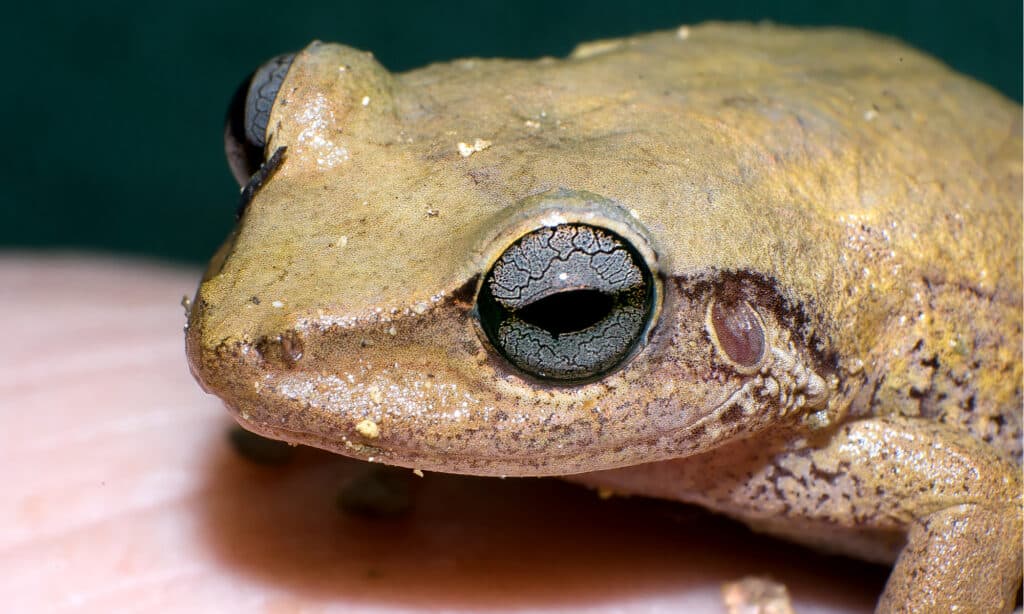
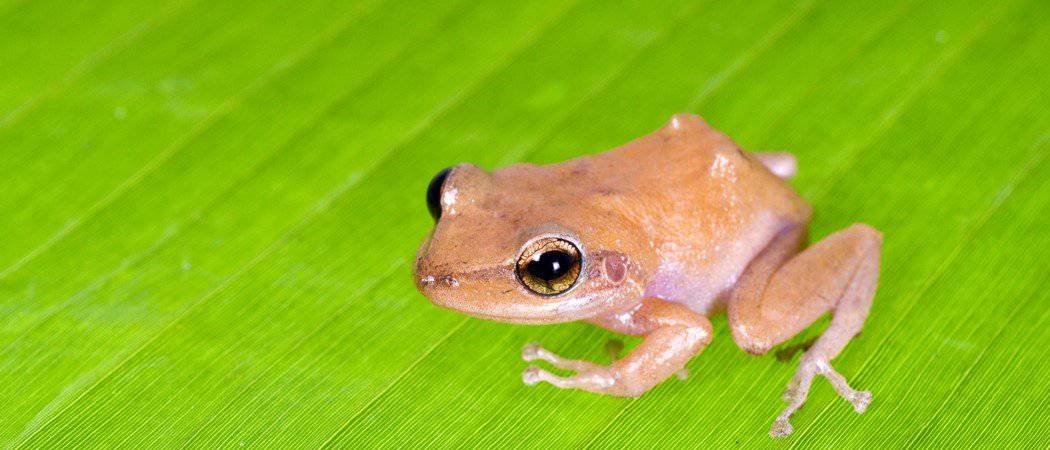
The coqui frog is the unofficial national animal of Puerto Rico.
©Jeremy A. Casado/Shutterstock.com
Puerto Rico does not have an official national animal, but the common coqui frog (Eleutherodactylus coqui) is an important cultural symbol and an unofficial national animal. There are 17 species of coqui, and 14 are endemic to Puerto Rico.
A popular saying on the island is, “De aqui como el coqui,” which translates to, “From here, like the coqui.”
The common coqui frog, also known as Eleutherodactylus coqui, is a small tree frog that is native to Puerto Rico. Despite its small size, this frog is known for its loud and distinctive call, which has made it a beloved symbol of the island.
The common coqui frog is a small frog, typically measuring less than 2 inches in length. It has a plump, round body and large eyes that are used to locate prey. The skin of the coqui frog is typically brown or gray with a mottled pattern, and it has small, sticky pads on its toes that allow it to climb trees and other surfaces.
The call of the common coqui frog is one of its most distinctive features. Males of the species make a loud, high-pitched call that sounds like “co-kee, co-kee.” The call is repeated rapidly, creating a distinctive and often deafening chorus. In fact, the coqui frog is known for being one of the loudest frogs in the world, with a call that can be heard up to half a mile away.
The Official Bird of Puerto Rico
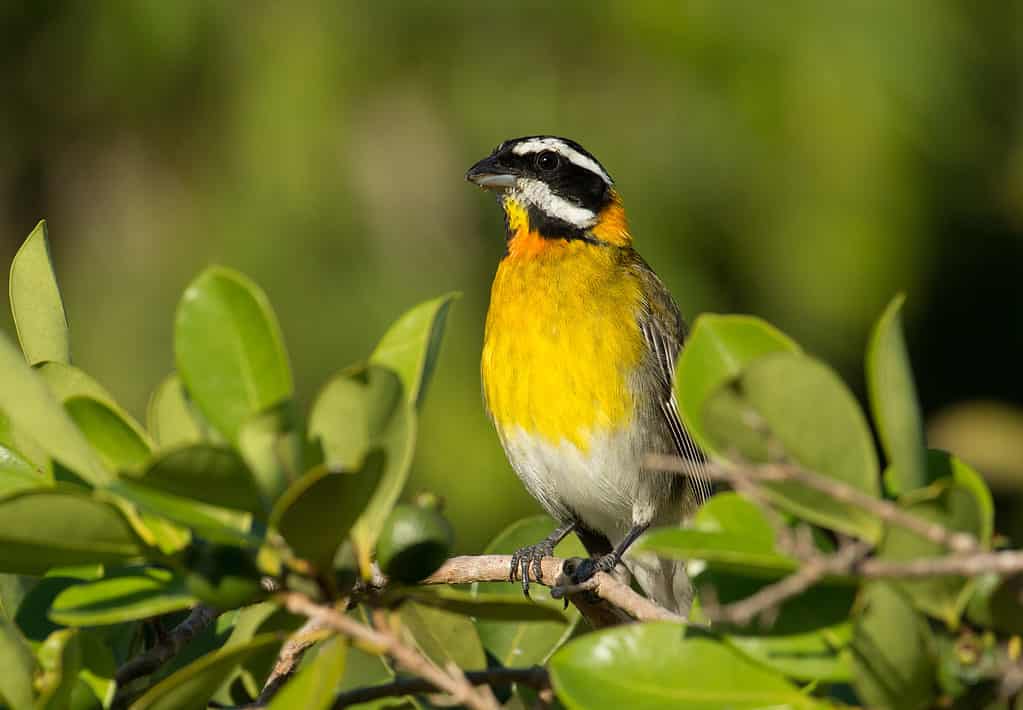
The official bird of Puerto Rico is the Puerto Rico Spindalis.
©Julio Salgado/Shutterstock.com
The official bird of Puerto Rico is the Puerto Rico Spindalis, also known as the striped-headed tanager. Easily recognized by its black and white stripes and bright yellow-orange chest, this songbird is a common sight throughout Puerto Rico.
The Puerto Rico Spindalis, also known as Spindalis portoricensis, is a colorful songbird that is endemic to Puerto Rico. It is a member of the tanager family and is one of the island’s most distinctive and recognizable bird species.
The Puerto Rico Spindalis is a small bird, typically measuring around 6 inches in length. It has a bright yellow breast and a black head, with a distinctive red band across the forehead. The wings are black and white, and the tail is black with white tips. The female is similar in appearance to the male but has a duller yellow breast.
The Puerto Rico Spindalis is primarily found in forested habitats, including both wet and dry forests. It is an omnivore, feeding on a variety of insects, fruits, and seeds. The bird is known for its distinctive song, which is a series of melodious, whistled notes that sound like “sweet-sweet-sweet, cher-cher-cher.” The song is often heard in the early morning and late afternoon, when the bird is most active.
The Largest Animals that Live in Puerto Rico
Puerto Rico is home to a number of large and impressive animals, both on land and in the water. Here are some of the largest animals that can be found in Puerto Rico:
- West Indian Manatee: The West Indian manatee is a large, herbivorous marine mammal that can grow up to 13 feet in length and weigh over 1,000 pounds. These gentle giants are found in the waters surrounding Puerto Rico and are listed as an endangered species.
- Humpback Whale: Humpback whales are a common sight in the waters off the coast of Puerto Rico, particularly during the winter months when they migrate to the area to breed and give birth. These massive creatures can grow up to 50 feet in length and weigh up to 40 tons.
- Leatherback Sea Turtle: The leatherback sea turtle is the largest of all sea turtles and can be found in the waters around Puerto Rico. These turtles can grow up to 7 feet in length and weigh up to 2,000 pounds.
- Puerto Rican Boa: The Puerto Rican boa is a large, non-venomous snake that can grow up to 6 feet in length. While not as big as some of the other animals on this list, the boa is still an impressive sight and an important part of Puerto Rico’s natural heritage.
These are just a few examples of the largest animals that can be found in Puerto Rico.
With its diverse array of habitats and ecosystems, the island is home to a wide variety of fascinating and impressive creatures that are well worth seeking out and observing in their natural habitats.
Rarest Animals in Puerto Rico
Puerto Rico is a tropical paradise with a rich variety of wildlife, from colorful birds to majestic sea turtles. Unfortunately, many of these species are threatened or endangered due to habitat loss, pollution, and other human activities.
Let’s take a closer look at some of the rarest animals in Puerto Rico:
- Puerto Rican Parrot: The Puerto Rican parrot, also known as the iguaca, is the only native parrot species in Puerto Rico. It’s also one of the rarest parrot species in the world, with a population of fewer than 200 individuals. The main threats to the parrot’s survival are habitat loss and predation by non-native species, such as rats and mongooses.
- Leatherback Sea Turtle: The leatherback sea turtle is the largest of all sea turtle species and is found in oceans all around the world. In Puerto Rico, the leatherback sea turtle is one of the rarest sea turtle species, with a declining population due to habitat loss and hunting. Conservation efforts are being made to protect the turtles and their nesting sites on Puerto Rican beaches.
- Mona Island Iguana: The Mona Island iguana is a critically endangered species of iguana that’s found only on Mona Island, off the west coast of Puerto Rico. The iguanas are threatened by habitat loss and predation by non-native species, such as feral cats and goats. There are believed to be fewer than 500 individuals left in the wild.
- Puerto Rican Boa: The Puerto Rican boa is a species of boa constrictor that’s found only in Puerto Rico. It’s listed as a threatened species due to habitat loss and over-collection for the pet trade. The boa plays an important ecological role in controlling populations of rats and mice in its natural habitat.
- Giant Anole: The giant anole, also known as the Puerto Rican giant anole, is a large species of lizard that’s found only in Puerto Rico. It’s listed as a threatened species due to habitat loss and predation by non-native species, such as feral cats and mongooses. The giant anole is an important part of the ecosystem, feeding on insects and other small animals.
In conclusion, Puerto Rico is home to some of the rarest animals in the world, with many species facing significant threats to their survival.
Where To Find the Top Wild Animals in Puerto Rico
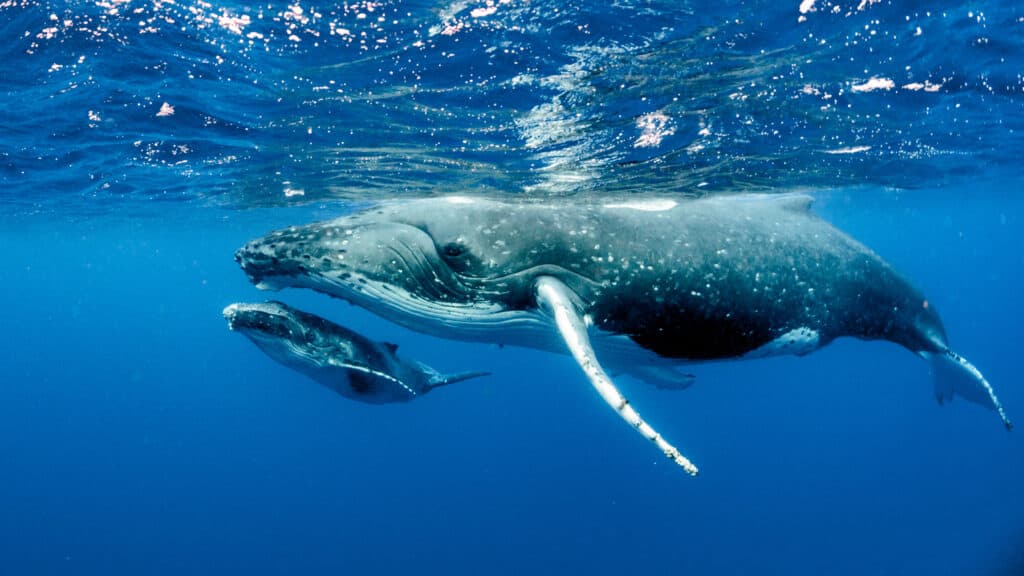
The waters surrounding Puerto Rico are important breeding areas for humpback whales.
©Imagine Earth Photography/Shutterstock.com
The waters surrounding Puerto Rico are important breeding areas for humpback whales. Whale watching is a popular activity in Puerto Rico.
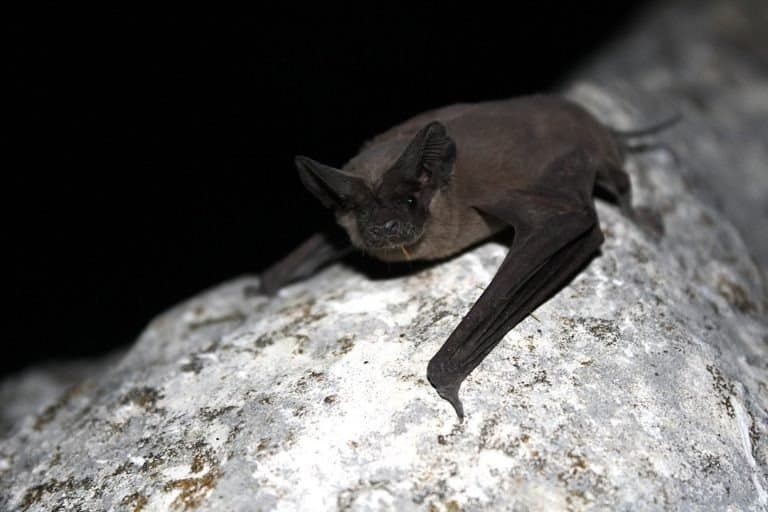
- The Caribbean National Forest is a wonderful place to see many of the island’s exotic bat species, including the red fig-eating bat (Stenoderma rufum), sooty mustached bat (Pteronotus quadridens), big brown bat (Eptesicus fuscus), and Mexican free-tailed bat (Tadarida brasiliensis). It is a protected area where you can see rare species of orchids and the small green Puerto Rican parrot.
- Bosque Cambalache National Park is a large forest reserve that’s popular among bird watchers. Birders can spot exotic native species like the Puerto Rican Woodpecker, Puerto Rican bullfinch, and Puerto Rican cuckoo.
- Cabo Rojo Wildlife Refuge is part of the Western Hemisphere Shorebird Reserve Network. It is an excellent place to see gulls, herons, and other waterfowl.
- Scuba diving and snorkeling are popular activities on Vieques Island and Culebra Island. The clear waters are filled with exotic fish, manta rays, sea turtles, and humpback whales. These islands are protected areas with healthy coral reef formations.
The Most Dangerous Animals in Puerto Rico Today
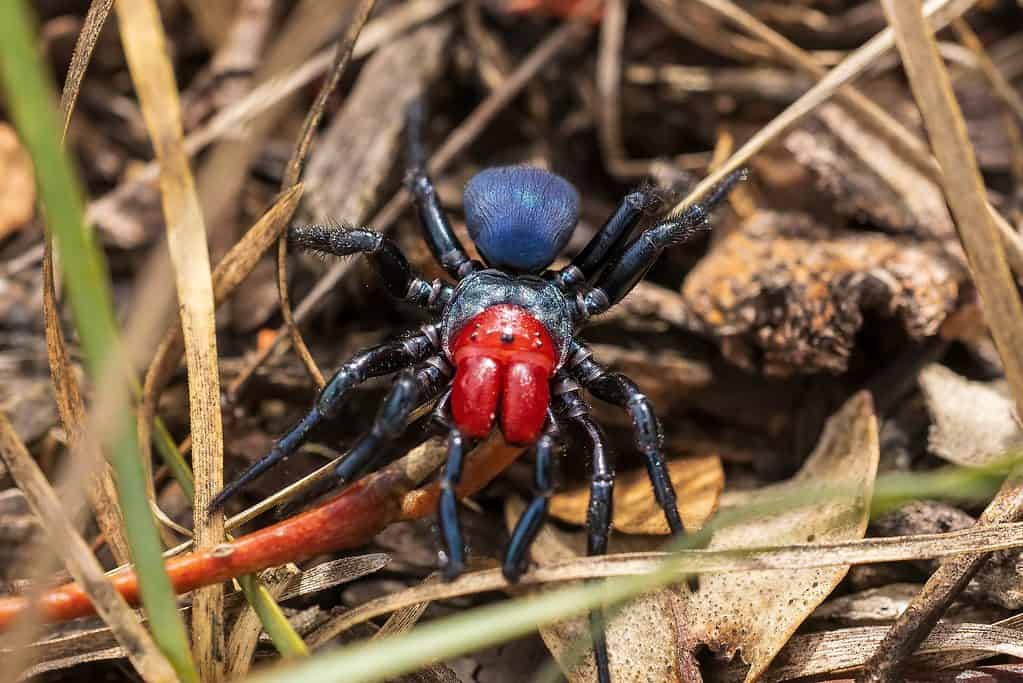
Close-up of a male red-headed mouse spider (Missulena occatoria).
©Wright Out There/Shutterstock.com
While Puerto Rico is generally a safe place for tourists and locals alike, there are a few animals that can be dangerous if encountered. One of the most notable is the Puerto Rican boa, a non-venomous snake that can grow up to 6 feet in length.
While the snake is not aggressive and typically avoids contact with humans, it can deliver a painful bite if provoked. Another potentially dangerous animal is the tarantula, which is found in forests and other wooded areas. While tarantulas are not generally aggressive towards humans, their bite can cause pain and swelling.
Another animal that can be dangerous in Puerto Rico is the Caribbean reef shark, which is found in the waters surrounding the island. While the shark is not typically aggressive towards humans, it can be dangerous if provoked or cornered.
Here are a few honorable mentionable:
- Giant centipede: This brightly colored insect can reach 12 inches in length. Its bite is extremely painful. It’s rare to come across them unless you’re hiking in the rainforest. The giant centipede’s venom is not fatal, but it will make you very sick.
- Spiders and scorpions: Like most islands, Puerto Rico has a high number of spiders, including the brown recluse. It also has a healthy population of scorpions. Scorpions won’t kill you, but their bite is painful.
Extinct and Endangered Animals in Puerto Rico
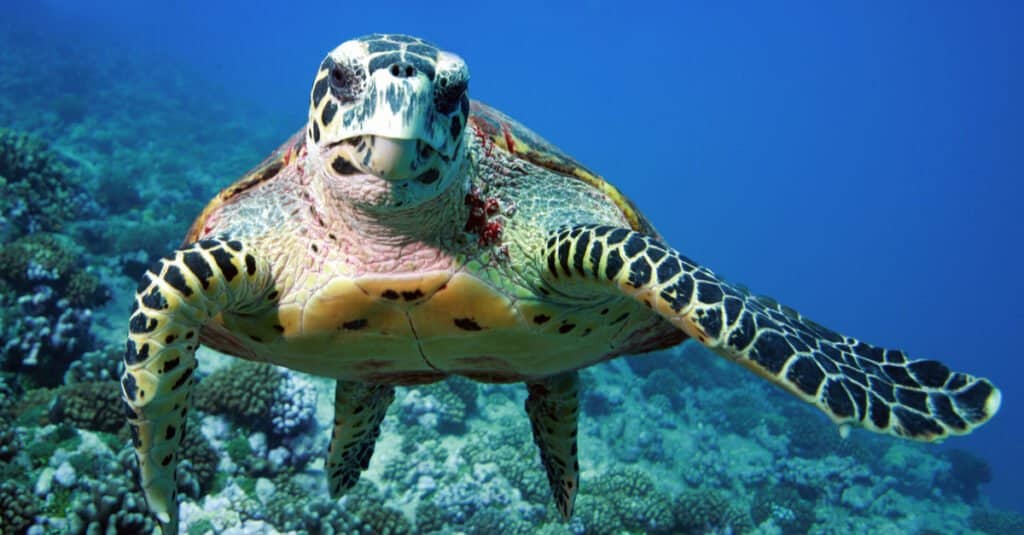
Though some reptiles give birth to live young, most lay eggs.
©Achimdiver/Shutterstock.com
Puerto Rico is home to a number of unique animal species, many of which are threatened by habitat loss, pollution, and other factors. Some species have already gone extinct, while others are considered endangered and are in danger of disappearing in the near future.
One of the most notable extinct animals from Puerto Rico is the Puerto Rican ground sloth, a large herbivore that lived on the island until around 4,000 years ago. The sloth was about the size of a black bear and weighed up to 300 pounds. Other extinct species include the Puerto Rican cave rat and the Puerto Rican ameiva, a type of lizard.
Today, many animals in Puerto Rico are considered endangered, including the Puerto Rican parrot, which is one of the most endangered birds in the world. The parrot is a bright green bird with a distinctive blue forehead and red feathers under its wings.
Habitat loss, hunting, and the introduction of non-native species have all contributed to its decline. Additionally, here are a few endangered animals:
- Puerto Rican parrot: This rare bird is one of the 10 most endangered birds in the world. It is a small parrot that almost became extinct in 1975. Since then, conservation efforts have helped preserve this unique bird.
- Sea turtles: The hawksbill turtle and leatherback sea turtle are native to Puerto Rico. Both species are in danger of becoming extinct.
Several native species have become extinct in Puerto Rico. Conservation groups and the Puerto Rican government have taken steps to reverse population declines among its most endangered animals.
Puerto Rico’s Unique Wildlife
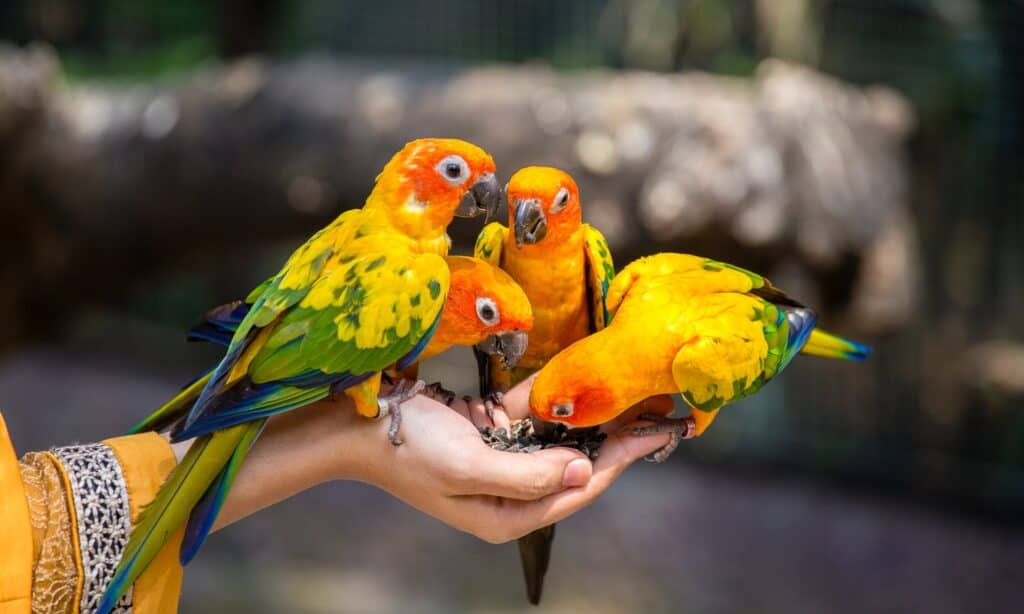
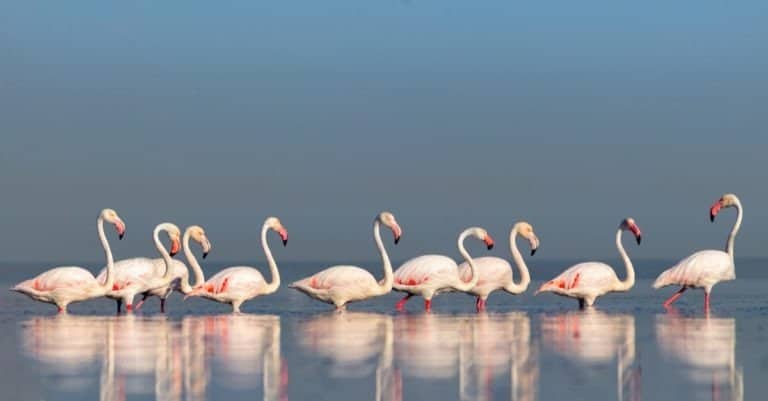
These species are very social, living in flocks of at least 20 or more. They use their large numbers to protect them from predators as they forage on the ground.
©iStock.com/intek1
Puerto Rico’s unique location and ecology have given rise to a diverse array of plant and animal life that cannot be found anywhere else in the world. The island’s wildlife includes a variety of endemic species, which are found only in Puerto Rico and a few nearby islands.
Other unique animals include the Puerto Rican parrot, the Puerto Rican boa, and the Puerto Rican broad-winged hawk, all of which are found only in Puerto Rico and a few nearby islands.
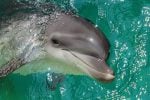
Puerto Rico is also home to a variety of marine life, including coral reefs, sea turtles, and dolphins. The island’s coastal areas and offshore waters provide important habitats for a variety of fish and other marine creatures, including the endangered hawksbill turtle and the Caribbean reef shark.
It is a small island with many exotic species. Its clear waters are home to sea turtles, manatees, and manta rays. Small mammals, snakes, and bats share the forests with iguanas and frogs. Wildlife and bird tours are popular activities for visitors to the island.
You can also read:
- the best dog parks in San Juan, Puerto Rico.
Furthermore: native trees in Puerto Rico:
Puerto Rico has tons of beautiful native trees embellishing its land. From well-known palms to rare guavas, it’s a popular destination for tree lovers!