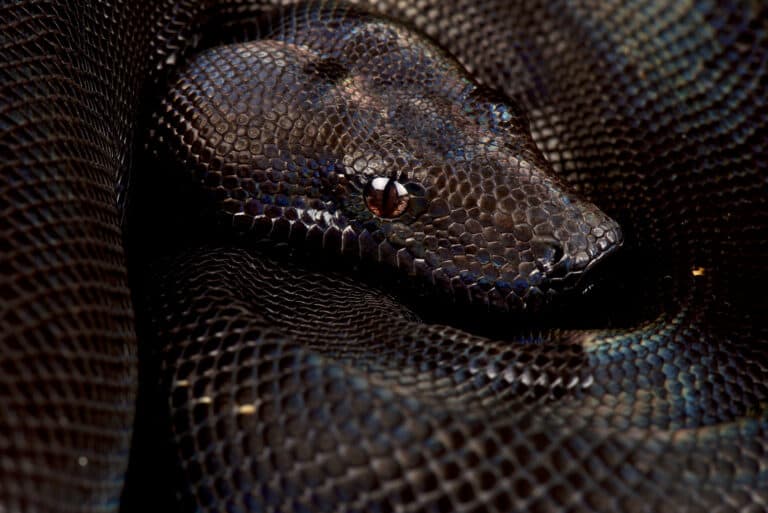
IMG Boa Constrictor
Powerful hug, no venom needed.

Powerful hug, no venom needed.
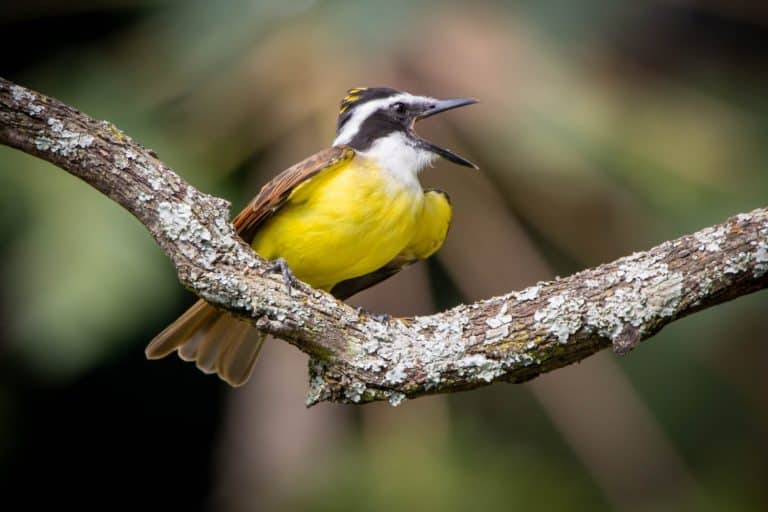
Hear it before you see it: Kiskadee!
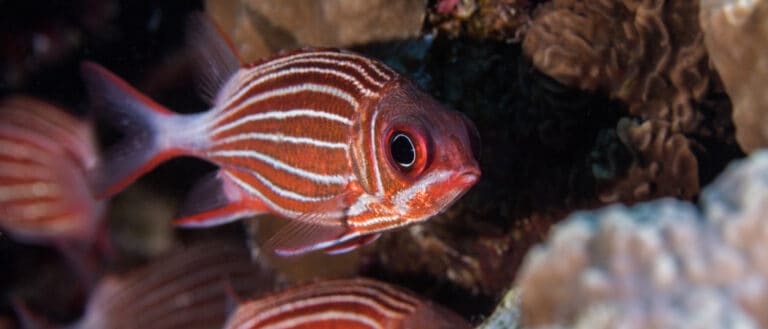
Big eyes, night bites, reef grunts.
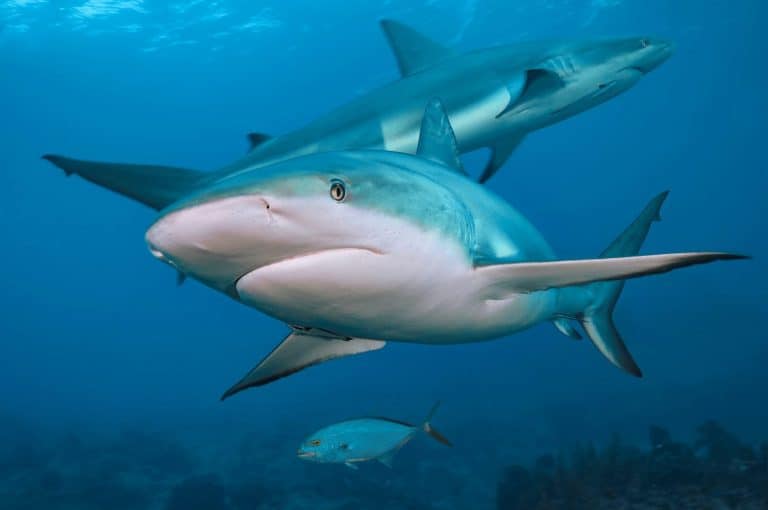
The reef's resident requiem shark
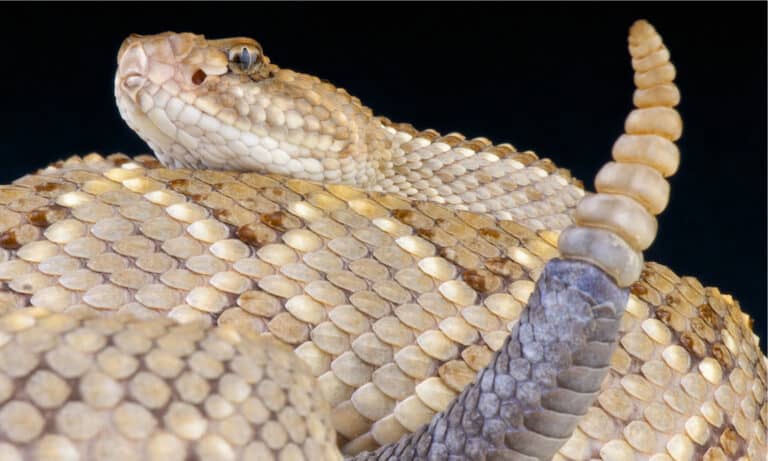
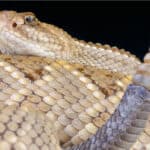
Aruba's arid-island rattler
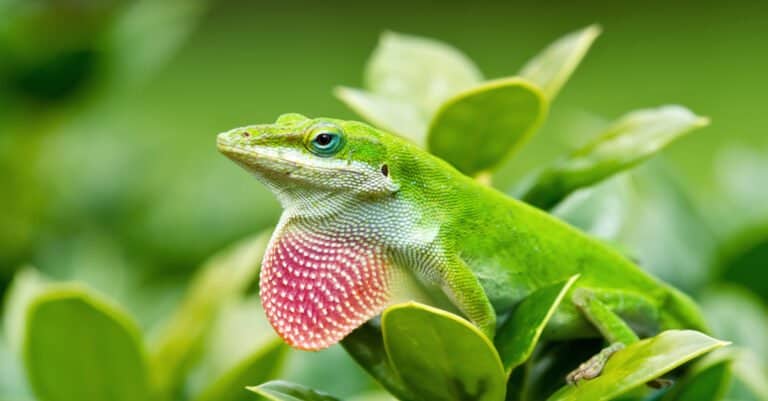
Dewlap drama in the treetops
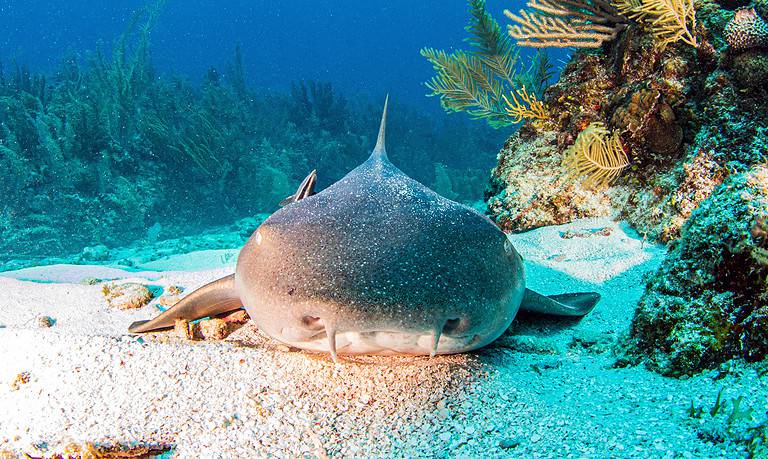
The reef's gentle vacuum hunter
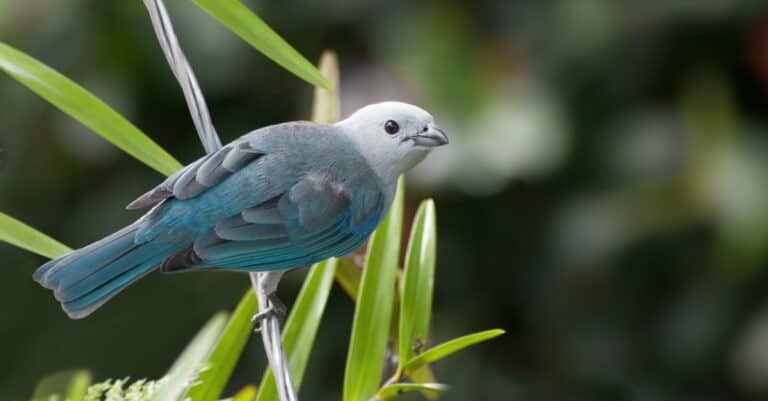
Blue bishop of the backyard edges
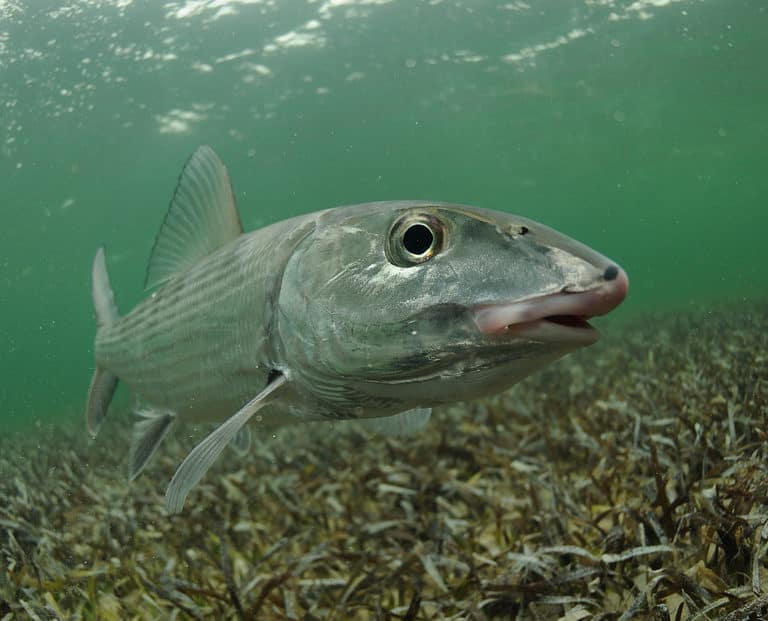
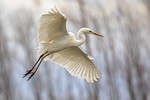
Grey ghost of the tidal flats
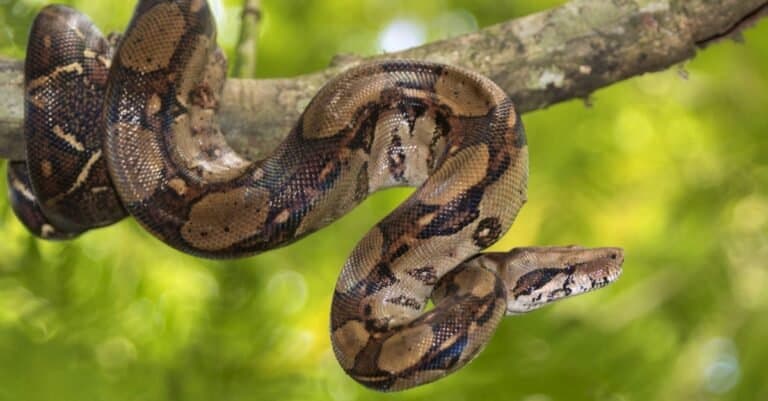
Quiet coils, powerful control
Aruba's wildlife character is defined by contrasts: a sun-baked, semi-desert interior of thorny scrub, divi-divi trees, and towering cacti, paired with clear Caribbean waters rich in marine life. While the island is better known for beaches, its natural heritage shines in hardy native plants and adaptable island wildlife, along with a strong sense of place shaped by constant trade winds and a dry climate uncommon in the Caribbean. Terrestrial wildlife is subtler than on larger tropical islands, but patient visitors can appreciate Aruba's distinctive "desert island" ecology and the specialized species that thrive in it.
Key ecosystems include the arid scrublands and rocky hills of Arikok National Park, which protect much of Aruba's remaining native habitat and dramatic coastal limestone formations. Offshore, coral reefs, seagrass beds, and nearshore lagoons provide essential nursery and feeding areas for reef fish and invertebrates, while beaches and coastal waters are closely associated with sea turtles. These marine habitats are the engine of Aruba's biodiversity: they support snorkeling and diving encounters with colorful reef communities, and they play a broader regional role in sustaining migratory and wide-ranging species that move through the southern Caribbean.
In terms of conservation, Aruba's importance is primarily regional and global in a marine context-through the protection and stewardship of reefs, turtle habitats, and coastal ecosystems that face worldwide pressures from warming seas, coastal development, and invasive species. The wildlife experience here is uniquely accessible: you can pair easy reef exploration (often just a short swim from shore) with same-day hikes through cactus-studded landscapes, sea cliffs, and hidden coves-offering a compact, high-contrast nature itinerary that feels very different from rainforest Caribbean destinations.
Aruba's small size and arid, trade-wind-driven climate concentrate terrestrial wildlife into drought-tolerant habitats (dry scrub, thorn woodland, and cactus communities) with many species tied to limited freshwater and shaded rocky areas. Coastal geomorphology creates strong habitat contrasts: sheltered, sandy leeward beaches support nesting/foraging for sea turtles and shorebirds, while the windward side's rocky shorelines, cliffs, and high-energy surf limit beach habitat but support different intertidal communities. Surrounding warm, clear waters and reef-fringed areas underpin marine biodiversity (reef fish, corals, seagrass-associated fauna), while mangroves/saline lagoons provide critical nursery and bird habitat where present.
Aruba's protected-area network is small but highly strategic: a single large terrestrial park (Arikok) safeguards much of the island's remaining dry scrub, cacti habitat, caves, and rugged north-coast shoreline, while a handful of coastal wetlands/mangroves (notably Spanish Lagoon) protect key nursery habitat for fish and feeding/roosting sites for resident and migratory birds. Marine conservation is implemented through fisheries, anchoring and coastal-zone management measures, and Aruba has been advancing broader marine spatial planning toward more comprehensive reef/seagrass protection, but the most clearly recognized flagship protections remain Arikok and the island's wetland sites.
Approximately ~18-20% of Aruba's land area is under formal protection, dominated by Arikok National Park (~18% of the island). Additional wetland reserves/sanctuaries add small amounts but are important for biodiversity despite limited area.
Aruba's flagship protected area covering much of the island's wild interior and the wave-battered north coast; it protects emblematic arid scrub-and-cacti ecosystems, coastal cliffs, and beaches used by marine wildlife. It is the best place to see Aruba's endemic/restricted-range reptiles and raptors and to experience intact dryland habitats.
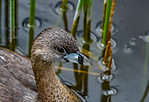
A mangrove-lined coastal lagoon that functions as one of Aruba's most important bird areas and a nursery for juvenile reef and lagoon fish. Its sheltered waters and mangroves make it a top site for observing herons/egrets and other waterbirds, especially in the dry island context.
A freshwater/brackish wetland near the hotel district that concentrates waterbirds and migrants, making it Aruba's most accessible birding hotspot. It is notable for reliable views of waders, ducks, and occasional flamingos in an otherwise arid landscape.
A small but biodiversity-rich mangrove-and-reef mosaic valued as a fish nursery and a productive nearshore habitat for snorkeling wildlife viewing. The combination of mangroves, seagrass, and adjacent reef supports juvenile fish, rays, and frequent sea turtle encounters.
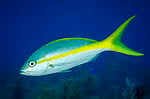
Aruba's fringing reefs and seagrass beds underpin sea turtle foraging and much of the island's marine biodiversity, and management measures (e.g., zoning/anchoring controls) are being used and expanded toward more comprehensive marine protection. These habitats are the core of Aruba's marine conservation priorities given heavy coastal use and tourism pressure.
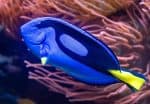
Aruba's wildlife is defined by a dry, cactus-studded landscape (xeric scrub, rocky hills, and dry washes) paired with a highly productive marine environment (coral reefs, seagrass beds, and sandy nesting beaches). Terrestrial diversity is relatively low in large mammals but strong in reptiles and dryland-adapted birds; the surrounding waters add much of the "big wildlife" appeal via sea turtles, reef fish, rays, and sharks. Arikok National Park is the centerpiece for land wildlife viewing, while the island's leeward reefs and south/west beaches concentrate marine biodiversity and turtle nesting.
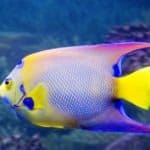
Aruba's wildlife tourism is strongly marine-led (snorkeling, diving, turtle and reef-fish encounters) with a distinctive arid-land component in its cactus-and-scrub interior. Economically, nature activities complement the island's beach resort market and help extend visitor interest beyond sun-and-sand through guided snorkeling/diving, boat trips, and excursions into protected desert-like landscapes. Aruba has a long history of marine recreation tied to its fringing reefs and calm leeward waters, while conservation awareness has grown alongside protected areas and community efforts around nesting sea turtles and coastal habitat stewardship. Accessibility is excellent: Aruba is compact and easy to explore by rental car, taxi, or tours; most wildlife experiences are reachable within 15-45 minutes from major hotel zones, and water-based trips depart daily from popular piers and beaches. Expect wildlife viewing to be best when paired with responsible operators (reef-safe practices, no-touch/no-chase rules) and when you plan around seasonal sea turtle nesting and calmer sea conditions.
A "desert island" with a bird marsh: despite Aruba's arid climate, Bubali Bird Sanctuary supports herons, egrets, and other waterbirds-largely because the wetland is maintained with managed water inputs rather than natural rivers or lakes.
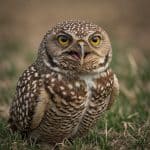
The national bird doesn't nest in trees: the Shoco (a local burrowing owl, Athene cunicularia arubensis) nests underground in burrows in the dry, cactus-dotted landscape-an owl lifestyle that surprises most visitors.
Aruba's only native land mammals are fliers: there are no native non-flying terrestrial mammals on Aruba; the island's native mammals are bats, while many familiar mammals (like goats and donkeys) are introduced.
Sea turtles nest right under the tourism scene: on Aruba, turtle nests can be laid on the same wide, groomed beaches people use daily-so conservation teams often rope off and mark nests in the middle of high-traffic beach zones.
A rattlesnake adapted to blend in: the Aruba Island rattlesnake is notably pale/unicolored compared with many rattlesnakes, a look that helps it camouflage against Aruba's dry, light-toned ground and scrub habitats.
Endemic-range record: the Aruba Island rattlesnake (Crotalus unicolor) is found nowhere else on Earth-its entire wild range is confined to Aruba (~180 km²), making it one of the most geographically range-restricted rattlesnakes.
Protected-habitat record (on-island): Arikok National Park is Aruba's largest protected area and safeguards the biggest continuous block of the island's native wildlife habitat (dry scrub, caves, and cacti landscapes).
Wetland record (on-island): Bubali Bird Sanctuary is Aruba's largest freshwater/brackish wetland, concentrating much of the island's resident and migratory waterbird life into one small, easily observed site.
Artificial-reef "giant": the SS Antilla wreck off Aruba is widely cited as one of the Caribbean's largest shipwreck dive sites, and it functions as a major artificial reef-its metal surfaces are heavily colonized by sponges, corals, and reef fish.
Iconic nesting-site record (on-island): Aruba's busiest tourist shoreline also hosts the island's best-known sea-turtle nesting activity-Eagle Beach regularly receives nests from loggerhead (Caretta caretta) and green turtles (Chelonia mydas), monitored and protected by local conservation groups.
11 species documented in our encyclopedia
Thank you for reading! Have some feedback for us?
We appreciate your help in improving our content.
Our editorial team will review your suggestions and make any necessary updates.
There was an error submitting your feedback. Please try again.