
Black Canyon of the Gunnison National Park is the perfect spot for anyone who enjoys the outdoors, whether you love wildlife, camping, hiking, or rock climbing. Spanning more than 30,000 acres in western Colorado, the national park attracts 300,000 to 400,000 visitors every year. The park is famous for its namesake — the Black Canyon — which is one of the steepest in the state, and the Gunnison River that runs through it. The national park is also home to 59 species of mammals, 174 species of birds, 11 reptiles, and one native amphibian, meaning it’s teeming with life. Check out some of the ones that you might see during your visit!
Badger
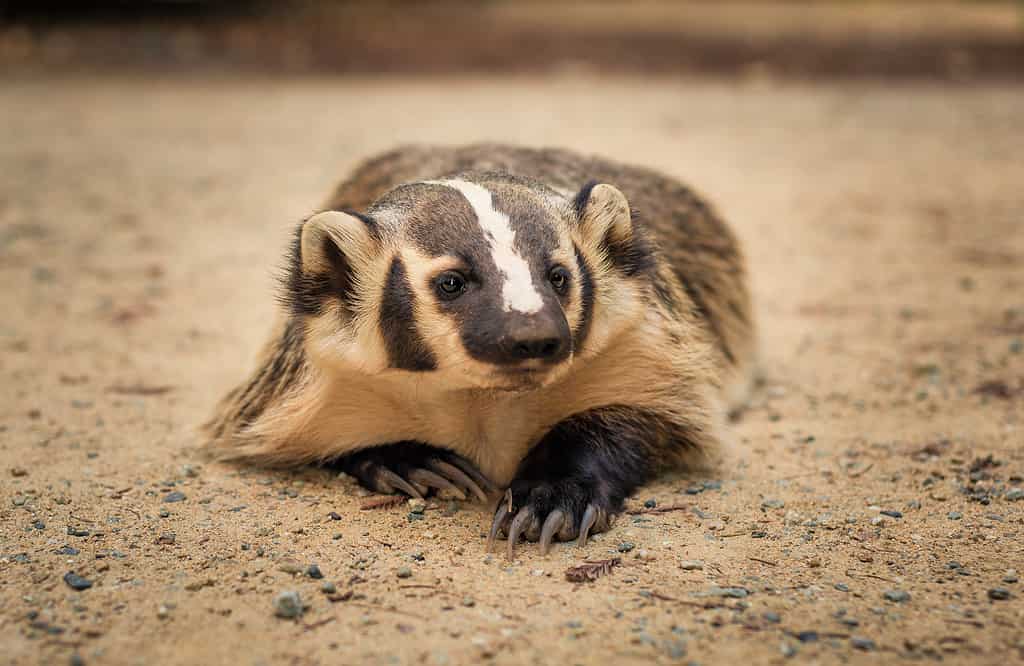
Badgers are typically only active at night.
©Photography by Adri/ via Getty Images
You’re unlikely to spot a badger (Taxidea taxus) during the daytime, but you may see one in the evening when they start to appear from their burrows. They typically inhabit grasslands within the park but may also be found in forests. Despite their short and stocky appearance, they are powerful animals with sharp claws and teeth and prey on animals such as rodents, birds, and snakes.
Bats
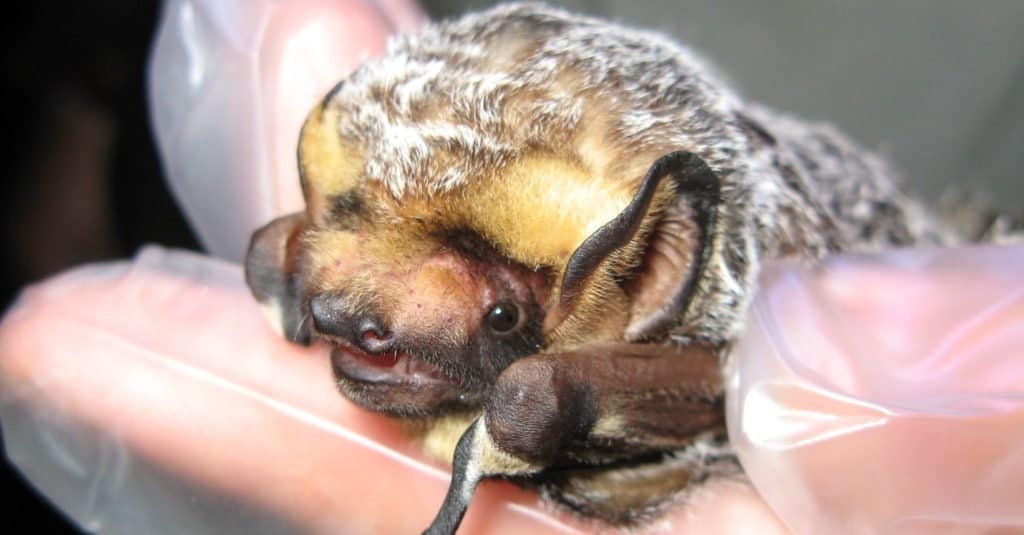
There are eight species of bats in the Black Canyon of the Gunnison National Park.
According to the National Park Service, there are eight species of bats in the park, including the hoary bat (Lasiurus cinereus), pallid bat (Antrozous pallidus), and the big brown bat (Eptesicus fuscus). Bats typically roost in forests and caves, so are most often seen in these areas. They are nocturnal, so they are only seen at dusk or during the night when they are out hunting for insects.
Bighorn Sheep
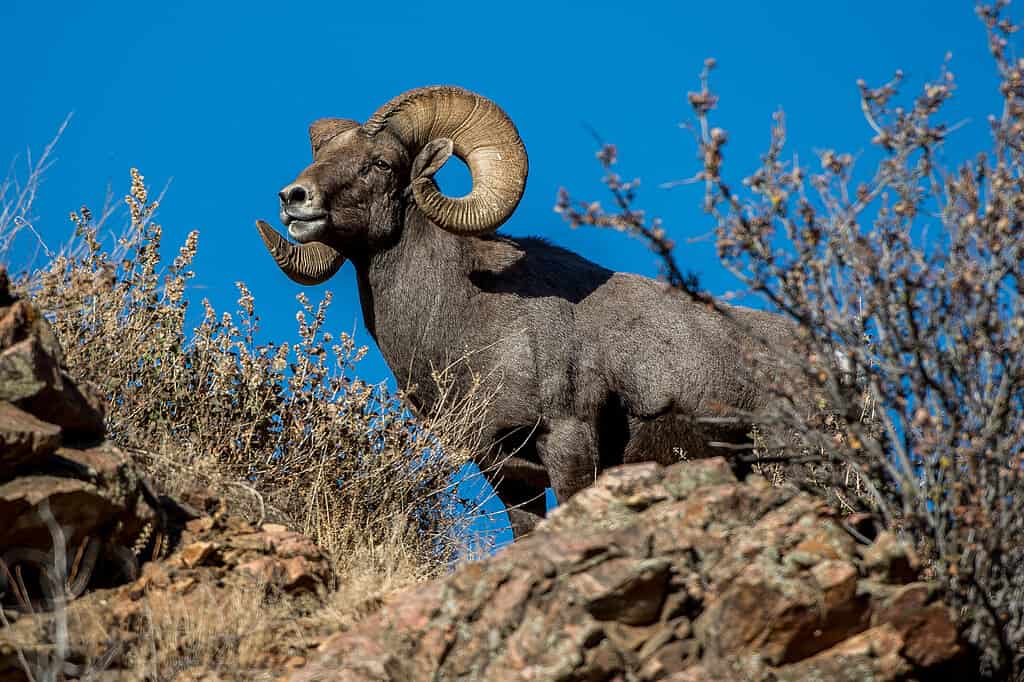
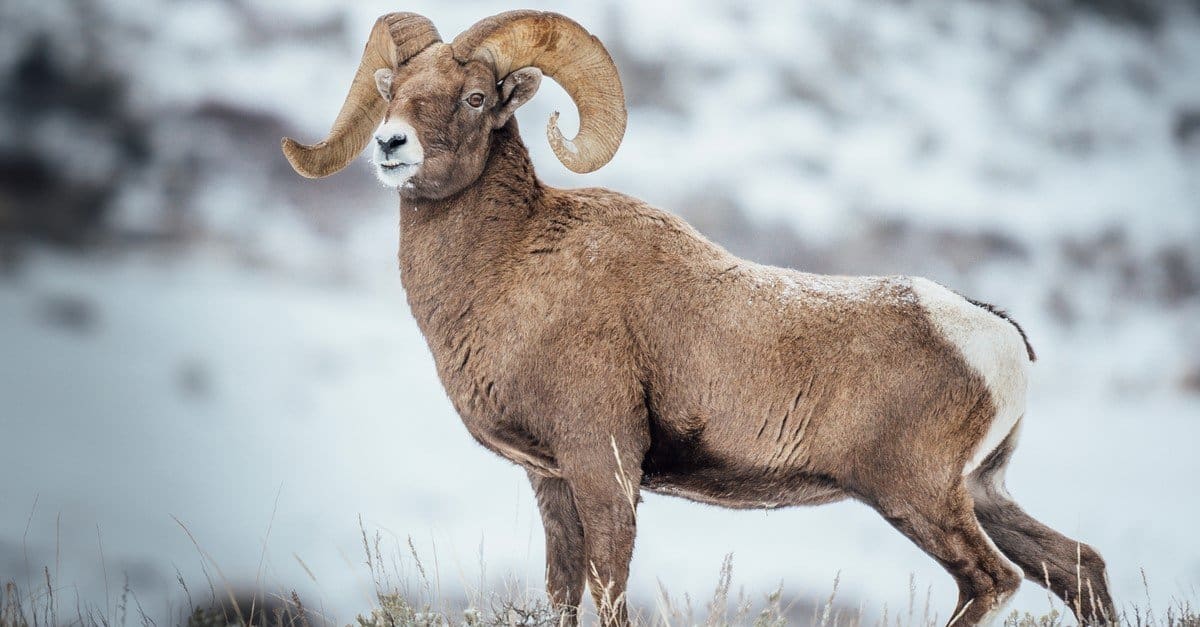
Bighorn sheep can be seen all year round in the park.
©Matt Dirksen/iStock via Getty Images
Given their preference for a mountainous habitat, it’s not surprising to find that there are bighorn sheep (Ovis canadensis) in the park. These animals can be seen in rocky areas and sometimes even on the steep cliffs within the canyon itself. Male bighorn sheep can weigh up to 200 pounds and have large, curved horns. Females are a smaller size and also have smaller horns, which tend to grow straighter instead of curved.
Black Bear
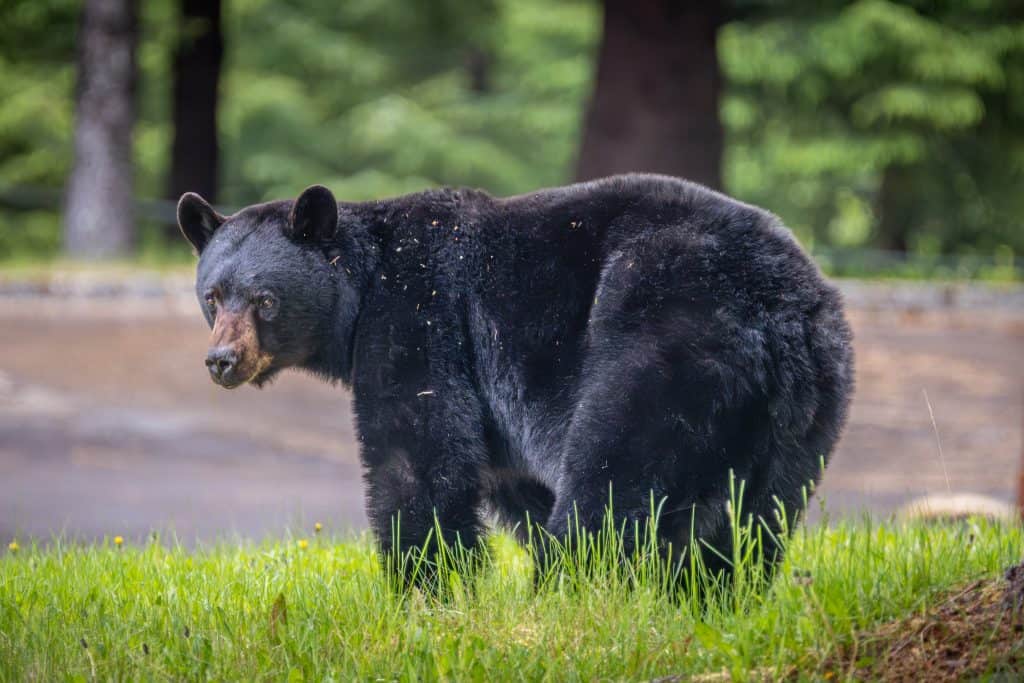
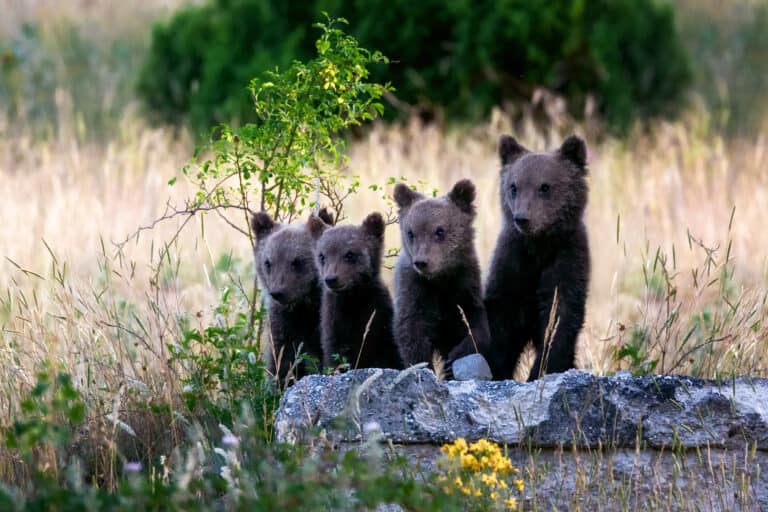
Black bears can sometimes be seen along the trails in the national park.
©Freaktography/Shutterstock.com
The only bear species currently found in Colorado is the black bear (Ursus americanus). Although it’s not a given that you’ll encounter one, they can sometimes be observed along the trails within the park. Black bears are the smallest species of bear in the United States, but still weigh several hundred pounds. Therefore, it’s important to stay safe and not attempt to approach if you do see one.
Bobcat
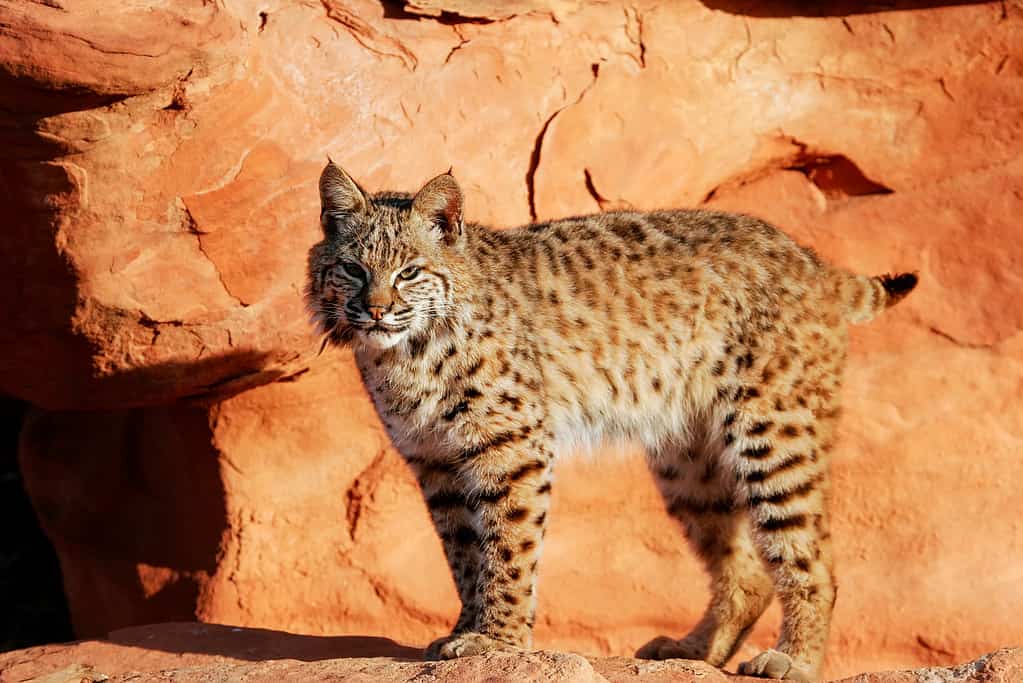
The bobcat is known for it’s unique, short tail.
©Don Mammoser/Shutterstock.com
Bobcats (Lynx rufus) are some of the more elusive animals in the national park, although they are active all year round. They are approximately three feet long and known for their distinctive appearance with a short “bobbed” tail. Bobcats are excellent hunters and prey on animals such as rabbits and voles. In Black Gunnison, they usually inhabit the foothills and the canyon itself.
Canyon Wren
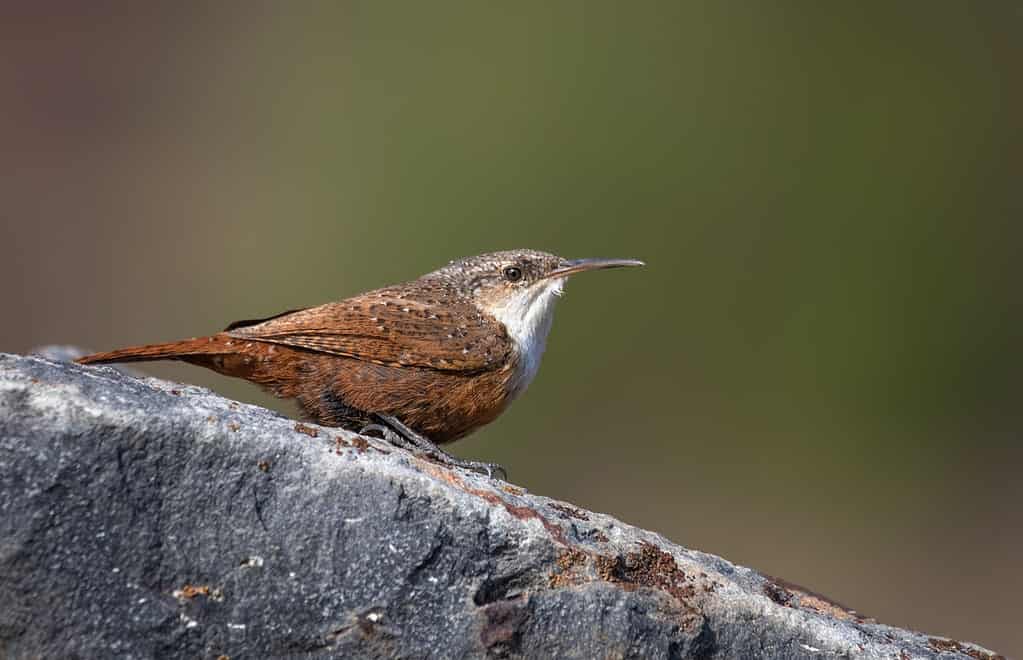
Canyon wrens are small birds that nest and feed on the rocky cliffs of the canyon.
©iStock.com/graphicphoto
The canyon wren (Catherpes mexicanus) is a small songbird that thrives amongst the rocky cliffs of the canyon. These birds have a brown, speckled appearance with a white throat that helps them to blend in on the cliff walls. They have a curved beak that is long relative to their body size, which they use for pulling spiders and insects out of rocky crevices. Canyon wrens live in the park all year round but are rarely seen away from the cliffs.
Cliff Swallow
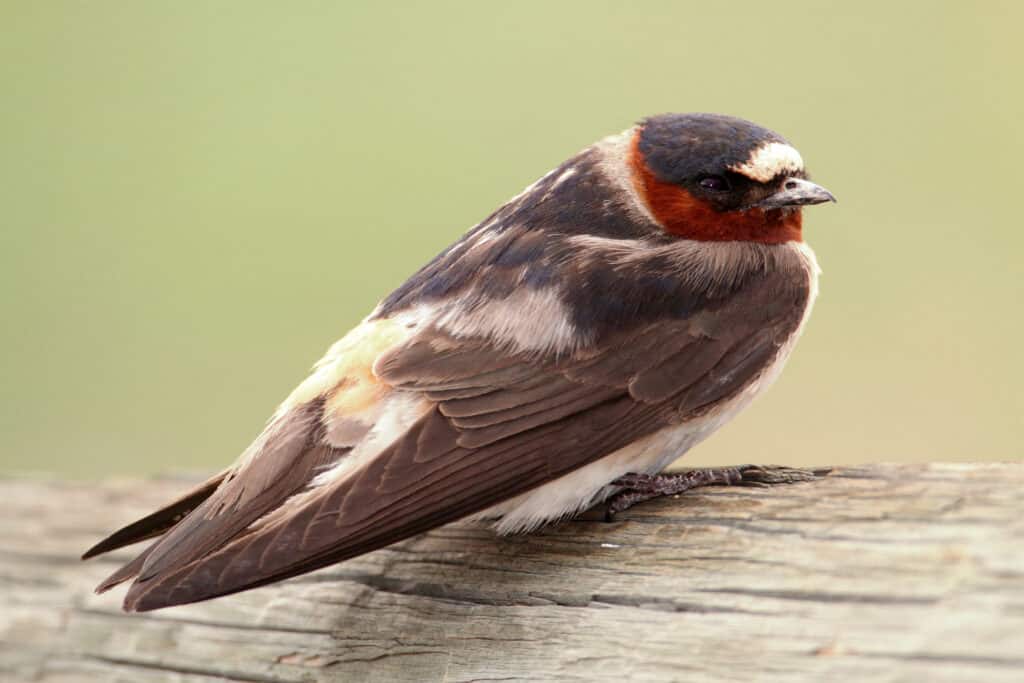
Cliff swallows nest in large colonies on cliffs and mountains.
©iStock.com/SteveByland
One of the most common birds that you might encounter in the Black Canyon of the Gunnison National Park is the stunning little cliff swallow (Petrochelidon pyrrhonota). These birds have a dark brown appearance with reddish-colored cheeks and white underparts. They nest in huge colonies and can be found perched on mountains and cliffs.
Elk
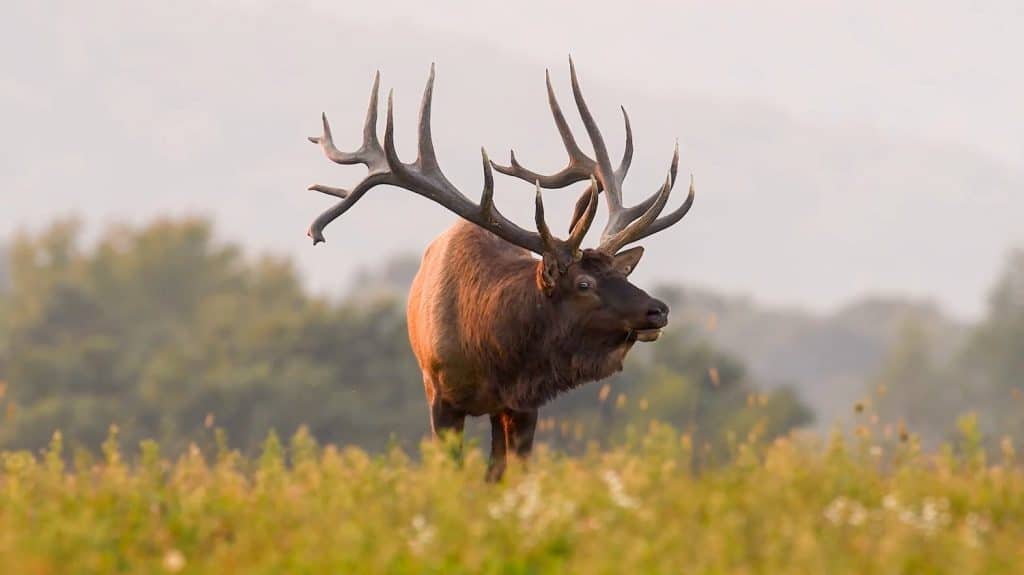
Male elk are larger than females and reach 900 pounds.
©Swaroop Pixs/Shutterstock.com
Elk (Cervus canadensis) are the largest deer species in Colorado and stand around five feet at the shoulder. Males are a little larger than females and can weigh up to 900 pounds. Elk are most common around the North Rim and can be seen year-round. However, you should always stay well clear of them, particularly during the mating season in the fall, which is also known as the rut.
Foxes
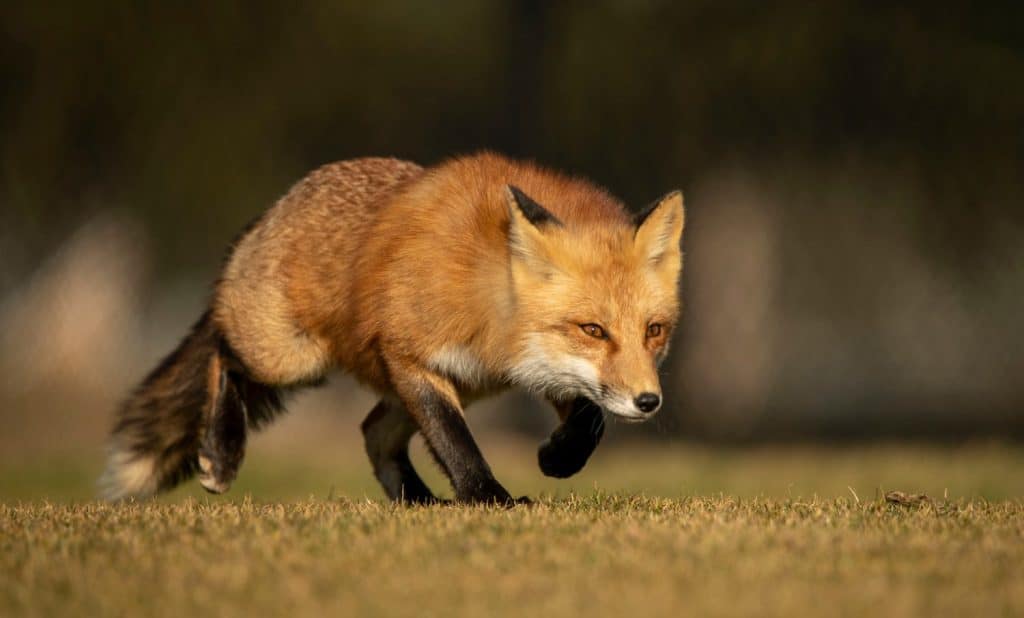
Red foxes are more common in the national park than grey foxes.
©Jackie Connelly-Fornuff/Shutterstock.com
There are two species of foxes within the Black Canyon of the Gunnison National Park — the red fox (Vulpes vulpes) and the grey fox (Urocyon cinereoargenteus). However, it’s more likely that you’ll spot a red fox, as the grey fox is rarely found in the area. Red foxes are famous for their distinctive red appearance and can be found in a variety of habitats.
Great Horned Owl
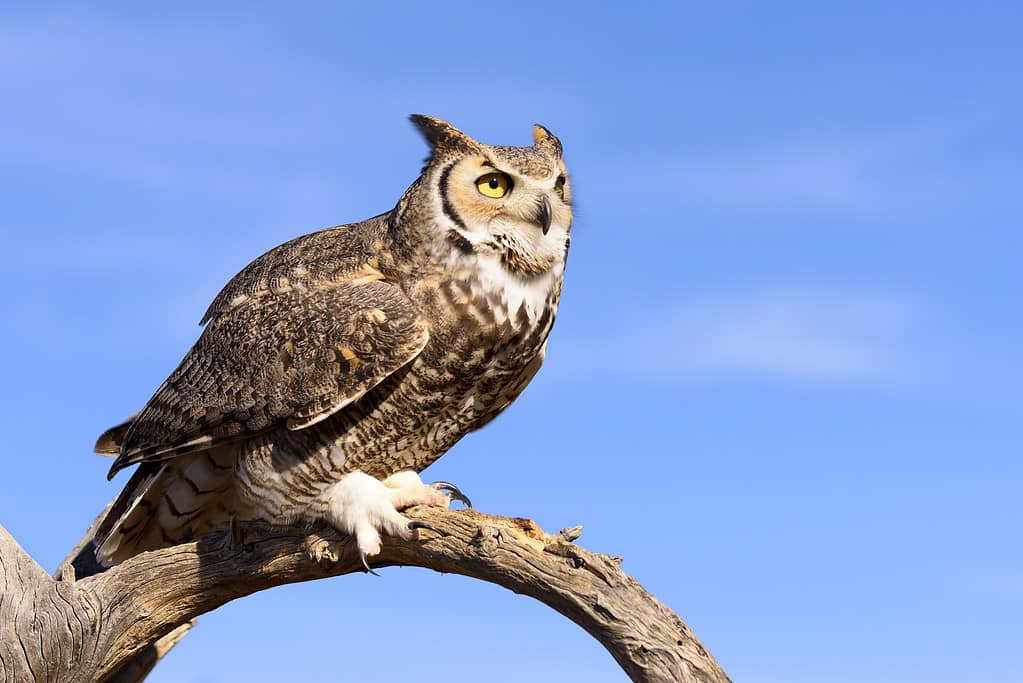
The great horned owl is the most common owl species in the national park.
©kojihirano/iStock via Getty Images
Although there are six species of owls native to the region, the one that you are most likely to see is the great horned owl (Bubo virginianus). Great horned owls inhabit the national park all year round and can be seen around the rim of the canyon during the night. They are excellent hunters and regularly prey on animals such as rabbits. They are large birds, with a length of 17 to 25 inches and a wingspan of up to five feet.
Lizards
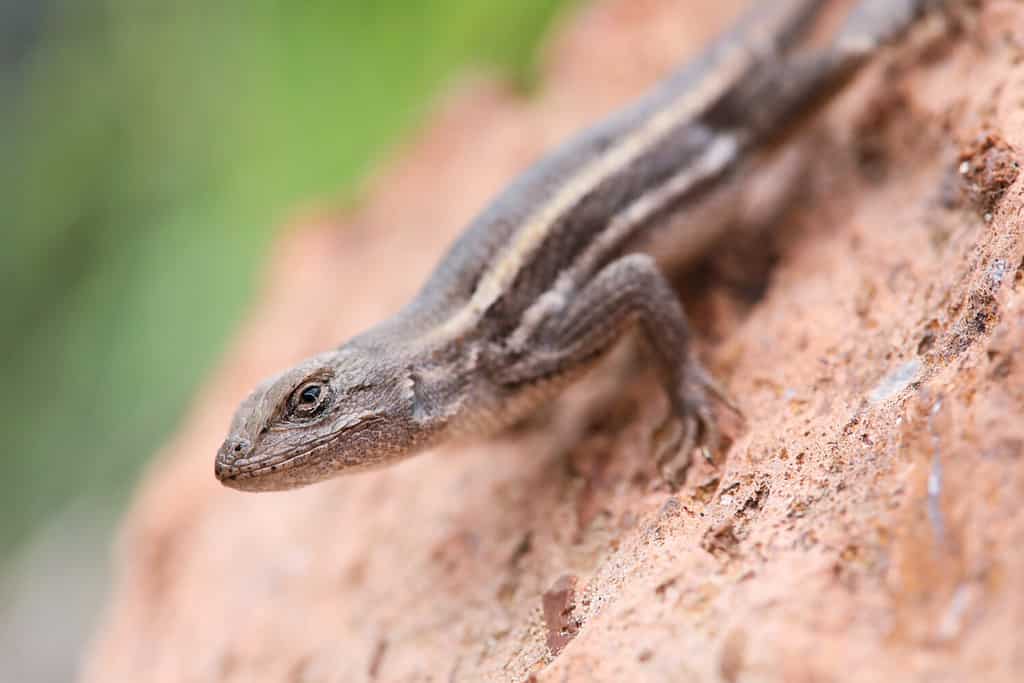
Lizards can often be seen basking on rocks or logs.
©bradenjalexander/Shutterstock.com
If you’re a reptile lover, then you’ll be pleased to learn that there are six species of lizards within the boundaries of the park. The rarest species is the greater short-horned lizard (Phrynosoma hernandesi). The more common species are the eastern collared lizard (Crotaphytus collaris), common sagebrush lizard (Sceloporus graciosus), plateau lizard (Sceloporus tristichus), plateau striped whiptail (Cnemidophorus velox), and the tree lizard (Urosaurus ornatus). If you keep your eyes peeled, then you might spot some of these species sunning themselves on rocks or logs.
Long-Tailed Weasel
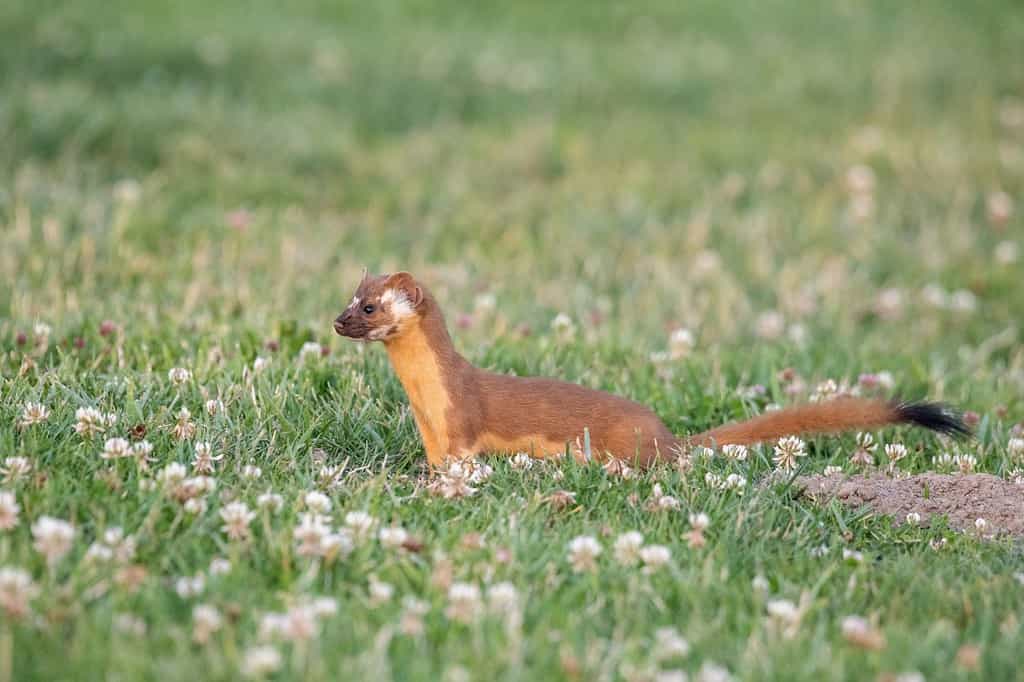
The long-tailed weasel can turn white in winter.
©Griffin Gillespie/Shutterstock.com
You can also see the long-tailed weasel (Neogale frenata) in the national park, usually in forests and grasslands. Long-tailed weasels have a unique appearance, where they have a brown body and a white underbelly during the summer, but turn white in winter. They are able hunters, often consuming animals larger than themselves.
Mountain Cottontail
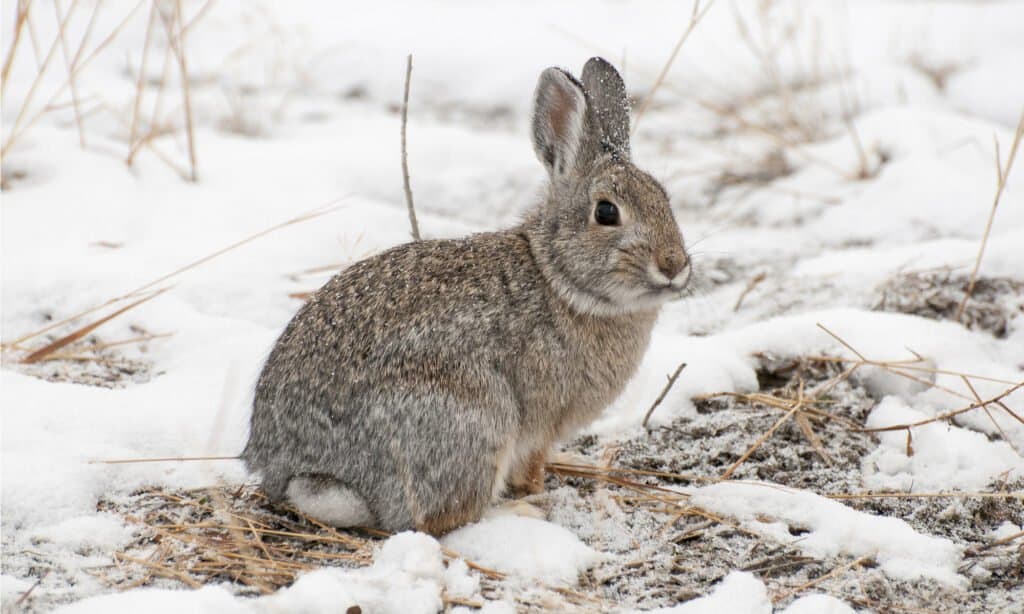
Mountain cottontail rabbits can be seen year-round in the national park.
©moosehenderson/Shutterstock.com
Rabbits are common within the park, and the species you’re likely to see is the mountain cottontail (Sylvilagus nuttallii). Mountain cottontails are around 11 to 15 inches long and have grey bodies with a white belly. They can be seen all year round and prefer wooded areas with plenty of grass or sagebrush as cover.
Mountain Lion
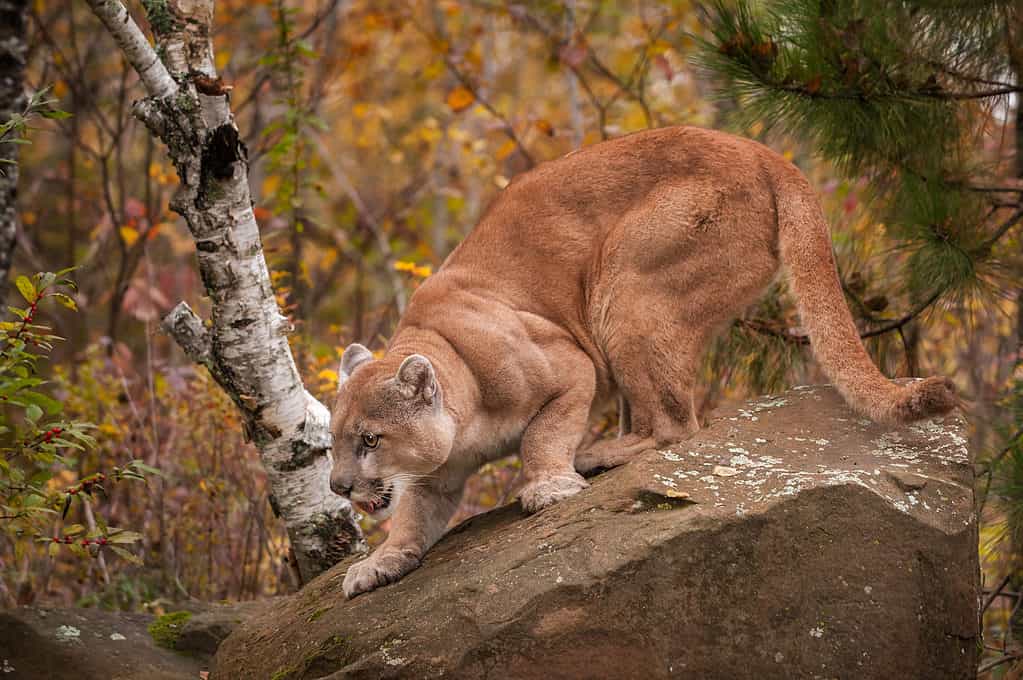
Despite being elusive, mountain lions are present in the Black Canyon of the Gunnison National Park.
©Holly Kuchera/Shutterstock.com
Although sightings of mountain lions (Puma concolor) within the park are rare, given their elusive nature, they do happen. Mountain lions are solitary ambush predators and, due to their large size, are able to prey on elk and deer. They tend to stick to the mountainous regions and are incredibly agile at climbing.
Mule Deer
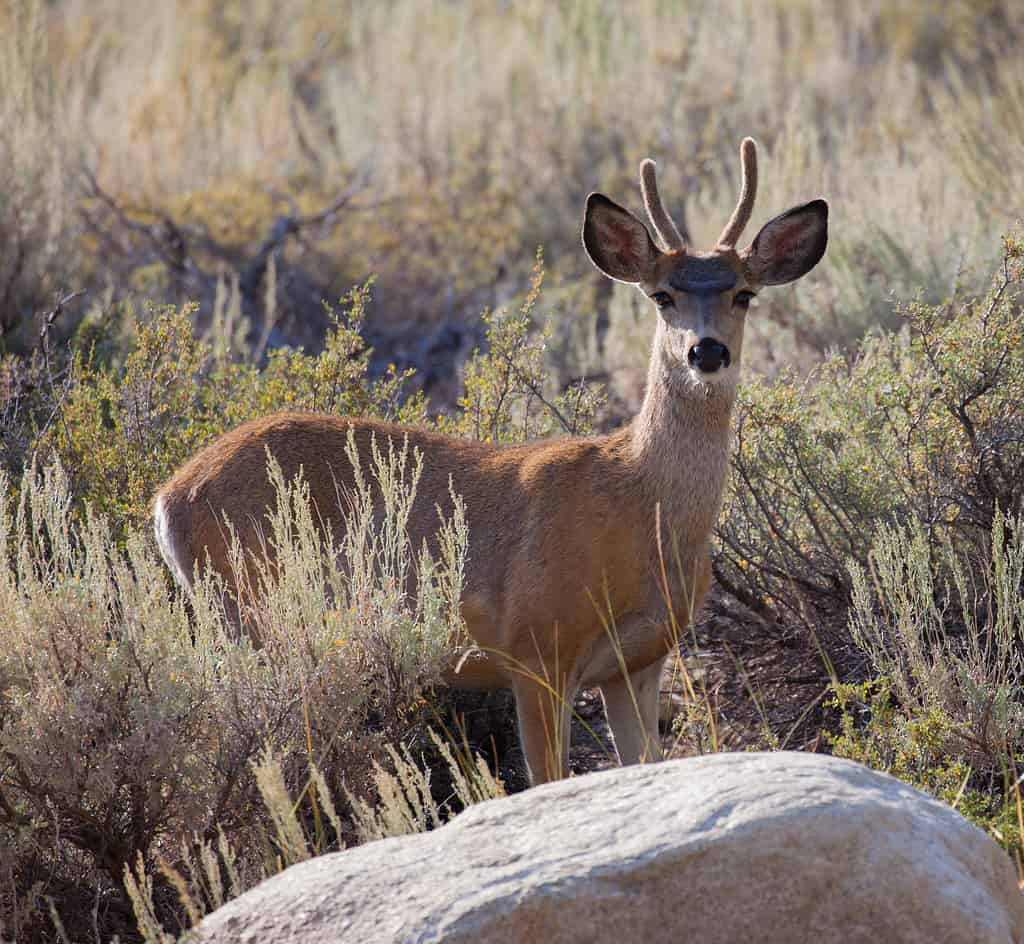
Mule deer can be distinguished by their large ears.
©epantha/iStock via Getty Images
Another deer species that there’s a good chance of seeing is mule deer (Odocoileus hemionus). Known for their distinctive large ears, these animals are most often encountered at dawn and dusk. They live in a variety of habitats, including along the trails in the park.
Northern Flicker
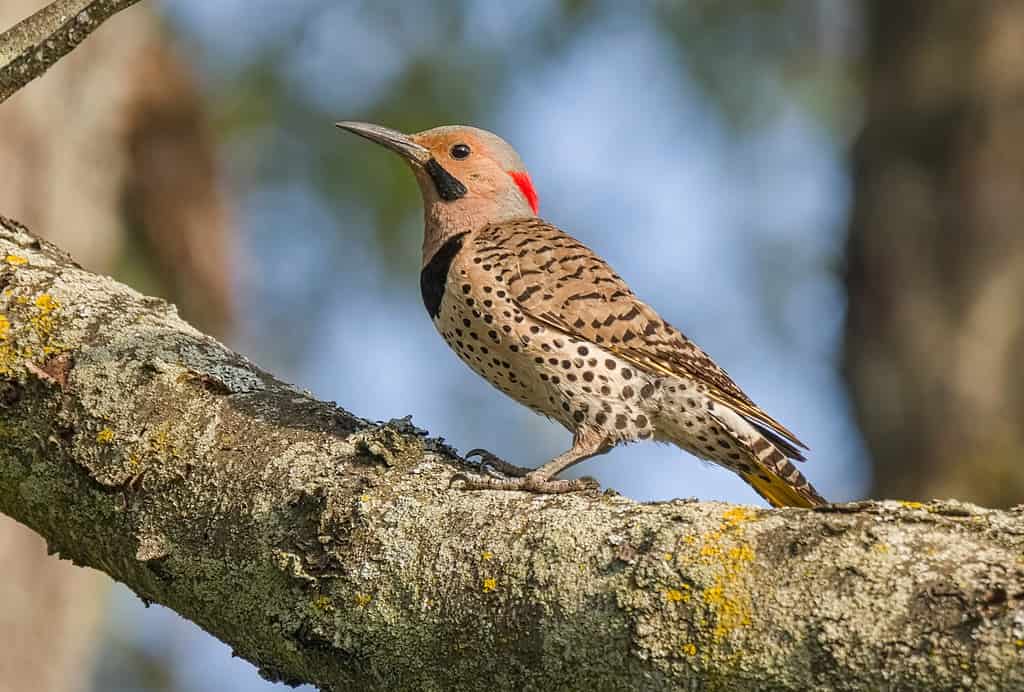
Northern flickers are primarily ground feeders, so they may be seen foraging on the ground in woodlands.
©Fiona M. Donnelly/Shutterstock.com
The most common woodpecker that you’ll see is the northern flicker (Colaptes auratus), which can be found in woodlands and forest edges. Despite being a member of the woodpecker family, northern flickers are primarily ground feeders, so it’s worth looking on the ground for them as well. They are omnivores, but the majority of their diet consists of insects, particularly ants.
Peregrine Falcon
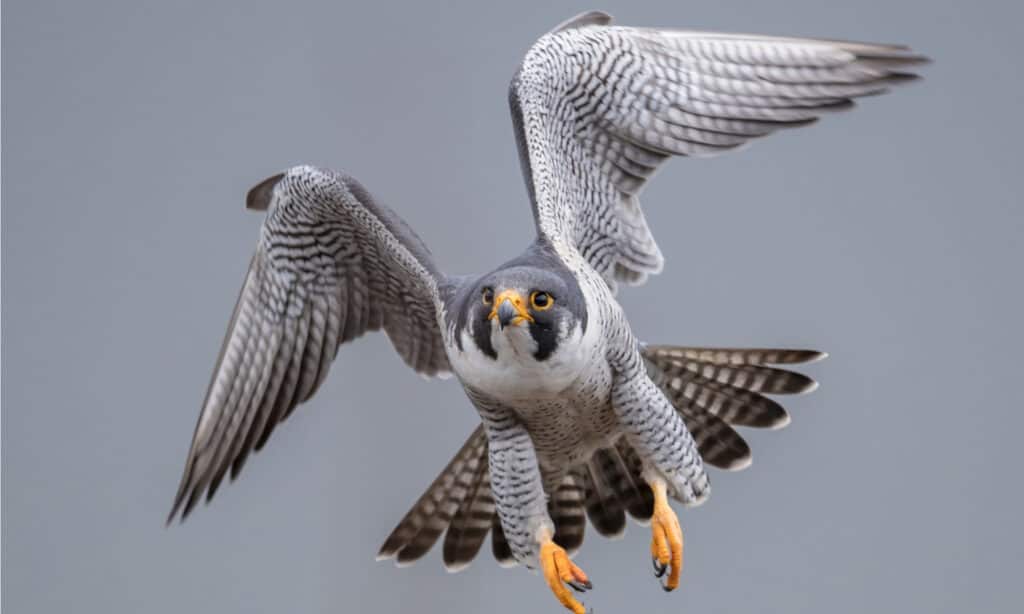
Peregrine falcons nest in the national park during the summer months.
©Harry Collins Photography/Shutterstock.com
If you’re visiting the park during the summer, then you may be lucky enough to spot the fastest bird in the world — the peregrine falcon (Falco peregrinus). Capable of reaching speeds of more than 200 mph, peregrine falcons are an impressive sight in flight. They nest in the park during the summer months, favoring rocky ledges on the canyon walls. To protect these birds, there are several areas closed to rock climbers every year from March through July. These areas include parts of the North Rim at Serpent Point and the South Rim upstream from Echo Canyon.
Snakes
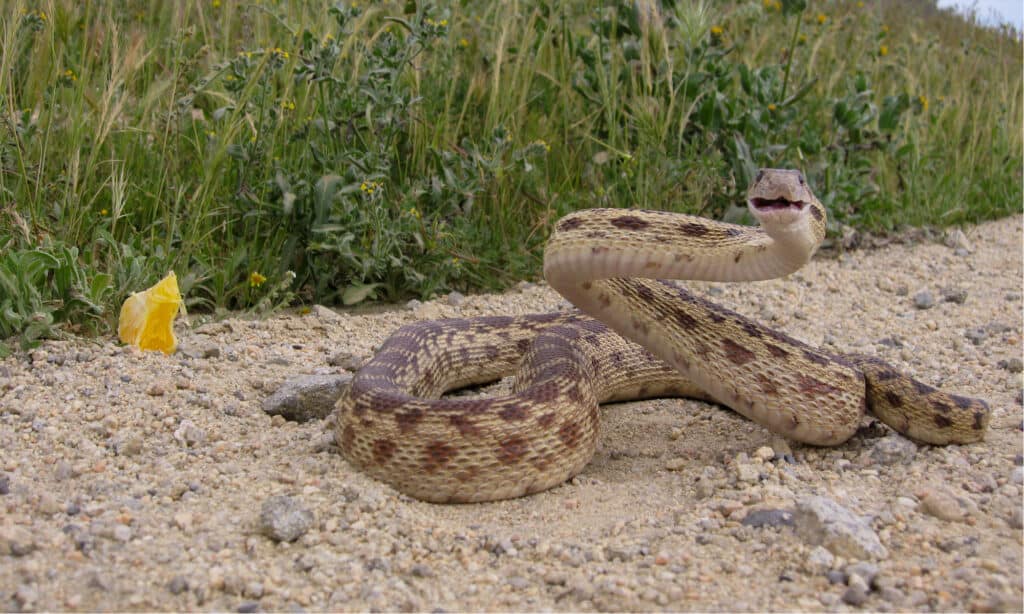
Although no snakes in the national park are venomous, gopher snakes can sometimes mimic the behavior of rattlesnakes.
©rawaccess/Shutterstock.com
There are five species of snakes in Black Canyon, with the most common being the western terrestrial garter snake (Thamnophis elegans). These can be found in both grasslands and woodlands, and may be observed basking in the sun. They have three stripes along their bodies, which are typically white, yellow, or orange. The other four species are milk snakes (Lampropeltis triangulum), striped whipsnakes (Masticophis taeniatus), smooth green snakes (Opheodrys vernalis), and gopher snakes (Pituophis catenifer). None of the species in the park is venomous, although they may bite if threatened. However, gopher snakes can sometimes mimic rattlesnakes by rearing up off the ground and striking while vibrating their tails in the leaf litter.
Squirrels

Squirrels are one of the animals that visitors to the park are most likely to encounter.
©Angel DiBilio/Shutterstock.com
There are three species of squirrels in the Black Canyon of the Gunnison National Park — red squirrels (Tamiasciurus hudsonicus), rock squirrels (Otospermophilus variegatus), and golden-mantled ground squirrels (Callospermophilus lateralis). Squirrels are some of the most frequently encountered animals in the park. They can typically be seen in forests and woodland areas where they eat a variety of nuts and seeds.
Tiger Salamander
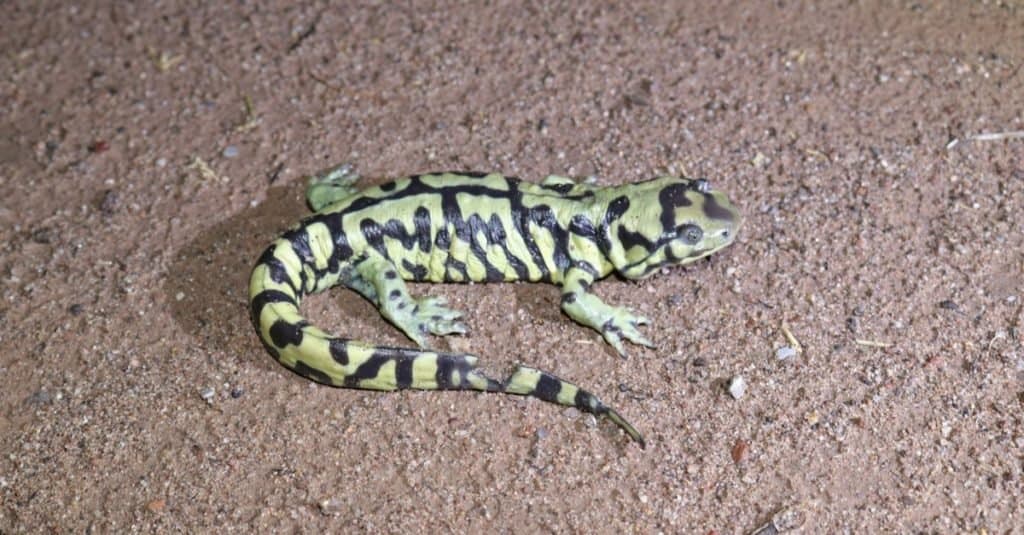
The tiger salamander is the only amphibian in Black Canyon of the Gunnison National Park.
©Creeping Things/Shutterstock.com
The only amphibian in the park is the tiger salamander (Ambystoma tigrinum). They are one of the largest salamanders in North America, reaching approximately six to eight inches long. They have a spotted appearance, often consisting of yellowish spots on a dark background. Tiger salamanders live in a variety of habitats, including mountains, woodlands, and river valleys, although they prefer areas with loose soil so that they can burrow into it easily.
River Otter
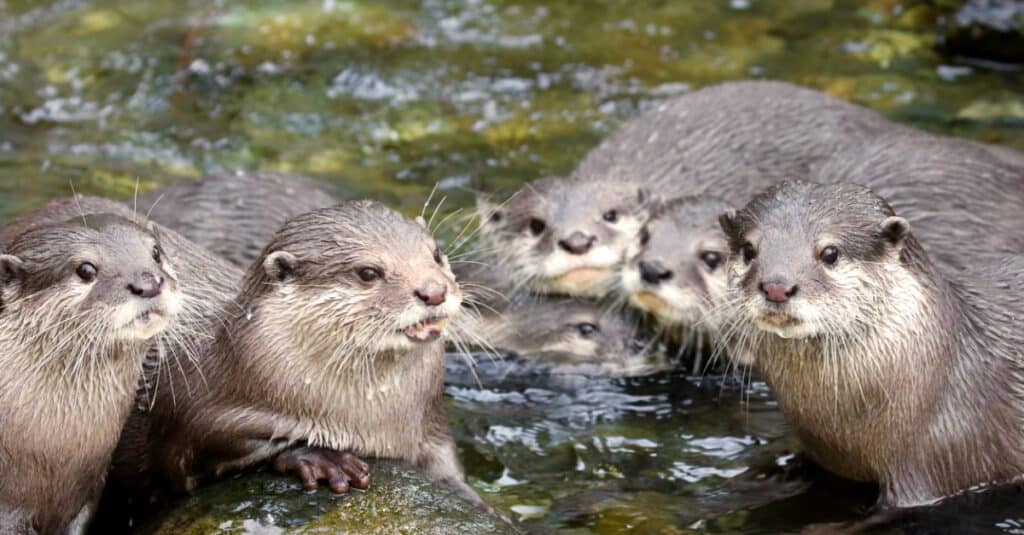
River otters can be seen along the Gunnison River.
©iStock.com/Mirko_Rosenau
Although they’re not particularly common in the park, the population of river otters (Lontra canadensis) is slowly increasing following successful reintroduction efforts, and they are now considered a species of least concern in Colorado.