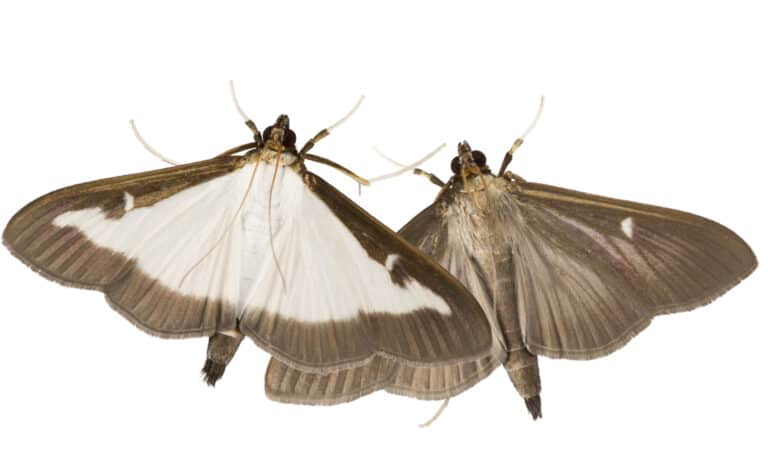
Box Tree Moth
Boxwood's night invader

Boxwood's night invader

The high-shouldered sky-browsing sauropod
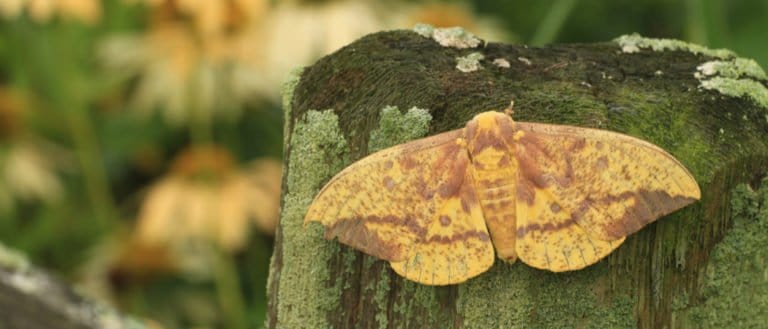
Big wings. Brief life. Night royalty.
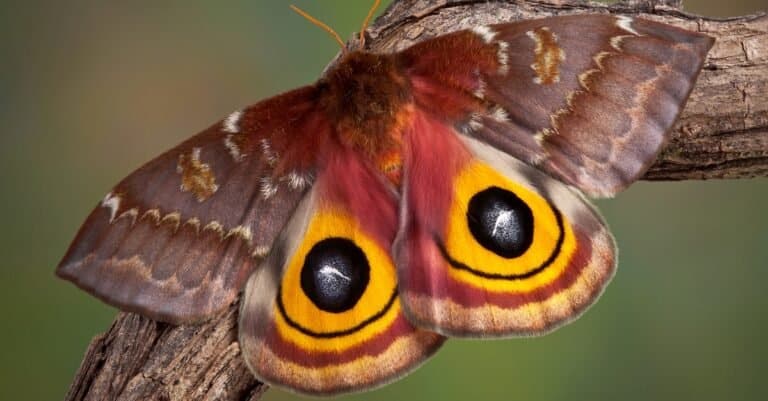
Big eyes. Bigger bluff.
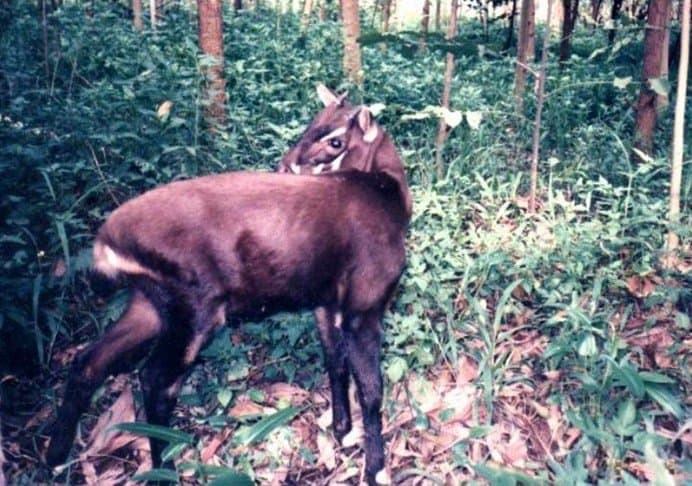
The Annamites' "spindlehorn" mystery
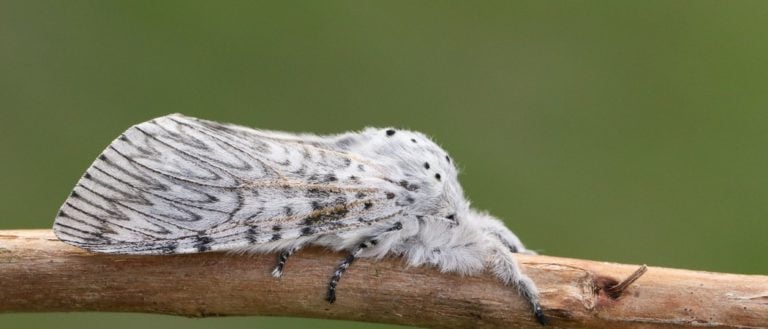
Big moth, bigger attitude
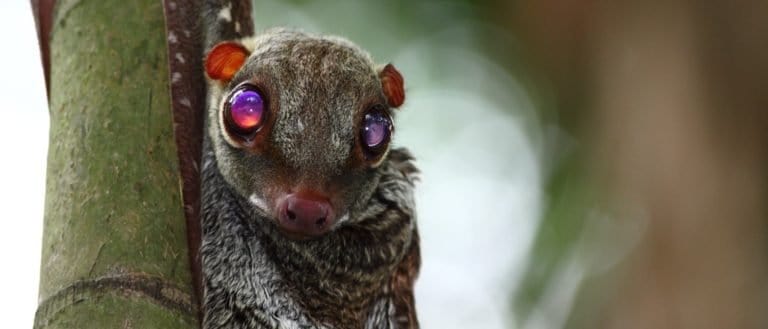
Not a lemur-nature's glide master
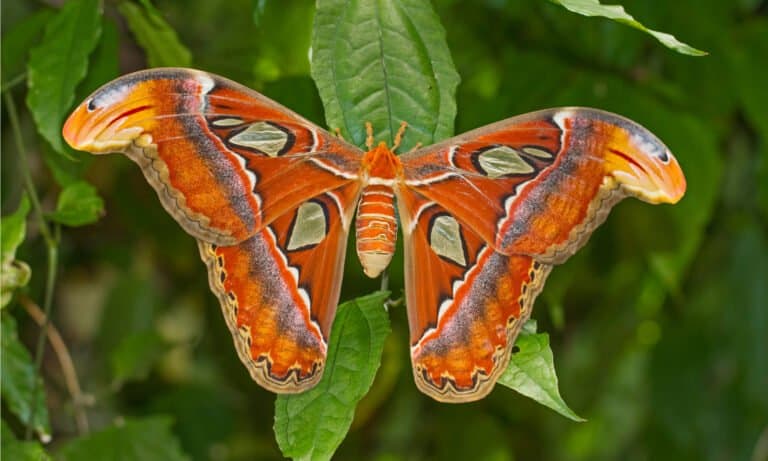
Big wings. No meals. Just mating.
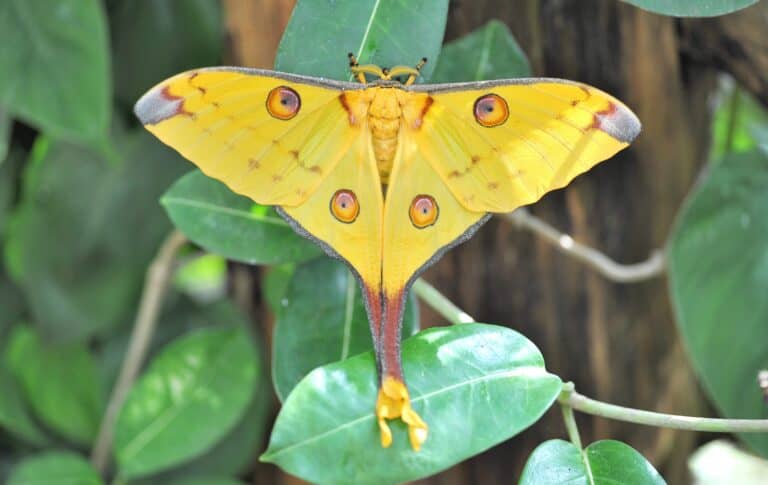
Madagascar's moth with a comet's tail
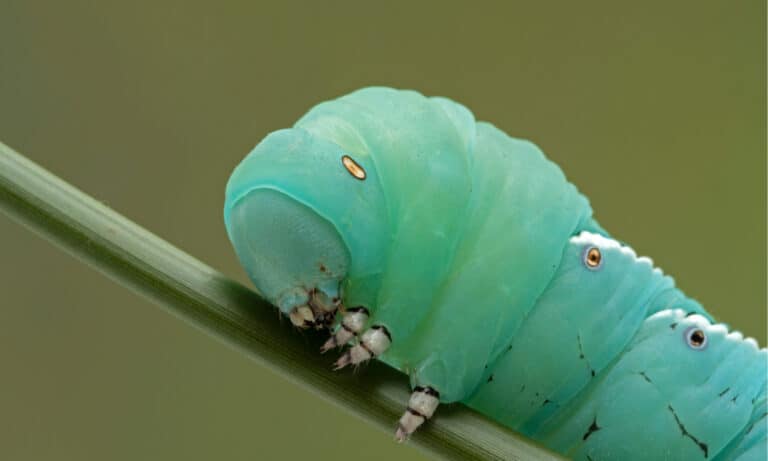
Hornworms: big bites, bold disguises
A folivore is an animal whose diet consists predominantly of leaves and other leafy plant tissues (e.g., leaf blades, petioles, young shoots). Because leaves are typically high in structural carbohydrates (cellulose, hemicellulose, lignin) and often contain plant secondary compounds, folivory commonly involves specialized feeding and digestive adaptations to extract nutrients and tolerate toxins.
Folivory is a feeding strategy focused on eating leaves. Leaves are common but hard to use as food because they have low energy and protein and lots of fiber. Many leaves also have defensive chemicals like tannins, alkaloids, and terpenes that make them taste bad or block digestion. Folivores use behavior and body changes to get enough nutrients and cope with toxins. They often eat young leaves, feed for many hours, move less to save energy, and pick plant parts that have better nutrition and fewer toxins. Many folivores have special guts and use microbial fermentation in a foregut or an enlarged hindgut/cecum to break down fiber into short-chain fatty acids. This slows digestion and can limit size, movement, or social life. Folivores affect plants by pruning leaves and help nutrient cycling with feces. Folivory evolved many times in mammals, reptiles, insects, and others.
Etymology: From Latin "folium" meaning "leaf" + Latin-derived suffix "-vore" from "vorare" meaning "to devour"; literally "leaf-eater."
Folivores can eat any leaves indiscriminately (in reality, many are highly selective because leaf quality and toxins vary widely).
Leaves are always nutritionally poor (young or certain species' leaves can be relatively protein-rich, but are still fiber- and defense-compound constrained).
All folivores are ruminants (many are hindgut fermenters or use other strategies; fermentation location and degree vary by lineage).
Provides steady energy via microbial fermentation of fiber (cellulose/hemicellulose) into short-chain fatty acids, plus minerals (e.g., calcium, magnesium) and water from foliage. Because leaves are relatively low in readily available calories and can contain plant secondary compounds (tannins, alkaloids, terpenes), folivores often rely on specialized guts (enlarged hindgut or multi-chambered stomach), long retention times, and detox pathways; they also target higher-protein, lower-toxin young leaves when possible to meet amino acid needs.
Dentition adapted for shearing and grinding tough, fibrous leaves while minimizing wear from abrasive plant material.
Digestive tract specialized for extracting nutrients from cellulose-rich leaves and detoxifying plant secondary compounds; typically relies on microbial fermentation.
Gut Length: Long relative to body (often several times body length), with enlarged fermentation chambers.
Obligate folivores whose diets are dominated by leaves/leafy plant material year-round, supported by strong digestive specializations (e.g., hindgut or foregut fermentation) and behavioral time budgets centered on leaf feeding.
Facultative folivores that rely heavily on leaves in many seasons or habitats but regularly shift to fruits, flowers, shoots, seeds, bark, or other foods when available; they may have some digestive adaptations but are not strictly leaf-bound.
Folivory (leaf-eating) evolved many times as plants spread and forests grew, making lots of leaves but with low nutrition and toxins. It likely began early among herbivores (Paleozoic-Mesozoic tetrapods) and reappeared in the Cenozoic in mammals, birds, and insects when groups developed shredding teeth or beaks, bigger guts with fermentation chambers, and gut microbes to handle plant chemicals. In primates, folivory appears multiple times as some groups relied on leaves in seasonal forests. Shift: occasional leaf-eating -> holding food longer and gaining microbes -> special gut parts and more eating and resting.
Folivory is a clear case of convergent evolution: leaves are common but hard to break down and detoxify, so many unrelated animals evolved the same kinds of solutions (fermentation, big guts, special teeth or beaks, slow life styles). Examples: primates like howler monkeys (Alouatta) and colobines (colobus, langurs) evolved gut fermentation on leaves. Koalas (Phascolarctos) evolved extreme eucalyptus folivory like some placental leaf-eaters using microbes to detoxify and ferment. Sloths (Bradypus, Choloepus) have slow metabolism and special digestion. The hoatzin (Opisthocomus) ferments leaves in its foregut; iguanas (Iguana iguana) use hindgut fermentation. Many caterpillars and leaf beetles evolved detox enzymes and helpful microbes too.
Humans can eat leaves but cannot live on them because leaves are low in energy and very high in fiber. The closest human diets are very vegetable-heavy, mostly leafy greens and non-starchy vegetables, but people still need starches, fats, and proteins for enough calories. True folivores can tolerate or break down plant chemicals like tannins and alkaloids and ferment fiber with special guts (enlarged cecum/colon or multi-chambered stomachs). Humans have only small versions of these abilities, so leaf-only diets are not safe long-term.
Knowing a species is a folivore helps conservation by pointing to key habitat features: specific trees or browse, leaf age (young vs old), and leaf chemistry (toxins and nutrients). Folivores often need large, connected areas to follow seasonal leaf quality and spend long periods feeding and resting to ferment leaves, so they are sensitive to fragmentation, logging, and edge effects. Conservation should protect and restore key food plants, keep canopy connected, time activities, and match captive diets to natural fiber and toxin levels to avoid malnutrition or gut problems.
Folivores (leaf-eating animals) eat tree crops, hedgerows, windbreaks, and plantations like eucalyptus and fruit trees, causing conflicts near farms. Knowing folivore habits helps reduce damage: plant native buffer browse, put fences at feeding heights, or keep non-crop plants on the farm. Because they eat tough leaves instead of grains, folivores are less drawn to stored foods than omnivores. Removing natural browse can push them into fields. Their feeding guides choice of species for agroforestry and restoration and can help control woody regrowth when populations are balanced.
Found across: Primates (e.g., howler monkeys, colobus/leaf monkeys, some gorillas), Marsupials (e.g., koalas, greater gliders), Ungulates-especially browsers and some ruminants (e.g., giraffes; many deer/antelopes seasonally), Xenarthrans (e.g., sloths), Reptiles (e.g., iguanas; some tortoises consume substantial leafy vegetation), Birds (notably hoatzin; some waterfowl and gamebirds seasonally), Insects (many caterpillars and leaf beetles are strongly folivorous)
Folivores are herbivores that turn leaves into animal biomass and link plants (trees, shrubs, forbs) to predators and scavengers. By browsing leaves they shape plant communities and help or stop regeneration. Their waste moves nutrients, speeds decay and soil fertility, and their feeding changes canopy and understory, affecting light and habitat.
Leaves are fibrous (cellulose, lignin) and often have defensive chemicals (tannins, alkaloids), so folivores get less energy from them and must eat large amounts. This favors big hindguts or foreguts, helpful gut microbes, slow energy use, and long feeding and resting cycles. In the wild, folivore numbers are limited more by leaf quality (nitrogen, water, toxin load) than by leaf amount, and predators get low-calorie prey for the effort.
Seasonal Variation: Folivores eat by plant leaf timing and quality. In spring and wet season they eat young leaves and shoots (more nitrogen, less fiber and toxins), eat more, and breed. In dry season or winter they eat tougher leaves, add buds, twigs, bark, or evergreens, feed longer, rest more, or move to riparian or evergreen patches for better leaves and water.
Leaves are often nutritionally "dilute," so many folivores solve the problem by eating for a huge portion of the day-sometimes more like slow, steady grazing than distinct meals.
Many leaves are chemically defended (tannins, alkaloids, etc.), so folivores aren't just fiber specialists-they often have liver and gut adaptations to tolerate or neutralize plant toxins.
Folivory can favor big "fermentation hardware": enlarged stomach chambers or expanded hindguts where microbes break down tough cellulose into usable energy.
Leaf-eaters may be surprisingly picky-choosing young leaves, specific species, or certain seasons-because small changes in leaf age can mean big changes in protein, water, and toxin levels.
Microbes do a lot of the heavy lifting: in many folivores, gut bacteria convert otherwise indigestible leaf fiber into short-chain fatty acids that the animal can absorb and use as fuel.
A folivore's digestion is like running a slow cooker instead of a microwave: microbes need time to "cook" cellulose into energy, so food often moves through the gut more slowly.
Think of leaves as a low-calorie, high-packaging food-like trying to live on salad alone-so folivores often compensate by processing large volumes over long feeding times.
A folivore's gut is closer to a fermentation plant than a simple food tube: the animal provides the tank, and microbes provide the enzymes that unlock energy from fiber.
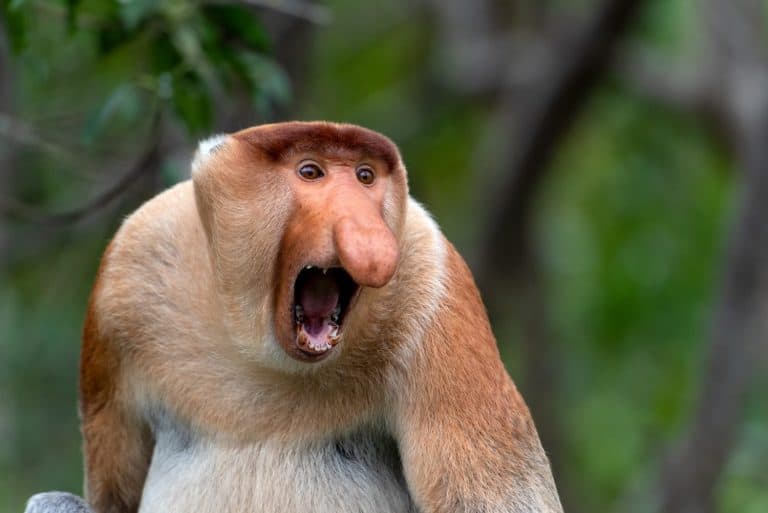
The river-nose of Borneo
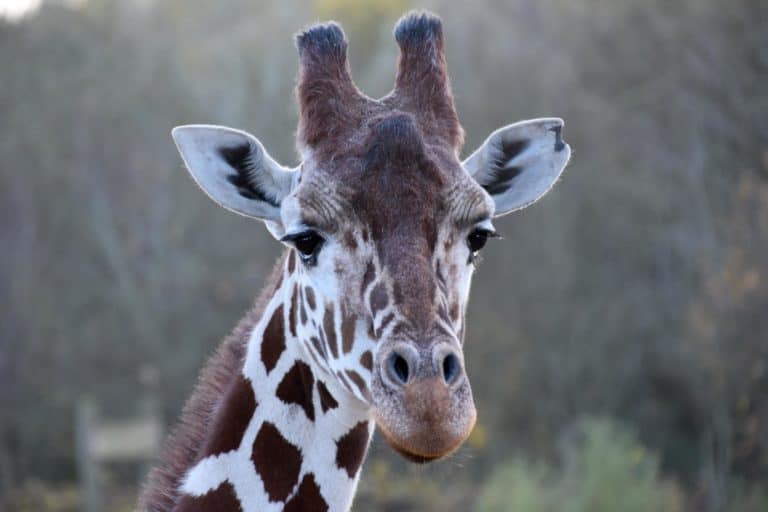
Spots, height, and silent savanna giants
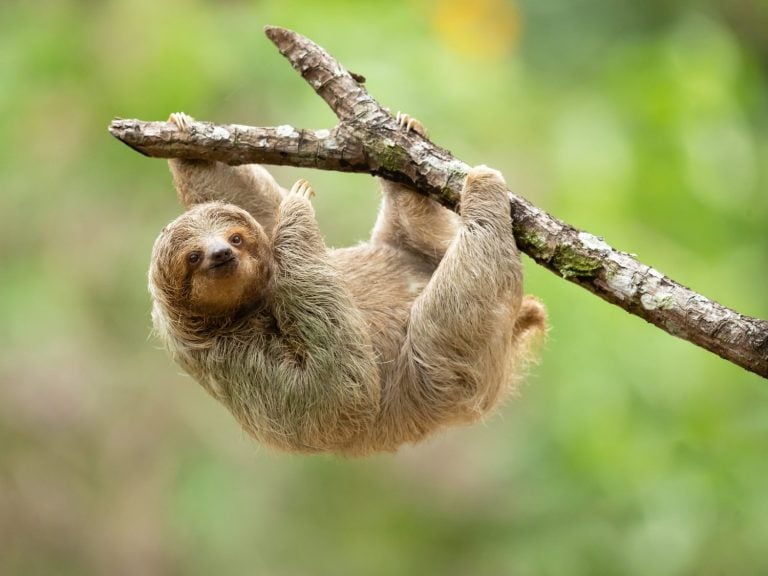
Slow life, high in the canopy

Eucalyptus expert, tree-top marsupial
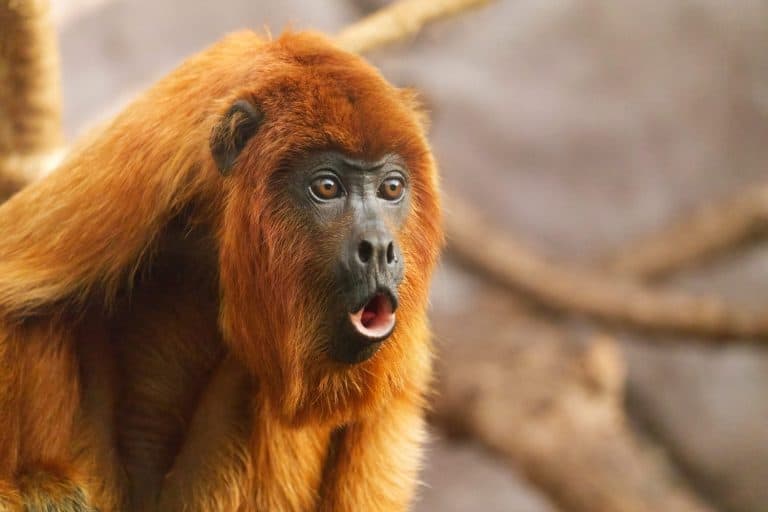
Small monkeys, thunderous voices.
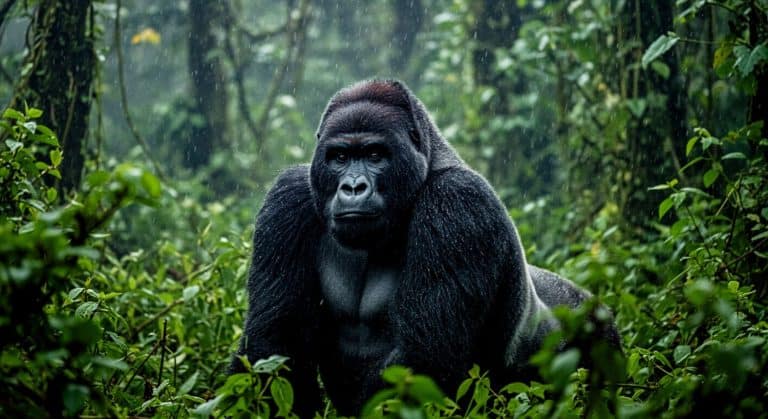
Highland giants, guarded by a silverback
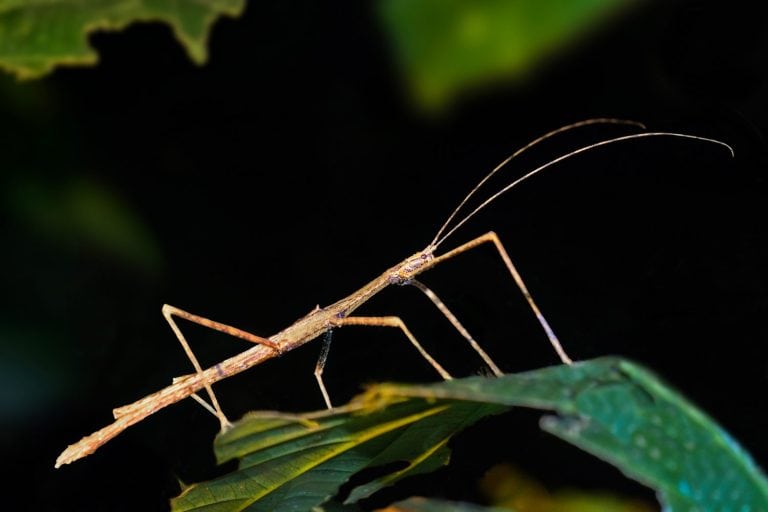
Nature's living twigs and leaves
Gentle giant of Congo's forests
Big moth, bigger attitude
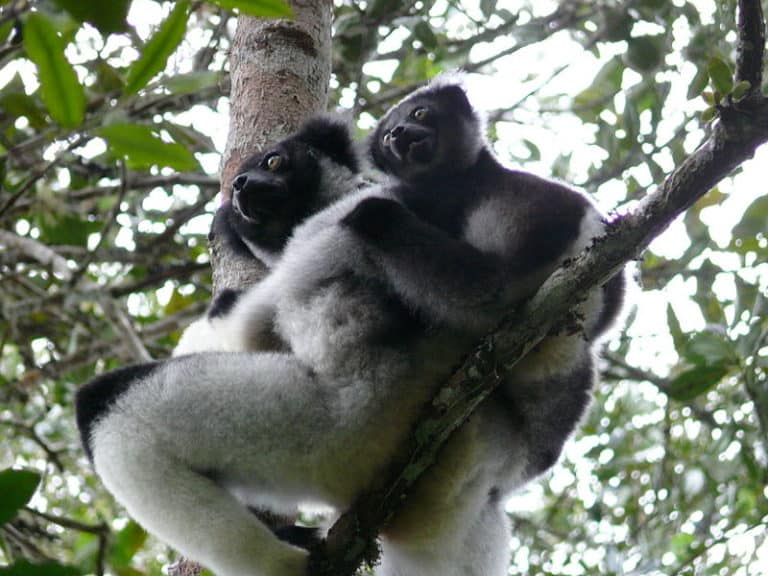
The singing giant of Madagascar's trees
The Annamites' "spindlehorn" mystery
Not a lemur-nature's glide master
Big wings. Brief life. Night royalty.
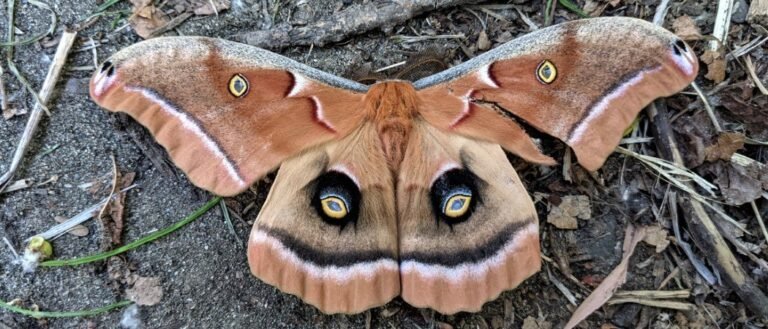
Big wings. Bold eyes. Brief life.
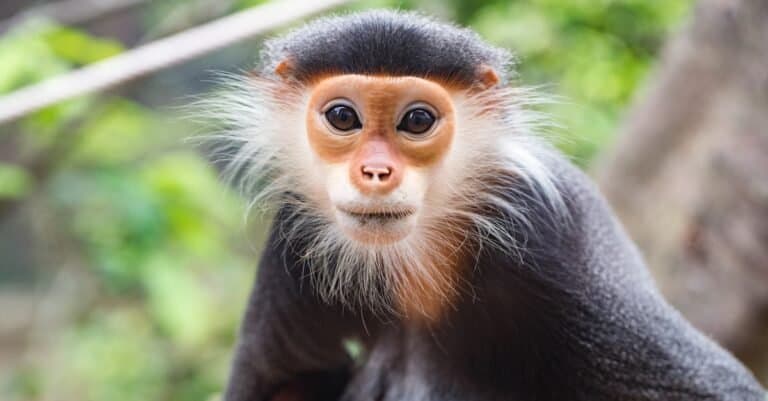
Colorful leaf-eaters of the canopy
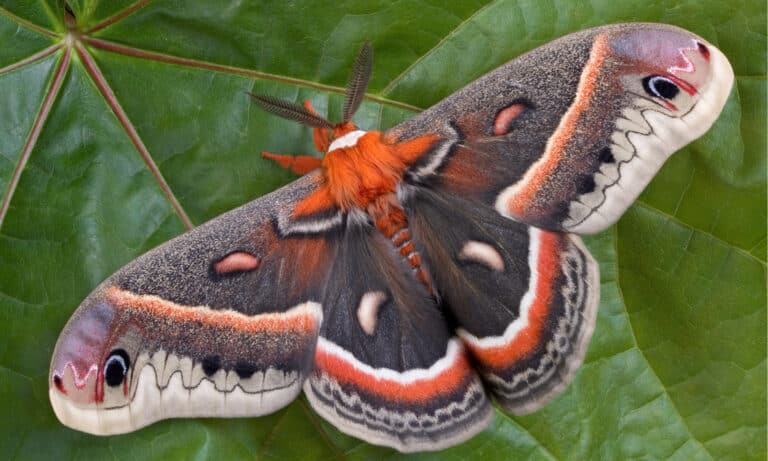
Biggest native moth, built for one mission
Hornworms: big bites, bold disguises
Big wings. No meals. Just mating.
Boxwood's night invader
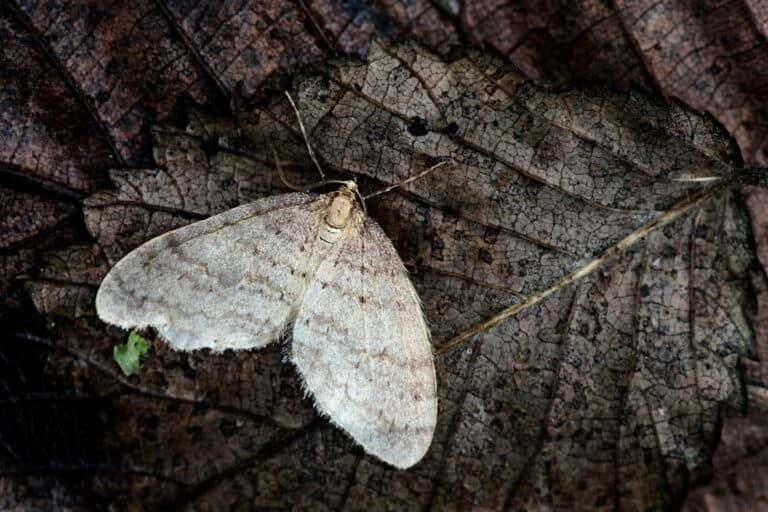
Winter flyer, spring defoliator
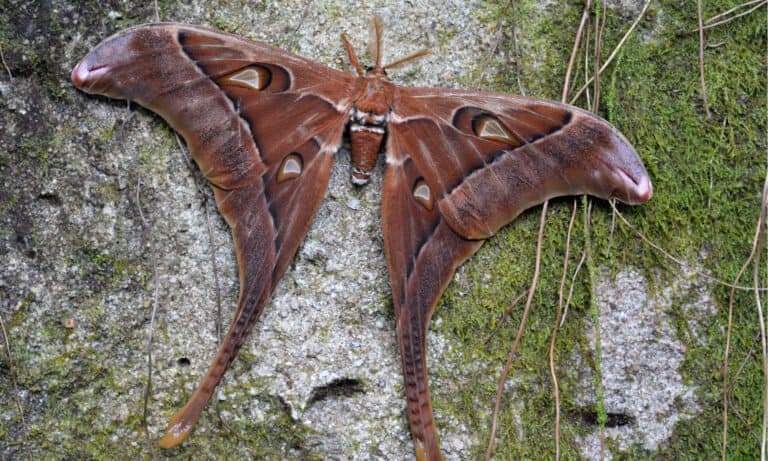
Big wings. Bigger legend.
Madagascar's moth with a comet's tail
The high-shouldered sky-browsing sauropod
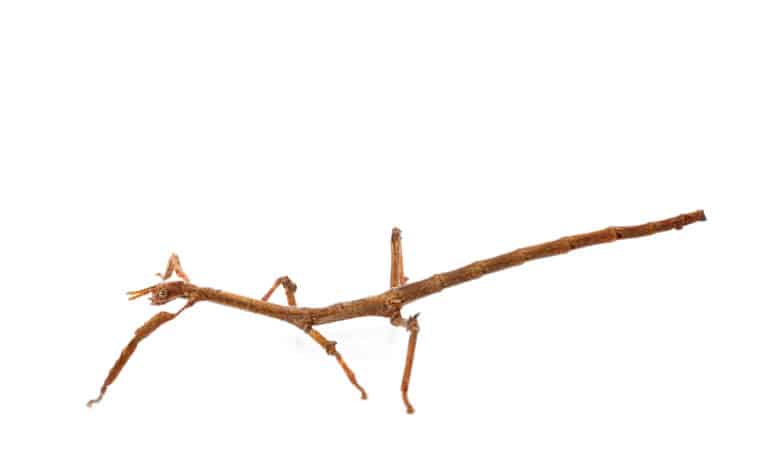
Madagascar's master of mimicry
Thank you for reading! Have some feedback for us?
We appreciate your help in improving our content.
Our editorial team will review your suggestions and make any necessary updates.
There was an error submitting your feedback. Please try again.