Quick Take
- The name "terrier" holds a clue about their original job, and that clue has nothing to do with their personality. Discover their hunting roots →
- Not all dogs with "terrier" in the name are actually true terriers, and the distinction matters more than you might think. See which aren't true terriers →
- The same traits that can make terriers frustrating pets today were once survival tools, and the connection between the two is surprisingly direct. Explore their working-dog traits →
- Laws and changing tastes are what ultimately took terriers off the job, and the animals involved might surprise you. See how laws changed their role →
The American Kennel Club recognizes 32 dogs in the terrier group. While we tend to think of terriers as small dogs, they can be a wide range of sizes from tiny Yorkshire terriers that weigh up to 7 pounds to Airedale terriers that can weigh up to 70 pounds. They also have a wide variety of coat colors and hair types. Despite superficial differences, they share a number of traits: they are spirited, courageous, feisty, and energetic. But what exactly were terriers bred for? Continue reading to discover the history of the terrier and learn about their original roles and jobs.
The Origins of the Terrier
Today, terriers are popular as pets all over the world, but these dogs have a past that you might not believe. Terriers originated in the U.K. in the 18th and 19th centuries. Early breeders developed terriers to catch vermin, making them extremely popular dogs with hunters and farmers. They derived their name from the Latin word “terra,” meaning earth. This refers to the breed’s love of digging after prey, which generally consisted of small burrowing mammals.
However, different breeds of terrier were bred to specialize in different types of vermin. For example, Dandie Dinmont terriers were bred to flush badgers and otters from their hiding places on the Scottish border. Border terriers, Jack Russell terriers, and Patterdale terriers were bred to hunt foxes. Yorkshire terriers were created to hunt rats in the mills and mines of northern England. Cairn terriers were developed to chase foxes and otters from rocky areas in the Scottish Highlands. Scottish terriers were also bred to hunt foxes, badgers, otters, and other vermin in the Highlands. Bedlington terriers were popular rabbiting dogs with miners in the coalfields of North East England. Norwich and Norfolk Terriers were developed as rat hunters, frequently kept to control vermin in stables and barns.
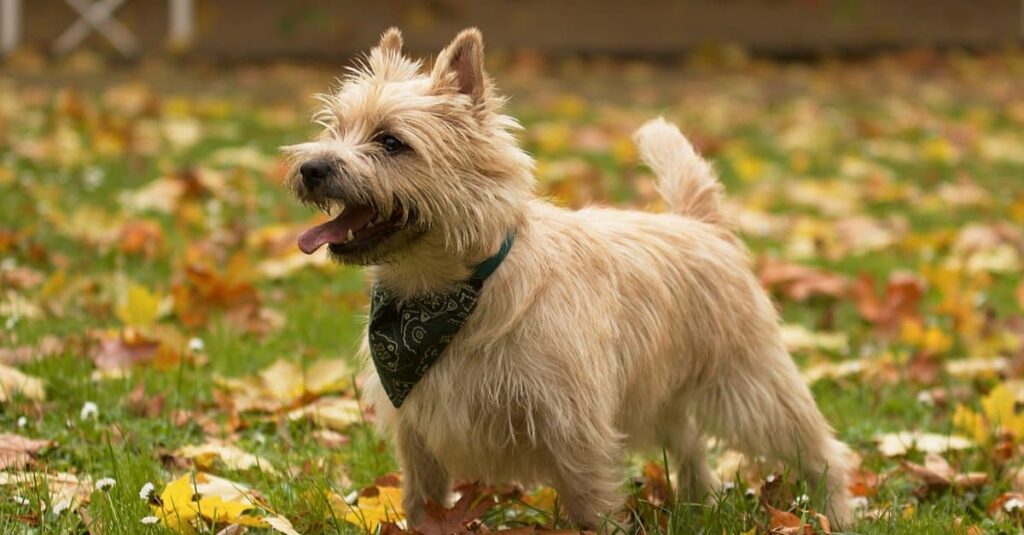
Cairn terriers flushed badgers and otters from their dens in the rocky areas of the Scottish Highlands.
©EiZivile/Shutterstock.com
Terrier Evolution
As time went on, terriers evolved to deal with different challenges. For example, their body size and shape changed with industrialization. The need for pest control in urban environments required the breeding of smaller dogs. Due to their small size and long, silky coats, Yorkshire Terriers became fashionable Victorian-era companions instead of factory vermin catchers. The popularity of dog shows in the late 19th century also helped to take these working dogs to the show ring, which was the first step to regional terriers becoming distinct, established breeds.
Today, some of the animals that were considered nuisance animals in the 1800s and 1900s are protected by the U.K. government. Otters are fully protected across the U.K. under the Wildlife and Countryside Act 1981, while badgers are primarily protected under the Protection of Badgers Act 1992, with additional protections provided by the Wildlife and Countryside Act 1981 and the Hunting Act 2004. Foxes are not protected in regard to conservation, but the Hunting Act 2004 makes it illegal in England and Wales to hunt foxes with dogs, and Scotland enacted its own separate legislation, the Protection of Wild Mammals (Scotland) Act 2002. Otters, badgers, and foxes are not protected federally in the U.S., but they have various state-level protections as fur-bearing mammals. With terriers out of a job, they completed the transition into human companions.
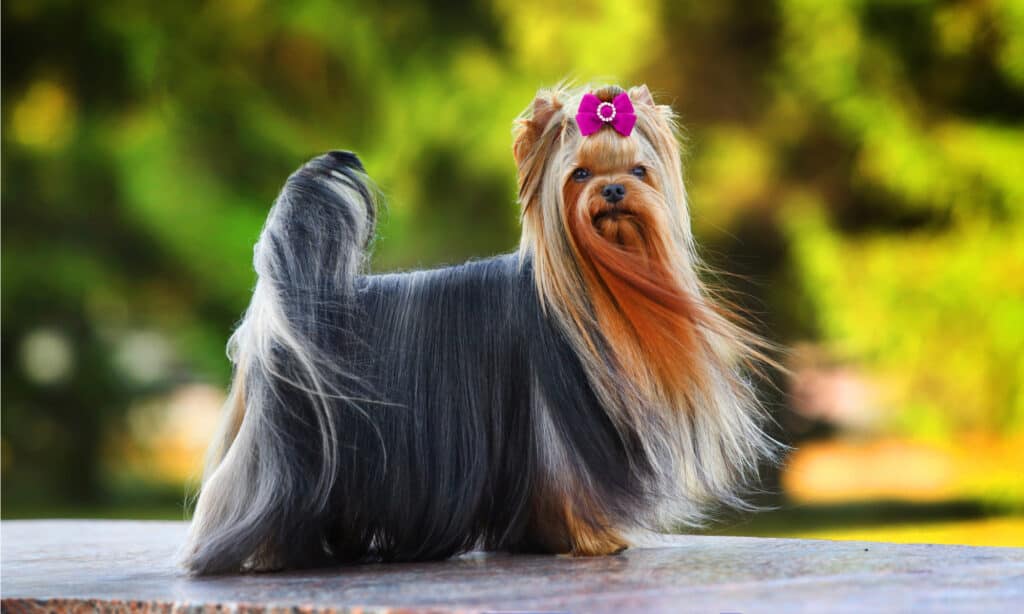
Yorkshire terriers later became fashionable pets instead of working-class rat catchers.
©Dulova Olga/Shutterstock.com
Different Types of Terriers and Terrier Mixes
Many breeds are called terriers even though they were not part of the original group bred to eliminate vermin. Breeds such as American pit bull terriers, bull terriers, Boston terriers, and Staffordshire bull terriers are descendants of terriers, but they are also mixed with bulldogs. These dogs were unfortunately bred as fighting dogs, but they are known to be affectionate family companions today. The Boston terrier is classified as a non-sporting breed, as they were intentionally bred down in size to become house pets, Although Yorkshire terriers were bred to hunt vermin, they are classified in the toy group due to their small size and early evolution as a lapdog.
Types of Purebred Terriers
- Airedale terrier
- American Hairless Terrier
- American Staffordshire Terrier
- Australian Terrier
- Bedlington Terrier
- Border Terrier
- Bull Terrier
- Cairn Terrier
- Cesky Terrier
- Dandie Dinmont Terrier
- Glen of Imaal Terrier
- Irish Terrier
- Kerry Blue Terrier
- Lakeland Terrier
- Manchester Terrier
- Miniature Bull Terrier
- Miniature Schnauzer
- Norfolk Terrier
- Norwich Terrier
- Parson Russell Terrier
- Rat Terrier
- Russell Terrier
- Scottish Terrier
- Sealyham Terrier
- Skye Terrier
- Smooth Fox Terrier
- Soft Coated Wheaten Terrier
- Staffordshire Bull Terrier
- Teddy Roosevelt Terrier
- Welsh Terrier
- West Highland White Terrier
- Wire Fox Terrier
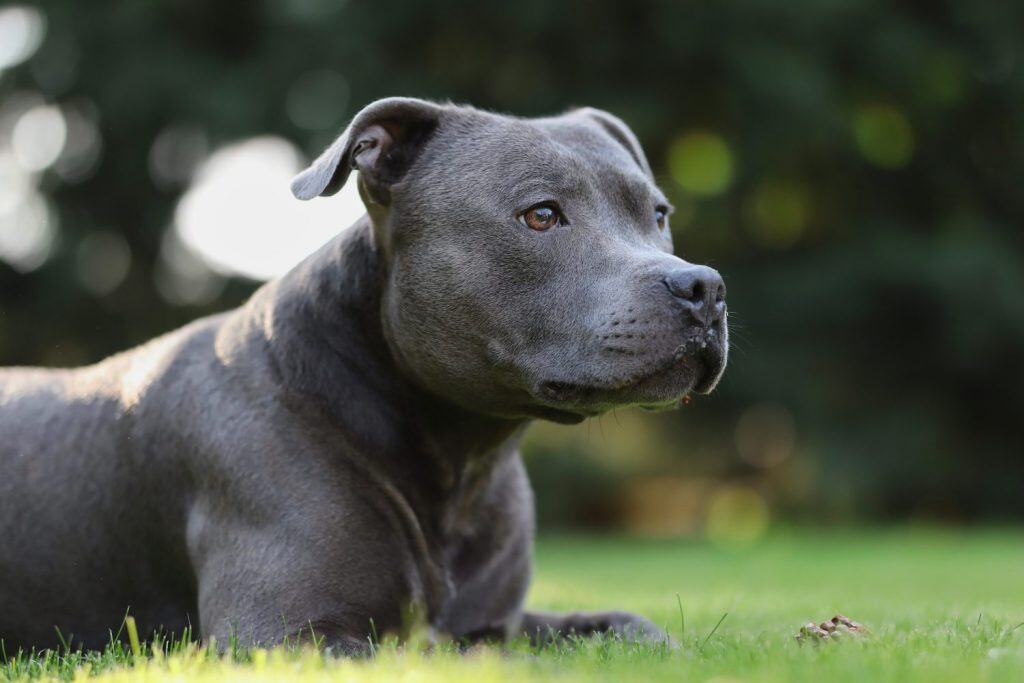
The Staffordshire bull terrier can reach up to 38 pounds.
©Nikola Cedikova/Shutterstock.com
Size and Weight of a Terrier
Many people think terriers are small-sized dogs because the most popular breeds are smaller in size, like the Jack Russell or Boston terrier. However, the group includes several larger breeds, like Airedales or American Staffordshire Terriers.
Average Size and Weight of Small Terrier Breeds
Small terrier breeds typically are shorter than 16 inches and weigh less than 22 pounds.
Average Size and Weight of Medium Terrier Breeds
Medium terrier breeds are generally between 18 to 25 inches tall and weigh around 25 to 50 pounds.
Average Size and Weight of Large Terrier Breeds
Large terrier breeds measure between 30 to 32 inches tall and weigh approximately 35 to 65 pounds.
Terrier Temperament
Temperament will depend on the type of terrier. However, most are fun and active and enjoy going on adventures or playing games. This makes them perfect for active owners who have time to exercise with their pups. Because these dogs were bred to hunt vermin, they are very alert, but modern terriers can usually coexist with smaller animals, such as cats.
Terriers are notorious for their tenacity and bravery. However, these traits can land them in trouble, so owners must always supervise them when outdoors. While these dogs love their owners, they aren’t always cuddly. In addition, they may be wary of strangers, so they need proper socialization and obedience training from a young age. Barking is another trait they tend to carry from their vermin hunting days. This was especially true for terriers bred to hunt underground, as they needed to alert their owners if they got stuck. Therefore, it is not unusual for this breed to bark when excited or stressed.
If you are an avid gardener, then terriers probably aren’t for you. Most of them tend to dig, especially when bored. Furthermore, these dogs may act out by chewing or destroying objects if they are understimulated.