N S W E
Wildlife Expeditions

Wildlife of
Zambia

Zambia is celebrated for immersive, on-foot safari adventures across big-game strongholds like South Luangwa and Kafue, framed by mighty rivers-including the Zambezi-and the spectacle of Victoria Falls.
123 Species
752,612 km² Land Area
Overview

About Zambia

Zambia's wildlife character is defined by vast, lightly developed wilderness and a safari culture that prizes intimacy with nature-especially through guided walking safaris pioneered in the Luangwa Valley. From lion and leopard to large elephant herds and abundant hippos and crocodiles, the country's natural heritage is anchored by healthy predator-prey systems, seasonal floodplains that pulse with life, and some of the most rewarding riverine wildlife viewing in Africa. For visitors, Zambia often feels like a return to classic safari: fewer vehicles, expansive landscapes, and encounters that unfold at a natural pace.

Ecologically, Zambia is a tapestry of major river basins and broad miombo woodlands, with the Zambezi and its tributaries shaping some of the continent's richest wildlife corridors. South Luangwa National Park is famed for dense game concentrations along the Luangwa River, strong leopard viewing, and prime dry-season sightings as animals congregate at shrinking water sources. Kafue National Park-one of Africa's largest-encompasses open plains, miombo forests, and the Busanga Plains, a seasonal wetland that draws predators and large herbivore herds. Lower Zambezi National Park delivers iconic canoe and boat-based safaris where elephants, buffalo, and antelope feed along the riverbanks beneath escarpments, while wetlands and dambos across the country support a deep bird list and specialized antelopes.

In conservation, Zambia plays a vital regional role by maintaining large protected areas and cross-border landscapes, helping keep transboundary movements of wildlife viable across the greater Zambezi system. Community partnerships, regulated hunting in certain Game Management Areas (alongside photographic tourism), and sustained anti-poaching efforts have been central to recovery and protection in key regions. What makes the Zambian wildlife experience unique is its blend of scale and solitude-walking, paddling, and river-focused safaris that put you close to tracks, sounds, and behavior-paired with headline natural wonders like Victoria Falls and the wildlife-rich river valleys that feed it.

Physical Features

Geography

Zambia's wildlife distribution is shaped by a high, gently undulating plateau dissected by major river basins (Zambezi, Kafue, Luangwa, and the Lake Tanganyika/Congo-draining north). Broad miombo woodlands dominate much of the country and support wide-ranging herbivores and predators, while river valleys and floodplains create high-productivity dry-season refuges with dense game concentrations (notably in the Luangwa, Kafue Flats, and along the Zambezi). Wetlands and large lakes in the north (Bangweulu, Mweru, Tanganyika) support specialized waterbirds and endemic/near-endemic species, and escarpments and isolated hills add habitat diversity and local endemism. The lack of coastline shifts biodiversity emphasis toward riparian corridors, seasonal wetlands, and woodland mosaics that drive movements, breeding, and predator-prey dynamics.

752,612 km² Land Area
~39th largest country; about the size of Texas Size Rank

Key Landscapes

  • Zambezi River system (including Victoria Falls, Batoka Gorge, and downstream riparian corridors that anchor Lower Zambezi habitats)
  • Luangwa Valley (South & North Luangwa): a major rift valley with rich riverine woodland and dry-season wildlife concentrations
  • Kafue River and Kafue Flats: extensive seasonal floodplains critical for grazers, waterbirds, and predator-prey interactions
  • Barotse Floodplain (upper Zambezi): vast seasonal inundation supporting fish, birds, and floodplain specialists
  • Bangweulu Wetlands & Floodplains: swamp-grassland mosaic important for wetland endemics and large waterbird assemblages
  • Lake Tanganyika shoreline (Zambian section) and adjacent escarpments: lacustrine and rocky habitats influencing local biodiversity patterns
  • Lake Mweru and the Luapula River wetlands: river-lake interface supporting wetland fauna and fisheries
  • Muchinga Escarpment and associated highlands: divides the Luangwa and Congo/Zambezi drainages; adds altitudinal and habitat gradients
  • Central African Plateau miombo woodlands (countrywide): the dominant matrix habitat influencing large-mammal distribution and connectivity
  • Isolated hills/inselbergs and dambos (seasonally wet grassland depressions): create localized habitat mosaics used by birds, amphibians, and small mammals

Ecoregions

  • Central Zambezian miombo woodlands (dominant woodland mosaic across much of Zambia)
  • Zambezian Baikiaea woodlands (drier southwest woodlands, associated with Kalahari sands and distinct flora/fauna assemblages)
  • Zambezian flooded grasslands (including major floodplain systems such as Barotse, Kafue Flats, and parts of Bangweulu)
  • Southern Rift montane forest-grassland mosaic (high-elevation fragments in the northeast near the Rift/Lake Tanganyika region)
  • Itigi-Sumbu thicket (localized, dense thicket habitats around the Sumbu area in northern Zambia; important for habitat specialists)
Parks & Reserves

Protected Areas

Zambia's protected area system is anchored by a network of National Parks (managed by the Department of National Parks & Wildlife) supported by surrounding Game Management Areas (GMAs) that function as buffer zones and community-use wildlife areas. In addition, Zambia has important wetland/forest reserves and community conservancies (often operating through GMA frameworks) that help connect major ecosystems such as the Luangwa Valley, the Kafue Basin, the Zambezi Valley, the Bangweulu floodplains, and the Liuwa-Upper Zambezi system. The country is especially known for strong anti-poaching partnerships, big-wilderness landscapes, and walking-safari traditions (notably in the Luangwa Valley).

Protected Coverage

Approximately ≈30-35% of Zambia's land is within the broader protected-area/wildlife estate when National Parks plus GMAs are considered; formal National Parks alone cover roughly ≈8% of the country (figures vary by source and boundary definitions).

Notable Parks & Reserves

South Luangwa National Park

National Park

A flagship Luangwa Valley park famous for high predator densities, exceptional leopard viewing, and Zambia's iconic walking safaris along the Luangwa River floodplain and oxbow lagoons.

Leopard
Leopard
Lion
Lion
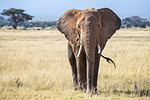
African elephant
African elephant
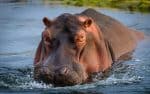
Hippopotamus
Hippopotamus
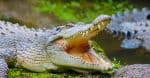
Crocodile
Crocodile
Thornicroft's giraffe
Cookson's wildebeest

Kafue National Park

National Park

One of Africa's largest national parks, Kafue protects vast miombo woodland, seasonal floodplains (Busanga Plains), and riverine habitats that support strong carnivore and antelope diversity.

Lower Zambezi National Park

National Park

A scenic Zambezi Valley park known for canoe and boat-based wildlife viewing, with game concentrated along riverine forests and islands opposite Zimbabwe's Mana Pools region.

North Luangwa National Park

National Park

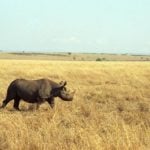
A remote, low-traffic wilderness crucial for conservation (including reintroduced black rhino in secure zones) and for maintaining connectivity in the greater Luangwa ecosystem.

Liuwa Plain National Park

National Park

A striking open plain in western Zambia with one of southern Africa's notable wildebeest migrations and strong hyena activity, driven by seasonal flooding and short-grass habitats.

Blue wildebeest
Lion
Lion
Spotted hyena
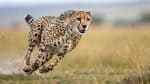
Cheetah
Cheetah
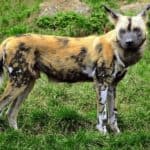
African wild dog
African wild dog
Oribi
Oribi

Kasanka National Park

National Park

Small but globally famous for the annual mass emergence of fruit bats and for a mosaic of wetlands, forests, and rivers that support rare wetland specialists.

African straw-coloured fruit bat
Sitatunga
Puku
Blue monkey
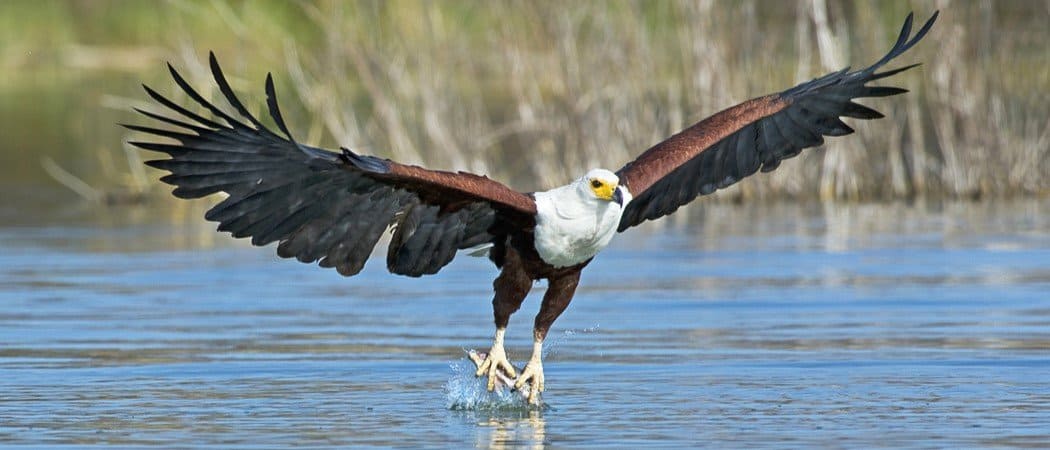
African fish eagle
African fish eagle

Lochinvar National Park (Kafue Flats)

National Park; Ramsar wetland (Kafue Flats)

A key wetland and floodplain system for waterbirds and the Kafue lechwe, offering some of Zambia's best birding and open vistas on the Kafue Flats.

Kafue lechwe
Wattled crane
Saddle-billed stork
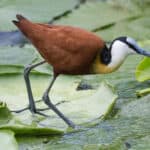
African jacana
African jacana
Hippopotamus
Hippopotamus

UNESCO World Heritage Sites

  • The Smoke that Thunders / Victoria Falls (shared with Zimbabwe)
Animals

Wildlife

Zambia's wildlife diversity is shaped by vast river systems (Zambezi, Luangwa, Kafue), floodplains and dambos, miombo woodland, and major wetland complexes (e.g., Bangweulu). The country is especially celebrated for big-game viewing in South Luangwa, Kafue, and Lower Zambezi, strong walking-safari traditions, and a mix of classic savanna predators, large herbivore herds, and wetland-specialist birds and antelopes.

~230+ Mammals
~750-800 Birds
~150-170 Reptiles
~80-100 Amphibians

Iconic Species

African Elephant
African Elephant A defining big-game species in Zambia's major parks; particularly strong safari sightings in Lower Zambezi and Kafue (Busanga Plains seasonally), and along the Luangwa River corridors where elephants concentrate in the dry season.
Lion
Lion Key predator for classic savanna safari experiences; reliably encountered in South Luangwa and Kafue, with good chances around riverine habitats and open floodplain/grassland areas (e.g., Busanga Plains).
Leopard
Leopard Zambia-especially South Luangwa-is renowned for leopard viewing, with frequent sightings along the Luangwa River and its tributaries during the dry season; a flagship species for night drives and walking safaris.
African Wild Dog
African Wild Dog One of Zambia's most sought-after predators; notable packs occur in South Luangwa and parts of Kafue, where visitors can witness highly active daytime hunting behavior when conditions are right.
Cape Buffalo
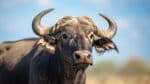
Cape Buffalo Large herds are a hallmark of Zambia's big-game areas, often concentrated near permanent water in the dry season; common in Kafue, Lower Zambezi, and South Luangwa, adding drama to walking safaris.
Hippopotamus
Hippopotamus Major river systems support dense pods-especially along stretches of the Luangwa and Zambezi-making hippos a constant presence on game drives and boat activities in Lower Zambezi.
Nile Crocodile
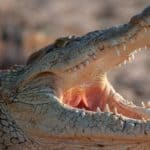
Nile Crocodile Abundant in the Zambezi and Luangwa systems; a signature river predator often seen basking on sandbanks and hunting near water crossings in prime safari regions.
Sable Antelope A coveted antelope for many visitors; Zambia's miombo woodlands and mixed habitats (notably Kafue) provide strong opportunities to see this striking species, especially in drier months near open areas.
Shoebill
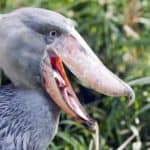
Shoebill A bucket-list wetland bird; Bangweulu Wetlands are one of the most reliable places in southern Africa to search for shoebills, with specialist tracking in papyrus swamps and floodplain margins.

Endemic Species

Chaplin's Barbet A true Zambian endemic largely tied to fig-rich habitats in central Zambia; a premier target for birders and one of the country's signature endemic species. Endemic
Kafue Lechwe A floodplain specialist lechwe subspecies essentially confined to the Kafue Flats; iconic for wetland safaris and a key grazer shaping the ecology of this important wetland system. Endemic
Black Lechwe A near-endemic lechwe subspecies strongly associated with the Bangweulu floodplains; famed for large gatherings in the wetlands and for its conservation importance in Zambia. Endemic
Thornicroft's Giraffe (Luangwa Giraffe) A Luangwa Valley near-endemic giraffe form, largely restricted to the South/North Luangwa ecosystem; a signature "only-in-Zambia (mostly)" sighting for many safari-goers. Endemic
Cookson's Wildebeest A localized wildebeest form with a stronghold in Zambia's Luangwa Valley; of special interest to wildlife enthusiasts seeking regionally distinctive populations. Endemic

Notable Populations

  • Kasanka National Park hosts one of the world's largest mammal migrations: millions of straw-coloured fruit bats (Eidolon helvum) seasonally roost and move through the area.
  • Bangweulu Wetlands are globally important for shoebill encounters and rank among the most reliable sites to search for the species.
  • The Luangwa Valley is internationally famous for high-quality leopard viewing and is a flagship landscape for Zambia's walking-safari tradition.
  • The Kafue Flats are a key wetland system of international importance, supporting large concentrations of wetland grazers (notably Kafue lechwe) and waterbirds.
Protection

Conservation

Primary Threats

  • Poaching for bushmeat and opportunistic killing of protected species persists around major parks (notably Kafue and the Luangwa Valley), driven by poverty, demand for wild meat, and access via road networks. While anti-poaching has improved in some landscapes, snaring and firearm poaching still impact antelope populations and can injure lions, leopards, and wild dogs through indiscriminate snares.
  • Zambia has been used as both a source and transit route for illicit wildlife products, particularly ivory moving through regional corridors toward international markets. Enforcement gains have occurred, but trafficking networks and cross-border movement with neighboring countries keep pressure on elephants and other high-value species.
  • Conversion of woodlands and savanna to crops and settlement is most pronounced along fertile river valleys and at protected-area boundaries (e.g., parts of the Luangwa Valley and Kafue's periphery). Encroachment fragments wildlife dispersal areas and reduces buffer zones that historically supported seasonal movements.
  • Smallholder expansion and commercial agriculture (including irrigation in suitable catchments) increases land clearance and can intensify conflicts with wildlife where fields abut park boundaries. In some areas, agricultural growth is reinforced by road improvements and market access, accelerating edge effects around parks and game management areas.
  • Unsustainable harvesting for charcoal and timber in miombo woodlands is a major driver of landscape degradation in many provinces, increasing fragmentation and fire risk and reducing habitat quality for woodland-dependent species. Charcoal supply chains to urban centers indirectly pressure conservation landscapes.
  • Copperbelt and Northwestern Province mining footprints, plus exploration in broader regions, create localized habitat loss, road expansion, and pollution risks. Increased access and in-migration can raise hunting pressure and land conversion, and tailings/effluent can affect downstream aquatic systems if poorly managed.
  • Road upgrades, new access tracks, power lines, and associated development can open remote areas to settlement and poaching and create barriers or mortality risks for wildlife. Hydropower and water infrastructure on major rivers can alter flow regimes that sustain downstream floodplains and fisheries.
  • Altered fire regimes (more frequent late dry-season fires), river regulation around hydropower operations, and catchment land-use change modify savanna-woodland structure and aquatic habitats. These shifts can reduce forage quality, affect breeding areas for aquatic species, and change predator-prey dynamics in key ecosystems.
  • Elephants, hippos, buffalo, and carnivores frequently damage crops, threaten human safety, or depredate livestock near the Luangwa, Lower Zambezi, and Kafue systems. Retaliatory killing and rising negative attitudes toward wildlife can follow, especially where communities see limited benefits from tourism or slow response to incidents.
  • Localized overharvest of fish in heavily used rivers and floodplains and intensive collection of fuelwood and non-timber forest products near settlements can reduce ecosystem resilience. Where alternative livelihoods are limited, dependence on natural resources increases pressure around protected-area edges.
  • Mining-related contamination risks (heavy metals, sediment) and urban/wastewater pollution around growing towns can degrade water quality in tributaries feeding the Kafue and Zambezi systems. Agricultural runoff (fertilizers/pesticides) is an emerging localized issue in more intensified farming zones.
  • Greater rainfall variability, hotter temperatures, and more frequent drought/flood cycles threaten water security and habitat stability in river-dependent ecosystems. Climate stress can amplify human-wildlife conflict (as wildlife concentrate near water and crops) and increase wildfire intensity in miombo landscapes.
  • Wildlife-livestock interfaces near park boundaries can facilitate disease risks (e.g., anthrax events in some wildlife areas, and other transmissible diseases affecting ungulates and carnivores). Limited veterinary capacity in remote regions can slow detection and response, increasing ecological and livelihood impacts.
  • Aquatic weeds and invasive plants can proliferate in disturbed wetlands and river margins, especially where nutrient inputs rise and flow patterns change. Invasive species can alter fish habitat and impede water access/use for communities and wildlife in localized areas.
  • Growing tourism nodes and settlement pressures near flagship parks and the Victoria Falls/Livingstone corridor increase noise, off-road driving impacts, and river traffic in sensitive habitats. Disturbance is most pronounced where visitor concentration is high or enforcement of zoning is weak.
  • Urban growth (notably Lusaka and regional centers) increases demand for charcoal, timber, water, and bushmeat, indirectly driving extraction from surrounding landscapes. Expansion of peri-urban agriculture and informal settlements can also encroach on wetlands and forest patches important for ecosystem services.
  • Fishing pressure rises in productive systems like the Kafue Flats and major river channels, with risks from illegal gear, fishing in breeding areas, and weak enforcement in some stretches. Declining catches can push fishers to intensify effort, creating a feedback loop that further depletes stocks.
Visit

Wildlife Tourism

Zambia is one of Africa's most rewarding "wild and wide-open" safari destinations, anchored by major river systems (Zambezi, Luangwa, Kafue) that support big game, rich birdlife, and excellent predator viewing. Wildlife tourism is a key part of the country's broader travel economy alongside Victoria Falls, supporting jobs in guiding, camps, transport, and park management-especially in rural areas near flagship parks like South Luangwa, Kafue, and Lower Zambezi. Zambia's modern safari reputation was shaped by pioneering guiding and conservation efforts in the Luangwa Valley and by its globally respected walking-safari tradition, which remains a signature draw for experienced safari-goers. Accessibility is practical but more "expedition" than some neighbors: most itineraries route through Lusaka (the main hub) and then connect by light aircraft or road to the parks. South Luangwa is commonly reached via Mfuwe Airport; Lower Zambezi via Royal or Jeki airstrips; Kafue by road/air from Lusaka or Livingstone. Many prime areas are seasonal-roads can be challenging in the wet months-so planning around park access and camp opening dates matters. For travelers, the payoff is fewer crowds, expert guiding, and immersive river-and-bush experiences that feel genuinely untamed.

Best Time to Visit

Wildlife viewing is best in the dry season when animals concentrate around rivers and waterholes and vegetation thins.

- May: Start of the dry season; green landscapes fade, temperatures are pleasant. Good all-round game viewing and excellent birding (residents + some late migrants). Many camps reopen; rivers still high for scenic boat time in places like Lower Zambezi.
- June: Cooler, very comfortable for walking safaris. Game viewing steadily improves in South Luangwa and Kafue as animals move toward permanent water.
- July: Peak comfort + strong sightings. Expect excellent predator action in South Luangwa as visibility increases; boat/canoe safaris on the Zambezi are prime.
- August: Drier and warmer; very good concentrations of elephants and buffalo near rivers. Strong leopard viewing in South Luangwa; Kafue's open plains (Busanga, when accessible) can be superb for big cats.
- September: Hotter, and wildlife gathers tightly around water-often some of the best "guaranteed" viewing. Great for photographers seeking dust, drama, and predator-prey encounters.
- October: Hottest month for many areas; water is scarce, so game viewing can be exceptional, especially along the Luangwa and Zambezi riverbanks. Ideal for intense predator viewing, but heat can be challenging.

Rainy/"emerald" season (roughly Nov-Apr): Lush scenery, fewer visitors, and outstanding birding (migrants). Some areas become difficult to access and many seasonal camps close; wildlife disperses, so general game viewing is less concentrated. Victoria Falls is often most voluminous toward late wet season (around Feb-May), though visibility varies with spray and viewpoints.

Top Wildlife Experiences

  • Track leopards at night on a guided spotlight game drive in South Luangwa, one of Africa's top leopard strongholds.
  • Do a classic walking safari with an armed scout and expert guide in the Luangwa Valley-learning tracks, alarm calls, and how ecosystems fit together step by step.
  • Canoe past hippos and crocodiles on the Zambezi (Lower Zambezi area), drifting along channels while elephants feed on the banks.
  • Take a sunrise boat safari on the Zambezi for close-range wildlife viewing and bird photography, then finish with a riverside breakfast.
  • Join a hide-and-waterhole session in the late dry season (especially Sep-Oct) to watch elephants, buffalo, and antelope cycle in-ideal for patient photographers.
  • Seek out African wild dogs on dedicated drives in Kafue (and surrounding ecosystems when conditions are right), focusing on early mornings when they're most active.
  • Combine a game drive with a river crossing/"two habitat" day-morning in woodland for cats, afternoon along river edges for elephants, hippos, and birdlife.
  • Do a guided "walking + drive" day: start on foot in the cool morning, then switch to a vehicle for wider-range predator tracking later in the day.
  • Plan a Victoria Falls add-on that includes a wildlife-focused river outing above the falls (Zambezi cruise/boat safari) rather than only viewpoint sightseeing.
  • Take a specialist birding outing in wetlands and floodplains (season-dependent), targeting fish eagles, kingfishers, bee-eaters, and (in the right habitats) sought-after species like shoebill in select areas.

Safari Types Available

  • 4x4 game drives (day and night drives where permitted/available)
  • Walking safaris (multi-hour walks to multi-day mobile walking camps in some regions)
  • Boat safaris on major rivers and lagoons (wildlife viewing + birding)
  • Canoe safaris (especially along calmer Zambezi channels; sometimes multi-day)
  • Photographic safaris (hide-based sessions, dedicated vehicles, private guides)
  • Birding-focused safaris (best in wet/shoulder seasons; strong year-round riverine birding)
  • Mobile safaris (moving camp-to-camp for broader coverage, often in peak dry months)
  • Combination itineraries (Victoria Falls + river safari + classic bush safari)
Fun Facts

Did You Know?

Even within Zambia, some headline animals are "local specialties": Thornicroft's (Luangwa) giraffe and Crawshay's zebra are largely confined to the Luangwa Valley, so you can see "different-looking" giraffe and zebra here compared with many other African destinations.

Zambia is a birthplace of the modern walking safari tradition: conservationist Norman Carr popularized multi-day, on-foot safaris in the Luangwa Valley in the mid-20th century, shaping how walking safaris are run across Africa today.

A landlocked country can still deliver "big-water" wildlife scenes: the Zambezi and Luangwa river systems support dense river-life (hippos, crocodiles, fish eagles) and drive dramatic seasonal floodplain changes that reshape where animals feed and gather month to month.

Black rhinos returned to the Luangwa ecosystem after decades: reintroductions to North Luangwa (starting in the early 2000s) helped re-establish a breeding population under intensive protection-something many safari-goers don't realize Zambia offers.

Zambia has a national park inside its capital's metropolitan area: Lusaka National Park (opened in 2015) makes it possible to see zebra, giraffe, and antelope on safari a short drive from the city center.

Kasanka National Park hosts the planet's largest known mammal migration: an estimated ~8-10 million straw-colored fruit bats (Eidolon helvum) roost there each year (typically Oct-Dec).

Kafue National Park is Zambia's largest national park (~22,400 km²) and ranks among the largest protected areas in Africa-big enough to hold regionally important populations of lion, cheetah, wild dog, and large antelope herds.

South Luangwa National Park is widely cited by researchers and guides as having one of Africa's highest leopard densities, which is why it's considered one of the continent's most reliable places to see leopards on safari.

Liuwa Plain National Park is home to one of Africa's biggest wildebeest movements-often described as the continent's second-largest after the Serengeti-Mara-when tens of thousands of wildebeest sweep across the plains in the wet season.

The Bangweulu Wetlands are the only natural home of the black lechwe (Kobus leche smithemani)-a water-adapted antelope found nowhere else on Earth.

Like many countries in southern Africa, Zambia has a wealth of wildlife found both in and outside the parks and reserves set up to protect them. Bordered by Angola to the west, Namibia, Zimbabwe and a tiny bit of Botswana to the south, Mozambique to the southeast, Malawi to the east, and Tanzania to the northeast, it shares with them animals such as those called the Big Five: lions, elephants, buffalos, leopards, and rhinoceros, though the rhinoceros is in danger of going extinct in many areas. Zambia also has many species of birds, reptiles, and primates. As of 2021 29.2 percent of the country has been dedicated to protecting its unique wildlife.

The Official National Animal of Zambia

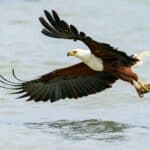
The official national animal of Zambia is the African fish eagle. This eagle looks very much like North America’s bald eagle, but its white feathers extend down to its chest. Though it mainly eats fish it will also take other prey including smaller birds, small reptiles, amphibians, and mammals. It also eats carrion. The African fish eagle has a joyous scream that many believe represents the spirit of Africa itself.

Where To Find The Top Wild Animals in Zambia

Some of the top wild creatures, especially birds, can be found throughout the country. The African fish eagle, for example, can be found around Zambia’s many bodies of water, whether they are in nature preserves or not. Others can be found in the country’s game management areas and national parks.

National parks in Zambia include Blue Lagoon National Park which is small but famous for its birds; Kafue National Park; the privately operated Kasanka National Park; the Lower Zambezi National Park; Sioma Ngwezi National Park, which is home to herds of beasts such as elephants and wildebeests who migrate to and from parks in Namibia and Botswana; and the world-famous South Luangwa National Park, which offers walking safaris.

The Most Dangerous Animals In Zambia Today

The Big Five were called that because big game hunters considered them the five most dangerous creatures to hunt. The lion, the leopard, the rhino, the elephant, and the buffalo are still best treated with respect, but there are others that are at least as dangerous. They include:

  • The Nile crocodile — This formidable reptile can grow between 11.5 and 20 feet in length and weigh over a ton. It is a surprisingly fast runner and an ambush predator. The Nile crocodile is a generalist that eats any animal it can tackle, and that includes human beings. As many as 469 people are killed by the crocodile every year.
  • Hippopotamus — Some statistics have this animal slaying as many as 3000 people a year. The animal looks ungainly, but it is aggressive, bad-tempered, and territorial. It tramples and crushes people, bites people to death, overturns boats in the water, and attacks whoever falls out.
  • Black mamba — This snake is often found where people live. It is fast, can grow over 9 feet long, and is one of the most venomous snakes in the world. The bite is fatal if antivenin isn’t given fairly quickly. There are reports, maybe apocryphal, of people dying from just seeing a black mamba in their homes.
  • Puff Adder — Though the black mamba’s venom may be more powerful, more people are bitten by puff adders. The puff adder isn’t particularly aggressive, but its brown and buff coloration camouflages it as it basks on pathways. Because of this, people step on the snake unawares and are bitten. Even wearing shoes might not help, for the snake’s fangs are so long they can pierce soft leather. Of all people who are envenomated by the puff adder, about 52 percent die.
  • Tsetse Fly — This fly not only transmits the deadly sleeping sickness but is at least partially responsible for keeping much of sub-Saharan Africa, including Zambia, in poverty. This is because of its devastating effect on agriculture.

Endangered Animals In Zambia

Zambia is not a wealthy country, and at least five of its national parks no longer harbor its unique wildlife because they couldn’t be maintained. This makes the situation of the country’s endangered creatures even more precarious. They include:

The Flag of Zambia

The flag of Zambia consists of a green field with an orange-colored African fish eagle flying above a rectangular block of three vertical stripes of red, black, and orange.

The red color represents the country’s struggle for freedom and the bloodshed endured by the founding fathers, while the green color represents the country’s abundant natural resources and luscious vegetation. The black represents the country’s people, and the orange stands for its mineral wealth, primarily copper.

Animals Found in Zambia

123 species documented in our encyclopedia

Thank you for reading! Have some feedback for us?