N S W E
Wildlife Expeditions

Wildlife of
Australian Capital Territory

From city-edge bushland to alpine-influenced ranges, the ACT packs kangaroos, koalas, rare grassland birds and platypus into Australia's capital backyard.
18 Species
2,358 km² Land Area
Overview

About Australian Capital Territory

The Australian Capital Territory (ACT) is a small but wildlife-rich part of southeast Australia where Canberra sits next to big nature reserves and working lands. You can see Eastern Grey Kangaroos near suburbs, hear Laughing Kookaburras in city parks, and reach rugged bushland within minutes. Programs protect threatened native grassland species and keep habitats linked across the region. The ACT’s habitats include temperate eucalypt forests and woodlands (including box-gum woodland), native grasslands, rocky outcrops, and river corridors like the Murrumbidgee and Molonglo. These support koalas, wombats, many woodland birds and freshwater animals such as platypus. Namadgi National Park’s higher ranges have cooler, alpine-like communities. Many protected areas sit close to the city and are managed by scientists, with good tracks, signs and community monitoring that make wildlife watching and learning easy.

Physical Features

Geography

The ACT’s wildlife is shaped by a steep rise from river valleys to the Brindabella Mountains, creating nearby habitats: eucalypt forests, box-gum woodlands, grasslands, rocky outcrops and riparian corridors. Canberra’s greenspaces affect movement, nesting and links between reserves like Namadgi and Tidbinbilla. Rivers, wetlands and reservoirs provide aquatic habitat in an inland area with cold winters and alpine zones.

2,358 km² Land Area
Smallest state/territory in Australia by land area Size Rank
Australia Country
Territory Type
Elevation Range

≈550 m to 1,912 m (Bimberi Peak)

Coastline

None (landlocked). Key freshwater features include the Murrumbidgee, Molonglo and Cotter rivers, plus reservoirs and urban lakes such as Lake Burley Griffin.

Key Landscapes

Brindabella Range and associated montane/subalpine environments (core of Namadgi National Park) Bimberi Wilderness high country (cooler, higher-elevation habitat and refugia) Murrumbidgee River corridor (major riparian habitat, movement corridor, cliffs and river flats) Cotter River catchment (important for aquatic habitat and water-supply reservoirs) Molonglo River and Lake Burley Griffin (urban freshwater habitat and wetland edges) Native temperate grasslands (including threatened grassland remnants on the Canberra plains and valley floors, critical for grassland fauna and ground-nesting birds/reptiles/invertebrates)
State Symbols

Official Wildlife Symbols

wildflower

Royal Bluebell

Designated 1982

bird

Gang-gang Cockatoo

animal

Brush-tailed Rock-wallaby

Parks & Reserves

Protected Areas

ACT protects much of its small land with Namadgi, Canberra Nature Park reserves, and high-value woodland, grassland and wetland reserves. Protection focuses on temperate eucalypt forests, montane peatlands and headwaters, and critically threatened box-gum woodlands and native grasslands that support declining woodland birds and reptiles. Much of this estate is Canberra's main biodiversity corridor and water catchment buffer.

Protected Coverage

Approximately 55-60% of the ACT's land area is in national park, nature reserve, or other formal conservation tenure (driven largely by Namadgi National Park plus the Canberra Nature Park reserve network).

National Parks & Preserves

Namadgi National Park

~106,000 ha (≈1,060 km²)

The ACT's flagship protected area and the northern gateway to the Australian Alps. It contains extensive montane eucalypt forests, granite outcrops, and alpine/peatland wetlands that support threatened frogs and mammals, plus large-ranging raptors and intact predator-prey dynamics compared with surrounding settled areas.

Northern corroboree frog Spotted-tailed quoll Greater glider Powerful owl Wedge-tailed eagle

State & Provincial Parks

Canberra Nature Park (network of reserves)

~12,000 ha total (network of reserves; area varies by reserve)

A network of nature reserves on hills, ridges and woodland around Canberra, protecting remnant habitats and providing accessible wildlife viewing close to the city. Important for woodland birds, reptiles and macropods, and for maintaining habitat connectivity along the urban fringe.

Eastern grey kangaroo Gang-gang cockatoo Superb parrot Short-beaked echidna Lace monitor

Tidbinbilla Nature Reserve

~5,400 ha (≈54 km²)

Large reserve south-west of Canberra with forests, woodlands and wetlands, well known for reliable native wildlife viewing and long-running conservation programs (including around walking trails and wetland areas).

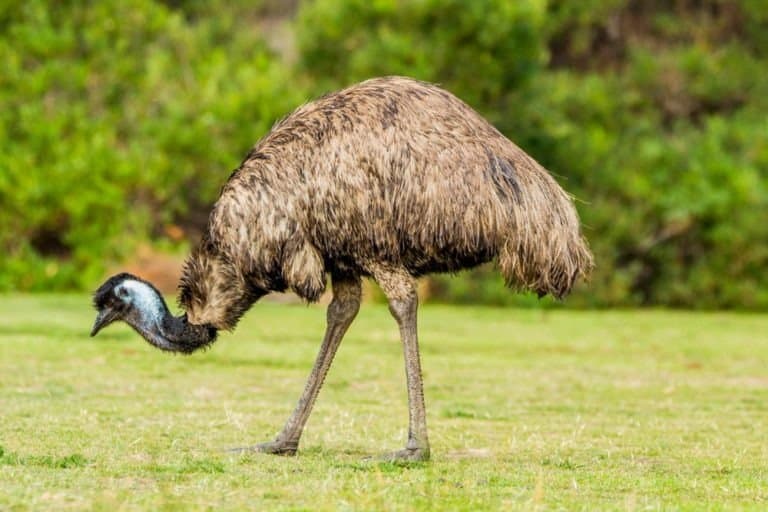
Koala Platypus Brush-tailed rock-wallaby Emu Swamp wallaby

Mulligans Flat Nature Reserve

~1,500 ha (≈15 km²)

Box-gum woodland reserve noted for restoration and nearby fenced sanctuary rewilding work, supporting threatened woodland bird conservation and reintroductions under intensive management.

Superb parrot Brown treecreeper Eastern bettong (reintroduced in the sanctuary) Eastern quoll (reintroduced in the sanctuary) Red-rumped parrot

Jerrabomberra Wetlands Nature Reserve

268 ha

Key urban wetland complex on the Molonglo/Jerrabomberra floodplain supporting large numbers of waterbirds, including migratory species; important breeding/feeding/roosting habitat and a major ACT birdwatching site.

Latham's snipe Australasian shoveler Great egret White-faced heron Black swan

Goorooyarroo Nature Reserve

~1,050 ha

Box-gum woodland and grassland reserve managed to protect threatened woodland birds and reptiles and commonly used for bird surveys and biodiversity monitoring.

Superb parrot Diamond firetail Varied sittella Eastern grey kangaroo Lace monitor

Kama Nature Reserve

~500 ha

Native grassland and open woodland reserve in north Canberra valued for grassland biodiversity and as part of a broader connected conservation landscape; good for observing kangaroos and grassland birds.

Striped legless lizard (grassland habitat in the ACT) Golden sun moth (grassland habitat in the ACT) Australian hobby Eastern grey kangaroo Brown falcon

Wildlife Refuges

Mulligans Flat Woodland Sanctuary (fenced sanctuary within/adjacent to Mulligans Flat area)

~500-600 ha (≈5-6 km²) fenced area (approx.)

A predator-managed, fenced woodland 'rewilding' sanctuary designed to restore missing ecological roles. It's one of the best places in the ACT to see reintroduced small-medium mammals and to observe active conservation in action.

Eastern quoll (reintroduced) Eastern bettong (reintroduced) Common brushtail possum Short-beaked echidna Superb parrot (woodland habitat nearby)

Ginini Flats Wetlands (montane peatland system in Namadgi National Park)

Small montane wetland complex within Namadgi (site scale varies; core wetlands are a few km²)

A highly sensitive alpine/peatland wetland complex important for headwaters, carbon-storing bogs and threatened amphibians. Access is managed to protect fragile sphagnum bog habitats.

Northern corroboree frog Common eastern froglet (montane populations) Swamp wallaby Australian raven (upland) Wedge-tailed eagle

Molonglo River Corridor / Lake Burley Griffin foreshore reserves (multiple linked reserves)

Linear corridor with multiple reserve units (overall length tens of km; area varies)

A chain of riparian and lake-edge habitats that function as an urban wildlife refuge and migratory bird stopover area, supporting waterbirds, turtles and bats while maintaining connectivity through Canberra.

Eastern long-necked turtle Australasian darter Little pied cormorant Microbats (various species) Platypus (in some connected reaches)

Wilderness Areas

  • Bimberi Wilderness (large roadless backcountry within Namadgi National Park and adjoining NSW reserves)
  • Brindabella Range backcountry (remote forested ridgelines and valleys along the ACT-NSW border)
  • Cotter River headwaters and upper catchments (remote, rugged terrain with limited access; important for water supply and habitat)
  • Orroral Valley-Blue Gum Creek backcountry (less-developed sections within the Namadgi landscape, valued for quiet recreation and wildlife habitat continuity)
Animals

Wildlife

The Australian Capital Territory (ACT) is small but has many kinds of wildlife packed into urban Canberra, wooded foothills, and the high country of Namadgi National Park and nearby reserves. It sits where temperate eucalypt forests, montane woodlands, the Murrumbidgee river and its creeks, and important native grasslands meet. Visitors can see southeastern Australian mammals and birds near the city and cold-climate species in the Brindabella Range. Conservation work—predator control, fenced sanctuaries, and targeted reintroductions—helps protect threatened grassland reptiles, recovering woodland mammals, and rare alpine frogs.

~75-85 (including ~25-30 bat species) Mammals
~280-320 Birds
~45-55 Reptiles
~13-16 (frogs) Amphibians
~20-30 freshwater species recorded in the region (native plus a smaller number of widespread introduced species) Fish
Examples

Iconic Species

Eastern Grey Kangaroo The most visible large mammal in the ACT-often seen grazing in mobs in grasslands and open woodlands, including around Canberra's reserves and rural fringes.
Platypus
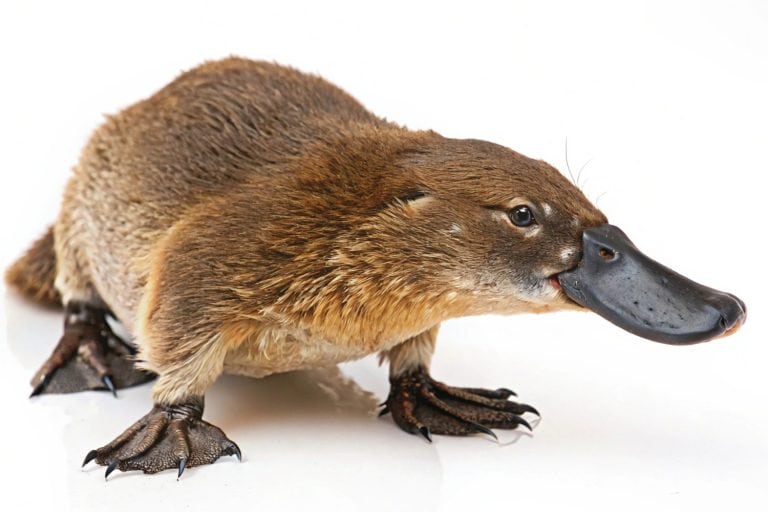
Platypus A flagship species of ACT rivers and creeks; sought-after by visitors along quiet waterways such as the Cotter and Murrumbidgee tributaries (best at dawn/dusk).
Gang-gang Cockatoo The ACT's faunal emblem and a classic Canberra bird; often seen in eucalypt woodland and even suburban areas, especially where large old trees provide hollows.
Superb Lyrebird Famous for elaborate mimicry and display; encountered in moist forest gullies in reserves and the higher-rainfall ranges.
Wedge-tailed Eagle Australia's largest raptor; regularly soars over grasslands and ridgelines and is a defining presence in the ACT's open-country skies.
Common Wombat Frequently signs (burrows, scats) and occasional sightings occur in higher, cooler forest and grassland edges-especially around Namadgi and nearby reserves.
Koala
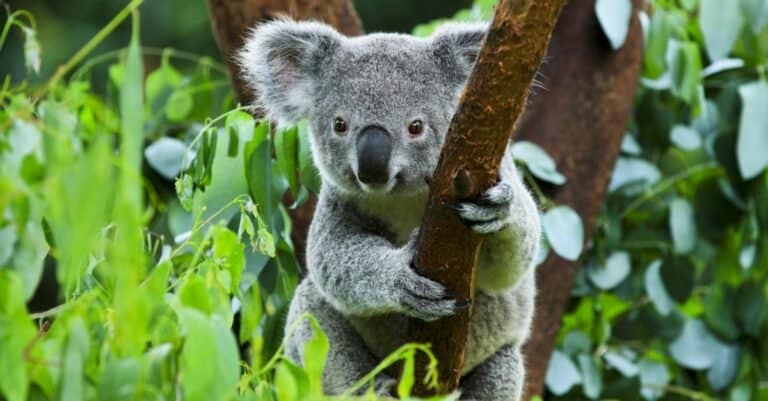
Koala Not as common as in some coastal regions, but a much-loved species that can be found in suitable eucalypt habitats in parts of the ACT region; sightings are memorable because they are relatively local and often close to the capital.
Spotted-tailed Quoll A charismatic native predator that persists at low densities in larger forested areas; more often detected by cameras/track surveys than seen, but it strongly defines the 'wild' character of the ACT ranges.
Laughing Kookaburra
Laughing Kookaburra A familiar, photogenic predator of woodlands and parklands; common and easy to encounter across Canberra and surrounding bushland.

Endemic & Rare Species

Northern Corroboree Frog

Pseudophryne pengilleyi

Critically Endangered (nationally); extremely restricted, with severe declines driven largely by chytrid fungus and habitat pressures

A high-profile ACT/NSW alpine and subalpine bog specialist; the ACT's high country supports key habitat and has been central to intensive conservation actions (monitoring and releases).

Canberra Grassland Earless Dragon

Tympanocryptis osbornei

Endangered (nationally; listed under the EPBC Act under the grassland earless dragon complex); highly range-restricted to native grasslands in the ACT and nearby NSW, vulnerable to habitat loss and fragmentation

One of the ACT's signature threatened grassland reptiles; its survival is tightly linked to protecting the territory's remaining natural temperate grasslands.

Striped Legless Lizard

Delma impar

Threatened; grassland specialist with fragmented populations in southeastern Australia

A conservation 'flagship' for ACT grasslands; persists in a limited set of well-managed sites and is strongly affected by grassland condition and connectivity.

Pink-tailed Worm-lizard

Aprasia parapulchella

Threatened; patchy distribution and dependent on rocky habitats

A distinctive burrowing reptile associated with rocky slopes and outcrops around the ACT; important in local planning because suitable habitat can be small and easily disturbed.

Smoky Mouse

Pseudomys fumeus

Threatened; uncommon and sensitive to fire regime and habitat quality

A secretive small mammal of forested landscapes; the ACT's larger reserves can support populations, making it an important species for long-term forest management and post-fire recovery.

Macquarie Perch

Macquaria australasica

Endangered (nationally); declined across much of its former range due to habitat alteration and barriers

A native freshwater fish for which the ACT region provides important river habitat; recovery depends on cold, clean flows and improved river connectivity.

Greater Glider

Petauroides volans

Threatened in parts of its range; vulnerable to loss of large hollow-bearing trees and severe fire

A canopy-dependent glider that relies on mature forests; major fires and hollow loss can cause local declines, making it a focal species for forest structure and hollow-tree protection.

Notable Populations

  • Threatened native grassland fauna assemblages (including grassland earless dragons and legless lizards) in the ACT's remaining natural temperate grasslands-considered among the most important and intensively managed grassland conservation areas in Australia.
  • Key high-country habitat in Namadgi National Park and the Brindabella Range that supports nationally significant conservation effort for the Northern Corroboree Frog (including monitoring and translocation/release programs).
  • Macquarie Perch populations in ACT-region rivers/streams that are important for the species' broader Murray-Darling Basin conservation and restoration efforts.
  • Predator-managed and fenced woodland sites (e.g., Mulligans Flat-Goorooyarroo area) that act as demonstration landscapes for rebuilding functioning woodland mammal communities.

Recent Changes

  • Reintroductions and reinforcement of native mammals in managed woodland reserves (notably the Eastern Bettong, Bettongia gaimardi, in fenced sanctuary settings) to restore ecosystem functions such as digging and soil turnover.
  • Reintroduction efforts for locally extinct or depleted populations in secure reserves (e.g., Brush-tailed Rock-wallaby, Petrogale penicillata, in managed sites) aimed at rebuilding small, safe colonies.
  • Ongoing declines and high extinction risk for chytrid-affected frogs, especially the Northern Corroboree Frog, with increased reliance on captive breeding, targeted releases, and intensive habitat management.
  • Post-fire impacts (from major bushfires in the ACT high country) causing local setbacks for hollow-dependent and forest mammals/birds, with recovery tied to long timeframes for hollow formation and careful fire/habitat management.
  • Increasing pressure from drought/heat and altered flow regimes on river wildlife (including platypus and native fish), elevating the importance of environmental flows, riparian restoration, and refuge habitats.
Visit

Wildlife Viewing

The Australian Capital Territory (ACT) packs many wildlife spots into a small area: eucalypt forests, native grasslands, wetlands, and mountains near Canberra. See kangaroos and wallabies near the city, many birds at wetlands and Lake Burley Griffin, and lace monitors on warm days. Namadgi National Park offers shy forest animals and night viewing.

Best Seasons

Spring (Sep-Nov)

Peak wildflower season in grasslands and reserves; strong bird activity with courtship and nesting; excellent time for daytime walks as temperatures are mild. Expect kangaroos grazing in open areas, active reptiles on sunny days, and standout birding at wetlands.

Summer (Dec-Feb)

Long daylight hours for early-morning and late-evening wildlife viewing; good reptile activity (snakes and lizards) on warm days; lively waterbird viewing around lakes and ponds. Plan around heat and bushfire risk-go at dawn/dusk and carry water.

Autumn (Mar-May)

Comfortable hiking conditions and crisp nights; birds and mammals are active longer into the day; good time for woodland birding and for spotlighting (nocturnal) species. Autumn colours add scenery around Canberra's urban reserves and lake edges.

Winter (Jun-Aug)

Clear, crisp days and excellent visibility for raptor-watching; quieter trails; great time for wetland birding as some species concentrate around reliable water. Nights are cold but ideal for stargazing-plus-spotlighting experiences where offered.

Top Wildlife Experiences

  • Sunrise kangaroo and wallaby viewing at Mulligans Flat Woodland Sanctuary (north Canberra): walk the sanctuary trails early for grazing eastern grey kangaroos, wallabies, and a big variety of woodland birds.
  • Birding and wetland wildlife at Jerrabomberra Wetlands (Fyshwick): bring binoculars for waterbirds and migratory visitors; best in the morning when birds are most active and light is good for photography.
  • Lace monitor and woodland wildlife spotting on the Australian National Botanic Gardens (Black Mountain): follow forest paths in warmer months for goannas, parrots, and honeyeaters close to the city.
  • Lake Burley Griffin foreshore loop (Commonwealth Park / Kingston Foreshore): easy urban wildlife walk for waterbirds, black swans, ducks, cormorants, and occasional raptors; great at golden hour.
  • Namadgi National Park day hike (e.g., Yankee Hat area): combine wildlife watching with dramatic granite country and eucalypt forest; keep an eye out for macropods, soaring birds of prey, and evidence of wombats and other nocturnal mammals.
  • Tidbinbilla Nature Reserve wildlife loop: a classic ACT wildlife stop with reliable encounters-look for kangaroos and wallabies in open areas and birds along creeks and wetlands; allow time for quiet observation.
  • Night spotlighting / nocturnal wildlife walk (seasonal, where available): join a guided evening outing in a reserve or sanctuary to search for possums, gliders, owls, and other nocturnal species-an excellent contrast to daytime birding.

Wildlife Watching Types

Urban-edge kangaroo and wallaby viewing (grasslands, reserves, and golf-course-adjacent open areas) Birding hotspots: wetlands, lake foreshores, woodland sanctuaries, and montane forest edges Wetland and waterbird watching (lakes, ponds, and reedbeds) Raptor watching (open country and ridge lines-best with clear winter light) Reptile spotting (goannas, skinks, snakes) on warm, sunny days in summer and spring Nocturnal wildlife watching / spotlighting (possums, gliders, owls-best via guided programs) Nature photography and citizen-science style wildlife walks (binocular-friendly trails close to Canberra)

Guided Options

  • Mulligans Flat Woodland Sanctuary: guided walks and seasonal nocturnal spotlighting programs (check current schedules and bookings)
  • Tidbinbilla Nature Reserve: ranger-led walks and education programs offered at various times of year (confirm via ACT Parks/venue listings)
  • Local birding groups and walks in Canberra (e.g., Canberra Ornithologists Group-often runs outings to wetlands, woodlands, and reserves)
  • Canberra nature/wildlife photography workshops and small-group walks (operators vary seasonally; look for guided sessions at wetlands and woodland reserves)
  • National park/ACT Parks event calendars: occasional guided activities in Namadgi National Park and other reserves, including interpretive walks and wildlife-focused talks
Habitats

Ecosystems

The Australian Capital Territory (ACT) sits at the inland edge of Australia's southeast temperate zone, from low river valleys and plains around Canberra up into the Brindabella Ranges and Australian Alps. It has a small but varied mix of eucalypt forests and woodlands, important native temperate grasslands, alpine and subalpine areas, and many rivers, reservoirs, and conservation wetlands.

Biomes

Temperate Forest

Dominant biome across ranges and foothills, mainly eucalypt forests (mountain gum/snow gum higher, dry sclerophyll lower) with diverse shrub and ground layers adapted to fire.

Widespread; dominant across the western and southern ACT (Namadgi/Brindabella landscapes) and many surrounding reserves.

Temperate Grassland

Native lowland grasslands and grassy woodland/grassland mosaics, including endangered Natural Temperate Grassland and kangaroo grass-dominated communities on valley floors and plains.

Patchy and fragmented, mainly in the Canberra-Queanbeyan plains and other lowland areas; many remnants occur in reserves and along transport/defence lands.

Alpine

Alpine to subalpine environments in the highest parts of the ACT (Australian Alps), including snow gum woodlands transitioning to frost-prone montane grasslands, herbfields, and peatland complexes in cold, wet headwaters.

Limited to the far southwest at higher elevations within Namadgi National Park and adjacent high country.

Freshwater

River and reservoir systems (headwaters, upland streams, regulated rivers, and urban lakes) supporting riparian corridors, aquatic macrophytes, and freshwater fauna; crucial for Canberra's water supply and biodiversity.

Occurs as networks of rivers/creeks and several large impoundments across the territory; densest along the Molonglo-Murrumbidgee catchments.

Wetland

Marshes, sedgelands, and peat-rich wetlands (including high-country bog/fen systems and lowland conservation wetlands) providing habitat for waterbirds, frogs, and threatened ecological communities.

Scattered; notable clusters in lowland basins (e.g., Jerrabomberra area) and in alpine/subalpine headwaters (e.g., Ginini Flats peatlands).

Habitats

Forest

Extensive eucalypt forest landscapes in Namadgi and the Brindabella foothills, shaped by elevation, aspect, and fire history.

Woodland

Box-gum and other eucalypt woodlands (including grassy woodlands) around Canberra's lowlands; important for woodland birds and connectivity (e.g., Mulligans Flat-Goorooyarroo area).

Grassland

Native temperate grassland remnants on plains and valley floors, often embedded within an urban/agricultural matrix and managed for threatened species values.

Shrubland

Heath and shrub-dominated communities on poorer soils and exposed slopes/ridges, including post-fire shrub mosaics in upland areas.

Alpine Meadow

High-elevation montane/alpine herbfields and grasslands in the southwest high country, with short growing seasons and frost/snow influence.

Mountain

Brindabella Range and associated high country terrain creating strong elevation gradients, cold headwaters, and varied microclimates.

River/Stream

Major waterways include the Murrumbidgee River and tributaries (e.g., Molonglo, Cotter), with riparian corridors and regulated flow sections near dams and urban areas.

Lake

Large impoundments and urban lakes such as Lake Burley Griffin and water-supply reservoirs (e.g., Cotter/Corin/Bendora system), supporting recreation and aquatic habitat.

Pond

Farm dams, stormwater ponds, and small urban waterbodies that can provide breeding habitat for frogs and refuge for waterbirds (with variable water quality).

Wetland

Conservation wetlands and riparian wetland complexes (notably around Jerrabomberra) supporting waterbirds and amphibians.

Marsh

Lowland marshes with reeds/sedges along lake margins and floodplain pockets, often important for bird breeding and foraging.

Bog

Threatened high-country peat bogs/fens (e.g., Ginini Flats) that regulate headwater flows and are sensitive to fire, trampling, and climate change.

Urban

Canberra's built environment with substantial tree cover and green corridors; interfaces strongly with surrounding reserves and bushland.

Suburban

Garden and parkland suburbs with urban forest structure, supporting adaptable native fauna and serving as movement corridors between reserves.

Agricultural/Farmland

Grazing and mixed rural lands on the territory's fringes, interspersed with remnant grasslands/woodlands and riparian strips.

Plantation

Pine plantation areas (notably around the Cotter catchment historically) and other production plantings, some transitioning to restoration after major fires.

Cliff/Rocky Outcrop

Rock outcrops and escarpments in upland areas and along some river corridors, providing raptor perches, microhabitats, and erosion-sensitive sites.

Ecoregions

Southeastern Australia temperate forests (WWF) Australian Alps montane grasslands and woodlands (WWF)
Protection

Conservation

Primary Threats

  • Canberra's expansion (new suburbs and associated services) disproportionately affects the ACT's remaining lowland native grasslands and box-gum woodlands, which often occur on flatter, developable land. Urban growth increases fragmentation, edge effects (noise, light, pets), and pressure to offset rather than avoid impacts in the most constrained habitats.
  • Beyond urban footprints, habitat loss in the ACT is also driven by historical clearing legacies in the lowlands, ongoing loss/degradation of old paddock trees in grassy woodlands, and conversion/management of plantation forests that can reduce habitat diversity and connectivity for woodland-dependent birds, reptiles, and arboreal mammals.
  • Road upgrades and new transport/utility corridors (arterials, parkways, powerlines, pipelines, and fences) create barriers between nature reserves, increase wildlife-vehicle strikes (e.g., macropods, echidnas), and fragment linear habitats used by threatened grassland reptiles and ground-foraging birds.
  • Warming temperatures, more frequent heatwaves, and drought amplify water stress in woodlands, increase the likelihood of severe fire weather, and reduce reliability of alpine/subalpine moisture regimes in the Brindabella Range. Species with restricted ranges and moisture-dependent breeding (e.g., alpine bog-associated frogs) are particularly vulnerable.
  • Changed fire patterns (big, severe fires like 2003 and 2019–20) can simplify habitats, reduce tree hollows, and cause erosion and sediment pulses into waterways. River regulation and water extraction alter flows that support native fish and riparian health.
  • Feral predators (cats and foxes) are a major driver of declines in small mammals, birds, and reptiles, especially in fragmented lowland reserves. Invasive herbivores (e.g., rabbits; locally deer in some areas) and invasive grasses/weeds degrade native grasslands and woodland understorey, increasing fuel continuity and reducing native plant diversity.
  • Chytrid fungus (Bd) remains a key risk for ACT frog populations, compounding climate and habitat pressures-particularly for high-elevation, breeding-site-limited species. Tree health issues and dieback can also interact with drought stress, reducing canopy condition and hollow recruitment in key woodland remnants.
  • Urban stormwater carries sediments, nutrients, hydrocarbons, and litter into the Molonglo and Murrumbidgee systems, affecting aquatic habitat and contributing to algal issues in urban lakes (including Lake Burley Griffin). Post-fire ash and sediment runoff can also cause acute water-quality impacts in catchments supplying Canberra's drinking water.
  • High recreational use around Canberra's reserve network (dogs off-leash, mountain biking, trail creation, and visitor pressure near riparian zones) can disturb breeding birds, trample native grassland structure, spread weeds via soil movement, and increase predation risk through subsidised predator pathways along tracks/edges.
  • Kangaroo-vehicle collisions and grazing conflicts in urban-edge grasslands drive contentious management (including regulated kangaroo management in some reserves). Encounters with snakes and urban wildlife (e.g., possums) can lead to harm or removal, and fencing/yard design can impede movement for species between reserve fragments.
  • While broad-scale agriculture is limited within the ACT compared with surrounding NSW, peri-urban grazing and pasture improvement in remaining rural leases can degrade native grassland remnants and grassy woodland understorey, reduce native forb richness, and impede recovery of threatened ecological communities.
  • Native forest logging is not a main pressure in the ACT, but forestry in large pine plantations and their roads can harm nearby reserves by edge effects, spreading weeds, and changing water flow. After harvesting, there is chance for restoration but also more erosion and weed invasion.
  • Large-scale mining is limited; however, quarrying and extractive activities (and the demand for construction materials) can impact localised habitats through vegetation removal, noise/dust, and increased heavy-vehicle traffic, particularly where sites intersect lowland ecological communities.
Fun Facts

Did You Know?

Platypus live in the middle of Australia’s capital. Though sensitive, they are often seen in the Molonglo River, Lake Burley Griffin and urban creeks around Canberra, even near major government buildings.

Canberra's "moth storms" are often bogong moths that blanket lit buildings in spring. They are not breeding in the ACT but passing through on their way to summer resting sites in the Australian Alps.

The ACT has a 'dragon' that lives in temperate grasslands: Canberra-region grassland earless dragons (Tympanocryptis complex) are small, camouflaged lizards living in native grasslands near growing suburbs, not dry deserts people expect.

A "snake" with legs (sort of) lives in Canberra's paddocks: the striped legless lizard found in ACT native grasslands is actually a lizard, not a snake-look for the telltale tiny hind-limb flaps and external ear openings that snakes lack.

The ACT's emblem bird, the gang-gang cockatoo, is common in Canberra suburbs. It eats native and introduced street-tree foods in winter and needs old eucalypt tree hollows for nesting.

One of the biggest "bushland-in-a-capital" networks in Australia: Canberra Nature Park protects roughly ~11,000 hectares of native woodland/grassland inside the city boundary, providing contiguous habitat for species like eastern grey kangaroos, wallabies, gliders and woodland birds.

Woodland restoration leader: Mulligans Flat Woodland Sanctuary (about 485 hectares, established 2011) is a major predator-proof fenced reserve on Canberra's edge focused on restoring temperate box-gum woodland and supporting reintroductions of locally extinct woodland species.

Global-scale insect movement passes through the ACT: bogong moths migrate up to ~1,000 km from lowland breeding areas (including around Canberra) to alpine caves to aestivate-one of the world's most dramatic moth migrations by distance and biomass.

Urban wetland bird diversity "punches above its weight": Jerrabomberra Wetlands (on Canberra's edge) has recorded 240+ bird species, making it one of the most species-rich birding hotspots in the inland south-east for a relatively small, city-adjacent wetland complex.

Thank you for reading! Have some feedback for us?