
Hamster
Pouches, burrows, and big impacts

Pouches, burrows, and big impacts

Not cavemen-Ice Age people

Big hops, big pouches, big variety
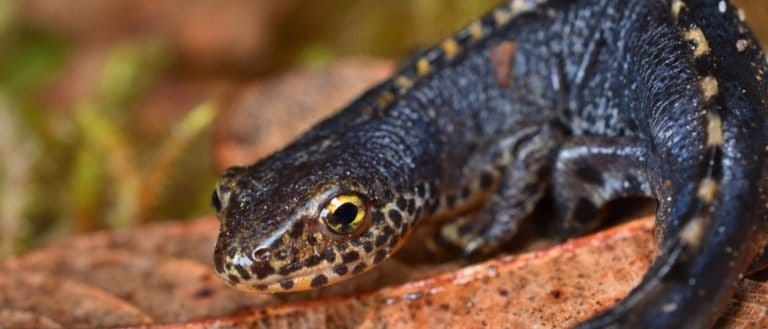
Crests, ponds, and potent defenses

Small hunter, big household legend
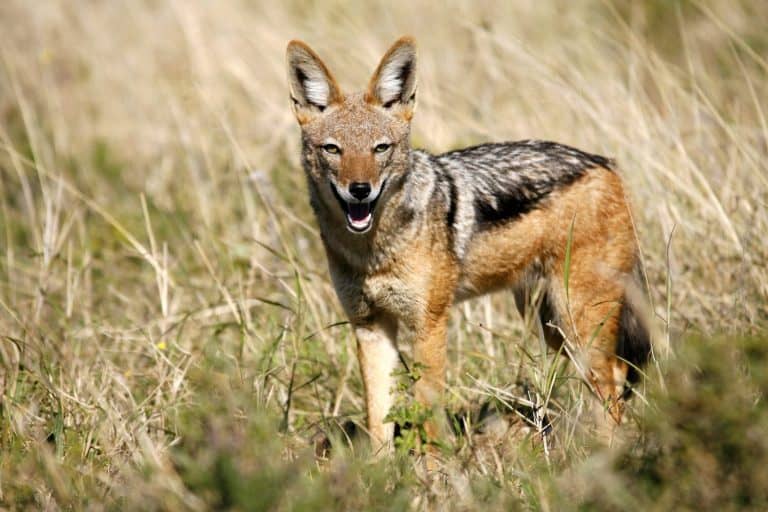
Small canids, big survival skills

Spines, eggs, and ant-eating mastery

From geckos to dragons-lizard power

Night pilots of the mammal world

From dunes to tundra-fox smart.
Temperate forests are mid-latitude terrestrial biomes dominated by tree canopies and shaped by moderate to high precipitation and strong seasonality in temperature and day length. Their vegetation ranges from broadleaf deciduous to mixed and evergreen forests, with ecosystem processes tightly coupled to seasonal pulses of light, moisture, and nutrient cycling.
Temperate forests are found in middle latitudes with warm growing seasons and cool or cold winters. Spring and summer bring fast leaf growth and high plant growth; autumn's shorter days cause deciduous trees to drop leaves, making leaf litter that feeds decomposers and builds soil. These forests have layers—canopy, understory, herbs, and a rich forest floor—creating many microclimates. Animals migrate, store food, or hibernate. Natural disturbances make a patchwork of habitats, helping biodiversity, water regulation, and long-term carbon storage.
Temperate forest climates are mid-latitude and seasonal, with warm summers, cool to cold winters, and moderate to high precipitation year-round or in seasons. Changing fronts and day length cause shifts in temperature, moisture, and light, causing deciduous leaf drop, spring growth of small plants under trees, winter dormancy, snow, and lots of plant growth in summer when moisture is enough.
Typically ~20-30°C (36-54°F) difference between average winter lows and average summer highs; inland/continental sites can reach ~35°C+ range.
Commonly ~600-1,500 mm/year (24-59 in); some temperate rainforests on windward coasts exceed ~2,000-3,000+ mm/year (79-118+ in).
Temperate forests have strong seasons with big swings in temperature. Cold winters slow plant growth, lock water as snow or ice, and cause dormancy and low decay, producing a spring nutrient pulse when soils warm. Spring leaf-out gives a brief light window for ephemerals. Summer brings growth but drought risk; autumn cools, leaves fall and feed decay and nutrient cycling.
Typically ~120-220 days. Begins in mid-spring after last hard frost (often April-May) and ends in early to mid-autumn with first frosts (often September-October). Maritime climates can extend the season toward ~200-250 days, while higher elevations and continental interiors may be closer to ~90-160 days.
Rapid warming; frequent rain; late frosts possible; snowmelt in colder temperate zones; increasing soil moisture and streamflow; high variability from week to week
Budburst and leaf-out in deciduous trees; early understory wildflower bloom before canopy closure; surge in primary productivity; decomposition and nutrient mineralization accelerate as soils warm; ephemeral pools form supporting amphibian reproduction; increased erosion/runoff risk during snowmelt and heavy rains
Warm to hot temperatures; moderate to high precipitation depending on region; occasional droughts and heatwaves; stable canopy shade creates cooler, moister microclimates at the forest floor; thunderstorms common in many areas
Peak leaf area and photosynthesis; highest canopy interception of rainfall; rapid plant growth and fruit/seed development; high competition for light in understory; streams may warm and drop in flow during dry spells; higher wildfire risk in drought-prone temperate forests
Cooling temperatures; declining precipitation or stormier periods depending on region; increasing frequency of frosts; decreasing soil and air temperatures; windy events more common
Deciduous leaf senescence and abscission; strong pulse of litterfall increases detrital inputs and fuels fungal growth; canopy opens, increasing light to understory and extending growth for some shade-limited plants; major seed and nut production (mast) in many hardwoods; nutrient retranslocation in plants; preparation for winter dormancy
Cold temperatures; snow and ice in many regions; shorter days; reduced liquid water availability due to frozen soils; freeze-thaw cycles near 0°C in milder zones; wind exposure increases after leaf drop
Primary productivity minimal in deciduous stands; evergreen conifers maintain low photosynthesis when conditions permit; soil biological activity slows; snowpack insulates soils and roots, moderating extreme cold; streamflow may be low (frozen precipitation stored as snow) or episodically high during midwinter thaws; mortality risk increases for seedlings and small-bodied fauna during severe cold or ice storms
Day Length: Large day-length variation typical of mid-latitudes (roughly ~8-10 hours in winter to ~14-16 hours in summer, increasing with latitude). Photoperiod is a reliable seasonal cue that synchronizes budburst, flowering, and dormancy in trees; times migration, breeding, and molting in birds; regulates reproductive cycles and hibernation/torpor physiology in mammals; and helps organisms anticipate temperature and food availability changes even when weather is anomalous. Mismatches (e.g., early warming without equivalent photoperiod change) can shift peak insect emergence relative to bird nesting, affecting reproductive success.
Temperate forests are in mid latitudes with moderate to high rain and clear seasons (warm summers, cool to cold winters). They include broadleaf deciduous, mixed broadleaf conifer and evergreen conifer forests, plus rainforests near coasts. Large blocks are in eastern North America, Europe and East Asia; smaller patches occur in southern South America, New Zealand, southeastern Australia/Tasmania, and some mountains.
Globally reduced and highly fragmented; many remaining temperate forests are secondary or managed stands. Conservation status varies by region (better protected in parts of Europe/North America, but ongoing conversion and degradation in parts of East Asia, South America, and elsewhere).
"Rainforest" doesn't have to mean hot: temperate rainforests can be cool and foggy for much of the year, with winter snow in some areas.
Temperate forests often have relatively fertile soils compared with many tropical forests, because nutrients can accumulate rather than being rapidly leached away year-round.
A huge share of temperate-forest life is underground: mycorrhizal fungi trade minerals and water for sugars, linking trees into vast nutrient-sharing networks.
Many trees "schedule" reproduction: in mast years, oaks, beeches, and others flood the forest with seeds all at once-overwhelming seed predators through sheer numbers.
Seasonality creates time-sharing: spring wildflowers race to bloom before the canopy leafs out, using a brief window of high light.
Dead wood is prime real estate: fallen logs ("nurse logs") can be essential nurseries for seedlings, mosses, and insects, especially in wetter temperate forests.
A mature temperate forest is like a multi-story city: canopy, subcanopy, shrub layer, herb layer, and soil/litter each function like different "floors" with distinct climate and residents.
In many temperate forests, most of the ecosystem's carbon is stored out of sight-often comparable to (or greater than) what's stored in the living trees-because soils and decaying wood act like long-term savings accounts.
Autumn leaf fall can blanket the ground like a natural insulation layer, buffering soil from rapid temperature swings much the way mulch does in a garden.
Temperate rainforests can "drink" fog: moisture captured by needles and mosses can drip to the forest floor ("fog drip"), effectively adding extra precipitation beyond what rain gauges record.
Compared with tropical forests, temperate forests often have fewer tree species but can match them in structural complexity-large trees, cavities, snags, and layered understories create many niches.
Tree rings in temperate forests are like annual data logs: each ring is a timestamped record of growth conditions (wet/dry years, cold snaps, even some fire years).
Home to the tallest trees on Earth: coast redwoods (Sequoia sempervirens) in temperate coastal forests can exceed 110 m (360+ ft).
Home to the most massive trees by volume: giant sequoias (Sequoiadendron giganteum) in temperate montane forests are the largest single-stem trees on Earth.
Home to the oldest known non-clonal trees: Great Basin bristlecone pines (Pinus longaeva) in temperate woodlands can live over 4,800 years.
Some temperate rainforests rank among the most carbon-dense forests on Earth, storing extraordinary amounts of carbon in big trees, deep soils, and long-lived woody debris.
The Pacific Northwest's temperate rainforests can produce astonishing amounts of biomass because cool temperatures slow decay while moisture fuels growth.
The Great Smoky Mountains (temperate broadleaf/mixed forest) are often cited among North America's richest temperate regions for species diversity, especially salamanders and plants.

Moon-marked climber of Asian forests
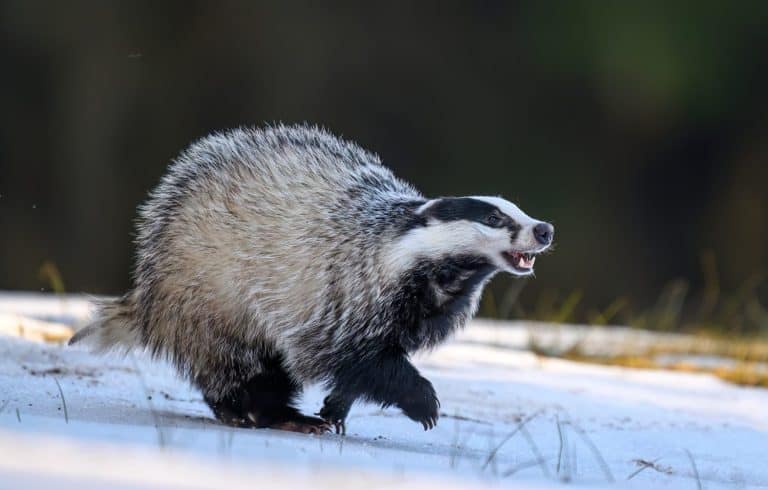
Built to dig. Born to endure.
Night pilots of the mammal world

Build wetlands, shape worlds.
Small hunter, big household legend
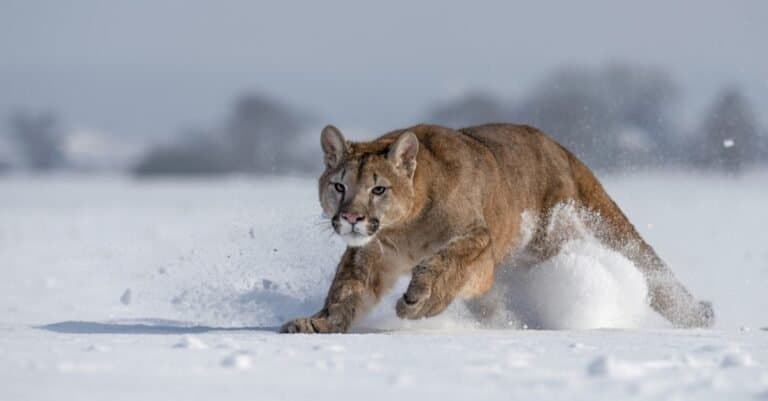
One cat. Two continents.
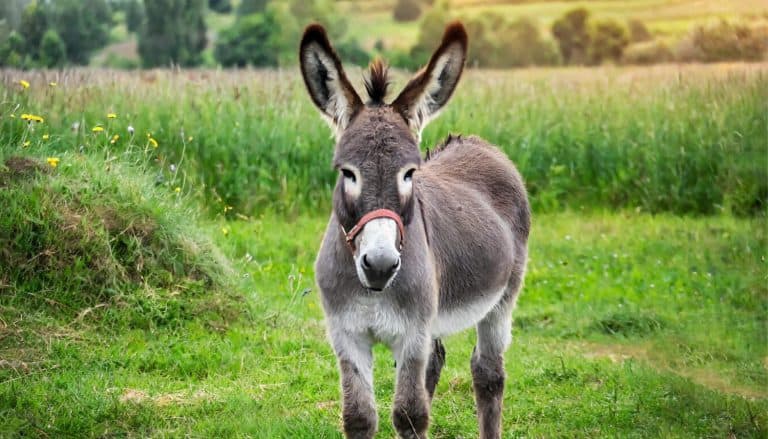
Sure-footed partner of people

Big beard, bright sun, bold attitude.

Webbed feet, world travelers.

Built to soar, born to strike
Spines, eggs, and ant-eating mastery

Bony rays, endless ways.
From dunes to tundra-fox smart.

Tailless jumpers, masters of change

Webbed feet, sky roads, wetland lives

Sure-footed masters of rock and range
Pouches, burrows, and big impacts

One hoofbeat, a thousand histories

Sun-powered lizards of the Americas
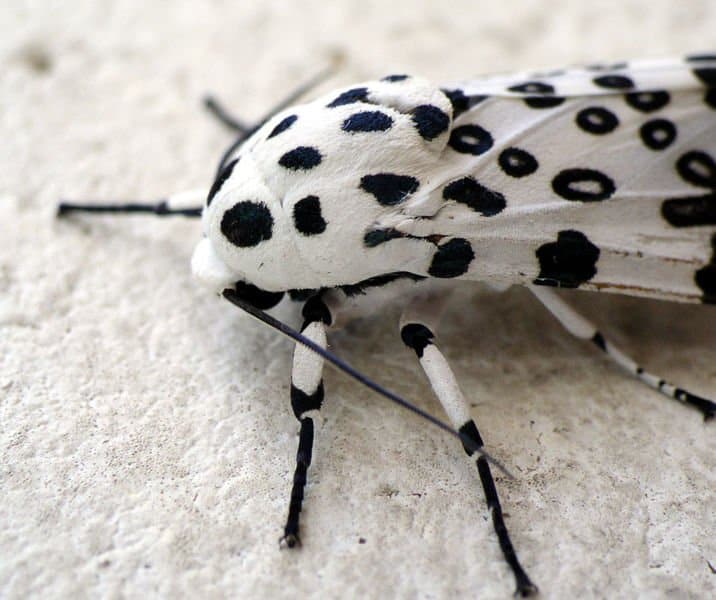
Six legs, endless lives.
Small canids, big survival skills

Power of the Americas' apex cat
Big hops, big pouches, big variety
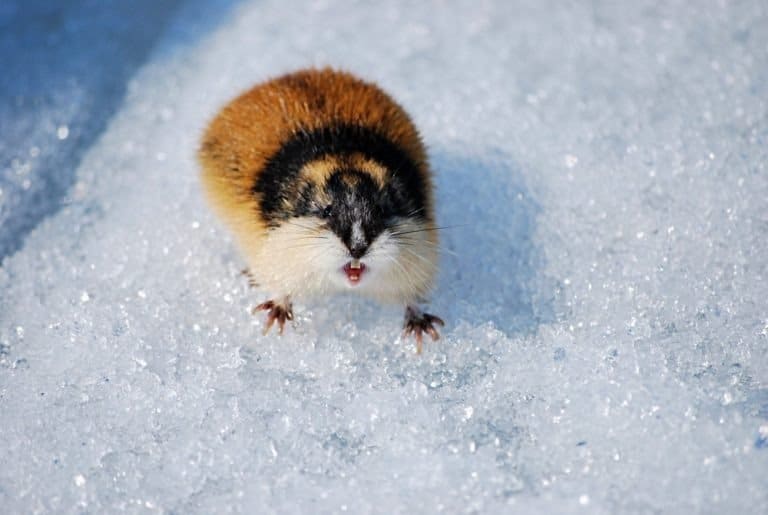
Small rodents, huge tundra impact
Thank you for reading! Have some feedback for us?
We appreciate your help in improving our content.
Our editorial team will review your suggestions and make any necessary updates.
There was an error submitting your feedback. Please try again.