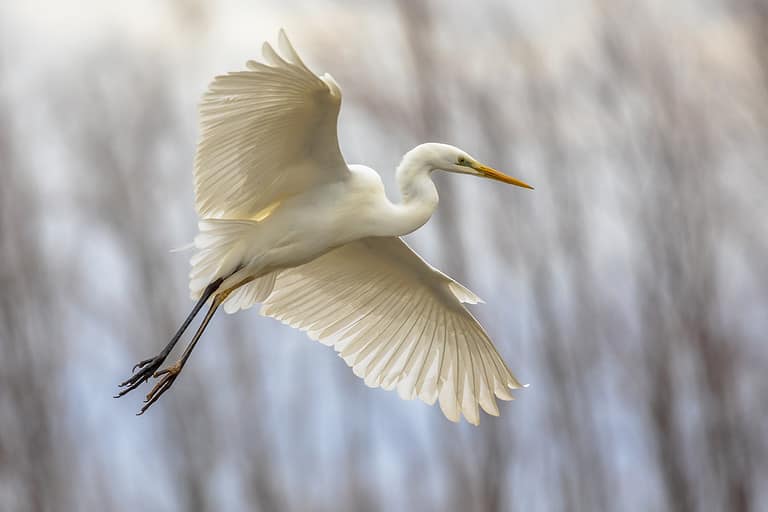
Great Egret
Big white hunter of the wetlands

Big white hunter of the wetlands
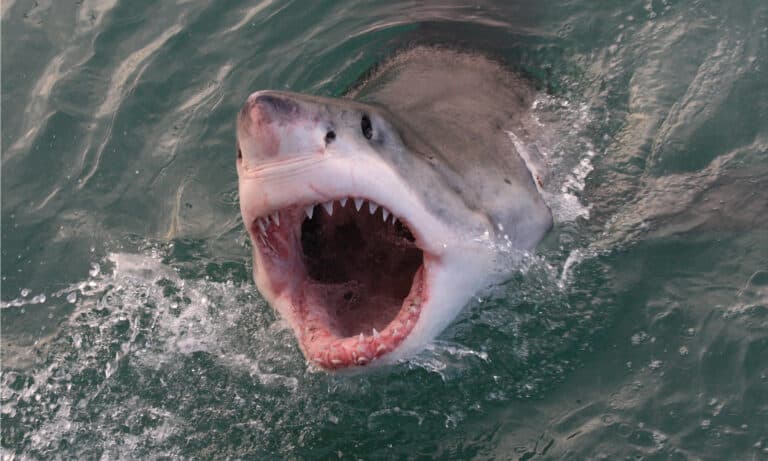
Warm-bodied ruler of the blue
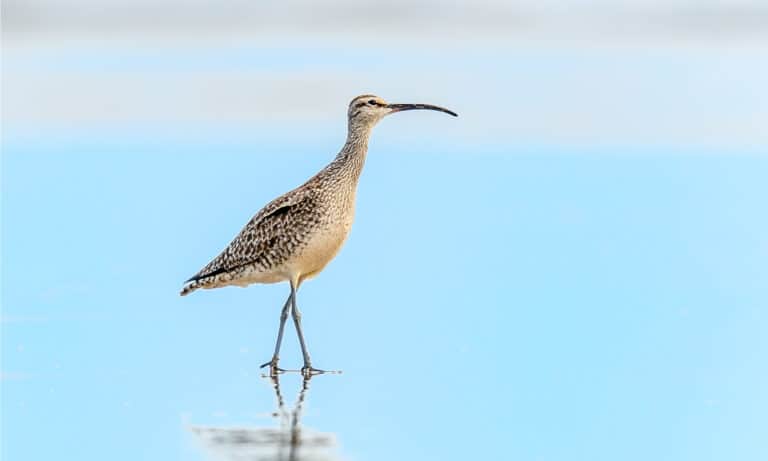
Curved bill, epic journeys
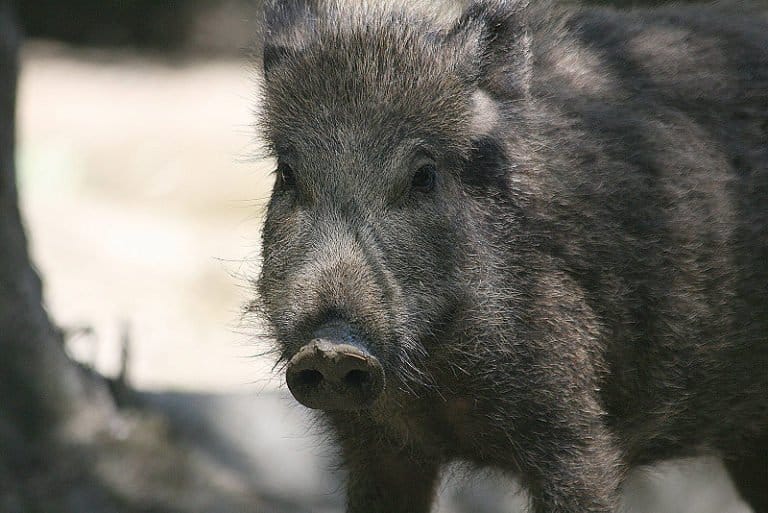
Rooting, roaming, reshaping ecosystems
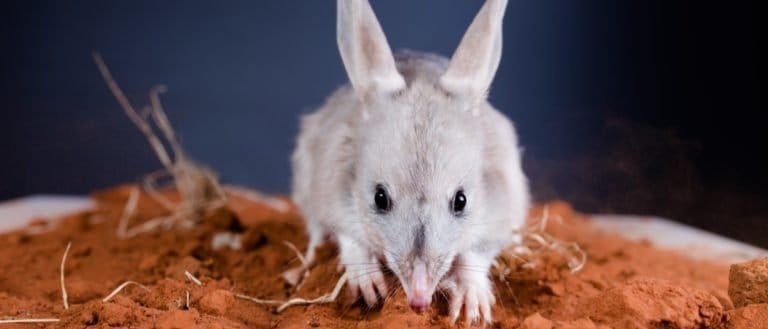
Big ears. Big digger. Bilby.
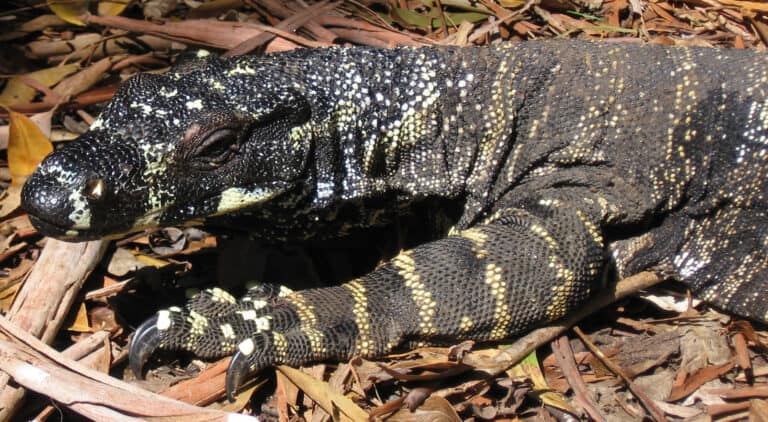
Lace-patterned climber of Australia's east
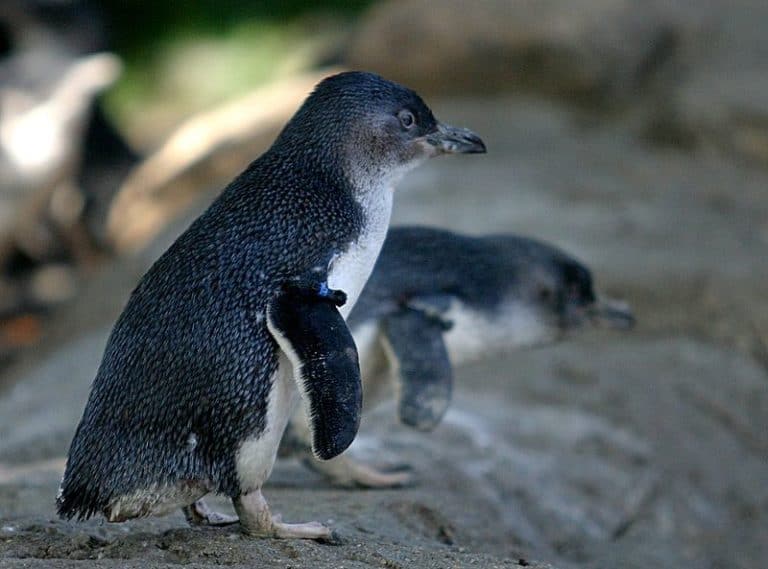
Tiny diver, big coastal survivor
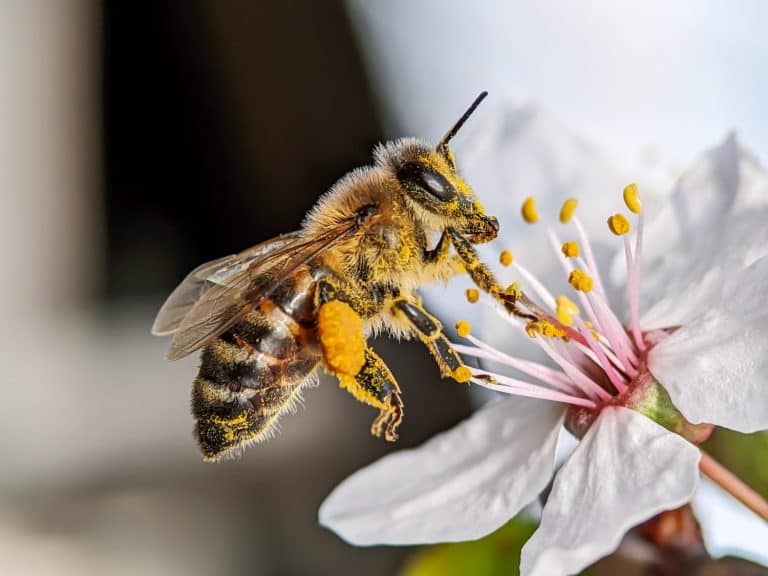
One genus, many hives-planetwide pollinators
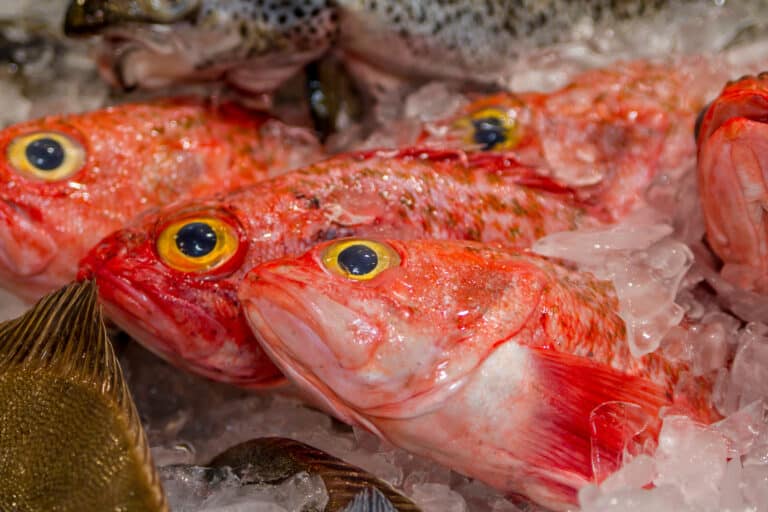
Seamount elder of the deep

Red mask, gold wing, thistle king.
Victoria’s wildlife is shaped by sharp natural contrasts close together: surf coasts and seagrass bays, tall eucalypt forests and fern gullies, volcanic plains, mallee scrub, and the snow-season peaks of the Great Dividing Range. This variety supports many species — koalas and glossy black cockatoos in coastal forests, the mountain pygmy-possum in alpine areas, and rich marine life in Bass Strait. Important ecosystems include the wet forests and cool temperate rainforests of the Otways and Central Highlands (home to forest birds and tree-dwelling mammals), the wetlands of Western Port and the Gippsland Lakes (stops for migratory shorebirds and nurseries for fish), and the Victorian Alps with alpine bogs, snow gum woodlands and summer wildflower meadows. Along the Great Ocean Road, cliffs, dunes and reefs feed seabirds, seals and seasonal whales. Close towns and protected parks make wildlife watching easy and rewarding.
Victoria's wildlife is shaped by steep shifts from cool alpine areas in the Great Dividing Range to semi-arid plains in the northwest and rich coastal and estuary systems along Bass Strait. Mountains, river corridors and wide coastal wetlands form connected habitats that support alpine specialists, forest and grassland animals, waterbirds and marine life. Fire and rainfall affect vegetation and habitat.
Sea level to 1,986 m (Mt Bogong)
Extensive southern coastline primarily on Bass Strait, including major bays and estuaries such as Port Phillip Bay and Western Port, plus long stretches of high-energy surf coast (Great Ocean Road) and the wetland-rich Gippsland coast with the Gippsland Lakes and coastal lagoons.
Designated 1971
Designated 1958
Victoria's protected areas, run by Parks Victoria, include large parks (alpine, mallee, forest, coastal), state/coastal parks, and wetland/marine parks (Ramsar sites). They protect wildlife corridors across the Great Dividing Range and Victorian Alps, coastal heathlands and dunes, and Murray Basin floodplain habitats. Many are co‑managed by Traditional Owners and work on linking habitats, helping threatened species, and controlling invasive predators.
~18% of Victoria's land area is in protected areas (national parks, state parks, and conservation reserves). In addition, a network of marine national parks and sanctuaries protects a modest share of state coastal waters (roughly ~5% order-of-magnitude).
Australia's largest alpine and subalpine protected landscape, spanning high plains, snow gum woodlands, glacial valleys, and headwater rivers. It's a major stronghold for high-country wildlife and seasonal migrations, with excellent chances for observing alpine-adapted species and large herbivores in open country.
Iconic granite headlands, coastal heath, and sheltered bays at the southern tip of mainland Australia. Notable for dense, approachable wildlife populations and varied coastal habitats that support both resident fauna and migratory shorebirds.
A rugged sandstone range with extensive heathlands, forests, cliffs, and seasonal wetlands. It supports high floral diversity and offers strong viewing opportunities for macropods, raptors, and nectar-feeding birds, alongside important habitat for threatened mammals.
Temperate rainforest gullies, wet eucalypt forest, and a dynamic coastline along the Great Ocean Road. Renowned for forest birdlife, arboreal mammals, and coastal-marine interfaces where whales are seasonally visible offshore.
A large wilderness-style coastal park in East Gippsland with dune systems, heathlands, estuaries, and forests. It's a key refuge for threatened coastal species and a major area for migratory shorebirds and wetland-dependent wildlife.
Vast mallee and semi-arid landscapes with salt lakes, dunefields, and big-sky habitats. Important for mallee specialists and threatened birds, with remote areas that retain relatively intact ecological processes.
A large, forested refuge on Melbourne's eastern fringe with wetlands, creeks, and foothill forests that support a diverse mix of mammals, frogs, and forest birds-excellent for dusk/dawn wildlife encounters close to the city.
Steep gorges, rocky river corridors, and box-ironbark woodland create strong habitat for raptors, woodland birds, and reptiles. Its riverine corridor is particularly valuable for connectivity and dry-forest wildlife near Melbourne.
A mosaic of coastal dunes, heath, estuaries, and nearby marine habitats in East Gippsland. Notable for shorebirds, coastal mammals, and estuary wildlife, with good opportunities for birdwatching around inlets and beaches.
Wild, windswept coastal heath and beaches in South Gippsland that provide important breeding habitat for threatened beach-nesting birds and support diverse coastal flora and fauna in a relatively compact reserve.
An internationally significant tidal wetland system (mudflats, mangroves, and seagrass) supporting large numbers of migratory shorebirds and rich estuarine food webs. It's one of Victoria's premier places for shorebird viewing and coastal wetland conservation.
A vast coastal lagoon and wetland complex critical for waterbirds, migratory shorebirds, and fish nurseries. The mosaic of lakes, fringing wetlands, and river mouths underpins major breeding/feeding habitat at a state scale.
A small but high-value urban wetland system in Melbourne's southeast that provides vital habitat for migratory shorebirds and freshwater wetland birds, demonstrating the conservation importance of metropolitan refuges.
An intermittently filled lake and fringing woodland system in the Wimmera/Mallee region that becomes a major boom-time refuge for waterbirds when inundated and supports a distinctive set of semi-arid wetland species.
Victoria (southeastern Australia) has high wildlife diversity in a small area. Habitats include alpine peaks and snowgum woodlands in the Victorian Alps, wet mountain ash forests in the Central Highlands, temperate heaths and mallee in the northwest, large wetlands such as Western Port and the Gippsland Lakes, and long ocean coasts along Bass Strait and the Southern Ocean. This mix supports iconic Australian mammals (marsupials and monotremes), rich birdlife from lyrebirds in rainforest gullies to seabirds and shorebirds, and temperate marine life like seals, penguins, and migrating whales.
Victoria (southeastern Australia) offers many wildlife experiences in a small area. See whales and seals along Bass Strait, famous penguin viewing, and excellent wetland birding near Melbourne. The Great Dividing Range has alpine and forest wildlife. Easy trips include Werribee and the Western Treatment Plant, Phillip Island, the Great Ocean Road, the Victorian Alps, and Gippsland.
Long days suit coastal drives and dusk wildlife sessions. Expect peak seabird activity on cliffs and offshore islands, plenty of kangaroos and wallabies at dawn/dusk in coastal reserves, and excellent snorkeling/diving visibility in some marine parks. Hot days increase fire risk-check park alerts and plan morning/evening wildlife viewing.
Comfortable temperatures and fewer crowds make this one of the best all-round seasons. Strong bird activity continues in wetlands; forest walks are pleasant for lyrebirds and parrots. Late autumn can bring early southern right whale sightings beginning to ramp up along parts of the coast.
Prime whale season begins: southern right whales and humpbacks are commonly sighted from key lookouts and on cruises. Expect dramatic coastal conditions and great seal viewing at haul-out sites. In alpine areas, snow limits some tracks but increases chances of seeing high-country species around lower elevations and resort edges.
Wildflowers plus breeding and migration activity make spring outstanding for birding (waterbirds, raptors, woodland birds). Whale season continues strongly (often peaking in late winter-spring depending on location). Frogs and reptiles become more active as temperatures rise; excellent time for rainforest and fern gully walks on the Great Ocean Road and in Gippsland.
Victoria, in southeast Australia, includes semi‑arid mallee and grasslands in the northwest and west; temperate eucalypt forests across the Great Dividing Range; cool rainforests in the Otways, Strzeleckis and East Gippsland; alpine areas in the Victorian Alps; and marine and wetland systems along Bass Strait and the Southern Ocean. Much land is changed by farming and cities near Melbourne.
Main biome across uplands and coastal hinterlands: mostly eucalypt forests (mountain ash, alpine ash, messmate/stringybark) with wet and dry sclerophyll types; includes montane and foothill forests of the Great Dividing Range and East Gippsland.
Widespread across eastern, central, and southern Victoria; strongest in the Great Dividing Range, Gippsland, and forested coastal ranges.
Cool temperate rainforest pockets in high-rainfall, sheltered gullies and slopes, with species such as myrtle beech and tree ferns, often embedded within wet eucalypt forests.
Patchy and localized; notable in the Otway Ranges, Strzelecki Ranges, parts of East Gippsland and moist mountain gullies.
Temperate native grasslands and grassy woodlands on plains and volcanic soils, historically widespread but now heavily fragmented; includes basalt plain grasslands and riverine plains grasslands.
Primarily western Victoria (Victorian Volcanic Plain) and parts of northern plains; now largely in remnants amid agriculture and peri-urban areas.
Summer-drier coastal/heath and woodland expressions in parts of western/southwestern Victoria, supporting sclerophyll shrublands and heathy woodlands adapted to periodic drought and fire (not as strongly expressed as in southwestern WA).
Localized; mainly parts of the southwest and western coastal hinterlands where summer dryness is more pronounced.
Semi-arid mallee shrublands and low woodland systems with sandy soils, saltbush/bluebush plains, and episodic water availability (arid to semi-arid, but not tropical hot desert).
Northwest Victoria (Mallee and adjacent low-rainfall areas) with transitions into grasslands and woodlands.
High-elevation environments above the treeline including alpine herbfields, heathlands, snowgum woodlands at lower alpine margins, and peatlands/sphagnum communities in cold, wet headwaters.
Restricted to the Victorian Alps and highest parts of the Great Dividing Range (small proportion of the state, but high ecological significance).
Major river basins, upland streams, wetlands, and lakes supporting riparian forests, billabongs, and headwater systems; includes Murray tributaries and Gippsland river networks.
Statewide along river networks (e.g., Murray system in the north; Thomson/Latrobe/Mitchell/Snowy systems in the east) and inland lakes/wetlands.
Coastal and inland wetlands including Ramsar-listed systems, saltmarsh, freshwater marshes, peatlands, and seasonally inundated floodplains; critical for waterbirds and migratory species.
Concentrated around Port Phillip Bay/Western Port, Corner Inlet, the Gippsland Lakes, and inland floodplains; many sites fragmented or modified.
Temperate marine ecosystems along Bass Strait and the Southern Ocean coast, featuring rocky reefs, kelp forests, sandy seabeds, and productive coastal waters supporting fisheries and marine megafauna.
Along the entire coastline from the Great Ocean Road to Gippsland, including bays (Port Phillip, Western Port) and nearshore/offshore waters.
Extensive eucalypt-dominated forests (wet and dry sclerophyll) across the Great Dividing Range, Otways, and East Gippsland; includes mountain ash forests among the tallest flowering plants on Earth.
Cool temperate rainforest pockets with tree ferns and myrtle beech, especially in the Otway Ranges and moist gullies of Gippsland.
Box-ironbark and grassy woodlands (e.g., Bendigo region, central Victoria) and riparian woodlands along major rivers; important for hollow-dependent fauna.
Native temperate grassland remnants on the Victorian Volcanic Plain and western plains; high conservation value due to extensive historic loss.
Mallee shrublands and heaths in the northwest and some coastal heaths; fire-adapted communities with high floristic diversity.
Semi-arid landscapes of the Mallee with dune fields, sandy plains, and sparse ground cover; ecosystems respond strongly to rainfall variability.
Alpine herbfields and grasslands in the Victorian Alps, including summer-flowering meadows and sensitive peatland margins.
Great Dividing Range and Victorian Alps environments spanning montane forests to alpine zones; includes steep escarpments and headwater catchments.
Iconic coastal cliffs and stacks along the Great Ocean Road (e.g., Port Campbell area) and rugged headlands in East Gippsland; also inland rock escarpments in some ranges.
Limestone cave systems such as those at Buchan, supporting specialized fauna (e.g., bats, cave invertebrates) and karst hydrology.
Major rivers and headwater streams (Murray tributaries in the north; Gippsland rivers in the east) with riparian zones, floodplains, and instream habitats for native fish.
Large coastal lagoon systems (notably the Gippsland Lakes) and inland lakes/reservoirs; important for birds, fish nurseries, and recreation.
Farm dams and small natural ponds scattered across agricultural regions, sometimes providing refuge habitat but often with altered water quality.
Freshwater and saline wetlands including marshes, floodplain wetlands, and peatlands; includes internationally significant sites for waterbirds.
Freshwater marshes and reedbeds in lowland floodplains and around lakes/estuaries; critical breeding and feeding habitat for waterbirds.
Alpine sphagnum bogs and peatlands in high country headwaters; highly sensitive to disturbance, fire, and hydrological change.
Limited mangrove stands (primarily grey mangrove, Avicennia marina) in sheltered inlets such as Western Port and Corner Inlet, often adjacent to saltmarsh.
River mouths and coastal lagoons (e.g., Gippsland Lakes system, Barwon and other coastal estuaries) supporting fish nurseries, seagrass/saltmarsh, and migratory shorebirds.
Diverse shoreline environments including dune systems, coastal heath, bays, and exposed Southern Ocean coasts from the Great Ocean Road to Gippsland.
Sandy surf beaches and sheltered bay beaches (e.g., along Bass Strait and within Port Phillip Bay), with dune and nearshore habitats.
Wave-exposed rocky platforms and reefs, especially along the Great Ocean Road and parts of Wilsons Promontory/East Gippsland, supporting rich intertidal communities.
Temperate reef kelp communities (including crayweed/kelps) in nearshore waters; provide structural habitat for invertebrates and fish.
Offshore waters of Bass Strait and the adjacent Southern Ocean supporting pelagic food webs, seabirds, and migratory marine mammals.
Sandy and muddy continental shelf habitats, including seagrass-associated sediments in sheltered bays and broader shelf sediments offshore.
Major urban ecosystems centered on Melbourne and regional cities, including highly modified waterways, remnant patches, and urban biodiversity corridors.
Peri-urban landscapes around Melbourne and larger towns with remnant grasslands/woodlands, creeklines, and increasing human-wildlife interactions.
Extensive grazing and cropping landscapes (western plains, northern irrigation districts, and mixed farming regions) interspersed with remnant native vegetation.
Commercial forestry plantations (notably radiata pine and blue gum in some regions), creating novel habitats distinct from native forests.
Melbourne has penguins: a small colony of Little Penguins (Eudyptula minor) nests right beside inner-city St Kilda at the breakwater, making it one of the most urban penguin sites on Earth.
Victoria is home to Australia’s only hibernating marsupial, the Mountain pygmy-possum (Burramys parvus). It hibernates for months under alpine boulder fields at Mt Buller and Bogong High Plains, timing its life to the seasonal arrival of protein-rich Bogong moths.
Some of Victoria’s koala hotspots came from human rescue work: after hunting cut numbers, koalas were moved to islands like French Island and Phillip Island. Later high numbers forced moves or sterilisation to protect manna gums.
The Critically Endangered Orange-bellied Parrot (Neophema chrysogaster) breeds in Tasmania and each year moves to winter feeding grounds in Victoria's coastal saltmarsh, especially around Western Port and the south-west coast.
Victoria has a "new" dolphin: the Burrunan dolphin (Tursiops australis) was formally described in 2011, and one of only two known resident populations lives in the Gippsland Lakes-meaning a globally significant dolphin population occurs in an inland-connected lagoon system.
Seal Rocks (off Phillip Island) supports the largest breeding colony of Australian fur seals (Arctocephalus pusillus doriferus) in Australia-tens of thousands of seals, with many thousands of pups born each year on the rocks.
Lawrence Rocks Marine Sanctuary (near Portland) holds the largest Australasian gannet (Morus serrator) breeding colony in Australian waters, with thousands of nests packed onto the rocky stacks each season.
Yarra Bend Park in Melbourne is home to the state's biggest Grey-headed Flying-fox (Pteropus poliocephalus) camp and is regularly cited as one of Australia's largest urban flying-fox roosts, sometimes swelling to tens of thousands of bats in summer/autumn.
The Gippsland Lakes form the largest coastal lagoon system in Australia-a vast, wildlife-rich mosaic of wetlands and estuaries that can hold huge seasonal congregations of waterbirds (it includes internationally significant Ramsar-listed wetlands).
Victoria's Central Highlands are part of the natural range of Mountain ash (Eucalyptus regnans), the world's tallest flowering plant; some of the tallest measured individuals occur in the wet forests north-east of Melbourne (Toolangi-Marysville area).
94 species documented in our encyclopedia
Thank you for reading! Have some feedback for us?
We appreciate your help in improving our content.
Our editorial team will review your suggestions and make any necessary updates.
There was an error submitting your feedback. Please try again.