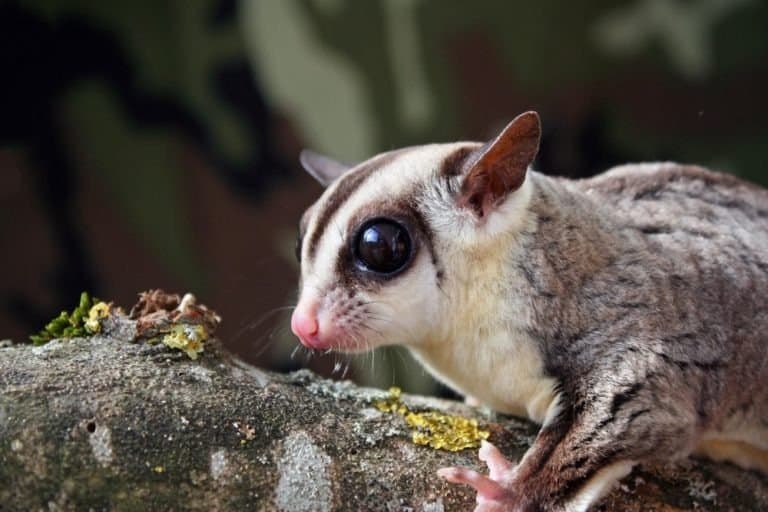
Sugar Glider
Glide the night, sip the sap

Glide the night, sip the sap
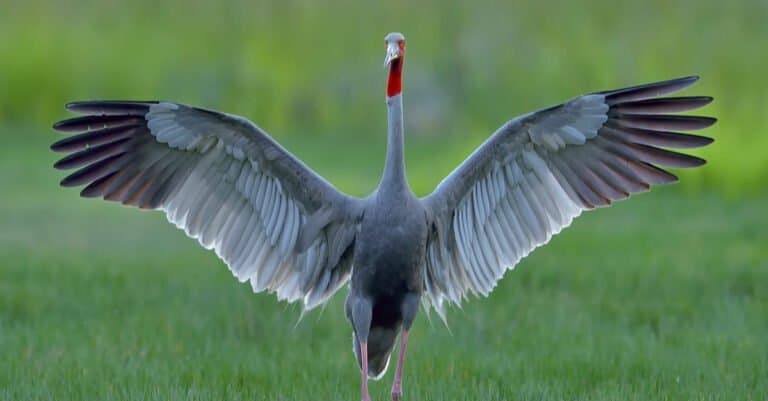
Tallest flyer, truest partner
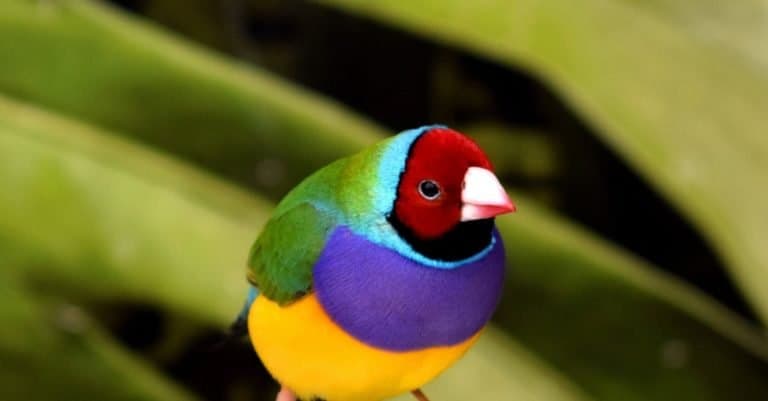
Savanna's living rainbow finch
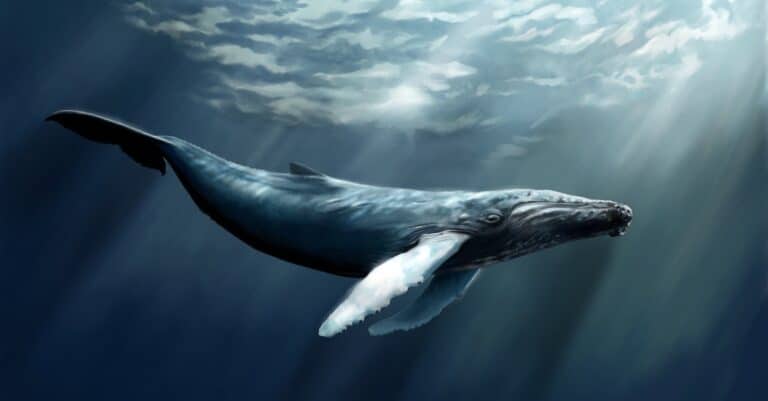
Big flippers. Bigger journeys.
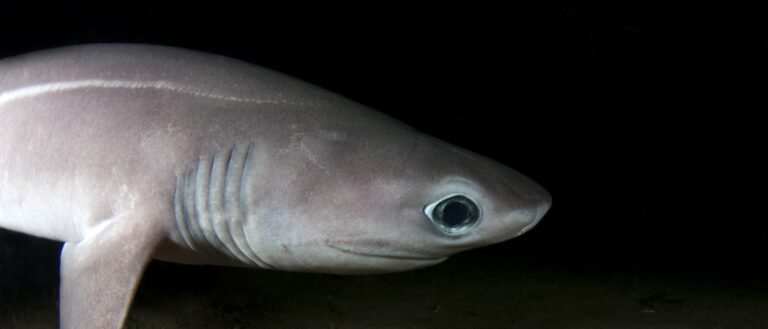
Six gills. Deep shadows. Slow lives.
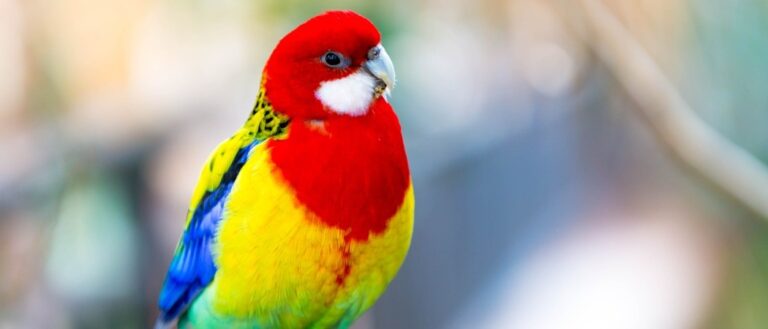
Budgie: the nomad that learned to talk
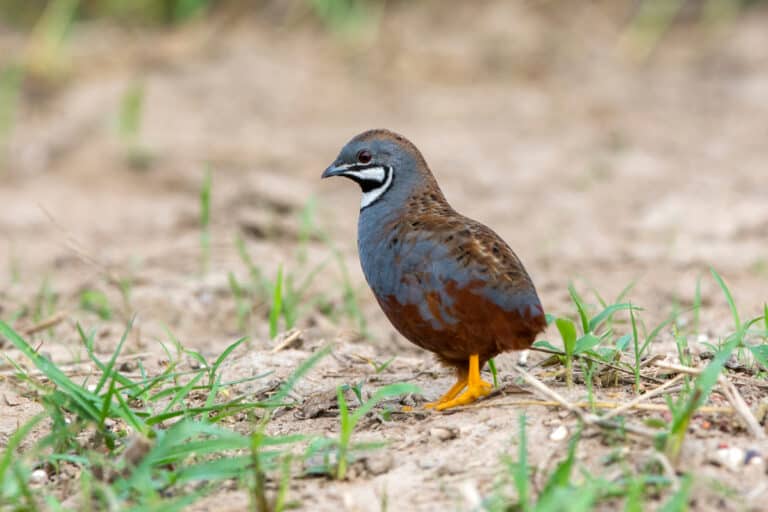
Small quail, big color.
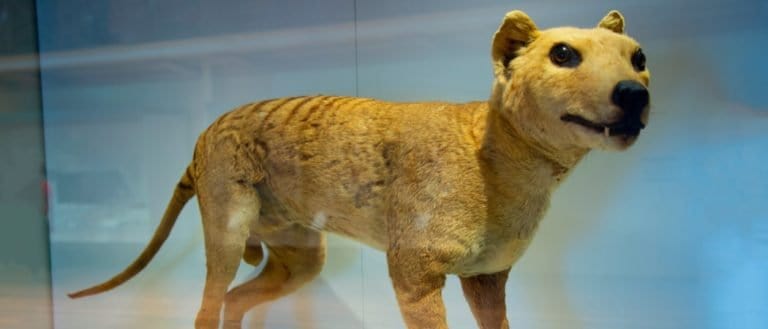
Stripes, pouch, predator-Tasmania's ghost
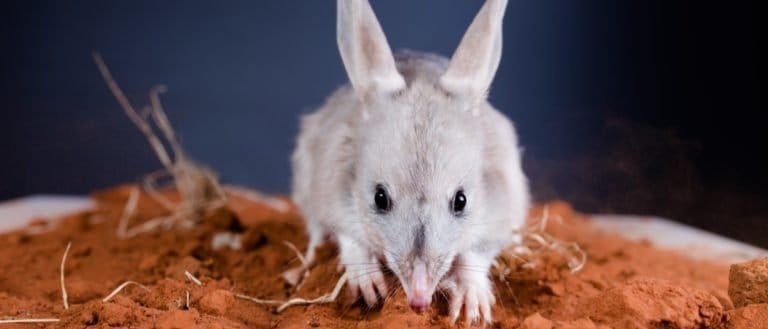
Big ears. Big digger. Bilby.
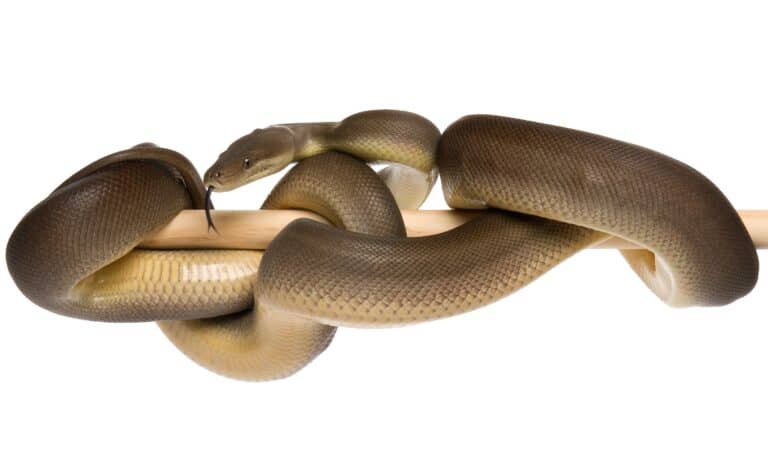
Big river python of Australia's north
Queensland has many habitats in one state: the Great Barrier Reef with coral, seagrass meadows and reef corridors; old tropical rainforests in the Wet Tropics; Cape York Peninsula’s monsoon forests, wetlands, heathlands and savannas; and wide eucalypt woodlands, grasslands and outback. These tropical to subtropical zones create lots of species and many animals found nowhere else, especially in the Wet Tropics and Cape York. The reef supports coral life and migrations of turtles, whales, dugongs and sharks. Rainforests shelter special birds, frogs and plants. Inland areas support macropods, reptiles, raptors and birds that move each season. Queensland’s close mix of reefs, rainforest and savanna means many wildlife experiences—from reef snorkels with turtles and rays to wet-season wetland shows and open outback skies.
Queensland's wildlife follows a tropical-to-subtropical climate and less rain inland. Coastal mountains and rainforests (Wet Tropics, Cape York) host many species found only there. Interior eucalypt woodlands, savannas and semi-arid lands support roaming mammals, grassland and woodland birds, and species tied to waterholes and floodplains. Offshore, the Great Barrier Reef, seagrass, mangroves and estuaries support rich marine life.
Sea level to 1,622 m (Mt Bartle Frere)
Extensive coastline on the Coral Sea (east) and Gulf of Carpentaria (north), including major reef, mangrove, estuary and seagrass habitats of the Great Barrier Reef region.
Designated 1959
Designated 1971
Designated 1986
Queensland’s protected areas cover key marine and land habitats like the Great Barrier Reef, Wet Tropics, Cape York and Channel Country floodplains. Parks are managed by Queensland Parks and Wildlife Service, with private Nature Refuges, Indigenous Protected Areas (IPAs) and Commonwealth marine parks. They protect unique species, wetlands for waterbirds, and habitat for threatened mammals, reptiles and reef life.
≈9% of Queensland's land area is in formal protected areas (national parks, conservation parks, nature refuges/other reserves). Marine protection is extensive via the Great Barrier Reef Marine Park and Queensland marine parks.
Core lowland and upland rainforest of the Wet Tropics-one of the best places in Australia to see ancient Gondwanan lineages and rainforest specialists, including iconic cassowaries and diverse reptiles, birds, and invertebrates.
A cool, elevated rainforest and cloud-forest refuge west of Mackay, famous for reliable platypus viewing in clear creeks and for several localized/endemic rainforest species.
Spectacular limestone gorges, permanent springs, and riverine corridors in the Gulf Country-an outback oasis that concentrates wildlife (especially along water) and supports tropical river species far inland.
Large sandstone plateau and gorge systems with permanent waterholes and diverse vegetation communities; stronghold for rock-wallabies and raptors, with excellent birdlife in riparian corridors.
Rainforest-clad ranges on the Queensland-NSW border with exceptional subtropical bird diversity; renowned for ancient Antarctic-beech forests, waterfalls, and high densities of rainforest birds.
Vast sand-mass landscapes with perched dune lakes, heaths, and long ocean beaches-important for shorebirds, nesting marine turtles, and the well-known K'gari dingoes.
One of the world's largest marine protected areas, safeguarding coral reefs, seagrass meadows, and key migration/nursery routes-globally important for marine megafauna and reef biodiversity.
Vast offshore reefs, cays, and deep-water habitats east of the Great Barrier Reef; important for pelagic species, seabird foraging, and relatively intact reef systems.
Large Indigenous-managed protected landscape spanning two major Cape York river catchments; high conservation value for intact savanna, rainforest pockets, and freshwater biodiversity.
Internationally important wetland of seagrass meadows, mangroves, mudflats, and channels; critical for migratory shorebirds and for dugongs and turtles feeding on seagrass.
Queensland is one of Australia’s most wildlife-rich states. It has coral reefs (the Great Barrier Reef), tropical rainforests (Wet Tropics), mangroves and seagrass meadows, wide eucalypt woodlands and savannas, and dry inland areas. This mix of sea and land habitats creates very high animal diversity, including important large sea animals and northern tropical species, many shared with New Guinea, plus many rainforest endemics in the Wet Tropics and Cape York. Common wildlife seen are turtles, sharks, corals, dugongs, cassowaries, tree-kangaroos, kangaroos, raptors, and big reptiles.
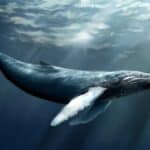
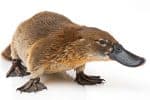
Queensland is one of Australia’s top wildlife places, with year‑round life on coral reefs, tropical rainforests, savannas, wetlands and outback deserts. Snorkel the Great Barrier Reef with fish, turtles and rays; see cassowaries and tree‑kangaroos in the Wet Tropics; watch migrating humpback whales, and find kangaroos, emus and raptors in western parks. You can plan trips by species or region.
Tropical north is hot and humid; Wet Season brings big waterfalls and lush rainforest (Wet Tropics), but also heavy rain and road closures in remote areas. Northern coastal waters have stingers. This is peak marine turtle nesting on some coasts and islands, and good for frogs, insects and many birds after storms. Use stinger suits and follow operators' safety advice.
Shoulder season with warming seas and (often) improving weather after the Wet Season in the north. Rivers and wetlands can still be full, making birdwatching productive, and reef visibility is frequently excellent. Comfortable conditions for multi-day trips combining reef and rainforest, and good touring weather returns for many inland routes.
Best time for wildlife travel: cooler, drier weather in Tropical North Queensland and easier access to remote spots. Prime humpback whale season along the Queensland coast (especially July–October). Great for hiking and night wildlife walks in rainforests and eucalypt woodlands. Also a strong season for reef trips with pleasant sea temperatures.
Late winter to spring brings warmer weather, lots of animal activity, and a great time to mix coast and outback before the hottest months. It’s peak whale viewing in many spots. Seabirds and shorebirds are active along coasts and estuaries, reef trips stay rewarding, and the far north grows hotter and more humid as the Wet Season nears.
Queensland ranges from tropical to subtropical and has a rich land-sea mix of world importance. The northeast has Australia’s largest tropical rainforests (Wet Tropics), mangroves and coastal wetlands. Cape York and the Gulf Country have tropical savannas and eucalypt woodlands. Inland shifts to semi-arid grasslands, shrublands and desert margins; offshore lie the Great Barrier Reef and Coral Sea.
Dense evergreen rainforests of the Wet Tropics and Cape York (upland and lowland) with high endemism, complex canopy structure, and very high rainfall.
Narrow but continuous coastal/montane belt in the far north (Wet Tropics) and patches across Cape York; small proportion of total area but very high biodiversity.
Seasonally dry forests and monsoon forests/woodlands (including vine thickets) in northern Queensland, often on sheltered slopes and coastal/gulf margins.
Patchy across the north (Cape York, Gulf Country, north coast) and some inland pockets.
Extensive tropical savannas and eucalypt woodlands with grassy understories, strongly shaped by seasonal rainfall and fire; includes Cape York, Gulf savannas, and much of central/western Queensland.
Dominant across northern and much of inland Queensland.
Arid to semi-arid landscapes with sparse shrublands/grasslands, dune fields and floodout/channel systems; highly variable productivity driven by episodic rain.
Southwest and far west (including Channel Country and margins of the Simpson Desert).
Open grasslands and grassy downs (e.g., Mitchell grass and other native grasslands) on fertile cracking clays and plains, supporting grazing and remnant native biota.
Inland plains (notably Mitchell Grass Downs) and parts of the Darling Downs; many areas modified for agriculture.
Subtropical to warm-temperate eucalypt forests and mixed forests in southeast Queensland and higher elevations, with wetter gullies and drier ridge systems.
Primarily the southeast and some coastal ranges; fragmented by development and agriculture.
Cooler/wetter subtropical-temperate rainforest elements in elevated border ranges and moist refugia (often adjoining NSW), including complex vine forests and moist gullies.
Very limited and localized to uplands of southeast Queensland (border ranges) and select moist escarpments.
Rivers, floodplains, billabongs, impoundments and upland streams-from monsoonal north-flowing systems to inland drainage and coastal catchments-supporting aquatic and riparian biodiversity.
Statewide along major river basins (e.g., Burdekin, Fitzroy, Mitchell, Cooper/Channel Country systems) and coastal drainages.
Coastal and inland wetlands including floodplain lagoons, paperbark swamps, saltmarsh, melaleuca wetlands, and large riverine floodplains; crucial for waterbirds and fisheries.
Common along tropical coasts (Gulf of Carpentaria and east coast) and in major inland floodplains; highly seasonal in the north.
Coral reef, lagoon, shelf and deep-water ecosystems of the Great Barrier Reef, Torres Strait and Coral Sea, including seagrass meadows and pelagic habitats.
Entire Queensland east coast offshore waters (GBR/Coral Sea) plus far-northern Torres Strait; among the most extensive marine systems in Australia.
Wet Tropics rainforests (Daintree-Atherton Tablelands-Paluma range) and Cape York rainforest patches; world-renowned for endemism and ancient lineages.
Widespread eucalypt forests from coastal ranges to inland slopes, including mixed communities with diverse understory types.
Eucalypt and acacia woodlands dominating Cape York, Gulf Country and central Queensland; often fire-adapted with open canopies.
Tropical savanna mosaics of grasses, scattered trees and seasonal wetlands, strongly shaped by monsoon seasonality and frequent fire.
Mitchell grass plains and other native grasslands on inland clay plains; important for grazing and grassland fauna where intact.
Semi-arid shrublands (e.g., mulga/acacia-dominated areas and mixed chenopod shrublands) in drier inland regions.
Dune fields, gibber/stony plains and arid floodouts in the far west/southwest, with boom-bust ecology after rains.
Upland habitats of the Great Dividing Range, Atherton Tablelands and border ranges; cooler climates and high-rainfall refugia.
Major river systems (e.g., Fitzroy, Burdekin, Mitchell) with riparian corridors, seasonal flow pulses and floodplain connectivity.
Natural and artificial lakes/impoundments (e.g., large storages) plus inland seasonal waterbodies supporting waterbirds and aquatic communities.
Floodplain wetlands, paperbark (Melaleuca) swamps, and coastal wetland complexes, many seasonally inundated.
Freshwater swamps in coastal lowlands and floodplains, often dominated by paperbarks and sedges.
Shallow, emergent-vegetation wetlands and floodplain marshes; important feeding/breeding sites for waterbirds.
Extensive mangrove forests along tropical coasts (especially Gulf of Carpentaria, Cape York and estuaries on the east coast), supporting fisheries nurseries.
Tidal river mouths and estuarine deltas along both coasts, linking catchments to nearshore seagrass and reef systems.
Coastal dunes, headlands and lowland plains from the Wet Tropics coast to southeast Queensland, including major development and conservation areas.
Long sandy beaches and dune systems (east coast) and tropical shorelines (north), important for nesting turtles and shorebirds.
Rocky headlands and intertidal platforms (notably in parts of southeast and central coast), supporting diverse intertidal assemblages.
Great Barrier Reef and Torres Strait reefs-barrier, fringing and platform reefs with high coral and fish diversity.
Pelagic waters of the Coral Sea and outer GBR supporting migratory megafauna and oceanic food webs.
Deep Coral Sea environments beyond the continental shelf, including slopes and basins with poorly mapped but distinctive fauna.
Continental shelf and lagoon seabeds with sand/mud habitats, seagrass meadows and sponge/algal communities.
Sugarcane and horticulture in coastal lowlands; broadacre cropping and grazing across the Darling Downs, Brigalow Belt and inland plains.
Localized timber plantations (e.g., pine and hardwood) mainly in coastal and southeast regions.
Major urban footprints (e.g., Brisbane-Gold Coast-Sunshine Coast, Townsville, Cairns) with strong pressures on adjacent coastal habitats.
Rapidly expanding peri-urban zones in southeast Queensland and regional coastal cities, often adjacent to wetlands and forest remnants.
Queensland has a truly "tropical platypus" population: platypus live in the cool upland streams of Eungella National Park (near Mackay), and this is one of the most reliable places in Australia to spot them in daylight.
In the Wet Tropics, southern cassowaries act like heavy-duty rainforest gardeners: they swallow large fruits whole and disperse big seeds over long distances-some plant species germinate better after seeds pass through a cassowary's gut.
On the Great Barrier Reef many coral species take part in a mass spawning, releasing eggs and sperm all at once—often on spring or early-summer nights after a full moon—turning water into a snow-globe of egg slicks.
Mon Repos (near Bundaberg) is a major turtle hotspot: it supports Australia's largest nesting aggregation of loggerhead turtles, and it's also an important nesting area for flatback turtles-both species return to the same region to lay eggs.
K'gari (Fraser Island) is unusual predator ecology: its dingoes live as apex predators on the world's largest sand island, and the population is managed as a high-conservation-value group due to concerns about hybridization and human impacts.
The Great Barrier Reef (off Queensland's coast) is the largest coral reef system on Earth-stretching ~2,300 km and covering ~344,400 km².
Raine Island (far-north Great Barrier Reef) is the world's largest nesting rookery for green turtles; on peak nights, many thousands of females can haul out to nest on a single beach.
The Cairns birdwing (Ornithoptera euphorion) from Queensland's Wet Tropics is Australia's largest butterfly, with females reaching roughly ~18 cm wingspan.
The Queensland lungfish (Neoceratodus forsteri)-native to a few southeast Queensland river systems (notably the Burnett and Mary)-is one of the world's oldest surviving lineages of lobe-finned fish (a "living fossil" group dating back well over 100 million years).
148 species documented in our encyclopedia
Thank you for reading! Have some feedback for us?
We appreciate your help in improving our content.
Our editorial team will review your suggestions and make any necessary updates.
There was an error submitting your feedback. Please try again.