N S W E
Wildlife Expeditions

Wildlife of
New South Wales

From Snowy Mountains peaks to semi-arid plains and whale-rich coasts, New South Wales packs extraordinary habitat variety and iconic Australian wildlife into one state.
131 Species
801,150 km² Land Area
Overview

About New South Wales

New South Wales (NSW) is a wildlife crossroads in southeast Australia where sharp changes in height and rainfall create many habitats. Eucalypt forests, sandstone cliffs, river basins, and a long coastline support koalas, gliders, woodland birds, reptiles, seabirds, dolphins, and migrating whales. Temperate biodiversity meets alpine specialists and inland-adapted animals. Key ecosystems include the Australian Alps and subalpine heaths of the Great Dividing Range, coastal forests and rainforests of the Great Escarpment, and inland woodlands and semi-arid rangelands. The Macquarie Marshes and other wetlands are vital drought refuges and breeding grounds for waterbirds, while estuaries, saltmarsh, and seagrass beds are fish nurseries and food for shorebirds. NSW is special because you can reach alpine, forest, wetland, and outback within a day’s drive, offering varied year-round wildlife viewing unlike Queensland or Victoria.

Physical Features

Geography

New South Wales stretches from the Tasman Sea across humid coastal forests and the Great Dividing Range to semi‑arid interior plains. Changes in rain, temperature, and height create many habitats—marine and estuarine systems, coastal heath and forests, montane/alpine areas, eucalypt woodlands, inland rivers and wetlands, and rangelands—that shape wildlife ranges, migrations, endemism and refuges in drought or fire.

801,150 km² Land Area
4th largest state in Australia Size Rank
Australia Country
State Type
Elevation Range

Sea level to 2,228 m (Mount Kosciuszko)

Coastline

Eastern coastline on the Tasman Sea, with extensive estuaries and coastal lakes/lagoons; includes temperate nearshore reefs, seagrass areas, and sandy shelf habitats that link marine-adjacent ecosystems with river mouths and wetlands.

Key Landscapes

Tasman Sea coastline with beaches, dunes, rocky headlands, and offshore islands supporting seabirds, pinnipeds, and coastal specialists Estuaries, coastal lagoons, and drowned river valleys (e.g., Sydney Harbour system and many north/south coast estuaries) important for fish nurseries, shorebirds, and mangroves/saltmarsh Coastal plain and Sydney Basin: eucalypt forests, heathlands, and sandstone-derived habitats with high local endemism Great Dividing Range: major climatic barrier and biodiversity corridor influencing rainfall, vegetation zones, and species turnover Australian Alps/Snowy Mountains: montane forests and alpine/subalpine habitats supporting cold-adapted fauna and seasonal movements Blue Mountains and escarpments: rugged sandstone plateaus, gorges, and upland forests providing refugia and habitat connectivity along the range system (including Wollemi-style canyon/plateau environments regionally significant for fauna persistence after fire events)
State Symbols

Official Wildlife Symbols

animal

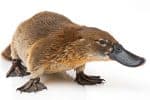
Platypus

Designated 1992

wildflower

New South Wales waratah (Waratah)

Designated 1962

Parks & Reserves

Protected Areas

New South Wales (NSW) protects animals and plants with a large system of land and coastal reserves run by the NSW National Parks and Wildlife Service (NPWS). The parks cover the Australian Alps, Great Dividing Range forests and heaths, inland wetlands (important for waterbirds), western plains woodlands, Ramsar wetlands, marine parks, and wilderness areas.

Protected Coverage

Approximately ~10% of NSW land area is within protected areas managed as national parks and reserves (plus additional coastal/marine protected zones).

National Parks & Preserves

Kosciuszko National Park

~6,900 km²

Australia's largest national park and the core of NSW's alpine conservation, protecting snow gum woodlands, alpine herbfields, peat bogs, and headwaters that support highly range-restricted and climate-sensitive fauna.

Mountain pygmy-possum Corroboree frog (southern corroboree frog complex) Koala (lower-elevation forests) Wombat (common wombat) Powerful owl

Wollemi National Park

~5,000 km²

A vast, rugged sandstone wilderness with deep gorges and remote forests that provide refuges for threatened mammals and forest birds; a major stronghold for large, intact habitat connectivity west of Sydney.

Brush-tailed rock-wallaby Spotted-tailed quoll Greater glider Powerful owl Glossy black-cockatoo

Blue Mountains National Park

~2,700 km²

Iconic sandstone plateaus and escarpments with extensive eucalypt forests and heath; excellent for forest bird diversity and gliding mammals, and forms a key part of the Greater Blue Mountains World Heritage Area.

Superb lyrebird Greater glider Yellow-bellied glider Gang-gang cockatoo Powerful owl

Royal National Park

~150 km²

One of the world's oldest national parks, protecting a high-diversity coastal mosaic of heath, rainforest pockets, and estuaries near Sydney-important for birdlife and seasonal marine fauna viewing along adjacent headlands.

Long-nosed bandicoot Superb lyrebird Swamp wallaby White-bellied sea-eagle Humpback whale (seasonal along the coast)

Mungo National Park

~275 km²

Semi-arid landscapes of the Willandra Lakes region (World Heritage-listed for cultural and paleoenvironmental values) that conserve mallee, saltbush, and dune systems supporting classic outback wildlife.

Red kangaroo Emu Wedge-tailed eagle Bustard (Australian bustard) Perentie (monitor lizard)

State & Provincial Parks

Macquarie Marshes Nature Reserve

~176 km² (reserve; broader wetland system is larger)

A highly significant inland floodplain wetland complex supporting huge waterbird breeding events during floods; critical habitat for colonial nesting species and wetland-dependent fauna in the Murray-Darling Basin.

Australasian bittern Straw-necked ibis Royal spoonbill Magpie goose Brolga

Narran Lake Nature Reserve

~55 km²

One of eastern Australia's most important semi-arid wetlands for episodic, large-scale waterbird breeding when flows reach the Narran system; a key refuge during inland drought cycles.

Straw-necked ibis Australian pelican Royal spoonbill Black swan Little egret

Barren Grounds Nature Reserve

~21 km²

High-elevation heaths and swamps on the Illawarra escarpment known for threatened bird habitats and distinctive heathland fauna; renowned site for birdwatching and seasonal breeding activity.

Eastern bristlebird Eastern ground parrot Glossy black-cockatoo Swamp wallaby Powerful owl

Towra Point Nature Reserve

~6 km²

A coastal wetland and dune system in Botany Bay protecting saltmarsh, seagrass and mangrove habitats used by migratory shorebirds; one of NSW's best urban-adjacent wetland wildlife sites.

Eastern curlew Bar-tailed godwit Black-winged stilt Grey-headed flying-fox White-bellied sea-eagle

Wildlife Refuges

Myall Lakes Ramsar Site (Myall Lakes National Park wetland complex)

~440 km² (Ramsar-listed area, approximate)

Internationally important coastal lakes, wetlands and fringing forests that support migratory shorebirds, breeding waterbirds, and aquatic habitat diversity from fresh to brackish systems.

Black swan Australian pelican Bar-tailed godwit Eastern curlew White-bellied sea-eagle

Hunter Estuary Wetlands Ramsar Site

~29 km² (Ramsar-listed area, approximate)

Key estuarine wetlands and tidal flats near Newcastle that provide critical stopover and feeding habitat for migratory shorebirds and local waterbirds in a heavily developed region.

Eastern curlew Bar-tailed godwit Sharp-tailed sandpiper Black-tailed godwit White-bellied sea-eagle

Macquarie Marshes Ramsar Site

~200 km² (Ramsar-listed area, approximate)

Ramsar-recognized portion of the Macquarie Marshes protecting flood-dependent reedbeds, lagoons and river red gum communities essential for large colonial waterbird breeding and wetland resilience.

Australasian bittern Straw-necked ibis Royal spoonbill Great egret Brolga

Narran Lake Ramsar Site

~80-90 km² (Ramsar-listed area, approximate)

Ramsar-listed episodic wetland of the Narran system, internationally significant for boom breeding events of pelicans and ibis following flood pulses.

Australian pelican Straw-necked ibis Royal spoonbill Black swan Little pied cormorant

Wilderness Areas

  • Kanangra-Boyd Wilderness (Greater Blue Mountains)
  • Wollemi Wilderness (within Wollemi National Park and surrounds)
  • Budawang Wilderness (Morton and Budawang areas)
  • Barrington Wilderness (Barrington Tops region)
  • Deua Wilderness (far south coast hinterland)
  • Guy Fawkes Wilderness (New England region)
  • Nattai Wilderness (southwest of Sydney, part of Greater Blue Mountains connectivity)
  • Washpool/Gibraltar Range wilderness blocks (NSW-QLD border ranges)
Animals

Wildlife

New South Wales (NSW) covers a wide range of heights and climates: alpine heaths and snow gum woodlands in the Snowy Mountains, rainforests and wet sclerophyll forests along the Great Dividing Range, and large inland woodlands, floodplain wetlands, and semi-arid mallee and chenopod plains. This variety has temperate and subtropical animals, many birds (including migratory shorebirds and inland floodwater breeders), Murray-Darling freshwater life, and coastal and marine life such as whales, dolphins, seals, and seabirds. Iconic wildlife includes koalas, gliders, platypus, lyrebirds, and humpback whales.
~180-220 native species (including bats; plus several marine mammals regularly seen offshore) Mammals
~480-540 species recorded (resident and migratory) Birds
~240-300 species Reptiles
~70-90 frog species Amphibians
~180-250 freshwater/estuarine species; many more marine species occur in NSW coastal waters Fish
Examples

Iconic Species

Koala
Koala A defining eucalypt-forest mammal for NSW; widely sought in coastal and hinterland forests, though many populations have declined and sightings can be regionally variable.
Platypus
Platypus Signature river and creek species of eastern Australia; NSW has many strongholds in clear, well-vegetated waterways of the Great Dividing Range and coastal catchments.
Superb Lyrebird Icon of moist forests and gullies along the ranges and escarpments; famous for elaborate song mimicry and conspicuous breeding displays.
Eastern Grey Kangaroo Common and highly visible grazer across forests, woodlands, and coastal plains; often encountered in national parks and farmland edges.
Common Wombat Burrowing marsupial of cooler forests and heathlands (especially tablelands and south/coast); a classic NSW wildlife encounter, particularly at dawn and dusk.
Greater Glider A flagship nocturnal arboreal mammal of mature eucalypt forests; notable in NSW for its reliance on large hollow-bearing trees and sensitivity to logging and intense fire.
Humpback Whale
Humpback Whale The annual north-south migration runs close to the NSW coast; whale-watching from headlands and boats is a major nature tourism draw.
Indo-Pacific Bottlenose Dolphin Frequently seen in NSW bays and estuaries (and nearshore); a defining part of coastal wildlife viewing, often associated with productive estuaries and headlands.
Wedge-tailed Eagle Australia's largest raptor; widely seen soaring over inland plains and ranges, especially in open woodland and pastoral landscapes.

Endemic & Rare Species

Mountain Pygmy-possum

Burramys parvus

Critically Endangered (Australia); highly restricted alpine specialist

Occurs in NSW's alpine zones (notably the Snowy Mountains); threatened by warming climates, altered snow cover, and fragmented habitat-an emblem of NSW alpine conservation.

Southern Corroboree Frog

Pseudophryne corroboree

Critically Endangered; severe decline from disease and habitat pressures

A striking alpine bog specialist endemic to the NSW/ACT high country; intensive captive breeding and releases make it a key NSW recovery focus.

Regent Honeyeater

Anthochaera phrygia

Critically Endangered; one of Australia's most threatened woodland birds

Dependent on flowering box-ironbark and other eucalypt woodlands; NSW contains important remaining habitat and is central to national recovery efforts.

Brush-tailed Rock-wallaby

Petrogale penicillata

Vulnerable; fragmented colonies and predation pressure

An iconic cliff and escarpment species; NSW holds many key colonies where fox control and habitat protection are critical.

Eastern Bristlebird

Dasyornis brachypterus

Endangered; patchy coastal distribution

A secretive ground-dweller of dense coastal heath; NSW populations are important but vulnerable to inappropriate fire regimes and habitat fragmentation.

Green and Golden Bell Frog

Litoria aurea

Vulnerable; major historic declines

Once widespread near the coast, now localized; NSW coastal wetlands (including urban-fringe sites) are important for its persistence amid disease and habitat loss.

Hastings River Mouse

Pseudomys oralis

Endangered; rare and localized

A poorly known mammal of north-eastern NSW forests; sensitive to habitat disturbance and fire, making it a high-priority monitoring species.

Macquarie Perch

Macquaria australasica

Endangered; freshwater declines from river regulation and habitat change

A native Murray-Darling and coastal-drainage fish with strongholds and recovery actions in parts of NSW; valued as an indicator of healthier river reaches.

Notable Populations

  • East Australian humpback whale migration corridor passes close to shore along the NSW coastline, supporting one of Australia's premier whale-watching regions.
  • Major inland wetland systems (e.g., Macquarie Marshes and Narran Lakes in flood years) can host nationally significant breeding and foraging aggregations of colonial waterbirds (ibises, egrets, herons, spoonbills).
  • Internationally important migratory shorebird sites occur in NSW estuaries and coastal wetlands (e.g., Hunter Estuary and other RAMSAR/shorebird network areas) used by species traveling the East Asian-Australasian Flyway.
  • Remnant box-ironbark and woodland corridors in NSW are nationally important for threatened woodland birds, including the Regent Honeyeater and other declining nectarivores/insectivores.
  • NSW alpine habitats support nationally significant populations of alpine specialists (including the Mountain Pygmy-possum and corroboree frogs), making the Snowy Mountains a key Australian biodiversity stronghold.

Recent Changes

  • 2019-20 mega-fires caused major wildlife impacts across NSW forests and ranges, contributing to declines and range contractions for hollow-dependent mammals (e.g., Greater Glider) and putting additional pressure on koala populations in several regions.
  • Koala conservation status was uplisted to Endangered in NSW (and parts of eastern Australia) in the early 2020s, reflecting ongoing habitat loss, fragmentation, drought/heat stress, and fire impacts.
  • Humpback whales have continued a long-term recovery trend from historical whaling, with increasing coastal sightings and calf numbers along the NSW migration route.
  • Corroboree frog recovery has increasingly relied on captive breeding, head-starting, and targeted releases into managed alpine sites as wild populations remain severely reduced (chytrid fungus a key driver).
  • Targeted reintroductions and "safe haven" projects in western NSW (fenced sanctuaries and intensively managed reserves) have expanded populations of threatened arid-zone mammals in the state, aiming to restore locally lost species and reduce fox/cat impacts.
  • Freshwater fish recovery actions have expanded in parts of NSW (including habitat rehabilitation and stocking/translocations in some catchments), while pressures from river regulation, drought, invasive species, and fish passage barriers continue to drive declines in several native fish.
Visit

Wildlife Viewing

New South Wales (NSW) offers varied wildlife across coast, forests, wetlands, eucalypt woodlands, alpine areas and semi‑arid plains. See whales on the North and South Coasts, koalas and kangaroos in national parks, birding at Macquarie Marshes, and night animals like gliders and owls. Easy day trips from Sydney or longer stays to Lord Howe Island, Snowy Mountains and outback parks.

Best Seasons

Summer (Dec-Feb)

Peak coastal wildlife time: sea birds, marine life and turtles (especially on the NSW North Coast). Great for snorkelling/reef-edge marine viewing at Lord Howe Island (summer is prime). Dawn/dusk is best inland to avoid heat; expect kangaroos, wallabies, and active birdlife around wetlands and rivers. Book ahead for coastal trips and plan for heat/fire conditions in bush areas.

Autumn (Mar-May)

Comfortable temperatures for walking and multi-day trips. Excellent birding as many species feed actively post-summer; raptors and waterbirds can be very productive around inland wetlands and river systems. Good season for rainforest and escarpment walks on the North Coast (less humidity than summer).

Winter (Jun-Aug)

Best overall whale season: humpback whales migrate north (Jun-Jul) and begin returning south later in winter (Aug). Clear, crisp conditions suit hiking and wildlife spotting in the Blue Mountains and coastal headlands. In the alpine areas, look for hardy species and winter birdlife; some access can be limited by snow and weather in the high country.

Spring (Sep-Nov)

A standout for biodiversity: wildflowers, breeding bird activity, and excellent whale watching on the return migration (Sep-Nov) with frequent breaching near headlands. Great for koala-spotting walks on the Mid North Coast and South Coast forests. Inland, waterbird breeding can be strong when wetlands are inundated (conditions vary year to year).

Top Wildlife Experiences

  • Whale watching from Cape Byron (Byron Bay): walk the Cape Byron Lighthouse track during migration season for elevated viewpoints and frequent humpback sightings close to shore.
  • Join a responsible dolphin and whale cruise at Port Stephens (Nelson Bay): look for bottlenose dolphins year-round and humpback whales in season; combine with shore-based viewing from Tomaree Head for panoramic scans.
  • Spot koalas in the wild at Port Macquarie's Koala Hospital & surrounding Koala Trail (and nearby reserves): pair a visit to the hospital with guided/local advice on where to quietly watch koalas in eucalypt habitat.
  • Birding and wetland wildlife at Sydney Olympic Park (Bicentennial Parklands): surprisingly rich urban birdwatching for waterbirds, shorebirds and raptors-best early morning with binoculars.
  • Nocturnal spotlighting in the Blue Mountains (around Katoomba/Blackheath and adjoining national park edges): look for owls, possums and gliders on guided night walks that focus on ethical viewing.
  • Go outback for big-sky wildlife in Mutawintji National Park (near Broken Hill): rugged ranges, emus and kangaroos, plus excellent birdlife-combine with cultural tours for deeper context and access.
  • Macquarie Marshes (near Warren) as a bucket-list waterbird destination: timed with good water years, expect large congregations of herons, egrets, ibis and other wetland specialists; best with a guide due to access and seasonal conditions.
  • Lord Howe Island (NSW) for seabirds and marine encounters: snorkel lagoon edges, join seabird or nature walks, and watch nesting seabirds (seasonal) in one of Australia's most distinctive island ecosystems.

Wildlife Watching Types

Whale watching from headlands and dedicated cruises (humpbacks; occasional other species depending on area/season) Dolphin watching (notably Port Stephens; also along many coastal bays) Seabird viewing and island ecosystems (Lord Howe Island; coastal headlands and offshore islets) Wetland birding (Sydney Olympic Park, inland marshes, riverine wetlands) Forest wildlife walks (koalas, wallabies, echidnas in coastal and tablelands forests) Nocturnal spotlighting/night walks (possums, gliders, owls; guided options recommended) Alpine/high-country wildlife viewing (seasonal access; unique habitats of the Snowy Mountains) Outback and semi-arid plains wildlife (kangaroos, emus, raptors; best at dawn/dusk) Marine and snorkelling wildlife experiences (reef fish, turtles in warmer months; best around Lord Howe Island)

Guided Options

  • NSW National Parks & Wildlife Service (NPWS) Discovery Ranger programs: seasonal guided walks, birdwatching, spotlighting and nature talks in many NSW parks (availability varies by region and time of year).
  • Port Stephens whale and dolphin cruises (Nelson Bay): multiple licensed operators run interpretive cruises during whale season and dolphin-focused trips year-round.
  • Jervis Bay / South Coast whale watching cruises: seasonal whale trips with local operators, often combined with dolphin and seabird viewing.
  • Blue Mountains guided night walks/spotlighting tours: small-group nocturnal wildlife outings led by local guides (choose operators that follow ethical viewing practices and minimise disturbance).
  • Aboriginal cultural tours in parks such as Mutawintji National Park: guided experiences that can include wildlife and landscape interpretation alongside cultural knowledge (book via authorised providers/park listings).
  • Koala-focused programs on the Mid North Coast (Port Macquarie area): educational visits and local initiatives linked to koala care and habitat awareness (check current offerings and visiting guidelines).
Habitats

Ecosystems

New South Wales (NSW) spans strong climate and elevation gradients-from the Australian Alps and Great Dividing Range to coastal plains and the semi-arid western interior-creating a mosaic of eucalypt forests and woodlands, remnant native grasslands, rainforest pockets, major river systems of the Murray-Darling Basin, internationally important inland and coastal wetlands, and productive temperate marine ecosystems along the Tasman Sea.

Biomes

Temperate Forest

Dominant terrestrial biome across the Great Dividing Range and coastal hinterlands, largely eucalypt-dominated forests (wet and dry sclerophyll) with diverse understories; includes extensive conservation estates in the Blue Mountains, South Coast, and escarpments.

Widespread in eastern NSW, especially along and east of the Great Dividing Range.

Temperate Rainforest

Found as cool-temperate rainforest gullies and subtropical rainforest remnants, especially in moist coastal ranges and sheltered valleys. Includes Antarctic beech and other Gondwanan lineages in higher wetter refuges and north-coast types.

Patchy and localized, mainly in high-rainfall coastal/range refuges (notably the north coast and selected escarpments).

Alpine

High-elevation environments of the Australian Alps with alpine heaths, feldmark, snowgum woodlands at treeline margins, and short growing seasons; supports highly endemic flora and specialized fauna.

Very limited area, restricted to the highest parts of the Snowy Mountains and associated alpine plateaus.

Temperate Grassland

Native temperate grasslands and grassy woodlands (often heavily reduced) on tablelands and plains, with notable remnants on the Monaro and in parts of the Riverina; important for grassland specialists and threatened ecological communities.

Scattered remnants, most extensive historically on inland plains and tablelands; now fragmented due to land use.

Hot Desert

Arid to semi-arid landscapes in far western NSW featuring dunes, stony gibber plains, saltbush and bluebush shrublands, and ephemeral watercourses; productivity pulses after rain drive boom-bust ecology.

Large areas of the western interior, strongest toward the far west (e.g., around arid river systems and dune fields).

Freshwater

Major river networks and floodplains dominated by the Murray-Darling Basin (e.g., Darling, Murray, Murrumbidgee, Lachlan) plus coastal rivers; includes permanent and ephemeral lakes, billabongs, and riparian corridors critical for connectivity.

Statewide via drainage networks; highest ecological significance along major inland rivers/floodplains and coastal catchments.

Wetland

Inland floodplain wetlands (e.g., Macquarie Marshes) and coastal wetlands/lagoons (e.g., estuarine marshes and back-barrier systems), providing key habitat for waterbirds, fish nurseries, and nutrient cycling.

Patchy but highly significant: concentrated on inland floodplains and along estuaries/coastal lowlands.

Marine

Temperate marine systems of the Tasman Sea and continental shelf with rocky reefs, seagrass beds, sandy seabeds, and offshore pelagic habitats; influenced by the East Australian Current, supporting high productivity and shifting species ranges.

Continuous along the NSW coastline and adjacent shelf/slope waters.

Habitats

Forest

Extensive eucalypt forests (wet and dry sclerophyll) across the Great Dividing Range and coastal hinterlands; includes iconic landscapes such as the Blue Mountains and south coast forests.

Rainforest

Subtropical and warm-/cool-temperate rainforest pockets in high-moisture refugia, especially in northern NSW and sheltered escarpments/gullies.

Coniferous Forest

Native Callitris (cypress pine) stands in inland areas and widespread softwood plantations (e.g., radiata pine) in parts of the tablelands.

Woodland

Eucalypt woodlands and grassy box-gum communities on slopes and plains; key for birds, pollinators, and threatened ecological communities.

Grassland

Temperate grassland remnants on the Monaro and other tablelands/plains; often managed as grazing lands with important remnant patches.

Shrubland

Saltbush/bluebush and mallee-associated shrublands across semi-arid western NSW, often on sandy or saline soils.

Desert

Dune fields, stony plains, and arid shrublands in the far west with ephemeral creeks and rain-driven ecological pulses.

Alpine Meadow

High-altitude herbfields and grass-dominated alpine communities in the Snowy Mountains, sensitive to warming and trampling.

Mountain

Rugged topography of the Great Dividing Range and Australian Alps creating steep climatic gradients, refugia, and high beta-diversity.

Cliff/Rocky Outcrop

Sandstone escarpments and cliffs (notably in the Blue Mountains and coastal headlands) providing raptor nesting sites and specialized plants.

Cave

Karst cave systems such as Jenolan Caves supporting specialized invertebrates and roosting microbats.

Lake

Natural and artificial lakes including alpine lakes, coastal lagoons, and large impoundments used for water supply and hydropower.

River/Stream

Large inland rivers (Murray-Darling system) and short, high-gradient coastal rivers supporting riparian forests, fish migration, and floodplain processes.

Wetland

Floodplain wetlands (e.g., Macquarie Marshes), coastal lagoons, and reedbeds crucial for waterbirds and aquatic food webs.

Swamp

Freshwater swamps and backswamps on floodplains and coastal lowlands; often dominated by sedges/reeds and paperbarks.

Marsh

Estuarine and freshwater marshes including saltmarsh communities around sheltered bays and river mouths.

Bog

Alpine and subalpine sphagnum bogs and fens that store water and regulate headwaters; highly sensitive to disturbance and fire.

Mangrove

Mangrove forests in sheltered estuaries (e.g., Hunter River and north coast estuaries) providing fish nursery habitat and shoreline stabilization.

Estuary

Drowned river valleys and coastal river mouths (e.g., Sydney Harbour, Hunter, Clarence) with strong salinity gradients and high productivity.

Coastal

Coastal plains and headlands supporting dunes, heathlands, littoral forests, and estuarine complexes under marine influence.

Beach

Sandy ocean beaches and dune systems along the NSW coast, important for shorebirds and dynamic sediment processes.

Rocky Shore

Rock platforms and headlands with intertidal communities, kelp/reef transitions, and high wave-energy habitats.

Kelp Forest

Temperate kelp-dominated reefs, particularly along the central-to-southern coast, supporting diverse fish and invertebrate assemblages.

Open Ocean

Pelagic waters influenced by the East Australian Current, supporting migratory species and seasonal productivity.

Deep Sea

Continental slope and deeper offshore habitats with cold-water communities and ecological connectivity to shelf systems.

Seabed/Benthic

Shelf and slope sediments (sand/mud) and reef substrates supporting benthic invertebrates, demersal fishes, and seagrass-adjacent systems.

Urban

Major metropolitan ecosystems (Sydney, Newcastle, Wollongong) with modified waterways, urban bushland remnants, and coastal pressures.

Suburban

Peri-urban mosaics of gardens, reserves, and fragmented bushland influencing fire regimes, weeds, and wildlife movement.

Agricultural/Farmland

Broadacre cropping and grazing landscapes across the tablelands and western slopes/plains, interspersed with remnant woodland and wetlands.

Plantation

Commercial timber plantations (notably pines) on parts of the tablelands and coastal hinterland, forming managed forest habitats.

Ecoregions

Southeast Australian temperate forests Eastern Australian temperate forests Australian Alps montane grasslands Murray-Darling woodlands and mallee Mulga Lands Southeast Australian Shelf (MEOW marine ecoregion) Lord Howe Island (MEOW province influence/offshore biogeography)
Protection

Conservation

Primary Threats

  • Ongoing loss and fragmentation from vegetation clearing in parts of the inland plains and peri-urban areas, plus cumulative impacts of development in coastal/near-coastal corridors (Sydney-Newcastle-Wollongong, Mid North Coast) that reduces mature eucalypt forests, hollow-bearing trees, and connected riparian habitat critical for koalas, gliders, and woodland birds.
  • Rising temperatures, more intense heatwaves and drought, and shifting rainfall patterns increase tree stress and canopy dieback, reduce wetland inundation (Macquarie Marshes and other Murray-Darling systems), and intensify bushfire weather. Alpine and subalpine species (e.g., corroboree frogs, alpine skinks) face shrinking climatic refugia as snow cover declines.
  • Nutrient and sediment runoff from farms and urban stormwater degrades rivers, estuaries and coastal lakes, causing eutrophication and algal blooms. Plastics and fishing debris harm marine wildlife. Mine pollution, acid drainage, and fire smoke/ash can kill fish and invertebrates.
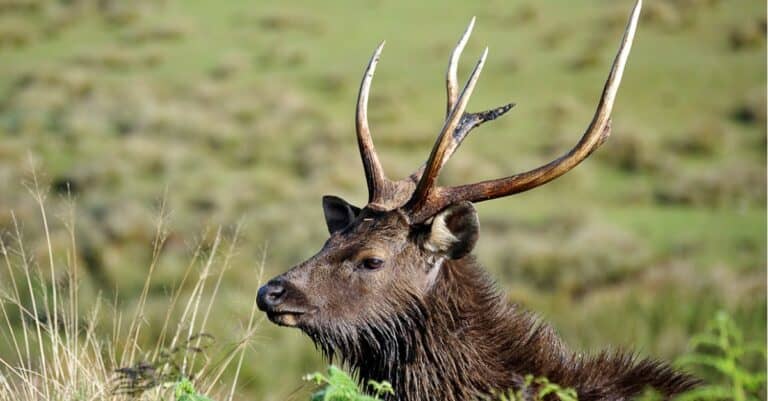
  • Foxes and feral cats drive declines of small mammals, ground-nesting birds and reptiles; deer (e.g., sambar, fallow, red) increasingly damage alpine/subalpine bogs and forests; rabbits suppress regeneration; invasive weeds alter understorey and fire behavior. Aquatic invasives like common carp degrade inland waterways, increasing turbidity and reducing aquatic plant habitat.
  • Chytridiomycosis remains a primary driver of frog declines (southern corroboree frog, various stream-breeding frogs in the Great Dividing Range). Koala populations are affected by chlamydia and other stress-related health impacts, often exacerbated by habitat fragmentation and heat stress.
  • Illegal shooting/persecution occurs for some native wildlife, and recreational hunting pressure on certain species can create disturbance in sensitive areas. Control/shooting of some invasive species (e.g., deer, pigs) is widespread and can have non-target disturbance if not carefully managed.
  • Illegal collection and trade of reptiles, birds, and eggs can threaten small or localized populations, particularly for high-value herpetofauna and aviary species; online marketplaces increase enforcement complexity across NSW.
  • Fishing pressure and bycatch affect threatened marine species on the NSW coast, including interactions with sharks (e.g., grey nurse shark via entanglement/hooks) and localized depletion of key species that underpin nearshore food webs. Estuary and reef systems near population centers can experience high cumulative take and habitat disturbance.
  • High visitation to beaches, dunes, headlands and estuaries causes trampling and disturbance to shorebirds (little terns, hooded plovers), while boating and personal watercraft can disturb marine mammals and seagrass beds. Off-road vehicle use in some coastal areas damages dune vegetation and nesting sites.
  • Koalas and other wildlife are frequently injured/killed by vehicle strike and dog attacks in expanding urban-bush interfaces (notably on the Mid North Coast and around Greater Sydney). Urban conflicts also occur with flying-fox camps (noise/odour concerns) and can lead to pressure for dispersals that risk animal welfare and conservation outcomes.
  • Small, isolated populations (e.g., southern corroboree frog, some local koala populations, regent honeyeater) face inbreeding risk and reduced adaptive capacity, especially where habitat corridors have been severed and post-fire survival is patchy.
  • Water extraction and flow regulation in the Murray-Darling Basin reduce flood frequency and duration needed to maintain river red gum forests and wetland breeding events (waterbirds, fish) in systems such as the Macquarie Marshes and other inland floodplains.
  • Roads and expanding transport corridors increase mortality and fragment habitat; dams/weirs impede fish movement and alter temperature/flow regimes; powerlines and fences can cause collision/entanglement for large birds and bats. Rapid rollout of energy and industrial infrastructure can add cumulative impacts if sited in key habitats.
  • Altered fire regimes (too frequent, too intense, or out of season) simplify forest structure and hollow availability, threaten fire-sensitive rainforests and peatlands, and can prevent recovery of obligate-seeding plants. River regulation (channelization, levees) and coastal armouring modify natural processes that sustain wetlands, dunes and estuaries.
  • Expansion/intensification of cropping and grazing in parts of the inland slopes and plains reduces native grasslands/woodlands and increases pesticide/herbicide exposure risks, with flow-on effects for pollinators, woodland birds, and aquatic systems via runoff.
  • Continued growth around Greater Sydney and major coastal centers drives clearing, edge effects, light/noise pollution, and domestic predator pressure; it also increases demand for sand/aggregate and water resources, compounding catchment stress.
  • Native forest logging (where it occurs) can reduce old-growth elements, hollow-bearing trees and structural complexity, affecting species such as gliders, owls and forest bats; road networks associated with harvesting increase fragmentation and facilitate weeds/predators. Debates remain particularly acute in some coastal forests.
  • Coal mining in regions such as the Hunter Valley and proposals affecting other landscapes can cause habitat loss, subsidence impacts on waterways, dust/noise, and increased heavy-vehicle traffic. Some mining/exploration pressures overlap with ecologically significant woodlands and water-dependent ecosystems.
Fun Facts

Did You Know?

You can find platypus (Ornithorhynchus anatinus) in waterways shockingly close to Australia's biggest city-populations occur in several Greater Sydney catchments, not just remote bush rivers.

Superb lyrebirds (Menura novaehollandiae) in NSW forests don't just mimic other birds: documented mimics include camera shutters, car alarms, and chainsaws-sounds they weave into their courtship "songs."

Sydney's big "bat colonies" are mostly grey-headed flying-foxes (Pteropus poliocephalus), a threatened species; individuals can commute tens of kilometres (often up to ~50 km) in a night, making them major long-distance pollinators and seed dispersers for eucalypt forests.

The endangered green and golden bell frog (Litoria aurea) has persisted and been actively managed at Sydney Olympic Park-an unexpected stronghold on a redeveloped former industrial site.

Every spring, bogong moths (Agrotis infusa) migrate through NSW toward the Australian Alps in vast numbers; they aestivate in cool alpine caves and become a critical seasonal food for predators like the mountain pygmy-possum.

Lord Howe Island (a NSW territory in the Tasman Sea) sits on the world's southernmost true coral reef system-hard corals and reef fish thriving farther south than anywhere else on Earth.

The Wollemi pine (Wollemia nobilis), found in a remote canyon of Wollemi National Park, is one of the world's rarest trees: fewer than ~100 mature individuals are known in the wild, and the species was unknown to science until 1994.

Kosciuszko National Park is home to the mountain pygmy-possum (Burramys parvus), Australia's only hibernating marsupial and the only mammal restricted to the nation's alpine zone.

The Sydney funnel-web spider (Atrax robustus) has among the fastest-acting medically significant spider venoms known-severe symptoms can begin within about 10-15 minutes without treatment.

Ball's Pyramid (part of the Lord Howe Island group, NSW) holds the only known wild population of the Lord Howe Island stick insect (Dryococelus australis), often cited as one of the world's rarest insects after being presumed extinct for decades.

Animals Found in New South Wales

131 species documented in our encyclopedia

Thank you for reading! Have some feedback for us?