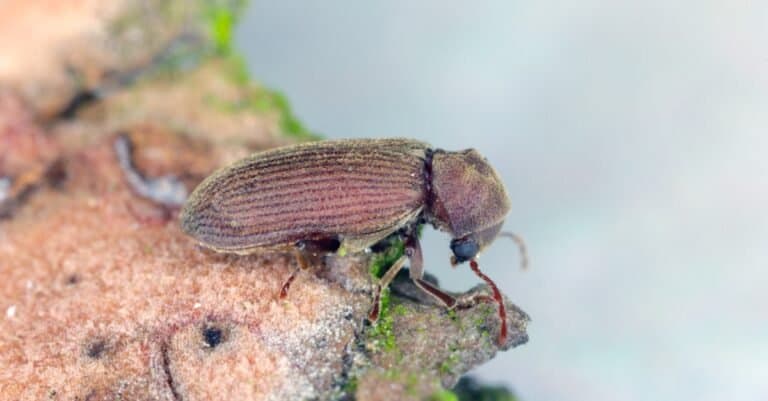
Common Furniture Beetle
Small beetle, big holes in history

Small beetle, big holes in history
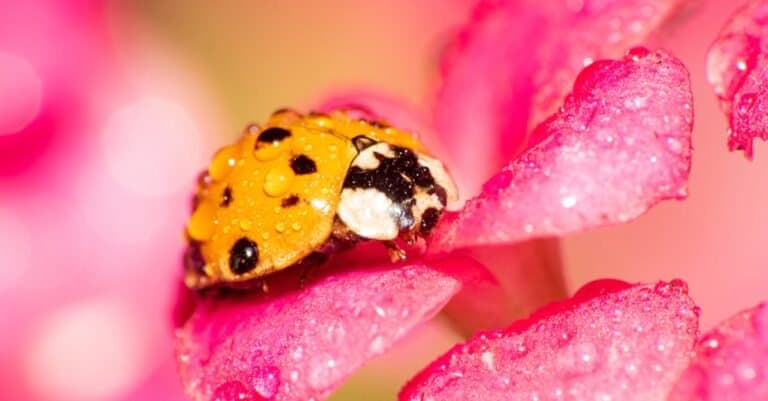
Spotted survivor, aphid devourer
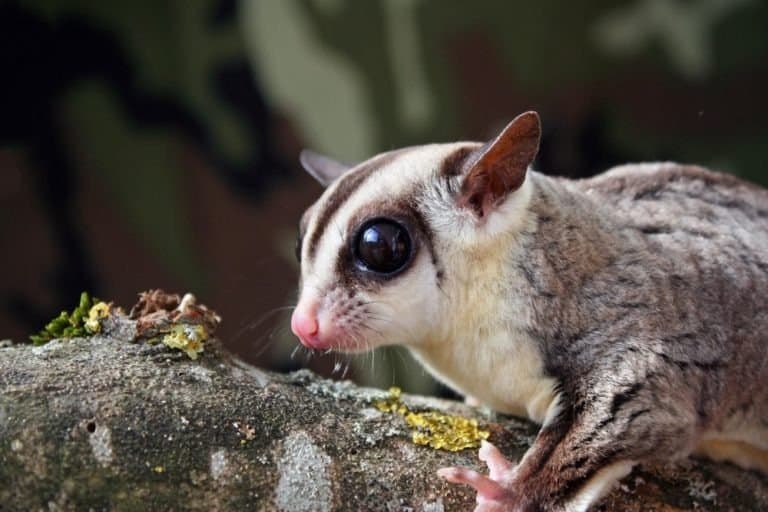
Glide the night, sip the sap
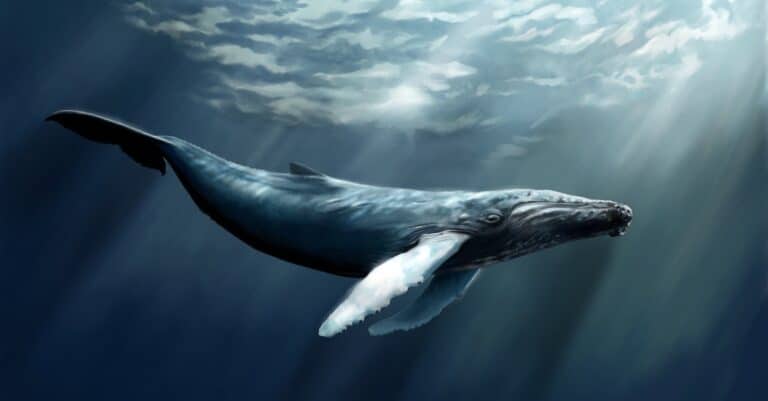
Big flippers. Bigger journeys.
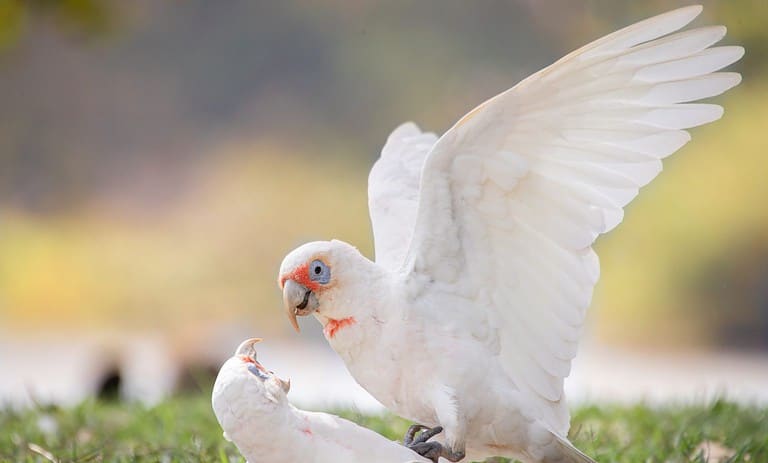
Australia's white cockatoo in full chorus
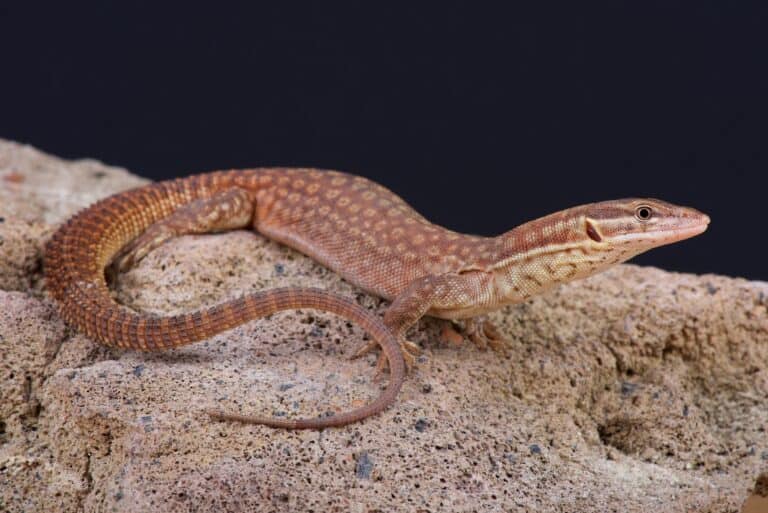
Small goanna, spiny-tail swagger.
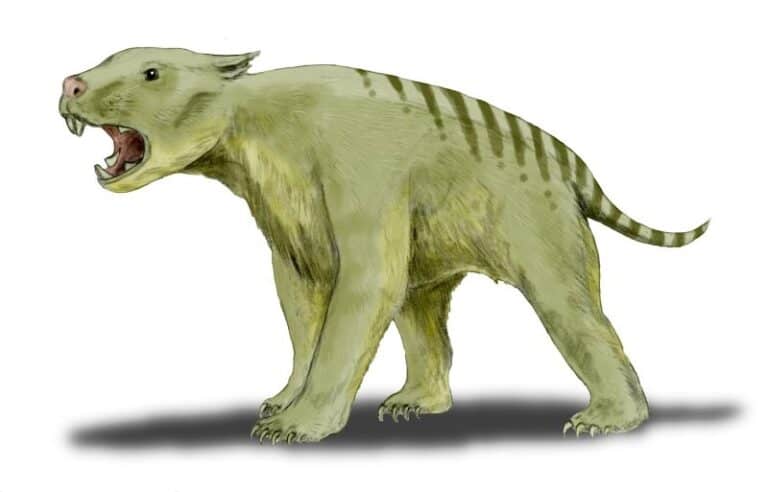
Australia's "lion" with a marsupial bite
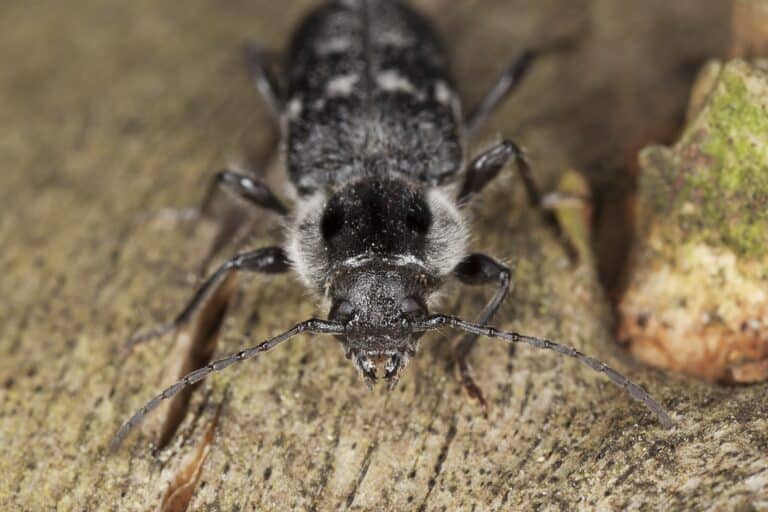
Hidden larva, big timber trouble.
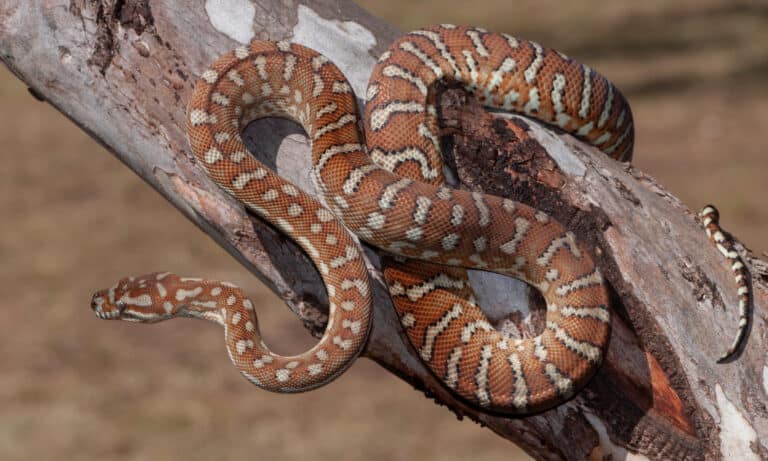
Desert-tough, rock-smart python
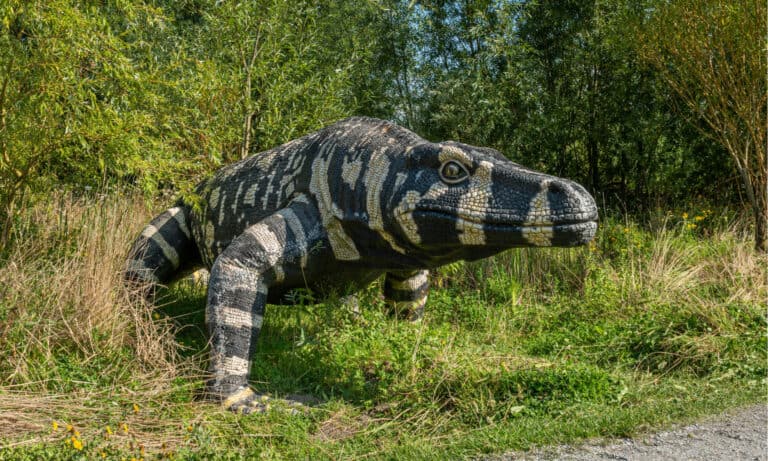
Pleistocene Australia's giant goanna
South Australia’s wildlife is full of contrasts. A vast, dry interior shaped by old rocks meets a rich southern coast fed by cold currents. This mix supports desert mammals and reptiles, big seabird colonies, and large marine predators. The Flinders Ranges and outback deserts are strongholds for animals made for heat, little water, and wide travel. The coast has dramatic cliffs and sheltered gulfs. Key places include the Flinders Ranges’ rocky gorges and woodlands, arid plains and dunes, and the cool marine waters of the Great Australian Bight, Spencer Gulf, and Gulf St Vincent. Reefs, seagrass meadows, and kelp forests are nurseries and hunting grounds for fish, rays, seals, and seabirds. Coastal wetlands and samphire flats help migratory shorebirds. The state’s sharp inland to sea edges let you see arid wildlife, then move quickly to cliff tops and busy breeding colonies of marine species.
South Australia has large climate differences—from deserts and salt-lake basins to Mediterranean plains and temperate coasts—creating habitat zones that shape wildlife. Flinders and Mount Lofty Ranges provide refuges and cooler, wetter spots. The Murray River and Coorong wetlands are key freshwater and bird areas. Gulfs and the Great Australian Bight support seagrass, reefs, seabirds, pinnipeds, cetaceans and fish.
Sea level to ~1,435 m (Mt Woodroffe, Musgrave Ranges)
Extensive southern coastline on the Southern Ocean: the Great Australian Bight plus major embayments and gulfs (Spencer Gulf, Gulf St Vincent, Encounter Bay), including Kangaroo Island and the Coorong coastal-lagoon system; these support seagrass meadows, reefs, sandy beaches, cliffs, and productive nearshore waters.
Designated 1904
Designated 1961
Designated 1989
South Australia's protected areas are run by DEW and include National Parks, Conservation Parks, Wilderness Protection Areas, Regional Reserves and marine parks. Many are co‑managed with Traditional Owners or Indigenous Protected Areas (IPAs). They protect arid lands, wetlands and coastal/marine habitats (including the Great Australian Bight) and species like arid‑zone mammals, migratory shorebirds (Ramsar wetlands), sea lions, southern right whales.
≈22% of South Australia's land area is in protected areas (plus extensive marine parks/offshore reserves).
One of Australia's most iconic boom-and-bust desert ecosystems. When Kati Thanda-Lake Eyre fills, it becomes a major breeding and refuge site for waterbirds, supporting huge, ephemeral wildlife events across the arid interior.
A flagship wildlife and geology destination in the Flinders Ranges, notable for rugged gorge habitats, arid-zone biodiversity, and long-term conservation work for threatened rock-wallabies and raptors.
Large, remote semi-arid park with intact mallee and woodland, supporting wide-ranging kangaroos, arid-zone birds, and predators; valued for its comparatively low fragmentation and strong outback conservation role.
A globally significant coastal lagoon and dune system forming part of a major migratory shorebird flyway. The park supports large waterbird breeding/roosting areas and critical habitat for threatened beach-nesting birds.
A Yorke Peninsula wildlife-viewing highlight with coastal cliffs, mallee, and heath. It is especially well known for wombats and kangaroos, plus seabirds and raptors along productive coastal waters.
Vast limestone plains and cliffs on the edge of the Great Australian Bight, important for wilderness-scale conservation and for adjacent marine megafauna viewing (notably seasonal southern right whales near the Head of Bight).
One of the most important and accessible Australian sea lion sites in the country, protecting a major breeding colony and surrounding coastal habitat used by seabirds and raptors.
Key mallee/heath refuge supporting threatened mallee birds and reptiles; valued for conservation of intact vegetation and species sensitive to land clearing and fire regimes.
A high-visibility wildlife area near Adelaide protecting stringybark forests and gullies; stronghold for common native mammals and woodland birds, and a major urban-edge conservation and education site.
Gorge and woodland habitats close to Adelaide with reliable wildlife encounters and notable raptor viewing; important for preserving native bushland in the metropolitan foothills.
A globally important marine refuge with highly productive upwellings supporting large aggregations of marine life, including whale breeding areas and key habitat for sharks, sea lions, and seabirds.
Major pinniped and seabird breeding/haul-out area off Eyre Peninsula; internationally known for marine predator ecology and conservation management of sensitive island rookeries.
Internationally significant wetland complex supporting huge numbers of waterbirds and migratory shorebirds; critical drought refuge and breeding habitat when conditions are suitable.
A major inland floodplain wetland system in the Channel Country, vital for episodic waterbird breeding and for sustaining desert biodiversity during flood cycles.
South Australia spans arid outback deserts and rocky uplands (Flinders Ranges), mallee woodlands and Mediterranean-climate habitats around Adelaide, plus highly productive coastal and marine systems along Spencer Gulf and the Great Australian Bight. Wildlife experiences range from classic desert mammals and raptors inland to globally important marine megafauna (whales, sea lions, sharks) and huge seasonal events like the giant cuttlefish aggregation and shorebird migrations on the Coorong.
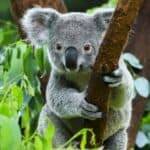
South Australia has lots of wildlife within short drives: arid outback in the north with red kangaroos, euros, reptiles and raptors; Flinders Ranges mountains with yellow-footed rock-wallabies and wedge-tailed eagles; coasts at the Great Australian Bight, Spencer Gulf and Kangaroo Island with whales, sea lions, dolphins and seabirds. Near Adelaide, parks and wine regions add koalas and birding.
Best for marine adventures and coastal trips: warm days for boat dolphin cruises in Gulf St Vincent, beach-and-birdlife on Yorke and Eyre Peninsulas, and long light for photos. Inland/outback viewing is possible—go at dawn or dusk, carry water, and use shaded gorges in the Flinders. Kangaroo Island has seals, coastal birds and night tours but risk of bushfire and heatwaves.
A sweet spot for comfortable temperatures and active wildlife: excellent hiking and spotting in the Flinders Ranges as days cool; migratory shorebirds are still present on many coasts; calmer seas often suit boat trips. It's also a strong season for road tripping the Eyre Peninsula with fewer crowds and pleasant conditions for clifftop whale lookout scouting ahead of winter.
Peak season for whale watching along the Great Australian Bight and Fleurieu Peninsula, with southern right whales often seen. Cooler weather boosts daytime wildlife activity in arid and semi‑arid areas and makes walking in the Flinders Ranges more comfortable. Good time for raptors and waterbirds at wetlands and estuaries; pack layers and expect wind and swell on the coast.
Wildflowers and newborn wildlife energy: excellent all-round season for the Flinders, outback tracks and coastal headlands. Whales can still be present in early spring depending on location, while seabird activity can be high along the cliffs and islands. Comfortable temperatures suit multi-day hikes, camping and dawn/dusk wildlife drives; expect variable weather and occasional rain bursts in the south.
South Australia ranges from very dry inland (salt lakes, dunes, stony plains, chenopod shrublands) to cooler south with mallee, woodlands, remnant forests and farms near Adelaide and the Mount Lofty Ranges. Coastal systems—the Great Australian Bight, Spencer Gulf, Gulf St Vincent and the Murray Mouth/Coorong—support large seabird, seal and fish groups due to variable rain, inland floods and coastal upwelling.
Main inland biome: dune fields, gibber (stony) plains, saltbush and bluebush shrublands, and big temporary salt lakes (e.g., Lake Eyre Basin margins). Plants and animals are adapted to drought and quickly respond to rare rains.
~70-80% of the state; extensive inland and western/northern regions.
Mediterranean-climate zones in the southern settled belt support mallee, heathy shrublands and eucalypt woodlands, with higher-diversity remnants in ranges and on Kangaroo Island. Fire regimes and fragmentation from agriculture strongly influence ecosystem structure.
~10-15%; Eyre/Yorke Peninsulas, Mount Lofty Ranges-Adelaide region, Fleurieu Peninsula, parts of Kangaroo Island.
Temperate grasslands and open grassy woodlands occur especially in the south-east and parts of the agricultural belt, often heavily modified and now largely present as fragments, road verges, and pastoral landscapes with native understorey remnants.
~5-10%; south-east (Limestone Coast) and southern inland transition zones.
Patchy temperate forests/closed woodlands occur where rainfall is higher, including stringybark and other eucalypt-dominated forests in the Mount Lofty Ranges, parts of the south-east, and Kangaroo Island; many stands are remnant or regenerating.
Small, discontinuous (<5%); wetter uplands and coastal pockets in the south and south-east.
Freshwater ecosystems are limited and often seasonal: the lower Murray River and associated wetlands, mound springs in the arid zone, and freshwater lenses/springs supporting localized aquatic biota; many inland systems are episodic rather than permanent.
Low areal extent but ecologically important; concentrated along the River Murray and scattered springs/soaks inland.
Includes internationally significant saline and brackish wetlands (Coorong lagoons), estuarine marshes, inland claypans and flooded gibber flats after rains, and coastal saltmarsh/mangrove complexes around gulfs.
Patchy; major complexes at the Murray Mouth/Coorong, Spencer Gulf/Gulf St Vincent shorelines, and episodic inland basins.
Temperate marine ecosystems of the Great Australian Bight and the two gulfs: high endemism on temperate reefs, extensive seagrass meadows, sponge gardens, and productive shelf waters supporting seals, dolphins, seabirds and major fisheries.
All coastal waters; strongest expression along the Great Australian Bight shelf and within Spencer Gulf/Gulf St Vincent.
Great Victoria Desert margins and other inland deserts with dunes, swales, spinifex and low shrublands; includes vast salt-lake landscapes (e.g., Lake Gairdner/Lake Torrens systems).
Chenopod shrublands (saltbush/bluebush) and arid shrub mosaics across pastoral zones; key for arid-zone mammals, reptiles and nomadic birds after rain.
Native grasslands and grassy woodland understoreys in the south-east and agricultural belt, often fragmented but important for ground-foraging birds and seasonal wildflowers.
Mallee and open eucalypt woodlands on Eyre and Yorke Peninsulas and in the Murraylands; many areas persist as large blocks of mallee with high bird and reptile diversity.
Heavier-cover eucalypt forests in wetter southern areas (Mount Lofty Ranges, parts of the Limestone Coast, Kangaroo Island), including conservation-significant remnants among agricultural land uses.
Flinders Ranges and associated uplands: rugged terrain with gorges and elevational gradients supporting distinctive plant communities and refugia for wildlife during drought.
Great Australian Bight coastal cliffs (including Nullarbor coast) provide nesting/roosting habitat for seabirds and are adjacent to productive nearshore waters.
Naracoorte caves and karst systems in the Limestone Coast: subterranean habitats and globally important fossil deposits; associated with groundwater-fed ecosystems.
Large mostly saline or ephemeral lakes (Lake Eyre fringe within SA, Lake Torrens, Lake Gairdner) plus smaller freshwater/perched lakes in the south-east; boom-bust dynamics for waterbirds.
The River Murray and tributary/anabranch networks: riparian woodlands, billabongs and floodplain habitats underpin major freshwater biodiversity and waterbird corridors.
Coorong lagoons, floodplain wetlands along the lower Murray, inland claypans, and coastal saltmarsh systems; many are highly seasonal and sensitive to water allocation and salinity.
Freshwater swamps and peat-influenced wet areas in the Limestone Coast (e.g., Bool Lagoon complex), supporting amphibians, waterbirds and dense emergent vegetation.
Coastal and estuarine marshes (saltmarsh) around Spencer Gulf and Gulf St Vincent, often grading into mangroves and tidal flats.
Avicennia marina mangrove stands in sheltered gulf environments (e.g., near Adelaide's Port River-Barker Inlet and upper Spencer Gulf), important for shoreline stability and juvenile fish habitat.
Murray Mouth estuary and associated tidal channels, plus smaller estuarine inlets along the gulfs; strong salinity gradients and crucial nursery function.
Long temperate coastline spanning high-energy Bight shores to sheltered gulf embayments; includes dune systems, headlands and extensive seagrass shallows.
Sandy beaches and dune fields along the Bight and peninsula coasts; key nesting and foraging areas for shorebirds and coastal invertebrates.
Rocky headlands and intertidal reefs common on southern coasts and around Kangaroo Island, supporting diverse temperate intertidal communities.
Temperate reef kelp and macroalgal communities in cooler, clearer waters (notably around Kangaroo Island and parts of the southern coastline), supporting high endemism.
Offshore waters of the Great Australian Bight used by seabirds, tuna and marine mammals; productivity influenced by shelf processes and seasonal conditions.
Deep slope and basin environments beyond the continental shelf in the Bight region, with cold-water communities and low-light ecosystems.
Extensive continental shelf seabed habitats (sand, gravel, reef and sponge grounds) in the Bight and gulfs; important for demersal fish and invertebrates.
Broadacre cropping and grazing (wheat-sheep belt), plus viticulture (Barossa, McLaren Vale, Clare) and irrigated horticulture along the Murray; major driver of habitat fragmentation in the south.
Softwood plantations concentrated in the south-east (Limestone Coast/Green Triangle fringe), embedded within remnant native vegetation networks.
Adelaide metropolitan area and regional centers, with urban coastal interfaces, modified waterways, and peri-urban conservation reserves.
Expanding peri-urban zones around Adelaide and major towns where remnant woodlands, creeks and coastal dunes interface with housing and recreation.
Australian sea lions in SA don't breed on a neat yearly schedule: their breeding cycle is about 17-18 months (unusual among seals), so pupping seasons shift through the calendar and differ between colonies.
In the Whyalla cuttlefish aggregation, some smaller males use a deceptive tactic: they can mimic female colour patterns to slip past dominant males and mate-an underwater example of "sneaker" reproduction.
Kangaroo Island has never had an established population of foxes, which is one reason it has served as a refuge and reintroduction site for threatened native mammals that struggle on the mainland.
Desert booms happen in South Australia: after big inland rains, pelicans and banded stilts can flock and breed by the thousands at remote salt lakes. Coastal birds travel far to use short-lived water.
Off South Australia’s temperate reefs, male leafy seadragons carry and brood eggs on a special patch under their tail until they hatch. Their leaf-like camouflage lets them nearly vanish in kelp and seagrass.
Whyalla's Giant Australian Cuttlefish spawning aggregation (around Point Lowly in upper Spencer Gulf) is widely documented as the largest known cuttlefish breeding aggregation on Earth-thousands gather in just a few square kilometres each winter.
South Australia is the world stronghold for the Australian sea lion. Most breeding colonies and many pups live on its offshore islands, making the state the main refuge for this rare sea lion.
Kati Thanda-Lake Eyre in South Australia's far north is the country's largest lake. When it fills, huge inland waterbird breeding events happen, with many nests on islands and shorelines usually dry.
The Head of Bight (Great Australian Bight) is one of Australia's most important and reliable southern right whale calving areas, famous for close-to-shore breeding activity that can be viewed from land during winter.
Kangaroo Island is famous for protecting the world's last remaining population of pure-bred Ligurian honey bees (Apis mellifera ligustica), kept isolated by strict biosecurity-an unusual "wildlife superlative" involving an introduced but globally distinctive lineage.
78 species documented in our encyclopedia
Thank you for reading! Have some feedback for us?
We appreciate your help in improving our content.
Our editorial team will review your suggestions and make any necessary updates.
There was an error submitting your feedback. Please try again.