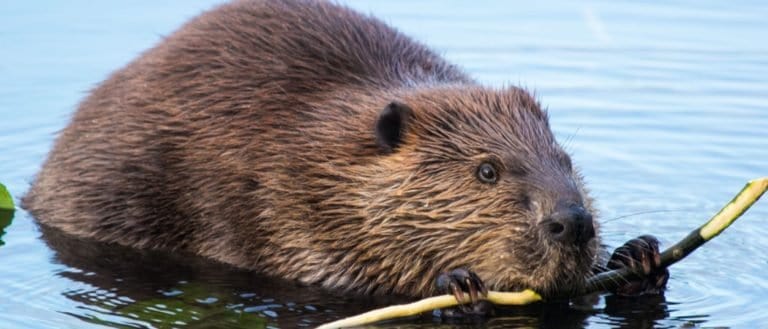
Beaver
Build wetlands, shape worlds.

Build wetlands, shape worlds.

Night pilots of the mammal world

From geckos to dragons-lizard power
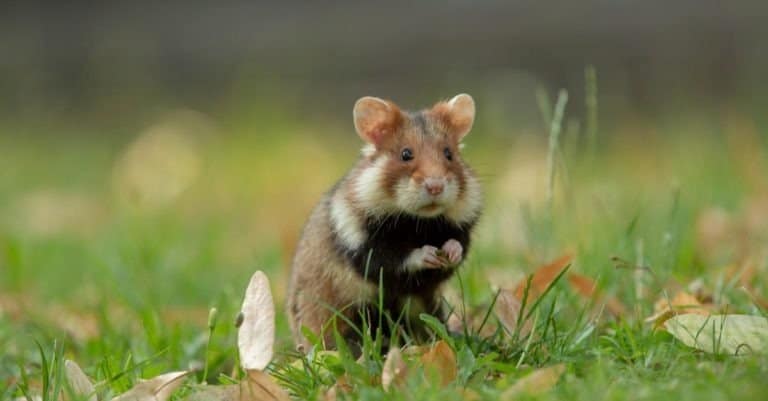
Pouches, burrows, and big impacts
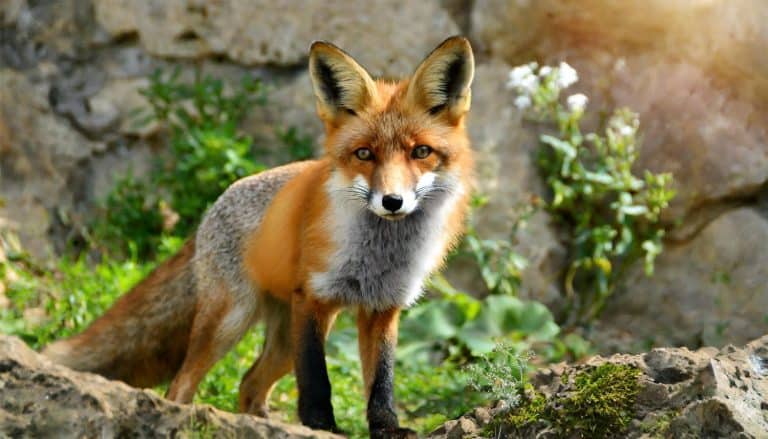
From dunes to tundra-fox smart.

Webbed feet, sky roads, wetland lives
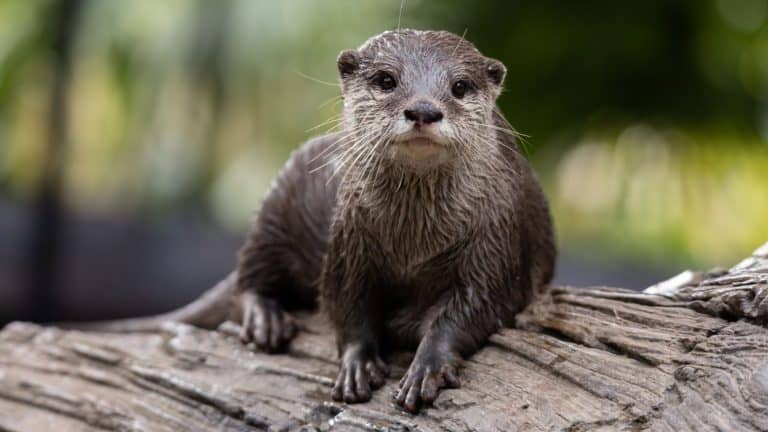
Built for water, born to hunt
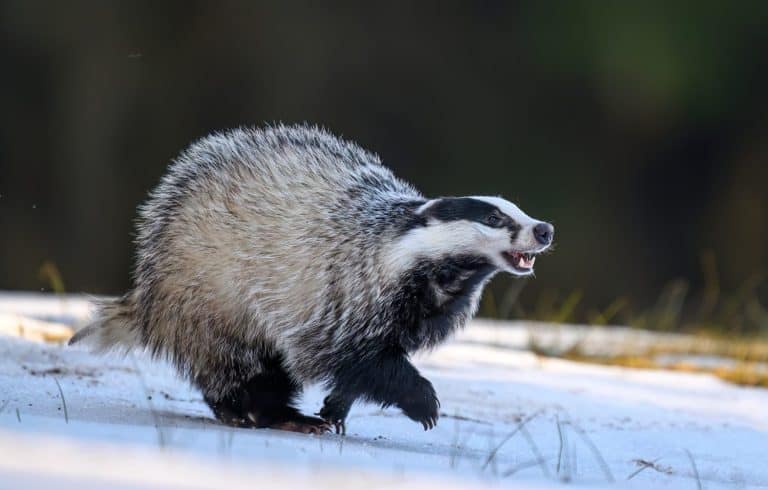
Built to dig. Born to endure.
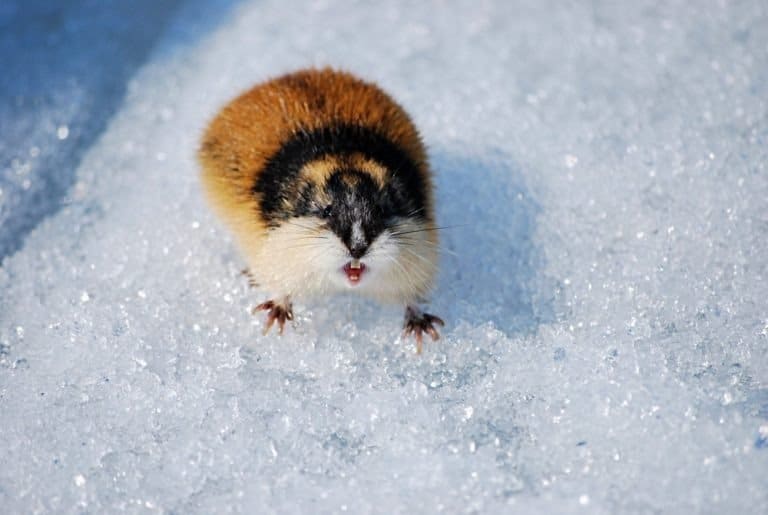
Small rodents, huge tundra impact
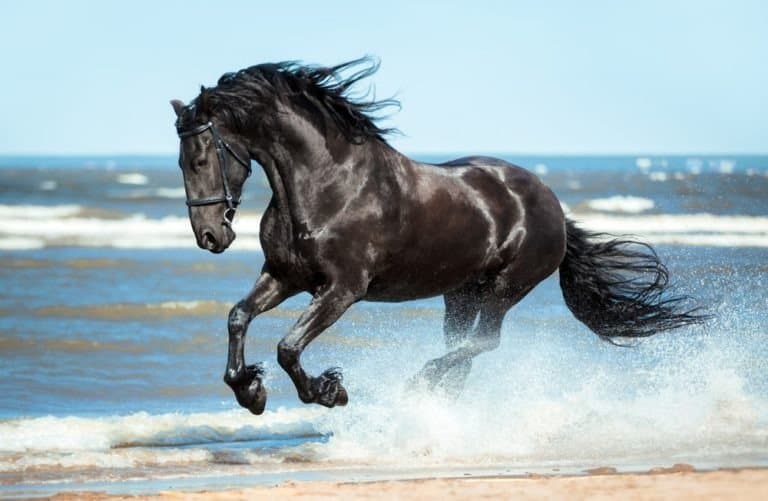
One hoofbeat, a thousand histories
The alpine biome comprises treeless ecosystems occurring above the climatic treeline on mountains, where low temperatures, strong winds, and a short growing season prevent the establishment of closed-canopy forests. It is characterized by cold, often highly variable conditions, intense solar radiation, and soils that are typically shallow, rocky, and frequently shaped by freeze-thaw processes.
Alpine landscapes start above treeline, where thinner, colder air, fast storms, strong winds, and more UV shorten the season for growth. The biome is a patchwork of meadows, heaths, fellfields, rocky outcrops, and snowbed communities. Plants grow low in cushions, mats, or tufts and spread roots in thin soils; freeze-thaw and snowpack reshape the ground. Animals use thick fur or seasonal coats, hibernation or torpor, and are good climbers and fliers. Alpine life is sensitive to warming and changing snow.
Alpine climates are found above the treeline where height keeps temperatures low. Weather is cold, windy, and changes fast. Sunlight and UV are strong. Frost can happen even in summer, and snow stays long. Air is often dry, but wind makes drying worse. A short cool summer thaw drives most plant growth and breeding.
~25-45°C seasonal range (commonly winter averages near -15 to -5°C vs. short-summer averages near 5 to 12°C), with very large daily swings possible under clear skies.
~300-1,500 mm water equivalent (highly variable with aspect and storm tracks). A large fraction falls as snow; some inner-mountain ranges can be much drier (semi-arid alpine) while windward slopes can be very wet.
Alpine seasonality has long, snow-covered winters and a short, cool summer melt. Snowpack depth and melt timing control soil temperature, moisture, and how long plants are snow-free, creating strong microclimates (ridge tops versus snowbeds). This leads to compressed phenology—fast leaf-out, flowering, and seed set—and many plants are low, store resources as perennials, and use sheltered microsites.
Alpine growing season is usually 6-12 weeks (45-90 days) of root zone temperatures above 0-5°C, often June-August. Harsher high-latitude or high-elevation sites have ~3-8 weeks; mild maritime sites ~10-14 weeks. It starts with snowmelt and ends with hard frosts or new snow.
Persistent snowpack; frequent subfreezing temperatures; high winds and wind chill; strong solar radiation/UV on clear days; freeze-thaw near surface during brief thaws; very low liquid water availability despite snow; soils frozen and biologically inactive.
Primary productivity near zero; plants remain dormant under insulating snow (or desiccate where winds scour snow away); snowpack controls spring water supply and timing of melt; mechanical stress from ice, wind abrasion, and rime; nutrient cycling slowed and largely stored in snow/soil until melt.
Rapidly changing weather; alternating snowstorms and warm spells; intense freeze-thaw; strong meltwater flows; saturated soils in melt zones, but continued dryness on wind-scoured ridges; high avalanche and rockfall risk during melt.
Short, intense flush of moisture triggers initial growth and flowering; meltwater redistributes nutrients and sediments; microbial activity and decomposition restart quickly; phenology is tightly synchronized to snowmelt timing (earlier melt can increase frost damage risk).
Cool days and cold nights; frequent strong winds; intense solar radiation and UV; convective storms common; localized drought on shallow, rocky soils; occasional frosts can occur any time; snow persists in shaded gullies and late-lying snowbeds.
Peak photosynthesis, flowering, and seed set occur in a compressed window; pollinator activity concentrated during warm, calm periods; soil development remains slow; erosion and trampling sensitivity highest when soils are saturated or thawed; streams run high early then decline later in summer.
Increasing frequency of hard frosts; shortening days; first lasting snowfalls; drier air; storms and high winds; soils begin to refreeze from surface downward; meltwater decreases and streams drop.
Plant senescence and seed dispersal; allocation to roots and storage organs; last opportunity for nutrient uptake; decomposition slows as temperatures drop; formation of early snowpack influences winter insulation and overwinter survival.
Day Length: Day length varies strongly with latitude and modestly with elevation; alpine organisms rely on photoperiod as a stable seasonal cue when temperature and snowfall are highly variable. Long summer days enable high daily carbon gain during a very short frost-free window, supporting rapid flowering and seed maturation. Shortening days in late summer/autumn cue dormancy, fattening, molt/coat changes, migration, and onset of torpor/hibernation; at high latitudes, near-continuous summer daylight and very short winter days amplify these effects and can shift breeding and foraging schedules.
Alpine biomes are on the highest parts of mountains worldwide, above the local treeline. Cold temperatures, strong winds, intense sun, and short growing seasons limit plants to low, tough types (grasses, sedges, cushion plants, alpine shrubs, lichens). They form patchy “sky islands” and merge with tundra where treeline drops.
Globally, alpine (above-treeline) ecosystems remain geographically widespread across major mountain systems but are increasingly fragmented and experiencing declining habitat quality and climate suitability. Conservation status is best characterized as vulnerable overall, with many regional alpine zones facing high to critical risk from rapid warming, shrinking snowpacks/glaciers, treeline upslope encroachment, and concentrated development/recreation impacts.
Alpine can be both "wet" and "thirsty": snow and ice may be everywhere, but frozen water is unavailable to plants-so alpine vegetation often experiences drought stress while surrounded by water.
Many alpine plants are natural "space heaters": dark pigments and low, cushiony shapes trap solar warmth and reduce wind chill, making the air inside a cushion plant noticeably warmer than the surrounding air.
Some alpine flowers track the sun: several species tilt or orient their blooms to maximize solar heating, which can speed up pollen development and attract cold-blooded insect pollinators.
Soil can be younger than the plants: alpine soils are often thin and frequently disturbed by frost and rock movement, while long-lived alpine perennials can persist in the same spot for decades to centuries.
Being small is a superpower: in alpine environments, dwarf-plant biology wins-plants stay tiny not because they're weak, but because short, compact forms avoid wind damage and conserve heat.
Not all alpine animals hibernate: some (like pikas in many mountain ranges) survive winters by stockpiling "haypiles" of dried plants, essentially running a mountain pantry.
Think of the alpine zone as the mountain's "above-treeline rooftop": if the forest is the building, alpine is the exposed roof where only windproof, coldproof specialists can live.
Cushion plants are like living beanbags of vegetation-dense, rounded domes that function as miniature greenhouses at ground level.
Alpine landscapes often run on a "weekend schedule": the whole year's growth and reproduction can be squeezed into a few short, intense summer weeks.
A single step can span multiple microclimates: sunny rocks can be warm enough for insects to bask, while shaded cracks a foot away can hold ice-like having summer and winter side-by-side.
Alpine ridgelines behave like ecological coastlines: wind exposure and rapid weather changes create sharp "boundaries" where only the most stress-tolerant species persist.
Breathing and flying are harder up high: the thinner air of alpine elevations is like turning down the oxygen dial-animals compensate with larger lungs, more efficient blood chemistry, or energy-saving behaviors.
Largest alpine region on Earth: the Tibetan Plateau-often called the "Roof of the World"-is the planet's biggest expanse of high, treeless, cold-adapted landscapes.
Some alpine cushion plants are among the longest-lived small plants: in the high Andes, the Andean cushion plant (Azorella compacta) can form rock-hard mounds that are estimated to be thousands of years old.
Among the toughest plant lifestyles: alpine plants routinely grow with a growing season measured in weeks, not months-yet still flower, set seed, and survive ice, wind, and drought.
One of the windiest places plants live: exposed alpine ridges can see storm-force winds that would shred taller vegetation, helping explain why alpine plants hug the ground.
Extreme UV exposure: because the atmosphere is thinner at altitude, alpine organisms experience significantly higher ultraviolet radiation than lowland ecosystems, driving protective pigments and "sunscreen-like" leaf coatings.
High-altitude athletic elites: alpine mammals like mountain goats and ibex are among the most sure-footed large animals, using specialized hooves (grippy edges + soft pads) to stand on tiny rock ledges.
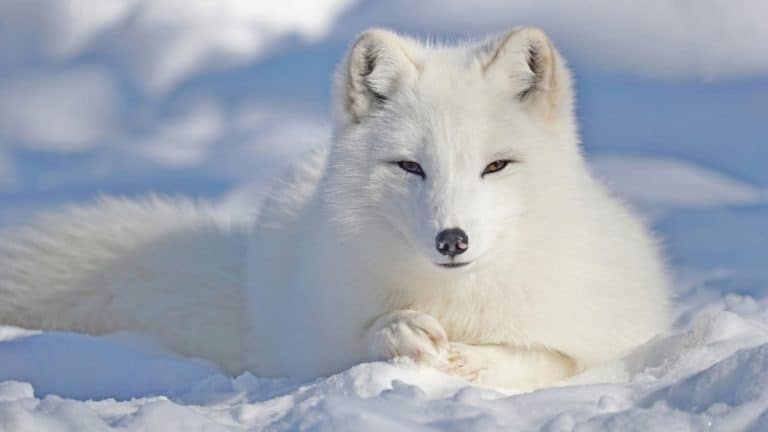
Built for blizzards, born for tundra
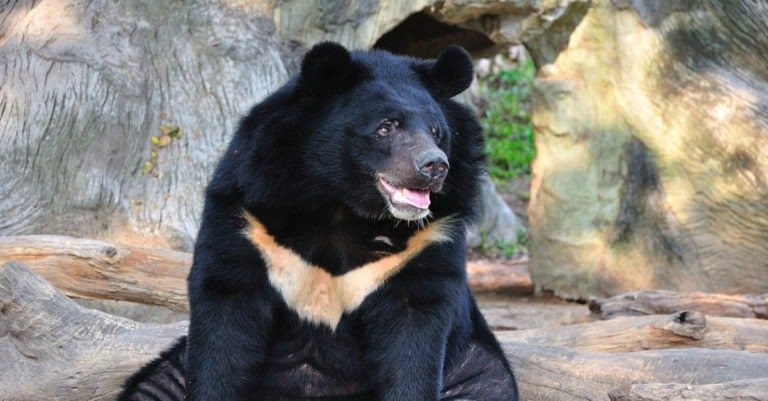
Moon-marked climber of Asian forests
Built to dig. Born to endure.
Night pilots of the mammal world
Build wetlands, shape worlds.

Humps of fat, miles of grit

Small hunter, big household legend
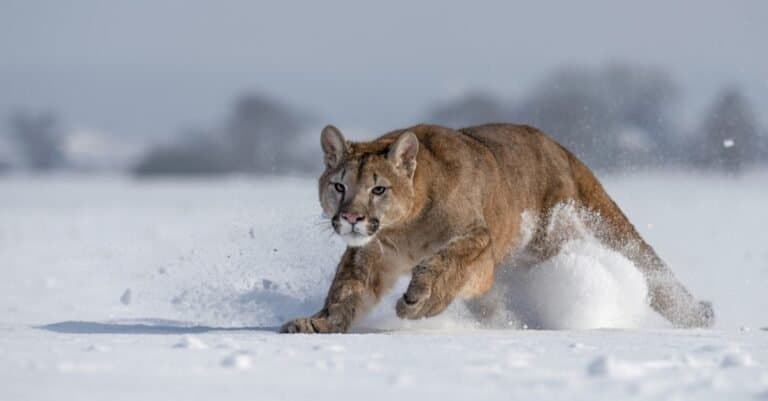
One cat. Two continents.
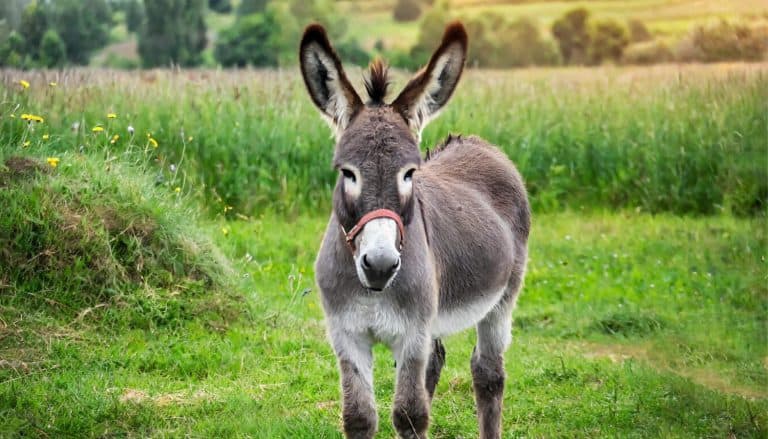
Sure-footed partner of people

Webbed feet, world travelers.

Built to soar, born to strike

Spines, eggs, and ant-eating mastery

Bony rays, endless ways.
From dunes to tundra-fox smart.
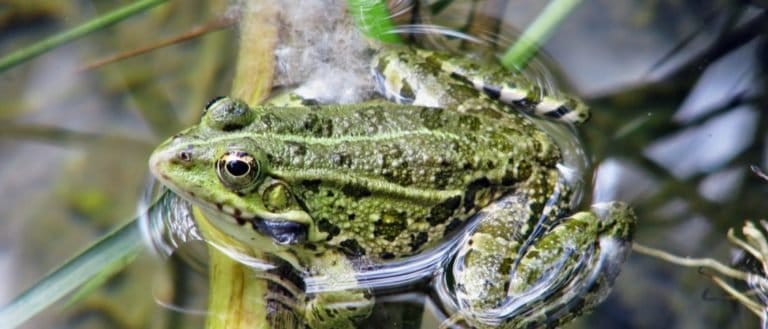
Tailless jumpers, masters of change
Webbed feet, sky roads, wetland lives

Sure-footed masters of rock and range

Gentle giants of the African forests
Pouches, burrows, and big impacts
One hoofbeat, a thousand histories
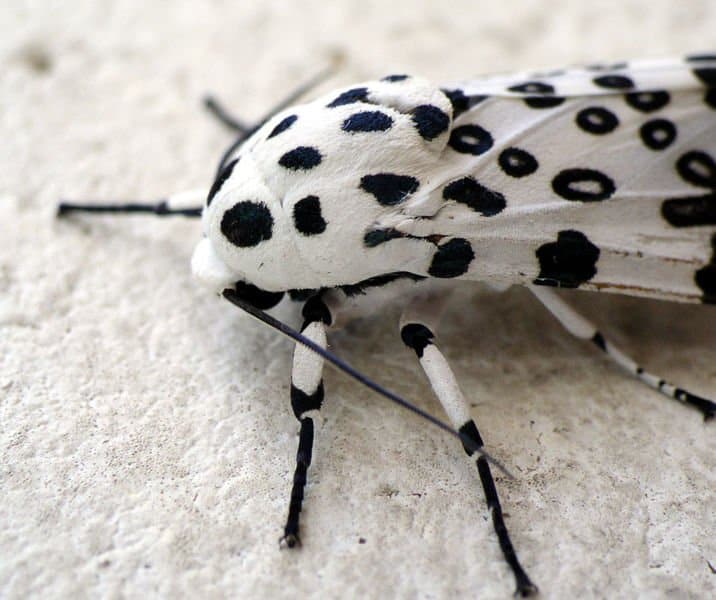
Six legs, endless lives.

Big hops, big pouches, big variety
Small rodents, huge tundra impact
From geckos to dragons-lizard power
Thank you for reading! Have some feedback for us?
We appreciate your help in improving our content.
Our editorial team will review your suggestions and make any necessary updates.
There was an error submitting your feedback. Please try again.