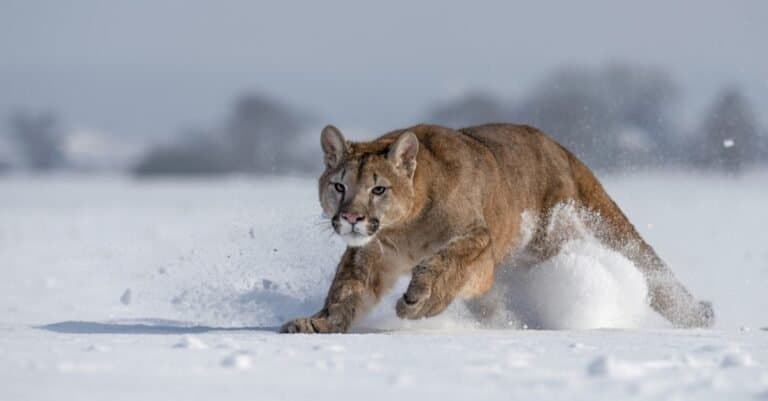
Cougar
One cat. Two continents.

One cat. Two continents.

From geckos to dragons-lizard power
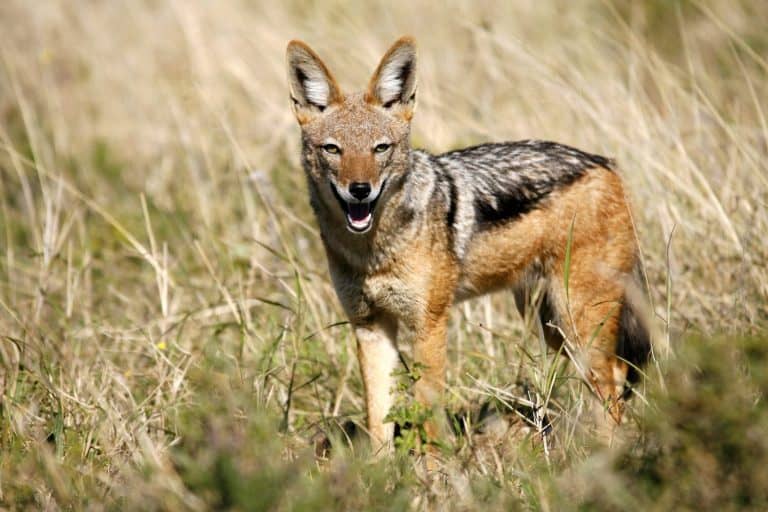
Small canids, big survival skills

Webbed feet, world travelers.

Big beard, bright sun, bold attitude.
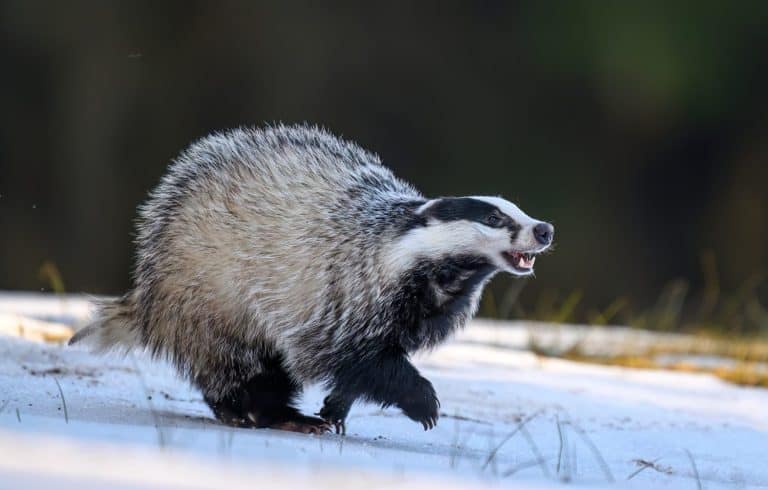
Built to dig. Born to endure.
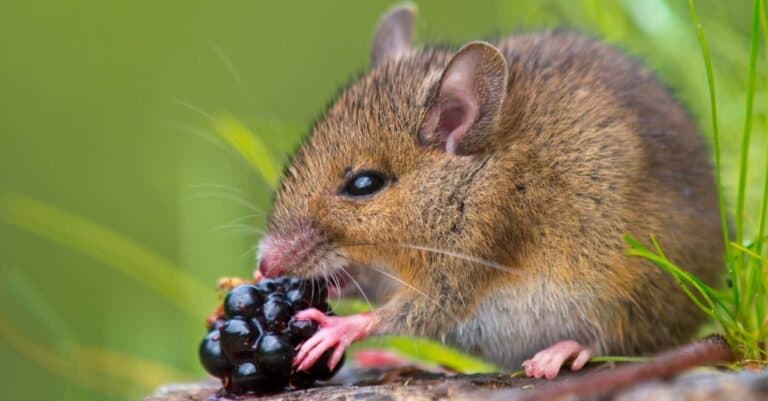
Small gnawers, huge impact.

More than night flyers
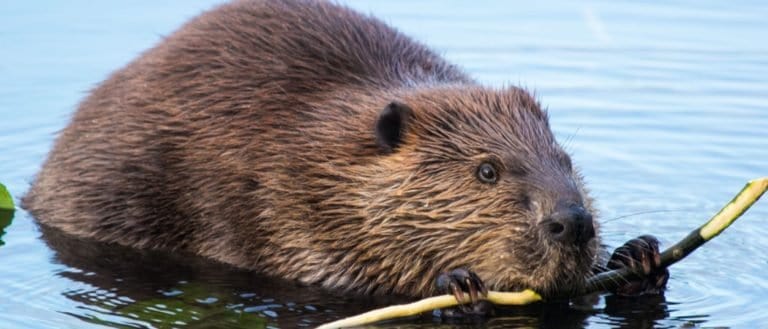
Build wetlands, shape worlds.
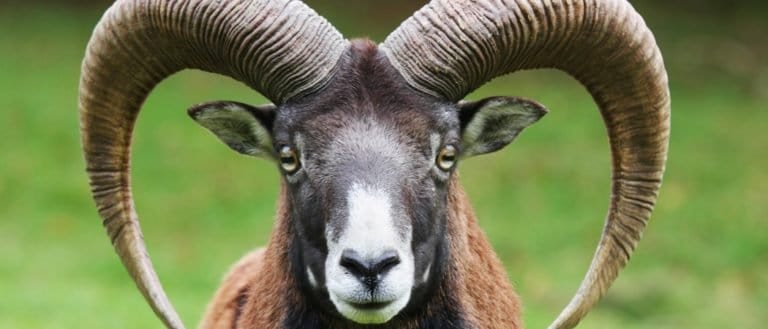
Sure-footed masters of rock and range
Temperate grasslands are mid-latitude terrestrial biomes dominated by perennial grasses and herbaceous forbs, where tree cover is limited by moderate precipitation, seasonal drought, recurrent fire, and grazing. They occur largely in continental interiors with pronounced temperature seasonality and often develop deep, organic-rich soils under dense grass root systems.
Temperate grasslands are wide areas in mid-latitudes where rain grows grasses but not forests. They have rolling grasses and wildflowers, hot summers, cold winters, and variable rain. Fire and large grazers (bison, saiga, antelope) kept trees away while grasses re-sprout from buds near the soil. Deep roots build rich dark soils that support grazers, predators, and ground-nesting or burrowing animals. Much grassland is farmed; conservation uses controlled fire, grazing limits, and habitat protection.
Temperate grasslands have a continental climate: warm to hot summers, cold winters, and moderate, variable rain mostly in the warm season. Dry spells, strong winds, and year-to-year rain changes favor grasses and forbs over trees. Lightning- and human-started fires and past heavy grazing keep them open. Snow is common; quick spring warming then summer drought shape growth and fires.
~30-45°C typical (e.g., winter monthly means near −10 to 0°C vs. summer monthly means near 18 to 28°C); larger ranges toward interior continents
~250-750 mm/year (often 350-600 mm/year in many temperate steppe/prairie regions)
Temperate grasslands have four seasons. Spring warming brings green-up and peak forage. Late spring and summer give most plant growth but also the highest drought and fire risk. Autumn cooling and drying make fine fuels and frequent fires that limit woody plants. Winter cold and snow cut plant activity and herbivore feeding, favoring plants with dormant buds and underground stores.
Growing season is usually about 120–180 days, starting in mid‑to‑late spring after the last hard frost and soil warms, peaking late spring/early summer, and ending with the first killing frost in early/mid autumn. In dry areas it may be 90–140 days; midsummer drought can pause growth.
Rapid warming after frost season; variable rain and strong winds; soils often moist from winter/snowmelt; frequent late frosts and hail in some regions
Fast vegetative growth of cool-season grasses and forbs; high nutrient availability from winter mineralization and moisture; peak flowering for many early forbs; strong competition for light; high fire potential can persist if spring is dry and last year's litter remains
Warm to hot temperatures; precipitation often episodic (thunderstorms) with intervening dry spells; high evapotranspiration; occasional heat waves; wildfire risk rises during drought and with lightning
Shift toward warm-season (C4) grass dominance where present; productivity depends on rainfall timing-wet summers produce dense biomass, dry summers cause dormancy and reduced forage quality; increased insect herbivory; fire and grazing strongly shape structure (patchiness, litter reduction)
Cooling temperatures; more stable weather; rainfall may increase in some regions; early frosts begin; winds disperse seeds and dry standing biomass accumulates
Plant senescence and carbohydrate storage in roots/rhizomes; seed maturation and dispersal for many grasses/forbs; litter accumulation increases fuel continuity for dormant-season fires; nutrient translocation to belowground tissues enhances winter survival; soil moisture recharge begins where rains return
Cold temperatures with frequent freeze-thaw; precipitation often as snow or cold rain; strong winds; reduced soil biological activity; grazing exposure increases due to short vegetation and limited cover
Aboveground plant dormancy; survival depends on belowground buds and stored reserves; snowpack can insulate crowns and soil biota; freeze-thaw can enhance soil aggregation but also cause heaving; decomposition slows, preserving litter and maintaining fuel for spring fires
Day Length: Day length varies strongly across mid-latitudes (~8-10 hours in winter to ~14-16 hours in summer; higher latitudes experience greater range). Increasing photoperiod in spring acts as a reliable cue for bud break, flowering schedules in some forbs, and the timing of migration and breeding (especially birds), interacting with temperature and moisture to determine peak productivity. Decreasing photoperiod in late summer/autumn promotes dormancy, carbohydrate storage belowground, and preparation for frost, helping perennial grasses survive drought and fire while synchronizing seed set and animal fattening/migration.
Temperate grasslands are found mainly in continental interiors at mid-latitudes, where moderate but variable rainfall and strong seasons (cold winters, warm summers), plus drought, fire, and grazing, keep trees from taking over. They form wide belts across large landmasses, especially in the interiors of North America and Eurasia, and smaller areas in South America, southern Africa, Australia, and New Zealand.
Globally highly threatened and among the most transformed terrestrial biomes; large areas have been converted to cropland and pasture or heavily fragmented, with many remaining grasslands degraded by altered fire/grazing regimes and invasive species.
Many grasslands aren't "tree-free" because they're too dry-fires and grazing can prevent forests from taking over even under moderate rainfall.
Prairie plants often "hide" their growth: a large fraction of their living tissue is underground, so the ecosystem can look simple aboveground while being extremely complex belowground.
Some of the world's best farmland is actually former grassland-those deep, dark soils largely come from centuries of grass roots dying back and rebuilding organic matter.
Grassland productivity can rebound quickly after fire: a burn that looks destructive can stimulate vigorous regrowth and nutrient cycling in the following growing season.
Temperate grasslands can store huge amounts of carbon in soils; losing native grass cover often releases carbon even if the surface still looks "green."
A landscape that seems uniform can be highly patchy for wildlife-small differences in grass height, recent burns, and grazing intensity create a mosaic of microhabitats.
Many grassland birds prefer "messy" structure (mixed grass heights and patches), meaning a perfectly even lawn-like field can be ecological "desert" for them.
Some iconic grassland species (like prairie dogs in North America) act as ecosystem engineers-changing soil, vegetation height, and providing burrows that other animals use.
Temperate grassland roots can reach several meters deep in some species-often deeper than the height of the plants you see aboveground, like an iceberg where most mass is hidden.
A single large steppe or prairie can function like an "ocean of grass": from an animal's eye level, small rises can block the horizon much like waves at sea.
The Eurasian Steppe is so expansive that crossing it can span multiple time zones-comparable in scale to traversing a continent's interior.
Many native grassland soils have a thick topsoil layer built over long time periods; think of it as a slow-grown "battery" of fertility charged by roots year after year.
After a burn, grasslands can green up in broad swaths-like a giant natural reset button that shifts where the freshest forage appears across the landscape.
Ground-nesting birds rely on cover at the scale of meters, while migrating herds historically operated at the scale of hundreds of kilometers-temperate grasslands often run on multiple spatial "gears" at once.
Largest continuous temperate grassland: the Eurasian Steppe stretches from Eastern Europe across Kazakhstan to Mongolia-one of the biggest uninterrupted biome expanses on Earth.
"Black earth" super-soils: many temperate grasslands sit on Mollisols/Chernozems, often considered among the most naturally fertile agricultural soils globally because of deep organic-rich topsoil.
Belowground champions: in many prairies and steppes, the majority of plant biomass is underground (roots and rhizomes), making these ecosystems "root-heavy" compared with many forests.
High-speed grazers' homeland: temperate grasslands have evolved with some of the world's most efficient large grazing assemblages (e.g., bison on prairies, saiga on steppe, guanaco on parts of the Pampas), shaped for open-country running and long-distance foraging.
Fire-adapted dominance: frequent surface fires can favor perennial grasses and forbs so strongly that they keep woody plants sparse even where rainfall could otherwise allow more trees.
Among the most transformed biomes: temperate grasslands are widely regarded as one of the most heavily converted to cropland and pasture, leaving many original grassland types among the least protected and most fragmented.
Built to dig. Born to endure.

Night pilots of the mammal world
Build wetlands, shape worlds.

Humps of fat, miles of grit

Small hunter, big household legend
One cat. Two continents.
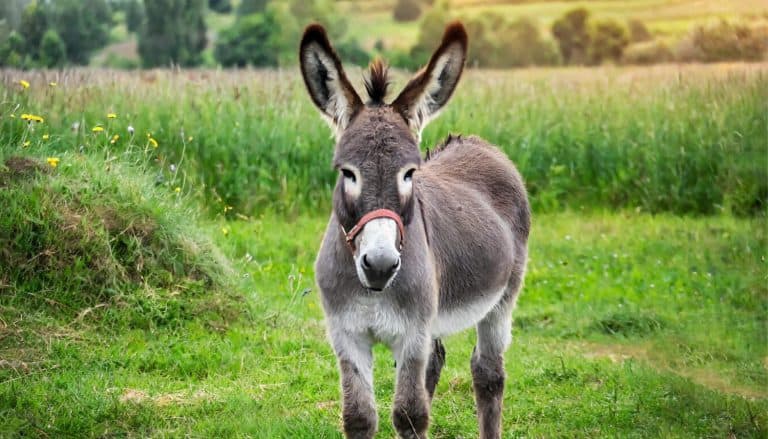
Sure-footed partner of people
Big beard, bright sun, bold attitude.
Webbed feet, world travelers.

Built to soar, born to strike

Spines, eggs, and ant-eating mastery

Bony rays, endless ways.
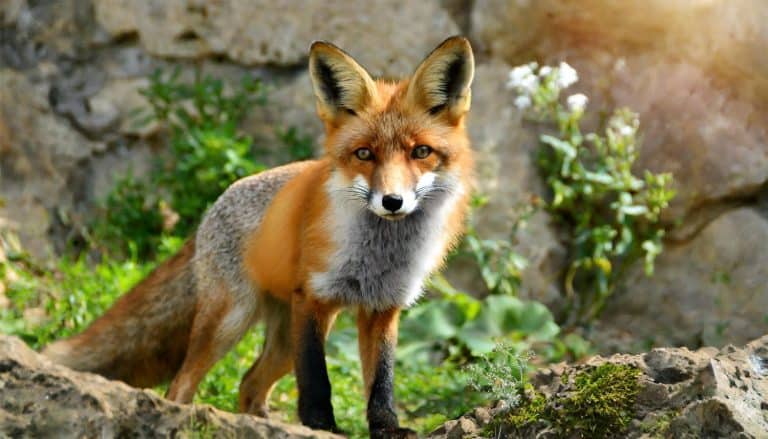
From dunes to tundra-fox smart.
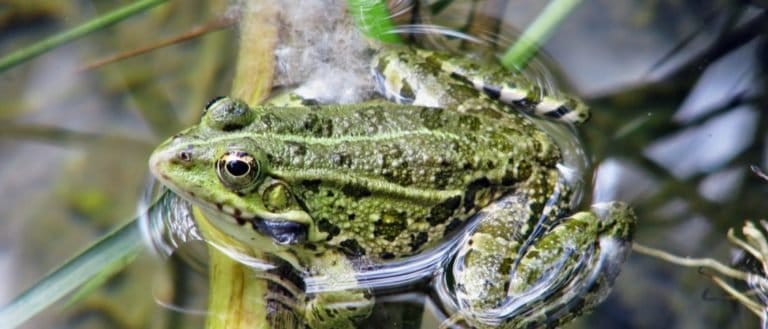
Tailless jumpers, masters of change
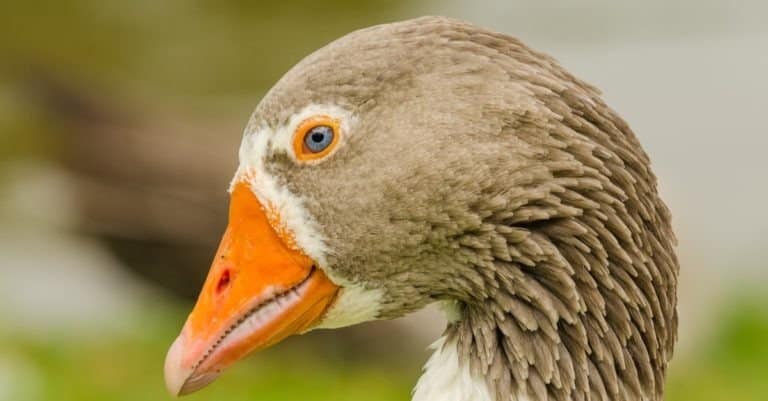
Webbed feet, sky roads, wetland lives
Sure-footed masters of rock and range
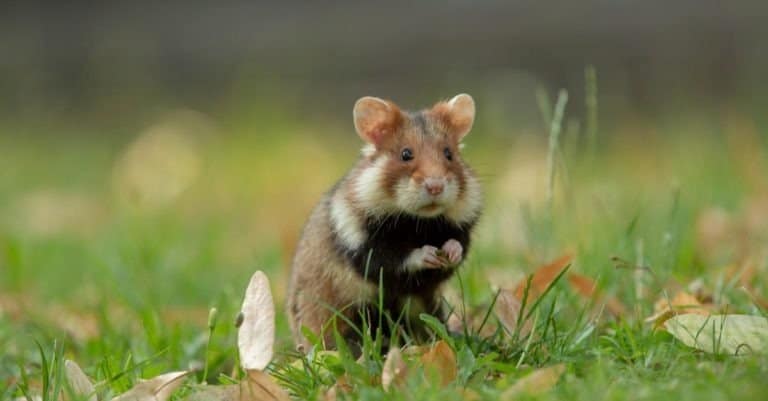
Pouches, burrows, and big impacts

One hoofbeat, a thousand histories
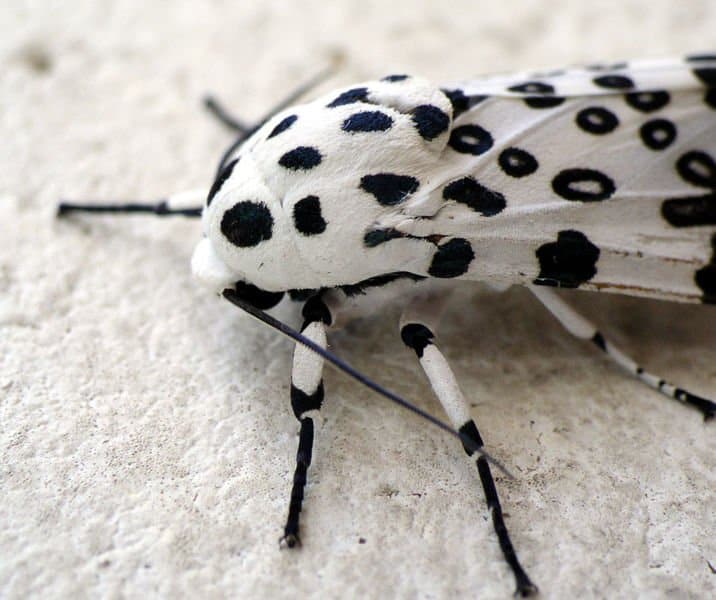
Six legs, endless lives.
Small canids, big survival skills

Big hops, big pouches, big variety
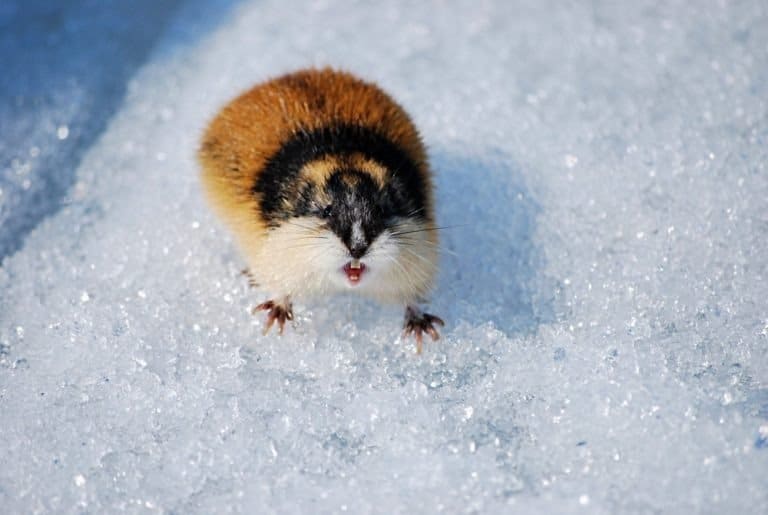
Small rodents, huge tundra impact
From geckos to dragons-lizard power
Small gnawers, huge impact.
Thank you for reading! Have some feedback for us?
We appreciate your help in improving our content.
Our editorial team will review your suggestions and make any necessary updates.
There was an error submitting your feedback. Please try again.