
Wildlife of
Norfolk Island
About Norfolk Island
Norfolk Island is a compact but remarkably distinctive wildlife destination, shaped by millions of years of isolation in the South Pacific. That isolation has produced a high level of endemism, especially among plants and birds, and a natural heritage that feels both intimate and precious: many key species are found nowhere else and survive in limited pockets of habitat. For wildlife enthusiasts, the experience is less about "big game" and more about close, careful observation-listening for forest birds in the canopy, scanning cliffs for seabirds, and exploring botanical richness in a setting where conservation successes and ongoing threats are easy to understand on the ground.
The island's signature ecosystems are its remaining subtropical rainforest and mixed evergreen forests (including the iconic Norfolk Island pine), coastal shrublands, cliff-top habitats, and surrounding marine waters. Norfolk Island National Park and the Botanic Garden protect some of the most important remnants of native vegetation and provide prime opportunities to encounter endemic flora and fauna. Offshore, Phillip Island-once heavily degraded-has become a major restoration story, where active management has helped native plants and seabirds rebound, and where the dramatic red cliffs and sparse vegetation create a striking backdrop for wildlife viewing.
In global conservation terms, Norfolk Island's importance is disproportionate to its size: it represents a unique slice of Pacific island biodiversity and a real-world case study in island conservation, where invasive species control, habitat restoration, and biosecurity are critical. While it is not part of African conservation, its role in broader global biodiversity protection is significant because island species are among the world's most extinction-prone. What makes the wildlife experience unique here is the sense of rarity and proximity-endemic birds and plants are not hidden in vast wilderness but embedded in a small island you can traverse, making every sighting feel like a direct encounter with a singular evolutionary story.
Geography
Norfolk Island's wildlife is shaped by extreme isolation, small land area, and steep topography. The island's volcanic highlands (Mount Pitt-Mount Bates) historically supported subtropical forest that fostered endemism (notably plants and birds), while rugged coastal cliffs, rocky shores, and nearby offshore islets provide nesting and roosting habitat for seabirds. With no large rivers and only short, small catchments, freshwater habitats are limited to small streams/creeks and wet gullies, concentrating moisture-dependent species into narrow valley refuges. Habitat distribution today is strongly influenced by elevation, exposure to salt spray and wind along the coasts, and fragmentation of native forest into protected remnants and regenerating patches.
Key Landscapes
- Volcanic uplands and ridgelines (Mount Bates ~319 m; Mount Pitt ~316 m) with remaining subtropical forest refuges
- Norfolk Island National Park and surrounding remnant native forest patches (key for endemic plants and forest birds)
- Steep coastal cliffs and headlands with strong exposure gradients (wind/salt spray) shaping coastal vegetation and seabird use
- Narrow valleys and moist gullies with small creeks/seasonal drainage lines (limited freshwater and wet-forest microhabitats)
- Rocky shore platforms, small coves, and nearshore reefs supporting intertidal and marine-foraging habitats
- Offshore islets (notably Phillip Island and Nepean Island) important for seabird nesting/roosting and for restoration-driven habitat recovery
- Small coastal lowlands/terraces around settlement areas where habitat conversion and invasive species pressure are highest
Ecoregions
- Norfolk Island subtropical forests (WWF ecoregion, Australasian realm)
Protected Areas
Norfolk Island's formal protected-area network is small but high-value for biodiversity because most remaining native habitat occurs in a few public conservation lands. Terrestrial protection is centered on Norfolk Island National Park (managed by Parks Australia), which safeguards the best remaining tracts of subtropical rainforest and key offshore seabird breeding islands. Marine conservation is led by the Commonwealth Norfolk Island Marine Park, protecting surrounding ocean habitats and migratory pathways for large marine fauna. Additional conservation occurs via smaller public reserves and habitat restoration programs (including invasive-species control) that are critical on an island with many endemic plants and birds.
Approximately ~18-20% of Norfolk Island's land area is under formal protection (dominated by Norfolk Island National Park, including its offshore island components). In addition, a large surrounding area of Commonwealth waters is protected within the Norfolk Island Marine Park (marine coverage is substantial but not directly comparable to the island's land-area percentage).
Notable Parks & Reserves
Norfolk Island National Park (Mount Pitt Section)
National Park (Commonwealth; managed by Parks Australia)The core terrestrial stronghold for Norfolk Island's remaining native subtropical forests, supporting many endemic plant species and the island's most conservation-significant surviving landbird, the Norfolk Island green parrot. It is also a key site for ongoing habitat restoration and protection of native forest.
Norfolk Island National Park (Philip Island)
National Park (island section within Norfolk Island National Park)A major island-restoration success story where invasive herbivores were removed and native vegetation and seabird breeding have rebounded. Its steep cliffs and coastal slopes provide important nesting habitat for seabirds and a refuge for native reptiles.
Norfolk Island National Park (Nepean Island)
National Park (island section within Norfolk Island National Park)A small offshore island valued primarily as a seabird breeding site, with relatively low disturbance and important roosting and nesting areas. It contributes disproportionately to regional seabird conservation despite its small size.
Norfolk Island Botanic Garden (within Norfolk Island National Park)
Botanic Garden / conservation area (managed as part of Norfolk Island National Park)A key site for conserving and interpreting Norfolk Island's unique flora, including propagation and display of native and endemic plant species. The garden and surrounding habitats are also reliable for viewing several forest and edge-dwelling birds.
Norfolk Island Marine Park
Commonwealth Marine Park (Australian Marine Park)Protects reefs, pelagic waters and migratory corridors used by whales, dolphins and other marine life around this isolated South Pacific territory. It is a focal area for conserving oceanic biodiversity and supporting sustainable nature-based tourism (e.g., whale watching).
Wildlife
Norfolk Island is a small, remote subtropical island whose wildlife is shaped by long isolation, steep coastal cliffs, and remnant native rainforest (notably Norfolk Island pine-dominated forests) alongside extensive modified habitats. Terrestrial diversity is modest compared with continents, but the island is exceptionally notable for its endemic land birds and relict reptile populations, plus important nearby seabird breeding colonies on offshore islets (especially Phillip and Nepean Islands). Introduced predators and habitat loss have strongly influenced today's fauna, making conservation-managed viewing (national park tracks, reserves, and offshore cliffs) a key part of the wildlife experience.
Iconic Species
Endemic Species
Notable Populations
- Essentially the entire global wild population of the Norfolk Island Green Parrot (Cyanoramphus cookii) occurs on Norfolk Island, making local conservation outcomes globally decisive for the species.
- The Norfolk Island Gerygone (Gerygone modesta) is globally confined to Norfolk Island, so the island effectively holds the world population.
- Offshore islets (notably Phillip and Nepean) support regionally important seabird breeding/roosting habitat relative to the very small land area of Norfolk Island.
Conservation
Primary Threats
- Most original lowland forest was historically cleared for settlement, pasture, and small-scale farming, leaving native vegetation largely confined to protected areas (especially Norfolk Island National Park) and fragmented remnants. Habitat fragmentation reduces nesting and feeding opportunities for endemic birds (e.g., green parrots) and limits regeneration of native forest plants.
- Invasive mammals (notably rats and feral/roaming cats) prey on eggs, chicks, and small birds and can suppress recovery of seabirds and endemic landbirds. Invasive weeds outcompete native forest understorey and alter regeneration pathways (common island patterns include thickets of aggressive introduced shrubs/vines replacing diverse native understorey). Past feral herbivores on Phillip Island caused extreme erosion and near-total loss of vegetation; although major eradications have occurred, ongoing weed pressure and reinvasion risk remain a key concern.
- Several endemic species occur as very small, isolated populations (e.g., the Norfolk Island green parrot and multiple endemic plants). Small population size and isolation increase inbreeding risk, reduce adaptive capacity, and make populations vulnerable to sudden shocks (storms, disease outbreaks, predator spikes).
- Rising temperatures, shifting rainfall, and more intense storms/cyclones increase tree fall and canopy loss in the remaining forest, disrupt breeding seasons, and can reduce food availability for forest birds. Sea-level rise and storm surge threaten low-lying coastal habitats and can degrade nearshore ecosystems that support seabirds and reef-associated species.
- Because the island is small and surrounded by ocean, marine debris and fishing-related litter can accumulate on beaches and affect seabirds. Localized wastewater and runoff from settled areas can contribute to nutrient enrichment in nearshore waters, stressing coral/algal reef communities and lagoon habitats.
- Recreation and tourism concentrate around tracks, lookouts, and coastal sites; trampling, track widening, and disturbance near nesting/roosting areas can affect sensitive fauna. In a small island setting, even low-to-moderate visitation can be spatially concentrated enough to matter, particularly in and around the national park and popular coastal vantage points.
- Roads, housing, and utilities fragment remaining habitat and increase edge effects (weeds, cats, rats). Maintenance and upgrades can introduce or spread invasive species if biosecurity and hygiene controls are not strict, and lighting/noise can affect nocturnal wildlife where habitat patches are small and close to development.
- Nearshore fishing pressure (even if largely small-scale) can disproportionately affect island marine ecosystems with limited replenishment sources. Depletion of key reef and invertebrate species can alter food webs and reduce resilience, especially when combined with warming seas and storm impacts.
- Targeting of reef-associated fish and invertebrates in a relatively small fishing area can lead to localized declines more quickly than on continental coasts. This risk is managed partly through marine park zoning, but compliance and monitoring capacity are inherently limited on small remote islands.
- Island species can be highly vulnerable to introduced pathogens. For example, parrots and other birds face risks from introduced avian diseases (and from disease vectors that can arrive via transport pathways). Plant pathogens (e.g., soil-borne diseases) are also a concern where visitors, vehicles, and imported materials can move contaminated soil into sensitive remnants.
Wildlife Tourism
Norfolk Island offers a compact but highly distinctive wildlife tourism scene focused on endemic birds, seabird colonies, coastal marine life, and the island's iconic Norfolk Island pine forests. Tourism is a key pillar of the local economy (the island has limited industries beyond services and small-scale agriculture), and nature-based experiences-national park walks, birdwatching, snorkeling, and boat-based wildlife viewing-feature prominently in visitor itineraries. Historically, conservation attention grew as the scale of endemism became clearer (notably endemic/near-endemic birds and plants) and as invasive species impacts were recognized; ongoing habitat protection and restoration underpin today's wildlife viewing opportunities. Accessibility is straightforward but limited: visitors typically arrive by flights from mainland Australia/New Zealand routes (seasonal/variable schedules), then explore by rental car, guided tours, or walking tracks. Distances are short, weather is generally mild subtropical, and many wildlife highlights are reachable in half-day outings-ideal for travelers wanting high reward without long transfers.
Wildlife viewing is rewarding year-round, but seasonality matters most for seabirds, whales, and underwater visibility:
- January-March: Warmest water and generally best snorkeling/diving conditions. Look for reef fish, turtles (occasional), and calmer days for boat excursions. Seabirds remain active; coastal wildlife viewing is pleasant early/late day.
- April-June: Shoulder season with comfortable hiking weather and good birding in forest/park habitats. This is a strong time for guided birdwatching and wildflower/fern interest in the national park.
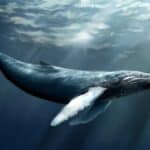
- July-October: Peak for humpback whale migration past the island (best odds usually August-September). Cooler, often clearer days for cliff-top whale watching; seabird activity continues and walking is excellent.
- November-December: Start of summer with increasing seabird activity around coastal cliffs and offshore stacks; snorkeling improves as water warms. Great for combining forest birding with marine days.
Practical tip: For whales, prioritize windy-day-safe viewpoints (high cliffs) and go in the morning when seas can be calmer; for snorkeling/boats, build flexibility for swell and choose operators that relocate to sheltered sites.
Top Wildlife Experiences
- Sunrise birdwatching walk in Norfolk Island National Park: start at dawn with binoculars and a local guide to spot endemic/near-endemic forest birds, learn calls, and visit prime habitats before crowds and wind pick up.
- Clifftop seabird watch at Bumboras/rocky coastal lookouts: spend 1-2 hours scanning for tropicbirds and other seabirds riding the updrafts; bring a scope or join a guided nature tour that interprets flight behavior and nesting ecology.
- Humpback whale lookout session (July-October): set up at a high coastal vantage point with a thermos and patience; use polarised sunglasses to pick out blows and breaching. Many visitors pair this with a guided 'whale watch from land' session for best spotting technique.
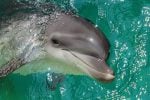
- Boat-based wildlife and seabird cruise (seasonal, weather-dependent): take a short coastal cruise to view seabird cliffs and offshore stacks, with chances of dolphins and (in winter) whales. Ask about routes that maximize time near seabird hotspots.
- Snorkel a sheltered reef on a calm day: join a guided snorkel or go with a buddy to a protected bay/lagoon area to see subtropical reef fish and invertebrates; go mid-morning for light and visibility and always check swell conditions.
- Night spotlighting for owls and nocturnal wildlife: join a guided evening walk/drive to learn about nocturnal birdlife and invasive species management; you'll also get excellent stargazing thanks to low light pollution.
- Citizen-science style birding session: book a local naturalist who can help you log sightings, learn identification by call, and understand conservation programs-great for keen birders wanting a 'purposeful' outing.
- Coastal rockpool exploration at low tide: time a guided intertidal walk for low tide to safely explore tide pools for crabs, small fish, and sea anemones while learning about wave-cut platforms and safe footing.
- Endemic flora and habitat restoration walk: join a guided walk that focuses on native plants (including the famed Norfolk Island pine ecosystem) and the story of island endemism, threats, and restoration-excellent for photographers and nature lovers.
- Photography-focused golden-hour nature circuit: plan a late-afternoon loop combining forest edges (bird activity), cliff lookouts (seabirds/whales in season), and coastal textures; local guides can suggest the best wind-sheltered viewpoints for stable shooting.
Safari Types Available
- Guided walking safaris (forest birding, endemic flora walks, cliff-top wildlife interpretation)
- Self-guided wildlife walks and birdwatching trails (short distances, easy logistics with a rental car)
- Boat safaris/coastal wildlife cruises (seabirds, dolphins, seasonal whales; highly weather-dependent)
- Land-based whale watching (lookout 'safaris' from cliffs during migration season)
- Snorkeling and dive-style marine wildlife experiences (reef fish and invertebrates; best in warmer months)
- Intertidal/rockpool "micro-safaris" (low-tide coastal ecology walks)
- Night spotlighting/nocturnal wildlife tours (owls and night-active species; plus stargazing)
- Photography-led nature tours (timed for light, wind, and tide conditions)
Did You Know?
A famous conservation "plot twist": to prevent the Norfolk Island boobook from vanishing, conservationists brought in male moreporks/boobooks from New Zealand (Ninox novaeseelandiae). Today's boobooks on Norfolk are descendants of that last female and the introduced males-so the population survived, but as a hybrid lineage.
Norfolk Island's most iconic "pine" isn't a true pine at all. Norfolk Island pine (Araucaria heterophylla) belongs to an ancient conifer family (Araucariaceae), and its wild distribution is tiny despite its global popularity in gardens.
The endangered Norfolk Island green parrot's problems aren't just habitat loss-nest sites are a major bottleneck. It has to compete for tree hollows with introduced crimson rosellas (Platycercus elegans), so conservation work includes managing competitors and providing/monitoring nest hollows and boxes.
Phillip Island (part of the Norfolk Island territory) was once heavily stripped of vegetation by introduced grazing animals; after removals/eradications, native plants rebounded dramatically and seabirds began returning-an unusually visible "before-and-after" ecological recovery on a small oceanic island.
100% of the world's wild Norfolk Island green parrots (Cyanoramphus cookii) live on Norfolk Island-there is no other natural population anywhere on Earth.
100% of the Norfolk Island pine's (Araucaria heterophylla) natural wild range is confined to Norfolk Island (and nearby Phillip Island), even though the species is planted worldwide as an ornamental and "Christmas tree".
The Norfolk Island gerygone (Gerygone modesta) is another "only-here" species: the entire global wild population occurs on Norfolk Island.
The Norfolk Island boobook's most extreme bottleneck is almost unmatched in modern bird conservation: the native form dwindled to a single known female in the wild, meaning the entire island's owls effectively depended on one bird.
Because Norfolk Island has no native terrestrial mammals (introduced rats and cats aside), its native land food web historically topped out with birds (like the boobook owl) as the main land predators-an unusual setup compared with most places.