N S W E
Wildlife Expeditions

Wildlife of
Christmas Island

Christmas Island is famed for one of the planet's most spectacular wildlife events-the annual red crab migration-set within a tiny, rainforest-cloaked island that shelters rare endemics and globally important seabird colonies.
1 Species
135 km² Land Area
Overview

About Christmas Island

Christmas Island's wildlife character is defined by isolation and protection: a small Australian external territory in the eastern Indian Ocean where long separation from mainland ecosystems has produced distinctive endemic species and unusually dense populations of some animals. Much of the island remains covered in tropical rainforest and is safeguarded within Christmas Island National Park, making it a standout destination for visitors who want concentrated, close-up nature encounters-especially around the island's iconic crabs, nesting seabirds, and rich marine life.

The island's key ecosystems range from lush plateau rainforest and limestone karst to rugged sea cliffs, coastal terraces, and surrounding coral reefs. The rainforest is the engine room of terrestrial biodiversity, supporting endemic reptiles and invertebrates and providing crucial habitat for landbirds. Offshore and along the cliffs, nesting sites host internationally significant seabird populations, while the surrounding waters add a second "wildlife layer" for snorkelers and divers-reef fish, turtles, and seasonal pelagic life that benefits from the island's oceanic setting.

In global conservation terms, Christmas Island is best known as a stronghold for island endemics and as a critical seabird breeding station in the Indian Ocean, with management and monitoring efforts focused on protecting habitats and controlling invasive species that threaten native fauna. The wildlife experience here is uniquely cinematic: visitors can time their trip to witness rivers of migrating red crabs crossing roads and forest floors, watch cliff-nesting seabirds wheeling over the sea, and then switch to underwater exploration-all within a compact, accessible landscape where nature can feel both intimate and dramatic.

Physical Features

Geography

Christmas Island's wildlife is shaped by its extreme isolation in the eastern Indian Ocean, its steep limestone topography, and a largely intact tropical rainforest interior. A central plateau and terraced coastal slopes create distinct habitat bands (upland rainforest, terrace forest, coastal scrub/strand), while sheer sea cliffs and narrow coastal fringes concentrate seabird nesting and roosting. The island's porous karst (caves, sinkholes, fissures) limits surface rivers but provides specialized refuges for bats and invertebrates and influences where moisture-loving forest persists. Surrounding fringing reefs and deep offshore waters support marine food webs that link land and sea (e.g., seabird colonies), and the seasonal rainfall regime helps synchronize mass movements such as the red crab migration from inland forest to coastal breeding sites.

135 km² Land Area
About 2.3× the land area of Manhattan (NYC); among the smallest inhabited territories/countries by area Size Rank

Key Landscapes

  • Central limestone plateau dominated by tropical rainforest (core habitat for many endemic species)
  • Stepped marine terraces and escarpments (create elevation-driven habitat zones and corridors for crab migration)
  • Coastal cliffs and rocky headlands (major seabird nesting/roosting sites)
  • Narrow coastal fringe with strand vegetation and coastal scrub (breeding access points for crabs; habitat for shore-associated fauna)
  • Karst features: caves, sinkholes (dolines), fissures, and subterranean drainage (refugia and microhabitats; shapes moisture availability)
  • Fringing coral reefs, intertidal platforms, and drop-offs into deep ocean (marine biodiversity; supports seabirds and reef-associated species)

Ecoregions

  • Christmas Island tropical forests (WWF terrestrial ecoregion)
  • Tropical moist broadleaf forest ecological zone (island-wide dominant natural vegetation)
  • Coastal strand/limestone scrub communities (local ecological zone along exposed coasts)
  • Coral reef and tropical pelagic marine zones surrounding the island (major ecological setting for seabirds and reef fauna)
Parks & Reserves

Protected Areas

Christmas Island's formal protected-area system is dominated by Commonwealth-managed reserves: most terrestrial conservation is concentrated in Christmas Island National Park, administered by Parks Australia to protect the island's rainforest plateau, coastal terraces, karst, and globally significant seabird colonies. Within the national park are key wetland/spring complexes, including a Ramsar-listed site, and surrounding waters are covered by the Commonwealth Christmas Island Marine Park (a separate marine protected area) which safeguards reefs, pelagic habitats, and migratory megafauna.

Protected Coverage

Approximately 60-65% of Christmas Island's land area is under formal protection, primarily within Christmas Island National Park (~63% of the island).

Notable Parks & Reserves

Christmas Island National Park

National Park (Commonwealth of Australia)

Protects the majority of the island's remaining native rainforest and coastal cliffs, supporting the world-famous annual red crab migration plus major nesting sites for endemic seabirds. It is the core stronghold for many of the island's endemic land birds and important breeding habitat for Abbott's booby.
Christmas Island red crab
Robber crab (coconut crab)
Abbott's booby
Christmas Island frigatebird
Christmas Island imperial pigeon
Christmas Island thrush

The Dales (Christmas Island)

Ramsar Wetland of International Importance (also within Christmas Island National Park)

A rare freshwater spring-and-stream system on a limestone island, The Dales is vital dry-season refuge habitat for forest fauna and supports dense red crab activity and diverse seabird/landbird use around its coastal outflow. It is internationally recognized for its wetland values and ecological processes.

Christmas Island red crab
Robber crab (coconut crab)
Christmas Island imperial pigeon
Christmas Island thrush
Abbott's booby
Christmas Island frigatebird

North West Point-West White Beach sector (Christmas Island National Park)

National Park (sector within Christmas Island National Park)

Notable for rugged coastal cliffs, blowholes, and nearshore waters used by seabirds and marine megafauna; adjacent forest and shoreline corridors are also heavily used during crab migrations. It's a prime area for viewing nesting seabirds and coastal wildlife movements.

Abbott's booby
Christmas Island frigatebird
Red-footed booby
Christmas Island red crab
Green sea turtle
Spinner dolphin

Egeria Point-Dolly Beach sector (Christmas Island National Park)

National Park (sector within Christmas Island National Park)

One of the island's strongest seabird colony areas, with cliff and canopy nesting and consistent opportunities to observe breeding behavior and aerial foraging. The adjoining rainforest supports key endemic birds and crab migration routes.

Abbott's booby
Christmas Island frigatebird
Brown booby
Christmas Island imperial pigeon
Christmas Island red crab
Robber crab (coconut crab)

Central Plateau Rainforest (Christmas Island National Park)

National Park (core plateau area within Christmas Island National Park)

The island's largest block of intact primary rainforest, essential for endemic forest birds and for maintaining the ecological productivity that underpins crab populations and seabird breeding success. It is also important for ongoing native-species recovery and biosecurity-focused conservation management.

Christmas Island imperial pigeon
Christmas Island thrush
Christmas Island red crab
Robber crab (coconut crab)
Abbott's booby
Christmas Island frigatebird

Christmas Island Marine Park

Commonwealth Marine Park (Australia)

Protects coral and rocky reefs, deep pelagic waters, and migratory pathways, supporting threatened sea turtles and large pelagic fish. The marine park complements terrestrial protections by safeguarding the foraging grounds used by breeding seabirds from the island.
Green sea turtle
Hawksbill turtle
Whale shark
Whale shark
Manta ray
Manta ray
Dolphins (e.g., spinner dolphin)
Red-footed booby
Animals

Wildlife

Christmas Island (Australia) is a small, isolated tropical island in the eastern Indian Ocean with rainforest-covered limestone terraces, coastal cliffs, and strong marine influences. Its wildlife character is defined by extreme island endemism, huge biomass of land crabs (especially the famed red crab migration), and globally important seabird colonies nesting in tall primary rainforest and on coastal cliffs. Terrestrial mammals are naturally scarce (mostly bats), while many reptiles and several native mammals have suffered severe declines or extinctions after historic habitat change and invasive species impacts.

Low native diversity: ~4-6 native species (mostly bats) historically; several introduced mammals present (e.g., rats, cats). Mammals
High for its size: ~90-120 recorded species overall; ~15-25 regular breeders (notably seabirds and a few endemic landbirds). Birds
Small but distinctive: ~6-10 native reptiles historically; multiple endemic lizards declined or went extinct in the wild (some now conserved/reintroduced). Reptiles
No native amphibians; a few introduced frogs may occur locally. Amphibians

Iconic Species

Christmas Island Red Crab
Christmas Island Red Crab The signature wildlife spectacle: millions migrate from rainforest to the sea to spawn, often closing roads and drawing visitors to migration hotspots (e.g., rainforest tracks and coastal terraces) during wet-season pulses.
Robber Crab (Coconut Crab) Among the world's largest land arthropods; Christmas Island supports exceptionally visible populations in forest and coastal areas, and nighttime walks can yield close encounters.
Abbott's Booby A rare seabird that (today) breeds essentially only on Christmas Island, nesting high in emergent rainforest trees; best appreciated from established viewing areas and canopy-level nesting habitat (seasonally).
Christmas Island Frigatebird A globally significant breeding population nests on the island; males' display behavior and aerial kleptoparasitism are highlights around colonies and coastal updraft zones.
Christmas Island Imperial Pigeon A large, endemic rainforest pigeon frequently seen along forest roads and tracks; its abundance and tameness make it one of the most reliable endemic birds for visitors.
Christmas Island Flying-fox An endemic fruit bat of high conservation interest that is now believed to be extinct (or possibly extinct); there have been no confirmed records for many years.
Christmas Island Giant Gecko A charismatic endemic reptile; typically nocturnal and best searched for after dark on limestone outcrops, forest edges, and around suitable rocky habitat.
Lister's Gecko A flagship conservation species (formerly extinct in the wild); now the focus of intensive management and reintroduction efforts, symbolizing the island's unique but vulnerable reptile fauna.
Red-footed Booby A prominent breeder in treetop colonies; frequently seen commuting over forest and coastline, adding to the island's strong seabird-watching appeal.

Endemic Species

Christmas Island Red Crab
Christmas Island Red Crab Island-defining land crab famous for mass migration and spawning; a keystone species influencing forest ecology through leaf-litter consumption. Endemic
Blue Crab (Christmas Island Blue Crab) Endemic land crab occurring in rainforest and coastal areas; less conspicuous than red crabs but an important part of the island's crab-dominated ecosystem. Endemic
Abbott's Booby A rare seabird with an extremely restricted modern breeding range centered on Christmas Island's tall primary rainforest. Endemic
Christmas Island Frigatebird An endemic frigatebird with globally important nesting colonies on the island, dependent on intact nesting habitat and healthy surrounding seas. Endemic
Christmas Island Imperial Pigeon Endemic rainforest pigeon; a major seed disperser and one of the easiest endemic birds to encounter. Endemic
Christmas Island Flying-fox Endemic fruit bat from Christmas Island that is classified as Extinct; it has not been reliably recorded for decades, and its disappearance likely reduced native pollination and seed-dispersal previously provided by a large fruit bat. Endemic
Christmas Island Giant Gecko Endemic gecko associated with limestone and forest habitats; a distinctive representative of the island's unique reptile lineage. Endemic
Lister's Gecko Endemic gecko saved through captive breeding and reintroduction; emblematic of the island's conservation challenges from invasive species. Endemic

Notable Populations

  • One of the world's most famous land-crab events: seasonal migration of millions of Christmas Island red crabs from rainforest to the coast to spawn.
  • Abbott's booby has an exceptionally restricted breeding distribution, with Christmas Island functioning as the only (or overwhelmingly principal) breeding site in the modern era.
  • Christmas Island supports globally important breeding colonies of endemic Christmas Island frigatebirds.
  • Exceptionally high density and visibility of robber crabs (coconut crabs) compared with many other parts of their range.
  • High seabird biomass (multiple booby, frigatebird, and tern species) concentrated around a very small land area, making the island disproportionately important for regional seabird breeding.
Protection

Conservation

Primary Threats

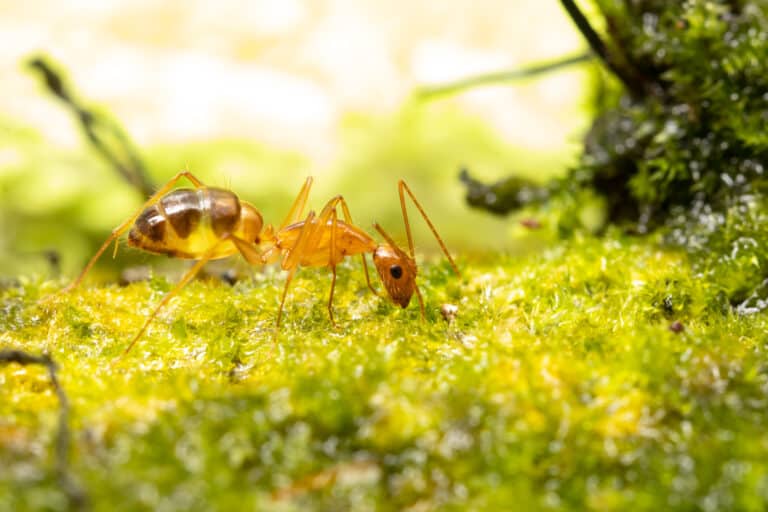
  • The island's most acute threat. Yellow crazy ants (Anoplolepis gracilipes) can form supercolonies that kill red crabs and alter forest ecology; scale insects associated with ants can drive canopy dieback. Introduced rats and feral cats prey on seabirds, reptiles, and endemic fauna; invasive weeds spread along disturbed edges and mine sites, changing understory structure and habitat quality.
  • Phosphate mining has historically cleared and fragmented rainforest, created extensive disturbed/denuded areas, altered drainage, and left legacy contamination risks. Current/legacy mining footprints increase edge effects, facilitate invasive species establishment, and require long-term rehabilitation to restore complex rainforest structure needed by endemic species.
  • On Christmas Island, habitat loss is tightly linked to historic and present phosphate extraction, associated clearings, and secondary development. Even where forest remains, fragmentation and degraded edges reduce breeding/foraging habitat for endemic species and seabirds and can disrupt movement corridors for red crabs and other wildlife.
  • Roads and built infrastructure intersect key crab migration routes, leading to vehicle mortality without active management. Light pollution and structures can affect seabird behavior (especially nocturnal/crepuscular activity and fledgling disorientation), while new access tracks can open pathways for weeds and other invasives into intact forest.
  • Ocean warming and changing productivity can reduce prey availability for seabirds that forage far from the island, affecting breeding success. On land, changes in rainfall intensity/seasonality and heat stress can increase forest vulnerability and interact with invasive species impacts. Sea-level rise and stronger storm events threaten coastal nesting/roosting areas and shoreline habitats.
  • Local pollution risks include sediment and runoff from disturbed/mine areas and construction, which can affect nearshore waters and reefs. Marine debris and plastics pose entanglement/ingestion risks for seabirds and other marine fauna, and can accumulate on remote Indian Ocean shorelines.
  • Tourism and recreation (lookouts, tracks, coastal access) can disturb seabird colonies and sensitive habitats if unmanaged. Increased vehicle traffic during migration periods elevates crab roadkill risk; off-track activity can spread weeds and pathogens and degrade nesting/roosting sites.
  • Island wildlife is highly susceptible to novel pathogens due to isolation and small populations. Disease outbreaks could affect seabirds or endemic terrestrial species, and biosecurity breaches (e.g., introduction of new parasites or avian pathogens) could cause rapid declines; disease risk is heightened by invasive species that can act as vectors/reservoirs.
  • Ecosystem processes are altered by invasive ants (trophic cascades, loss of red crab leaf-litter processing, changes to seedling recruitment and nutrient cycling). Rehabilitation plantings and altered fire/edge dynamics in disturbed areas can shift forest composition away from pre-disturbance states if not carefully managed.
  • While large-scale extraction is primarily phosphate (captured under mining), localized pressure can occur from groundwater use and demand for imported resources that increase waste streams; on small islands, any increase in demand can quickly strain waste management and heighten ecological risk.
  • Christmas Island's remote waters are not heavily fished compared with many regions, but regional/illegal fishing and bycatch risks can affect pelagic food webs that seabirds rely on. Changes in fish availability-whether from fishing pressure or climate effects-can translate to poorer seabird breeding outcomes.
Visit

Wildlife Tourism

Christmas Island (an Australian external territory in the eastern Indian Ocean) is a compact but world-class wildlife destination built around highly seasonal spectacles-especially the iconic red crab migration-plus rainforest endemics and major seabird colonies. Nature tourism is a key pillar of the visitor economy (alongside limited business/government travel), with guided walks, birding, diving/snorkelling and migration-focused trips supporting local operators, accommodation and transport providers. Conservation and tourism have been intertwined for decades: large parts of the island are protected as national park and reserves, and modern visitor infrastructure (boardwalks, lookout points, interpretive trails) has grown around minimizing disturbance to wildlife. Accessibility is straightforward but limited: travel is typically via scheduled flights from Australia/region (with varying frequency by season), and once on-island a rental car or guided transport is the most practical way to reach trailheads and coastal lookouts; many wildlife highlights are close to roads but timing with natural cycles is essential for the best experience.

Best Time to Visit

- Oct-Dec (peak spectacle): Red crab migration and breeding (movement from forest to coast; mating, spawning timed to rain and moon/tide cycles). Expect road closures and special crossings-also the most "only-on-Christmas-Island" time to visit.
- Nov-Mar (seabird season focus): Strong activity at coastal cliffs and nesting areas; great for photography and dawn/dusk viewing when birds are most active.
- Apr-Jun (reef clarity + turtles): Calmer conditions often suit snorkelling/diving; good chances to see green and hawksbill turtles on reefs and at coastal viewpoints.
- Jul-Sep (forest endemics + hiking): Cooler/drier conditions generally make rainforest walks more comfortable; excellent for endemic birds and naturalist-led night walks (geckos, invertebrates) with fewer weather disruptions.
- Year-round: Endemic wildlife and rainforest ecology are always present; timing your trip around migration (if it occurs) is the biggest differentiator.

Top Wildlife Experiences

  • Join a guided red crab migration walk at dawn to watch mass crossings through rainforest trails and purpose-built crab bridges/crossings (timed to recent rains and local migration reports).
  • Plan a "crab spawning night" coastal visit with a naturalist during the breeding period to observe females releasing eggs in the surf around the right moon/tide window (view from safe, designated areas).
  • Do a seabird sunrise session at a cliff lookout: set up early for tropicbirds, frigatebirds and other seabirds riding updrafts-excellent for flight photography.
  • Take a rainforest endemics birding walk (half-day) targeting Christmas Island specialties with an experienced guide who knows call playback ethics and best microhabitats.
  • Book a guided night walk to spotlight geckos, land crabs, insects and nocturnal birds; learn how the island's cave/karst and rainforest systems support invertebrate diversity.
  • Snorkel a sheltered bay or fringing reef with a local guide to find turtles, reef fish and coral features; add an "ID session" afterward to learn common species and responsible reef etiquette.
  • Do a shore-based turtle watch at a known viewpoint during calmer months-scan for turtles surfacing and feeding along reef edges (binoculars recommended).
  • Combine a coastal blowhole/sea-cliff geology walk with seabird watching: dramatic ocean-facing tracks often double as prime nesting/roosting vantage points.
  • Take a "macro wildlife photography" outing focused on crabs, insects and rainforest fungi-ideal outside peak migration when you can linger on small subjects without crowds.
  • Join a conservation-themed interpretive walk to learn how road management, crossings and protected areas are designed to keep migration routes functional while allowing visitors to move around the island.

Safari Types Available

  • Guided nature walks (rainforest ecology, endemics, migration-focused walks)
  • Birdwatching excursions (dawn/sunset cliff and forest sessions)
  • Night spotlighting walks (nocturnal reptiles, invertebrates, crabs)
  • Marine wildlife outings: snorkelling and scuba diving (reef fish, turtles, seasonal pelagics)
  • Shore-based wildlife viewing (seabird/turtle scanning from lookouts)
  • Self-drive wildlife touring (short hops between trailheads and coastal vantage points; best with local timing advice)
  • Photography-focused trips (migration action, seabird flight, macro/invertebrates)
  • Interpretive ranger/naturalist talks and conservation experiences (seasonal, where available)
Fun Facts

Did You Know?

The red crab migration isn't just "rain-triggered"-it's timed to the lunar cycle too: females release eggs into the ocean on specific moon phases so currents and tides help larvae disperse and return.

Traffic laws effectively yield to crabs: during peak migration, authorities close roads and install crab crossings (including under-road tunnels and barriers) to keep millions of animals moving safely.

In the 1990s-2000s, invasive yellow crazy ants formed vast "supercolonies" that killed huge numbers of red crabs, dramatically changing forest structure; long-running control programs have been used to suppress the ants and help crabs recover.

Christmas Island has suffered a very modern, well-documented extinction: the Christmas Island pipistrelle, a native bat, was last recorded in 2009 and was later formally listed as extinct (for example, under Australia's national threatened-species list in 2017).

Two of the island's most famous birds aren't just "rare"-they're geographically trapped: with Abbott's booby and the Christmas Island frigatebird breeding nowhere else, conservation on a single 135 km² island can determine the fate of entire species.

One of the world's largest land-animal migrations: an estimated ~40-50 million Christmas Island red crabs trek from rainforest to the sea to breed each wet season, turning roads and beaches red.

The only place on Earth where Abbott's booby breeds in the wild-its entire global nesting population depends on Christmas Island's tall rainforest canopy.

The only breeding site for the endemic Christmas Island frigatebird; the species nests only on this single island.

A global stronghold for the coconut crab, the world's largest terrestrial arthropod-adults can reach around 4 kg and have a leg span approaching 1 m.

Exceptionally high land-crab diversity for such a small island: Christmas Island supports four native land-crab species (including the red crab and coconut crab), a standout concentration of large terrestrial crabs in one compact rainforest ecosystem.

Thank you for reading! Have some feedback for us?