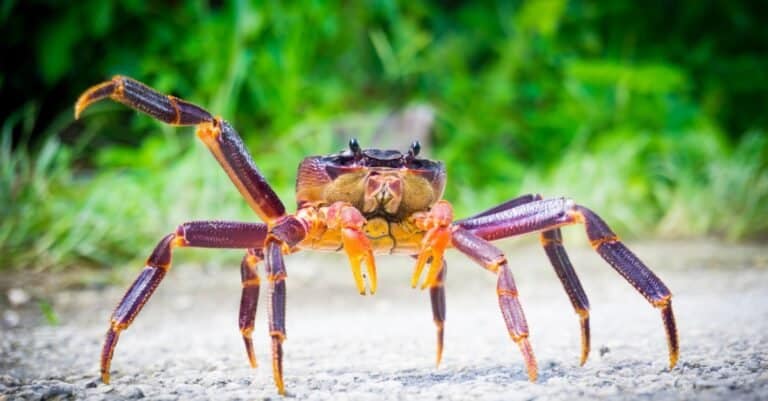
Coconut Crab
Biggest land crab. Biggest grip.

Niue's wildlife character is shaped by its geology: a raised coral atoll ringed by rugged limestone cliffs and fringed by a narrow coastal reef shelf, with a small human population and relatively low development pressure. On land, biodiversity is modest compared with large continental countries, but the island's natural heritage is distinctive-coastal forests, pandanus and limestone habitats, and cliff-side nesting areas support a suite of Pacific birds and bats, while the ocean delivers the real spectacle with charismatic megafauna and exceptionally clear visibility.
Niue's key ecosystems are overwhelmingly marine. Fringing reefs, coral gardens, sea caves, and drop-offs create a compact "big ocean" experience close to shore, supporting reef fish, corals, sea turtles, rays, and occasional pelagic visitors. The island's cliff-lined coastline limits sandy beaches but creates sheltered coves and underwater caverns that are ideal for snorkelling and diving, often with excellent visibility. These habitats are significant not only for local biodiversity but also as part of wider Pacific migratory and dispersal pathways-most notably for humpback whales that use Niue's warm waters seasonally for breeding and calving.
In global conservation terms, Niue's importance lies in safeguarding intact island-sea connections and demonstrating how small-island stewardship can protect highly accessible marine wildlife. The experience here is uniquely intimate: many headline encounters happen close to land, often without long boat journeys, and the island's quiet pace makes it feel like a remote outpost where nature remains the main attraction. For visitors, Niue stands out for nearshore whale watching (in season), easy reef access from coastal entry points, and the sense that you're exploring a rugged limestone island where the ocean defines nearly everything you see.
Niue's wildlife is shaped by its geology as a raised coral atoll: a rugged limestone (karst) island with steep sea cliffs, a narrow coastal terrace, and an inland plateau. The porous limestone limits standing freshwater and permanent rivers, concentrating terrestrial habitats into tropical forest, shrub/secondary growth, and cave/crevice systems. In contrast, the nearshore ocean drops off quickly beyond a narrow fringing reef, supporting rich reef and pelagic ecosystems; cliffs and coastal ledges also provide nesting and roosting habitat for seabirds and bats, while caves and sinkholes create localized microhabitats.
Niue's protected-area system is small and largely community-centered. On land, conservation has focused on safeguarding remaining native forest and culturally important landscapes through designated conservation and heritage areas rather than a large national-park network. In the sea, biodiversity protection is commonly implemented through village-based reef management (customary closed or no-take areas and other locally managed marine areas), alongside national-level marine planning initiatives that have sought to establish very large marine protected areas within parts of Niue's exclusive economic zone. Niue has no UNESCO World Heritage sites, and it has no Ramsar Wetlands of International Importance (it is not listed as a Ramsar Contracting Party and has no Ramsar sites).
Land under formal protection is approximately ~20% (driven primarily by the Huvalu Forest Conservation Area). Exact figures vary by source and by what is counted as "formal" vs. community-managed areas.
Niue's largest and most important terrestrial conservation area, protecting a substantial block of native limestone forest. It is the core stronghold for Niue's land birds and the island's fruit bat, and it safeguards watershed and cave/karst ecosystems.
A protected cultural landscape with forest, caves, and coastal habitats that also support native wildlife. It is notable for linking biodiversity protection with stewardship of caves and traditional sites, and for providing habitat for forest birds and roosting bats.
A network of community-declared reef closures (customary closed or no-take areas) that help rebuild fish stocks and protect key nearshore habitats used for snorkeling and local fisheries. These areas are important for reef fish diversity and for safeguarding turtle feeding and transit areas along the fringing reef.

A national-level initiative intended to protect large portions of Niue's ocean territory, supporting wide-ranging pelagic species and deep-water ecosystems. It is notable for its ambition at EEZ scale and its potential to conserve whales, dolphins, turtles, and tuna-associated food webs.
Niue's wildlife experience is defined less by large terrestrial fauna and more by its ocean: a raised coral atoll with deep, clear water close to shore, fringing reefs, sea caves, and rugged limestone cliffs that support seabird colonies. Terrestrial biodiversity is comparatively limited (few native land mammals and no native amphibians), but marine life is a major draw-especially seasonal humpback whales, dolphins, sea turtles, reef fish, and conspicuous invertebrates like coconut crabs and giant clams.
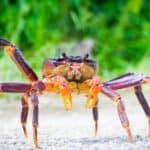
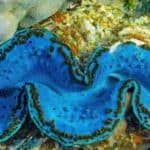
Niue's wildlife tourism is overwhelmingly marine-focused: coral reef snorkeling and diving, seasonal whale watching, sea birding, and coastal exploration along a rugged raised-limestone coastline. Economically, nature-based travel is a core pillar for this small-population island-visitors come specifically for clear water, healthy reef systems, and the rare ability to snorkel with migrating humpback whales close to shore. Wildlife tourism has grown alongside Niue's reputation as a low-crowd, high-quality ocean destination, with local operators offering guided dives, whale tours, and conservation-minded experiences. Accessibility is straightforward but limited: most travelers arrive by air via Auckland (New Zealand), so trip planning matters (flight frequency can be limited), and many wildlife sites are best reached by rental car/scooter plus short walks down coastal tracks. There are no classic "big game" safaris-Niue's standout is blue-water wildlife within easy reach of land, plus caves, chasms, and reef passages that make encounters feel adventurous while staying logistically simple.
Wildlife viewing is good year-round, with clear seasonality for whales and some marine conditions:
- July-October (peak August-September): Humpback whales migrate close to Niue; best for whale watching from boats and (conditions permitting) in-water whale encounters with licensed operators. Calves are more common later in the season.
- May-October: Generally drier/cooler trade-wind season; visibility for snorkeling/diving is often excellent and seas can be calmer on leeward coasts (conditions vary by day).
- November-April: Warmer water and air; great reef snorkeling/diving, but higher humidity and more rain/cyclone risk can affect sea state and visibility.
- Year-round: Reef fish, turtles, rays, and coral ecosystems; night dives/snorkels for nocturnal reef life (operator-led).
Niue has virtually no streams or rivers flowing to the sea-so there's far less muddy runoff after rain. Counter-intuitively, that "lack of freshwater" is a big reason the surrounding reef water can stay so clear and wildlife viewing is so good.
Despite being a tropical island, Niue has very few sandy beaches and no classic lagoon. Much of the snorkeling is done by entering the ocean through chasms, rock pools, and limestone swim-throughs cut into the uplifted reef-more like exploring a marine cave system than a beach.
Beveridge Reef is so low and remote that there's no permanent settlement and parts of the rim only break the surface at low tide-yet it functions as a major wildlife hotspot within Niue's waters, famous among experienced divers/fishers for dense reef life and frequent shark sightings.
In whale season, snorkelers around Niue often hear humpback whale songs underwater from nearshore sites-an unusual experience because in many countries you need to travel far offshore to be in the acoustic "neighborhood" of singing whales.
Beveridge Reef (part of Niue's territory) is a large submerged coral atoll that is often described as about 56 km (35 mi) in circumference (roughly ~16 km by ~12 km), creating an enormous, remote habitat that concentrates reef fish, sharks, rays, and turtles in a single ring-shaped system.
Niue is one of the few places on Earth where humpback whales (among the planet's largest animals, up to ~16 m long) reliably come extremely close to shore during the winter breeding season-close enough that shoreline lookouts regularly spot them without a boat.
Niue is one of the rare destinations where in-water encounters with humpback whales are organized and permitted under local rules; the island's steep "drop-off" and clear water make these encounters unusually feasible from small boats near the reef edge.
Because the island is a raised coral atoll with no rivers, Niue is known for exceptionally clear coastal water compared with many tropical islands; divers commonly report visibility on the order of ~30-50 m, which is a major reason pelagic wildlife (whales, dolphins) and reef life are so easy to observe.
2 species documented in our encyclopedia
Thank you for reading! Have some feedback for us?
We appreciate your help in improving our content.
Our editorial team will review your suggestions and make any necessary updates.
There was an error submitting your feedback. Please try again.