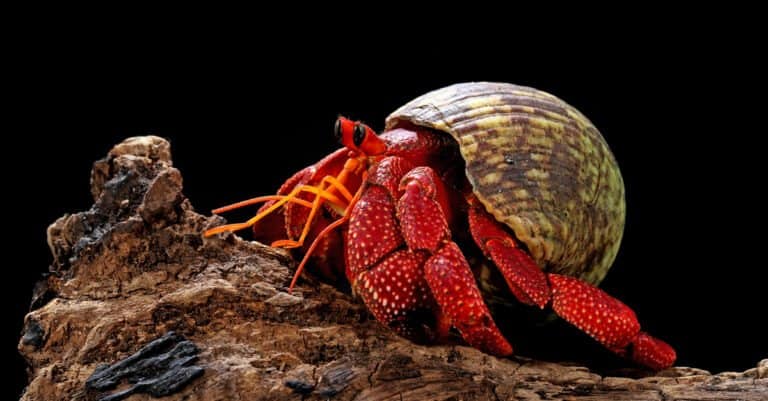
Strawberry Hermit Crab
Red rover of the rainforest shore

Red rover of the rainforest shore
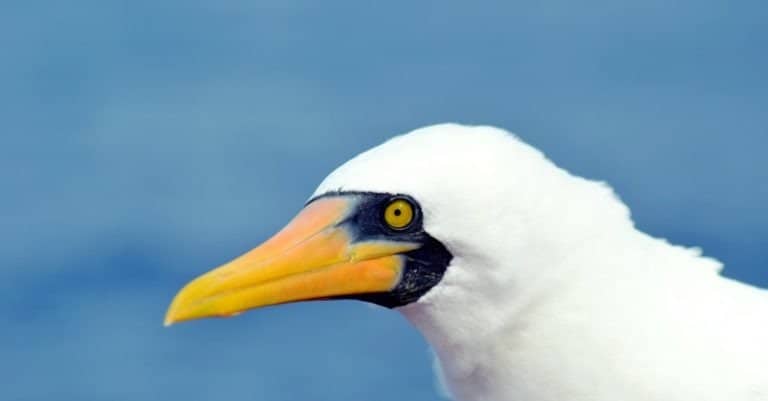
Born to dive, built to soar
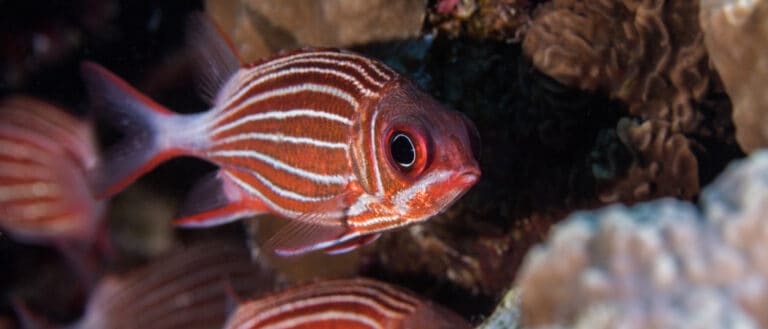
Big eyes, night bites, reef grunts.
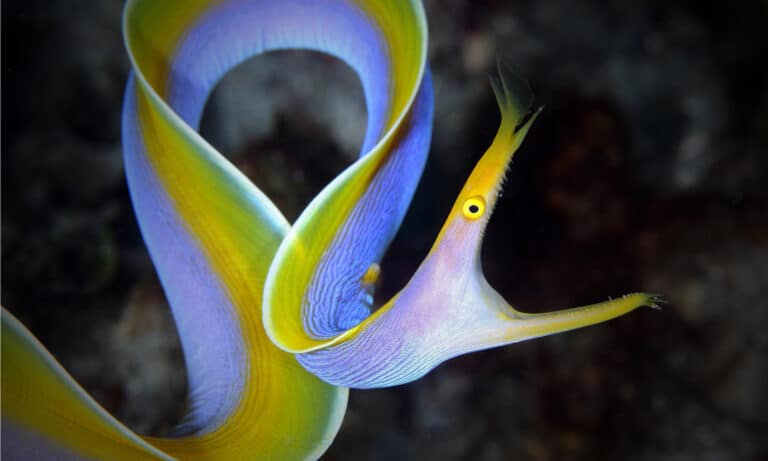
Horn-nosed, ribbon-thin reef ambush eel
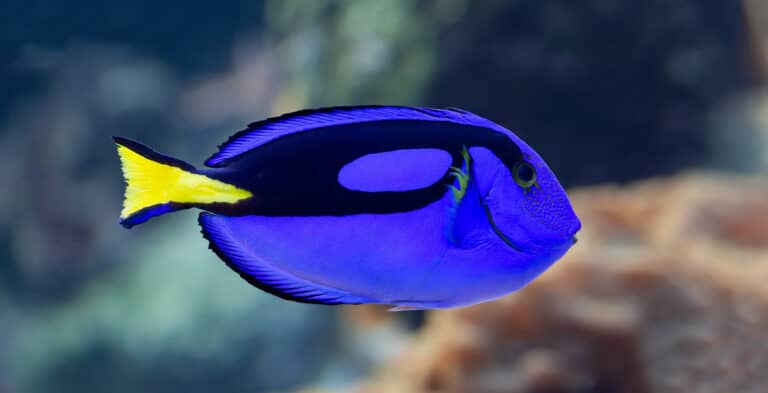
Scalpels on the tail, gardeners of reefs
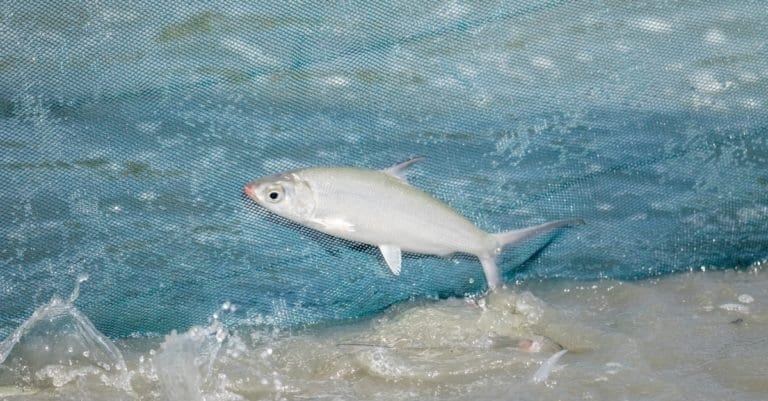
Milkfish: silver strength of the tropics

Black tip. Bright reef. Loyal patrol.
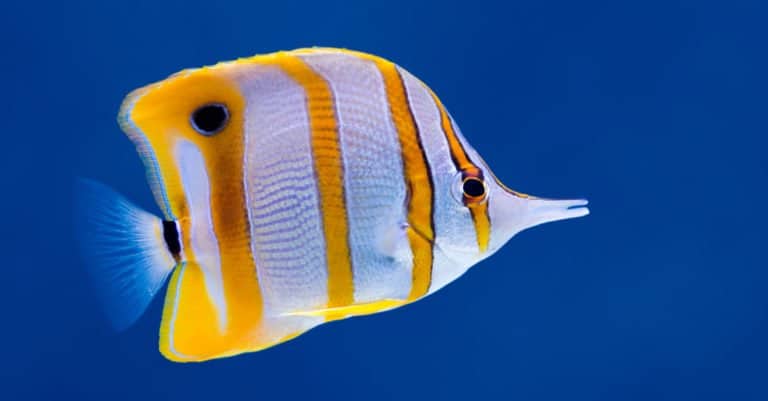
Color-coded courtiers of the coral reef
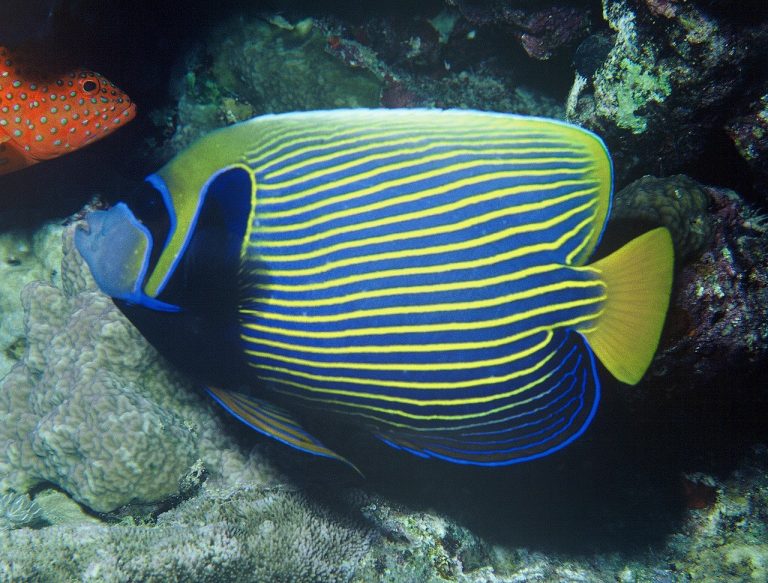
Reef royalty in stripes and rings
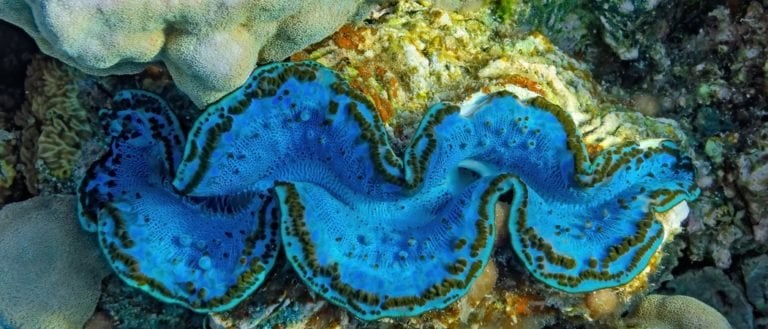
The clam that runs on sunlight.
Spread across Yap, Chuuk, Pohnpei, and Kosrae, the Federated States of Micronesia is defined by a vast ocean realm and a living cultural relationship with nature: reefs and lagoons that feed communities, and steep, rainforest-clad islands where endemic species persist in pockets of intact habitat. For wildlife enthusiasts, FSM's natural heritage is most immediately felt underwater-clear tropical waters, complex reef structures, and a sheer abundance of marine life-yet the uplands add a quieter, equally compelling layer of biodiversity through island birds, flying foxes, and freshwater life tied to intact watersheds.
Key ecosystems include barrier and fringing coral reefs, seagrass beds, mangroves, and expansive lagoons that function as nurseries for fish and invertebrates and as foraging grounds for turtles and rays. Kosrae is especially known for extensive mangrove forests and healthy reef systems; Pohnpei's rugged interior supports cloud-forest-like habitats at higher elevations and some of the most intact rainforest in Micronesia; Yap's channels and reefs are famous for predictable encounters with large rays; and Chuuk's lagoon combines marine biodiversity with unique historical underwater landscapes. Together, these ecosystems are significant not only for biodiversity but also for coastal protection, fisheries resilience, and the continuity of traditional stewardship.
In global conservation, FSM contributes through community-based management, marine protected areas, and the preservation of large, connected seascapes that matter for migratory species and climate resilience in the Pacific. The wildlife experience is uniquely "ocean-first": encounters are often intimate and place-based-guided by tides, seasons, and local knowledge-where a single channel, reef pass, or mangrove creek can reveal manta cleaning stations, turtle feeding grounds, or dense schools of reef fish. On land, the reward comes from exploring forest trails and ridge lines where endemic birds and fruit bats reflect the evolutionary distinctiveness of remote oceanic islands.
The Federated States of Micronesia (FSM) is a widely scattered archipelago of high volcanic islands (notably Pohnpei and Kosrae), low coral islands, and atolls spread across a vast stretch of the western Pacific. This island-by-island isolation strongly shapes wildlife distribution, driving high endemism in birds, bats, reptiles, and plants, while limiting ranges to single islands or island groups. Steep, rain-soaked interiors (cloud forest and watershed streams), coastal lowlands (mangroves and wetlands), and extensive nearshore marine habitats (coral reefs, lagoons, seagrass) create sharp habitat transitions over short distances-so elevation, freshwater availability, and reef/lagoon structure are major determinants of where species occur and how populations connect (or remain isolated).
Protected areas in the Federated States of Micronesia (FSM) are shaped by customary land/reef tenure and are managed mostly at the state (Yap, Chuuk, Pohnpei, Kosrae) and community/municipal level rather than through a single nationwide "national parks" system. Conservation is implemented through a mix of state forest/watershed reserves, locally managed marine protected areas (MPAs) and channel/reef sanctuaries, and conservation areas on outer atolls; many are supported by national policy frameworks and regional commitments such as the Micronesia Challenge, with strong emphasis on safeguarding coral reefs, lagoons, mangroves, and upland watersheds that protect drinking water and nearshore fisheries.
Approximate land under formal protection: ~5-15% (terrestrial), depending on whether watershed forest reserves and locally gazetted/community-conserved areas are counted; strictly designated, consistently enforced terrestrial protection is generally on the lower end. Marine protection coverage is larger and expanding in many states via MPAs and reef/channel conservation areas (often community-led), but percentages vary widely by state and by how "protected" is defined (no-take vs. managed-use).
One of Micronesia's most important intact upland rainforest and cloud-forest systems, critical for endemic birds and for maintaining the island's freshwater supply. Steep terrain and high rainfall support rich native plant communities and refuge habitat for forest wildlife.
A high-biodiversity atoll system with coral reefs, lagoon habitats, and islets used by nesting seabirds and turtles. It is notable for relatively intact reef communities and its role as a replenishment area for fisheries and reef predators.
A flagship Kosrae nearshore protected area with mangroves, seagrass, and fringing reef habitats that serve as nurseries for reef fish and feeding areas for turtles. Clear lagoon conditions and habitat diversity make it especially important for coastal biodiversity conservation.

Home to one of the world's largest remaining stands of ancient ka trees (Terminalia carolinensis) and a key refuge for native forest biodiversity on Kosrae. The area is important for maintaining intact lowland forest structure and supporting fruit bat and bird populations.
A well-known community-led MPA protecting a productive reef channel system that supports large fish schools and reef predators. Strong local stewardship has made it notable for fish biomass recovery and habitat quality compared with many fished channels.

A remote outer-atoll ecosystem valued for its relatively undisturbed reefs and important nesting/roosting habitat for seabirds and turtles. Its isolation helps sustain high coral and reef-fish integrity, making it a priority for atoll-scale conservation.
The Federated States of Micronesia (FSM)-Yap, Chuuk, Pohnpei, and Kosrae-offers a wildlife experience dominated by tropical marine biodiversity: coral reefs, lagoon systems, seamounts, and outer atolls supporting rich reef-fish, shark, ray, and sea turtle communities. On land, diversity is lower and highly island-shaped, with many species being birds and fruit bats adapted to small, forested islands and mangroves; true native land mammals are essentially absent beyond bats, and amphibians are minimal to absent. The character of FSM's wildlife is therefore best defined by world-class diving/snorkeling megafauna encounters (manta rays, sharks, turtles), plus distinctive island endemics (especially birds and flying foxes) in upland forests and mangrove mosaics.
Wildlife tourism in the Federated States of Micronesia (FSM) is primarily a marine-and-rainforest experience spread across four distinct island states-Yap, Chuuk, Pohnpei, and Kosrae. The country's vast ocean territory, reefs, lagoons, mangroves, and cloud-forest watersheds support world-class snorkeling, diving, paddling, and birding. Economically, nature-based travel (especially scuba diving and reef activities) is a key niche sector that supports local guides, small hotels, boat operators, artisans, and community-run conservation and marine-managed areas. Historically, tourism grew around dive travel (including Chuuk's famous wreck diving), with increasing emphasis on sustainable reef use, manta ray protections, watershed conservation, and low-impact visitor practices. Accessibility is via international flights typically connecting through Guam, Honolulu, or Manila depending on season and routing; travel between states is by domestic flights and boats, and trips require flexibility for weather and flight schedules. Infrastructure is modest but functional in main towns; the payoff is uncrowded, high-quality wildlife encounters-often with strong cultural context and community stewardship.
Chuuk Lagoon-famous for dozens of WWII shipwrecks-has effectively become a sprawling artificial-reef system: many wrecks are now carpeted in corals and sponges and shelter dense reef-fish communities.
Although the country's land area is tiny, FSM's Exclusive Economic Zone spans a vast swath of ocean (around 3 million km²), meaning most of the nation is actually open water-critical habitat for highly migratory wildlife like tuna and whales.
On Yap, traditional community rules can temporarily close reefs to harvesting; these customary temporary bans function like locally enforced marine protected areas and can rapidly change what you see underwater.
Yap's mantas aren't just "seen," they're trackable: researchers and dive operators commonly recognize individuals by unique belly-spot patterns, allowing long-term resighting of the same rays.
Some of FSM's most striking "wildlife moments" happen in the channels: strong tidal flows concentrate plankton and baitfish, which is why divers often time sites around tides to encounter mantas, sharks, and schooling fish in predictable bursts.
Pohnpei is home to the Pohnpei kingfisher (Todiramphus reichenbachii), while the closely related Guam kingfisher (Todiramphus cinnamominus) is extinct in the wild.
FSM's islands (notably Yap and several outer islands) are part of the natural range of the coconut crab (Birgus latro), the world's largest land-dwelling arthropod.
Reefs across the Federated States of Micronesia host the giant clam (Tridacna gigas), the world's largest bivalve mollusk, which can exceed 1 meter in length.
FSM waters include the bumphead parrotfish (Bolbometopon muricatum), the world's largest parrotfish-an iconic reef "bulldozer" that can reshape coral rubble and sand.
Yap is widely regarded as one of the world's most reliable year-round destinations to see reef manta rays (Mobula alfredi), thanks to regular cleaning-station aggregations.
23 species documented in our encyclopedia
Thank you for reading! Have some feedback for us?
We appreciate your help in improving our content.
Our editorial team will review your suggestions and make any necessary updates.
There was an error submitting your feedback. Please try again.